

Areas Where Real Madrid Are Actually Better Than Last Season
Better. Improvements. Real Madrid.
Right now in the Spanish capital, there will be few willing to concede that such words belong in the same sentence. After Sunday's 3-2 defeat to Sevilla—a loss that followed a vastly unpleasing display against Paris Saint-Germain—critics of Rafa Benitez are gaining both voice and number, the essence and style of his Real Madrid outfit satisfying few.
"Tonight's game against Sevilla," wrote Juanma Trueba of AS in his match report on Sunday, "was an X-ray which showed us what Real Madrid have on the inside—little, or less than we previously thought."

.jpg?w=2560)
And yet, away from the concerns over a misfiring attack and an uncertain collective identity—"we need to change our mentality," said Sergio Ramos—there is evidence of improvements to be found in certain areas for Real Madrid.
Just seven goals conceded is one piece of evidence. Ten clean sheets in 15 games is another. Points taken from the Vicente Calderon and Parc des Princes could be considered as such, too.
So, despite the mounting criticism of Real Madrid, we've examined where that evidence stems from, breaking down three areas where Madrid are better this season than they were last.
Between the Posts
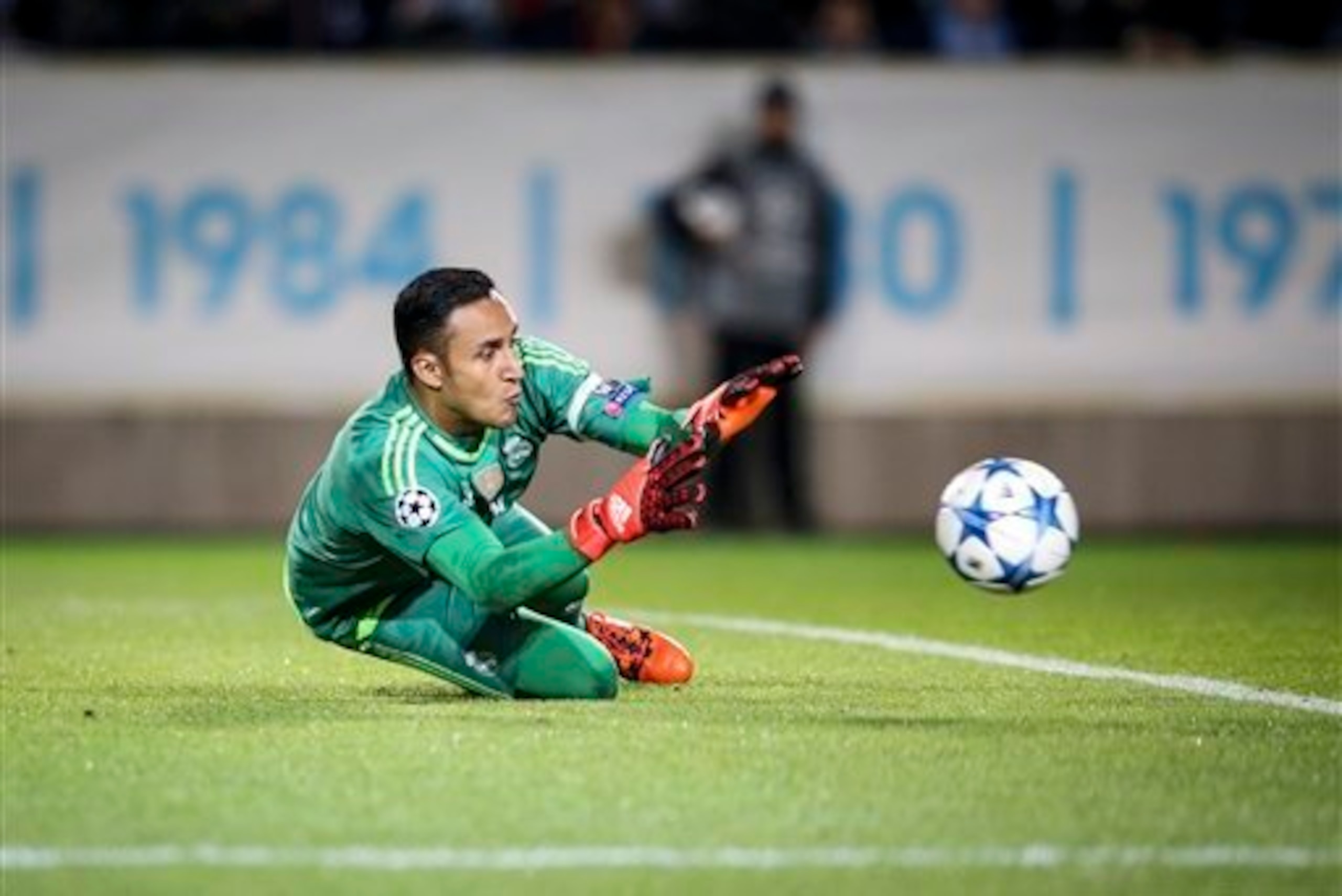
To the wider world, he's known as Keylor Navas. To his team-mates, though, he's currently Keylor Paras—"a pun on his surname which might be translated as 'Mr Save'," says Marca.
For creativity, it's a nickname up there with one once given to an Irish footballer, Marty Clarke, who plied his trade in Australian Rules Football. "Irish," they called him.
Genius.
But for Navas, even if his new nickname lacks imagination, it's bloody well accurate. So far this season, he hasn't stopped making saves. Ever. He's saved everything.
Against Real Betis and Atletico Madrid, he saved penalties. Against Espanyol and Levante, he saved bullet-like shots. Against Celta Vigo, he did more than that; he became something else, a different animal entirely. "An octopus," said Ray Hudson on commentary.
In 13 appearances, Navas has conceded just three goals. "There is no case in history [like it]," said Marca, nodding toward Real Madrid's goalkeeping past.
And what a difference he's making: Last season, per Squawka, Iker Casillas averaged 2.2 saves per goal; this season, Navas' number is 8.3.
Depth

Isco had scored, Jese had scored and the day had ended with a Real Madrid XI that was almost unrecognisable. "People who weren't going to play are giving us points," said an upbeat Benitez, his side having overcome Las Palmas.
And he was right, they have. Unlike last season.
Under Carlo Ancelotti in 2014-15, Real Madrid's selection policy was spectacularly rigid and could be summed up by saying the Italian picked the 11 biggest names and that was that. Every. Single. Time.
Naturally, such an approach gave rise to two important questions: Did Ancelotti opt for such a method because he didn't believe his squad needed to be rotated? Or did he opt for such a method because he didn't believe he had the depth to rotate with?
It's hard to know, but the result was a supporting cast that felt as though it got progressively worse as the season went. Denied playing time, Asier Illarramendi's development stagnated, Sami Khedira's fit became awkward, Lucas Silva's quality grew questionable, Jese lost confidence and spirit, Fabio Coentrao fell away and Javier Hernandez had another year of his career wasted. And when some of them did play, the results—away to Real Sociedad and Atletico Madrid, for instance—weren't pretty.
But this season, it's a different story.
Because of a string of high-profile injuries, Real Madrid's squad depth has been genuinely tested already, and for the most part, it's passed with strong grades.
Indeed, Jese looks more like the Jese we know, a bullishness evident in him once more, while Lucas Vazquez has proven extremely useful as a right-sided alternative to Isco. Denis Cheryshev is still available, too.
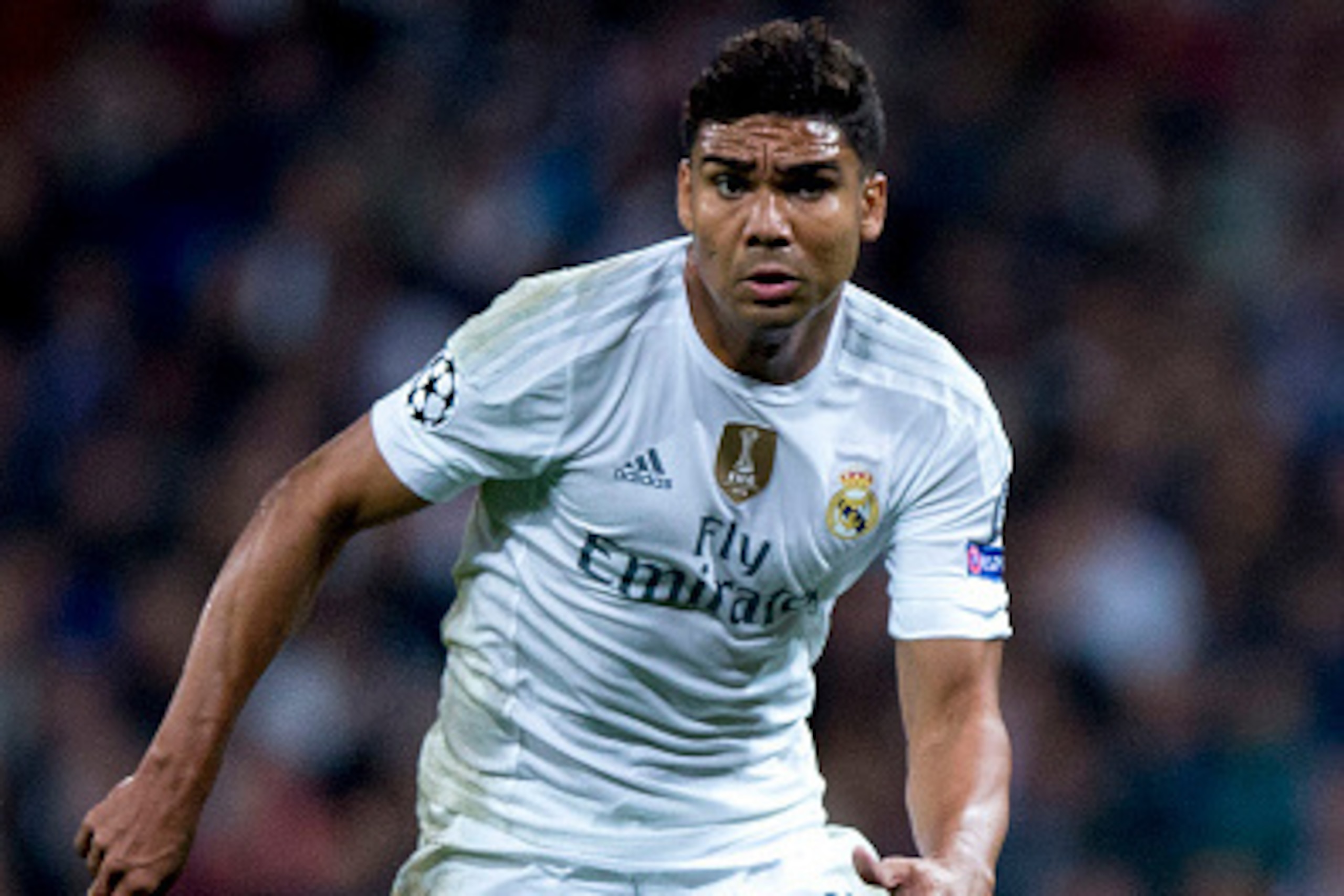
Also encouraging have been some bright cameos from Mateo Kovacic, while Casemiro has been outstanding to the point of almost securing a permanent starting place.
"They're all making the most of their minutes," said Benitez.
Amen.
Defensive Midfield
Improvement may be the wrong term here, somewhat inaccurate. For calling it so implies something of its form actually existed previously. And that's the thing: In this case, it didn't.
In 2014-15, the idea of Real Madrid having a presence in defensive midfield was an extremely vague one. In a notional sense, Toni Kroos might have played the role but in practice, well, not really: In reality, Kroos was a converted No. 10 doing a job alongside a bunch of other No. 10s.
Briefly, such an attacking nirvana looked as though it might work, but slowly traditional footballing principles took hold and Madrid's attempt to redefine systematic balance actually strengthened its existing definition. Gradually, they were overrun.
"When I was in Italy last year," said Benitez recently, "I'd watch Real Madrid games. There was always talk of there being a lack of a midfielder with [defensive] characteristics."
There was. Not so anymore, though.
In Casemiro, Real Madrid now have a proper defensive midfielder. Rugged, physical, scrappy, unafraid to get his hands dirty, the Brazilian neatly complements the attacking talent that surrounds him, his point of difference now extremely important to Benitez's squad. And illustrating that are the numbers.
Last season, Kroos averaged 2.6 tackles, 0.9 interceptions and 0.3 clearances per game in the league playing where Casemiro is now; this season, Casemiro's respective figures stand at 3.2, 2.1 and 1.4, per WhoScored.com.
The differences are significant.

.jpg?w=2560 "Rams Eagles Football")


.jpg?w=2560 "Injury-stricken Seahawks signing veteran RB")

