Analysing Mario Balotelli's Early-Season Form for AC Milan
When Mario Balotelli was brought back to AC Milan on loan at the end of the summer transfer window, eyes rolled.
The mercurial forward has talent out of the ears. He might be most naturally gifted striker in the Italian player pool. But the 25-year-old has always been held back by maturity issues.
Whether it was at Internazionale, Manchester City, AC Milan or Liverpool, there were always shenanigans. Everyone knows the stories. Throwing darts at youth-team players. Setting off fireworks in the bathroom. Struggling to get his training bib on. That infamous "Why always me?" shirt.


For every outstanding goal, there was something that held him back. Fans were expecting more of the same when he arrived for his second stint with the Rossoneri. They were in for a pleasant surprise.
It's difficult to give an exhaustive analysis of Balotelli's play this season because there's been so little actual substance. He was held off the field for the team's first few games while he trained himself into match shape—he hadn't played since April.
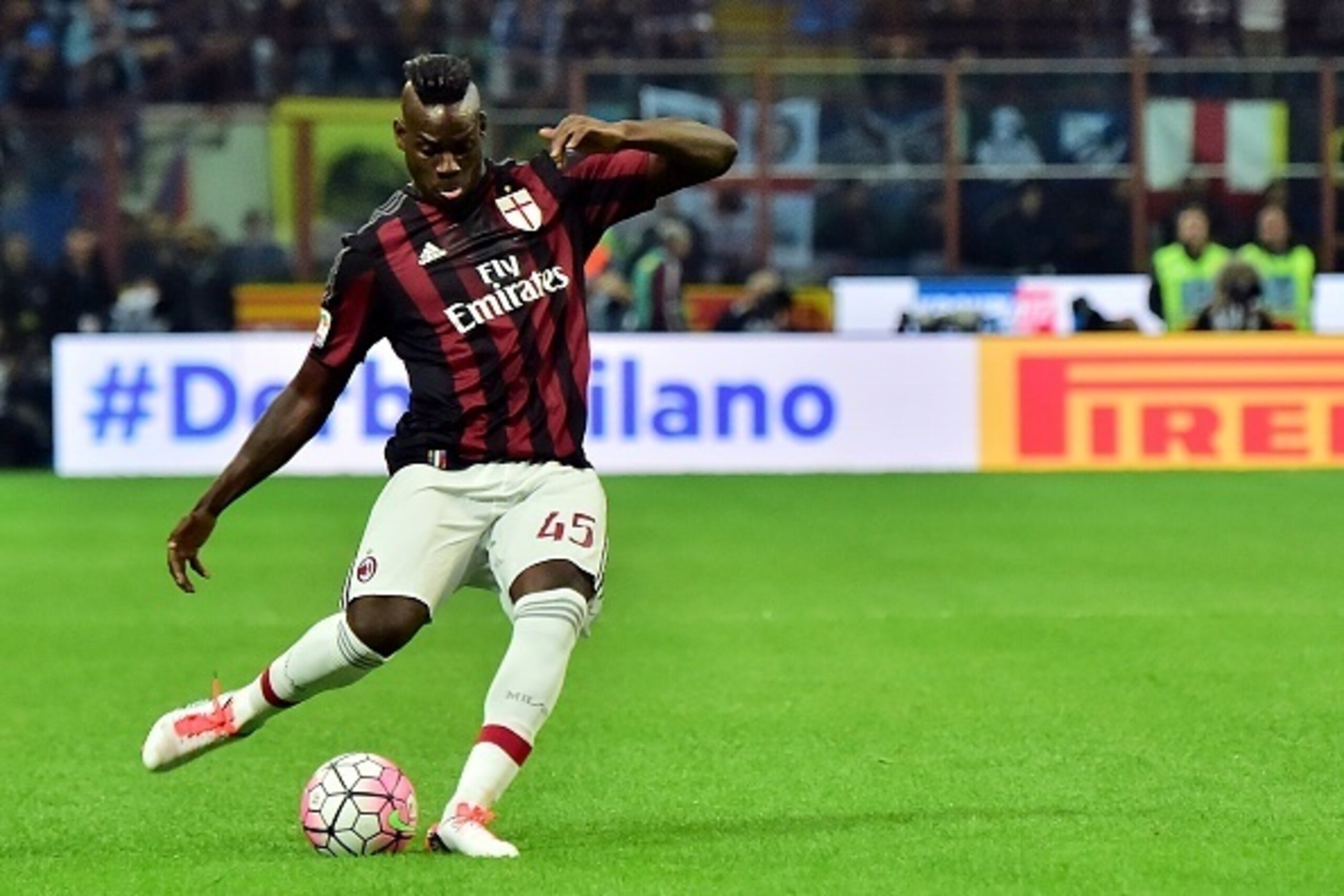
After making his debut as a sub in the Derby della Madonnina, Balotelli made one more sub appearance and a pair of starts before suffering a groin injury that has kept him on the shelf ever since. That injury has limited the sample size we can use to judge Balotelli's overall performance this season.
What we have seen, however, has been encouraging.
Balotelli's introduction against Inter on September 13 nearly turned the game on its head. Thrown on four minutes after Fredy Guarin scored his stunning opener, Balotelli was instantly the most dynamic player on the field. According to WhoScored.com, with only 22 touches, he found the target with one shot, hit the post with another, provided two key passes and drew four fouls.
Both of his most dangerous shots—the one that hit the post and the other that forced a top-level save out of Samir Handanovic—were vicious drives from outside the box. Had either been a fraction of an inch to one side, the game would have been tied and Balotelli would have been the instant hero.
In every game in which he's featured since, Balotelli has looked like Milan's most dangerous man. In 20 minutes against Palermo in the following game, he found the target yet again. Against Udinese, he delivered a Man of the Match performance underlined by an exquisite free-kick goal. He worked tirelessly to try to get into position to tie the game against Genoa, even with his team at a man disadvantage.
But the biggest improvement Balotelli has made this season has nothing to do with what he has done with the ball.
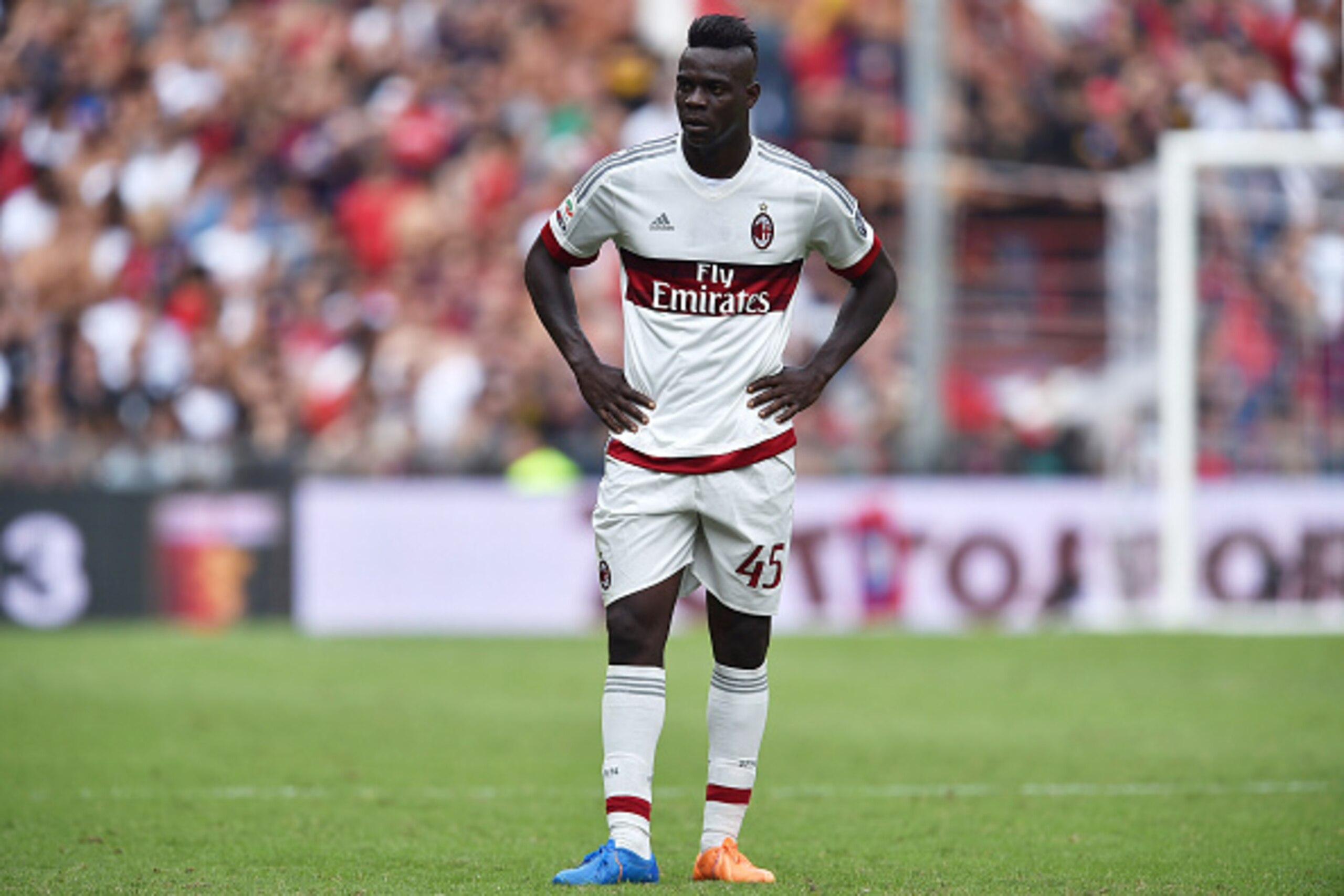
In each of his appearances, opposing defenders have made it a point to antagonize him. Felipe Melo's late challenge in the derby was the most obvious example. But in spite of all the button-pushing, Balotelli hasn't reacted. Bad Mario—the Mario who would sulk or retaliate, the one who would be thrown off his game—has not appeared in Serie A so far this season.
The same can be said of his attitude toward teammates. The Balo of old had a tendency to lose focus when his teammates failed to get him quality service. The most prominent example of that trait was against Uruguay in Italy's third group game of the 2014 World Cup. Unable to get into good positions with the ball, he totally shut down and was lucky to make it to halftime—at which point he was promptly hauled off by Cesare Prandelli.
This weakness has been largely absent from Balotelli's game since his return. He's simply put his head down and continued playing football.
What has caused this turnaround in Balotelli's attitude is impossible to pin down, although there are a few possibilities. It's entirely plausible he has simply realized this is his last chance to show himself to be a viable player at the top level and is acting accordingly. If he were to flame out here, it's unlikely a big team would ever take a flier on him again.
Another explanation is a tragic one. Balotelli's adoptive father died this summer after a long illness. While the circumstances are regrettable, it's not hard to make the connection between this and his improvement. The loss of someone so close to him may have fundamentally changed him as a person.
Only time will tell why he seems so improved—and if that improvement will hold. When he returns from his injury and presents observers with a larger sample size, it will be easier to see if Good Mario has become the Permanent Mario.
Until he does return, all we have to judge him on is 228 minutes over four games. What he has produced in that time is both impressive and encouraging. If he keeps it up, he could finally realize some, if not all, of his potential. If he fails, though, it may be over for him at this level.

.jpg?w=2560 "Colts Football")
.jpg?w=2560 "NFL House in Paris Closes for Protests (AP)")


.jpg?w=2560 "Trevon Diggs Cut by Seahawks")