
Ranking Tottenham's Top 10 Summer Transfers of the Past 10 Years
Two Tottenham Hotspur summer transfers from recent times were on the scoresheet in their 5-1 win over Bournemouth on Sunday: Mousa Dembele from the 2012 crop, and Erik Lamela from the much-maligned and now mostly dismantled 2013 arrivals signed in anticipation of, and after, Gareth Bale's world-record sale to Real Madrid.
In the last decade, the majority of Tottenham's recruits have been signed or arrived in the off-season. In part, this is because generally it is a simpler time to deal with other clubs than in the more desperate January window. But it's also because frequent changes in managers have often meant reshaping the squad to the new man in charge's liking.
Ranking the north London club's 10 best summer transfers of the past 10 years has naturally proven tricky (dating back to 2006 through to the latest window).
With so many players to choose from, it has meant plenty of good, solid acquisitions are not recognised. Then, with the majority of the following list featuring so many high-profile names, it has been a case of splitting hairs between a lot of talent.
It is easy to get caught up in the present with players like Dembele and Lamela enjoying good spells right now. But the criteria looks to balance value, short- and long-term impact, overall success and the circumstances in which it was enjoyed.
Counting as a summer transfer are players literally signed in that window and those whose moves were agreed in anticipation of arrival during that period.
First up, some honourable mentions of those just missing the top 10.
Honourable Mentions
1 of 10
Mousa Dembele began his Tottenham career as well as any of the summer 2012 recruits included in these rankings. A less successful couple of seasons followed, but a solid start to 2015-16 may see him earn a place on any future versions.
Scott Parker was excellent in 2011-12, winning the fans' vote for their player of the year in a season in which Spurs just missed out on Champions League qualification. The follow-up was not so strong, but his efforts for the club will not soon be forgotten.
Emmanuel Adebayor's permanent deal was to be more trouble than it was worth, but his initial loan signing in 2011 was as effective a use of the system as there has been.
There are hopes for the long-term prospects of other current players such as Eric Dier, Heung-Min Son and Erik Lamela, albeit there is more pressing pressure on the latter.
Benoit Assou-Ekotto, Niko Kranjcar, Roman Pavlyuchenko and Didier Zokora all enjoyed some fine times at Tottenham, if not quite prolonged success.
10. Peter Crouch
2 of 10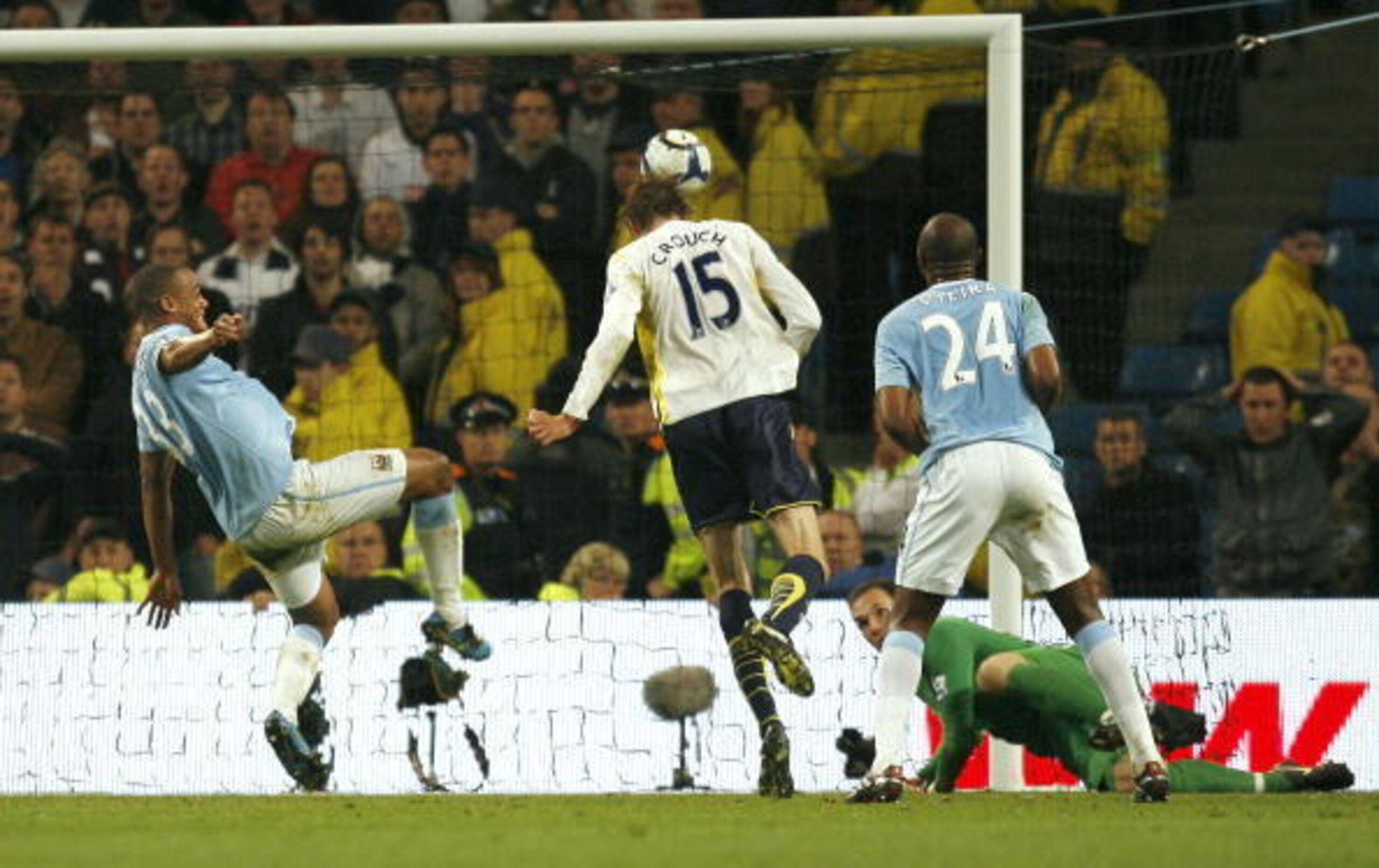
Peter Crouch was not a resounding success at Tottenham.
The former Spurs schoolboy left the club in August 2011 after two seasons, the second of which had seen his aerial threat too often used as an excuse to go long ball by unimaginative team-mates. His fault or not, manager Harry Redknapp sought to instill more variety in his attack with the arrival of Adebayor.
Crouch earns his place on this list for the importance of several of his 21 goals.
His late, headed winner against Manchester City in May 2010 secured Spurs’ place in the Champions League, the first time they had reached Europe’s top competition in almost 50 years.
Once there, his hat-trick against Young Boys fired them to the group stage where he would net in the 3-1 win over then-holders Inter Milan. Even more memorably, Crouch struck the only goal as Spurs saw off AC Milan in the San Siro on the way to booking a quarter-final place.
9. Danny Rose and 8. Kyle Walker
3 of 10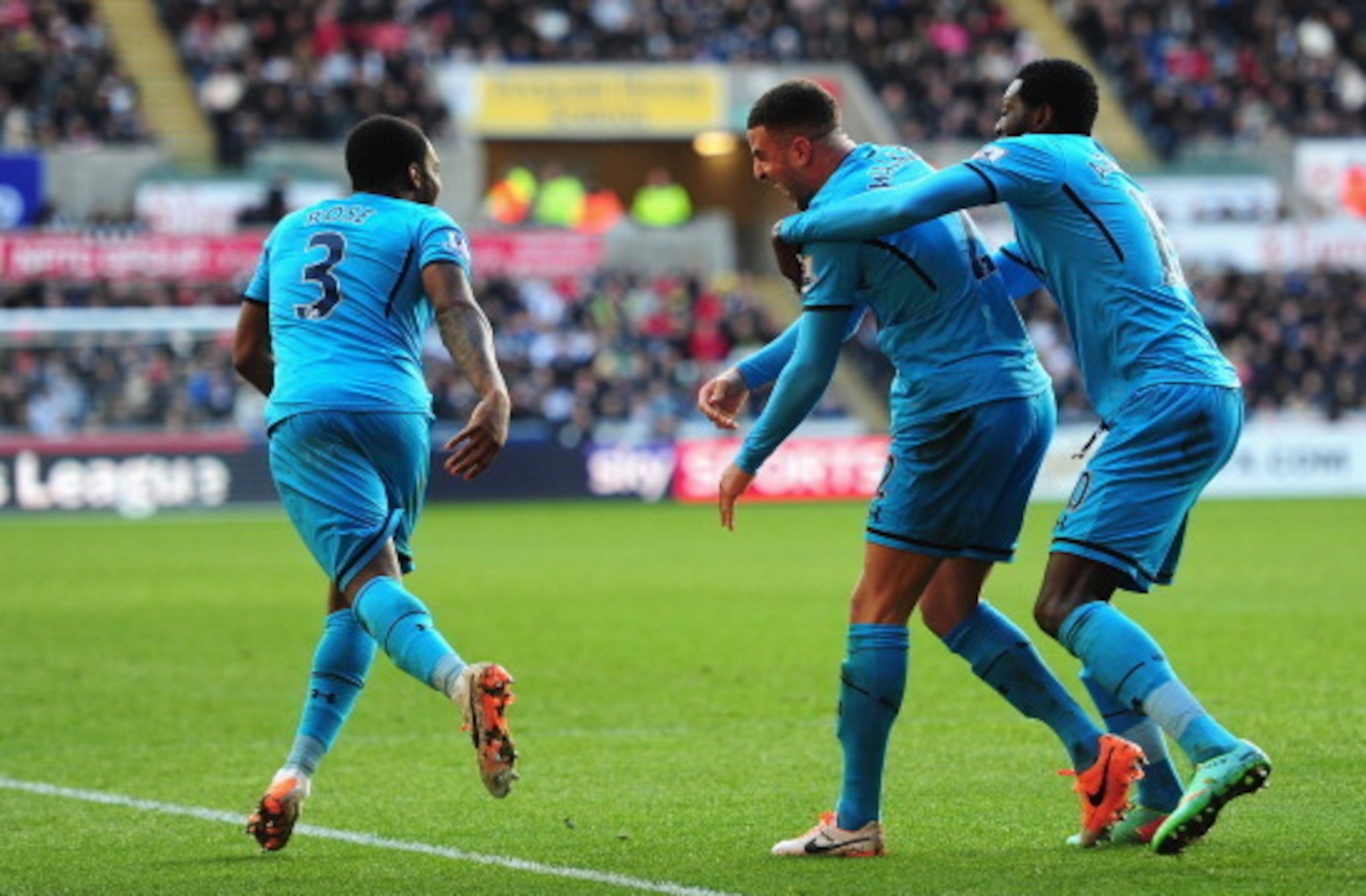
Danny Rose and Kyle Walker are no strangers to scoring memorable goals. Both have struck brilliant long-range efforts in wins over north London rivals Arsenal in their time at Tottenham.
The two full-backs’ greater contributions to Spurs have been in the value for money they are continuing to provide. Each is very much the epitome of a bargain deal turning into a long-term servant.
Rose joined from Leeds United as a 17-year-old in 2007. Walker arrived in 2009 from Sheffield United as part of a joint deal with Kyle Naughton for a reported £10 million.
After various loan spells elsewhere, both Rose and Walker established themselves in the Spurs first team. The latter took a little more time having switched from left midfield to left-back but has really hit his stride in the last year.
Walker was voted PFA Young Player of the Year after breaking into Redknapp’s Spurs side in 2011. Injuries over the last 18 months disrupted his progression, but he is again looking to prove himself one of England’s best defenders.


7. Jan Vertonghen
4 of 10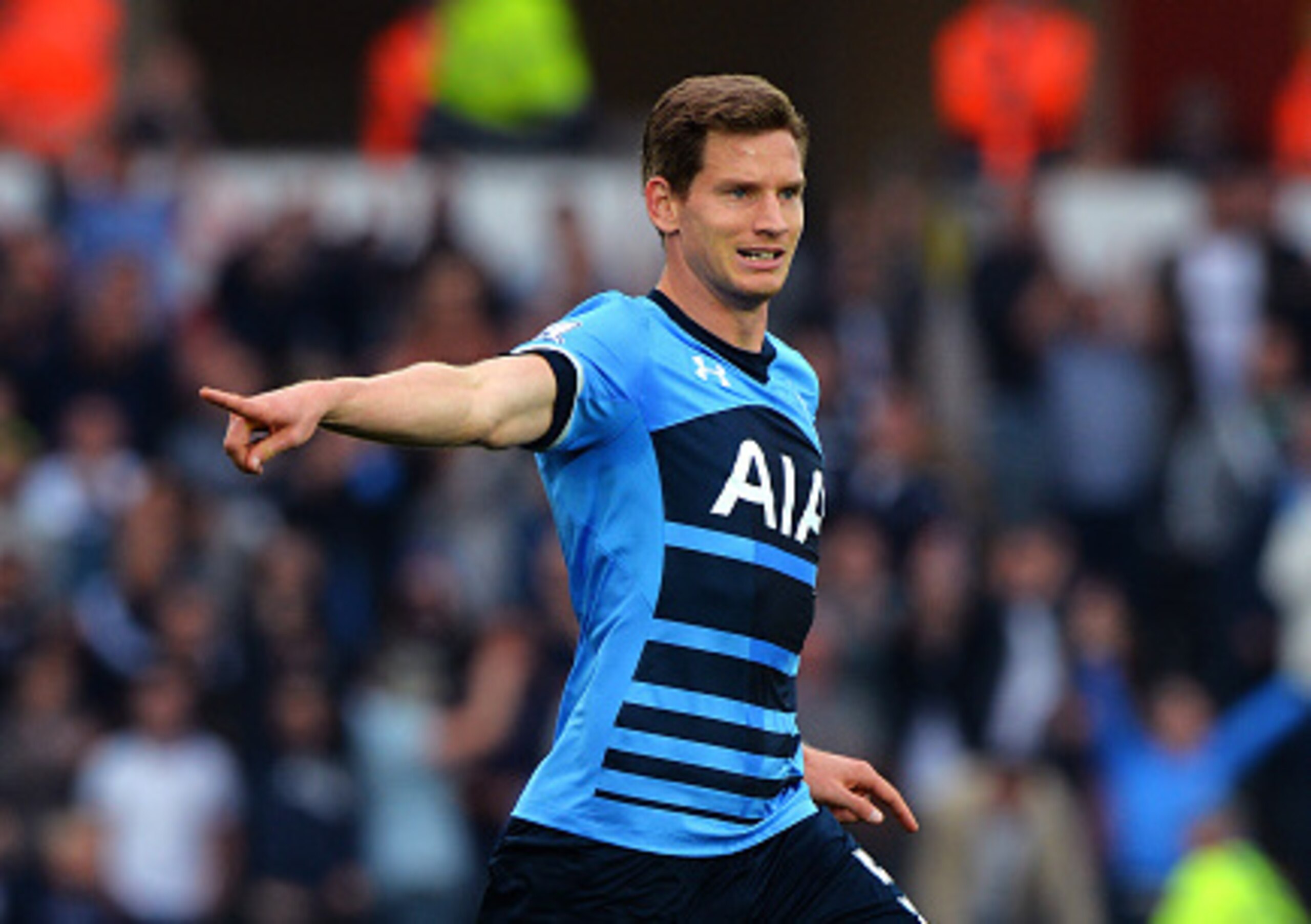
A key part of a successful Ajax side and an up-and-coming Belgium national team, Jan Vertonghen was one of Europe’s most highly rated young defenders in 2012. There was rumoured interest from Inter Milan, Manchester City and Valencia, with the player himself later revealing a concrete approach from Arsenal, via the Telegraph.
Despite the transition occurring between Redknapp and Andre Villas-Boas that summer, Vertonghen chose Tottenham.
It has been a tumultuous few years for the north Londoners’ defence, not helped by subsequent managerial upheaval. While Vertonghen’s own performances have at times been affected by changes in personnel around him, he has mostly delivered in England on his reputation.
Confident and versatile, adroit and tough, the 28-year-old has started the current season looking more mature than ever. Should he continue to hold together the Spurs back four with the same sense of leadership and defensive resolve, expect to see him shoot up on any such list like this in the future.
6. Dimitar Berbatov
5 of 10
Dimitar Berbatov's time at Tottenham ended on a bitter but financially rewarding note. Chairman Daniel Levy secured a nearly £20 million profit on his sale to Manchester United on the £10.9m they paid Bayer Leverkusen for the striker just over two years earlier.
The money provided scant consolation during their early struggles of 2008-09.
Berbatov had scored 46 goals in the preceding two campaigns. Effective in tandem with Jermain Defoe and Robbie Keane or leading the line solo, he wowed Spurs fans with sumptuous finishing and mesmeric tapestries of dribbling and passing.
He helped Spurs to the quarter-final of the UEFA Cup on their return to European football in 2006-07, as well as a fifth-place league finish. In what was to be his final season, the Bulgarian’s goals notably helped fire Spurs to their first piece of silverware in almost a decade, scoring a penalty in the League Cup final over Chelsea.
5. Rafael Van Der Vaart
6 of 10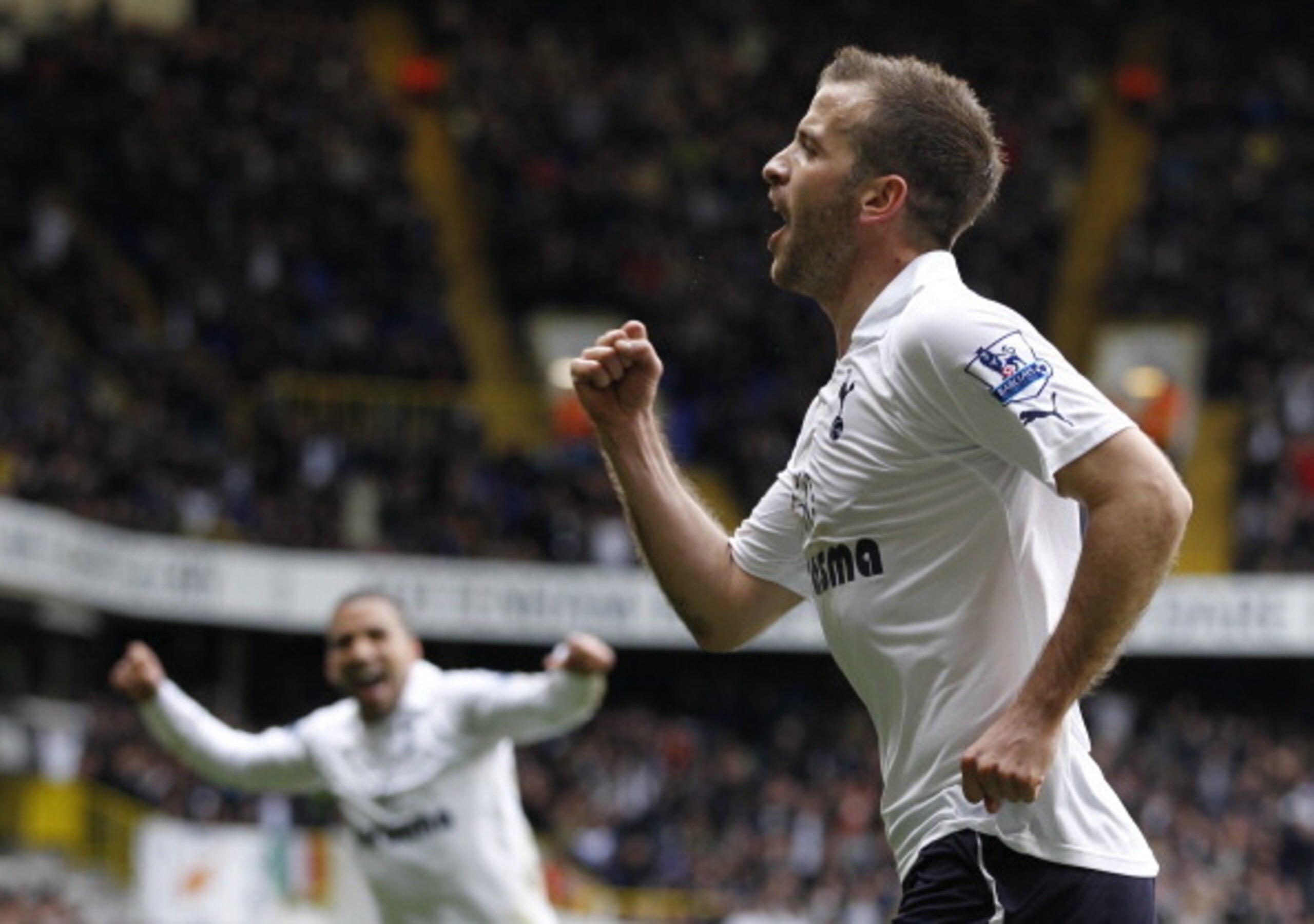
Rafael van der Vaart gets the edge on Berbatov in these rankings for a couple of reasons.
The Dutchman was even more of a bargain, a £9 million signing on deadline day from Real Madrid (they may not have been so generous if they had known how much the English club would charge them for Bale and Luka Modric later on). When he also left after two years, there was less acrimony, too, Van der Vaart choosing a return to Hamburg, not a switch to a Premier League rival.
Really, there is little to separate two players who filled the club’s maverick role in their time with north London with similar entertainment.
Van der Vaart would not win silverware at Spurs, but his biggest European contributions would come in the Champions League rather than the UEFA Cup/Europa League. He also enjoyed better success in north London derbies.
He scored 28 times from attacking midfield. Not always so productive before the final third but liable to strike or create a goal when he did get there.
4. Christian Eriksen
7 of 10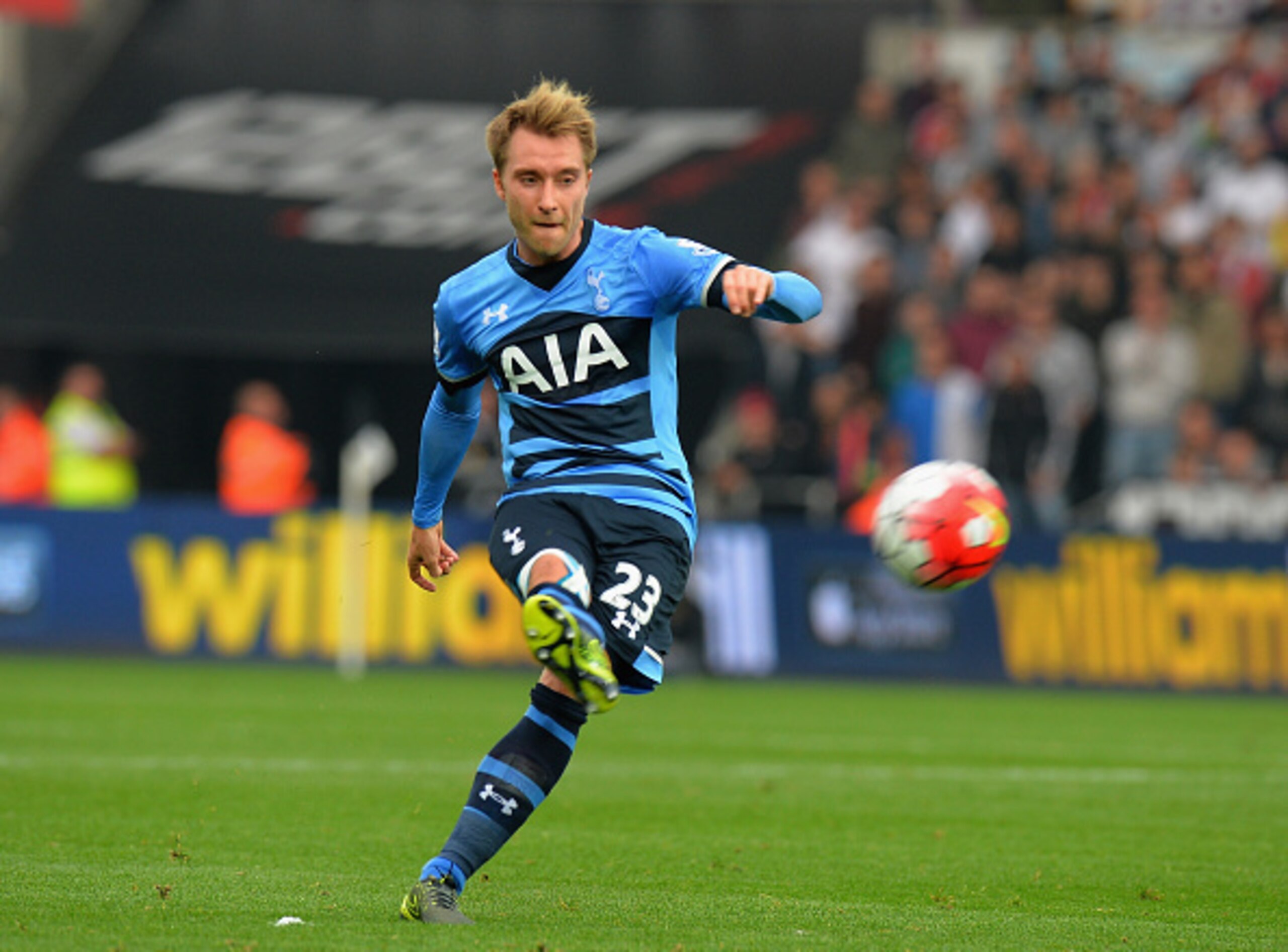
Into his third season with Tottenham, Christian Eriksen shares some qualities with some of the previous entries on this list.
Like Berbatov and Van der Vaart, he wields considerable, predominantly eye-pleasing influence in the team’s attack. Like Vertonghen, he was recruited from a talented Ajax team before others were willing to take a chance on him, also for a relatively bargain price (in today’s market anyway).
His higher ranking comes from the mix of the sizable contribution he has already made and the potential for even more.
Eriksen has 25 goals and counting for Spurs. He was their most reliable attacking presence in a turbulent 2013-14 campaign and last year was only bettered by Harry Kane in helping the team to a commendable fifth-place finish.
It could be the case Eriksen has found his level. But still only 23, there is scope for him to become an even better, more confident performer. One whom, all being well, Spurs could build around for years to come.
3. Gareth Bale
8 of 10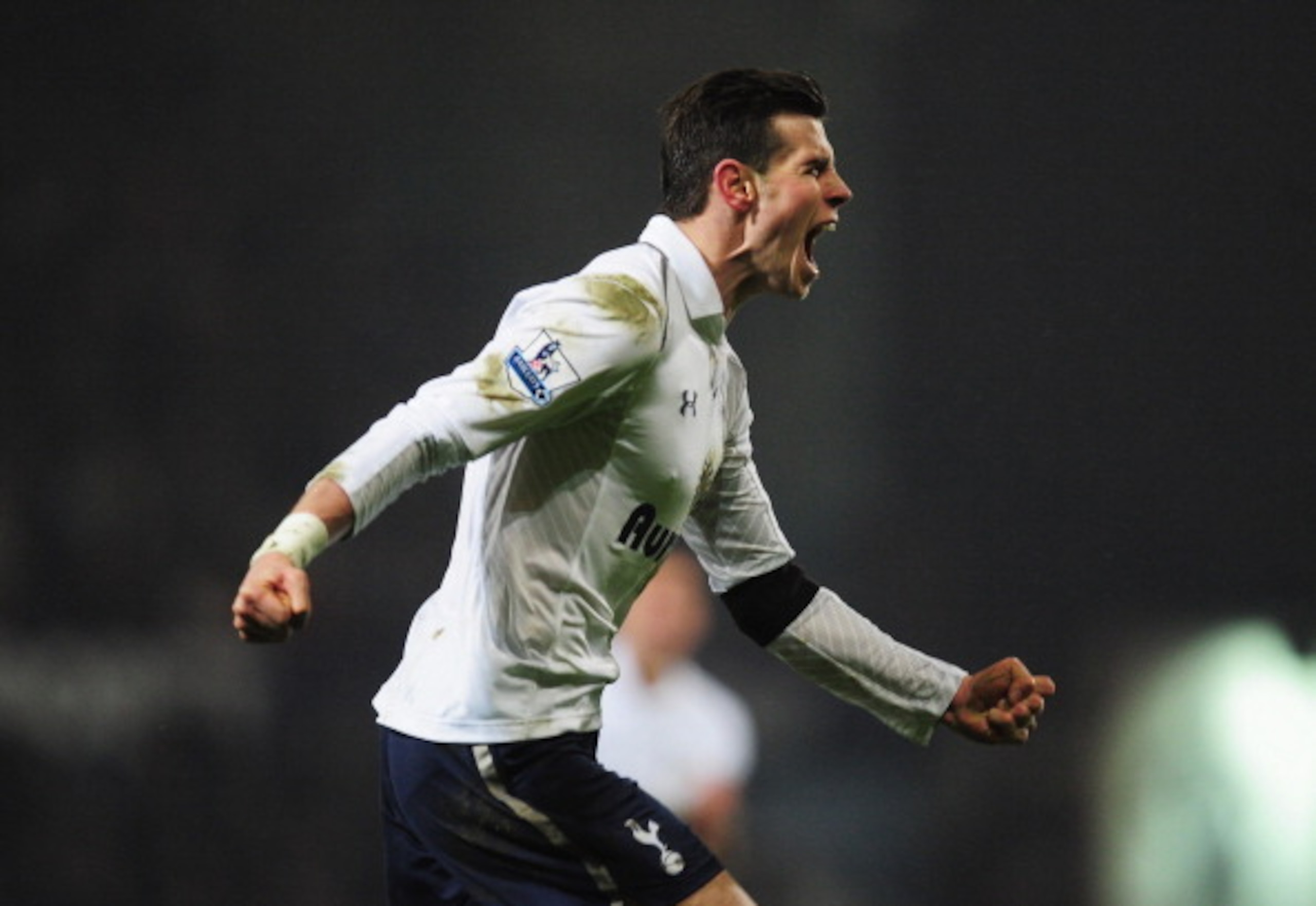
Building around Gareth Bale for the long term was something Tottenham were unable to do.
Signed from Southampton in 2007 as a 17-year-old, an initial fee of £5 million was agreed with the prospect of additional payments taking it up another five million. It spoke of the belief in the Welshman’s potential, and after a couple of injury-hit years, he was able to show it.
Between 2009 and 2013, he transitioned from an attacking full-back to one of the most feared attackers in Europe. He helped Spurs into the Champions League and was one of their standout performers there, shining in two outstanding individual displays against Inter Milan.
His final season of 2012-13 was his best yet, summoning repeated unbelievable strikes to keep alive the team’s hopes of securing a return to Europe’s top tier.
It was not to be, and Bale could not resist the opportunity of a move to Real Madrid. Spurs received sizable compensation but were undoubtedly damaged by the loss of such a scintillating performer.
2. Luka Modric
9 of 10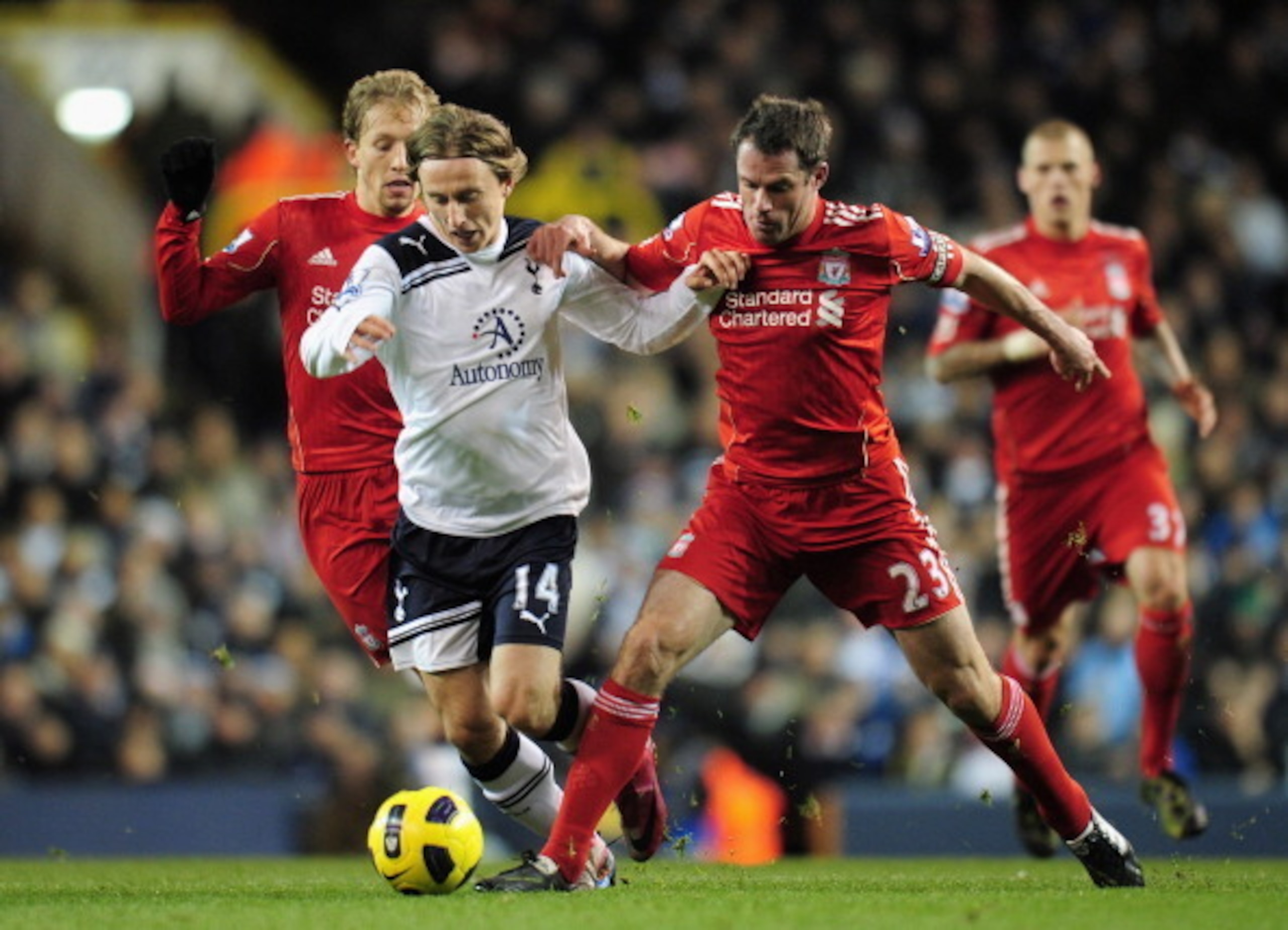
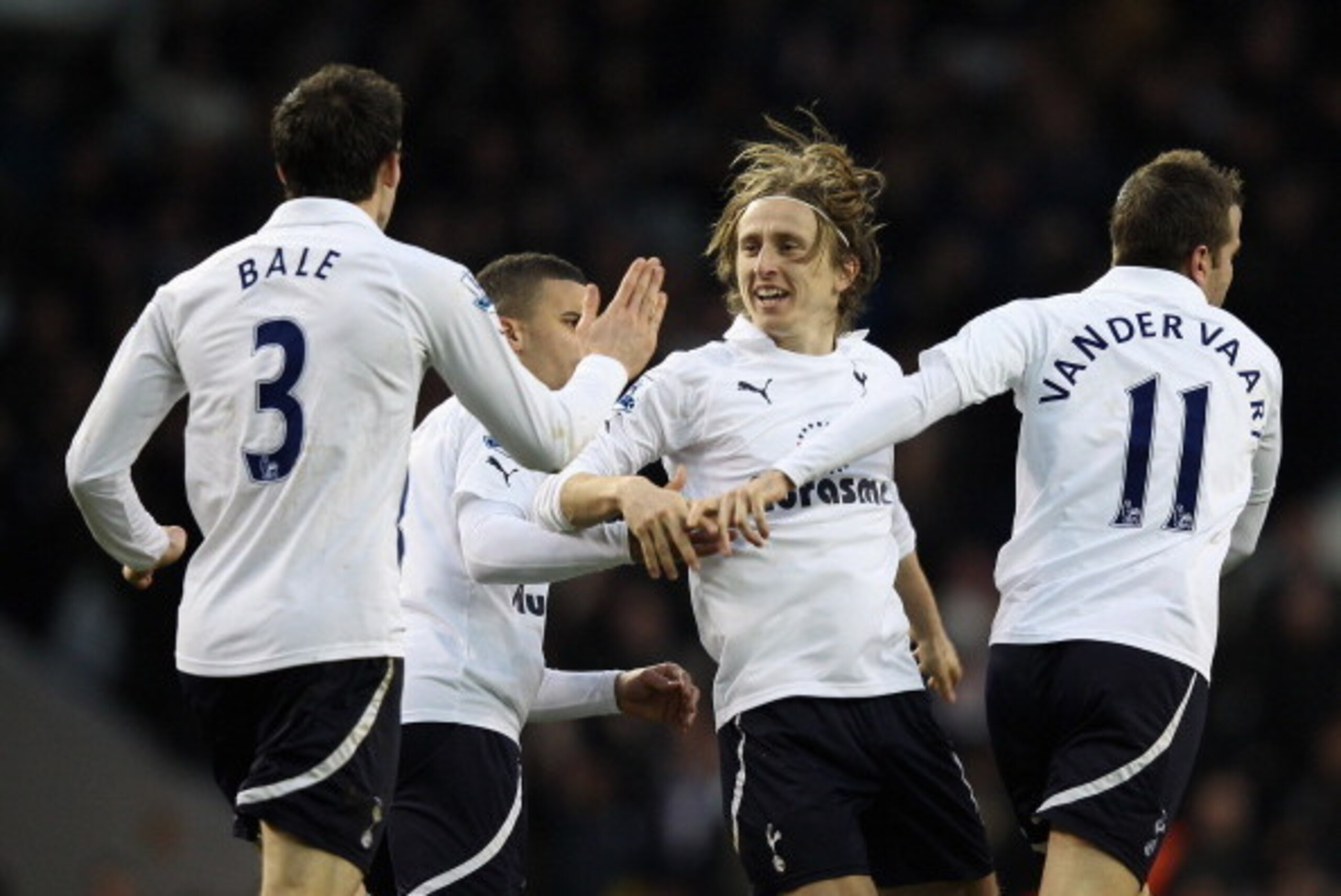
Luka Modric just gets the nod ahead of his current Real Madrid team-mate Bale.
With a deal for his services smartly agreed with Dinamo Zagreb before what would an impressive Euro 2008 campaign with Croatia, the light-looking midfielder quickly overcame idiotic doubts about his viability in English football to become the understated heartbeat of Tottenham’s team for four years.
Modric shaped the team’s forward work with well-measured manipulations of the space around him, skipping away from would-be challengers and putting team-mates like Bale and Van der Vaart into positions from where they could wreak havoc. He was solid defensively, too, harrying opponents into areas they did not want to be, then stealing the ball away.
He played his part in Spurs’ Champions League push and ensured they were not outclassed. His eagerness to get back there almost prompted a move a year earlier than this eventual departure. Modric was persuaded to remain for a 2011-12 campaign in which Spurs’ football under Redknapp reached a breathtaking but all-too-brief peak.
Modric’s influence was measured by how much he was missed the following season. Having struggled without him again at Real last season, this time because of the Croatian being injured, Bale knows all too well how vital he is to a good side being great.
1. Hugo Lloris
10 of 10
Bale and Modric could easily have been No. 1 on this list and may well be on yours. The joy created by Berbatov and Van der Vaart, albeit comparatively briefly, may be argued for being reason enough of a loftier placing by some, too.
Hugo Lloris earns the top ranking for how he has consistently reminded Tottenham how fortunate they are to have a goalkeeper of his quality.
Paul Robinson, Heurelho Gomes and Brad Friedel all played considerable roles in some good times for the Lilywhites in the last decade. But Lloris has delivered a combination of consistency in all facets and an ability to summon the spectacular that has guided them through a period in which they might have been much worse off without him.
More than any of the players on this list, it is incredible no-one else got to him at Olympique Lyonnais before Spurs did. The £11 million fee is a bargain price for a France international goalkeeper and captain who has delivered three near-faultless seasons, assuming the leadership mantle at the club, too.
If Spurs do not push on this season, there is the possibility someone may finally come calling for Lloris and there will be little they can do to resist. But the hope is he will ensure his stay continues longer just by the maintaining of his world-class performance level that could be the difference between a good team becoming a genuinely successful one.

.jpg?w=2560 "Colts Football")
.jpg?w=2560 "NFL House in Paris Closes for Protests (AP)")


.jpg?w=2560 "Trevon Diggs Cut by Seahawks")