Analysing Theo Walcott's Early-Season Form for Arsenal
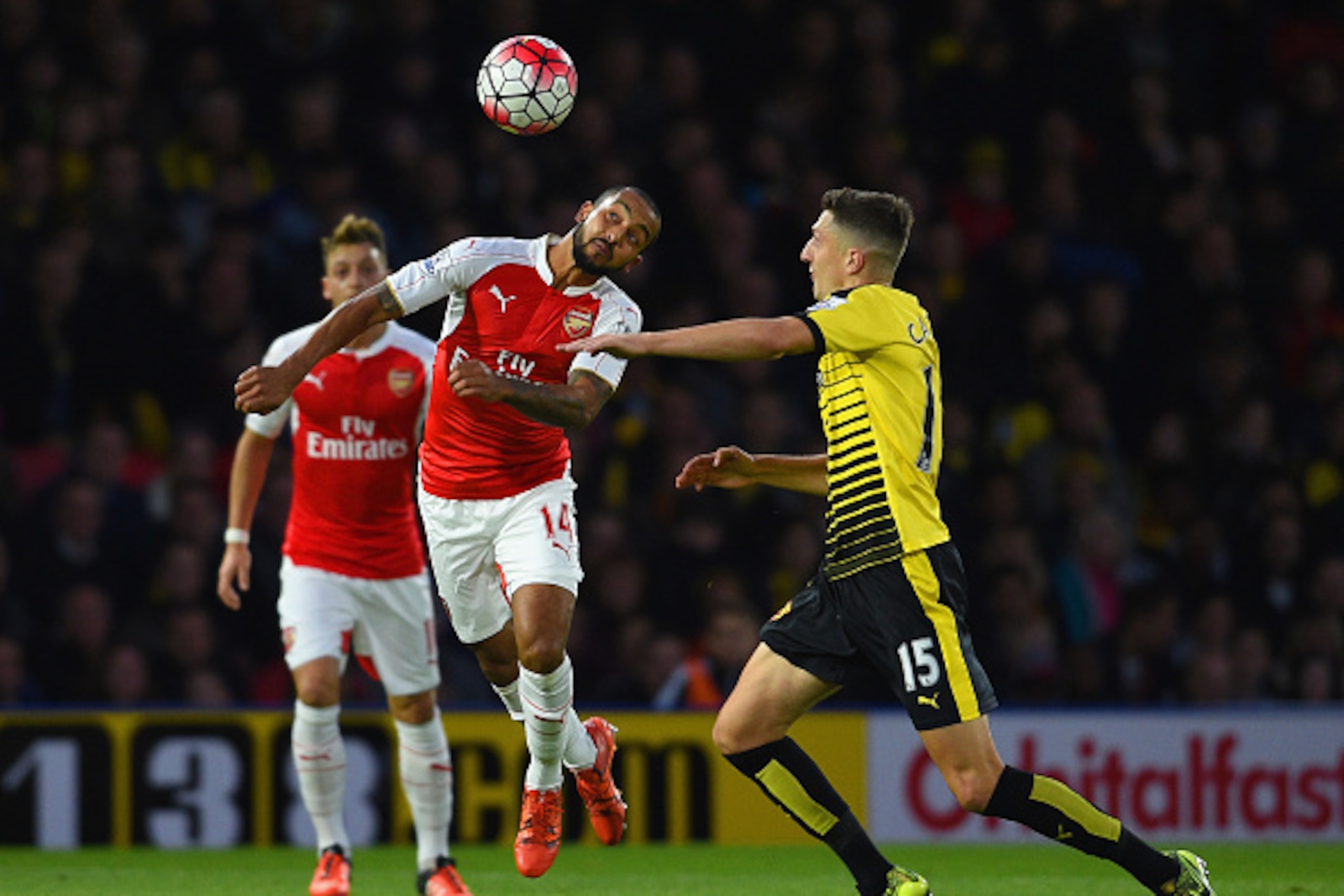
In Arsenal’s last Premier League match against Watford, Theo Walcott was withdrawn after a quiet hour. His replacement, Olivier Giroud, emerged from the bench to score his fourth league goal of the season—double Walcott’s own domestic tally.
However, it is the Englishman who is Arsene Wenger’s current preferred centre-forward. Already, his season has had several ups and downs.
The overall trajectory is good. Walcott has craved a central-striking role for years, and this is his longest ever run in the position.


It’s come about in intriguing circumstances—after a defensive slip on the right-hand side allowed Danny Rose to cross for Harry Kane to head the winner in the north London derby back in the Spring, Wenger seemingly decided Walcott was no longer an option on the flank.
When the summer transfer window rolled around, and there was no obvious marquee striker to recruit, Wenger then chose to put his faith in Walcott as the club’s centre-forward.
He was doubtless encouraged by Walcott’s brief audition for the role at the back end of last season. He scored four goals in the final games of 2014/15, comprising of a hat-trick against West Brom and a thumping volley to open the scoring in the FA Cup Final.
However, he did not start 2015/16 as an automatic pick. In fact, Walcott did not start any of Arsenal’s first three league games of the season.
His campaign hinged on the match away to Newcastle, when Wenger dropped Giroud for the No. 14. Although Walcott did not score, the Arsenal boss saw enough encouraging signs to stick with him for the next game at Stoke, when he did get off the mark.
That Stoke game was characteristic of Walcott’s early performances through the middle. He offered a threat in behind, but his finishing was occasionally wayward and he struggled to hold the ball up and bring others into play.

Over the next few weeks, those kinks in his game appeared to be working themselves out. Walcott found his shooting boots, adding a further three goals to his season tally, and crucially began to develop his all-round game.
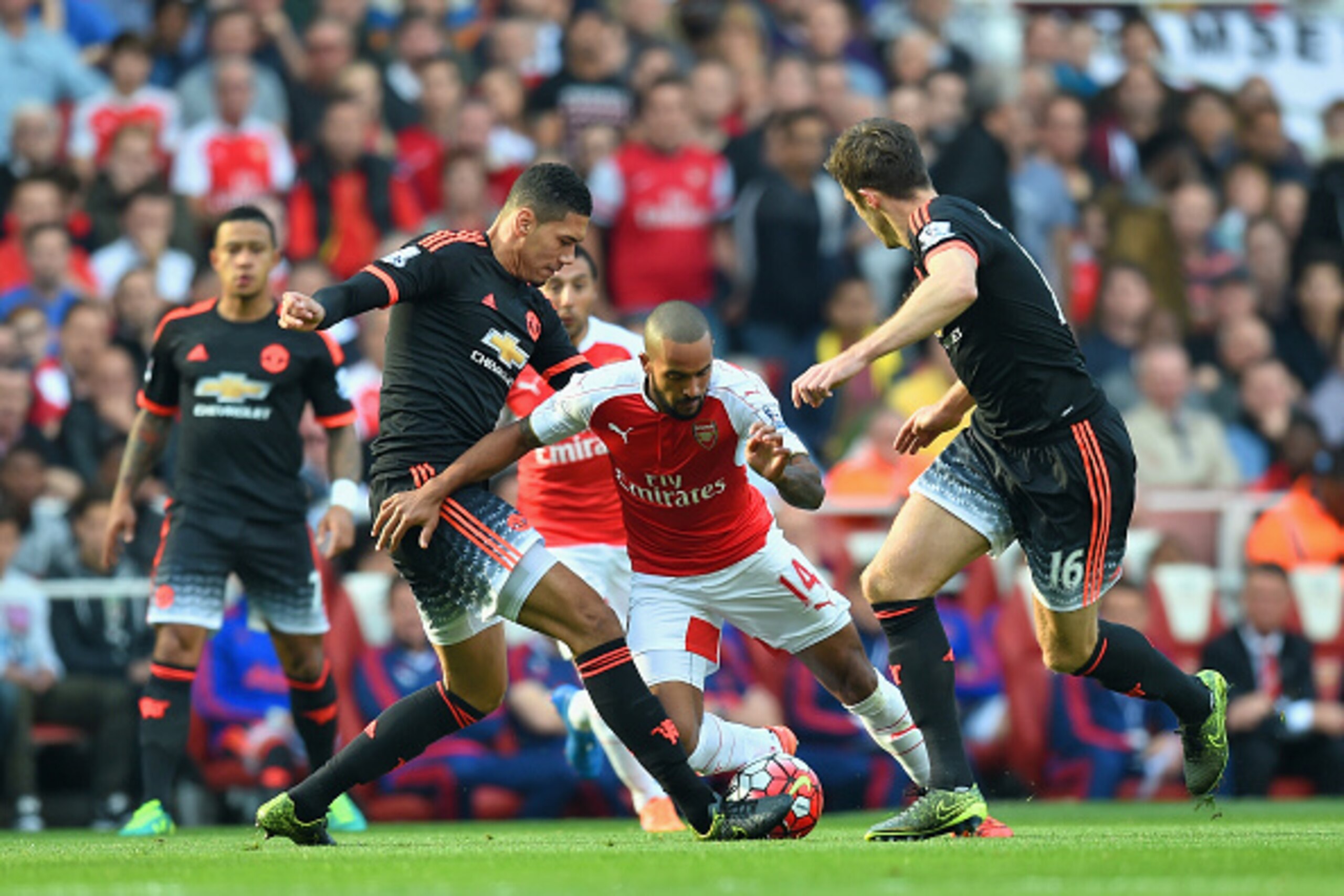
After an excellent display against Leicester, his season reached its peak against Manchester United. Although he did not score himself, he was a constant menace to Louis van Gaal’s men, showcasing a hitherto unseen willingness to work for the team. He was even spotted challenging for headers.
That’s why his performance at Watford feels somewhat underwhelming. After a goal for England during the international break, Walcott had the chance to really cement his place in the team. Instead, he offered Giroud an opportunity for a measure of redemption.
Perhaps that’s inevitable. Although Walcott is now 26, he is still learning the ropes in his new role. He showed against United he has all the requisite attributes to do it. Now he must add one ingredient: Consistency.
The indications are that Wenger will give him the time he needs to find rhythm in his new position. Walcott’s presence in the team has changed the shape of the Arsenal attack, offering a more varied and unpredictable threat. His partnerships with Mesut Ozil and Alexis Sanchez continue to blossom.
Giroud may feel he has made a good case for a starting place—equally, his contribution from the bench could be interpreted as confirmation that he is an ideal substitute.
Ever since he joined Arsenal, Walcott has wanted to play as a striker. Having finally been afforded that chance, he’ll be desperate to do everything in his power to hold on to it.
James McNicholas is Bleacher Report's lead Arsenal correspondent and is following the club from a London base throughout 2015/16. Follow him on Twitter here.
.jpg?w=2560 "Colts Football")


.jpg?w=2560 "Malik Beasley Negotiating Plea Deal (AP)")

.jpg?w=2560 "NFL House in Paris Closes for Protests (AP)")