Examining the Mistakes Louis Van Gaal Has Made in First Part of Season
Louis van Gaal's Manchester United season could go in a number of directions from here.
There have been enough glimpses of genuine quality in the side to suggest silverware is not totally out of the question. But the first 20 minutes against Arsenal made it look like relegation was not totally out of the question either.
The general inconsistency, and sense that, when the going gets tough, there is simply not enough in the tank, means the current most likely outcome is another finish in the Champions League places, and plenty of talk about transition.


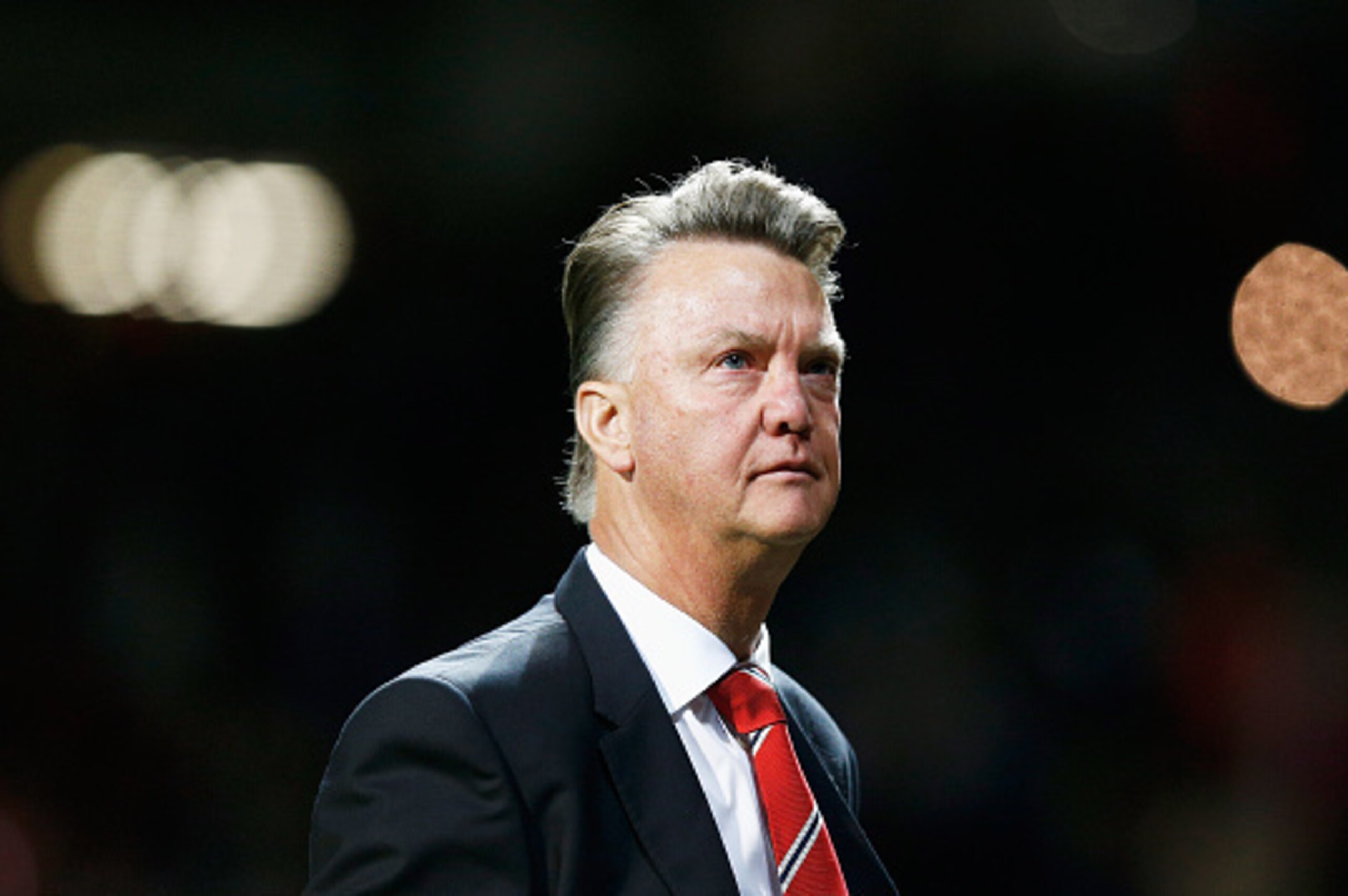
Before the Arsenal game, United were top of the league, so Van Gaal is obviously doing something right.
However, their defeat to the Gunners—and the Newcastle draw and defeats to Swansea City and PSV Eindhoven which came before it—show there is still room for improvement.
Let's take a look at the key mistakes the United manager has made so far.
Not Buying a Centre-Half in The Summer
Daley Blind has done an absolutely superb job in games against lesser sides, wherein United have dominated possession.
His pass against Club Brugge for Memphis Depay's second goal, for example, was as good an assist as United had mustered all season before Juan Mata's outrageous flick was slotted home by Chris Smalling against Wolfsburg.
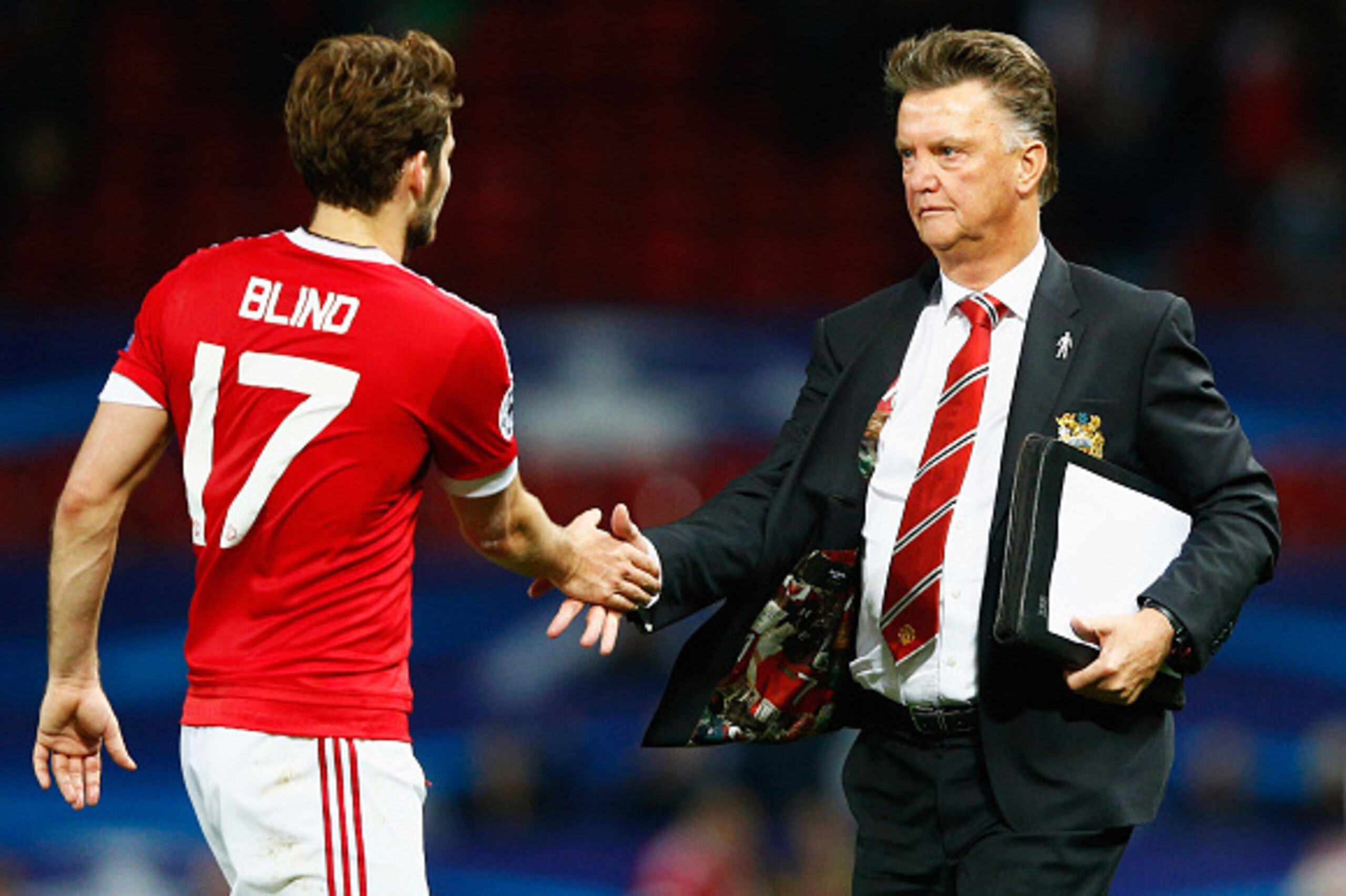
Blind has handled aspects of his defensive duties really well, too, overcoming the limitations of his lack of pace with speed of thought. But, ultimately, against sides with fluent attacks, it becomes clear that he is simply not a centre-half by trade.
Playing Blind at centre-back, though, is not the mistake. In fact—again, against lesser sides—it is something of a master-stroke. The mistake was not being prepared to gamble on a centre-half that was not, say, Mats Hummels or Sergio Ramos.
Not being prepared to compromise on the quality of your transfer targets is an admirable sign of long-term thinking.
Bringing in players below the very top quality to patch up a squad can lead to a gradual deterioration of quality. However, United's central-defensive resources are too thinly stretched to be relied on for the course of a season.
If you are a United fan, the question "What do United do if Chris Smalling gets injured?" becomes one filled with dread. And the chances are that he will. He has never played 2,000 minutes of league football in a season, per WhoScored, and a 38-game season consists of 3,420 minutes.
He has, however, played a huge amount of consecutive football in recent months, and United desperately need him to continue to do so.
Behind Smalling in the pecking order is Phil Jones—a player who certainly cannot be relied on to stay injury free.
Marcos Rojo has struggled for fitness both this season and last, as well as apparently struggling to stay in Van Gaal's good books, per Samuel Luckhurst of the Manchester Evening News.
Behind them is Paddy McNair, a youngster who showed plenty of promise last season, but does not look the finished article yet—and nor should anyone expect him to. McNair suffered an abdominal injury during Northern Ireland's 1-1 draw with Finland and is now out for two weeks, per Sky Sports.
The rest of the options involve players playing out of position.
It was too big a risk to trust in the existing options.
Wayne Rooney and The Captain's Privilege
I have written about Rooney's form in more detail here.
For Van Gaal not to see beyond the captaincy and pick the best player for the role has hampered United's attacking fluency—and, indeed, cost United a goal against Swansea when Rooney gave the ball away cheaply leading to an easy counter-attack.
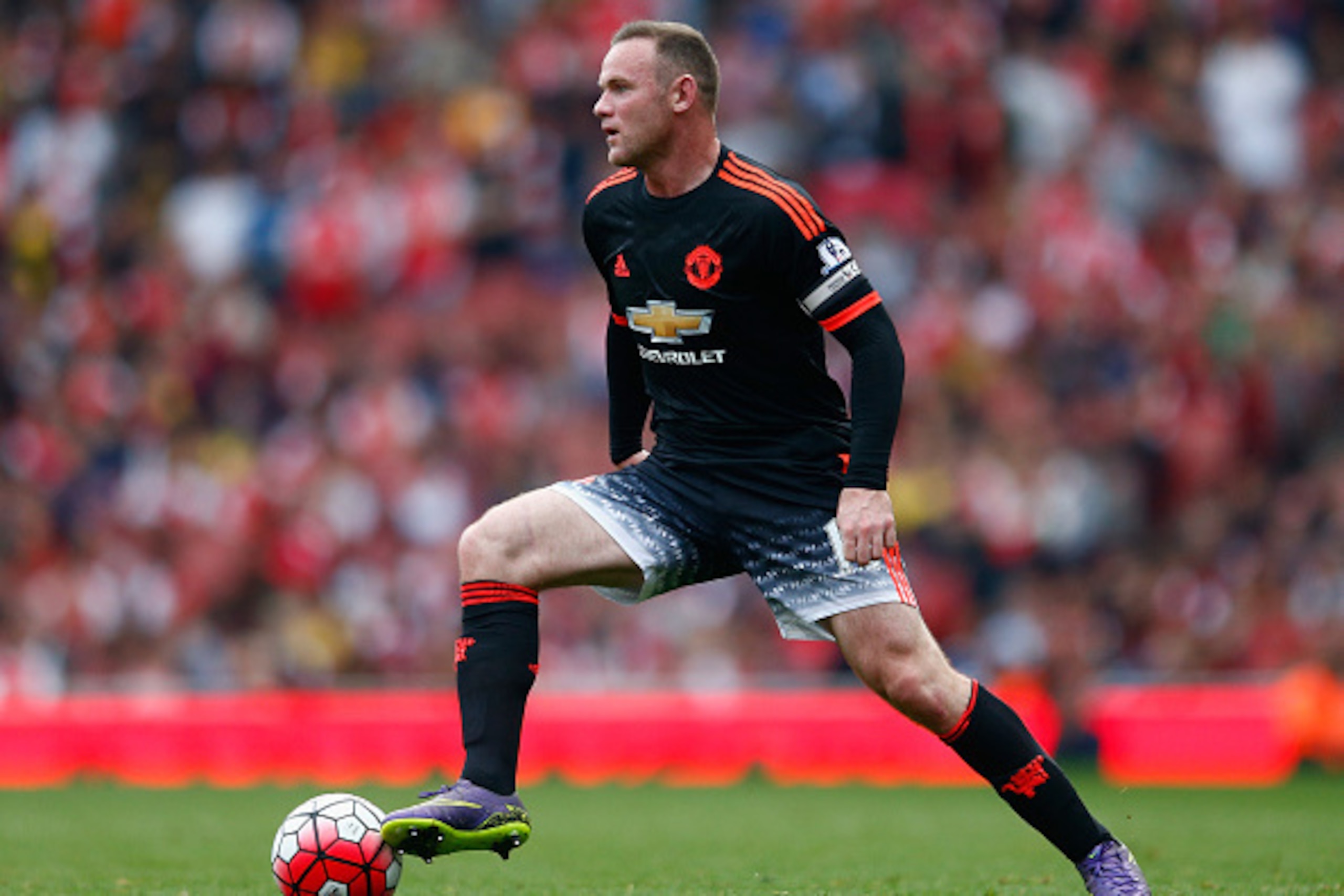
Unless the England international miraculously rediscovers his form, then Van Gaal simply has to move on from his entrenched view that his captain is a certain starter.
Substitutions
Van Gaal has made some questionable substitutions.
The worst examples have been:
- Replacing Bastian Schweinsteiger with Michael Carrick against Newcastle United when his side were in total control, needed a goal and Ander Herrera was available.
- Bringing on McNair against Southampton at 3-1 up, causing a rearranged back-four to lose shape—Rojo was unavailable after this game, so this one might be mitigated by injury.
- Constricting the back-four and midfield against Wolfsburg at 2-1 up by bringing Jones on for Schweinsteiger and moving Blind into midfield. Wolfsburg had three of their six shots in the game in the 20-minute period which followed that substitution.
- Removing Juan Mata rather than Rooney late in the game against Arsenal—the Spaniard is a frequent target for Van Gaal substitutions when things are not going well. This one came after Mata had scored three times and provided three assists in the previous three games.
Not all of his mid-game switches have been wrong, by any means, but other than a few key like-for-like changes—such as bringing on Ashley Young for Memphis against Liverpool—he has rarely dramatically changed a game for the better with his subs.
The Curious Case of Ander Herrera
This time last season, Van Gaal's under-use of Ander Herrera seemed baffling. Twelve months on, and a stronger description is needed. The first half of Van Gaal's first campaign in charge saw Herrera as a sidelined, bit-part figure.

The second half of the season saw United grow into themselves, and Herrera was an absolutely key figure in that progress.
With the strengthening of United's midfield options through the acquisition of Schweinsteiger and Morgan Schneiderlin, it is understandable there is more competition for places.
However, it should not be Herrera who suffers for that. He rarely let Van Gaal down last season, and he has the technique, vision and footballing brain to impact positively on both United's attacking and defensive football.
Herrera should be in almost every United line-up, instead he has been in relatively few.
The Dull Football
This one is not likely to change, of course. It is also entirely subjective.
However, Manchester United fans do not like boring football.
No football fans like boring football, of course. But the the possession-oriented football Van Gaal has the team playing is a square peg in a round hole in terms of the established football culture at Old Trafford.
Sadly, the "heavy metal football" of Jurgen Klopp would probably be a better cultural fit—although to say so now is akin to blasphemy given where the former Borussia Dortmund boss has ended up.
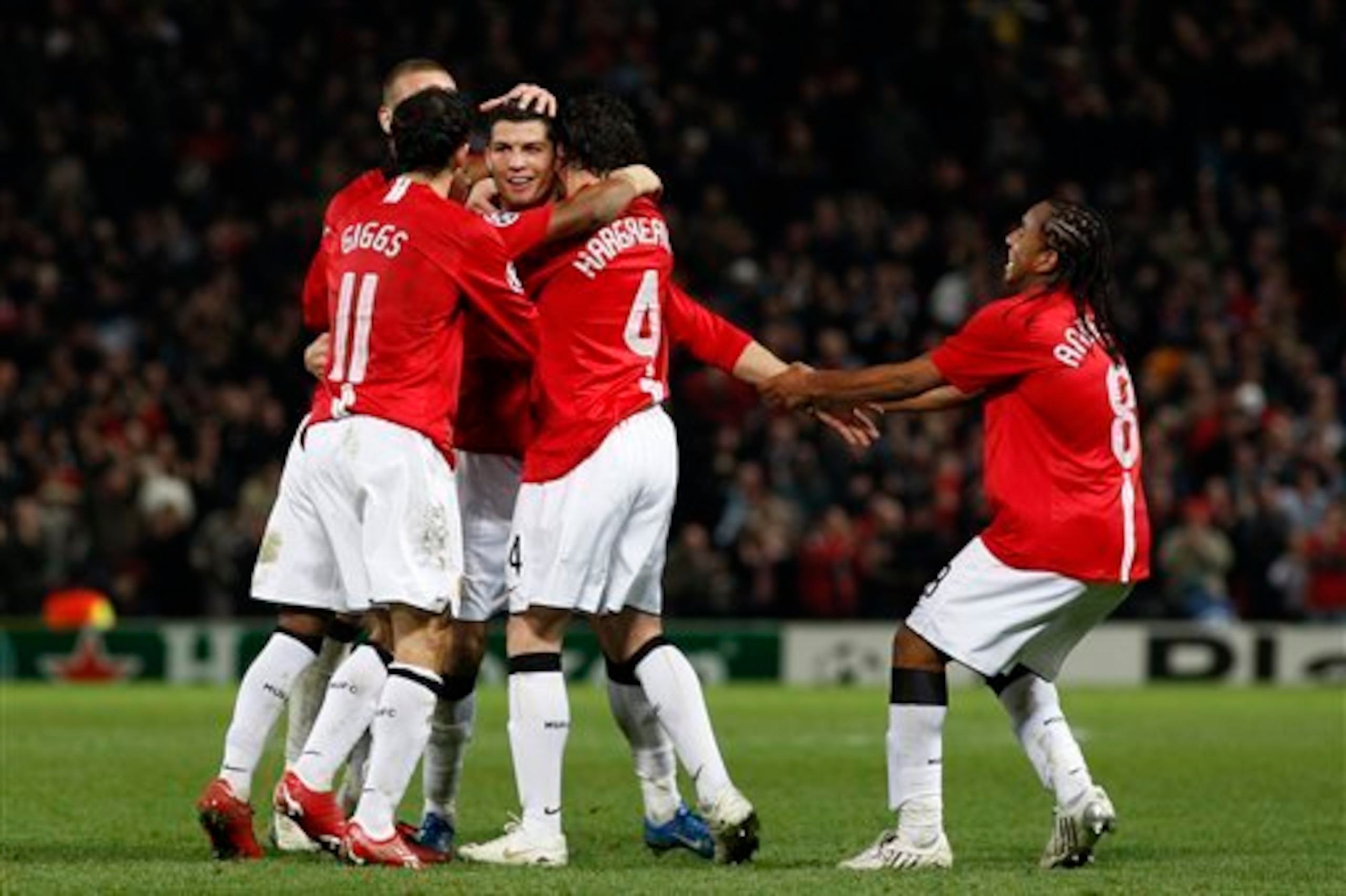
It is not that Sir Alex Ferguson's sides were always scintillating. They had been in the 1990s, certainly, and were briefly breathtaking again during Cristiano Ronaldo's United pomp.
Even when they were more functional, though, they were more inclined to a dynamic, edge-of-seat counter-attacking move than Van Gaal's side have been.
When United win, all is forgiven, of course, but when they don't, the style of football is a stick with which to beat Van Gaal.
While the pass-heavy, possession-oriented style is no surprise given Van Gaal's history, the extent to which he has been structurally conservative—playing two holding midfielders against Sunderland at home, for example—has been a little hard to understand.
Van Gaal has done plenty right, though. This has been particularly evident in the transfer market, especially with the surprising and, thus far, wonderful purchase of Anthony Martial.
United are two points off the top of the league, have an excellent home record once again, and with the exception of two games, have looked defensively solid.
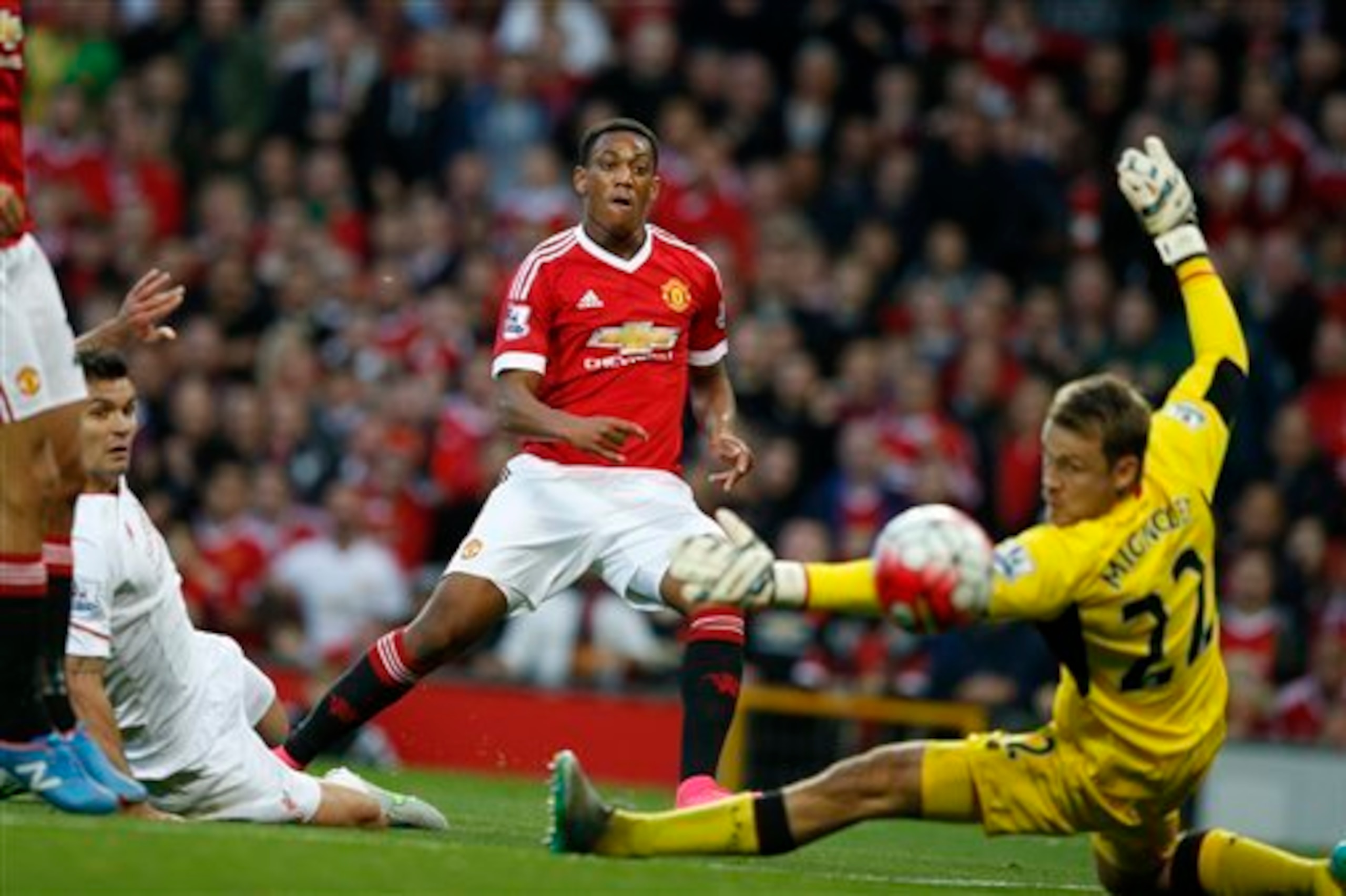
In truth, there are at least as many positives as there are negatives, and to fully explore all the things Van Gaal has got right would take at least as long as the above article.
United fans will be hoping the balance continues to lean in a positive direction as the season progresses.

.jpg?w=2560 "Colts Football")
.jpg?w=2560 "NFL House in Paris Closes for Protests (AP)")


.jpg?w=2560 "Trevon Diggs Cut by Seahawks")