Why Giving Youth a Chance Is the Best Way Forward for Chelsea
When the notion of blooding young talent in any football team rears its head, it's not long before Alan Hansen's famous quote about winning things with kids, or not, as he suggested, is thrown into mix.
Well, Chelsea aren't winning much right now with World Cup winners, Champions League winners and last season's Premier League victors in the team, so they haven't really got much else to lose by fielding a selection of their academy stars.
Or have they?


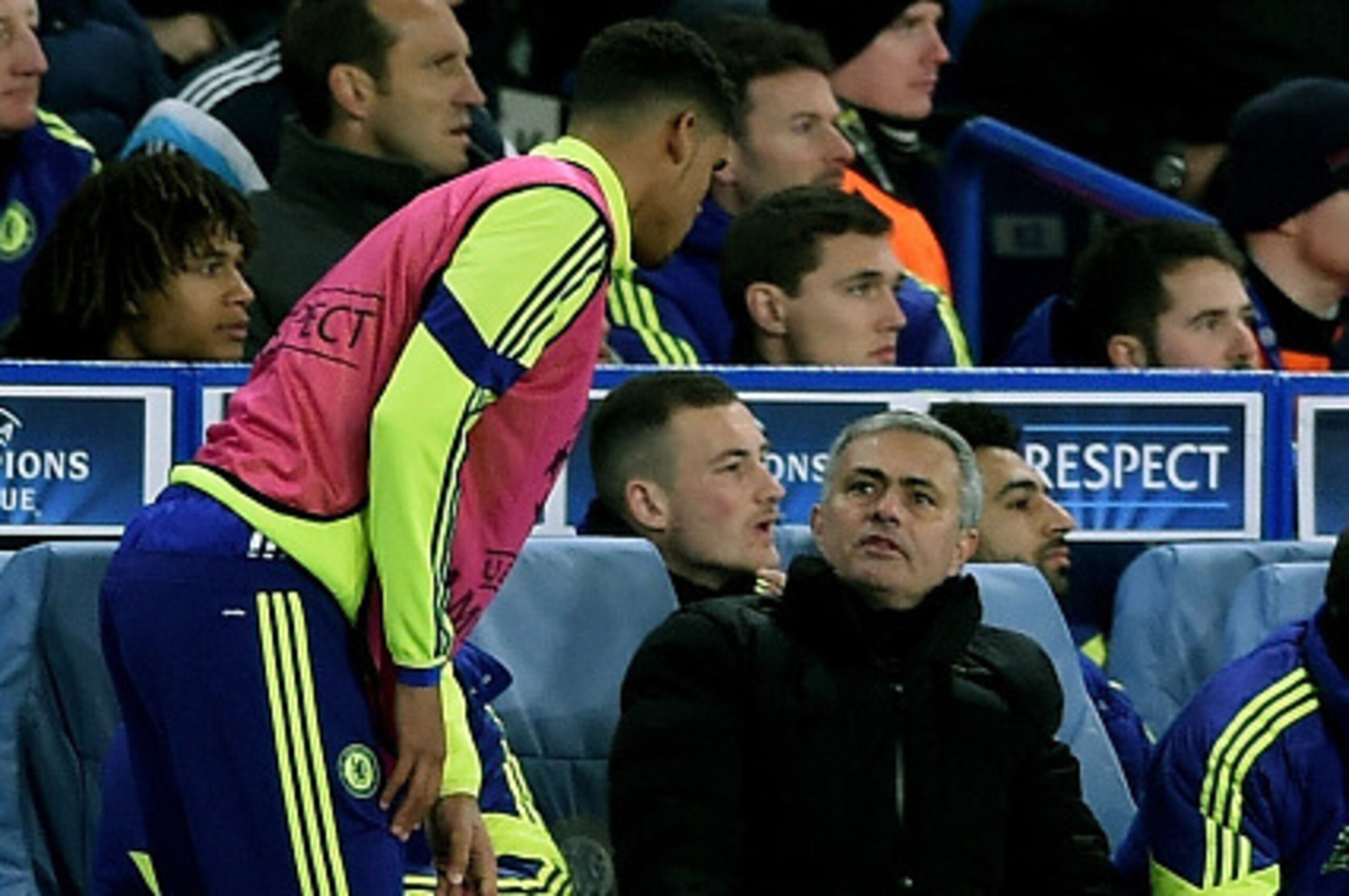
In the short term, it would be a risky move—and incredibly brave—for manager Jose Mourinho to throw caution to the wind and entrust his young stars to dig their more experienced team-mates out of the hole they've dug for themselves this season.
Untested and still raw, things would almost certainly take a bigger nose dive at Stamford Bridge than we have already witnessed.
But here's the point: It shouldn't be about the short term where Chelsea's kids are concerned.
If Cesc Fabregas is the man for the present, Ruben Loftus-Cheek is the man for the future.
To reach the point where the latter is a regular in Chelsea's first team, he needs to be playing matches. And right now, he isn't.
If he's ever to fulfil his undoubted potential, Loftus-Cheek needs the manager to show a little more faith in his abilities, which Mourinho hinted is he all set to do in the wake of the recent disappointing defeat to Southampton.
"Yes, I agree [that Loftus-Cheek should be given his chance]. Totally," said the Chelsea boss.
"I think it's time not to play four, five or six kids because some of them are not ready, but I think Ruben is a case where he's the one who is more ready."

The situation has come about as Mourinho looks to inject some life into this failing campaign.
And if the presence of a youngster can revitalise things by waking a few more experienced players from their slumber, it will all be worth it.
Speaking to Bleacher Report recently, former Chelsea midfielder and respected pundit Pat Nevin suggested the Blues' current predicament is perhaps a sign of more long-term issues at the club.
"It may be that what's now seen as a malaise has actually been there for a while and [that] this summer needed a bit more surgery to the squad than was actually done," Nevin said.
He was discussing whether last season's title victory set unrealistic expectations of Mourinho's team. Chelsea were so dominant, the consensus was they were the finished article, a team ready to dominate for years to come.
Five months on from their title parade, we know that isn't the case.
We can point to tactics and poor performances leading to Chelsea's present league position in the bottom half of the table, yet there's something deeper at play here.

Indeed, we're seeing it across the Premier League.
A lack of stability is damaging teams, with Chelsea's current struggles putting them top of the agenda in that regard.
The money flooding into English football from TV deals has been a welcome addition, but it's also led to teams seemingly wanting to buy their way out of trouble.
At the slightest suggestion of things going wrong, fans demand a new mega signing to put it right; the media is equally guilty in that regard.
Take Chelsea's lack of transfer activity this summer, when just £27 million net was spent. In the current market, that's peanuts, especially when we consider Manchester City's spending broke the £100 million barrier.
Now Chelsea are struggling, we're pointing to that measly £27 million outlay as the reason why.
Not spending this summer hasn't been Chelsea's problem, though. It's been allowing too many of their younger players to leave on loan.
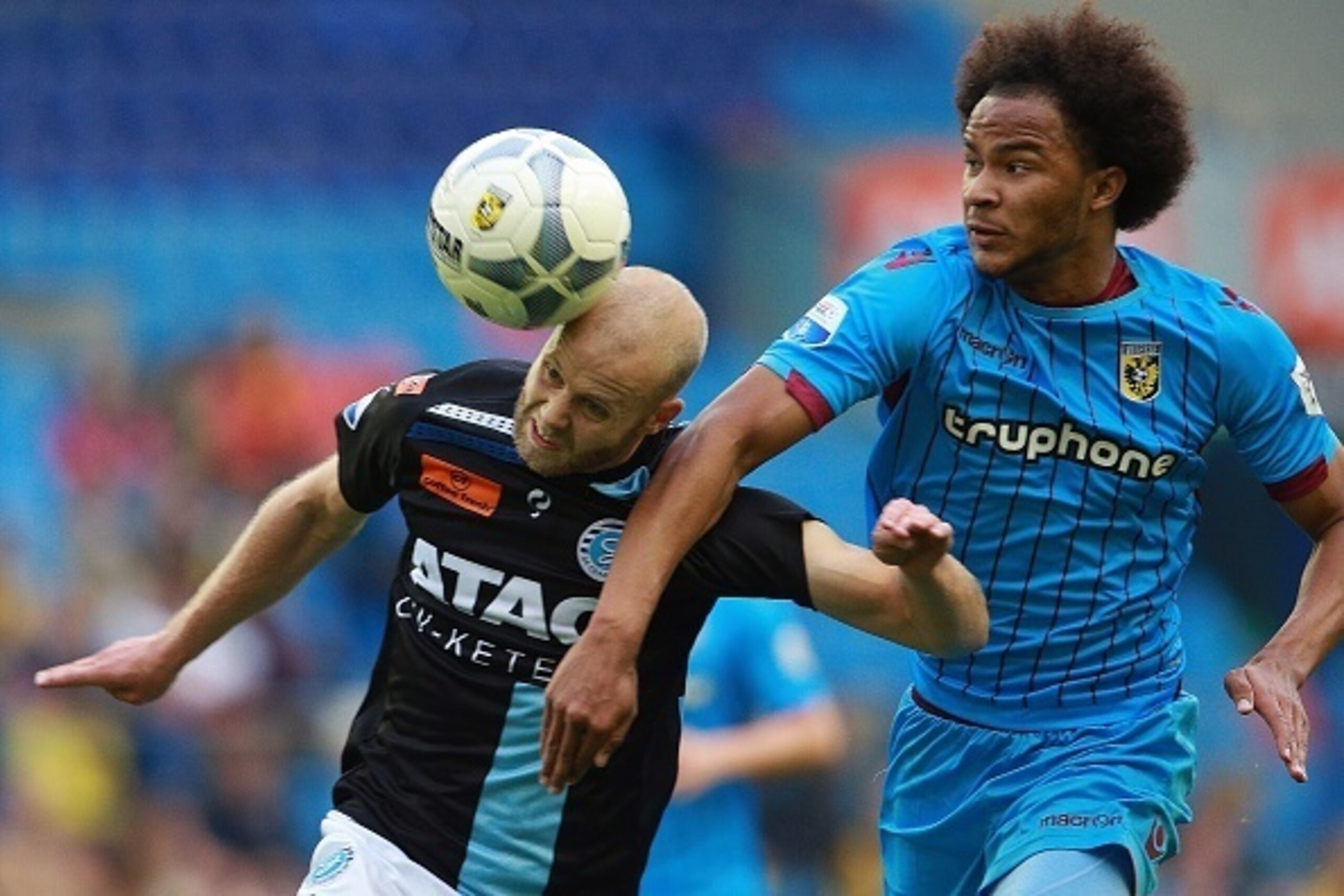
There are merits to allowing the likes of Victor Moses join West Ham United on temporary deals, but elsewhere, Izzy Brown, Andreas Christensen and Patrick Bamford are just a few names that stand out as being among those who should have remained.
That trio would bolster areas in the squad where Chelsea are weak right now. Whether they were on the bench or starting in cup matches, it would allow for more rotation and for Mourinho to rest players when needs call for it.
It's by that exact process younger players pick up experience and eventually attain senior status.
Looking further ahead, by further indoctrinating them in Mourinho's methods and the demands of elite-level Premier League football, Chelsea would be speeding up the process for them to become that much-needed next generation.
It's only when that time comes that Chelsea can stop relying on the transfer market to bring them success. With that, the player turnover will be significantly reduced, which will in turn give the stability Chelsea need to get back to being among Europe's finest.
That's not to suggest Brown and others are some sort of magic solution, that by simply playing them Chelsea will sweep the board, but the system they represent is what breeds success.
It's where Chelsea must focus their attention.

When we look at Barcelona's position in European football in more recent times, their lofty status has been built around a core group of players who have been nurtured through the age groups to the first team.
We can talk about tiki-taka, but the identity of the club in these modern times has been defined by Andres Iniesta, Xavi, Gerard Pique, Lionel Messi and others.
There have been marquee signings who have slotted in around them, but that spine has rarely altered.
When we consider the success of Manchester United under Sir Alex Ferguson, it was no different.
In fact, it's a concept Chelsea themselves can more than relate to given what the generation of Docherty's Diamonds achieved in the '60s and '70s.
When that team was eventually broken up, it was then that Chelsea slumped into the dark days of relegations and financial crises of the 1970s and 1980s.
Football has come a long way since the times of hippies and flares. It's rare, if ever, that any club among the elite fields a team full of homegrown players.
Stability is a result of maintaining that core, though, which is what Chelsea have lacked. Just look at the turnover of players since Mourinho returned two summers ago: No fewer than 55 permanent transfers, either in or out, have been made.
Given Mourinho has presided over five transfer windows, that's an average of 11 transfers every window.
It hardly lends itself to a stable dressing room.
By giving youth a chance at Stamford Bridge, Chelsea will be committing to change that. The club would be building the foundations from the bottom up, using the academy to feed into the first team and create longevity at the club.
Surveying Chelsea's current squad, we understand that process doesn't always mean there aren't casualties along the way.
Fabregas and Pedro Rodriguez were both at Barcelona from a young age, and despite their successes at Camp Nou, both left as part of the restructuring as the European champions move forward.
What we've seen at Barcelona and other clubs, though, is that the transfer market and academy systems must coexist if a club is to succeed. Money may work in the present, but there will always come a time when things go awry.
When they do, there isn't a safety net to protect them; every club pays a price for being too short-termist.
We're seeing that at Chelsea, where holes have long since been and money hasn't always provided the answers.
By putting more faith in their youth moving forward, Chelsea may well find the very stability the Premier League as a whole is lacking right now.
Do that, and Mourinho's dreams of emulating Sir Alex with a Chelsea dynasty will be realised.
Garry Hayes is Bleacher Report's lead Chelsea correspondent. All quotes were obtained firsthand unless otherwise noted. Follow him on Twitter @garryhayes
.jpg?w=2560 "Colts Football")


.jpg?w=2560 "Malik Beasley Negotiating Plea Deal (AP)")

.jpg?w=2560 "NFL House in Paris Closes for Protests (AP)")