

How Brendan Rodgers Sowed the Seeds of His Own Downfall at Liverpool
Brendan Rodgers is a remarkable manager: intelligent, self-assured, thorough and highly personable. But that may be just why the Northern Irishman was doomed from the start at Liverpool, with Sunday's 1-1 draw with Merseyside rivals Everton bringing his three-year reign on Merseyside to a welcome conclusion.
Relieved of his duties just one hour after the final whistle, with owner Fenway Sports Group's president Mike Gordon delivering the killer blow as Rodgers returned to the club's Melwood training facility, the manager is said to have taken the news with "incredible dignity," according to James Pearce of the Liverpool Echo.
Pearce continued to assert that FSG "felt they needed to act now in order to salvage a season which they feared was going off the rails," and Rodgers was held immediately accountable for Liverpool's dismal 10th-place position in the Premier League.

Unfortunately, the 42-year-old sowed the seeds of his own downfall at Liverpool.
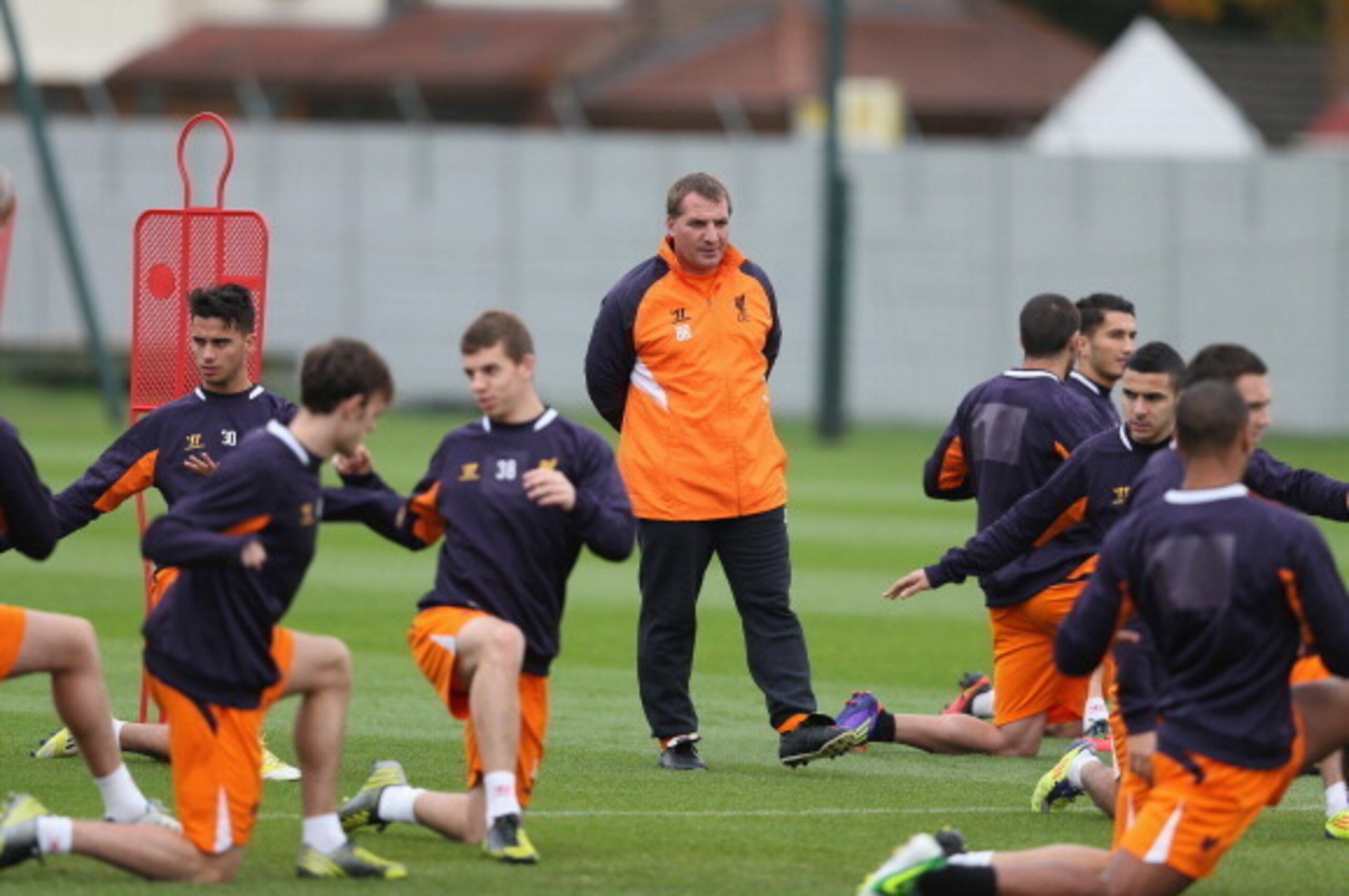
'I am better when I have control'
After the misery of Roy Hodgson's reign at Anfield, and Kenny Dalglish's unavoidably temporary spell in charge between 2011 and 2012, Rodgers' arrival as Liverpool manager came as a welcome boost to beleaguered supporters.
Hodgson had presided over the club's most-futile period in the Premier League, and the promise of a bright, young manager, fresh from achieving sustained success with league newcomers Swansea City, was invigorating.
FSG had targeted potential, with Roberto Martinez and Frank de Boer also candidates for the role.
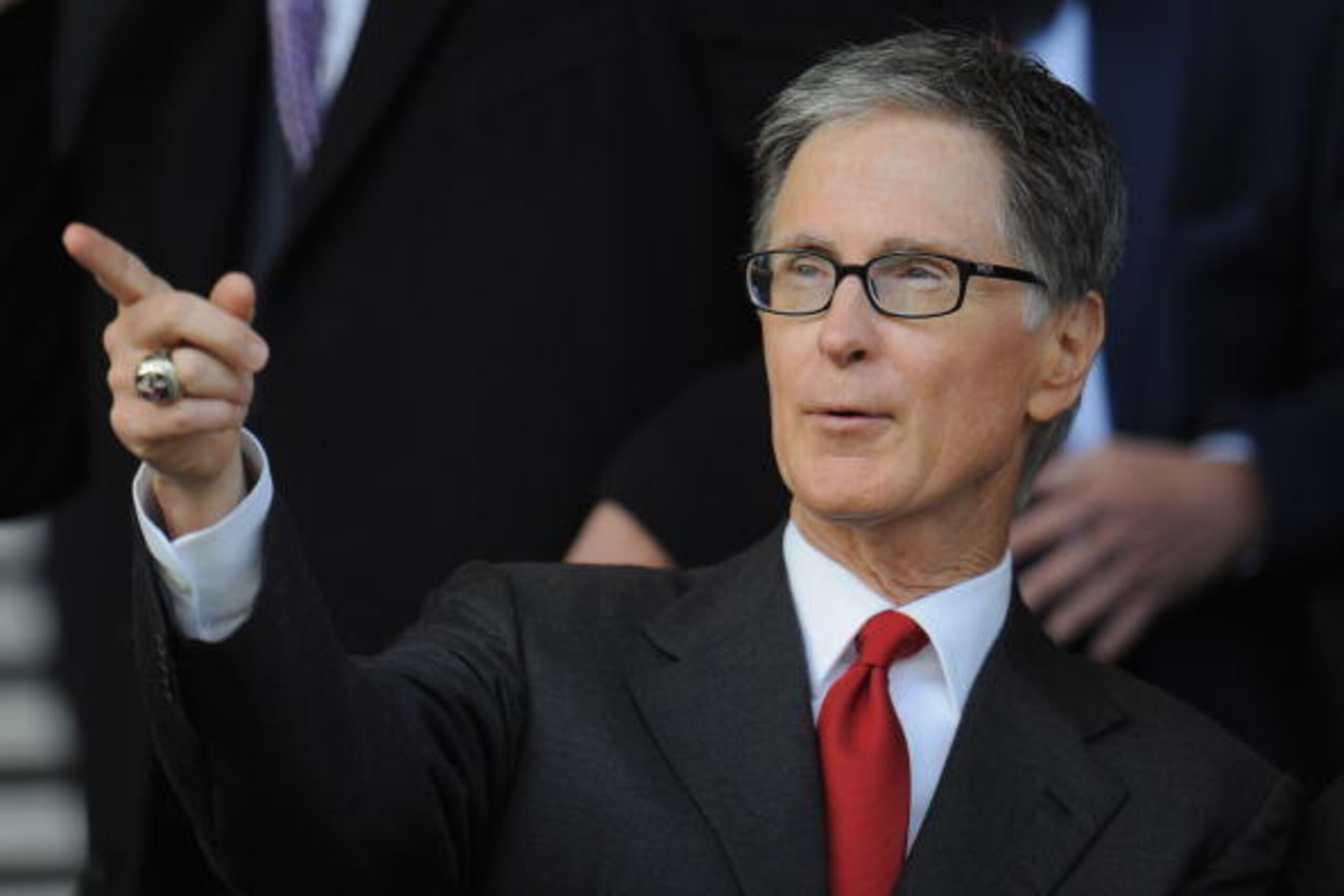
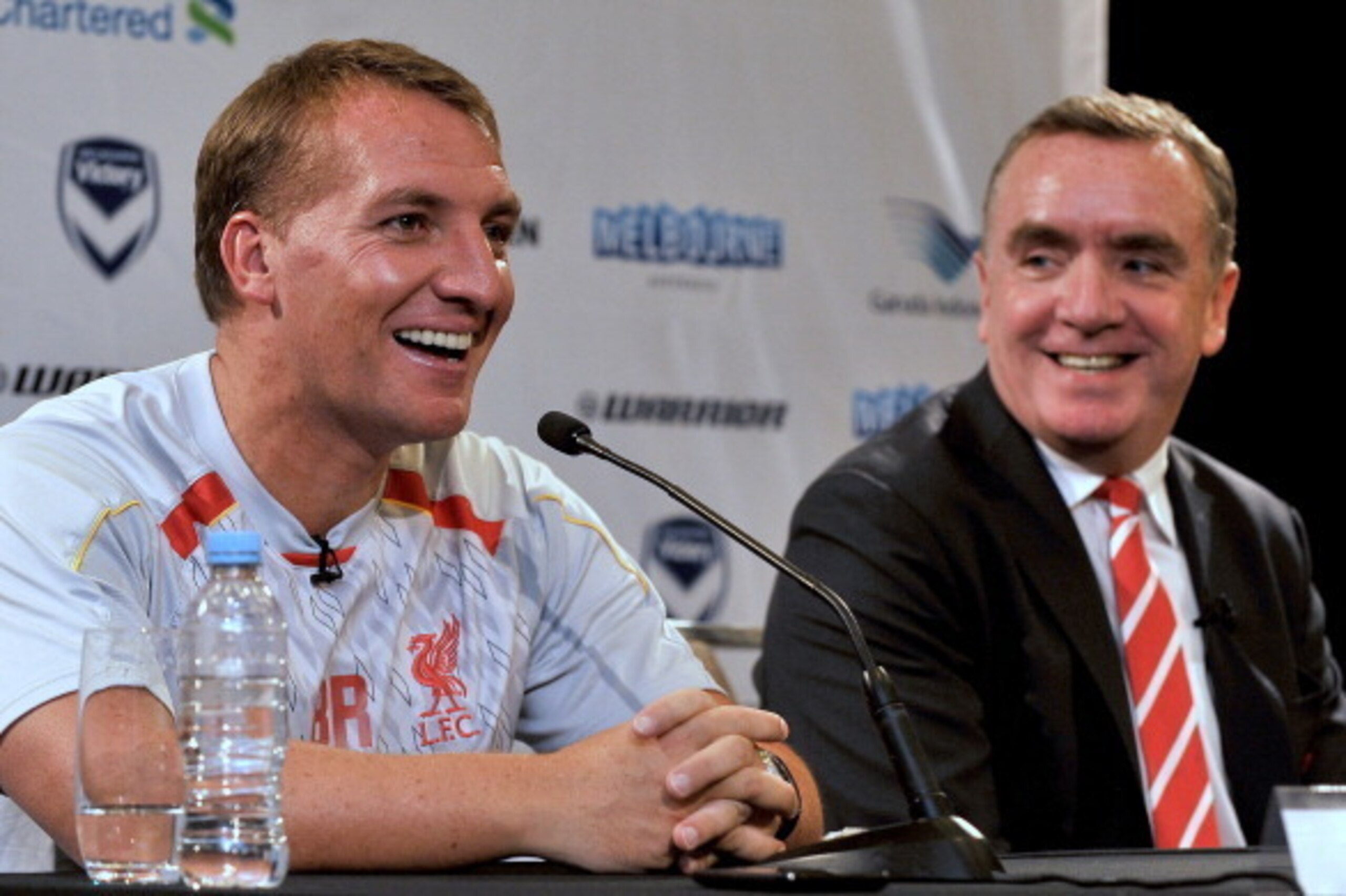
But while Boston-based figureheads John W. Henry and Tom Werner were looking to mould one of football's bright young things within a carefully planned model for success, Rodgers' arrival saw them scrap this in favour of a new approach—initially, the Ulsterman wanted full control.
"I am better when I have control," he told Andy Hunter of the Guardian on his unveiling, before continuing to detail his managerial outlook:
"I need to feel that I can manage the team and have a direct clear line through to the owners. Once that becomes hazy, for me there is a problem. I don't think it was a model the owners were set on, by any means. I think it is one that people have come to them and suggested. They are still learning about the game.
One of the items I brought up when I was speaking to the club was that I wouldn't directly work with a director of football. I feel that if you are going to do that as a club you have to do that first. That was my recommendation. If you want to have a sporting director, get him in and then you can pick your manager from there but if you do I won't be the manager.
"
After enthralling Henry and Werner with a 180-page dossier of his vision of success in management, Rodgers was able to engineer a move away from FSG's preferred, modern recruitment model, with the manager continuing to directly reference one of their targets for the director of football role:
"It's absolute madness if you are the manager of the club and someone else tells you to have that player. It doesn't work. I've had total clarity with that from the guys so I've got confidence that will remain.
It was for this reason that I didn't want to be sat up there, say what I've said and then in three weeks' time Louis van Gaal walks in the door.
"
According to Sky Sports, Louis van Gaal, Johan Cruyff and Txiki Begiristain were all considered as replacements for the departed Damien Comolli, with FSG originally envisaging an all-powerful figure working above their manager to oversee recruitment, scouting and youth development.
Employing a strong-willed young manager such as Rodgers, however, jarred with this notion.
Instead, Rodgers' arrival set in motion a structural aberration that has reduced the club, at this stage, to one in need of dire repair—and his sacking seemingly acknowledges this.
Transfer Mistakes
With Rodgers rejecting the director of football model, Liverpool instead settled on a continental, committee-based recruitment structure, with the manager joined by Gordon, chief executive Ian Ayre, director of scouting Dave Fallows, chief scout Barry Hunter and director of technical performance Michael Edwards—the latter remaining at the club beyond Comolli's departure, despite the Frenchman hiring him in 2011.
"We have a head of analysis, a head of recruitment, a first-team manager, myself," Ayre explained to Chris Bascombe of the Telegraph's in April 2013. "All of those people are all inputting into a process that delivers what a director of football would deliver."
As Ayre continued to detail just how the committee would work, he emphasised the level of control Rodgers had demanded:
"What we believe, and we continue to follow, is you need many people involved in the process. That doesn’t mean somebody else is picking the team for Brendan but Brendan needs to set out with his team of people which positions we want to fill and what the key targets would be for that.
He has a team of people that go out and do an inordinate amount of analysis work to establish who are the best players in that position.
[...]
I think we’ve had relatively good success since we deployed that methodology. We’re getting better all the time. We were very pleased with the most recent window in January with Philippe Coutinho and Daniel Sturridge.
"
With Ayre using the Reds' £12 million signing of Daniel Sturridge as an example of the committee's efficiency, however, this serves to underline the crippling flaws of this setup, as former Times journalist and Liverpool author, Tony Evans, revealed in September:
Giving Rodgers a position of dominance within the transfer committee was arguably the correct choice by FSG on a superficial level—otherwise they would have begun their post-Dalglish era with an unhappy manager—but his poor judgment of quality in the transfer market wholly undermined this move, as Duncan Castles explained for Bleacher Report in December.
"In the manager's first summer at Anfield, for example, he asked for a cavalcade of his former Swansea City charges, including Leon Britton, Gylfi Sigurdsson, Neil Taylor and Michel Vorm," Castles explained. "Purchases were restricted to an inflated £15 million fee for Joe Allen."
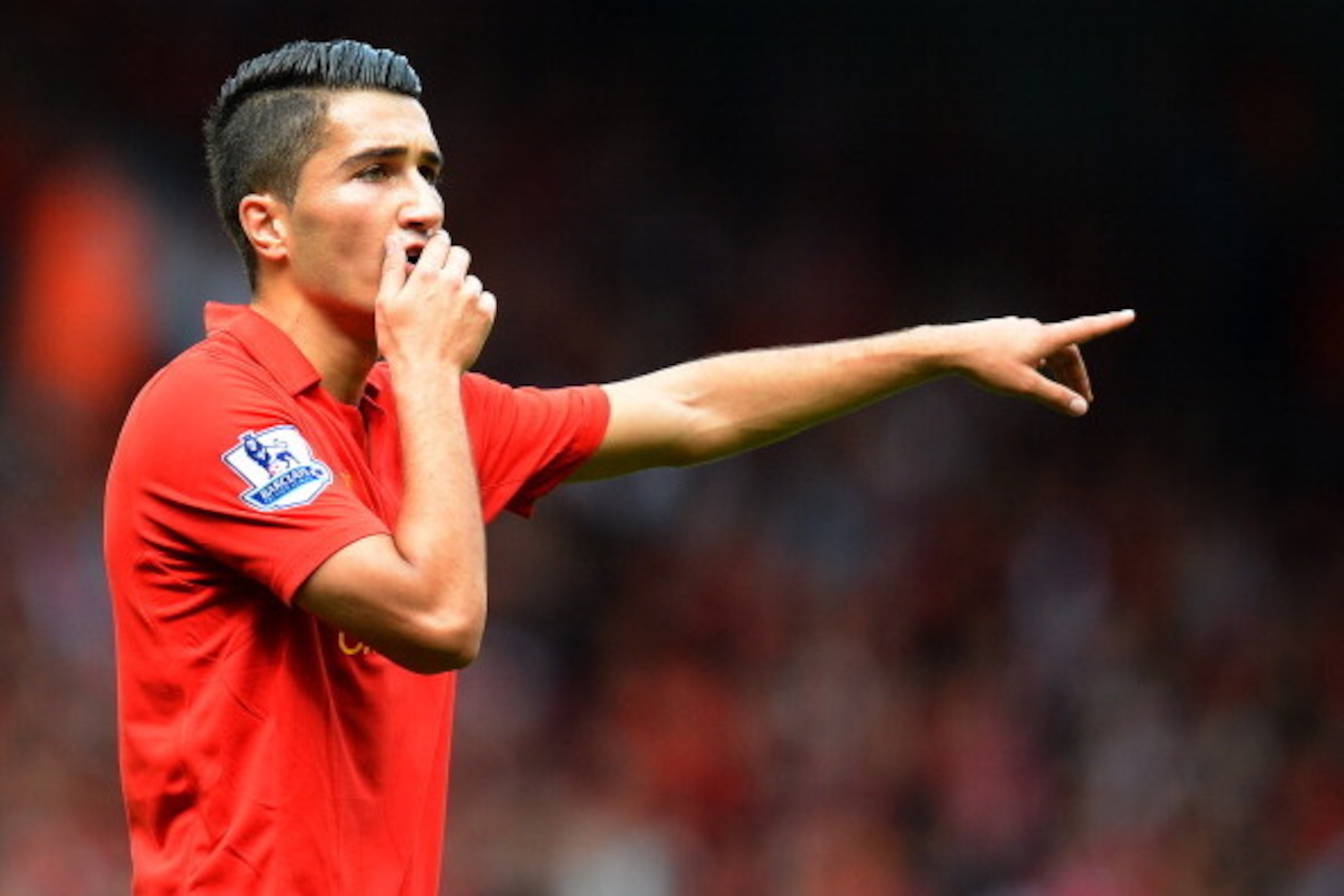
Furthermore, when Rodgers relented to the judgment of the committee, this was seemingly temporary, with Castles continuing to highlight Nuri Sahin and Oussama Assaidi as two Edwards-inspired signings from that summer.
Sahin, a top-level deep-lying midfielder, was largely deployed as a No. 10 during his spell on loan from Real Madrid, with the Turkish international proclaiming, "Thank God I have left Brendan Rodgers," when his move was cut short after five months, according to the Guardian.
Assaidi, who made just four Premier League appearances for the Reds before joining Stoke City the following summer, lamented Rodgers' approach in the transfer market on his departure, telling Chris Beesley of the Liverpool Echo, "I took a big step to go to Liverpool because they said I was a good player and would get a chance, but I didn’t get the chance."
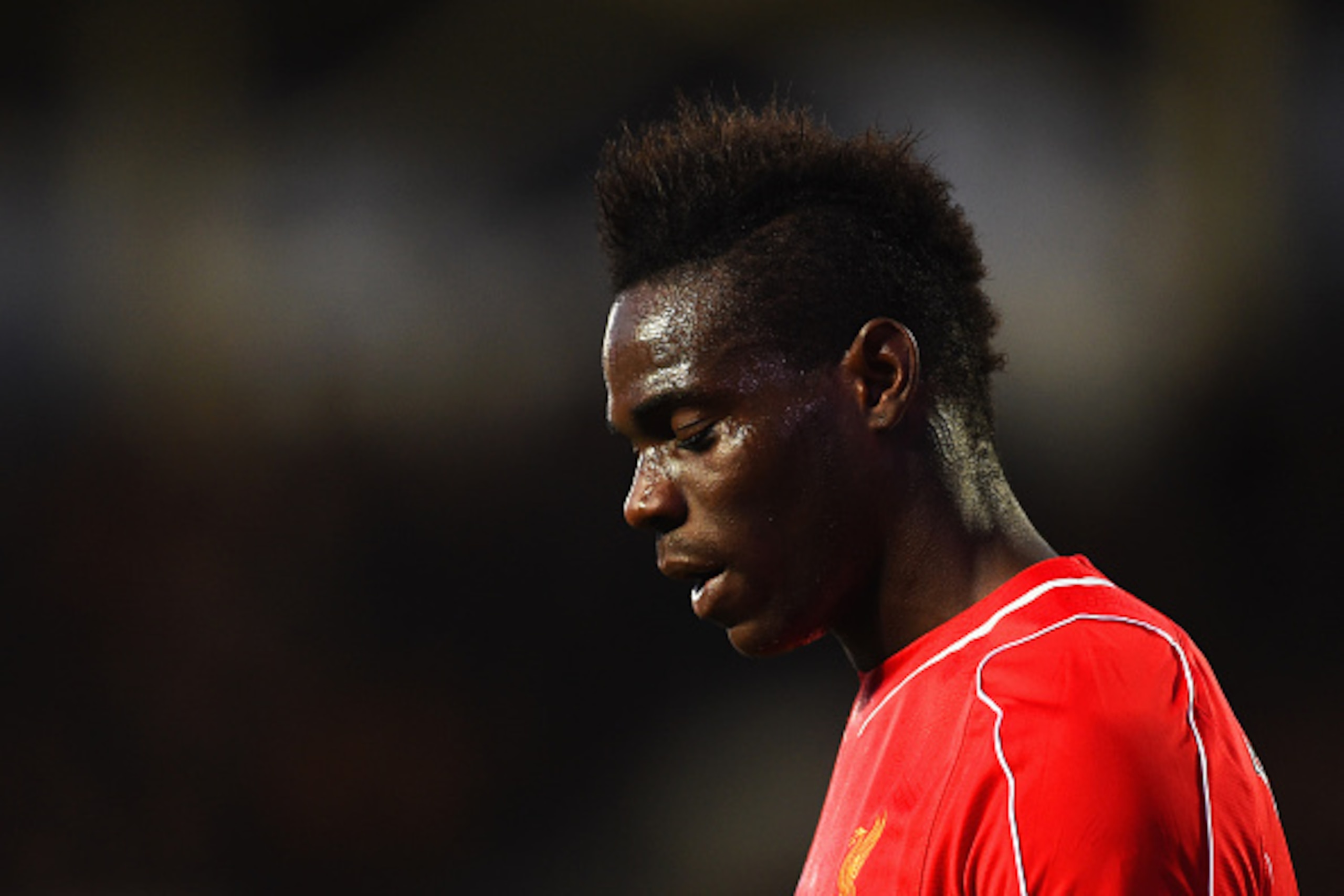
Sahin and Assaidi are two of many examples of players mismanaged by Rodgers during his time on Merseyside—including last season's doomed experiment with Mario Balotelli—serving to highlight a discord between committee recruitment and Rodgers' vision of his squad. This saw Liverpool embark on a rebuilding process throughout every summer during his reign.
"If we are to replicate what we did two years ago we will have to build something. That will take time. That is frustrating for supporters but there are new players to come in," Rodgers told reporters following Sunday's derby draw, as relayed by the Press Association (h/t This is Anfield).
"It will take time, whether that is me or someone else. While it is me, I will continue to devote every ounce to the club."
This notion of time, and constant rebuilding, are the primary factors behind Rodgers' Merseyside demise.
Rectifying Mistakes
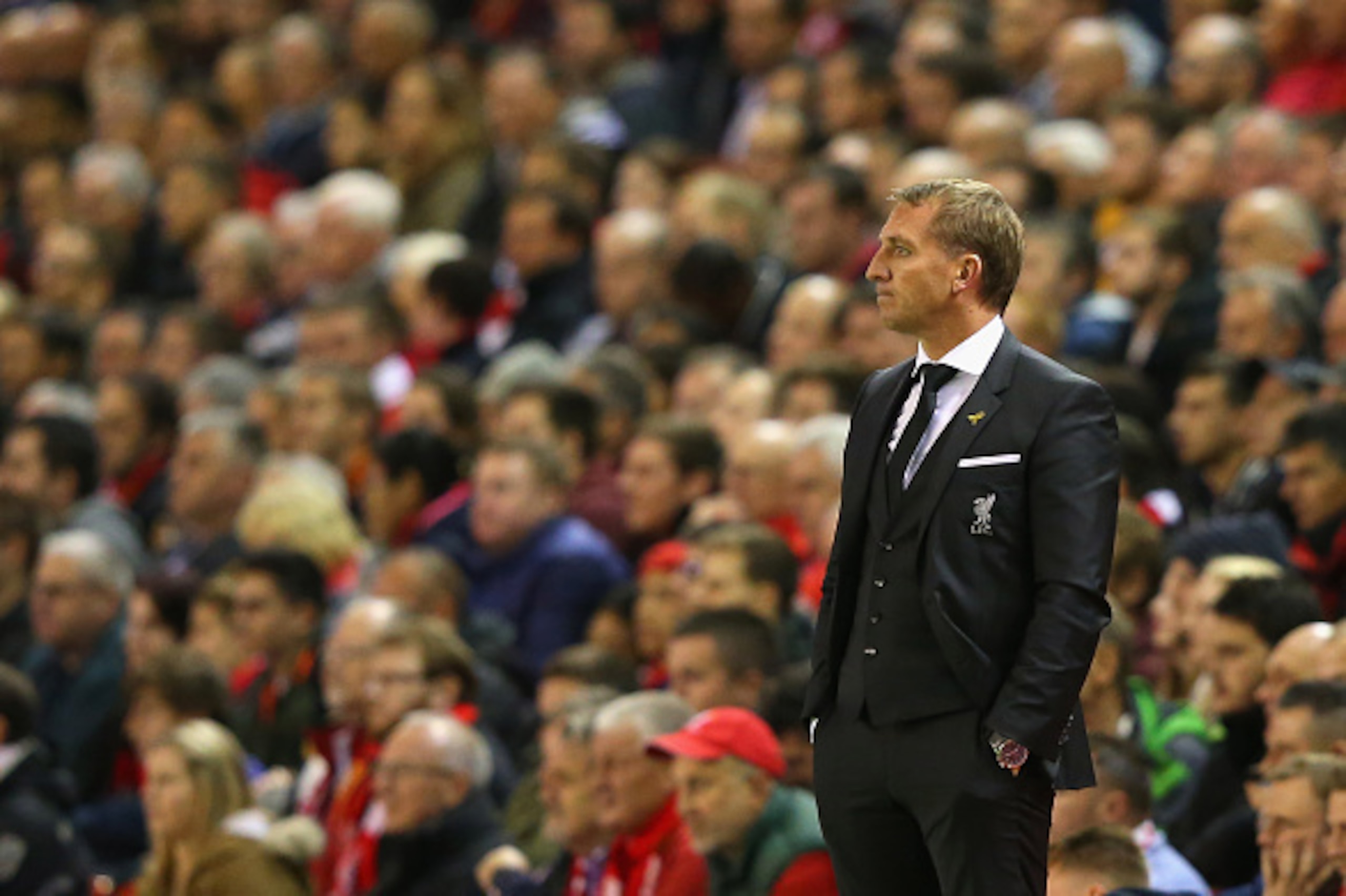
"The owners believe a new manager would get more out of an under-achieving squad which was bolstered with £80 million worth of signings this summer," Pearce continued to outline as he detailed Rodgers' dismissal.
While this notion is a pertinent one, it merely scratches the surface—and if FSG wish for their new manager to succeed, the deep-rooted mistakes sown by Rodgers during his reign must be rectified.

Employing Rodgers saw Henry and Werner effectively sacrifice their ideals in order to appease their ideal candidate—and while the Ulsterman brought an unexpected title challenge in 2013/14, and should be commended for his work in overhauling the club's academy structure, they will no doubt consider this compromise a grave error.
In an astute, sensitive column for the Telegraph in January, former Manchester United right-back and Sky Sports analyst Gary Neville discussed the demise of "the gaffer," focusing on a discussion between himself and Southampton director of football, Les Reed.
Rodgers is very much of the mould of Neville's own managerial mentor, Sir Alex Ferguson: the first one in and last one out at the training ground, poring over tactical decisions into the early hours of the morning and employing a thorough, very human approach to man-management.
But this kind of manager is very much of its time, with the reprieve that United granted Ferguson during his poor start to life in Manchester an impossibility in the hyper-demanding world of modern football.
Clubs can no longer afford to give managers the level of control FSG allowed Rodgers, as Reed's approach on the south coast attests:
"Initially my job is to identify coaches who will buy into it [the club model] because of the track record they’ve got and the style they play. We look for evidence that they’ve brought young players through before.
[...]
Someone’s not going to come in here and say – ‘Scrap all that, I don’t want all that, this is the way I do it.’
"
Now, the model is king—and FSG must focus on this as they search for Rodgers' successor; returning to the director of football hierarchy.

With Jurgen Klopp emerging as the prime candidate in the fallout of Rodgers' dismissal, this is an encouraging juncture for Liverpool. The German ticks all of the boxes in terms of playing style, approach to youth development and willingness to work within a modern footballing recruitment model.
For Rodgers, he may wish to take this experience—and the events that unfold on Merseyside in the coming months—as a vital learning curve in his development as a young manager.
His next move will mirror that of Liverpool's.
For FSG, it is about finding the right manager to fit the model; for Rodgers, it is about finding the right model to fit the manager.
Statistics via LFCHistory.net.
.jpg?w=2560 "Saints Giants Football")
.jpg?w=2560 "Breaking News")


.jpg?w=2560 "Porziņģis Trade Packages 📦")
