Michael Edwards and Committee Rejig Will Be Key as Liverpool Change Direction
The departure of Brendan Rodgers from Liverpool has sparked considerable debate over the club's business in the transfer market throughout the Ulsterman's three-year reign, and with the notorious transfer committee bearing the brunt of the criticism.
One name to emerge at the centre of this discussion is that of Michael Edwards.
Edwards was part of the six-man committee that spent close to £300 million on players over seven transfer windows alongside Rodgers, with the Reds enjoying little progress on the pitch.


Without a manager, Liverpool sit 10th in the Premier League table, despite securing the big-money signings of Christian Benteke and Roberto Firmino this summer, among others.
Rodgers became the fall guy for failing to mould these signings into a successful squad, but is the 42-year-old the only culpable party?
Michael Edwards
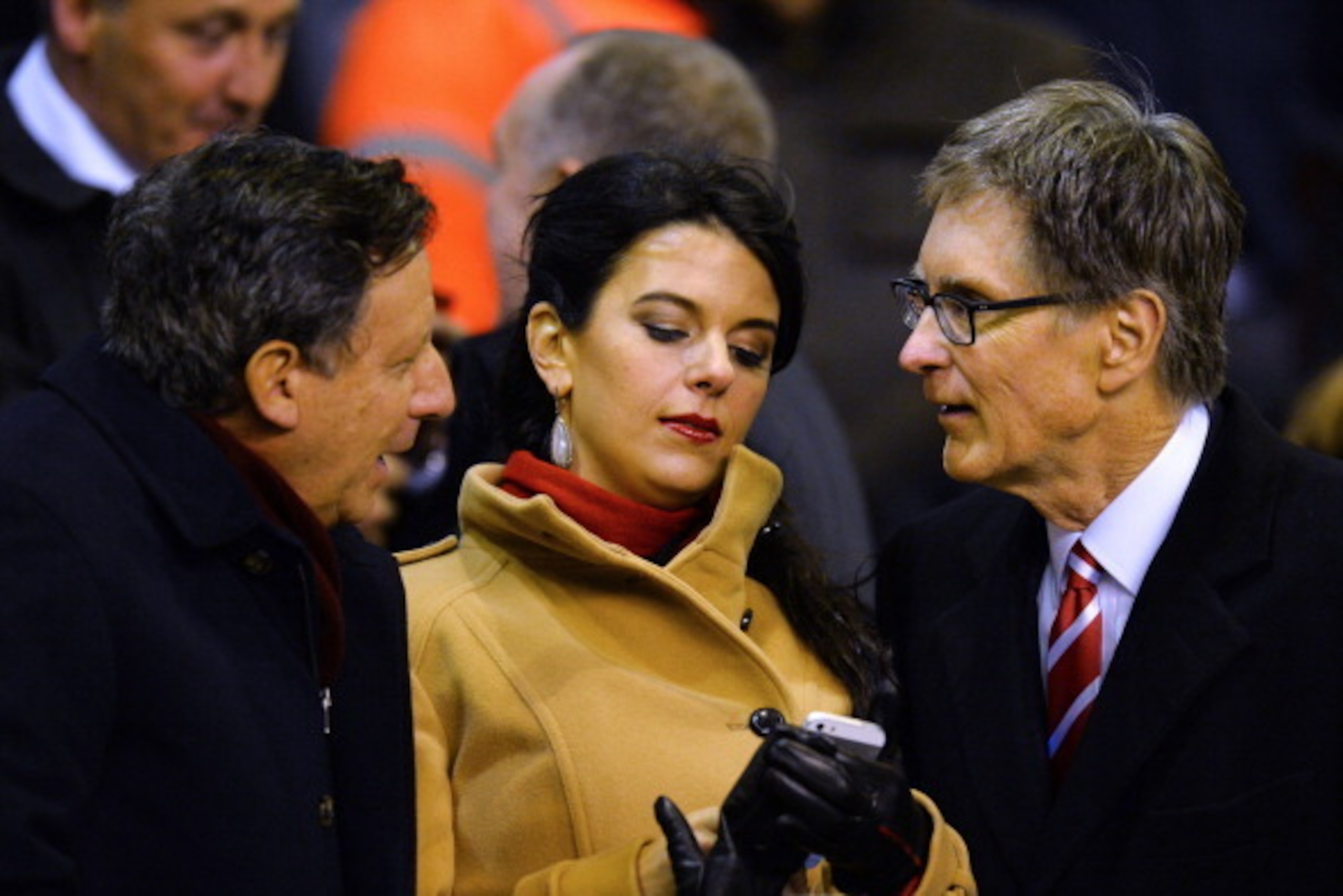
Edwards was hired by former Liverpool director of football Damien Comolli in 2011, after working as head of performance analysis for Portsmouth between 2003 and 2009 before moving to Tottenham Hotspur.
Initially, Edwards was a mere cog in the machine as Liverpool owner Fenway Sports Group looked to implement a Moneyball-inspired approach to recruitment, as James Pearce of the Liverpool Echo detailed earlier this month.
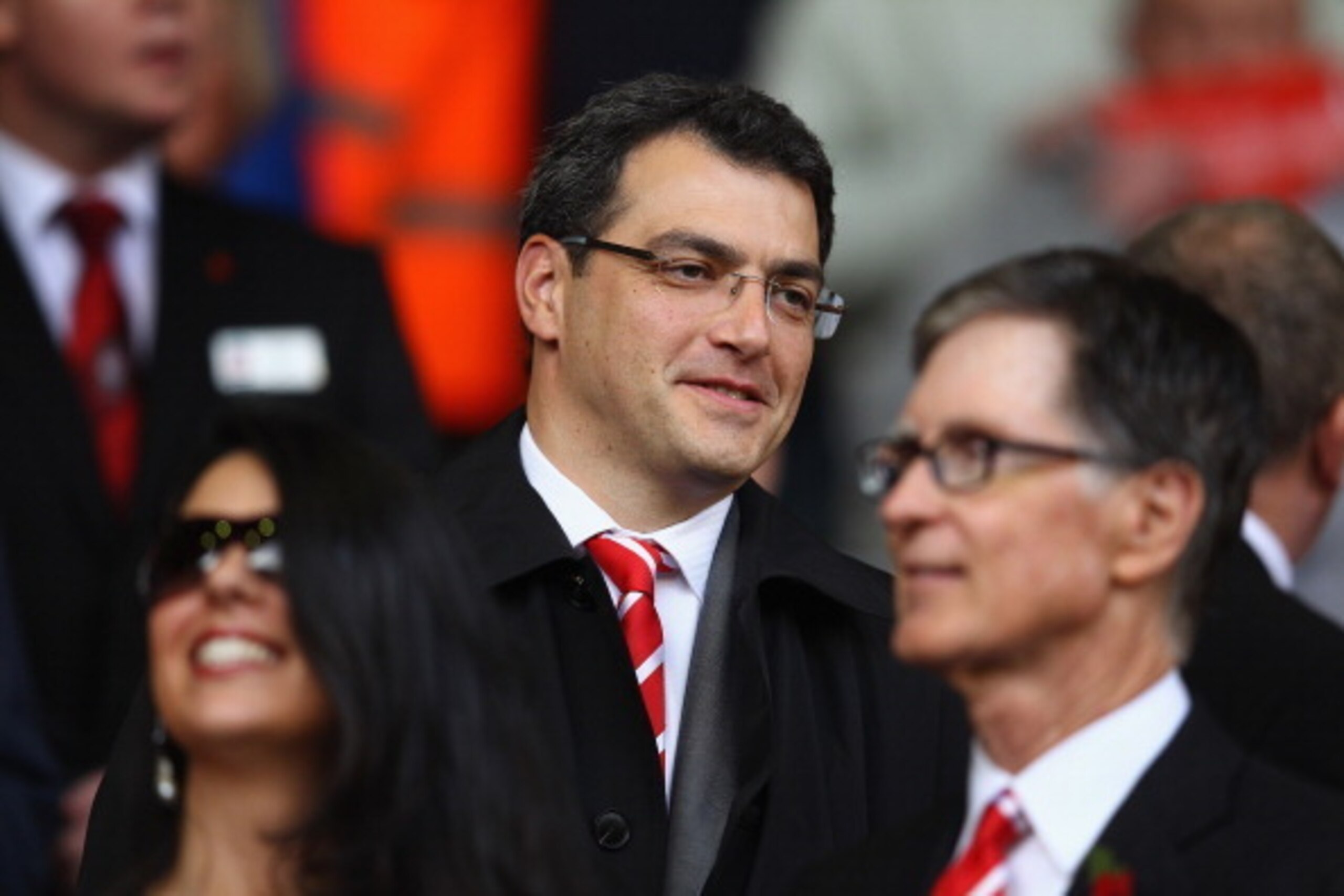
"Initially, he was head of analytics—poring over the mass of data Premier League clubs gather on players in every match and providing reports," Pearce revealed. "Once Comolli left in 2012, Edwards took on greater responsibility and was made head of performance and analysis."
Importantly, Pearce proffered that, "he's well regarded by FSG," with Edwards promoted the role of director of technical performance in the summer of 2013—interestingly, this preceded Liverpool's most successful season under Rodgers.
Whether Edwards and Rodgers harmoniously plotted the 2013/14 title challenge, however, is unlikely.
Neil Ashton of the Mail highlighted Edwards' partnership with FSG this week: "This cosy relationship with FSG, dropping the owners emails throughout the day and increasing his power at the club, led to a strained relationship with former manager Brendan Rodgers."
Ashton claimed that Edwards "fell perfectly into place with FSG's Moneyball strategy," suggesting that he had become "a trusted source of information to a group of people who are obsessed with statistical analysis."

However, as Ashton's relay unfolds, criticism mounts up, claiming that Edwards is of a new era of recruitment, with analysts "burying their heads in the stats," as well as bemoaning the £29 million outlay sanctioned for Firmino and the minimal game time afforded to £10 million signing Divock Origi.
"Edwards can tap away at a laptop and within seconds tell you how many assists the 24-year-old Turkish left back Eren Albayrak has made for Rizespor this season," he continued, glossing over the widespread availability of basic statistics—anyone with a laptop can peruse WhoScored.com to track Albayrak's progress.
But for all of his misplaced critique, Ashton concluded with a statement of paramount importance as Liverpool look to progress: that Edwards and Rodgers "clashed over transfer strategy."
The Need for Change
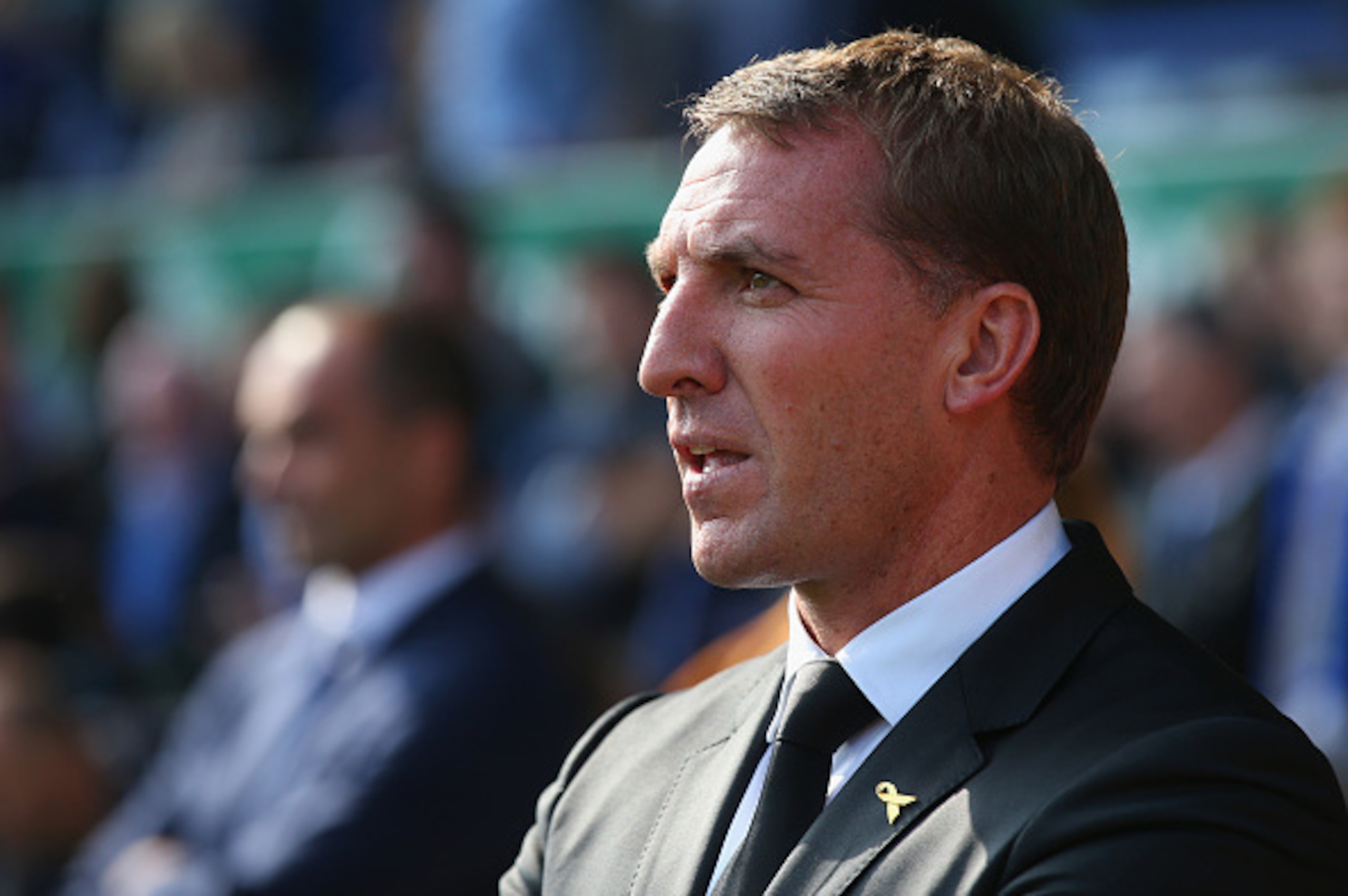
Rodgers' departure is foreshadowed by three seasons and eight games of mismanaged talent.
As Pearce continued to detail in his analysis of the failings of Liverpool's committee setup, this stemmed from a host of disagreements between the manager and the likes of Edwards and director of scouting David Fallows:
"He was regularly frustrated by a process which meant he had to convince others on the committee that a target met the club’s requirements and was worth pursuing.
There were times when he was out-voted and blocked from signing his first pick. He wanted Ashley Williams, but got Mamadou Sakho. He wanted Ryan Bertrand, but got Alberto Moreno.
[...]
Rodgers was the driving force behind signing the likes of Fabio Borini, Joe Allen, Adam Lallana, Dejan Lovren, Rickie Lambert, Danny Ings, James Milner and Christian Benteke, while the other members of the committee championed the suitability of players such as Daniel Sturridge, Philippe Coutinho, Sakho, Emre Can, Moreno, Luis Alberto, Iago Aspas, Lazar Markovic, Divock Origi and Roberto Firmino.
"
From a fundamental perspective, it is clear that Liverpool's less successful signings generally emerged from Rodgers' endorsement.
Fabio Borini, Joe Allen, Adam Lallana, Dejan Lovren, Rickie Lambert and James Milner have all contributed to the Reds becoming decidedly ordinary; a 10th-placed outfit.
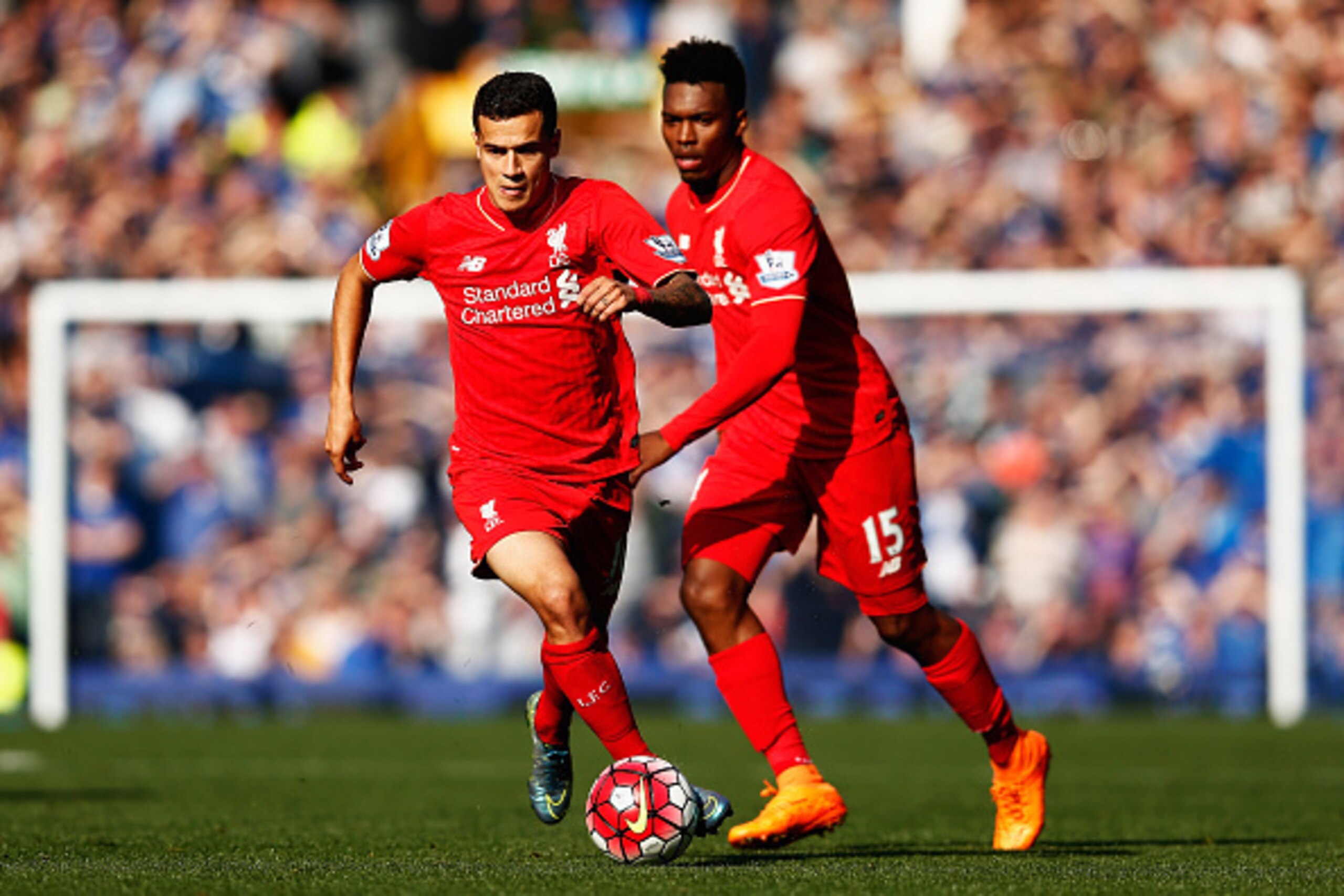
Meanwhile, though Luis Alberto and Iago Aspas can be considered Merseyside failures, Daniel Sturridge, Philippe Coutinho, Mamadou Sakho, Emre Can, Alberto Moreno and Firmino can all be considered key players for Liverpool's next manager, while Origi and Lazar Markovic can progress into this bracket.
Though Ashton singled out Firmino and Origi as "errors," it can be easily deduced that their slow start to life at Anfield is due to a mismanagement by Rodgers: Firmino played just 12 minutes in his natural, No. 10 position, while Origi was afforded just 16 minutes of game time in the Premier League since returning from a loan spell with Lille this summer.
Former Borussia Dortmund manager Jurgen Klopp is set to replace Rodgers, with BBC Sport's Ben Smith reporting that the German will sign a three-year contract with the club.
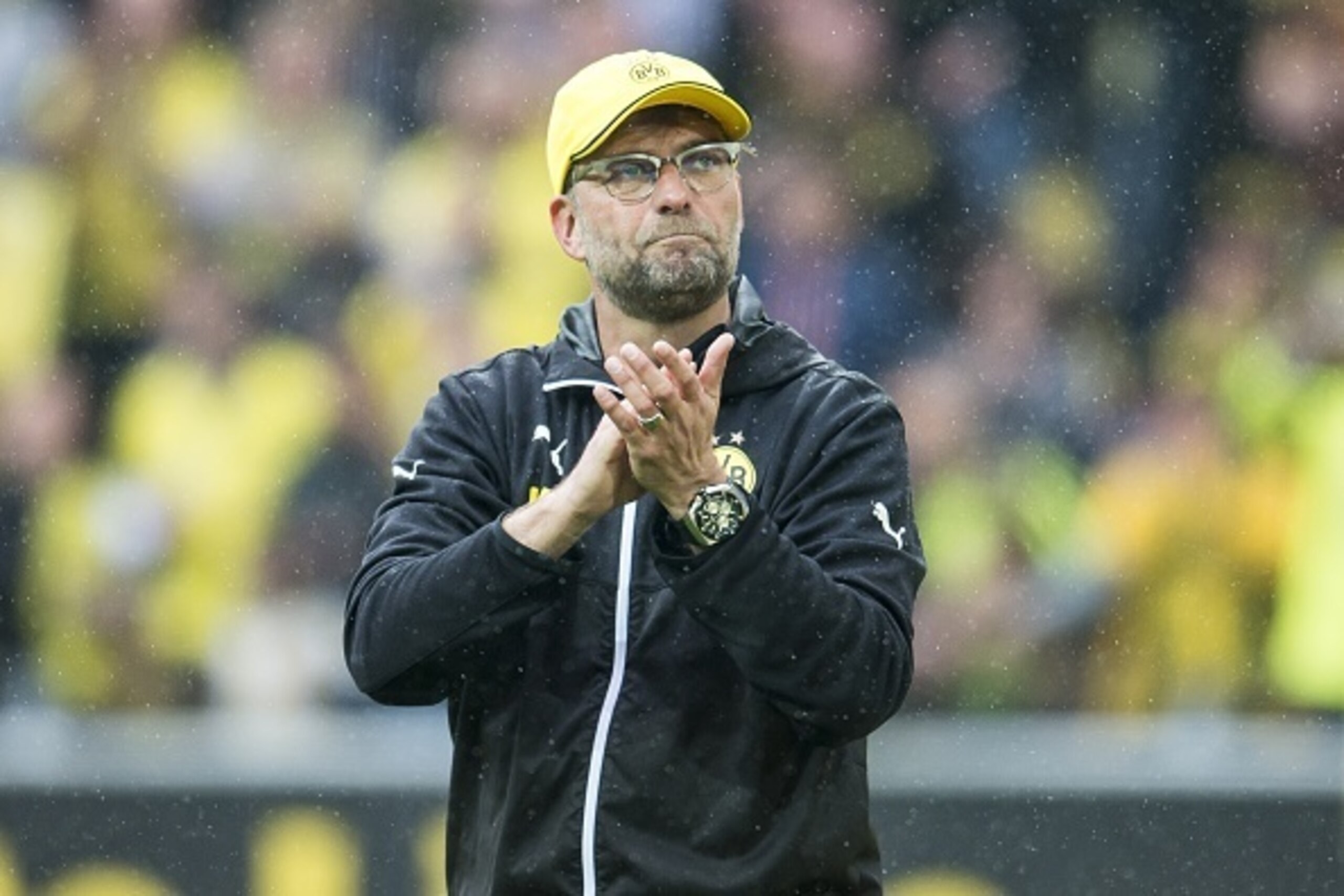
While former Dortmund midfielder Paul Lambert recently told Sky Sports that "I don't think [Klopp is] going to buy someone he doesn't want," this does not suggest a similar discord between committee and manager.
Anticipating Klopp's arrival on Merseyside in a column for the Independent, Sam Wallace described Dortmund's recruitment process as "a collegiate effort," led by technical director Michael Zorc, and while Klopp is not a subservient manager, he is clearly capable of performing within this setup.
Nevertheless, Rodgers' failings do suggest some level of change would be wise.
Accountability
Lambert went on to describe Klopp as "a big figurehead at a football club," and while the German's arrival is set to galvanise a flagging club, he is unlikely to be the face of Liverpool's future recruitment.
"In Germany there is a clear separation between manager and sporting director and I think in principle this is very good," Klopp's agent, Marc Kosicke, told German publication SPOX (h/t the Guardian) in the summer.

"Jurgen does not like to speak to players’ agents or to carry out a transfer. So we have to see which is the most useful arrangement," Kosicke said.
Klopp is a motivational manager who works closely with his assistants Zeljko Buvac, a tactical specialist, and Peter Krawietz, video analyst and formerly Dortmund's chief scout, with this collegiate approach encompassing the entire club.
The 48-year-old is happy to digest the ideas of others, with Zorc and CEO Hans-Joachim Watzke also enjoying a good relationship with Klopp throughout his time at Dortmund, and as such, it is unlikely that he is to jar with Liverpool's committee setup in the way Rodgers did—though his input will be necessary.
Instead, in attempting to address the issues that arose with FSG's recruitment model during Rodgers' tenure, owners John W. Henry and Tom Werner must look to implement a change in structure.
The committee setup is nothing new, but the lack of an authority figure at Liverpool undermined Rodgers.
With Klopp comfortable working alongside a director of football, as seen with his time at Dortmund, this onus could fall on Edwards—due to FSG's trust in him.
Clearly capable of working alongside the likes of Fallows and chief scout Barry Hunter, Edwards could continue to supply Klopp with talents to the level of Sturridge, Coutinho, Sakho, Can, Moreno and Firmino, but the German is more likely to take them at face value—rather than disregard them, like Rodgers.
Edwards' close relationship with FSG should not be undersold, as he may be the man to spearhead Liverpool's recruitment drive alongside Klopp.
Statistics via Transfermarkt.co.uk and WhoScored.com.
.jpg?w=2560 "Colts Football")
.jpg?w=2560 "NFL House in Paris Closes for Protests (AP)")
.jpg?w=2560 "Trevon Diggs Cut by Seahawks")