

Ranking Tottenham's Defenders on Their Ball-Playing Ability
The nature of the Tottenham Hotspur defenders who took on Manchester City is such that they probably would have attempted to play this way regardless.
Yet in the context of an eventual 4-1 win, their direct and often skillful engagement of Manuel Pellegrini's side was an encouraging representation of their increasing confidence right now.
Built on an improved adherence to basic fundamentals of organisation and focus in recent games, Tottenham's back four ably set their team forward on numerous occasions, happily fulfilling head coach Mauricio Pochettino's desire for a collectively competitive effort.
With participation in the team's overall play being such an increasingly valued part of a defender's game, the following article ranks where Spurs' players at the position rank in terms of their ball-playing ability.
Naturally, this means evaluating their passing, decision-making, dribbling and general comfort in possession.
First up, we begin with an out-of-favour centre-back.
Note: Since Eric Dier looks to be establishing himself as Tottenham's key defensive midfielder, the versatile England under-21 international has not been considered for these rankings.
8. Federico Fazio
1 of 8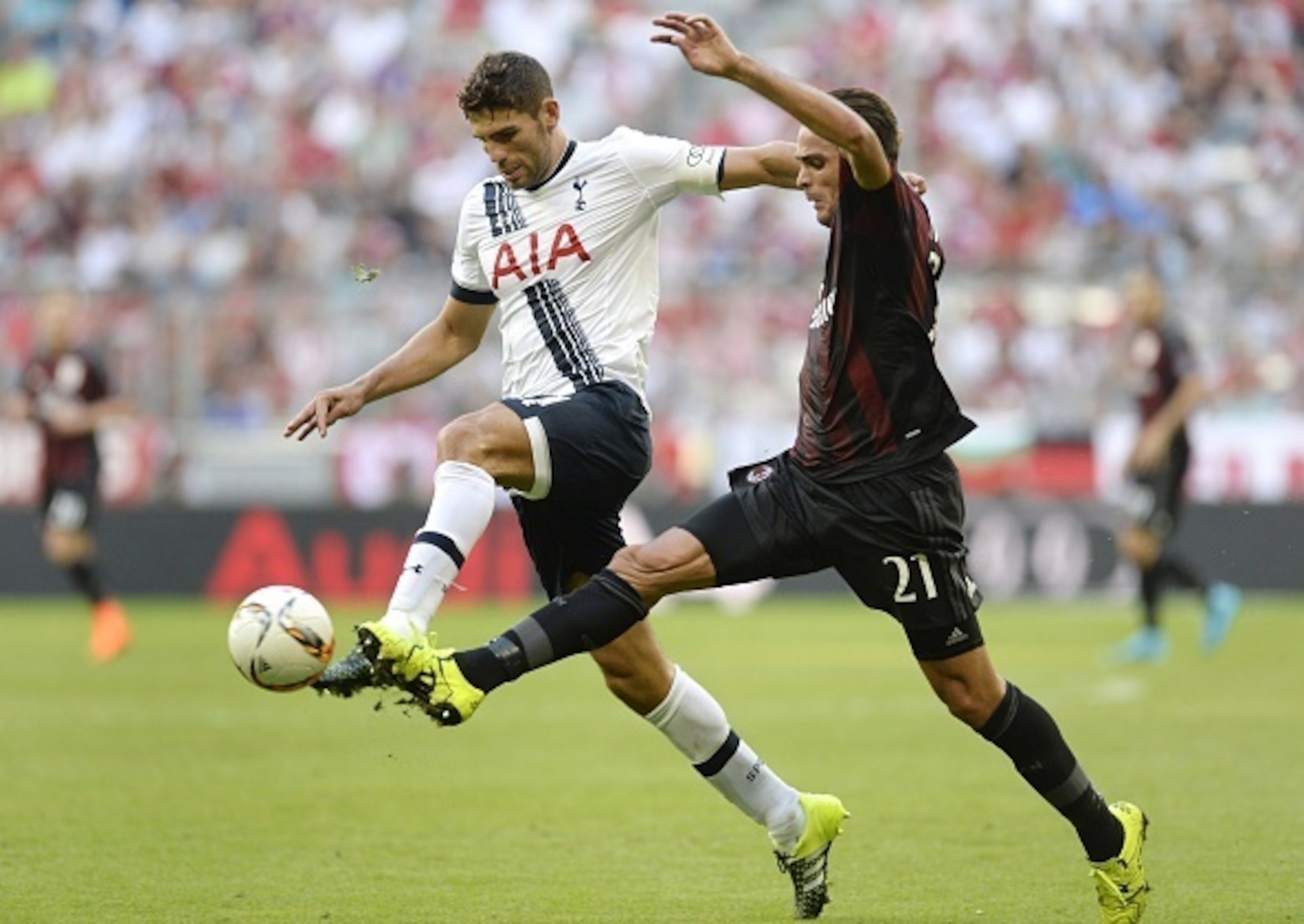
Federico Fazio was not solely at fault for Mathieu Flamini's winner in the recent Capital One Cup north London derby. The ball-watching Christian Eriksen's failure to track the Arsenal midfielder was just as culpable.
Nonetheless, Fazio's aimlessly looping attempted pass/clearance that teed up Flamini's volley did a player battling for playing time no favours.
With a run of games to settle into things, the Argentinian was a satisfactorily sturdy defensive presence in Tottenham's peak periods of form last season. With Pochettino looking for improvements throughout his team, though, the centre-back's less reliable use of the ball counts against him.
Fazio is capable of bringing the ball out decently enough. His passing—80 per cent completion rate last season compared to frequent partner Jan Vertonghen's 85 per cent—and choices under pressure particularly are not so strong, however.
With new signing Toby Alderweireld better in this department, Fazio will struggle to displace him for more than the occasional game.
7. Kevin Wimmer
2 of 8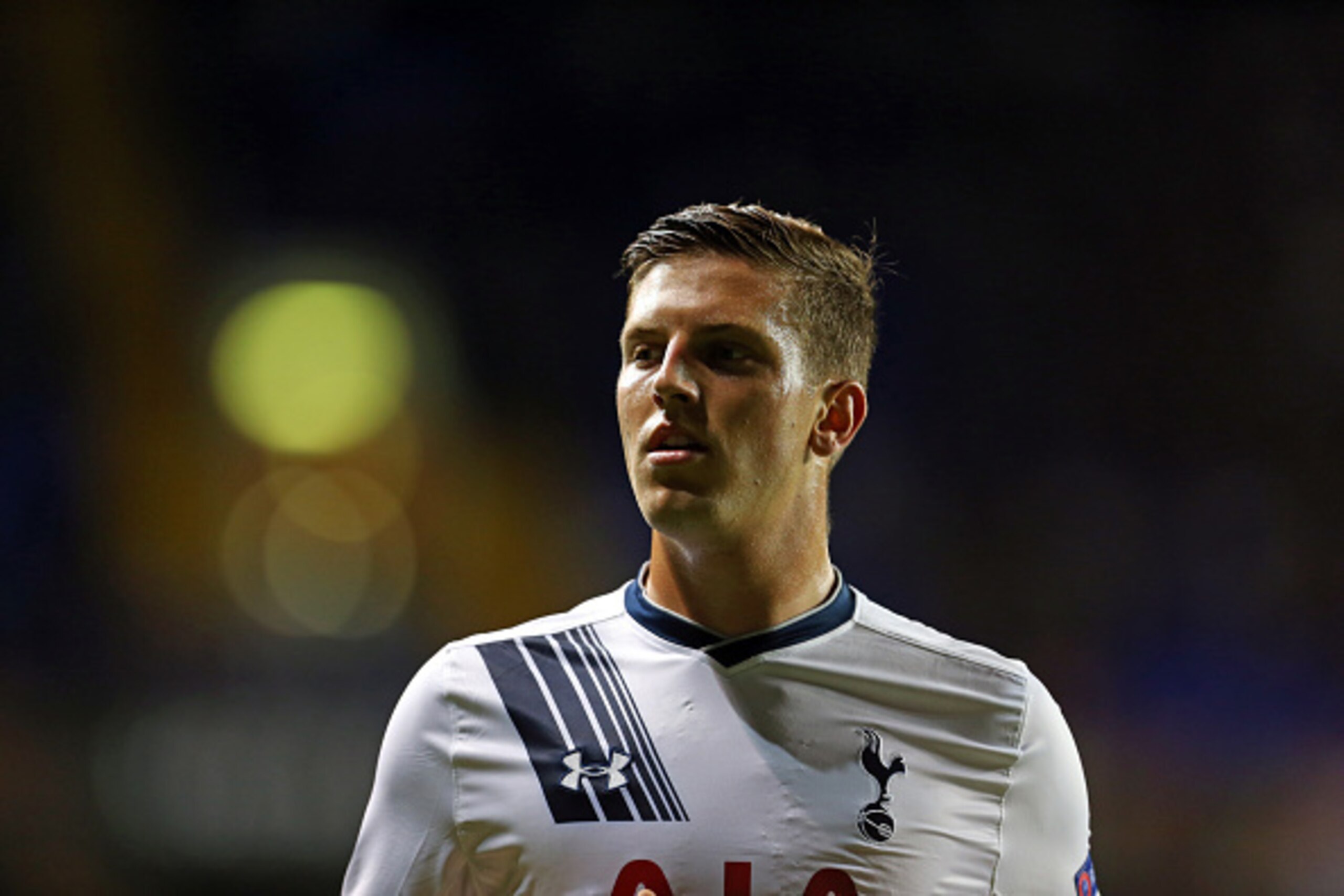
It is difficult to rank Kevin Wimmer any higher than this given that he has only played twice so far for Tottenham, although he is placed ahead of Fazio because he looks like a more balanced defender.
He was seemingly a solid enough passer of the ball in his time at Cologne, and the early evidence from his time in England does not dispute that. He definitely was not afraid to ask for the ball in last week's meeting with Arsenal, a decent sign of his temperament in such a big game.
Only a proper run in the Premier League will show how suitable Wimmer is to Pochettino's footballing ideals. In the meantime, he must make the most of the UEFA Europa League opportunities set to come his way.
6. Ben Davies
3 of 8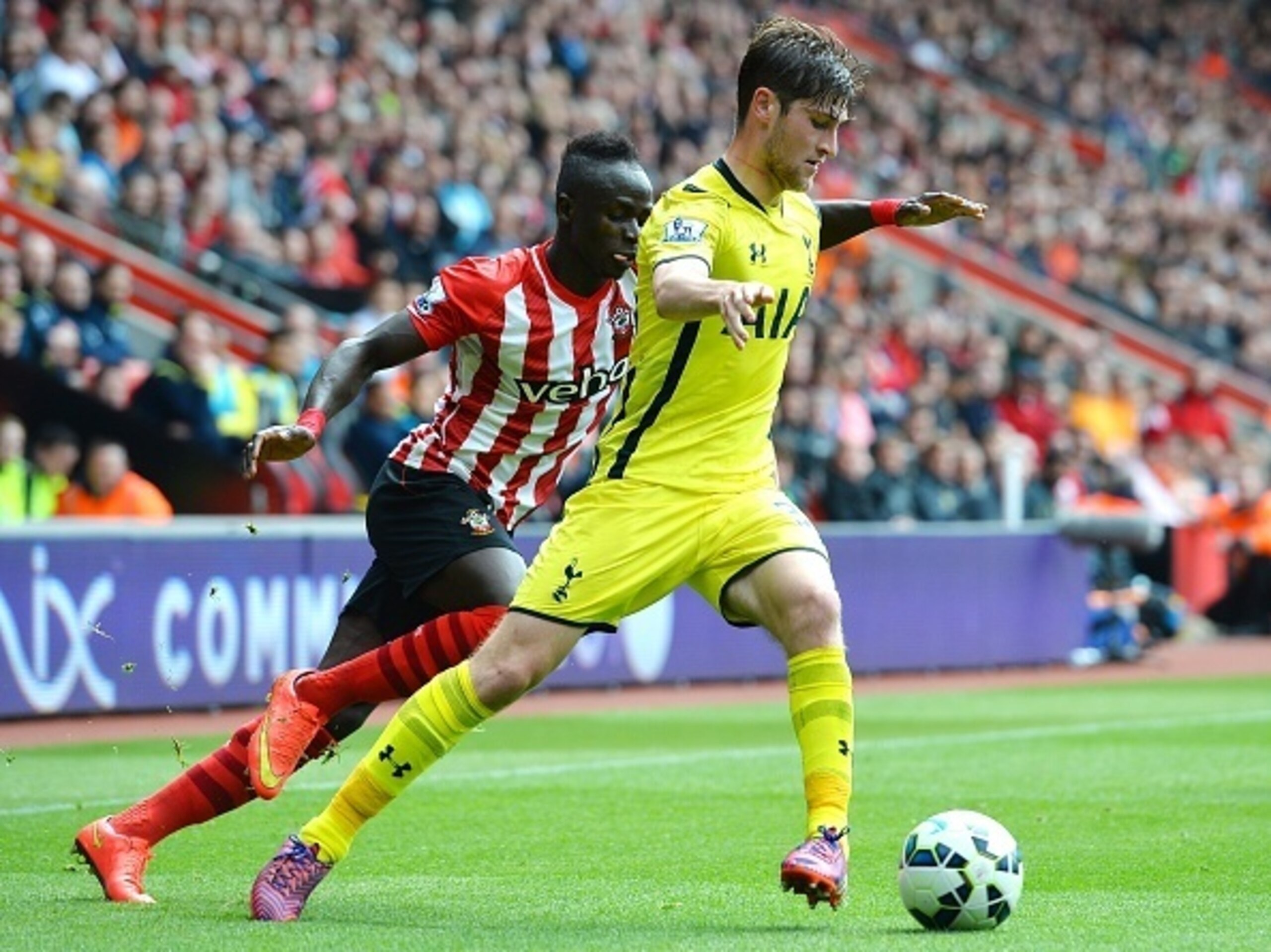
We are at the point in these rankings when there really are fine margins in the debate over who is a better ball-player among these defenders.
With a year under his belt with Tottenham, Wales international Ben Davies is beginning to look more at home in north London. For the time being, he is keeping left-back rival Danny Rose out of the Premier League team.
Of those to have appeared more than twice this season, Davies has been the least likely to exhibit bad control (just 0.3 times per game). He is one of his team's more productive crossers too, notably teeing up Nacer Chadli's goal at home to Stoke City.
Letting Davies down is his more erratic passing, as his success rate of 76.1 per cent is below the totals of all who follow in these rankings. That's a somewhat surprising fact given that he is not one of the more immediately noticeable risk-takers.
The rate is in part a product of the tougher angles a full-back has to work with out on the wing. However, it's also a reflection of a player still honing his range. At just 22, Davies has plenty of time to improve.


5. Kieran Trippier
4 of 8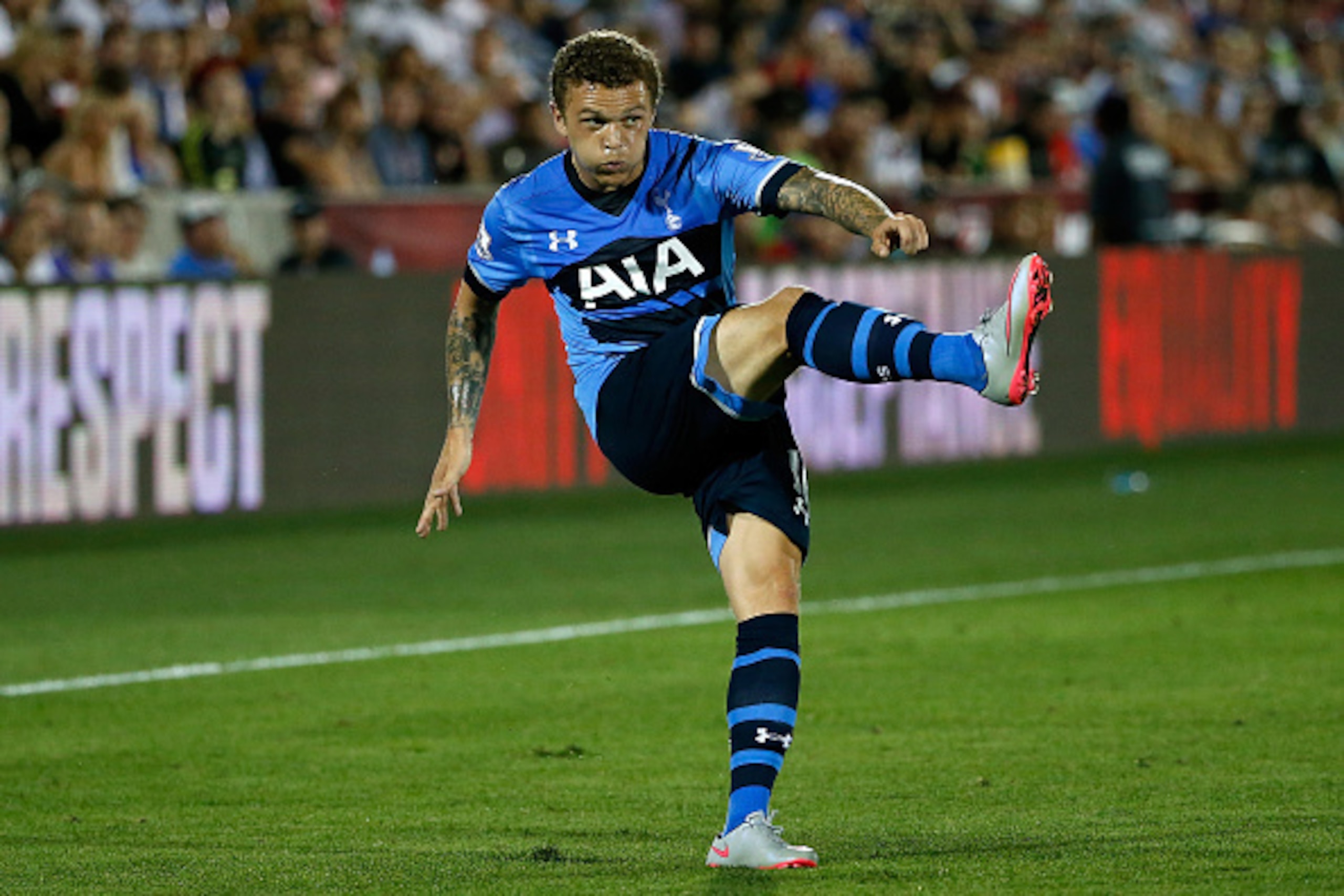
With just two competitive appearances for Tottenham so far, Kieran Trippier has plenty yet to prove as to his suitability for the north London club.
Unlike fellow new signing Wimmer, though, the right-back's season with Burnley in the Premier League offered plenty of evidence that he should thrive with his new club.
Trippier's biggest attribute as a ball-player is undoubtedly his willingness and ability to deliver a cross.
It was one of the dangerous weapons in the Clarets' top-flight armoury (he launched in 2.4 per game), while he has already looked to utilise it at Spurs. It was his deep ball to Chadli that led to their equaliser against Arsenal.
A promising pre-season linking up with his new team-mates, particularly in the games against the MLS All-Stars and AC Milan, suggests the on-pitch relationships Trippier establishes will only get better with time too. That's a natural consequence of dealing with a higher quality of player than he was used to at Burnley.
In the meantime, he will have to show himself a reliable performer in all departments—not an easy task with his current intermittent opportunities.
4. Kyle Walker
5 of 8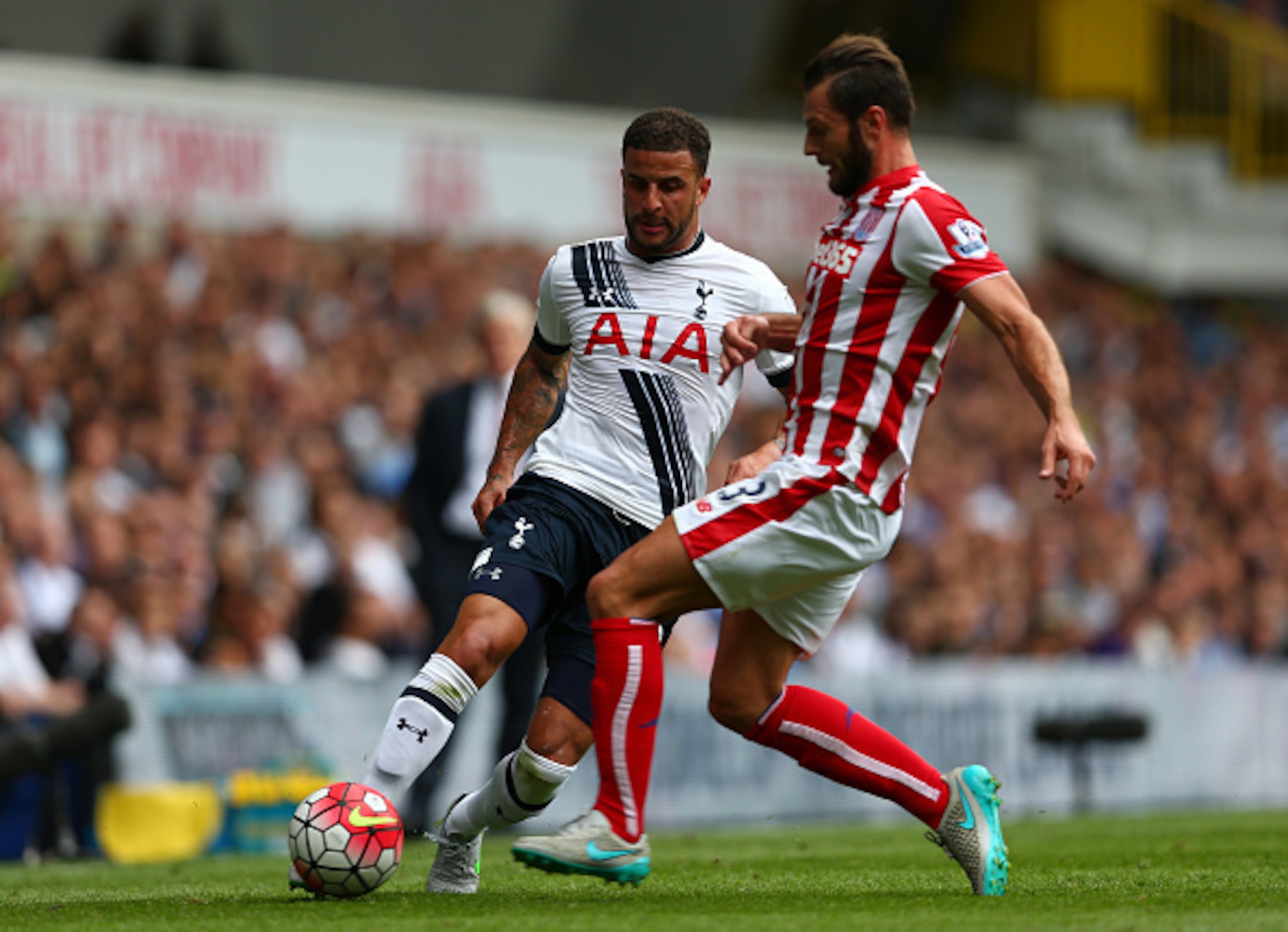
Over the last year, Kyle Walker has had to adjust to playing with a rotating array of attackers in front of him.
Compared to his counterparts on the opposite flank who have most commonly worked in support of Chadli, the right-back has dealt with Mousa Dembele, Erik Lamela, Andros Townsend and, recently against Sunderland, Heung-Min Son (with others occasionally floating out to occupy the spot).
It is something that should be taken into account when judging Walker here. Depending on whom he plays with, he is having to deploy his standout blistering pace differently, tempering his attacking instincts if necessary.
He is more often looking to set off the similarly speedy Townsend on his own runs, whereas Dembele or especially Lamela's inward runs require an overlapping option.
Walker's lower pass success rate (77.2 per cent) and higher number of bad touches (1.3 per game) are testaments to the challenges of collaboration. Not to mention he can sometimes get ahead of himself, rushing things when a cooler head would better serve him.
As the statistic of 0.9 key passes per game shows, however, Walker is capable of making his time on the ball count. When he gets into a full flow on the run, he is also as capable of putting opposition defences on the back foot as anyone at Spurs.
3. Toby Alderweireld
6 of 8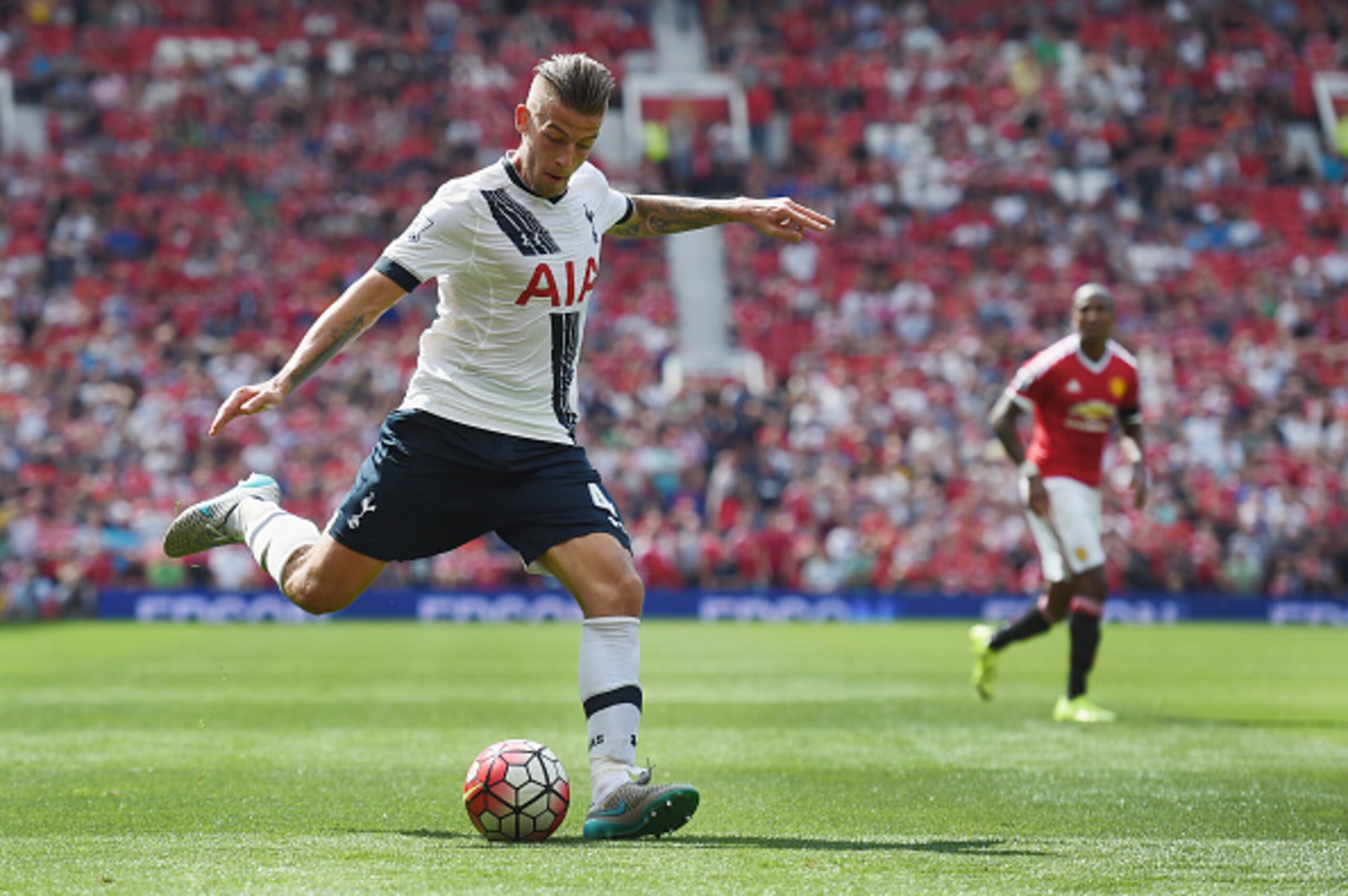
You want to get an idea of the kind of footballer Toby Alderweireld is? Take a look at his long-ball numbers.
The Belgium international's 6.4 per game almost doubles the next closest total (Jan Vertonghen with 3.3). These are not aimless punts either. They are cross-field, pinpoint diagonals aimed at sometimes audaciously setting up a team-mate deep in opposition territory.
It is safe to say these do not always come off. But when they do—as was the case against Manchester City when he teed up Davies for a first-time cross to Lamela—they look darn impressive.
Alderweireld is the kind of confident, risk-taking player Pochettino is happy to select in his defence. So long as he contributes to what the team are attempting to do going forward in a reliable enough fashion, his manager will accept things not always coming off.
Beginning to settle into his defensive duties now too, if he can maintain that consistency in his game, Alderweireld is a player Spurs supporters will enjoy watching.
2. Danny Rose
7 of 8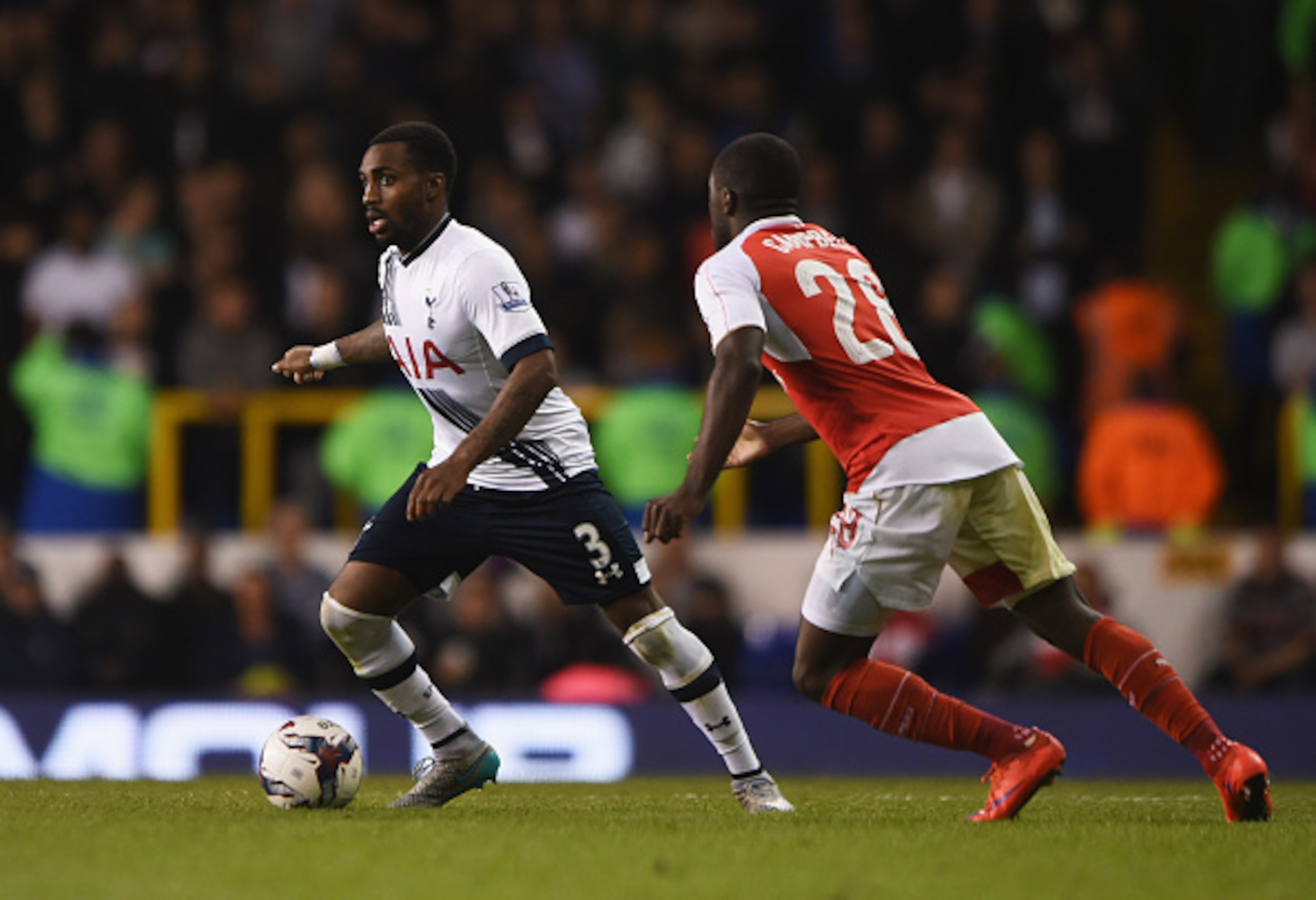
A midfielder converted into a defender, it is perhaps no surprise that Rose is one of Tottenham's better ball-players at the position.
As a left-winger, his pace was not enough to convince then-manager Harry Redknapp that he was a sufficient alternative to the likes of Gareth Bale and Aaron Lennon. As a left-back, it is more than enough for the less frequent attacking forays demanded in the role.
With three goals and four assists last season, Rose became one of current boss Pochettino's most effective attacking outlets.
Although not an outstanding crosser, the 25-year-old makes up for it with the timing and precision of his runs that force opposition defenders into choices they do not want to make.
Safe in the knowledge that his full-back will be bombing down the flank, Chadli is encouraged to occupy central positions more often than he feels comfortable doing in front of the less adventurous Davies.
Rose's passing follows suit too. While still prone to the occasionally lax choice, he has generally become more purposeful and precise when picking others out.
1. Jan Vertonghen
8 of 8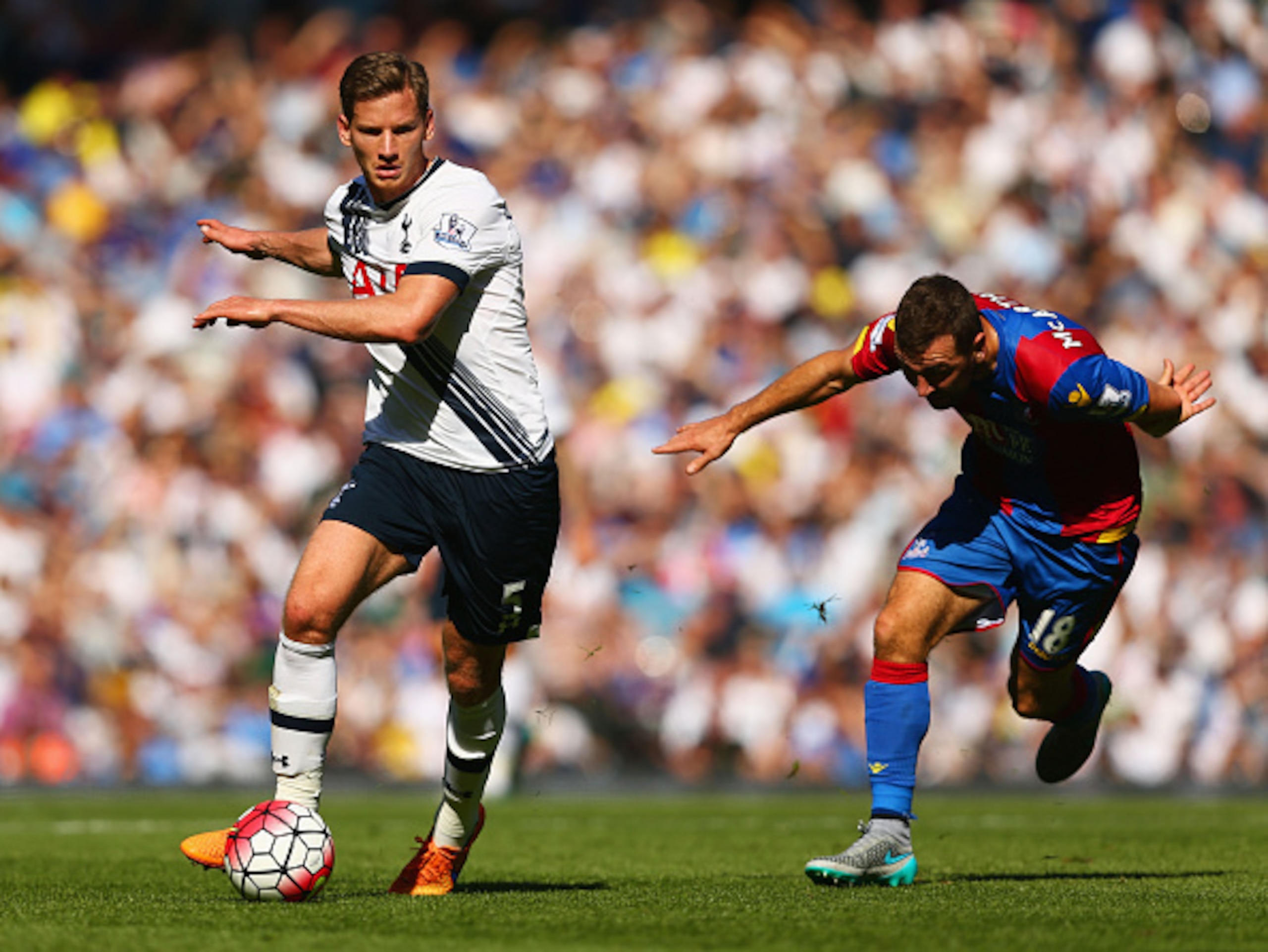
More than once against Manchester City, Vertonghen received the ball in a less than desirable position. With Sergio Aguero and other attackers lurking nearby, the defender and his team would have had little chance of recovery if he had been dispossessed.
He pushed his luck on one occasion with Yaya Toure closing him down, but just about every other time, Vertonghen found his way clear with considerable panache.
In one particularly impressive early example, he skipped away from three City challenges to get himself into their half before successfully passing to Son.
The Belgium international is not only the best passer and arguably best dribbler in defence, he also ranks among the most proficient in possession in the team.
It has allowed him to ply his trade at both left-back and centre-back in his career, and after a sluggish start to this season, it has seen him lead by example in recent weeks. He assuredly sets the tone for his team as he steps forward from the back line, looking to shape the direction of the moves that follow.
Compared to the showier, more direct Alderweireld, his pass selection is of the simpler variety. He adapts to the situation rather than trying to force it.
Playing with as much focus as he has in the last month, there are few better defenders around than Vertonghen when he is in the mood.
All statistics via Squawka and WhoScored.com unless otherwise noted.

.jpg?w=2560 "Raiders Could Start Mendoza")
.jpg?w=2560 "Rodgers Iced Out on Plane 💎")


.jpg?w=2560 "🚨 Week 8 AP Top 25 Poll")
.jpg?w=2560 "Blockbuster Trade Idea To Shake Up the Eastern Conference 🎇")