

How Will Manchester United Cope Tactically with the Loss of Luke Shaw?
Tuesday was going so well. Manchester United’s return to the UEFA Champions League had been rubber-stamped by an early Memphis Depay goal against former club PSV Eindhoven at the Philips Stadion, and the fans were starting to believe this team were hitting their stride.
Having beaten Liverpool the previous weekend thanks to a superlative second-half display, seeing a lovely debut goal from Anthony Martial crown a solid showing, there were plenty of reasons to be buoyant heading into the match in the Netherlands, and Depay’s excellent goal rubber-stamped that feel-good feeling.
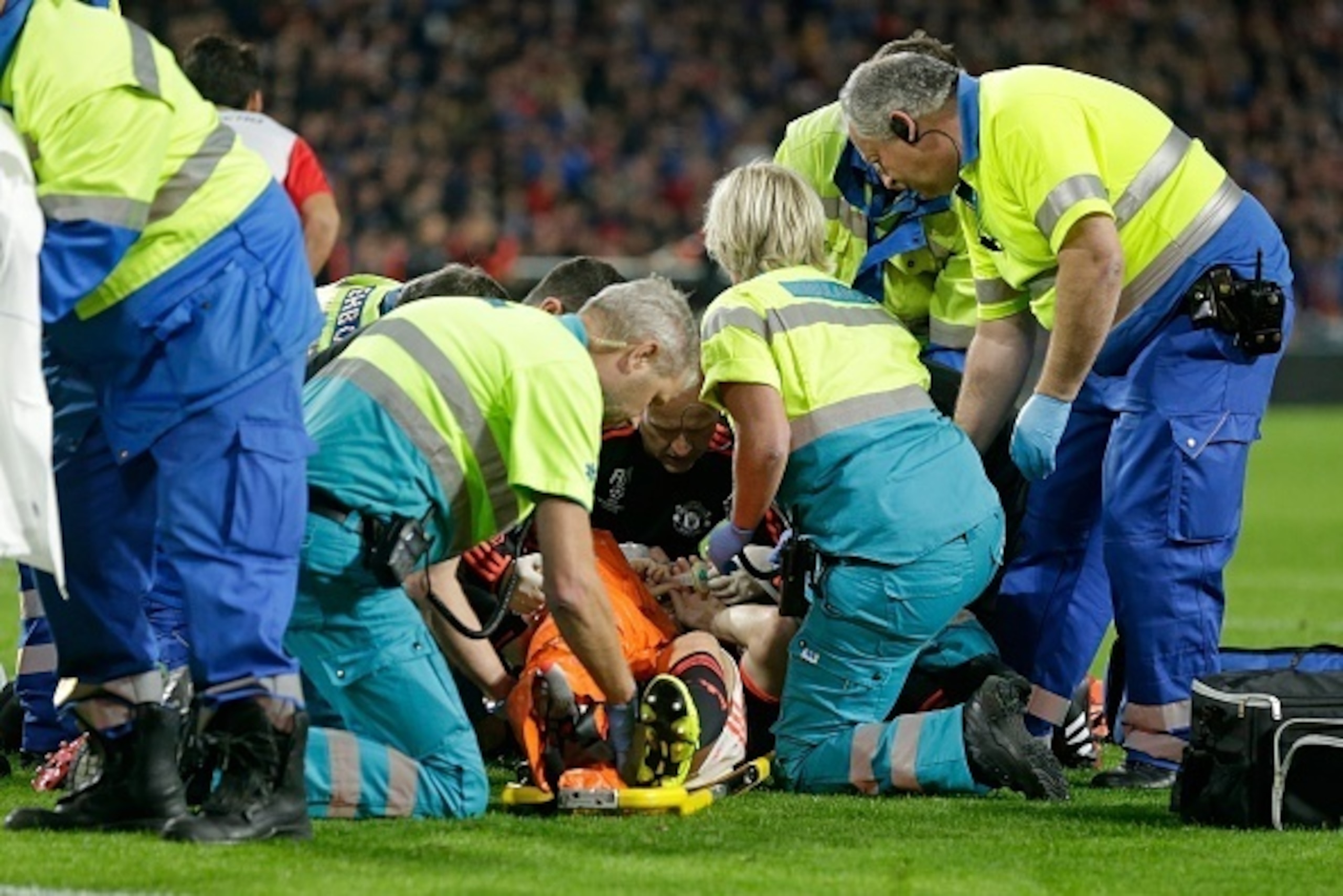
But a horror tackle on Luke Shaw by Hector Moreno left the former with a bad injury, a double leg break, and the night was turned on its head. United side lost focus, succumbing to an eventual 2-1 loss on the night and forgoing the chance to make an early statement in Group B.
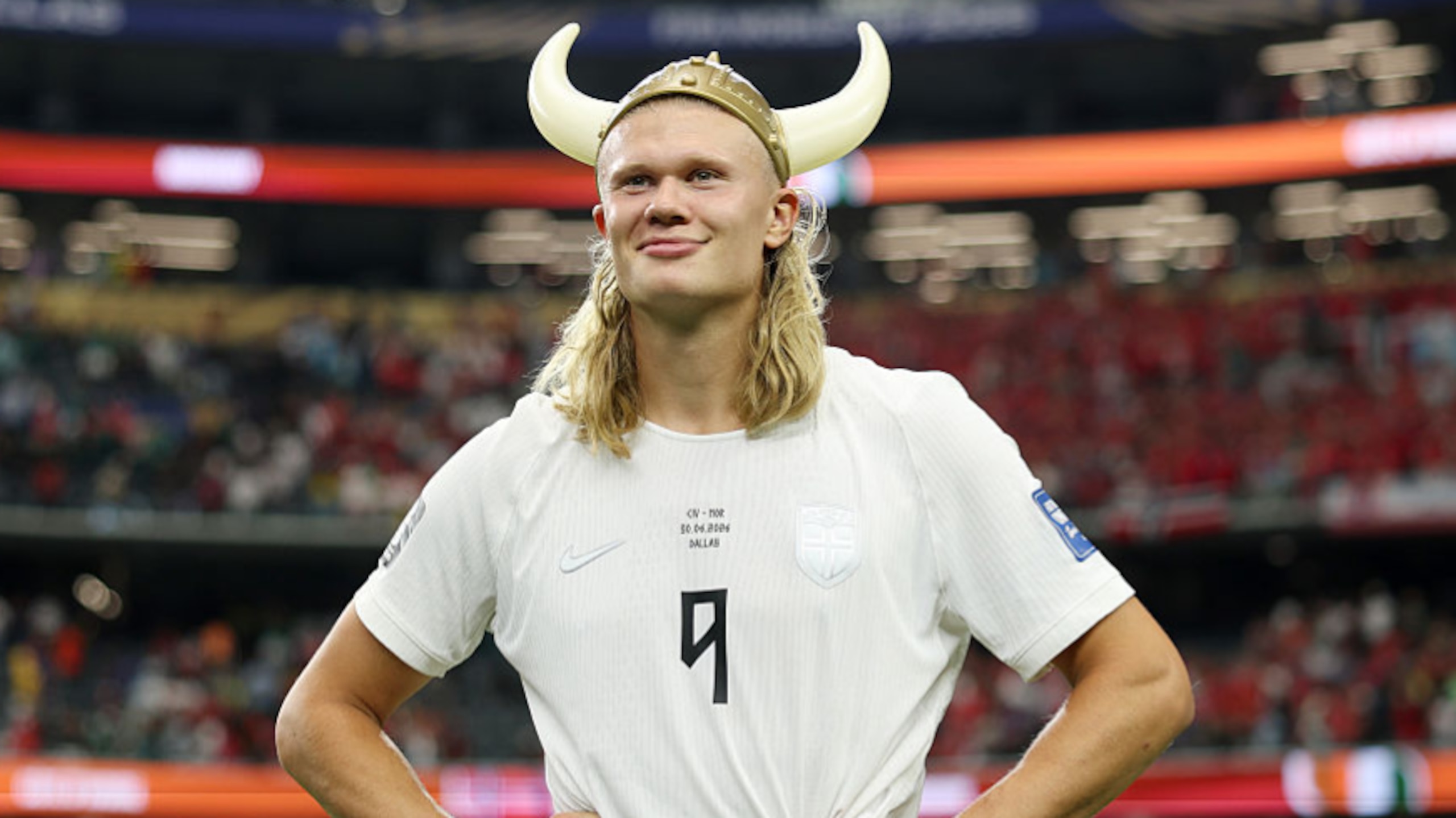


Shaw endured a woeful 2014-15 in United red, with Neil Ashton of the Daily Mail shining the spotlight on his homesickness issues after moving from Southampton aged just 19. Injuries wrecked his season on the pitch, with a month-long ailment sustained on the summer tour simply an omen for what would be a campaign riddled with niggles and strains.
He was blocked from joining the England Under-21 Championship squad this summer, with Louis van Gaal wishing for him to get himself right and ready—mentally and physically—for a key 2015-16 season at Old Trafford.
LVG wanted to see the Shaw from Southampton, not the pale imitation presented that previous summer in United red.
When Mauricio Pochettino was in charge at St Mary’s Stadium, he used Shaw as a key playmaker, shifting the midfield over to the right from goal-kicks to allow Artur Boruc to roll the ball out to him in space, allowing him to gallivant forward and pierce the opposition.
It’s very rare to see an 18-year-old left-back given that much tactical responsibility, but then again, it’s just as rare an 18-year-old left-back costs £30 million.
And recover he did. Shaw had a good summer, made progressive steps forward in his game and, over the course of United’s first five Premier League games this year, looked back to his old self again—as if he was trundling forward in red-and-white stripes on the south coast.
It’s arguable only Aleksandar Kolarov of Manchester City had a better opening five games in the division than Shaw. Jordan Amavi, Joe Gomez, Jeffrey Schlupp and Neil Taylor have all been very good, but none have impacted the game as consistently as United’s 20-year-old prospect.
A double leg break is a six-month injury, and it’s unlikely Shaw will see the pitch again this season unless his recovery has Djibril Cisse levels of flawlessness.
The concern here is not only for a young man’s career, but in the interim, how will United cope with the loss? A look at last season’s play—in addition to the second-half adjustment against PSV—could provide some clues as to what Van Gaal will do.
On Tuesday, Daley Blind was immediately shifted to left-back in place of Shaw, and Marcos Rojo was brought on to play alongside Chris Smalling in central defence.
Blind is a mixed bag from left-back—he plays rather badly there for the Dutch national team, but in 2014-15, he shone there for United late in the season—and it will be a shame to see him removed from the permanent central position he’s been excelling in of late.
But logically, he’s the second-choice left-back, and the tape from last season proves he can play very well if given the right role.
A Blind-Ashley Young-Marouane Fellaini triumvirate on the left side formed the nexus of Man Utd’s attacking play for a decent stretch last season, and parts of that could be replicated in 2015-16.
The key is to replace Shaw’s thrust and drive; he’s been very important to his side’s attacking play early in this season, breaking forward off the ball and hemming the opposing right-back in. His duel with former Southampton team-mate Nathaniel Clyne last weekend on the touchline at Old Trafford was a great watch; they went at it stride for stride in a direct, aggressive matchup.
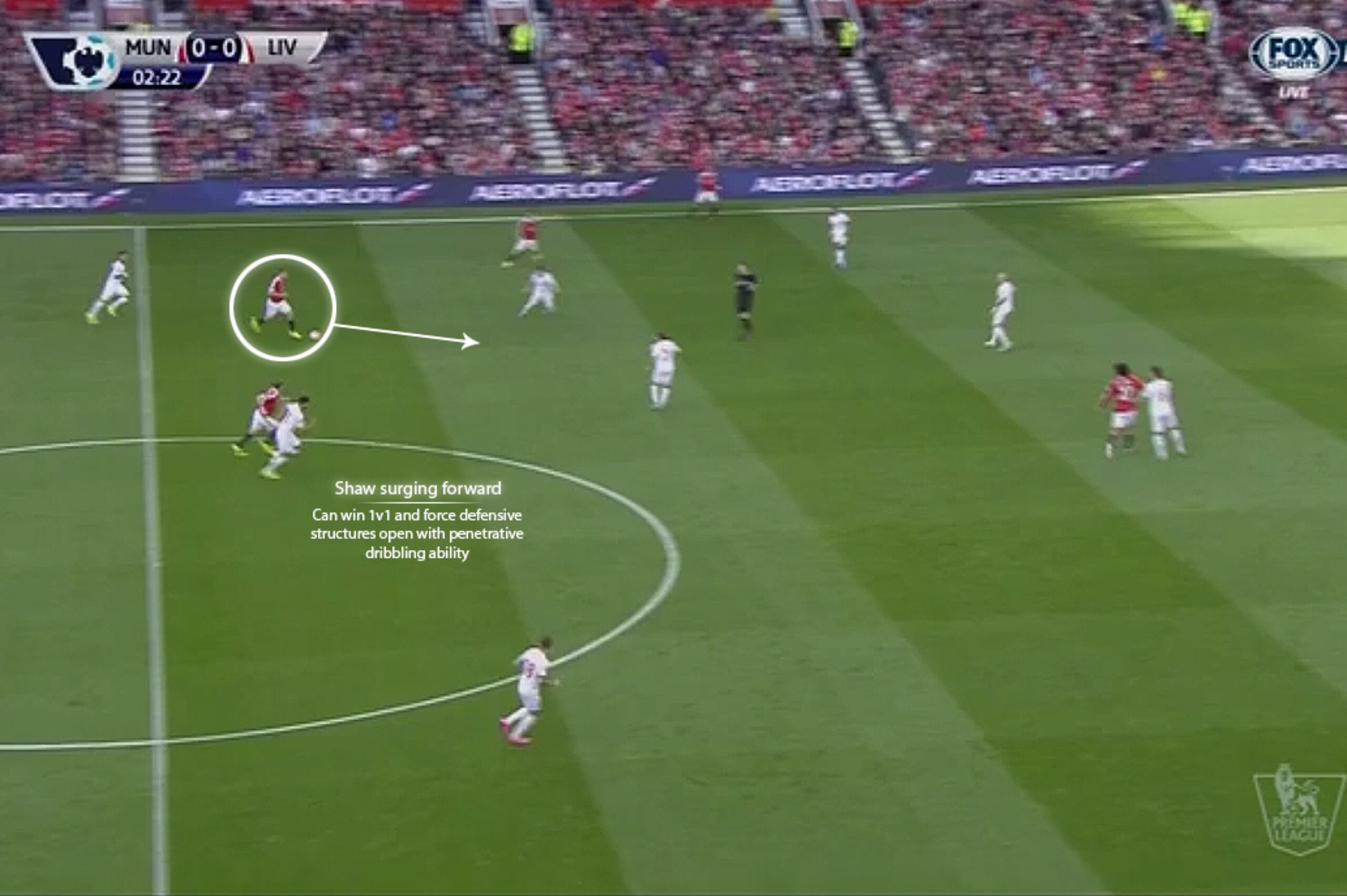
Shaw’s end-product is still discernibly lacking—his reputation as “an attacking full-back” upon joining the club was only half true at the time—but he does push forward with the ball at his feet, committing markers, and he does sense when to overlap or make a third man run over the top and into space very well. The crossing might be a bit iffy, but he gains ground and territory like few others can.
Blind managed this last season, but with the help of Fellaini to bring longer David De Gea goal-kicks down in advanced positions and flick the ball onward.
Blind’s starting position for his runs was at least 10 yards higher, and the risk of turning the ball over before he could make his move was considerably decreased due to his Belgian team-mate’s canny knack of protecting the ball (and elbowing anyone who gets too close to taking it off him).

The Dutchman also formed a brilliant partnership with Young, who sparked into game-winning form and frankly carried United through a few games in the business end of the season.
With Young dipping inside on his right foot to cross, Blind took the outside lane to stretch the pitch and commit the full-back.
At Anfield, in a brilliant team display, Blind provided one notable highlight in sending Emre Can to the floor with a sharp stop and turn.
But now the left flank is, by and large, occupied by Memphis Depay, and Van Gaal appears to be favouring a 4-2-3-1 formation over a 4-3-3. It means Fellaini has to play as a No. 10 (very unlikely) to get Blind the boost high up the pitch that he enjoyed last season, and Depay’s preferences and instincts are a little different to Young’s, so the partnership is absent too.
Realistically, Fellaini isn’t tidy enough to play as the No. 10 for this iteration of United, and it would, frankly, be a disservice to Ander Herrera to play the Belgian there over him.
Some fans would even prefer to see Marcos Rojo play left-back in order to keep Blind in a central role, and while this could happen, Van Gaal clearly likes Blind on the left even if others don’t.
It comes down to a few very simple denominations: Shaw’s a rumbustious, direct full-back who, while clearly able to defend, provides the sort of individual thrust that can warp a game and make the difference; Blind, a capable deputy no doubt, is an inherently safer player who can’t make the same solo impact that his colleague can.
Depay and Blind—compatriots, don’t forget—could form a good partnership, but without the third part (Fellaini) the latter will struggle to replicate what Shaw has provided in the first five league games. The formation change makes last season’s efforts near-impossible to replicate.
The answer, then, to the question of how United will cope without the 20-year-old, has to be to move the nexus of the play...again.
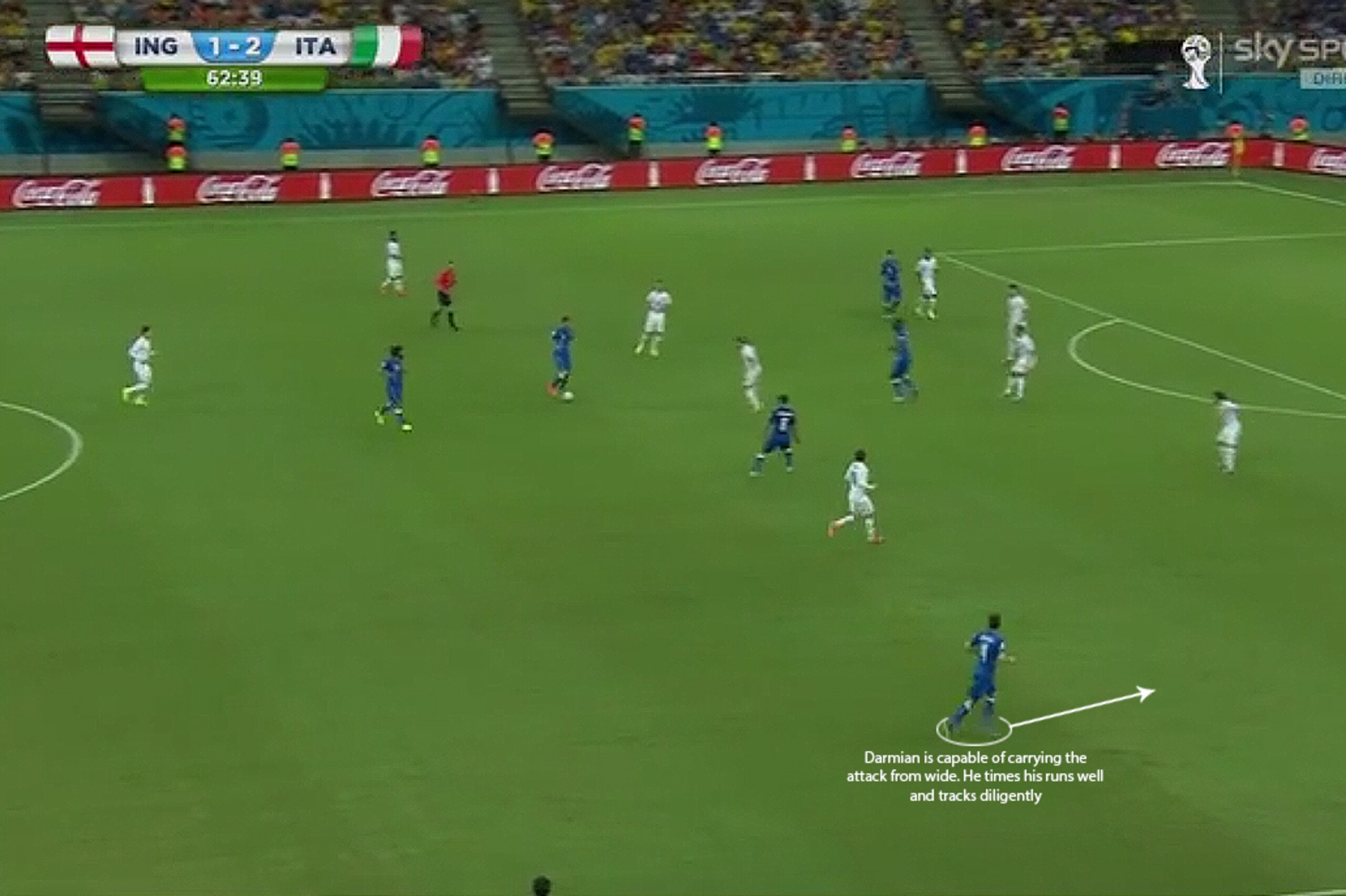
Bar the PSV game, Matteo Darmian’s had a spotless start to the season following his move from Torino, and Van Gaal could easily shift focus to the opposite side of the pitch.

The Italian has hardly been frozen out of the play, but he’s not been an on-the-ball priority. Perhaps it’s time to make him just that—as Italy did against England in the World Cup, seeking out his excellently timed overlapping runs—with Juan Mata slotting into the resulting pockets of space up ahead.
Last season, Mata, Herrera and Antonio Valencia formed a good trio on the right, with the simplicity of the latter player complementing the former two’s energy and flair.
Whether Herrera gets a proper look in here is another entirely difficult debate in itself, but it’s very clear Darmian can provide the consistent solo thrust Shaw did and Blind likely can’t.
Given the formation (4-2-3-1) and the personnel available, this may just be the ideal solution: Regard the right flank as the game-breaking side and steady up the left, shifting the onus of the play but retaining the balance of the XI.



.jpg?w=2560 "Weather Channel Trolls Texans-Titans 💀")

.jpg?w=2560 "Grading WWE Raw 🔠")