

Bills Look Like AFC Contenders Behind Emerging QB Tyrod Taylor
Tyrod Taylor may have shifted the balance in the AFC.
The Buffalo Bills' starting quarterback didn't have a great game against the Indianapolis Colts in Week 1 of the regular season, but he did do enough for the Bills to dominate the Colts—a team that was and likely still is expected to be one of the best teams in the AFC.
In a 27-14 victory at home, Taylor threw just 19 passes. He completed 14 of them for 195 yards and a touchdown without an interception. He also added 41 rushing yards on nine attempts.

Considering how the Bills are set up, that kind of efficiency is more valuable to them than it is most teams. The Bills have enough weapons around Taylor to not be overly reliant on him, but more importantly, they have a defense that can dominate the best offenses in the league.
While the Colts scored just 14 points, even that number flattered their offense. The Bills defense was dominant. Head coach Rex Ryan's unit surpassed expectations that were already exceptionally high. It has talent at every level on the field and a proven defensive guru on the sidelines.
If the Bills can consistently play to that level on defense—something you would expect them to do considering their track record over recent years and Ryan's over his career—Taylor will be consistently put in preferable situations.
Winning with poor quarterback play in the NFL is very difficult, but winning with adequate quarterback play in the AFC, the weaker conference, is less of an obstacle.
Taylor only needs to take care of the ball and make timely plays to keep the offense in contention because the Bills won't be involved in many high-scoring games. Against the Colts, that is exactly what the young quarterback was able to do.
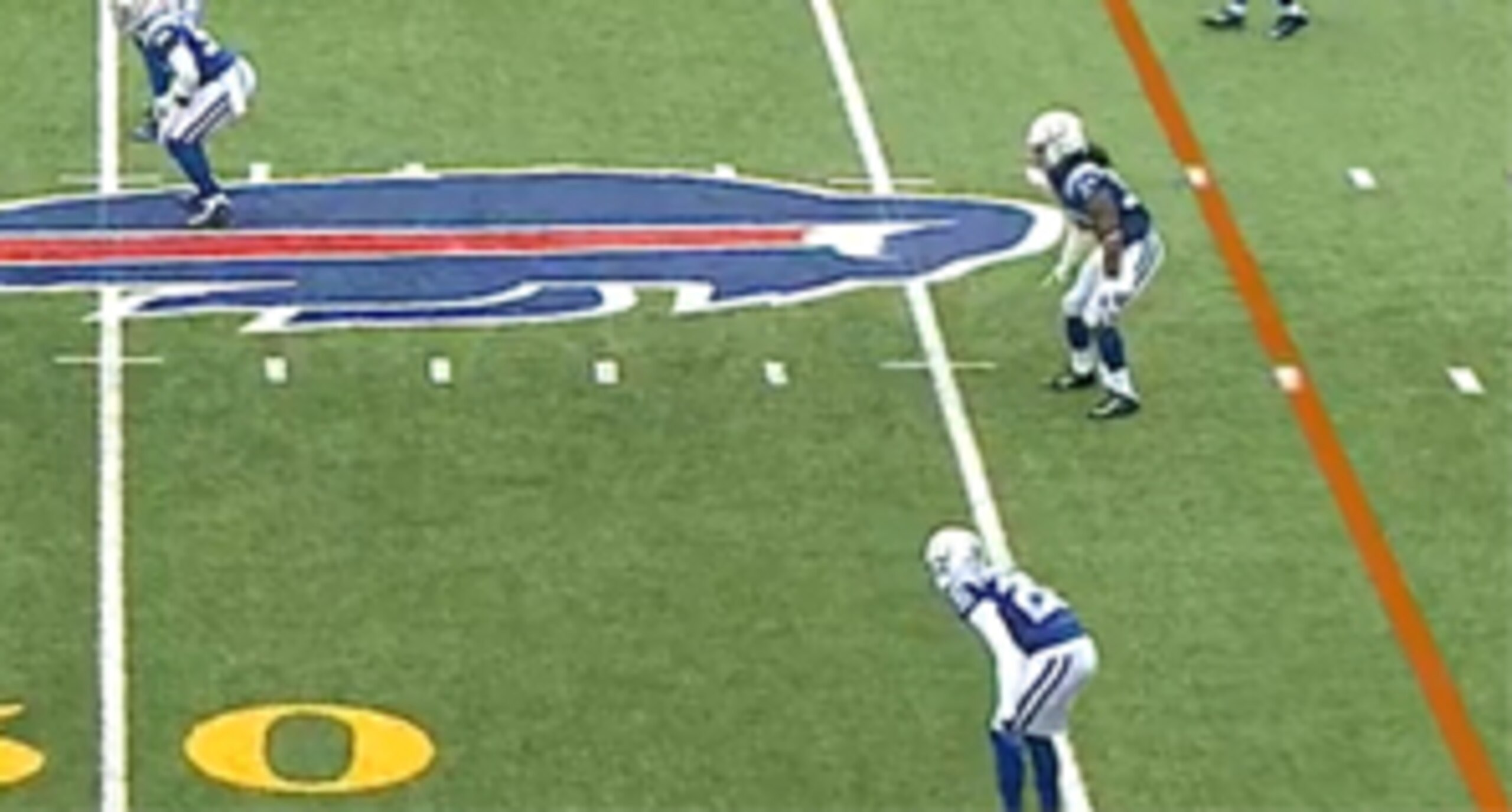
Because of how the Bills offense is set up—as a run-first unit with receiving options who can create with the ball after the catch—decisiveness at the quarterback position is encouraged. Taylor isn't expected to drop back and make full-field progression reads.
He will have to break down the coverage still, looking for clearly defined reads downfield before checking down if he's not comfortable pushing the ball into the coverage.
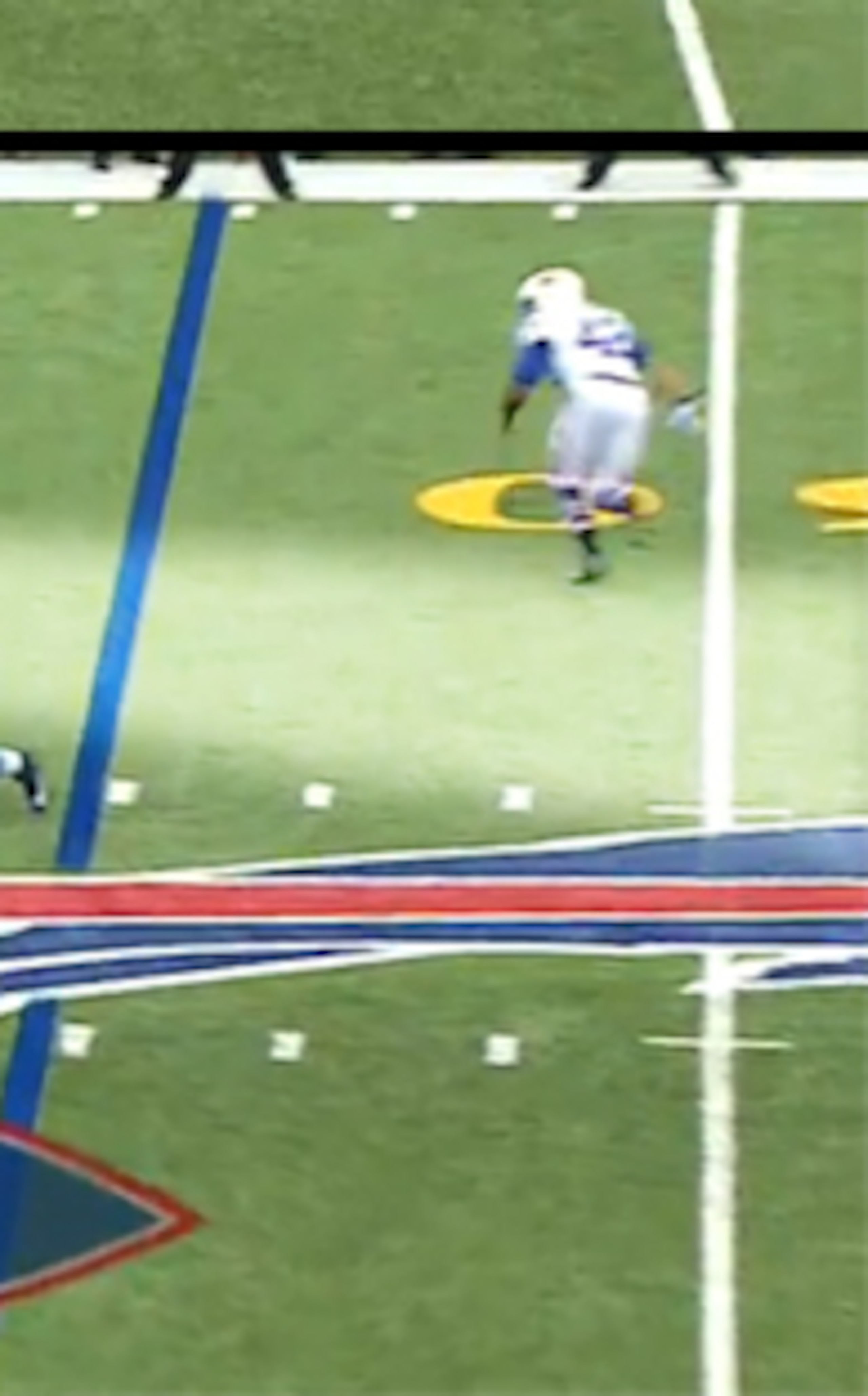
Offensive coordinator Greg Roman will mix hard play actions and subtle play fakes to manipulate the defense in different ways. On this play, Taylor runs a subtle play fake with the running back in the backfield. Unlike harder play-action designs, this play fake allows him to always keep his eyes on the coverage.
The subtlety of the play fake means it slows down the rush but doesn't disrupt the coverage on the back end.
When Taylor gets to the top of his drop, he turns quickly to survey downfield. Roman's plays often require the quarterback to make his read off of the actions of the safety, and that appears to be where Taylor is looking. He has a completely clean pocket to hold the ball in.
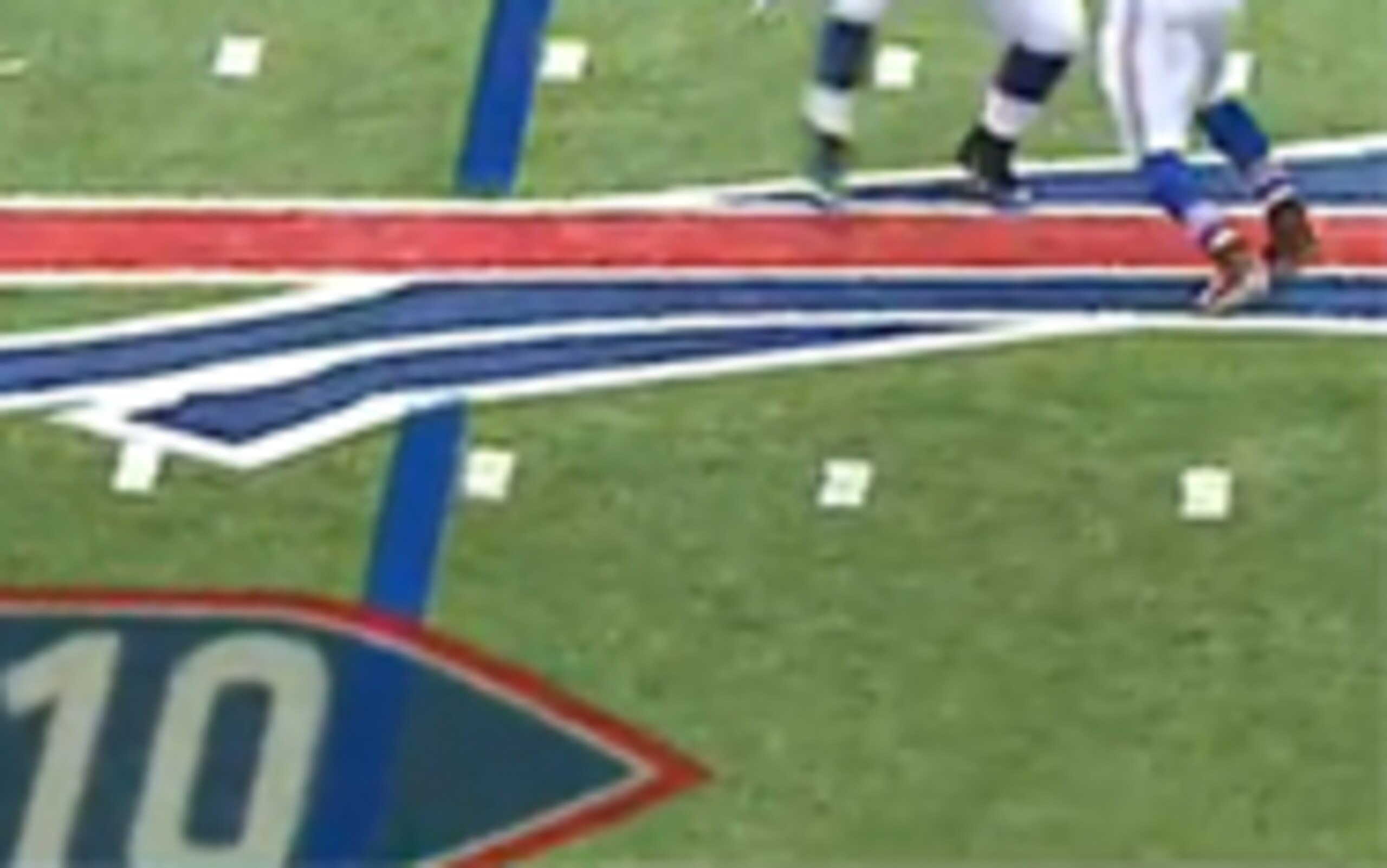
The most common downfall of most so-called running quarterbacks is their inability to work from the pocket. That failure extends into different actions, but one of the most prominent is eye level. Quarterbacks who are forced to hold the ball in the pocket often become less comfortable as they do it.
For more athletic quarterbacks who can make plays with their feet, dropping their eyes to run can result in positive yardage, so it's a more attractive option.
What made Taylor stand out when he was a backup with the Ravens in Baltimore was his discipline with his eyes and comfort in the pocket. He didn't panic unnecessarily; he consistently attempted to sustain eye level and make pocket throws when possible.
On this play, he didn't drop his eyes or move his feet to begin scrambling. Instead, he turned at the perfect time to his checkdown route in the flat.

It was the perfect time because Taylor gave his downfield receivers time to get open but also because the deep-coverage players had to continually drop into their coverage as they reacted to his eyes. This created space underneath for Taylor's checkdown receiver.
That receiver had an opportunity to run for a first down because of Taylor's process in the pocket.
From the first drive of this game to his last pass attempt, Taylor's process in the pocket was impressive. Even though it didn't lead to huge yardage, it did allow Taylor to make some important drive-sustaining throws.
He only converted three of nine third downs when he was asked to drop back in the pocket, but many of those came in unconvertible 3rd-and-long situations.
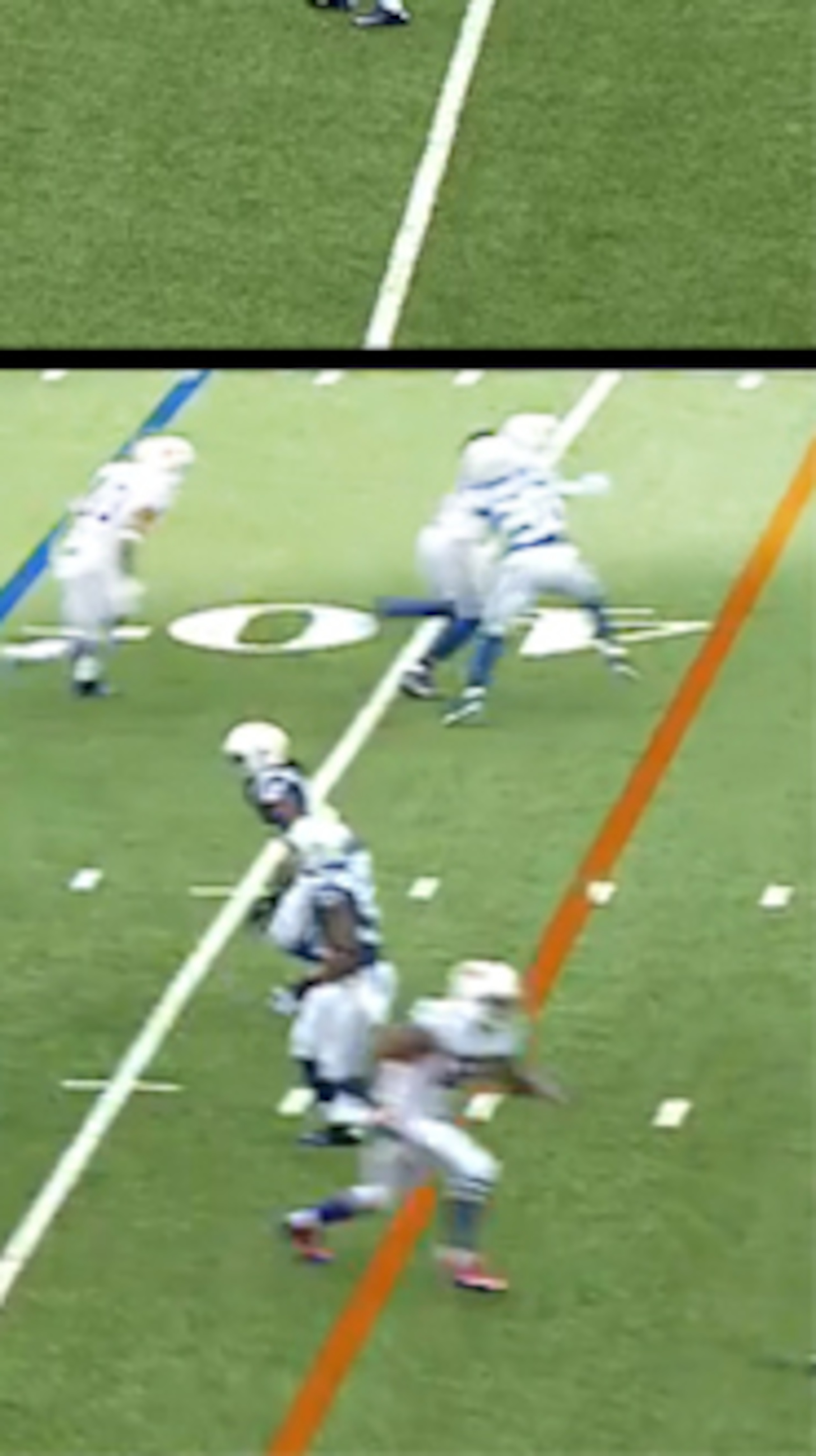
On this play, it's 3rd-and-5. Having 3rd-and-5 is a manageable situation. The threat of the run is still there, and Taylor himself could scramble for a first down if required. This prevents the defense from sitting back in coverage or being overly aggressive with its pass rush.
In other words, it plays into the quarterback's favor.
Taylor is in the shotgun with two receivers to the wide side of the field (his left) and three to the tight side of the field (his right). Quarterbacks are more likely to go to the right side for a quick throw in this situation, but the route combinations and the coverage at the snap tell Taylor to look to his left at the snap.
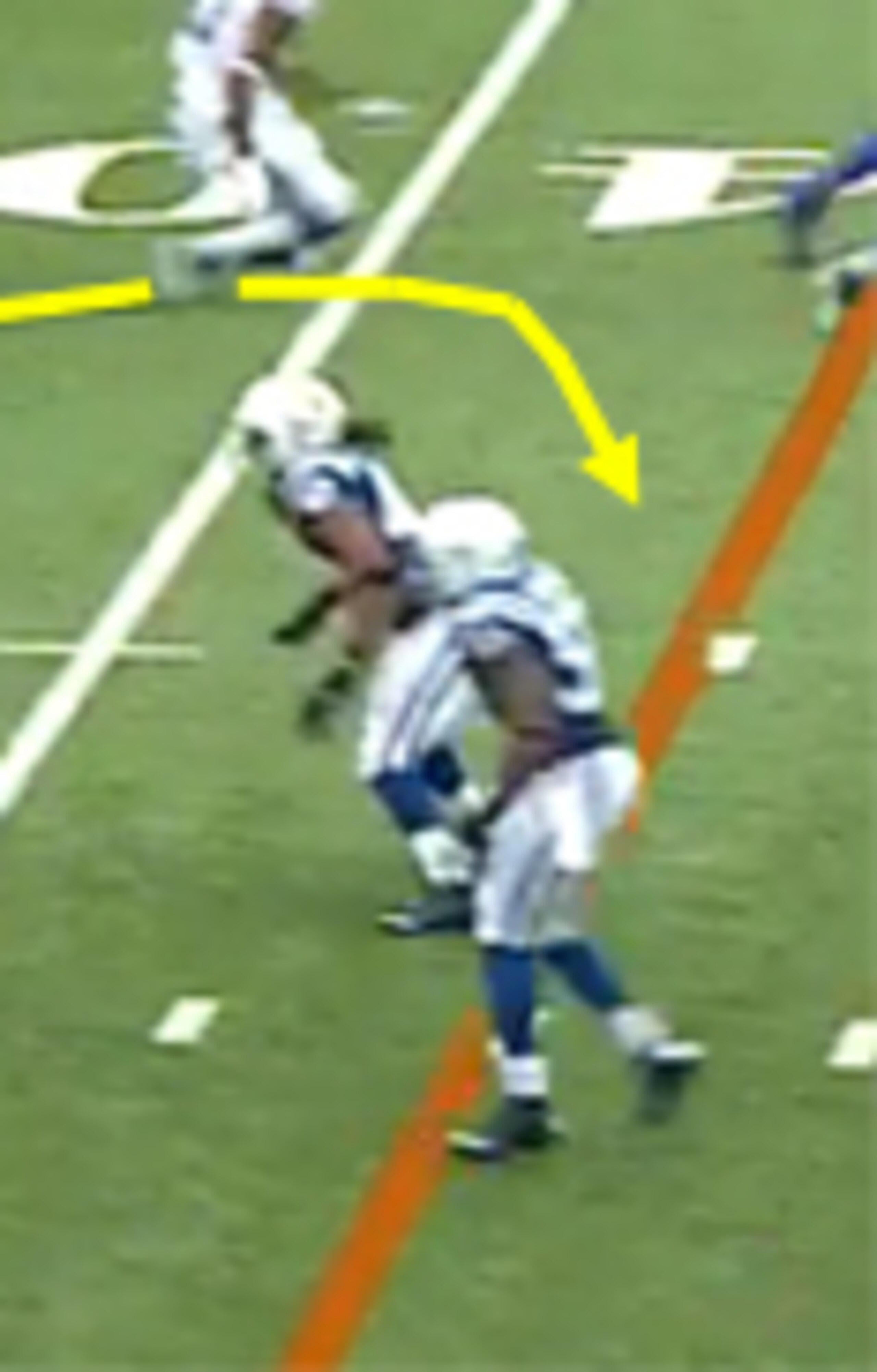
From their bunched-together alignment, the two wide receivers release into their routes together. Sammy Watkins, the outside receiver, runs vertically downfield. The inside receiver, Robert Woods, is running a slant route, but he hesitates at the snap and angles behind Watkins while doing so.
This gives him a clean release back infield into space. Taylor anticipated this and threw an accurate pass to him for a simple first down.
Woods was wide open on that play, and it came in a manageable situation. The notable aspect of the play was Taylor's willingness to stay in the pocket with the ball and his understanding of the offense against the alignment of the defense.
At the beginning of the third quarter, Taylor faced a less manageable third down when he needed to make a tougher throw.
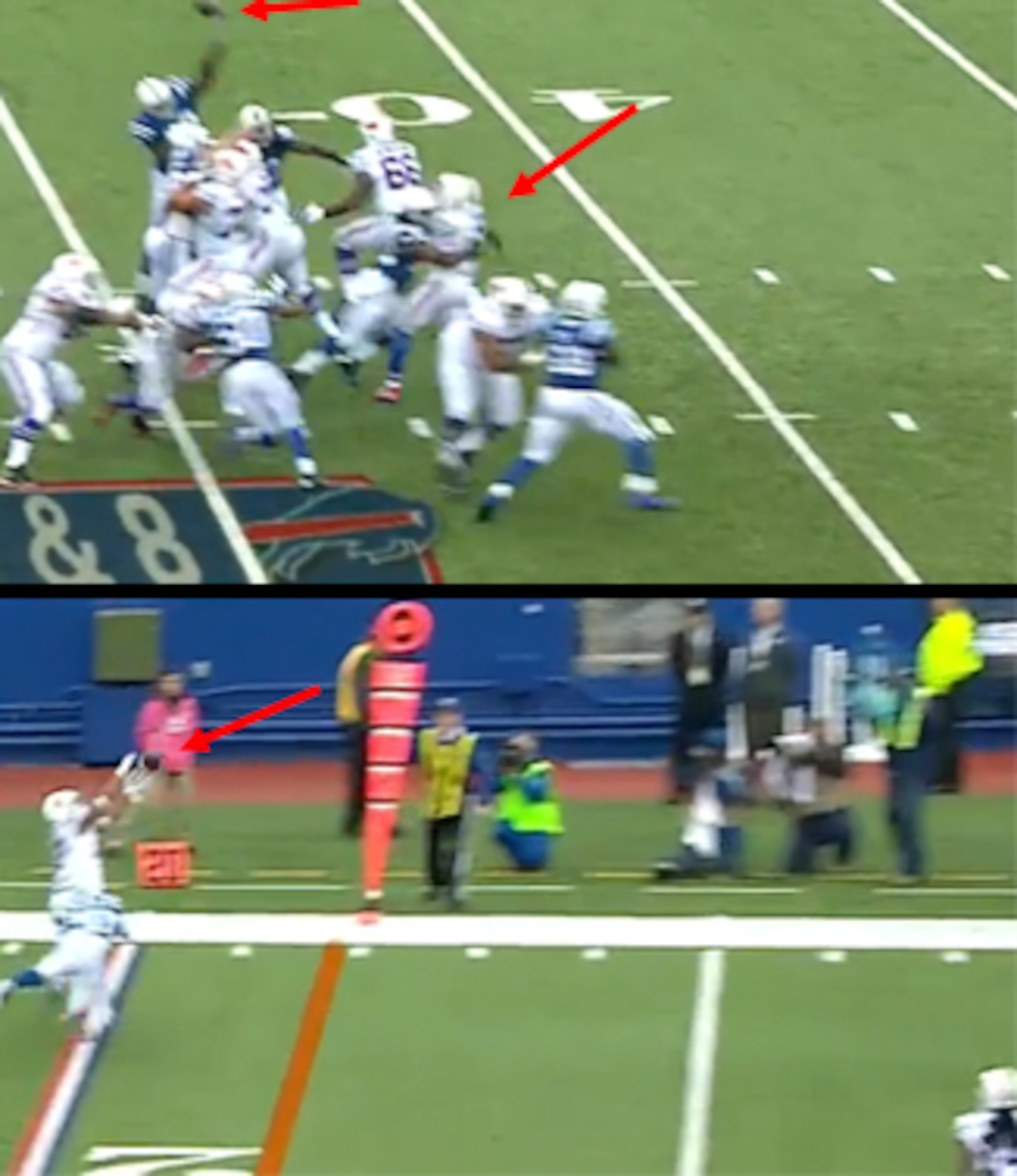
It's 3rd-and-8. The Colts defense disguises its intentions at the snap before sending a heavy blitz after the quarterback. Taylor recognizes this but keeps his eyes up and holds the ball at the top of his drop. He holds it just long enough to release it cleanly before absorbing a big hit from the incoming defender.
Taylor's pass is perfect. It arrives in the spot it needed to arrive at the time it needed to arrive.
Making this kind of throw isn't easy. Not only does it take an understanding of the coverage, but it also requires the arm talent to control the trajectory and velocity of the ball while still being accurate with it. Furthermore, Taylor had to simply be willing to take the hit without letting it affect his process.
If Taylor had shown poor footwork or faded away from the contact within the pocket, he likely would have given the defense a chance at a turnover.
Moving the chains with these types of plays will be very important for Taylor's success moving forward, but those are the types of plays Matt Cassel could have made. What separates Taylor from Cassel is his ability to make those plays while still creating big plays with his own ability.

Late in the second quarter, Taylor scrambled for 31 yards while facing a 3rd-and-4 close to midfield. Taylor's long run set up a 26-yard touchdown run for Karlos Williams. That play came after Taylor had thrown for a touchdown of his own toward the end of the first quarter.
That throw also came on a play close to midfield.
It's 2nd-and-12, and Taylor takes a deep drop into a clean pocket. His feet are quick and balanced while his eyes stay downfield. Taylor holds the ball for a moment before shuffling his feet to climb the pocket as the edge-rushers are pushed upfield.
He is able to begin his throwing motion without any defender close to him.
Percy Harvin is the only receiver running a route downfield. He isn't running a complex route. Instead he simply accelerates toward the defensive back's inside shoulder before breaking back past his outside shoulder. Harvin's speed allows him to eat up the cushion and surpass the cornerback.
Taylor recognizes that his receiver has an advantage, but he needs to show off his arm strength to lead him downfield.
Not only does Taylor show off his arm strength, but he also is able to perfectly place the ball for Harvin. Despite throwing the ball well over 50 yards in the air, Taylor was able to lead Harvin downfield and put the ball in a spot where only the receiver could catch it.
This is the type of play Cassel can't make, and one Buffalo couldn't rely on EJ Manuel to make consistently.
If the Bills can get this type of controlled play with some big plays mixed in on a regular basis from their quarterback spot, they could contend in the AFC. The roster around the quarterback spot is worthy of competing in the AFC; the team just can't be sure Taylor will sustain this play.
However, Rex Ryan seems to be high on the young quarterback. He said after the game via the Buffalo News:
"“He’s smart. You can’t trick him. I mean, it’s hard to trick him. Obviously, he has that added dimension with his legs. You know, he’s great. He’s got a great feel for it. … The great ones, they just got that presence. He has a presence to him.”
"
Taylor spent a long time waiting for his chance to start in the NFL. He no longer has to wait, but now he has to spend some time working to prove his consistency and reliability.

.jpg?w=2560 "Rams Eagles Football")

.jpg?w=2560 "Grading WWE Raw 🔠")


