Breaking Down How Chelsea Can Get Misfiring Cesc Fabregas Back on Song
If form is temporary and class permanent, then it shouldn't be too long before Chelsea's Cesc Fabregas is back to his best.
We saw last year how lethal the Spaniard can be in midfield, dictating Chelsea's forward play from his position sitting deep in midfield alongside Nemanja Matic.
Indeed, that partnership was the cornerstone of Chelsea's success. Matic supplied the brawn, with Fabregas the brains of the operation, collecting 22 assists in all competitions.
TOP NEWS

New NFL Power Rankings 📊
The Robinsons POUND the Rock 🪨
Takeaways from Falcons' dominant MNF win
In the opening weeks of 2015/16, that's all changed. Fabregas is yet to pick up a single assist in Chelsea's opening four games (in comparison, he had six in the first four games of 2014/15) and has looked way off the pace.
| 2014/15 | 2015/16 | |
| Pass completion | 85% | 83% |
| Assists (first four games) | 6 | 0 |
| Assists (overall) | 22 | 0 |
| Shot accuracy | 63% | 60% |
| Average chances created per game | 2.74 | 1.25 |
| Tackle success rate | 40% | 33% |
Even his normally assured passing ability has dropped off, with the Spaniard completing just 80 per cent of his passes in Chelsea's last outing against Crystal Palace (83 per cent for the season to date). Last year, he boasted an average of 85 per cent across 34 Premier League games.
Being such a key player for Jose Mourinho's side, it's vital Fabregas rediscovers his form to help Chelsea get their season up and running after their slow start.
So what can be done to help him? Bleacher Report takes a closer look.
Switch formation

Playing Fabregas in the pivot of Chelsea's 4-2-3-1 worked last year, but now teams have sussed Chelsea out, and the Spaniard is paying the price.
He lacks time on the ball, and knowing that he is Chelsea's main threat from deep positions, opposition teams are beginning to set up in order to cut out his passes.
We've seen that already, with Swansea City, Manchester City and Crystal Palace all proving effective in flooding the central midfield areas to cut out Fabregas' threat.
For this reason, we've seen his passing success reduced significantly.
Chelsea don't have another player in that area of the pitch who can boast the same vision and passing ability as Fabregas, so perhaps the time has come for Mourinho to change things and adapt.
That could mean playing a 4-4-2 diamond to leave Matic deep and have a player such as Oscar in a central role alongside Fabregas.
With Oscar's footballing ability, it would certainly ease the creative burden on Fabregas. In fact, we saw at stages last year that the Spaniard and Oscar have a good understanding of each other's game, so playing in tandem may be beneficial for both of them.
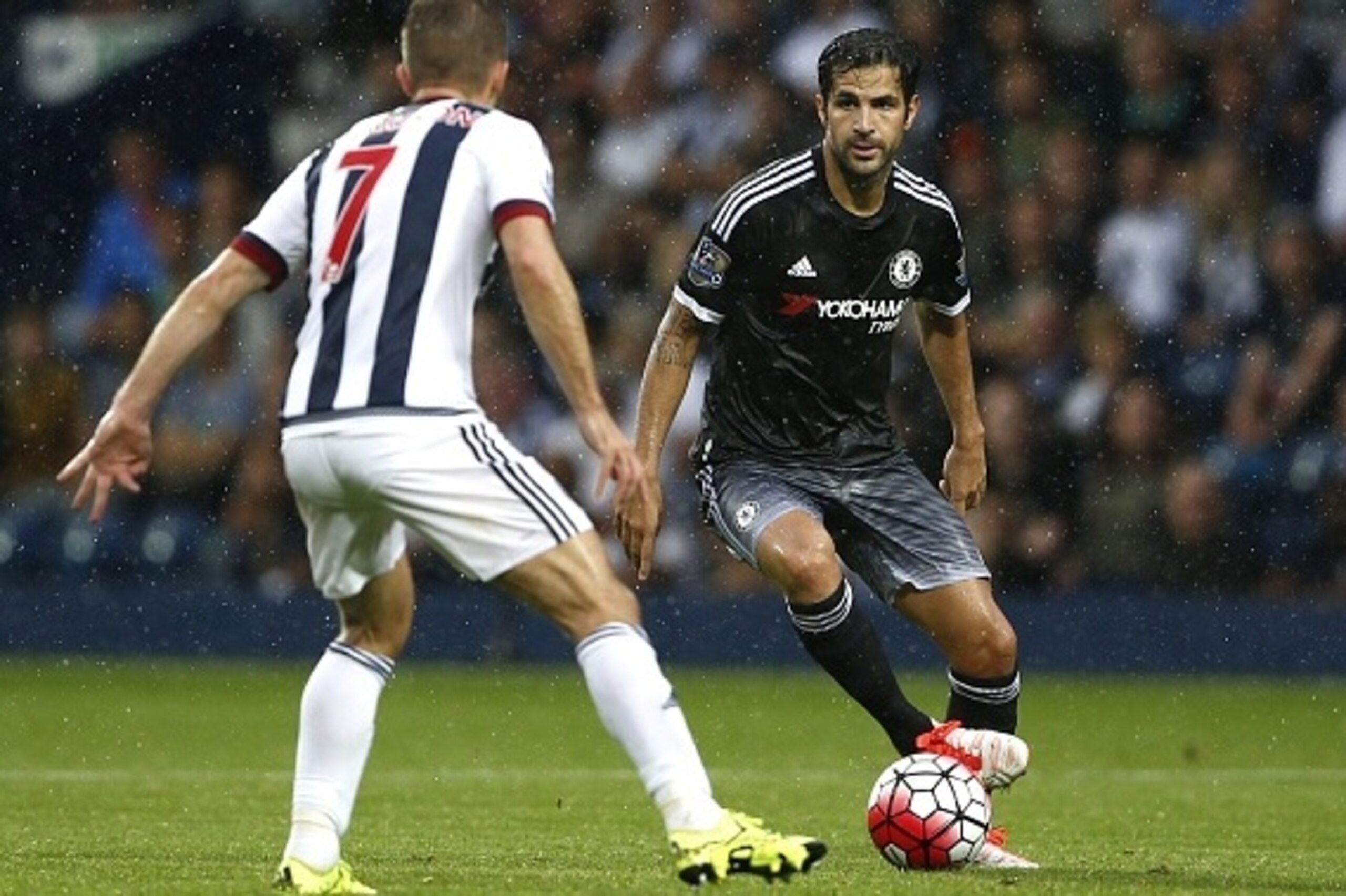
It would create a conundrum further forward, though. Would Pedro play alongside Diego Costa as the second striker, with Eden Hazard as the No. 10? Would Mourinho have to drop one of his prized assets to include a more natural forward such as Radamel Falcao or Loic Remy? Where would Chelsea's width come from?
More plausible would probably be a 4-3-3. That would still allow Fabregas and Oscar to operate together, just either side of Matic, with Hazard and Pedro on the flanks to support Diego Costa as the lone striker.
This system worked effectively for Mourinho in his first spell as Chelsea boss, with the line-up then mainly consisting of Frank Lampard, Claude Makelele and either Tiago or Eidur Gudjohnsen in the midfield three.
With Arjen Robben and Damien Duff giving width, Didier Drogba was the striker who bulldozed his way through defences.
Given that Fabregas and Oscar would provide a more creative edge from deep, the expectation would be to see a much more entertaining team than that celebrated side of 2004/05.
Play Fabregas in the No. 10 role
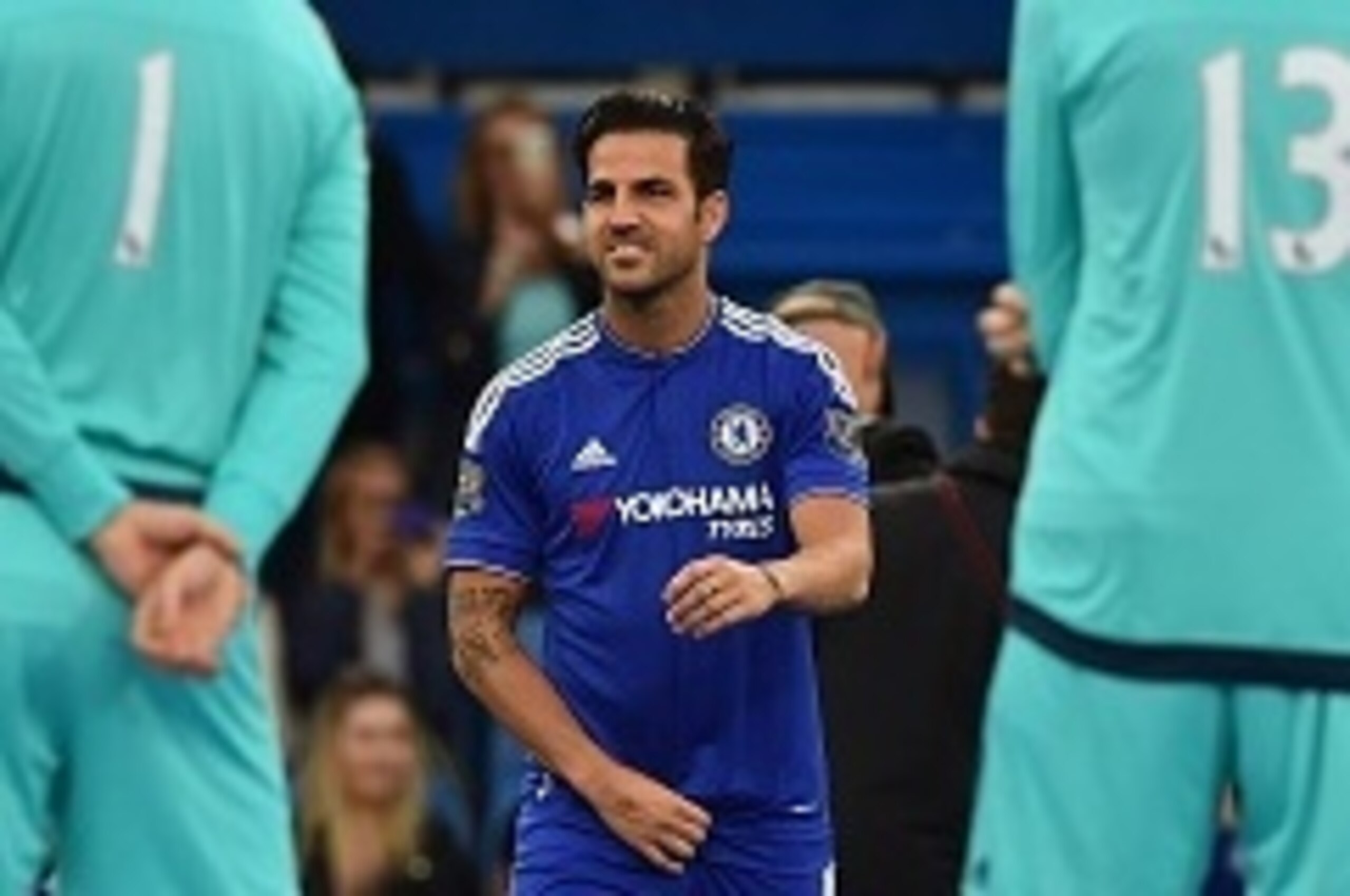
Failing a change in formation, the natural solution would be to move Fabregas further forward to occupy the No. 10 role.
We've seen this at times already in the past year, with Oscar's injuries and lack of form meaning Fabregas didn't play as deep at times in 2014/15.
The concern would be that Chelsea's forward movement from further back would be impacted, though. We know it's Fabregas who starts attacks from deep, so Mourinho would need to find a solution in that area to ensure the attacking midfielders are getting enough service.
Ruben Loftus-Cheek has shown he can be capable in that area. As a youth team player at Chelsea, he has dominated matches with his physical presence and is comfortable in possession, too.
If Mourinho can help the youngster transfer that form into the senior game, Chelsea will find a long-term solution to their midfield woes and give Fabregas his creative edge back.

Playing between the lines, floating for possession, his vision is such that Diego Costa would become even more of a threat by playing off the last man.
The striker is lethal when breaking defensive lines, so the thought of Fabregas consistently feeding him further up the field is an exciting one.
Mourinho may well get more than he bargained for in this area, too. With a much more threatening attacking midfield, it will force opponents deeper and allow Chelsea to play in their half of the pitch much more.
That's something we haven't seen too often this term, which has heaped pressure on the defence. Chelsea have buckled, too, conceding no fewer than two goals in each of their four games.
Reduce his defensive responsibilities
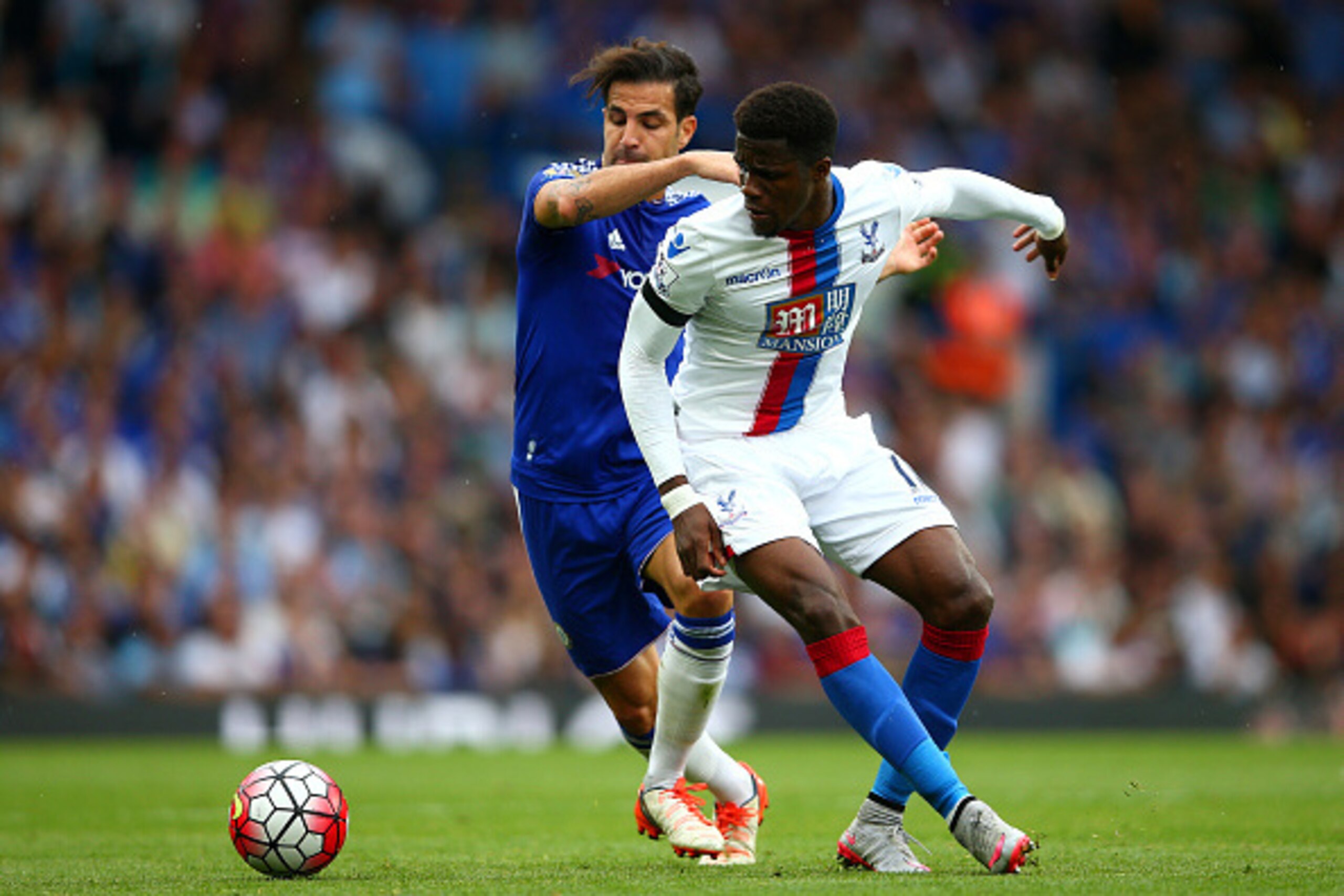
Playing in the midfield pivot comes with a significant defensive responsibility that Fabregas hasn't always looked capable of this term.
Indeed, there were stages last season when stronger opponents were able to win that physical battle far easier than they should have.
That was a big problem against Paris Saint-Germain in the Champions League, when Chelsea were knocked out on away goals.
Over the course of the season, the Premier League champions may get away with it more often than not, yet in key moments against elite opposition, they will be found out.
Having the physical edge allows creative players to come into the game more and influence things. PSG's star men did that in March, and as recently as last month, the likes of David Silva and Sergio Aguero were the catalysts in Manchester City's commanding 3-0 win against Chelsea.
Fabregas has never been very defensively strong, and right now he's coming under too much pressure from opponents, which is exposing that weakness.
Mourinho needs to ease the burden on him in order to allow Fabregas to play the game we know he can.
Garry Hayes is Bleacher Report's lead Chelsea correspondent. All quotes were obtained firsthand unless otherwise noted. Follow him on Twitter @garryhayes

.jpg?w=2560)

.jpg?w=2560 "Viral Rams Coach Vid 🖕")