

After all that, FIFA's four top-ranked nations are the last teams remaining in the 2026 World Cup.
While that might look predictable on paper, it's been anything but in North America.
Argentina nearly bowed out against Cabo Verde; Spain needed last-minute goals to progress against two consecutive opponents; England has had to battle through its three knockout games; and France…well, no surprises there.
It all sets up a delicious semifinal slate, with France vs. Spain and England vs. Argentina on the docket.
With the final on July 19 in spitting distance, there is now zero room for complacency in the pursuit of ultimate footballing glory.
But how did the quarterfinals impact B/R's power ranking, and which team looks best placed to take home the trophy when all is said and done?
Read on to catch up with all the movers and shakers as we head into the home stretch.
Stats from Fotmob unless otherwise stated.
42-9 (Eliminated)
1 of 9
48. Iraq
47. Tunisia
46. Uzbekistan
45. Haiti
44. Jordan
43. Panama
42. Qatar
41. Curaçao
40. New Zealand
39. Czechia
38. Uruguay
37. Saudi Arabia
36. Iran
35. Scotland
34. Korea Republic
33. Turkiye
32. Bosnia and Herzegovina
31. Algeria
30. South Africa
29. DR Congo
28. Ghana
27. Sweden
26. Cabo Verde
25. Austria
24. Australia
23. Ecuador
22. Germany
21. Côte d'Ivoire
20. Senegal
19. Japan
18. Croatia
17. Netherlands
16. USA
15. Paraguay
14. Canada
13. Egypt
12. Brazil
11. Colombia
10. Mexico
9. Portugal
Check out the previous Power Ranking updates to see the analysis for these teams:
8. Morocco
2 of 9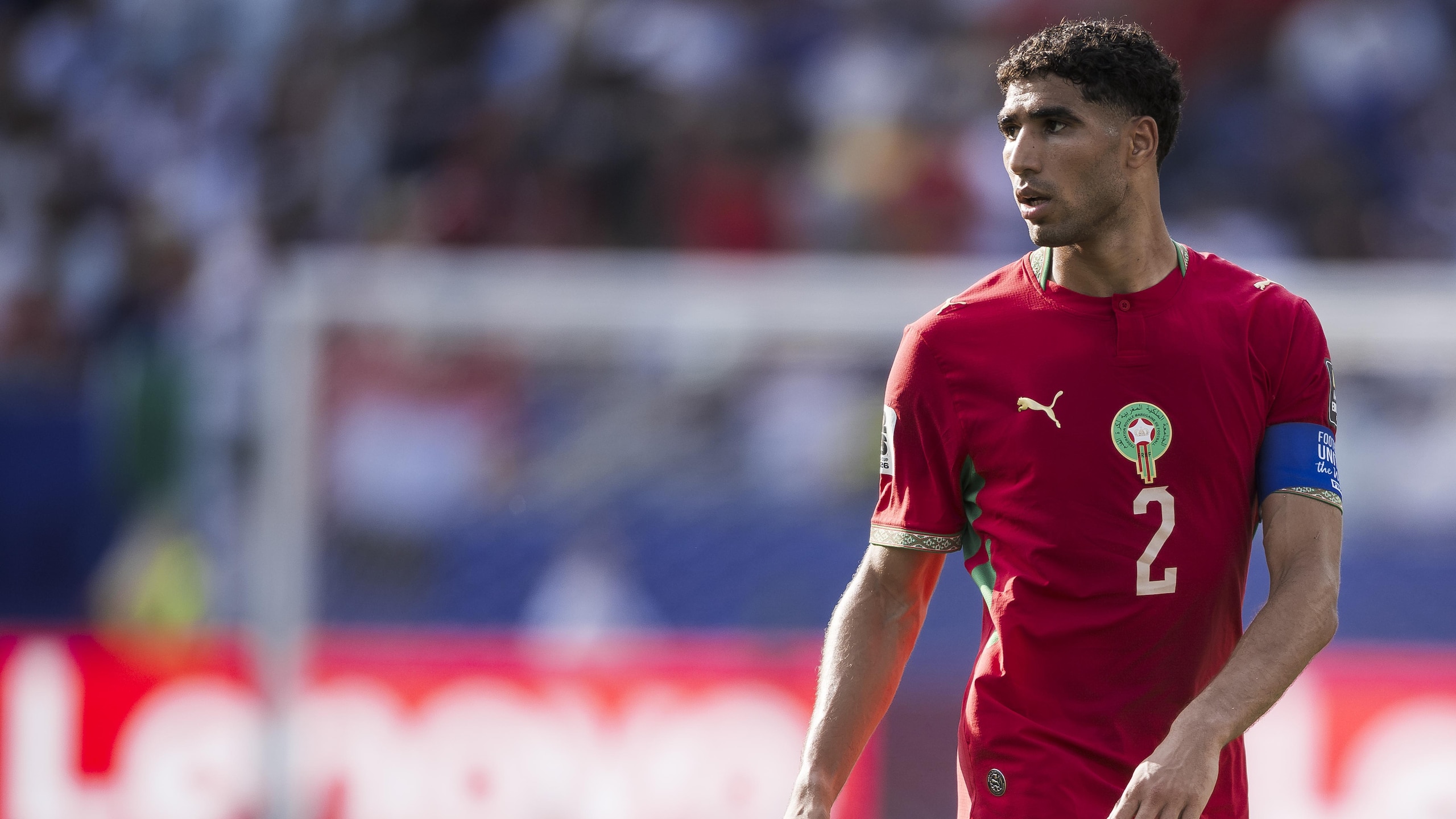
FIFA Ranking: 6
Previous Power Ranking Spot: 5
Morocco was missing its main target man, Ismael Saibari, through injury in the quarterfinal, but that's no excuse for being so limp up front.
Throughout the 90 minutes against France, Monaco had an xG of just 0.14, one shot on target, and just eight touches in the opposition box.
While France's lockdown of the defensive third deserves plenty of credit, the Atlas Lions' attacking statistics are so poor at that stage of the competition.
Worse still, when trailing 2-0 with almost half an hour to go, Morocco played with so little urgency it was like watching a friendly game. Conceding twice in the space of six minutes is undoubtedly deflating, but this tournament happens every four years, so why didn't the team go for broke in pursuit of a second successive semifinal place?
Trying to limit the damage to save some pride is one thing, but going out with such an audible whimper is not befitting of Morocco's tournament as a whole.
7. Belgium
3 of 9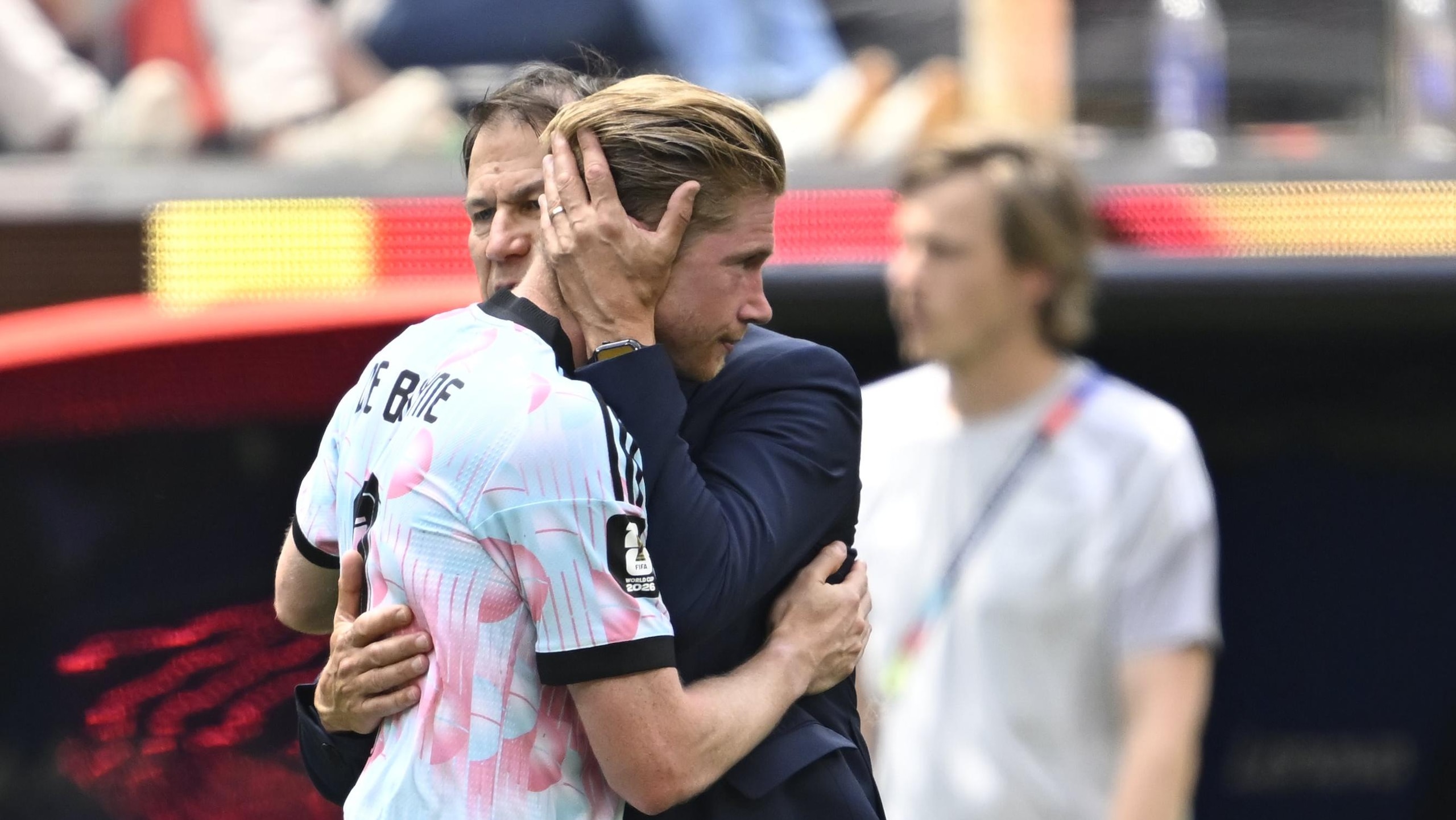
FIFA Ranking: 8
Previous Power Ranking Spot: 7
Despite being on the back foot for most of the game, Belgium did well to limit Spain's chances and nearly set themselves up for extra time.
But the injury-hit Red Devils were undone by a goalkeeping error in the final minutes. Substitute stopper Senne Lammens failed to hold on to a Pau Cubarsi shot, and the ball spilled to Mikel Merino, who took his chance with no hesitation.
It was a heartbreaking exit for Belgium and a number of veteran stars, but reaching this stage of the tournament seemed nearly impossible after picking up just two points from the opening two Group G games.
Belgium proved adaptable and tenacious throughout the tournament, but the world-class players of years gone by were either not there or past their prime, and there weren't enough young stars around to carry the weight against a formidable Spain side.

6. Switzerland
4 of 9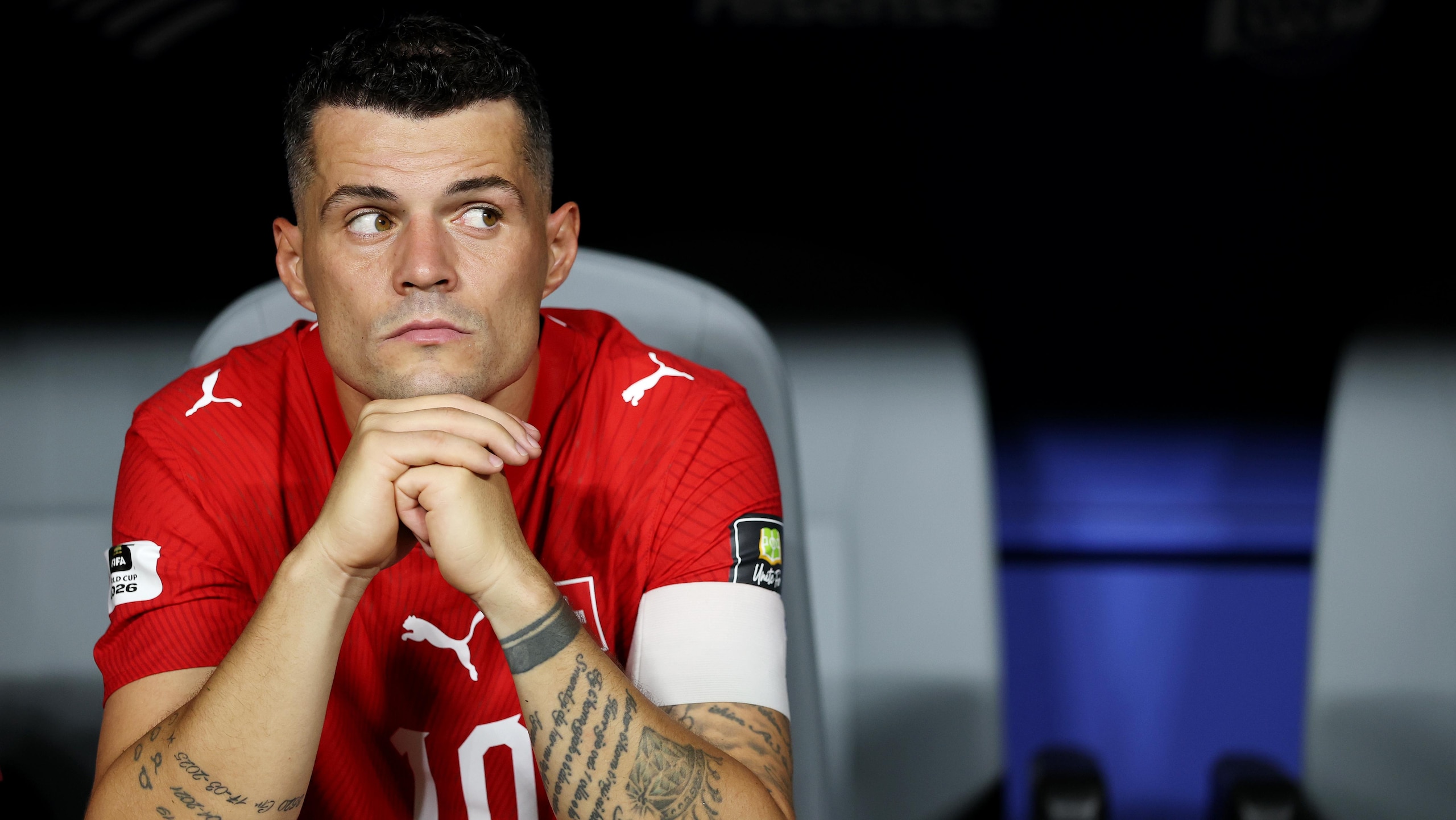
FIFA Ranking: 14
Previous Power Ranking Spot: 8
Switzerland cruised through a comfortable Group B and had a kind opponent in the round of 32, but things got tougher from there on.
The Nati were evenly matched with Colombia in the round of 16 and progressed on penalties, and up against another South American foe in Argentina, it looked like their tournament would quickly reach its conclusion.
However, the Europeans kept up with the reigning world champions, arguably finishing the first half on top before La Albiceleste ramped up the pressure after halftime. Switzerland's challenge was made even tougher when Breel Embolo was given his marching orders in the 72nd minute for a second yellow card.
The South Americans' momentum continued into extra time, with Argentina putting shot after shot on Gregor Kobel's goal before Julián Álvarez's wonder strike finally broke Switzerland's resolve. Lautaro Martínez put the game beyond doubt with seconds to spare, sending the Swiss packing.
It represented the nation's best finish at the tournament since 1954, and although Switzerland couldn't make history, it at least gave Argentina something to think about in the quarterfinal.
5. Norway
5 of 9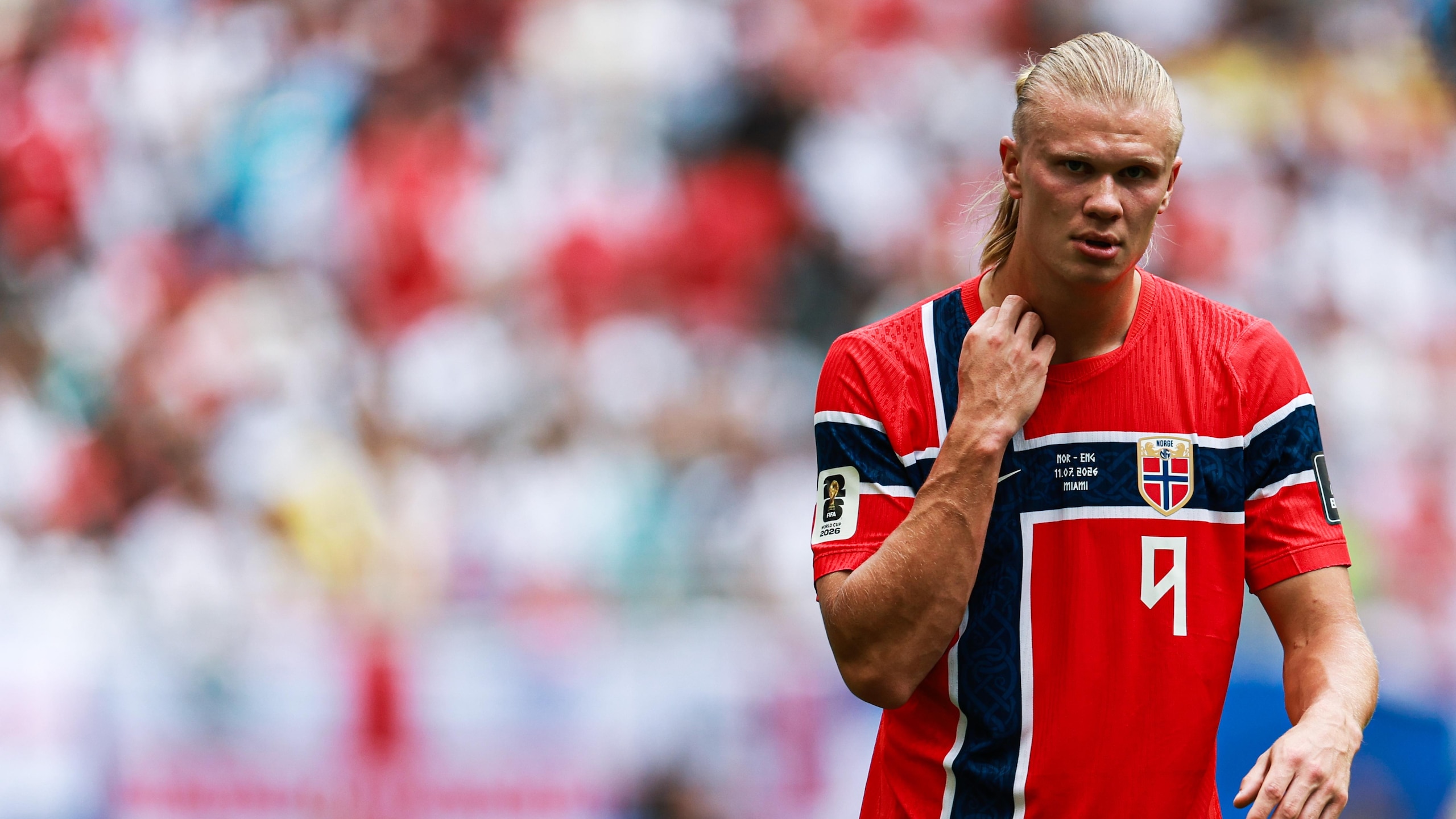
FIFA Ranking: 19
Previous Power Ranking Spot: 6
This Norwegian side has written itself into the nation's sporting annals, reaching the World Cup quarterfinal for the first time ever.
The Scandinavians navigated a tough group featuring tournament favorites France, then memorably toppled Brazil in the round of 16. However, a meeting with England proved one step too far.
Norway played with 10 men behind the ball for much of the first half, limiting England's attacking opportunities. While that kept Harry Kane and Jude Bellingham quiet, it also prevented Erling Haaland from operating where he is most dangerous.
That resulted in an opening half hour with very little to shout about. But then Norway delivered a suckerpunch, courtesy of Andreas Schjelderup, who found himself free on the left and curled home a left-footed strike over Jordan Pickford's head and in off the post.
It looked like Norway might head into halftime with the lead, but Bellingham had other ideas. A channel opened up for him to charge into the box, and with opposition defenders unable to stop him, he fired the ball past a despairing Ørjan Nyland.
It remained 1-1 until the end of the 90, leading to extra time. Bellingham didn't need long to swing the game in England's favor, capitalizing on a Nyland error to send the Three Lions into the semifinals.
In the end, it was a fantastic effort from Norway, the ninth-smallest nation in the competition by population, according to Soccerphile. Unfortunately, a limited supply line to Haaland made it difficult for the Manchester City star to have the impact we know he can.
4. Argentina
6 of 9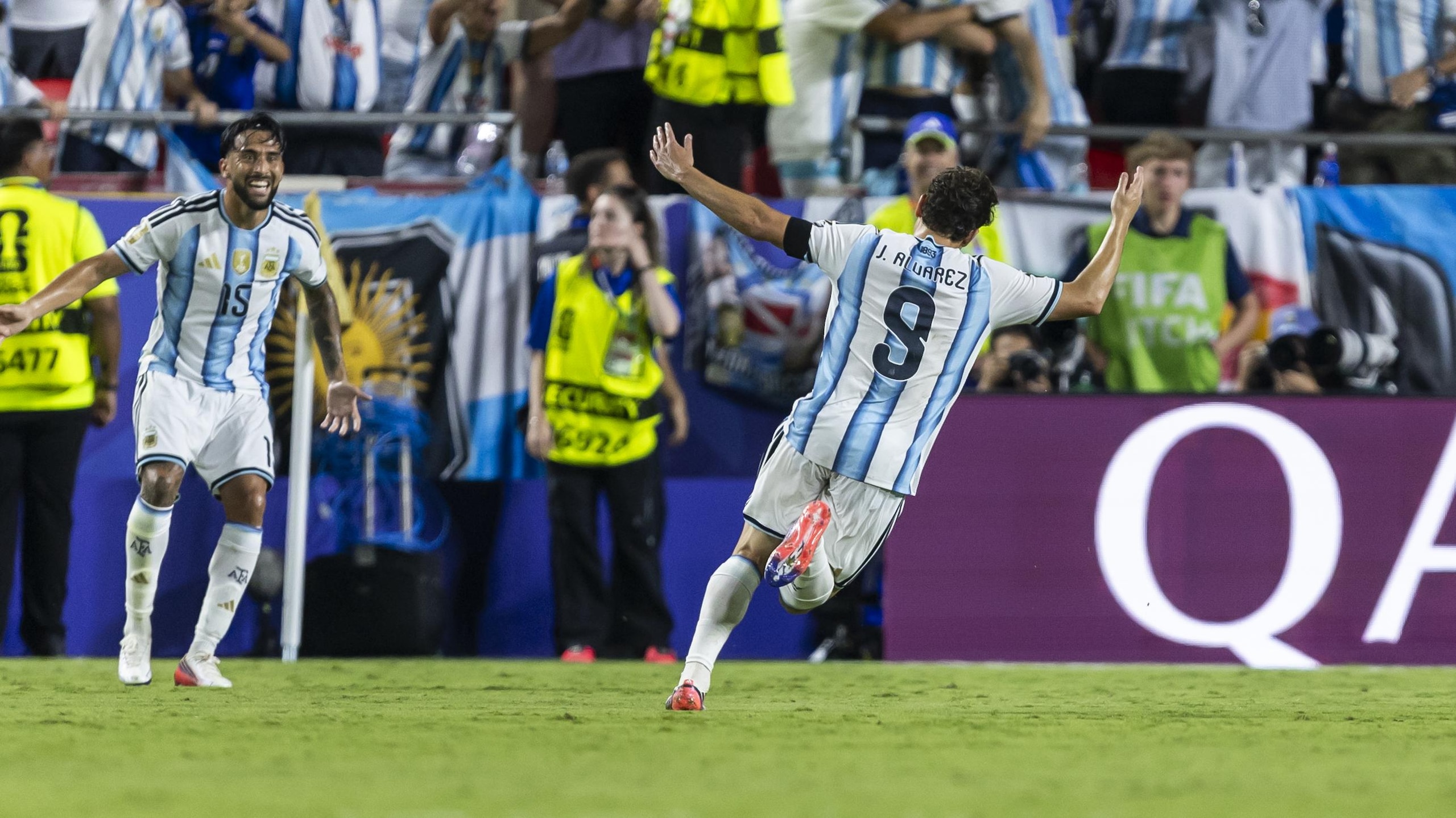
FIFA Ranking: 2
Previous Power Ranking Spot: 2
For the second time in this tournament, Argentina needed extra time to get through a knockout game.
In the round of 32, Cabo Verde put in an immense rearguard effort to push La Albiceleste to the brink, almost resulting in the biggest upset in the tournament's history.
In the quarterfinals, 10-man Switzerland clung on to force Lionel Scaloni's men into extra time, with Julián Álvarez eventually showing his class to give the Nati no way back.
It's now 17 goals in six games in the competition for Argentina, but it has also played a lot more football than the other surviving teams.
England is up next, and while that might result in a more open game suited to an attack-minded side, that will also leave them exposed to England's dangerous forward corps. With La Albiceleste's defense struggling against Cabo Verde and Egypt, that could prove fatal.
Argentina drops in the ranking purely because it hasn't been able to close out games in two of three knockout games, with the level of opposition much lower than England's opponents on balance.
3. England
7 of 9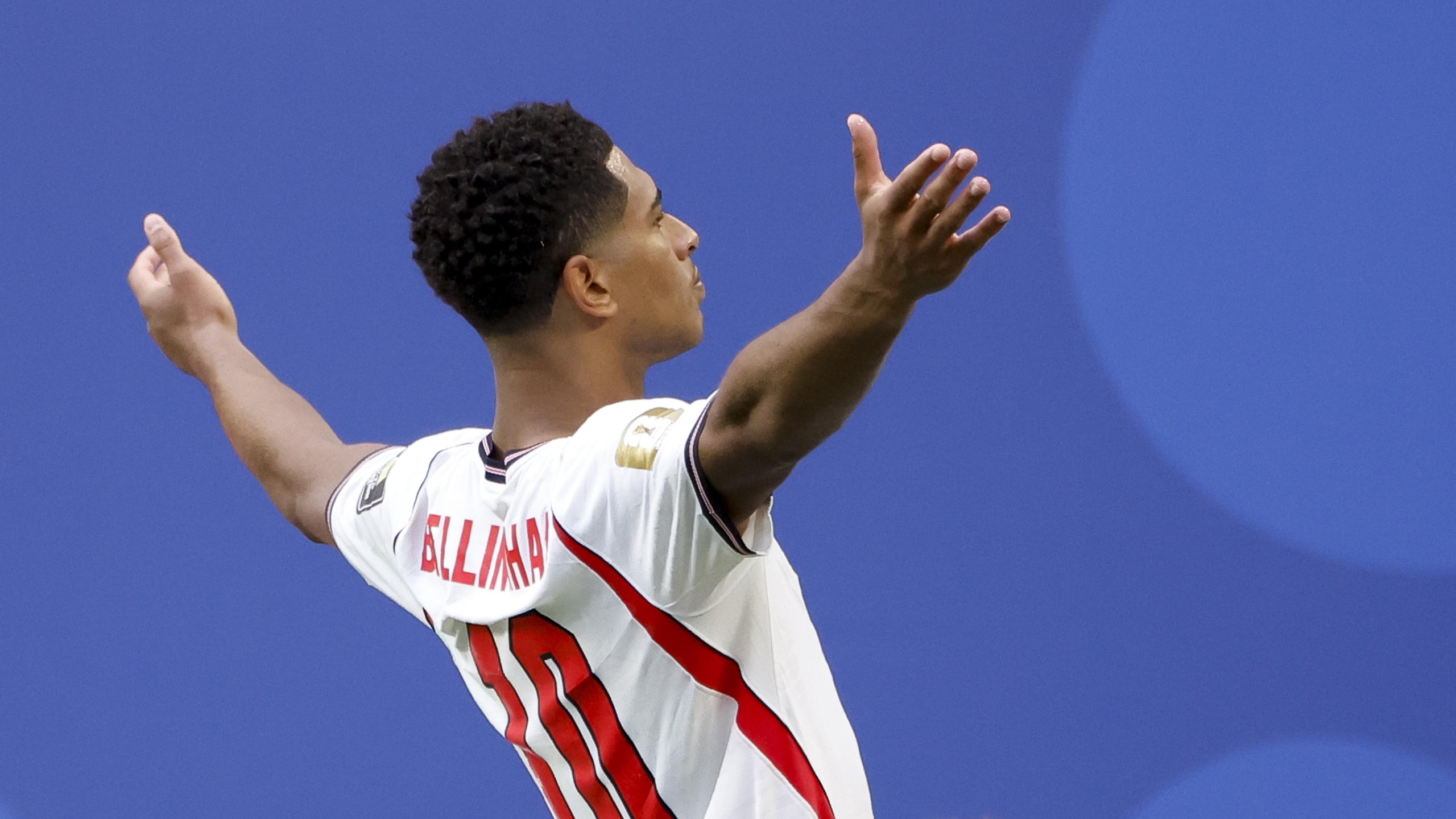
FIFA Ranking: 4
Previous Power Ranking Spot: 3
In the quarterfinal against Norway, England had few attacking opportunities because its opponents locked down on defense.
The Three Lions should have been familiar with that approach from their group-stage fixtures and from their round-of-32 match against DR Congo, but Thomas Tuchel's men still find it difficult to get shots on goal when the final third is packed.
England twice relied on Jude Bellingham to get them out of tough spots in Miami, and it's the Real Madrid star, rather than Harry Kane, who will be looked to for inspiration in the semifinal and maybe beyond.
Games against attack-minded sides should favor England, but that should also lead to more pressure on Jordan Pickford's goal. Tuchel will have to strike a delicate balance between the two ends of the pitch, which hasn't been evident so far in North America.
England has two players fighting for the Golden Boot (Kane and Bellingham both have six goals), but relying on just two players for goals is perhaps a little concerning at the business end of the tournament.
2. Spain
8 of 9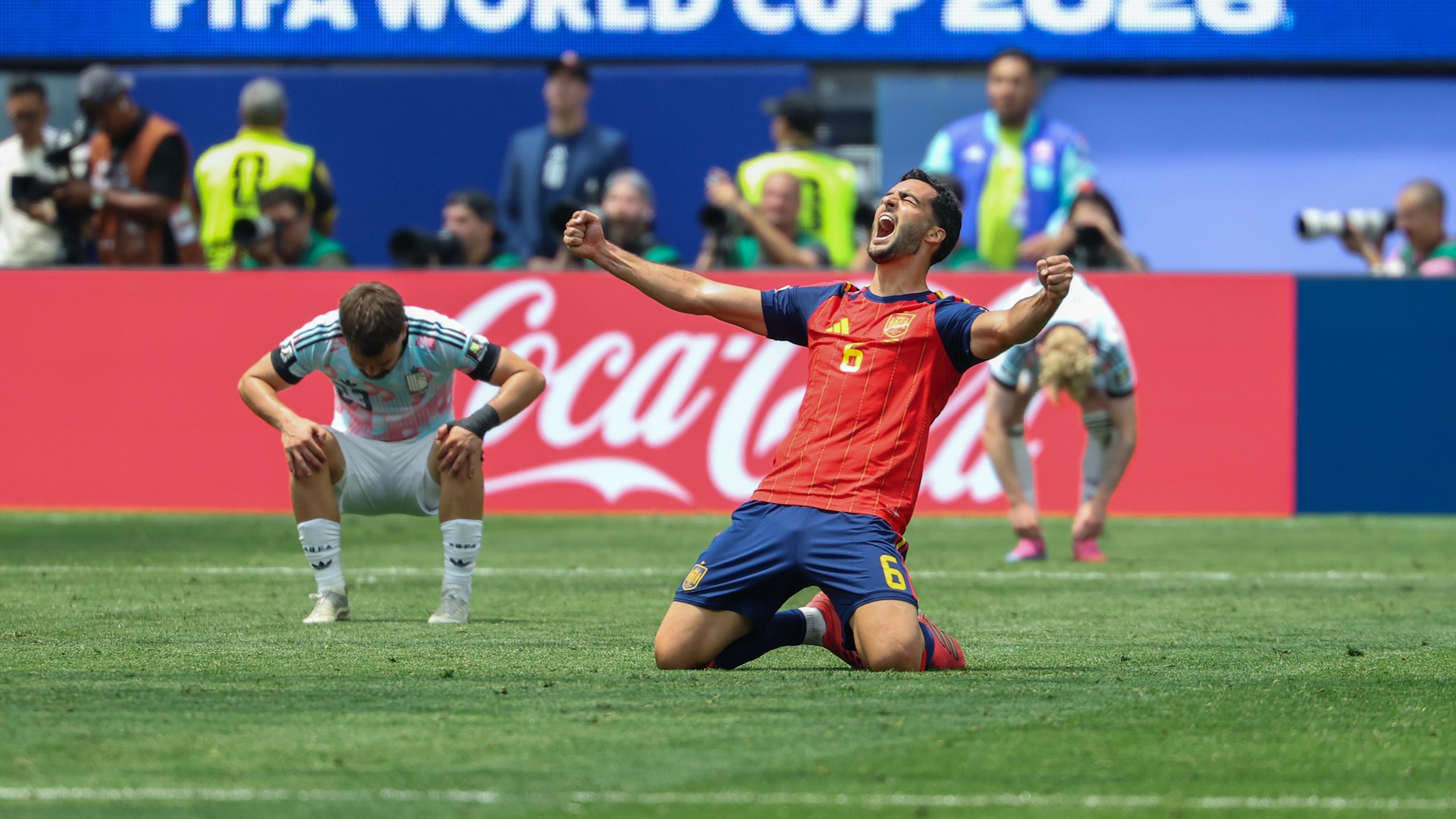
FIFA Ranking: 3
Previous Power Ranking Spot: 4
As expected, Spain practically passed Belgium to death in the quarterfinal, with 68 percent possession and 598 accurate passes compared to the Red Devils' 243.
But all that dominance brought just two goals, including a gift for Mikel Merino in the 88th minute.
Despite the quality in La Furia Roja's squad, putting the ball in the back of the net hasn't been easy. It's just 10 goals in six games at the tournament, fewer than any other team in the semifinals. With back-to-back games decided by last-minute strikes from makeshift striker Merino, that doesn't bode well, either.
However, wins within 90 minutes against Austria, Portugal, and Belgium on the way to the semifinals are much more impressive than the results achieved by the teams sitting third and fourth in this ranking. The balance between defense and attack looks much better than Argentina's and England's, too, despite fewer goals scored.
The matchup with France in the semifinal will be a fascinating tussle between two well-rounded sides, although Les Bleus have the edge up front. Arguably, it should be the final.
Despite conceding just once during the competition, Spain needs a more clinical edge at this stage of the tournament if it has ambitions of becoming European and world champion.
1. France
9 of 9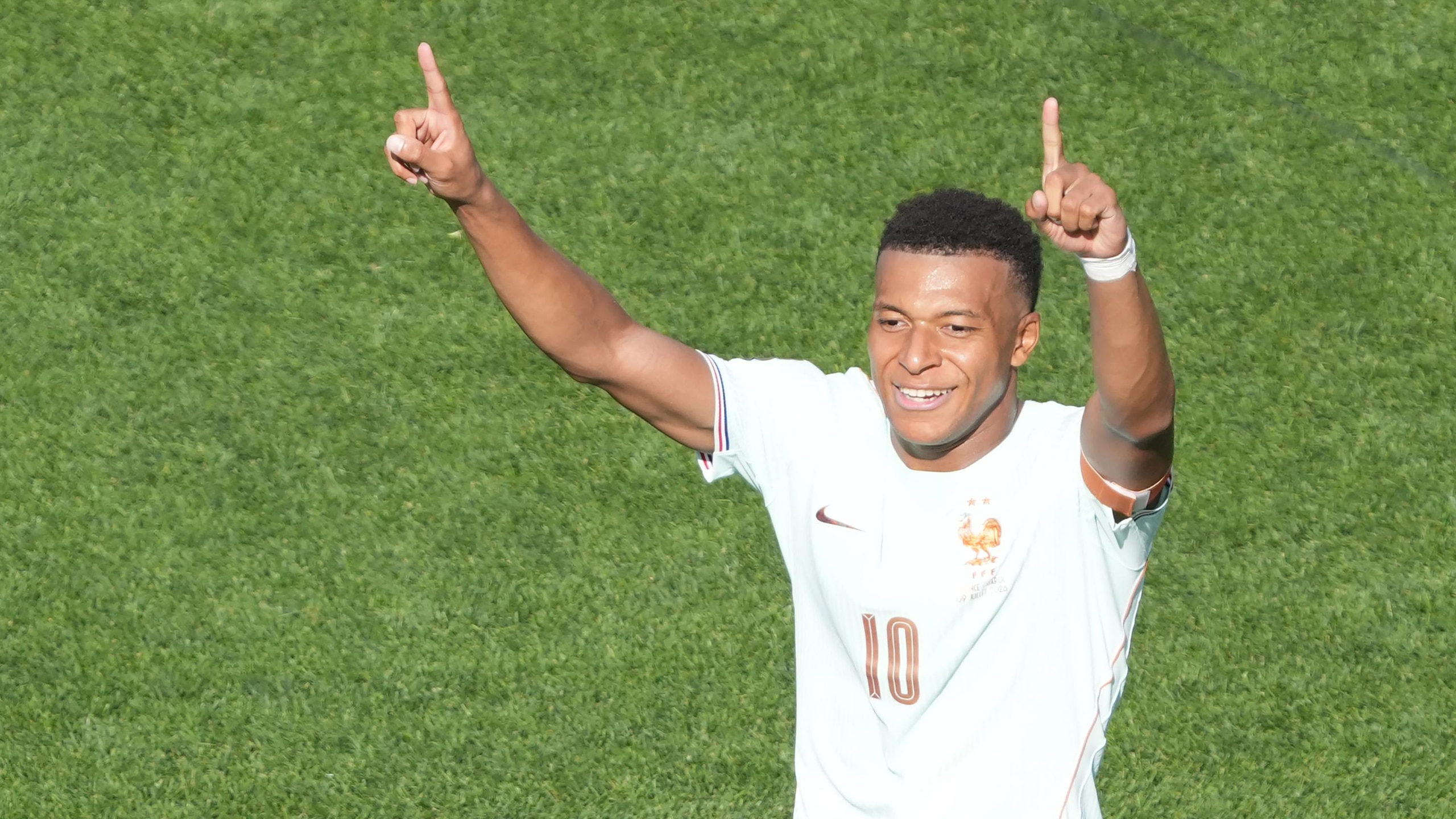
FIFA Ranking: 1
Previous Power Ranking Spot: 1
Too good, too strong, too many world-class talents. Even missing a penalty wasn't prohibitive for France against Morocco.
France has been breached just twice in six games, scoring 16 in the process. Defensive solidity plus attacking potency is a recipe for success on the world stage, and Le Bleus have absolutely nailed that difficult chemistry.
Against the Atlas Lions, France didn't even dominate possession or control the game. But whenever they entered the attacking third, they looked likely to score, and if Morocco managed to get past the midfield, a formidable defense stopped them from going much further.
Spain will provide a big test in the semifinal, but it hasn't been able to marry possession and defensive solidity with lethal attacking output. While France might not get too much of the ball, it will be more deadly when it does get a sniff of goal—and players who are deadly accurate from long range help, too.
Kylian Mbappé, Ousmane Dembélé, Michael Olisé, Desiré Doué and Bradley Barcola can all change the course of a match at a moment's notice, and Spain doesn't appear to have as many true game-changers to call upon.