

As we head into August, the NBA's transactional frenzy is mostly complete. That makes this a great time to assess some of the offseason's biggest winners.
If you added a multiple-time MVP, you'll have to accept exclusion. Teams like the Miami Heat and the Philadelphia 76ers will have to be content with their on-court acquisitions instead of acknowledgment. Their successes were deafeningly loud.
Here, we're going to celebrate the squads that did their business without causing such a ruckus. In many cases, these teams didn't acquire stars; they sent them out. They hoarded picks, made shrewd signings and generally got maximum value while being opportunistic.
These are the 2026 offseason's silent assassins.
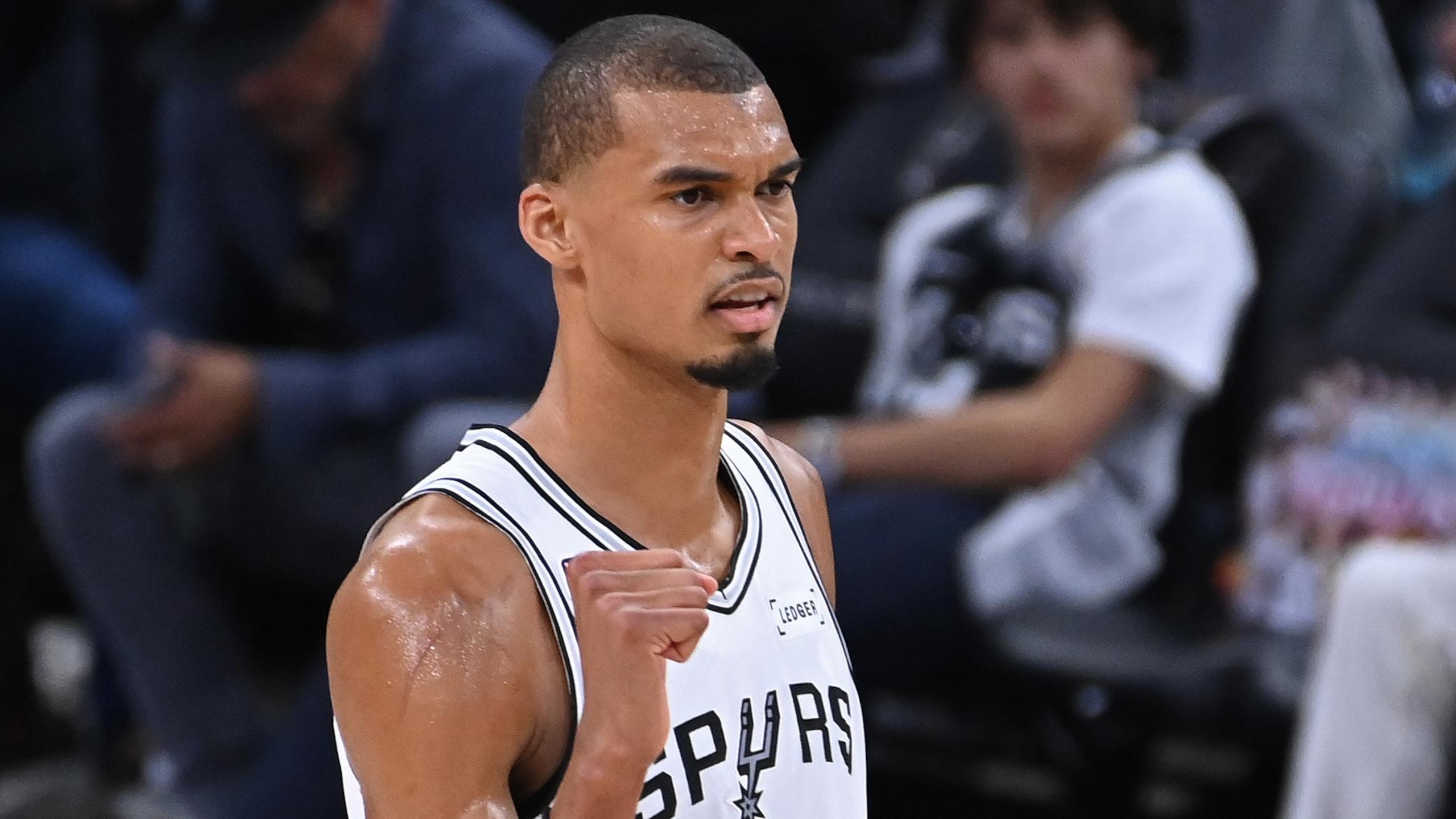
San Antonio Spurs
1 of 5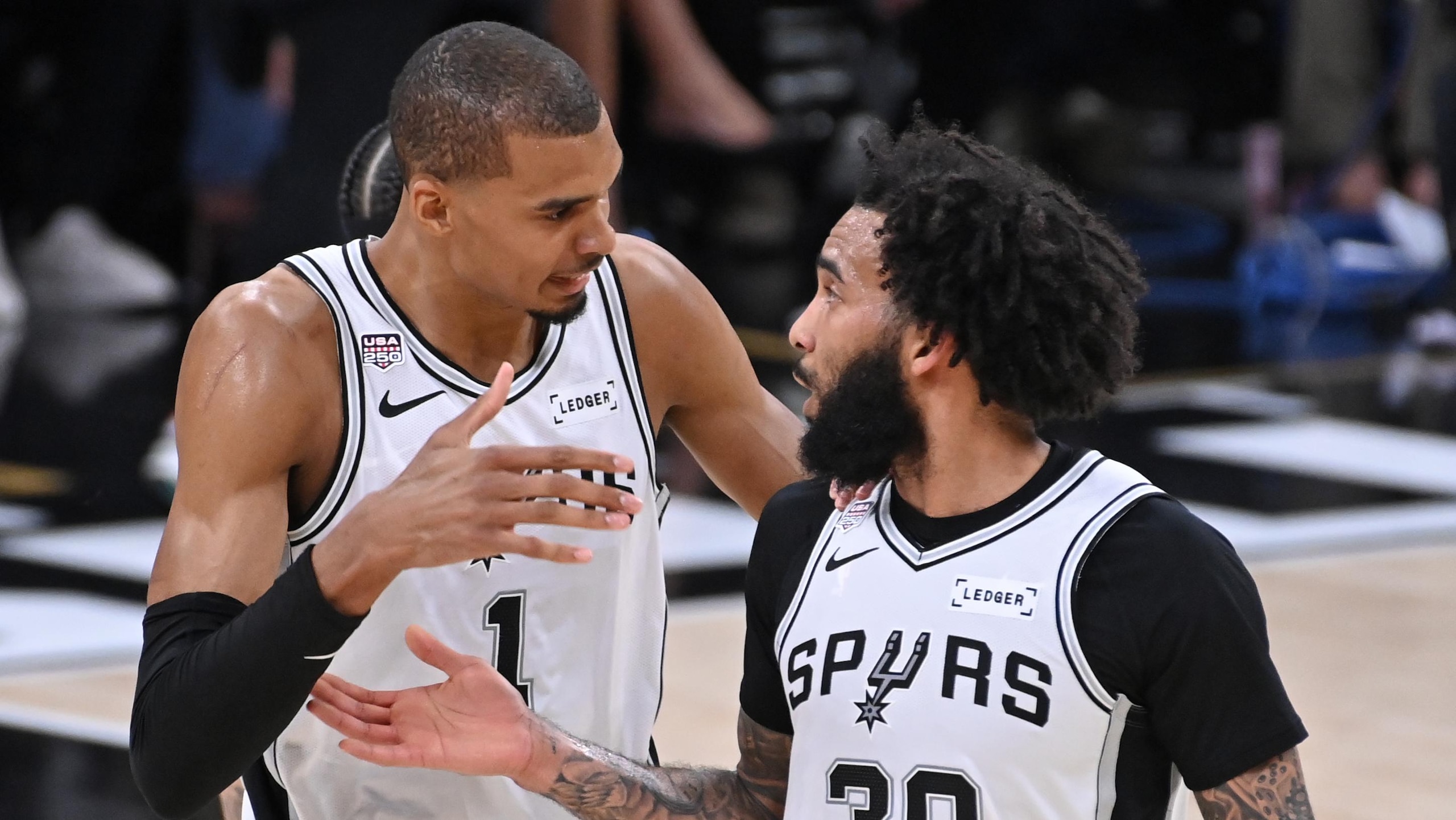
The San Antonio Spurs correctly determined that their Finals failure was actually a success, leading to a summer of measured moves.
First, the Spurs secured marksman Julian Champagnie on a three-year, $45 million deal after declining his team option for 2026-27. That's a pay rate you'd normally give a deeper rotation option, not a 25-year-old wing who just proved himself as a starter on a Finals team.
Harrison Barnes will be back to provide veteran leadership for just $8 million, while Tobias Harris figures to take on the critical forward role Barnes couldn't occupy in the toughest tests last postseason. Harris got the full midlevel over two years, and he'll bring the Spurs better spacing and self-created scoring than any other forward on the roster.
Last of all, Victor Wembanyama signed an extension that should save San Antonio about $10 million per season over the deal's five-year term.
On paper, Harris was the Spurs' only addition. He'll matter, but not as much as the extensions and rational self-assessment that defined the West champs' offseason.
Utah Jazz
2 of 5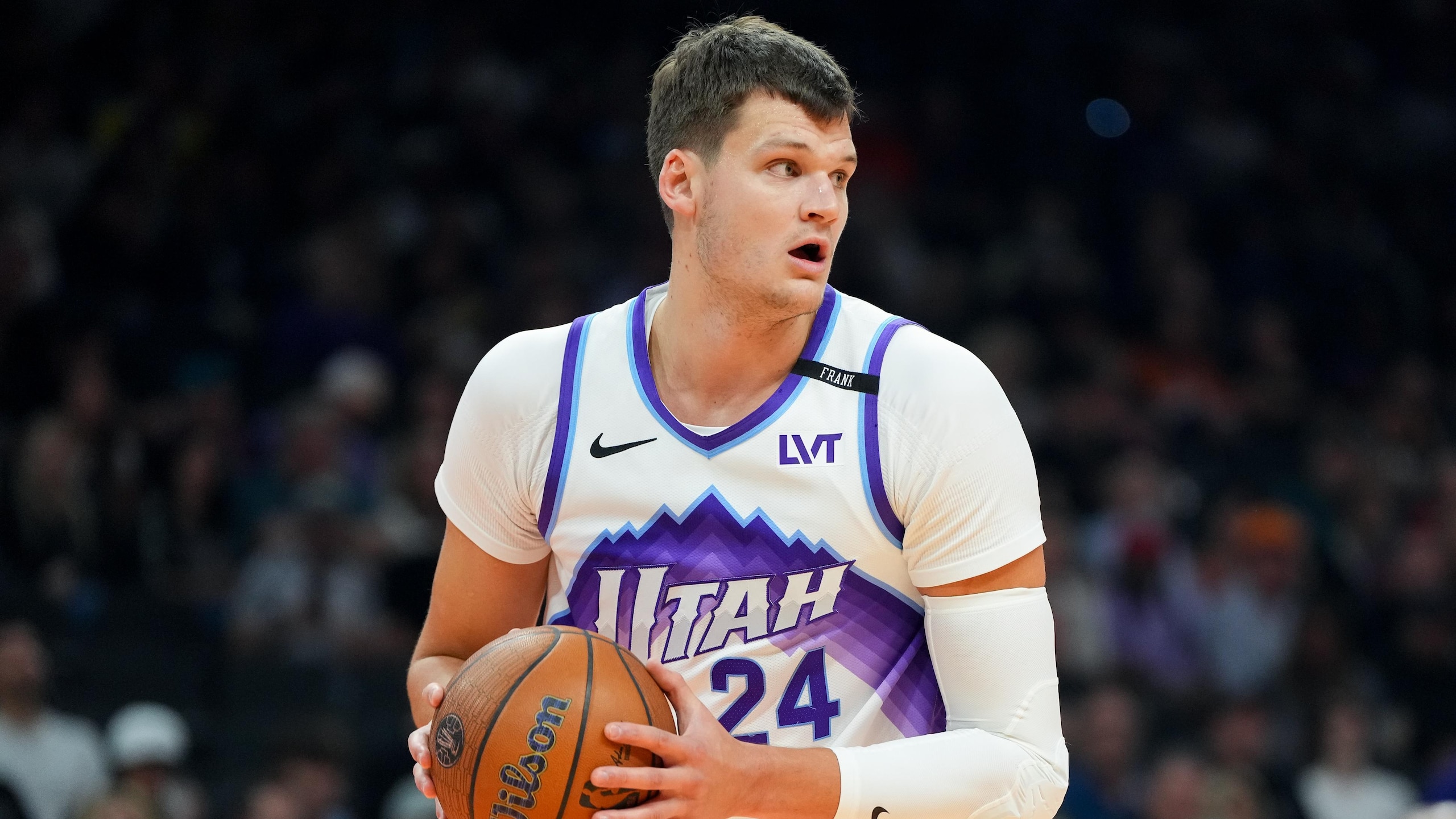
Walker Kessler was a key piece of the Utah Jazz's plans...right up until the Los Angeles Lakers offered them something even more valuable than the young center.
Two first-round picks and two swaps from the Lakers give the Jazz one of the deeper war chests in the league even after giving up multiple first-round assets to bring in Jaren Jackson Jr. last year. That price was simply too good to pass up, particularly since the Jazz didn't seem keen on meeting Kessler's contract expectations.
The Jazz leveraged restricted free agency to perhaps the greatest degree we've ever seen, getting more for Kessler than the Clippers got for Kawhi Leonard or the Celtics got for Jaylen Brown.
Utah again has the capital to involve itself in any trade talks for the next available star.
Jusuf Nurkić came back on a two-year, $22 million deal, and Jaxson Hayes (two years, $12 million) offers further low-cost depth in Kessler's place. If Josh Okogie has anything left, he'll give Utah a wing defender it badly needs.
No. 2 pick Darryn Peterson was probably the consensus option at his draft slot, but he has the potential to be the best shooter in the 2026 class.
Milwaukee Bucks
3 of 5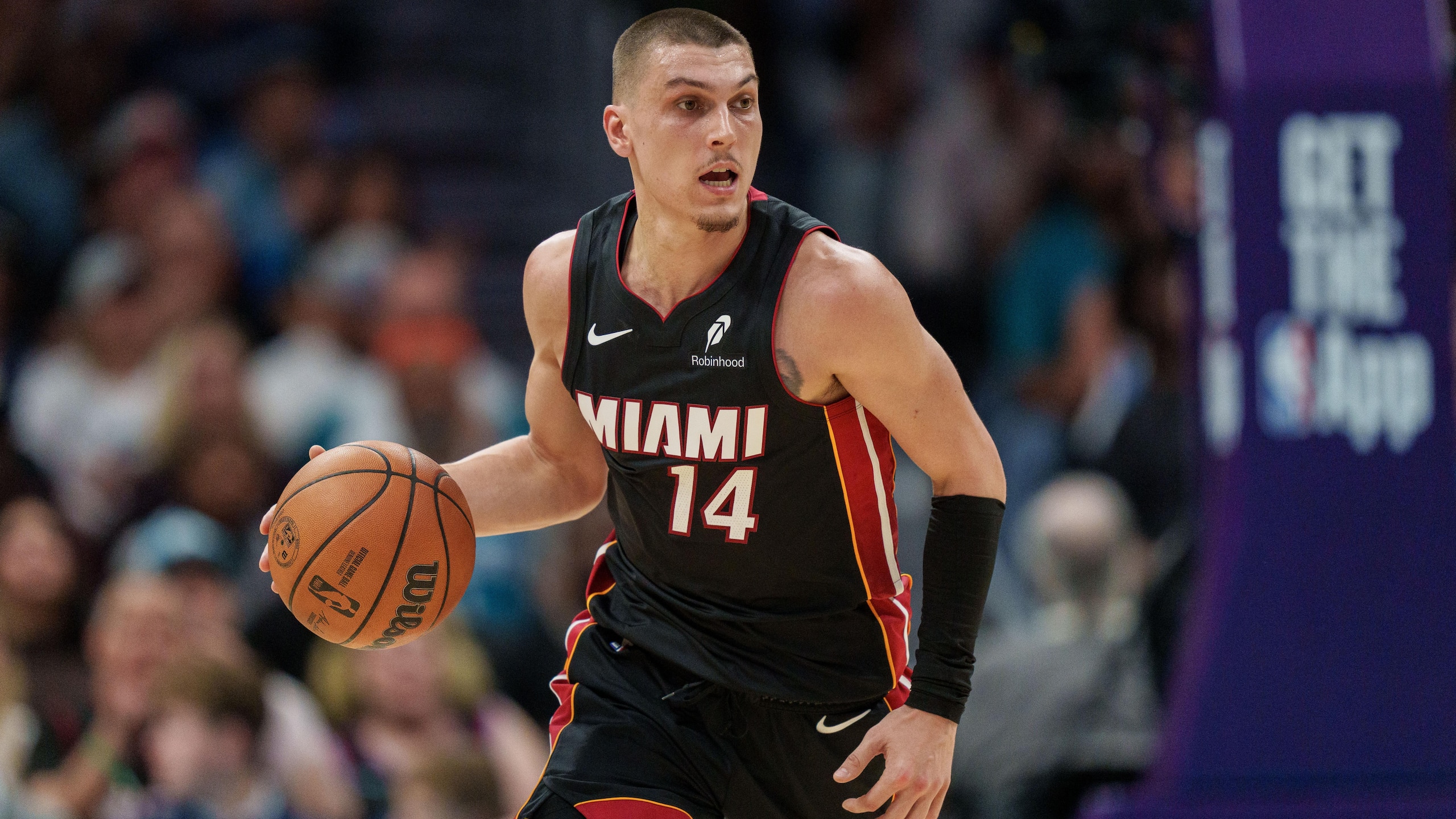
Despite waiting way too long to do it and failing to produce a real bidding war, the Bucks hauled in a remarkably good return for Giannis Antetokounmpo.
The package Milwaukee took back from Miami included Tyler Herro, Jaime Jaquez Jr., Kel'el Ware, Kasparas Jakucionis, three firsts, a swap and a second—far better than it should have managed, given Antetokounmpo's contract status and the dearth of suitors around the league.
On top of maximizing their Giannis return, the Bucks also grabbed Summer League standout Brayden Burries at No. 10 in the draft and inked still-intriguing forward Ousmane Dieng to a three-year deal that'll top out at a $6.3 million team option in 2028-29.
The only noisy part of Milwaukee's offseason involved an investigation-worthy contract for Gary Trent Jr.
We'll see how that one shakes out, but as long as the league doesn't dock the Bucks a draft pick for cap circumvention, this will have been a wildly successful summer given the team's difficult circumstances.

Charlotte Hornets
4 of 5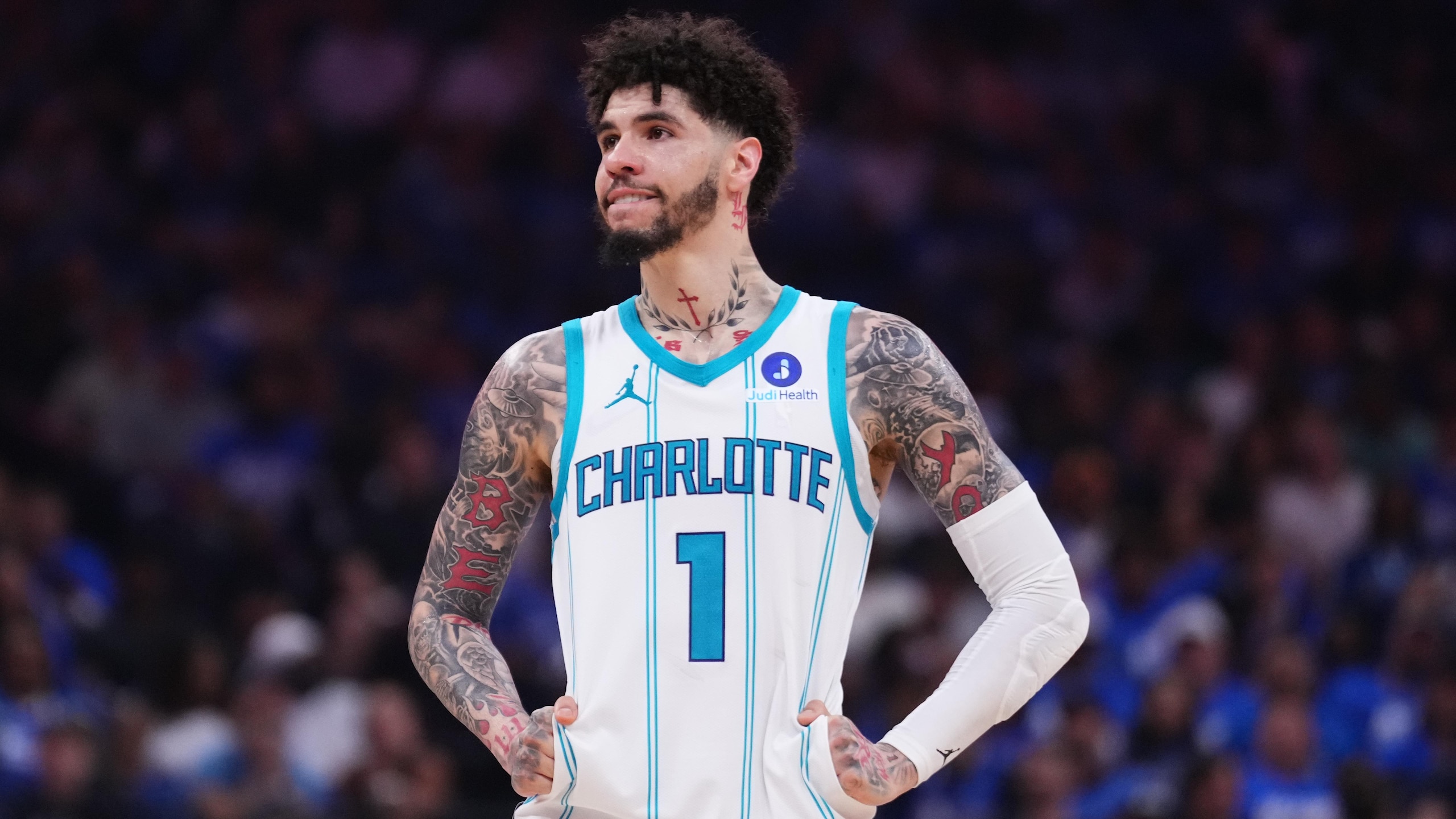
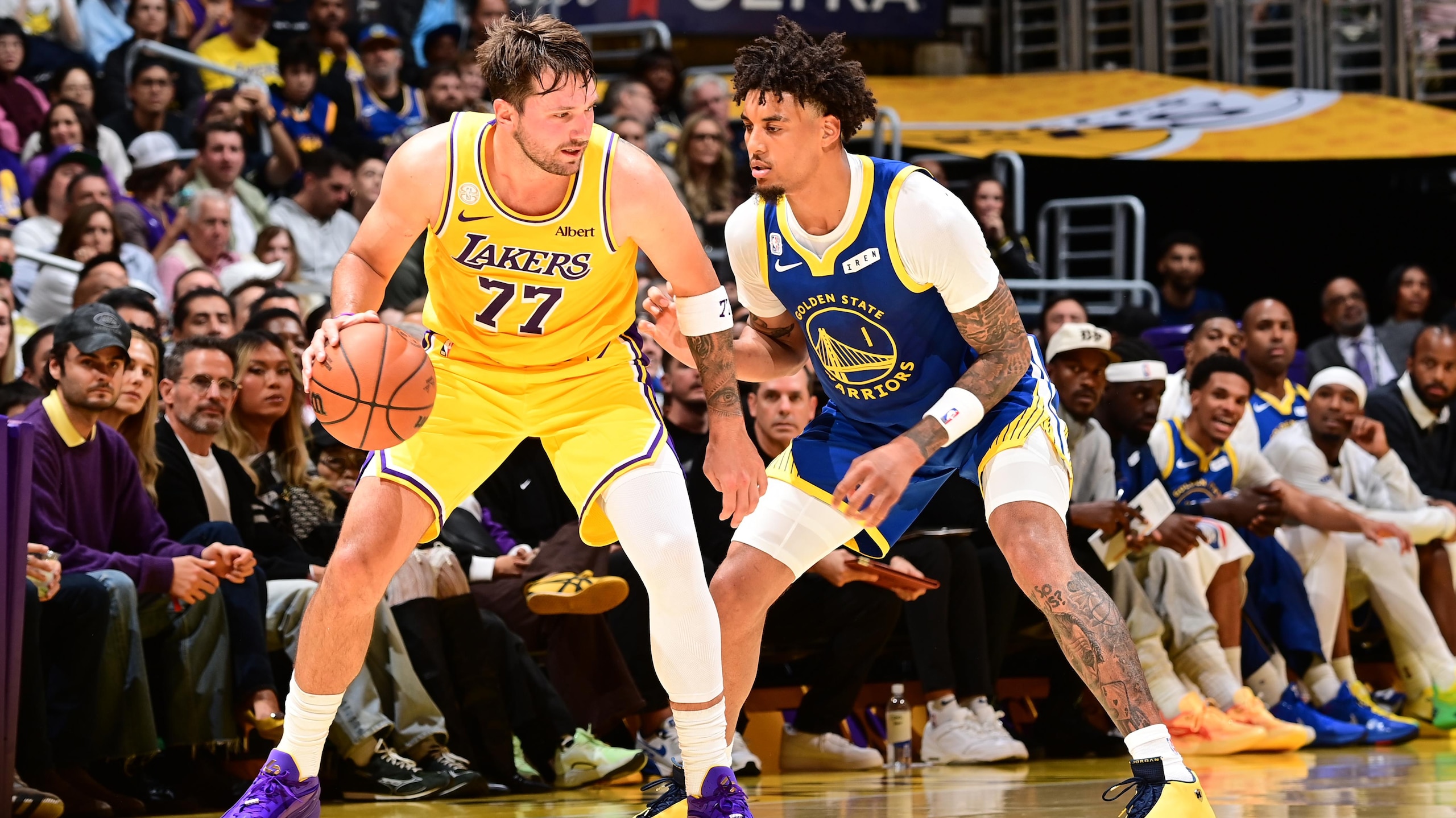
Plenty of people inside and outside of Charlotte are probably disappointed by the LaMelo Ball trade. While it has to be tough to see such a dynamic offensive force leave town, isn't it more exciting to realize the Hornets are an organization that saw last year's 44 wins and decided it was time to chase something even more impressive?
Ball was a big reason for Charlotte's success last season. He led the league's best offensive lineup, but the Hornets determined they could sell high and aim higher.
Ball appeared in 72 games last year after averaging 35 in the previous three. Combined with that outlier on the health front and a history of reckless behavior off the court, Charlotte determined the 24-year-old was more trade chip than cornerstone. That was a bold conclusion, but likely the right one.
In return, the Hornets acquired Naz Reid and a 2033 first-round pick from the Minnesota Timberwolves. They then re-signed Coby White (three years, $74 million), who could provide most of Ball's offense at a fraction of the cost.
Finally, Charlotte became the latest team to sucker the Suns out of a future first-rounder, nabbing an unprotected pick in 2033, plus Royce O'Neale and Grayson Allen for Miles Bridges and a less-valuable first.
If you're a Ball apologist, this offseason leaves you hurting. If you think the Hornets have earned the benefit of the doubt and that Ball's value was never going to get higher, Charlotte crushed it.
I'm in the second camp.
Memphis Grizzlies
5 of 5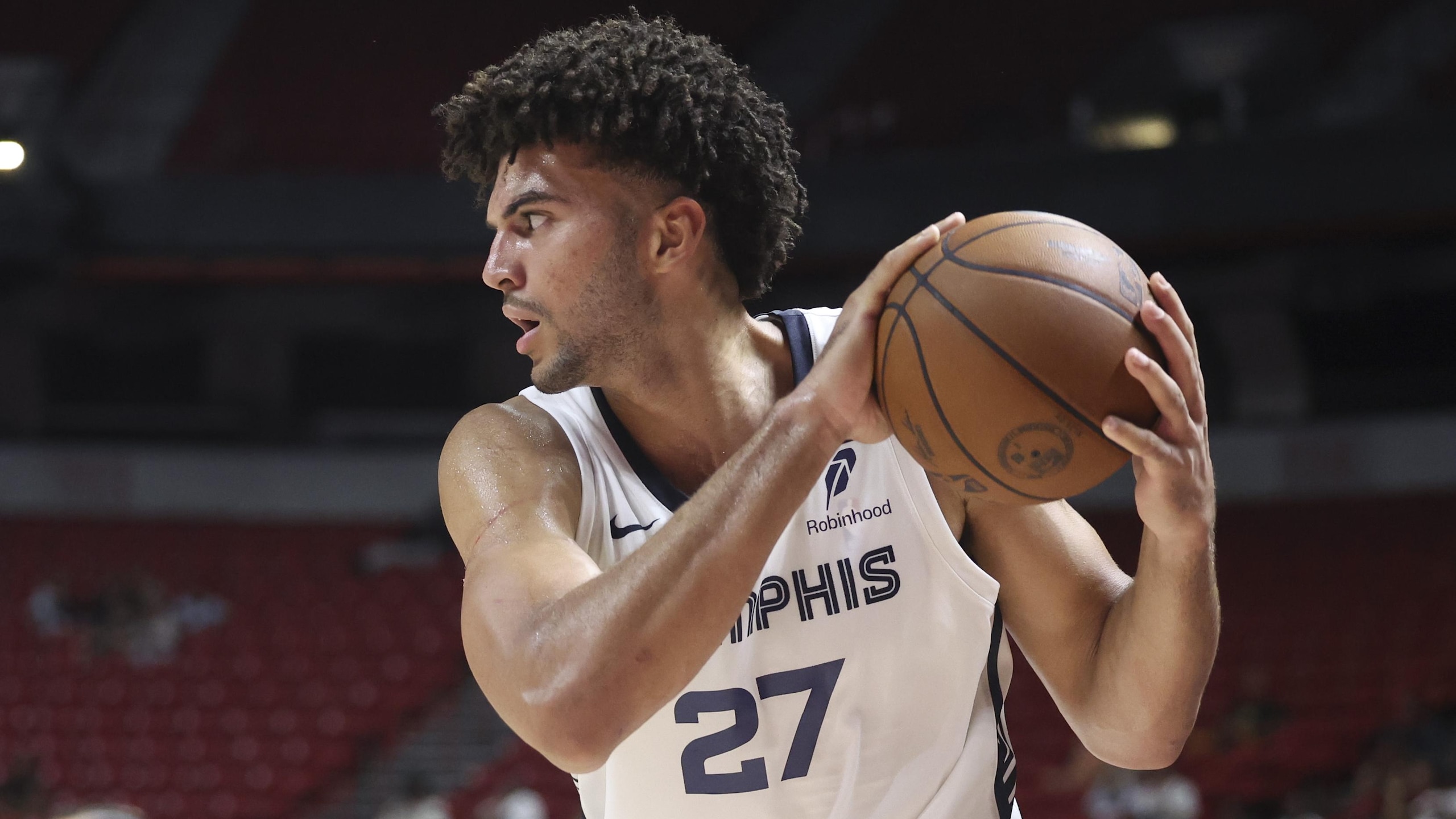
The Memphis Grizzlies' biggest move was getting off Ja Morant without having to attach any draft capital, a deal that officially turned the page on a once-promising era.
Most of Memphis' other action was more subtle, but those quiet transactions belied a real purpose and patience.
Take the Quinten Post offer sheet, loaded with incentives and only guaranteed for the first of three seasons, that Memphis knew was too rich for the Golden State Warriors to match. That deal brought in a floor-stretching center with no long-term risk attached.
Earlier in the summer, the Grizzlies did some wheeling and dealing to pick up heaps of second-rounders that they folded into a mega deal to get both Isaiah Stewart and a share of a future first-rounder for Santi Aldama. The upshot: Memphis preserved the massive traded player exception it got from the Jazz for Jaren Jackson Jr. last year. At $28.5 million, that's a real tool that could be used to acquire a starter.
Cam Boozer, an easy pick at No. 3 in the draft, slots into a roster that feels refreshed and flexible following a summer of smart, future-focused moves.
Stats courtesy of NBA.com, Basketball Reference and Cleaning the Glass. Salary info via Spotrac.
Grant Hughes covers the NBA for Bleacher Report. Follow him on Bluesky and subscribe to the Hardwood Knocks podcast, where he appears with Bleacher Report's Dan Favale.
.jpg?w=2560)
.jpg?w=2560 "Report reveals list of next NFL international locations")
.jpg?w=2560 "Breaking News")