.jpg?w=2560)

The 25 Biggest NBA Free-Agency Mistakes of the Century, Ranked
Every year, NBA teams use free agency in hopes of adding the missing pieces to their championship puzzle. Not every signing works out that way, though.
Inevitably, some players fail to live up to their contracts. Whether that's because their salary was bloated to begin with (no shame in getting the bag!), they ran into injury trouble, they were past their primes, or something else, certain signings wind up being disastrous.
With the benefit of hindsight, we've ranked the worst free-agent signings since the calendar flipped to 2000.
All of the players featured here signed deals as unrestricted free agents, restricted free agents, or via sign-and-trades. Contract extensions were not included, though a player was eligible here if he was an unrestricted free agent and re-signed with his incumbent team.
Contracts were primarily judged by how much they hampered the signing team, how much (or how little) return on investment the team received, and how much the player actually produced relative to their paycheck.
Before we get into the rankings, let's take a look at a few more recent contracts that could be included on this list in the future.
Jury's Still Out
1 of 26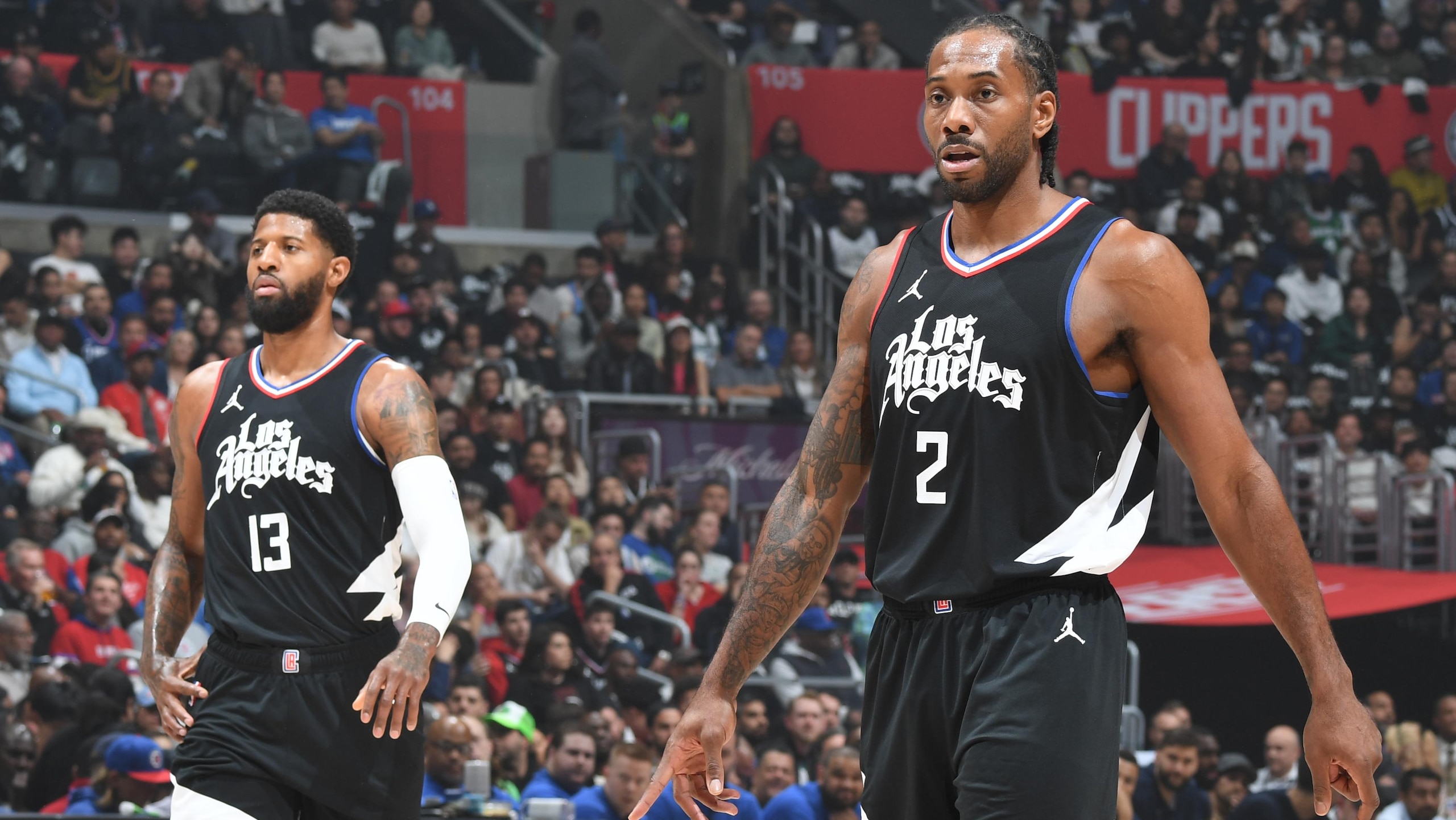
Right now, we don't have a full enough picture to decide whether these active players qualify as major free-agency mistakes. Give it a few years, though, and they might make these rankings depending on what they do with their careers.
Dillon Brooks, Houston Rockets
Coming off a second-team All-Defense nod during the 2022-2023 season, Brooks signed a four-year, $86 million contract during the 2023 offseason as part of a five-team sign-and-trade deal that sent him from the Memphis Grizzlies to the Houston Rockets. Though he built a strong defensive reputation, Brooks had always been a below-replacement-level player.
That didn't change with the Rockets, who later traded him to the Phoenix Suns in a trade that sent Kevin Durant to Houston.
Paul George, Philadelphia 76ers
The Philadelphia 76ers took a big swing in 2024 by signing George to a whopping four-year, $211.6 million contract. Considering injuries limited the nine-time All-Star to only 78 games over two seasons and his production was not up to his normal standards, you might be justified in saying his contract is already one of the 25 worst free-agency mistakes of the century.
However, that contract did allow the 76ers to steal trade for Jaylen Brown during the 2026 offseason, so there could be a silver lining.
Kawhi Leonard, Los Angeles Clippers
While he might not be considered a typical free-agency flop, Leonard is already the worst free-agent signing in L.A. history—in any sport—in the mind of Bill Plaschke of the Los Angeles Times.
Now, that may be a bit dramatic, as Leonard played at an All-NBA level for much of his time with the Clippers after he signed a three-year, $103 million max contract in 2019 (and a subsequent extension). However, he wasn't always available due to injuries and load management, he didn't help the Clippers take the leap to the next level, and he played a central role in the Aspiration scandal.
25. Bobby Simmons, Milwaukee Bucks
2 of 26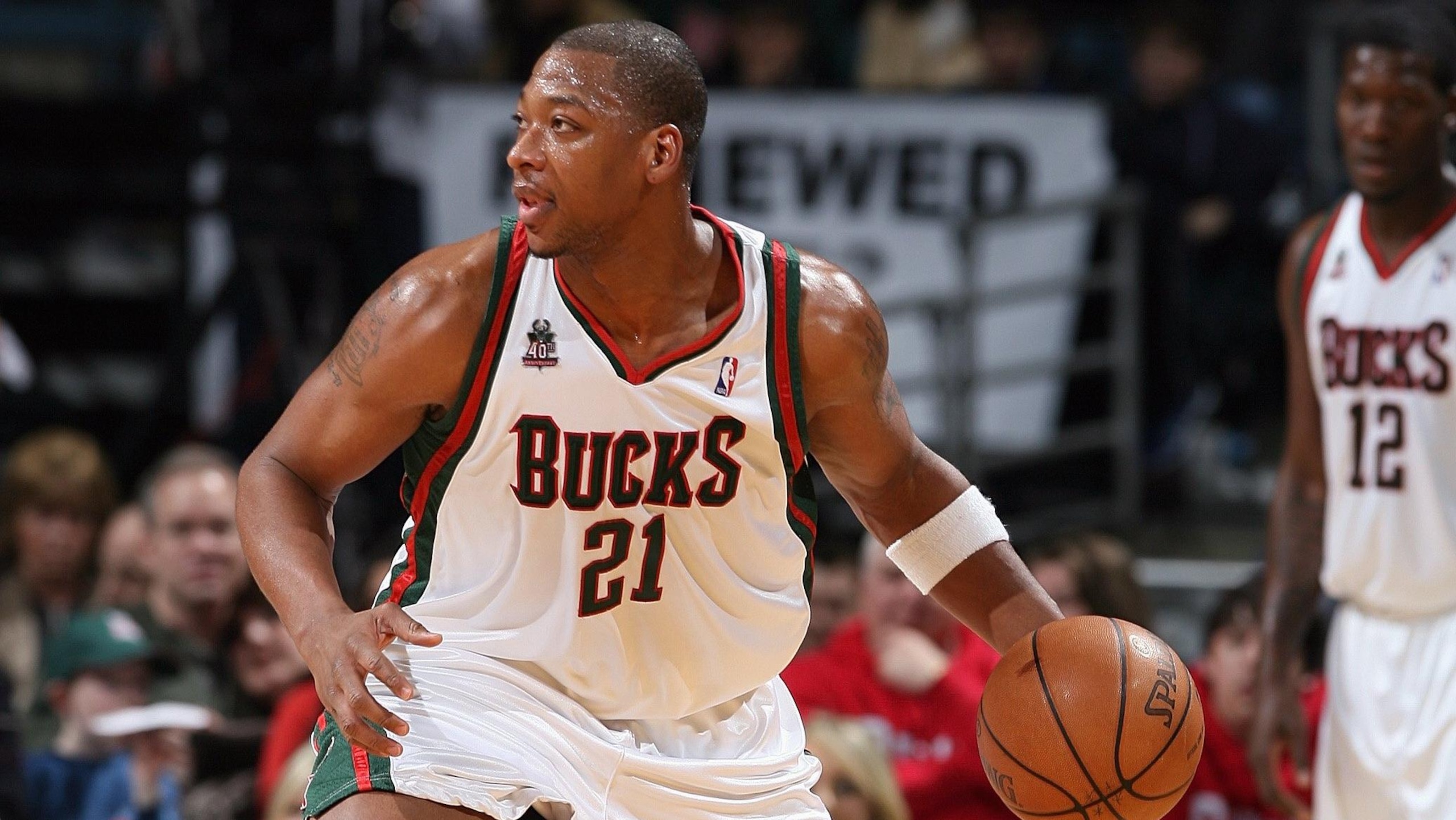
Contract: Four years, $47 million in 2005
Bobby Simmons earned himself a hefty payday after being named the NBA's Most Improved Player in 2004-05 with the Los Angeles Clippers. The Milwaukee Bucks, who didn't have much of a history with attracting free agents, paid Simmons handsomely to buttress their starting lineup as they tried to build around that summer's No. 1 overall pick, Andrew Bogut.
Simmons was solid on a middling Bucks team during his first full season, but a severe ankle injury during training camp in 2006 kept him out for the entire 2006-07 season. He was never the same after that.
The Bucks traded him and 2007 No. 6 overall pick Yi Jianlian to the then-New Jersey Nets for Richard Jefferson after the 2007-08 season.
24. Hedo Türkoğlu, Toronto Raptors
3 of 26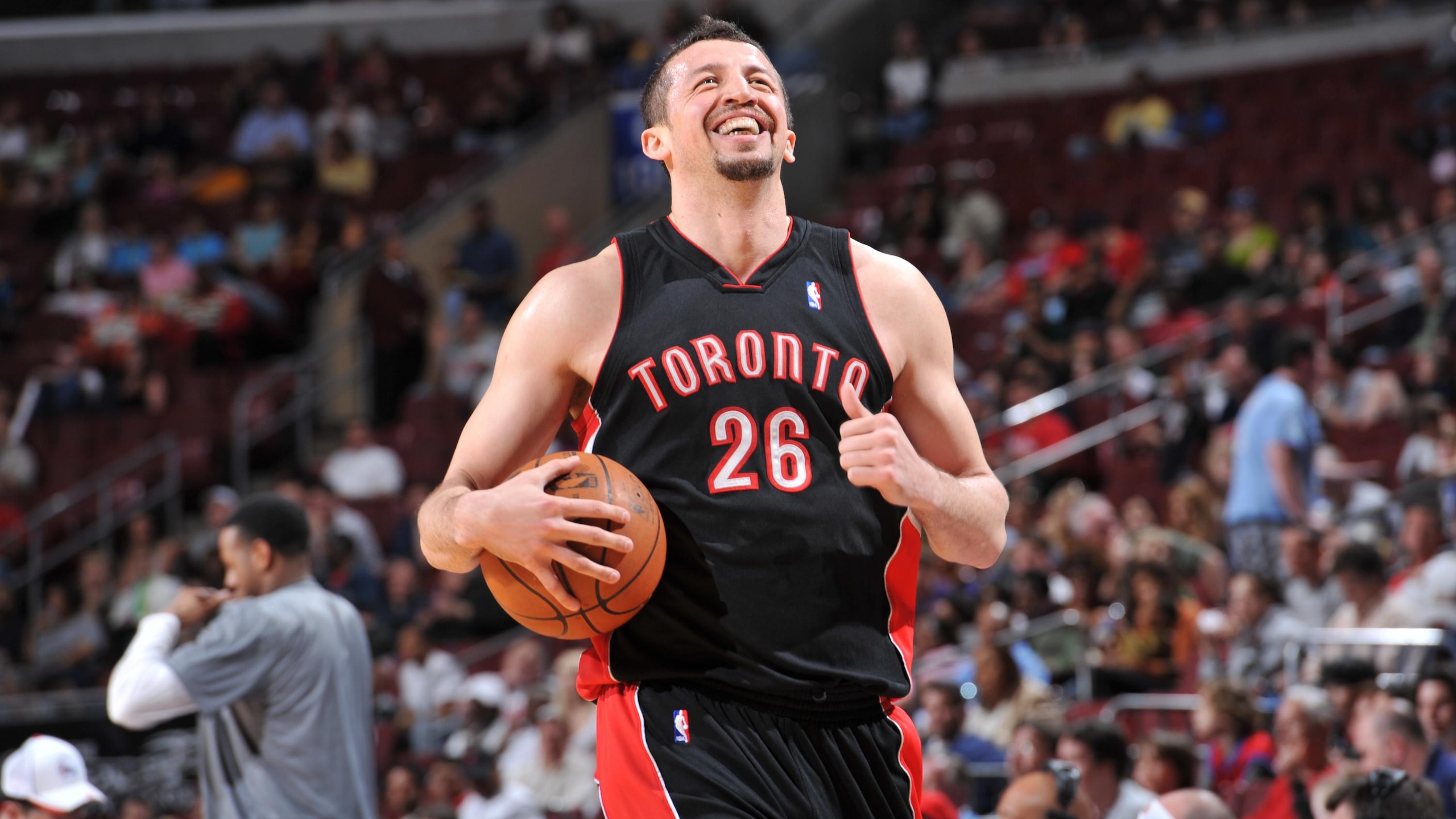
Contract: Five years, $53 million in 2009 (sign-and-trade)
As part of a complicated four-team, sign-and-trade deal, Hedo Türkoğlu landed in Toronto during the summer of 2009. At the time, Raptors president and general manager Bryan Colangelo said he was pleased to acquire "one of the top free agents available this summer."
The marriage didn't last long.
Türkoğlu, who had won the league's Most Improved Player award with the Orlando Magic two years prior, had a decent 2009-10 season for a below-.500 Raptors team. However, his addition wasn't enough to convince Chris Bosh to stay in Toronto. The big man took his talents to South Beach the next summer to join up with LeBron James and Dwyane Wade.
Bosh's exit triggered a total rebuild. Türkoğlu was jettisoned only one year after joining the team, although the Raptors at least didn't have to give up any draft picks to get rid of his contract.

23. Raef LaFrentz, Dallas Mavericks
4 of 26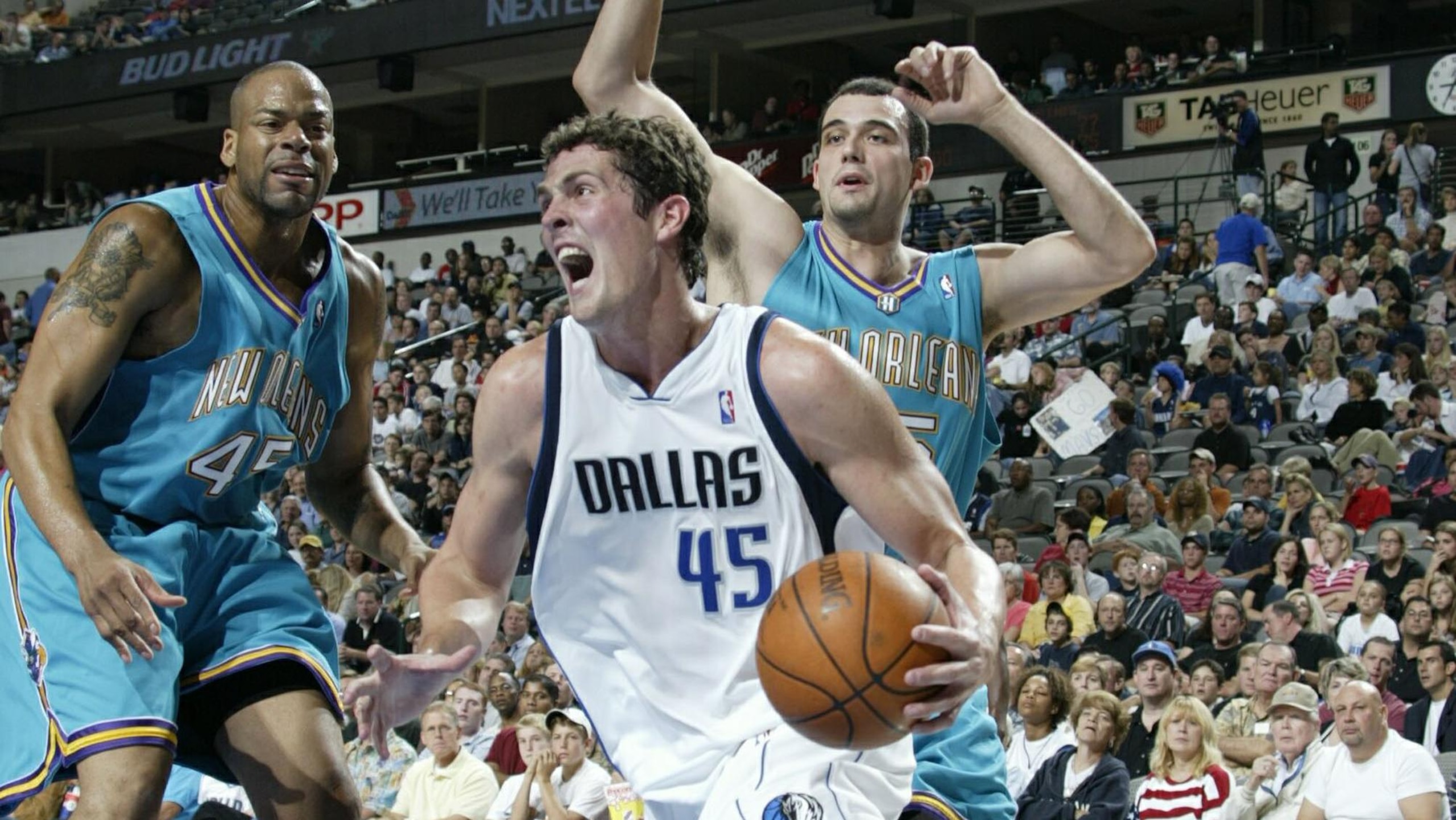
Contract: Seven years, $70 million in 2002
Raef Lafrentz arrived in Dallas in February 2002 following a midseason trade from the Denver Nuggets. During his 27-game audition with the Mavericks, the 6'11" center averaged 10.8 points and 7.4 rebounds per game, and Dallas decided it just couldn't let the former No. 3 overall pick walk in restricted free agency that summer.
So, the Mavs ponied up and gave Lafrentz a massive seven-year, $70 million deal—a pact he would never live up to.
Lafrentz averaged just 9.3 points, 4.3 rebounds and 1.3 blocks per game in the first season of his new contract, and Dallas quickly realized its blunder. Before the start of the 2003-04 season, the Mavs traded Lafrentz to the Boston Celtics, though it took a first-round pick (which turned into Delonte West) to offload his deal.
Antoine Walker, who was the main star going to Dallas in the deal, was much more effective in his one year with the Mavs than Lafrentz ever could have been. However, that doesn't fully absolve the Mavs from giving Lafrentz that contract—one that later became an albatross for the Celtics and Portland Trail Blazers—in the first place.
22. DeMarre Carroll, Toronto Raptors
5 of 26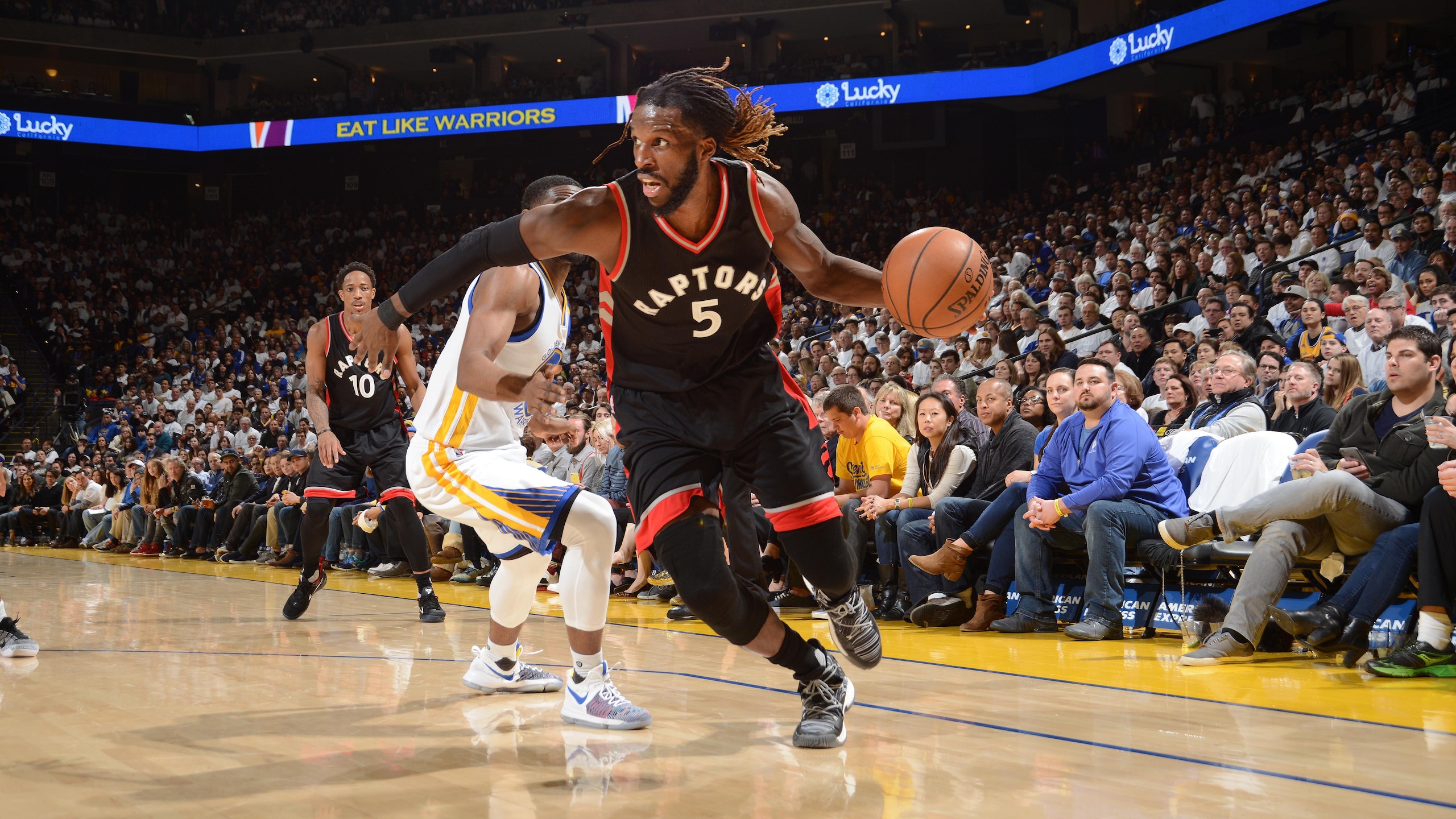
Contract: Four years, $60 million in 2015
Coming off his best season in 2014-15, DeMarre Carroll secured the bag in the summer of 2015 as a three-and-D wing who hit free agency at just the right time. Unfortunately, his time with the Toronto Raptors didn't go how he would have hoped.
Carroll was limited to just 26 regular-season games in his first season in Toronto due to injuries, including a right knee issue that required arthroscopic surgery. He did return in time to log significant minutes during the Raptors' playoff run to the Eastern Conference Finals, though.
He was much more available in 2016-17, but his productivity dropped, as he slipped to 34.1 percent from three-point range. Carroll's minutes declined, and he was sent to Brooklyn in a salary-dump trade during the offseason—a deal that cost Toronto a first-round pick.
21. Ömer Aşık, New Orleans Pelicans
6 of 26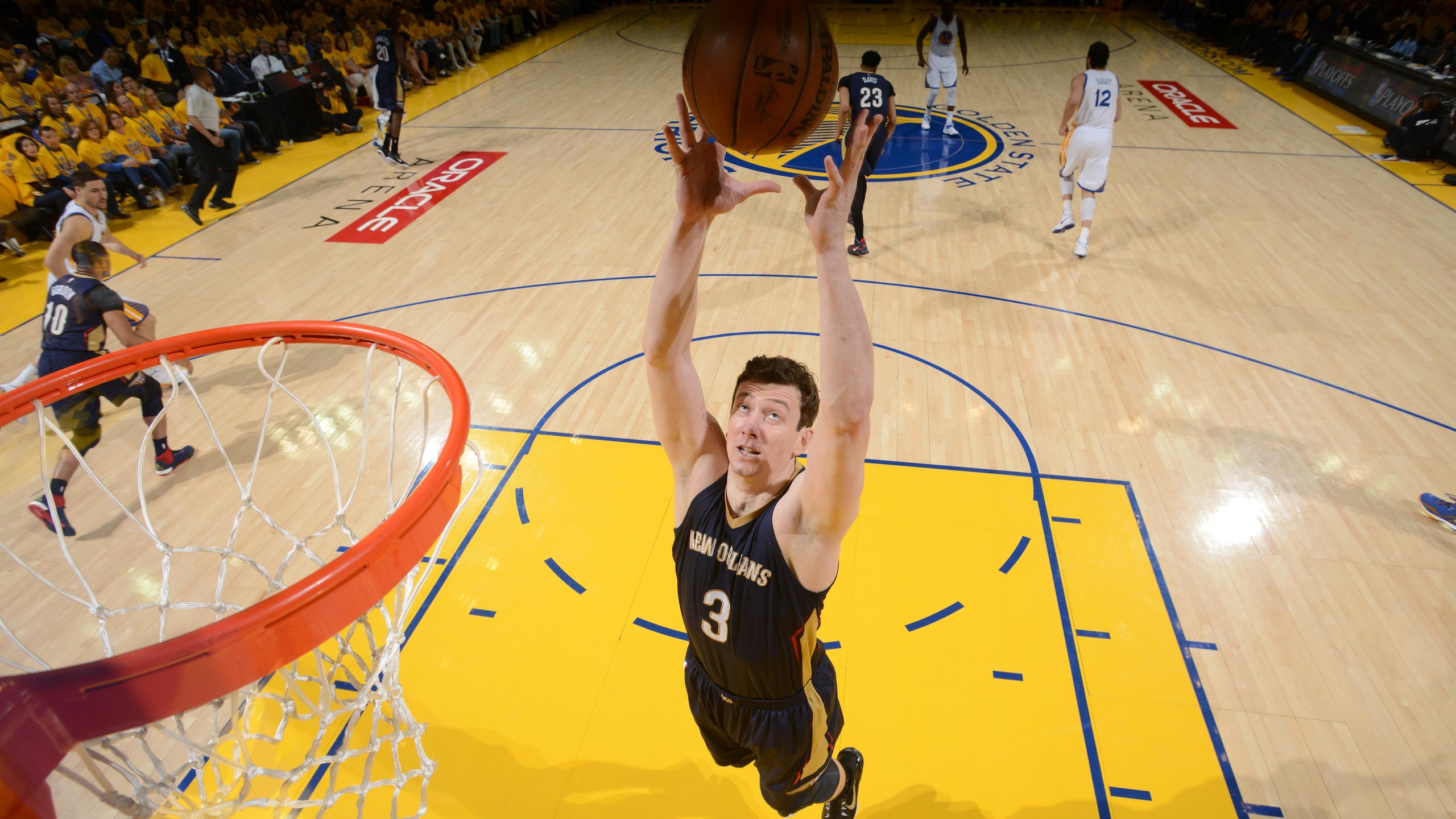
Contract: Five years, $60 million in 2015
The New Orleans Pelicans traded for Ömer Aşık before the 2014-15 season, giving them an up-close look at him during his contract year. During that campaign, Aşık put up solid stats, averaging 7.3 points and 9.8 rebounds over 76 contests.
While those numbers weren't eye-popping, they were enough for the Pelicans to give Aşık a five-year, $60 million contract during the summer of 2015. Unfortunately, that season represented the peak of his output.
Aşık immediately began to decline and quickly became a negative asset. He averaged fewer than four points per game during the first two seasons of his new deal.
Aşık was salary-dumped along with Tony Allen, Jameer Nelson and a first-round pick during the 2017-18 season in a trade that sent Nikola Mirotić to New Orleans. In October 2018—about three years after signing his five-year deal—Aşık was waived by the Chicago Bulls, and he never played in the NBA again.
20. Dāvis Bertāns, Washington Wizards
7 of 26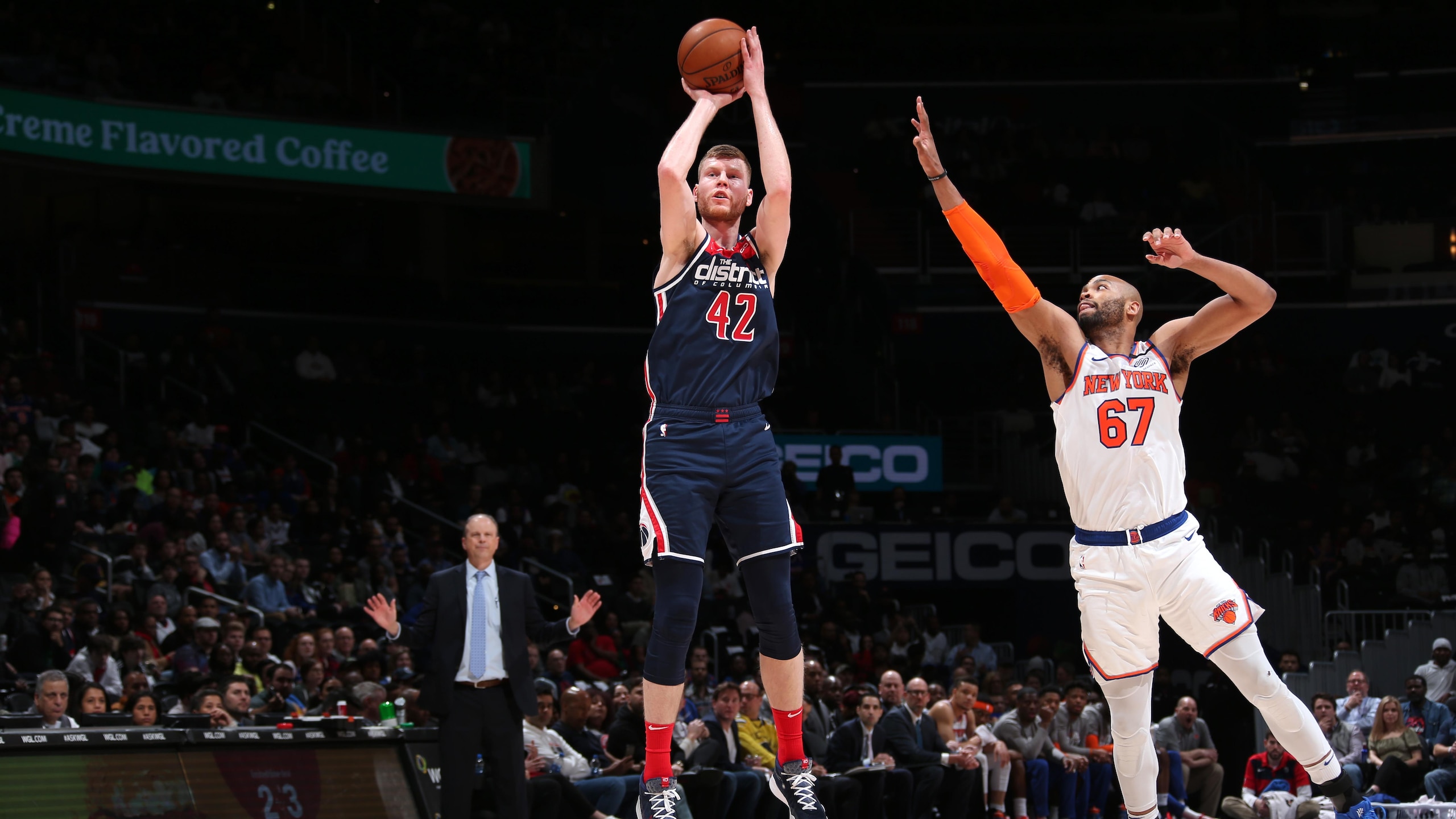
Contract: Five years, $80 million in 2020
Dāvis Bertāns couldn't have timed his contract year any better. In 2020, teams were falling over themselves for high-volume, three-point sharpshooters, and Bertāns was the hottest one on the market.
One season after being traded from the San Antonio Spurs to the Washington Wizards, the 6'10" Latvian broke out by making 42.4 percent of his 8.7 three-point attempts per game. That 54-game sample size convinced the Wizards to re-sign him to a five-year, $80 million deal, even though they were going nowhere fast as a franchise.
Bertāns' shooting dipped to a still respectable 39.5 percent from deep the next season, but as a one-dimensional player, his value dropped off drastically. The Wizards were no better for having shelled out to keep Bertāns, and by February 2002, they shipped him off to Dallas.
Bertāns bounced around the league for the next few years until the Charlotte Hornets waived him in 2024.
19. Rashard Lewis, Orlando Magic
8 of 26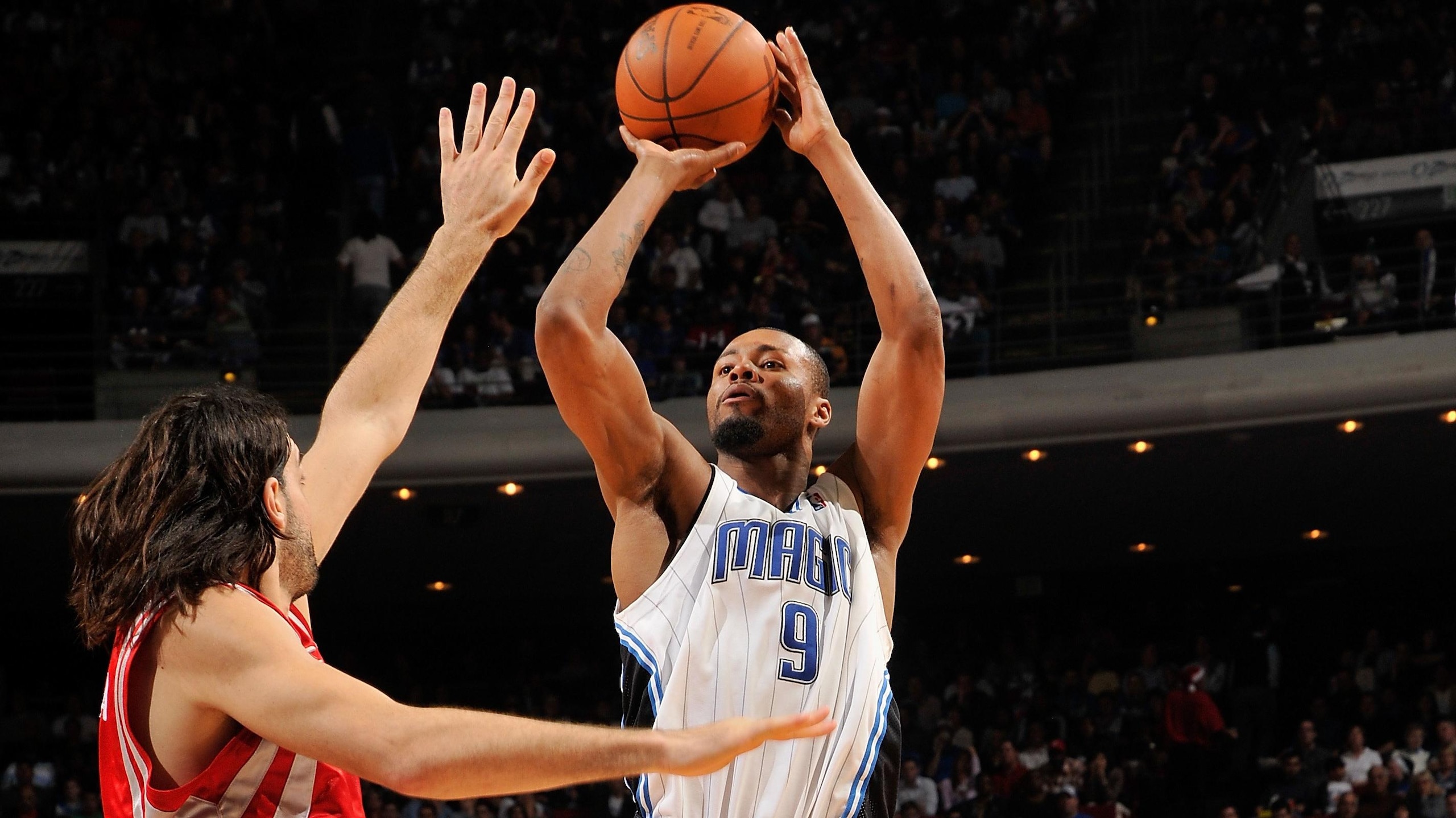
Contract: Six years, $118 million in 2007
Rashard Lewis is the only player in these rankings who made an All-Star team after signing his contract. In fact, he was a key cog for some great Orlando Magic teams during his first three years with the franchise.
In the 2008-09 season, Lewis ranked 13th in the league in value over replacement player, which represents the best post-contract season of any player featured here. The Magic reached the NBA Finals that season, where they lost to the Los Angeles Lakers.
Compared to most other players in these rankings, Lewis at least made his contract look somewhat justifiable for multiple years. However, the good times weren't good enough, and they didn't last.
He took up about 30 percent of Orlando's cap space—an amount usually reserved for a legitimate star—and he never performed at that level or helped the Magic claim an NBA title. Part of that is on the Magic, as they chose to sign a non-superstar to a superstar-level contract. Unsurprisingly, Lewis wasn't able to keep up his contributions over the length of his backloaded deal.
Lewis' production dropped off hard in Year 4 of his six-year deal, and it never recovered. About midway through that 2010-11 season, the Magic decided to shake things up by trading Lewis to the Washington Wizards for Gilbert Arenas (more on him later)…and his even worse contract.
18. Ben Wallace, Chicago Bulls
9 of 26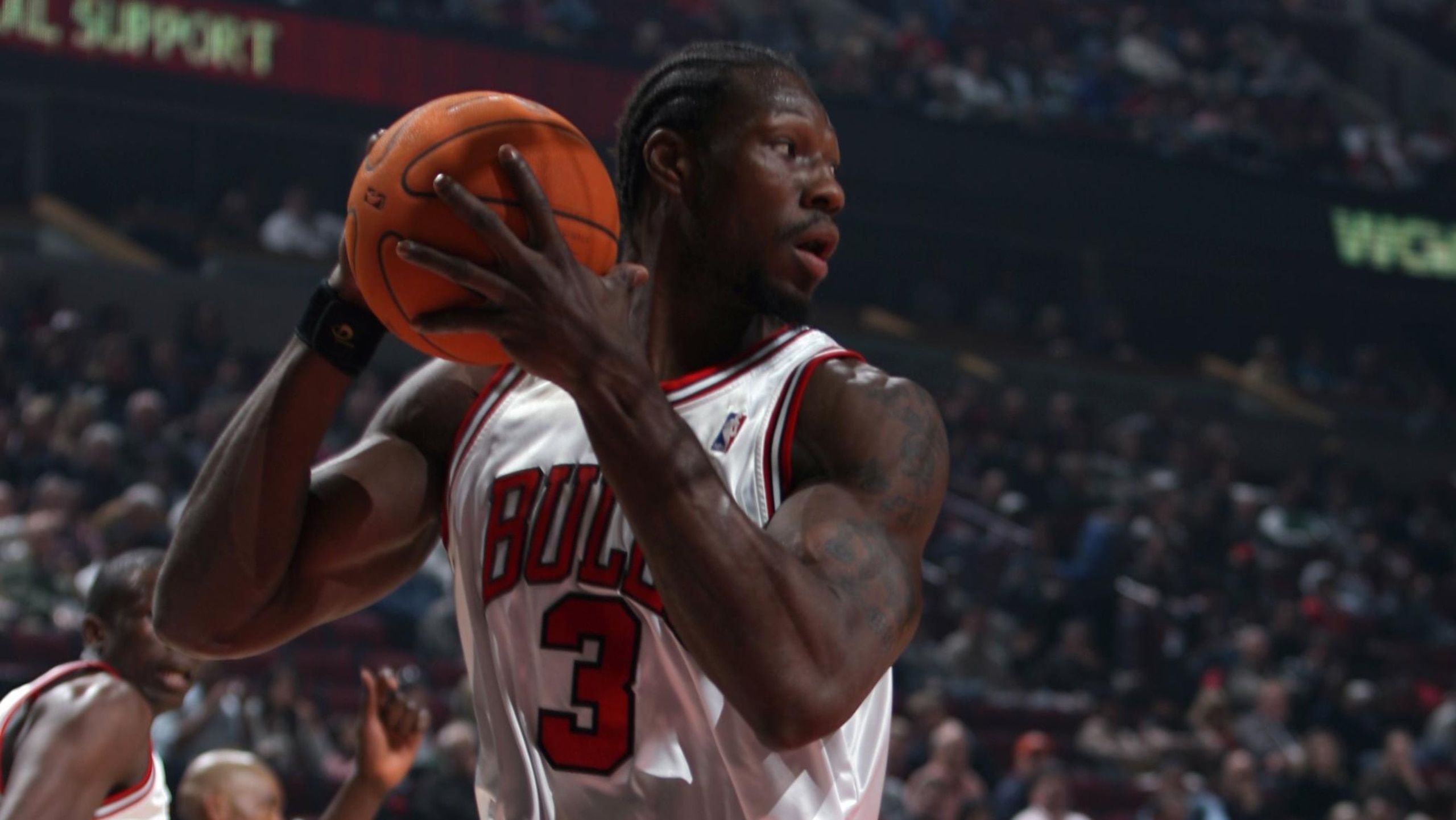
Contract: Four years, $60 million in 2006
The Chicago Bulls had a young core and were starting to rebuild, so defensive-minded, former champion Ben Wallace was an OK fit—even if he was overpaid. Of course, they could have just kept Tyson Chandler and not signed Wallace, but that's not the path they took.
Though he was slightly past his prime, Wallace did exactly what he was expected to do in 2006-07, as he earned second-team All-Defense honors and helped the Bulls reach the second round of the playoffs.
However, the Bulls backslid in Year 2 of Wallace's deal, and the organization decided to take things in a new direction. After firing head coach Scott Skiles, Chicago traded Wallace in a three-team, 11-player deal that returned a bunch of players who didn't fit all that well.
While Wallace didn't work out for the Bulls, there was a silver lining. In the summer following that trade—and without even truly bottoming out—Chicago got lucky in the draft lottery and was able to draft Derrick Rose with the No. 1 pick.
17. Jerome James (2005) and Jared Jeffries (2006), New York Knicks
10 of 26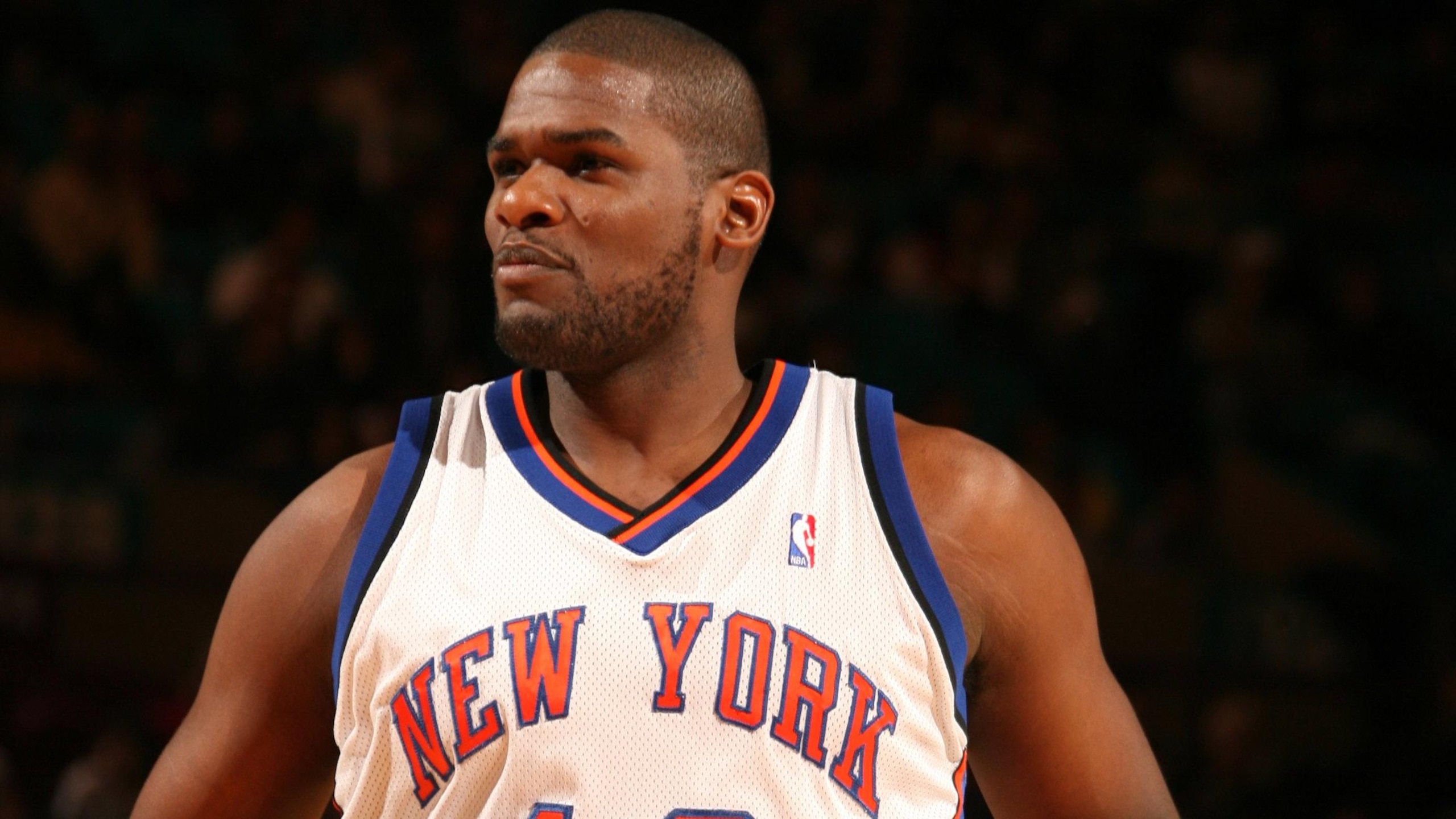
Jerome James' Contract: Five years, $30 million in 2005
Jared Jeffries' Contract: Five years, $30 million in 2006
It's universally acknowledged that Isiah Thomas was a terrible front-office executive and grossly mismanaged the New York Knicks. These two signings were just the tip of a mystifying iceberg of bad decisions.
Though these are the smallest contracts featured in these rankings, they were awful deals that didn't help the Knicks at all.
Jerome James was a net-negative player by virtually any metric. The 7'1" former second-round pick could have been a defensible buy-low candidate after his rookie deal expired in the summer of 2005. However, Thomas gave him a five-year, $30 million contract to somehow play even worse in New York before a torn ACL effectively ended his career.
Jared Jeffries was essentially a replacement-level player during his first four seasons after being the No. 11 overall pick in 2002. Again, this would have been a defensible signing on a minimum or near-minimum deal, but Thomas gave Jeffries the mid-level max.
He never blossomed in New York, though he did hang around and eventually returned in the twilight of his career.
16. Erick Dampier, Dallas Mavericks
11 of 26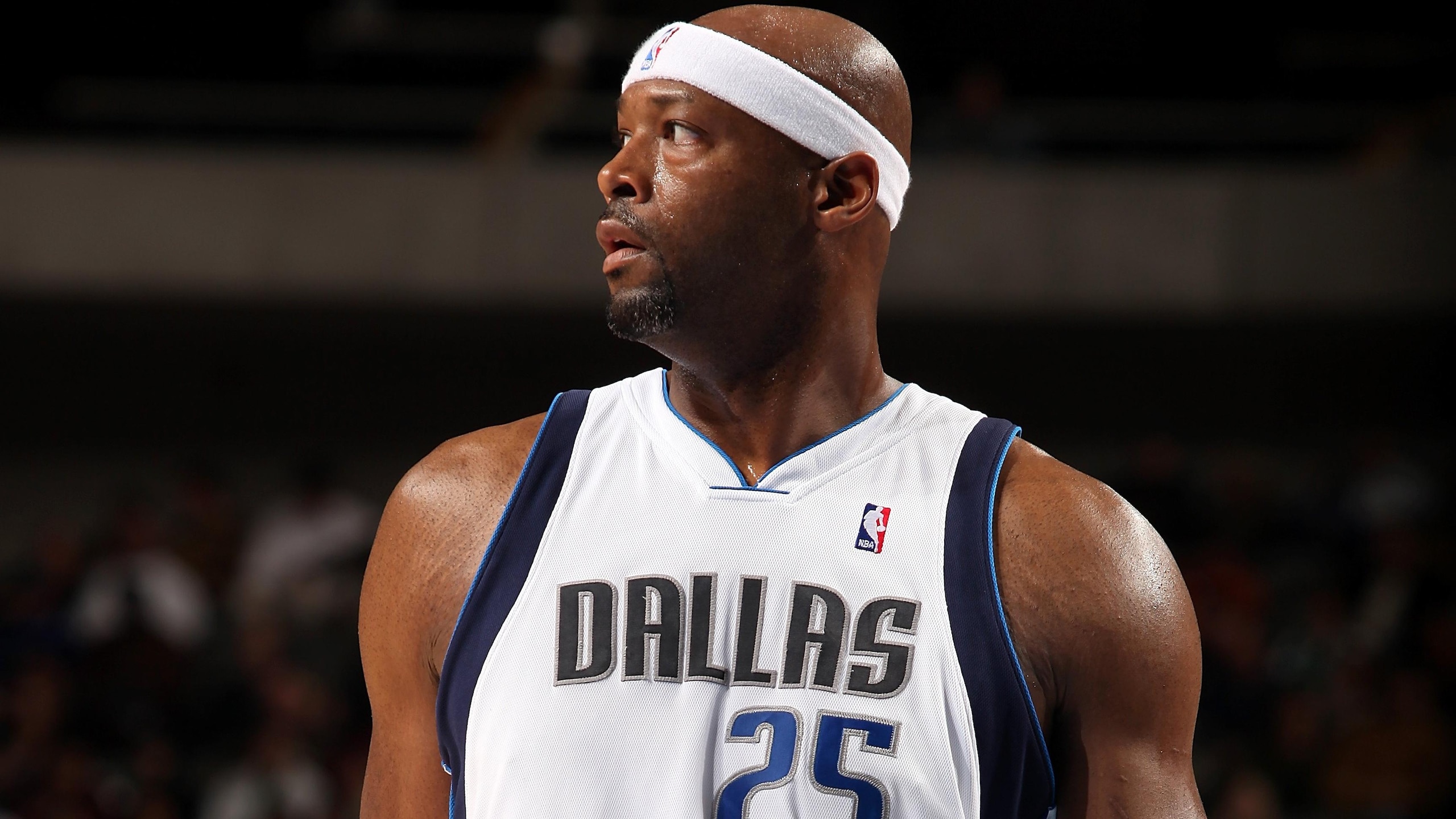
Contract: Seven years, $73 million in 2004 (sign-and-trade)
The Dallas Mavericks weren't great at giving out contracts to centers, were they?
Two years after paying way too much money to Raef Lafrentz, the Mavs were at it again with Erick Dampier. They once again allocated big money to a player who wouldn't pan out in a bigger role.
Coming off a career year with the Golden State Warriors in 2003-04, Dampier agreed to a seven-year, $73 million sign-and-trade that landed him in Dallas. Outside of Dampier, the trade itself didn't amount to much more than shuffling bench players; Dampier was undoubtedly the star of the deal.
Unfortunately for the Mavs, Dampier wasn't the interior presence they had hoped for. He averaged 6.5 points and 7.6 rebounds per game over six years and was a negative offensive asset on what were otherwise loaded teams.
Dampier lasted so long in Dallas in part because his contract wasn't all that movable, though the Mavs did get Tyson Chandler in return when they were finally able to ship him out in 2010.
15. Larry Hughes, Cleveland Cavaliers
12 of 26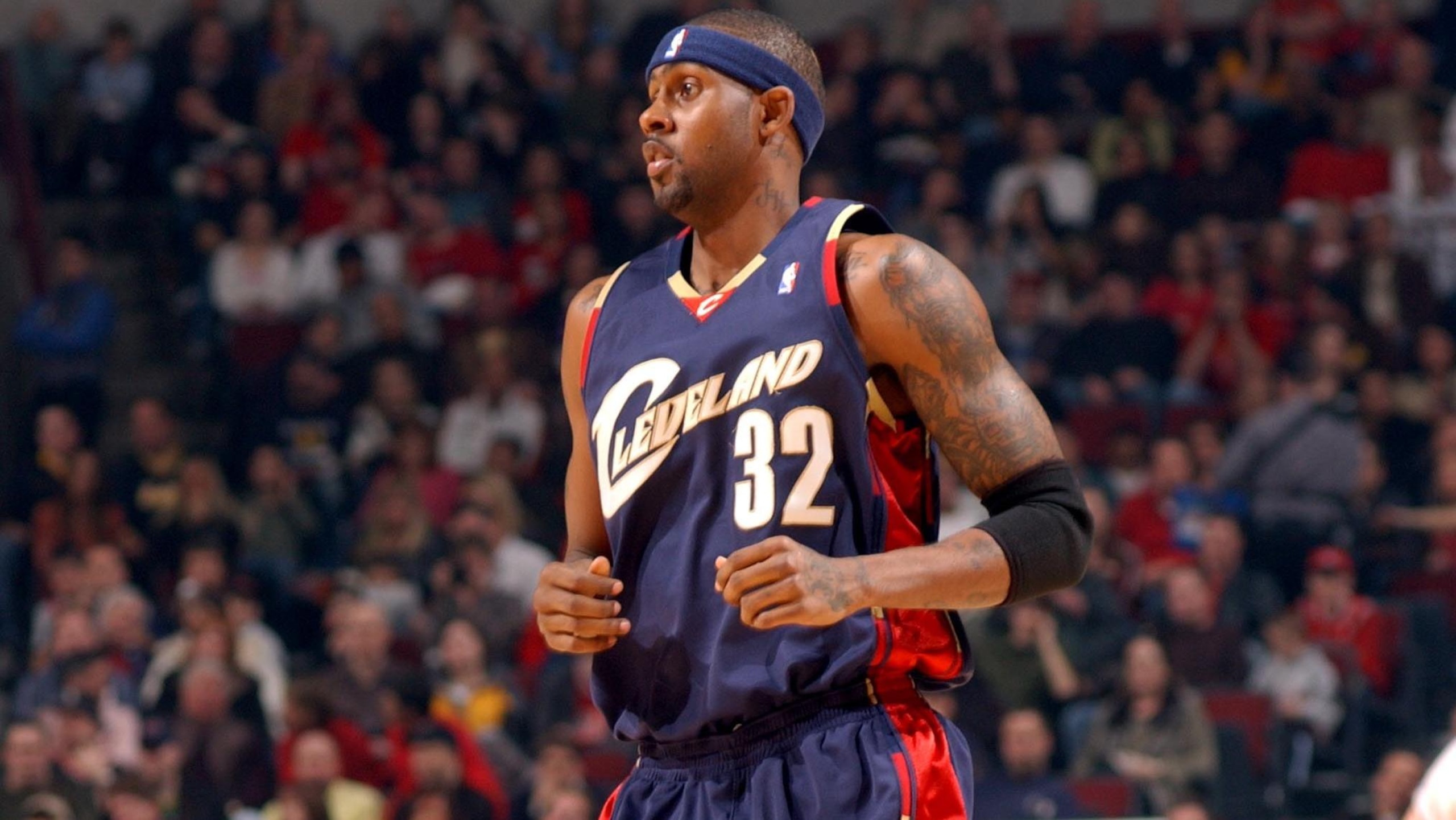
Contract: Five years, $70 million in 2005
Larry Hughes saved the best season of his career for his contract year in 2004-05. He averaged 22.0 points, 6.3 rebounds, 4.7 assists and a league-leading 2.9 steals per game with the Washington Wizards, earning a first-team All-Defense nod in the process.
After Carlos Boozer spurned them, the Cleveland Cavaliers had money to spend, so they signed Hughes to help support up-and-coming star LeBron James. However, Hughes suffered a fractured middle finger during his first season with the Cavs and played only 36 regular-season games. He then missed four playoff games after the tragic death of his brother.
Hughes enjoyed better health in 2006-07, but he wasn't anywhere close to the star the Cavs had hoped he would be. His counting stats were solid, but Hughes had a negative offensive box plus-minus for the second year in a row and rated as essentially a replacement-level player.
During the next season, Hughes was offloaded in the deal that brought Ben Wallace and his bloated contract to Cleveland.
14. Evan Turner, Portland Trail Blazers
13 of 26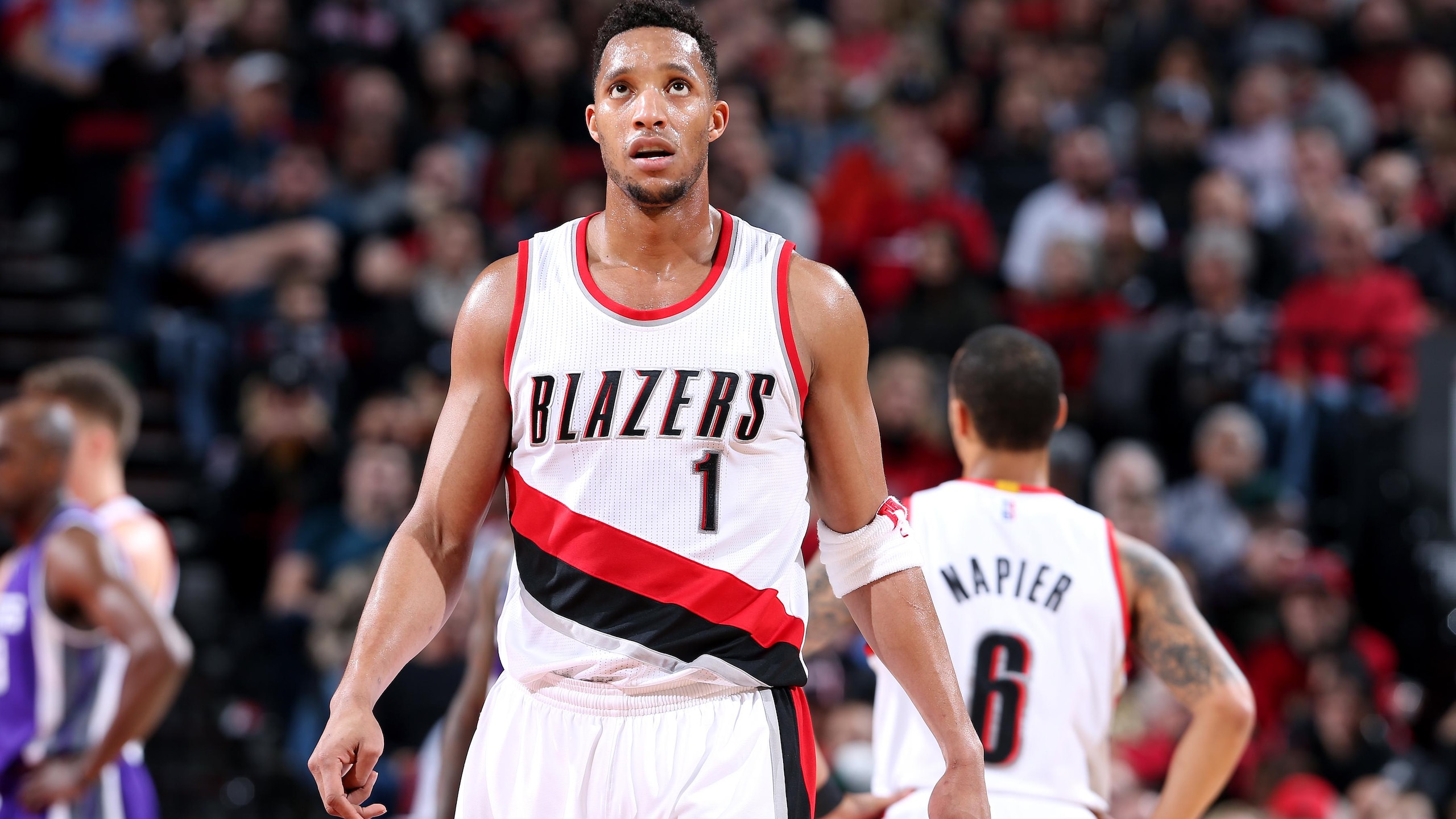
Contract: Four years, $70 million in 2016
If you've been waiting for all of the grossly overpaid members of the 2016 free-agent class, wait no longer. Evan Turner is the first of many beneficiaries of that summer's cap spike to make our rankings.
During the summer of 2016, the NBA's salary cap jumped by roughly $24 million, which meant almost every team had money to burn. Turner was one of many players who were lucky enough to be free agents that summer, and after a few solid seasons in Boston, he took home a lucrative payday to swap coasts and join the Portland Trail Blazers.
Unfortunately, the cap spike meant the Blazers were paying starter-level money to a role player, and Turner never had a chance to live up to that contract. During his three seasons in Portland, Turner equated to an offensive liability, never averaged double figures, and couldn't help Damian Lillard and the Blazers get over the top against the vaunted Golden State Warriors.
In many ways, Turner was a victim of circumstance. But he was still a big swing-and-miss for Portland.
13. Kenyon Martin, Denver Nuggets
14 of 26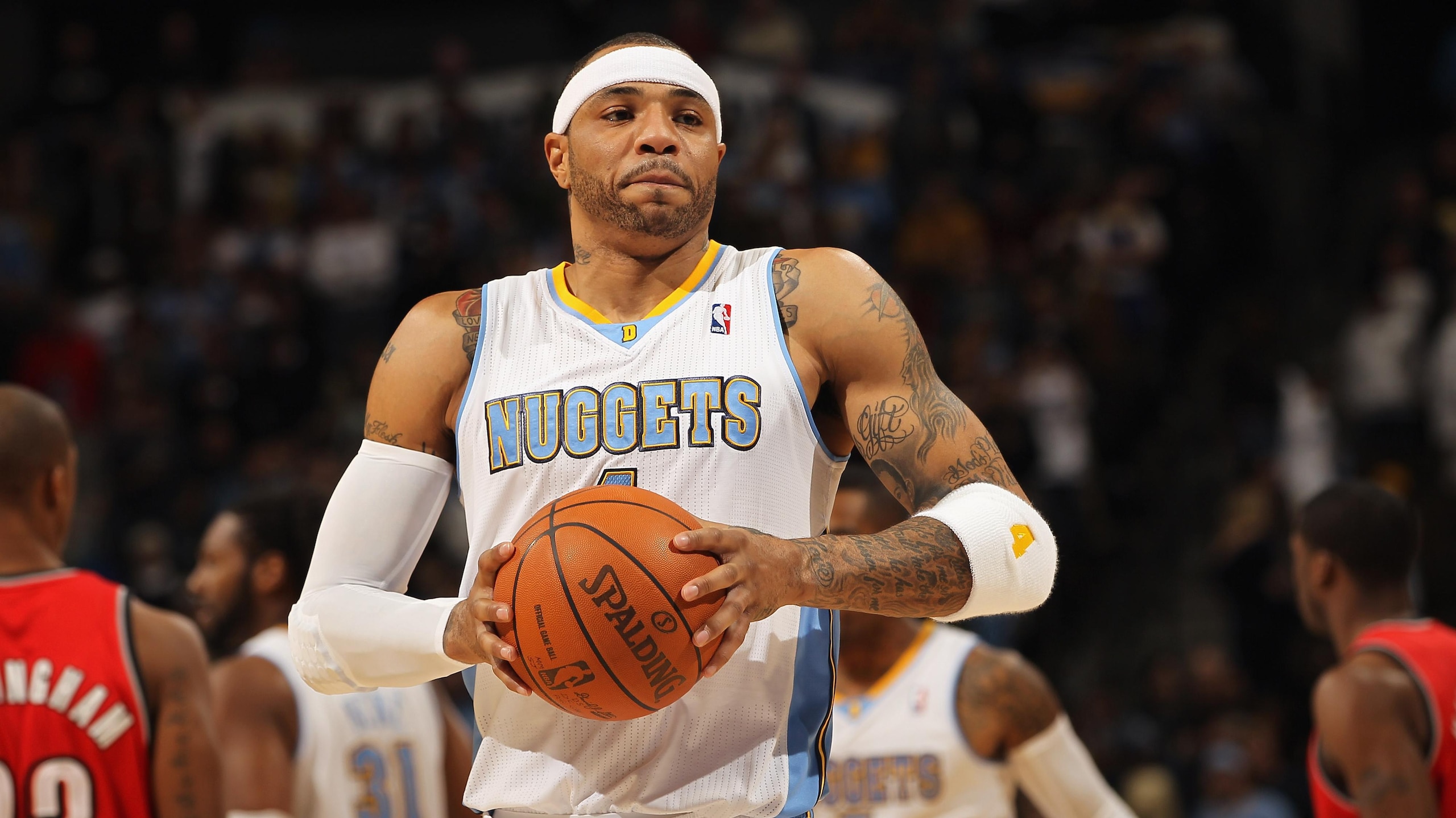
Contract: Seven years, $92.5 million in 2004 (sign-and-trade)
Overall, Kenyon Martin wasn't a terrible player for the Denver Nuggets during the mid-to-late aughts. He averaged 12.3 points per game over his seven years in the Mile High City, and his rebounding, athleticism and toughness were valuable as a starter in both the regular season and playoffs.
However, Martin wasn't paid like a solid starter—he was paid like a star.
Denver paid handsomely to acquire him via a sign-and-trade in 2004, giving up three first-round picks (!!!) and signing him to a seven-year, $92.5 million deal. That was star-level money, as the salary cap in 2004 was under $44 million.
Given that Martin's yearly compensation increased over time, he was grossly overpaid in the later years of his deal, especially considering he missed time on a somewhat regular basis following multiple microfracture surgeries on his knees.
When he was available, Martin was a quality starter. However, it's hard to build a contender that can get over the hump when you give up three first-round picks for an oft-injured non-star who takes up over a quarter of your cap space.
12. Darius Miles, Portland Trail Blazers
15 of 26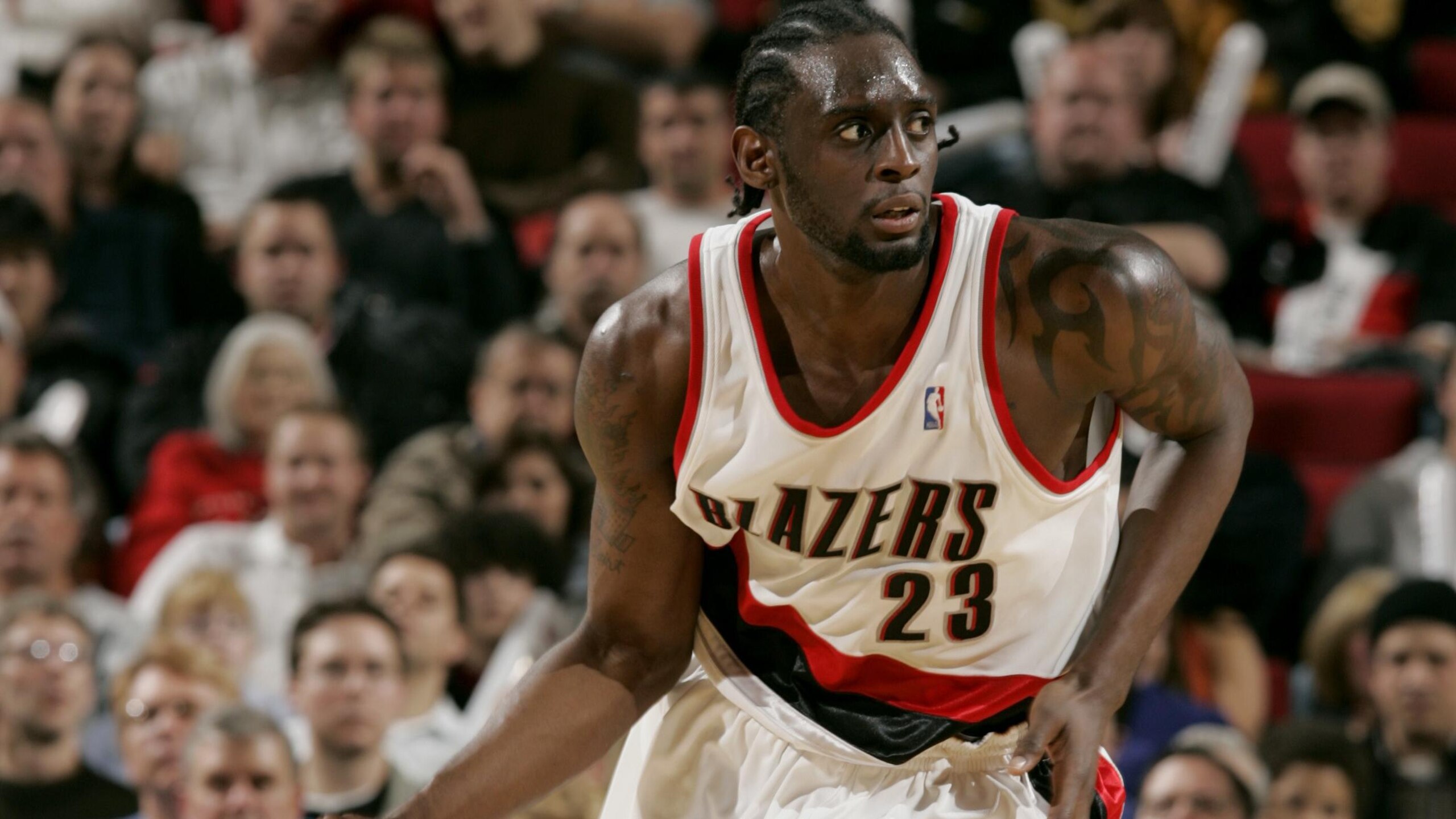
Contract: Six years, $48 million in 2004
A high school phenom who went third overall in the 2000 draft, Darius Miles still had tons of potential when he signed his long-term deal with the Portland Trail Blazers in 2004. It didn't hurt that the Blazers got a 42-game audition with Miles during the 2003-04 season, and they were betting on his continued growth.
Miles' scoring increased slightly in the first two years of his contract, but his overall efficiency and output dipped, putting him right around the level of a replacement player. Still, those are growing pains you can live with when developing a young player.
However, late in 2005-06–the second year of his six-year contract–Miles suffered a right knee injury that sidelined him for the next two seasons. After the injury was deemed career-ending, the Blazers waived Miles in 2018 and were allowed to take his remaining $18 million salary off their books.
That injury wasn't career-ending, though, as Miles attempted a comeback during the 2018-19 season. The Blazers even tried to claim him off waivers, though the NBA barred their pickup as an attempt at cap circumvention since they would likely try to stash him to keep his salary off their books.
Although the Blazers tried to dissuade other teams from picking up Miles, the Memphis Grizzlies added him. He wound up playing 34 games with them, which put Miles' money back on Portland's cap sheet.
That final, unexpected twist is what vaulted Miles' contract from being a lottery ticket that unfortunately didn't work out to something far more disastrous.
11. Elton Brand, Philadelphia 76ers
16 of 26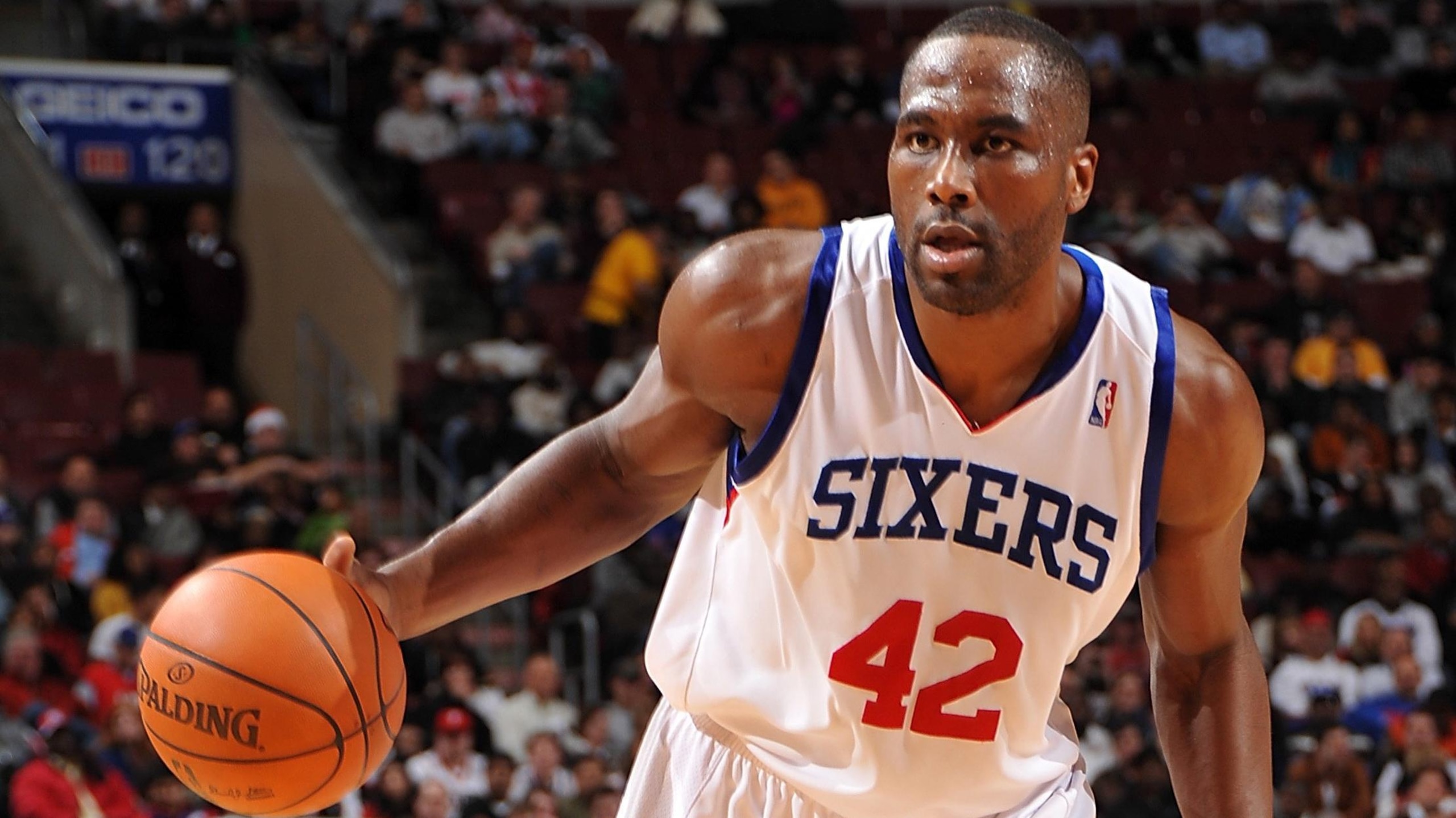
Contract: Five years, $82 million in 2008
While many players on this list earned outsized deals thanks to outlier performances in contract years, Elton Brand spent nearly all of the last year of his contract with the Los Angeles Clippers sidelined by a ruptured Achilles. That didn't stop the Philadelphia 76ers from paying him top dollar during the summer of 2008.
Brand recovered from his Achilles injury in time for his first season in Philadelphia, but a shoulder injury limited him to only 29 games that year. By the time Brand was back to playing full-time, he was hardly the nightly 20-10 threat he had been in his earlier years with the Chicago Bulls and Los Angeles Clippers.
While he averaged double figures and was a clear positive presence on the court, Brand's play wasn't commensurate with the massive contract he had signed. Philadelphia could have gotten similar production at a much lower price, and betting on Brand to return to an All-NBA level after his Achilles tear proved to be a major mistake.
Fortunately for the 76ers, the 2011 collective bargaining agreement included a one-time amnesty, which they used in 2012 to clear Brand's remaining $18.2 million from their books.
10. Allan Houston, New York Knicks
17 of 26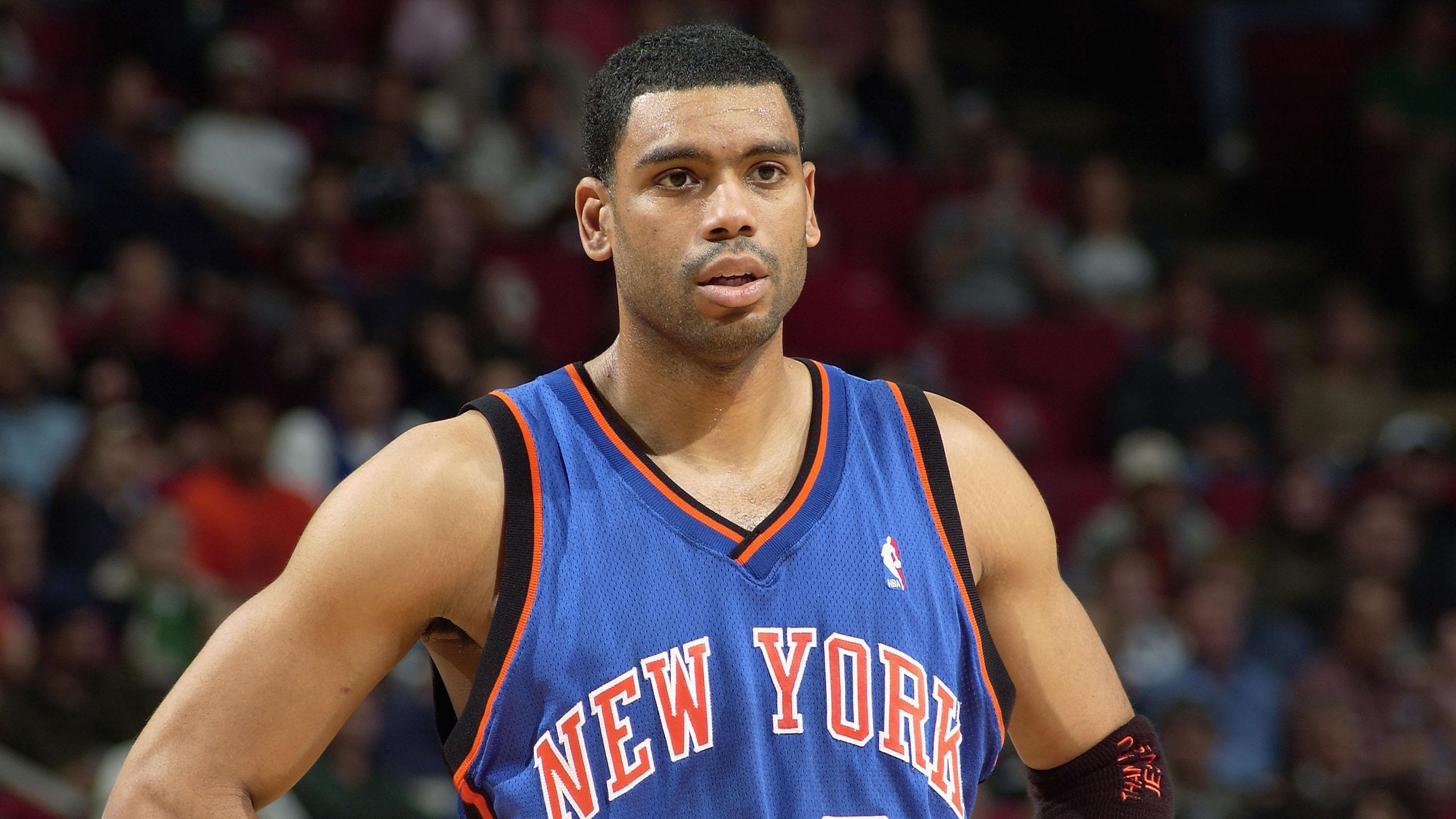
Contract: Six years, $100 million in 2001
In the late '90s, Allan Houston rose through the ranks of New York Knicks greats and cemented himself as the franchise's face, taking the torch from Patrick Ewing. He was an ironman who played big minutes almost every night, and his playoff heroics are still part of New York legend.
After two straight All-Star seasons, the Knicks inked Houston to one of the NBA's richest contracts in 2001. It didn't take long for that decision to go sideways.
Houston remained the team's offensive engine for the next two years, but it wasn't enough to keep the Knicks from slipping down the standings. In 2003, Houston's body starting giving out and he was limited by chronic knee injuries.
By the fourth season of his contract—one in which he was one of the highest-paid players in the league—he played just 20 games, and his career was over.
During the 2005 offseason, the new collective bargaining agreement introduced a one-time amnesty that would clear a player from a team's luxury-tax bill. It was widely known as the "Allan Houston Rule" because it was obvious that the Knicks would use that provision to clear the last two years of Houston's salary.
With the Knicks being the Knicks and Isiah Thomas being Isiah Thomas, though, that amnesty was not applied to Houston. Instead, New York used it on Jerome Williams.
9. Grant Hill, Orlando Magic
18 of 26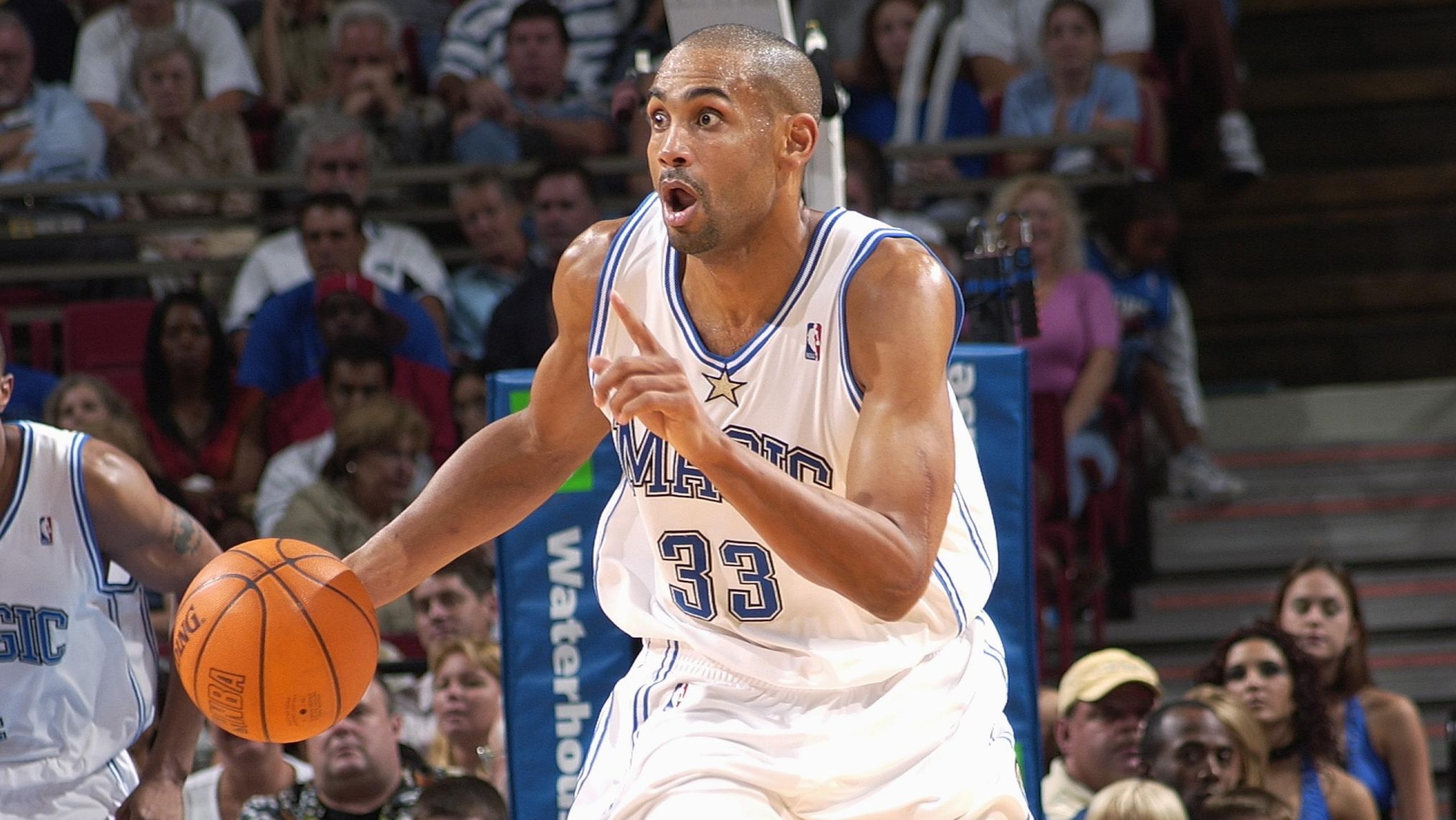
Contract: Seven years, $93 million in 2000 (sign-and-trade)
The Orlando Magic bet big in the summer of 2000, bringing in both Grant Hill and Tracy McGrady to be their stars of the future. Hill was the MVP candidate in his prime, and McGrady was the up-and-comer ready to make the leap to stardom.
Unfortunately, that plan never got off the ground. Hill suffered an ankle injury during the 2000 playoffs before joining the Magic, and it never fully healed properly. After being rushed back into action, Hill played just four games during the 2000-01 season.
"I felt there were mistakes made in terms of managing my injury, and I feel like a lot of it could have been avoided," Hill said in May 2026. "Nobody put a gun to my head and forced me to play. But also, nobody told me not to play."
Hill ultimately had five surgeries from 2000-04, and he played only 47 games across the first four seasons of his massive contract. After missing all of the 2003-04 season, Hill returned to All-Star form the next year, but it was on a below-average Magic team that no longer included T-Mac.
The ship had sailed, and Hill's injuries ended up creating one of the more compelling what-ifs of this century.
8. Amar'e Stoudemire, New York Knicks
19 of 26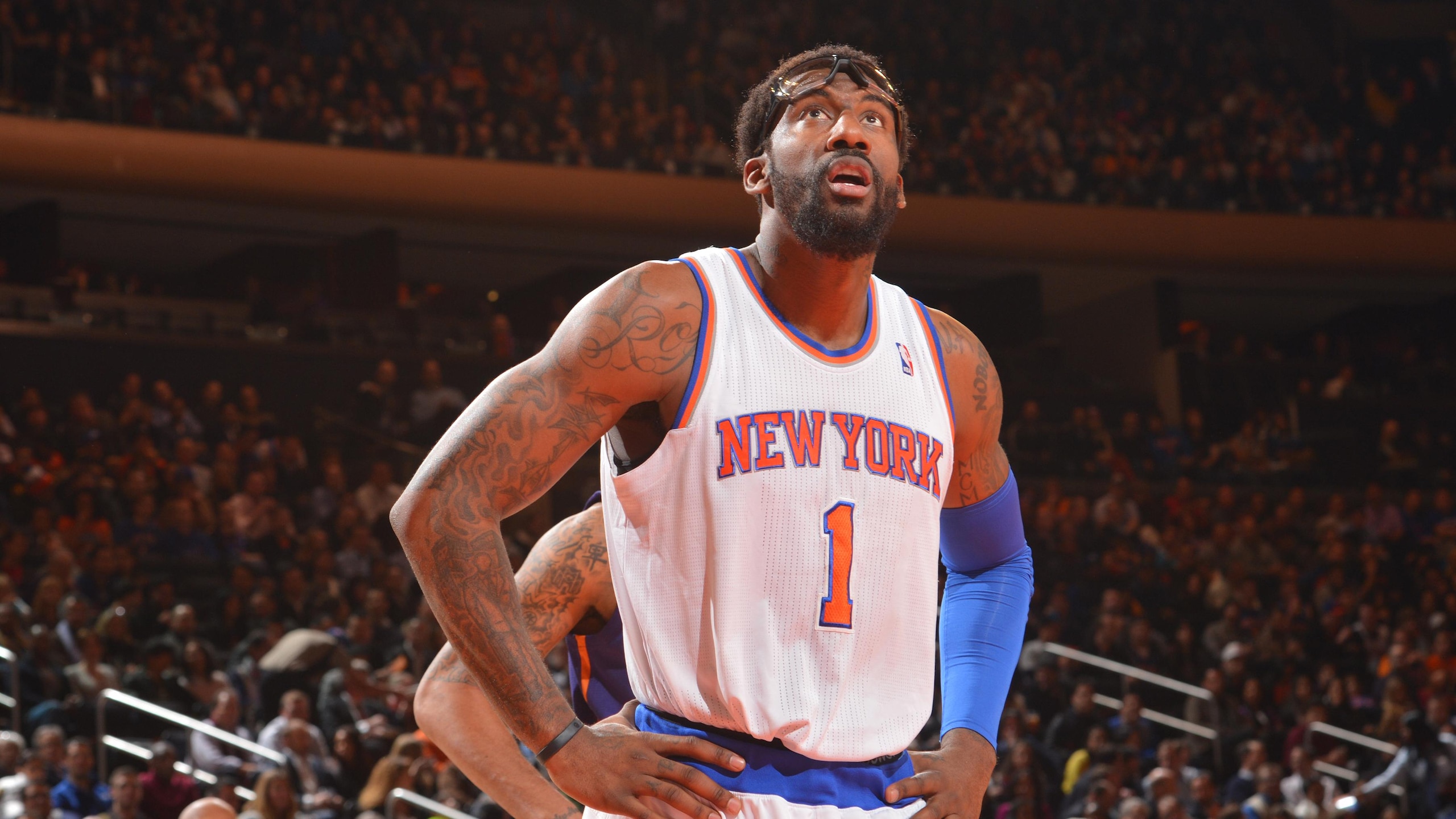
Contract: Five years, $99.7 million in 2010 (sign-and-trade)
Unlike many other deals in these rankings, the New York Knicks bringing in Amar'e Stoudemire via sign-and-trade in 2010 seemed like an immediate slam dunk. The reunion of Stoudemire and former Phoenix Suns head coach Mike D'Antoni paid dividends in Year 1, as Stoudemire put together a second-team All-NBA season in which he led the league in two-pointers made and attempted on the way to 25.3 points, 8.2 rebounds and 1.9 blocks per game.
However, that production didn't last. Over the next few years, multiple injuries and conditioning issues hampered Stoudemire.
After playing in 78 games during his first season in New York, he appeared in just 76 over the next two seasons combined. By his fourth year, Stoudemire was mostly coming off the bench and only playing 22.6 minutes per game.
That was a nightmare scenario for the Knicks, as he had a top-five salary in the league at the time.
The Knicks ultimately waived Stoudemire during the final season of his contract, and he was out of the league just over a year later. On July 26, 2016, Stoudemire signed a ceremonial contract to retire with the Knicks.
7. Bismack Biyombo and Evan Fournier, Orlando Magic
20 of 26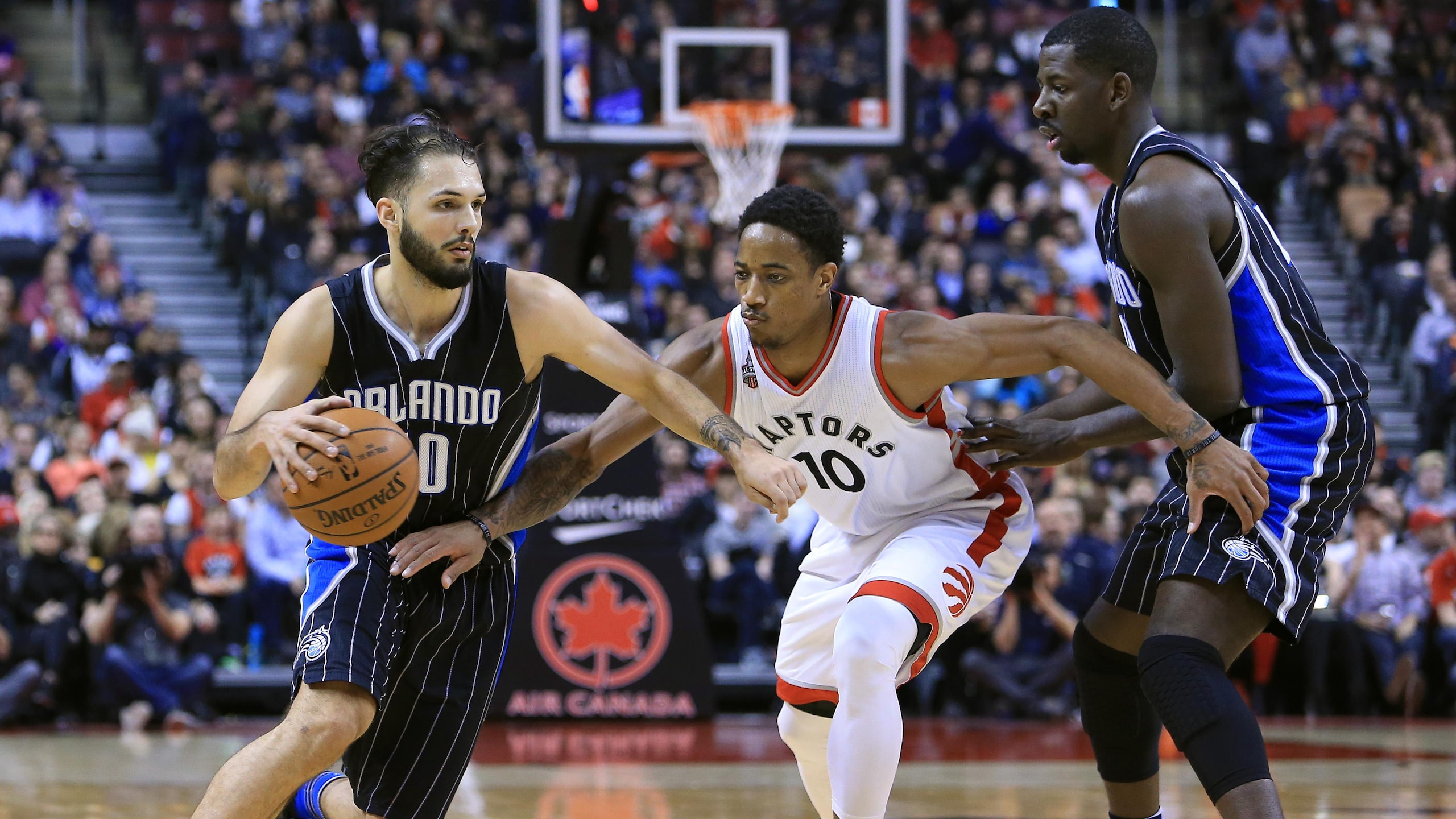
Bismack Biyombo's Contract: Four years, $72 million in 2016
Evan Fournier's Contract: Five years, $85 million in 2016 (restricted free agent)
Our second and third players from the infamous 2016 free-agent class, Bismack Biyombo and Evan Fournier were both decent players, but they were paid way above their production and hamstrung the Orlando Magic's cap flexibility for years.
Biyombo was a physical rebounder, athletic defender and offensive afterthought early in his career with the Toronto Raptors. After playing in all 82 regular-season games and performing well in the 2016 playoffs, Biyombo cashed in during the cap-spike summer.
To be fair, the Magic pretty much got the exact player Biyombo had always been. Biyombo logged 163 games during the first two seasons of that contract (mostly off the bench), he pulled down rebounds, and he was a total black hole on offense. With a lesser team around him than the one he came from in Toronto, though, Biyombo's weaknesses were even more glaring, and he became a net-negative player.
Before the third year of his contract, Biyombo was jettisoned to the Charlotte Hornets as part of a deal that brought back another overpaid player from the 2016 free-agent class, Timofey Mozgov.
Fournier was undoubtedly the better of the two players, and the young Frenchman was a priority for the Magic to keep in 2016. Thanks in part to the cap spike, he was paid handsomely to be Orlando's main scoring engine (he led the team in points per game in 2016-17 and 2017-18).
However, Fournier's game was fairly limited compared to top scorers around the league. As a result, the Magic languished in (and below) mediocrity for the duration of his time there.
Simply put, if Fournier is your top scorer and one of your highest-paid players, your team probably isn't going far.
6. Joakim Noah, New York Knicks
21 of 26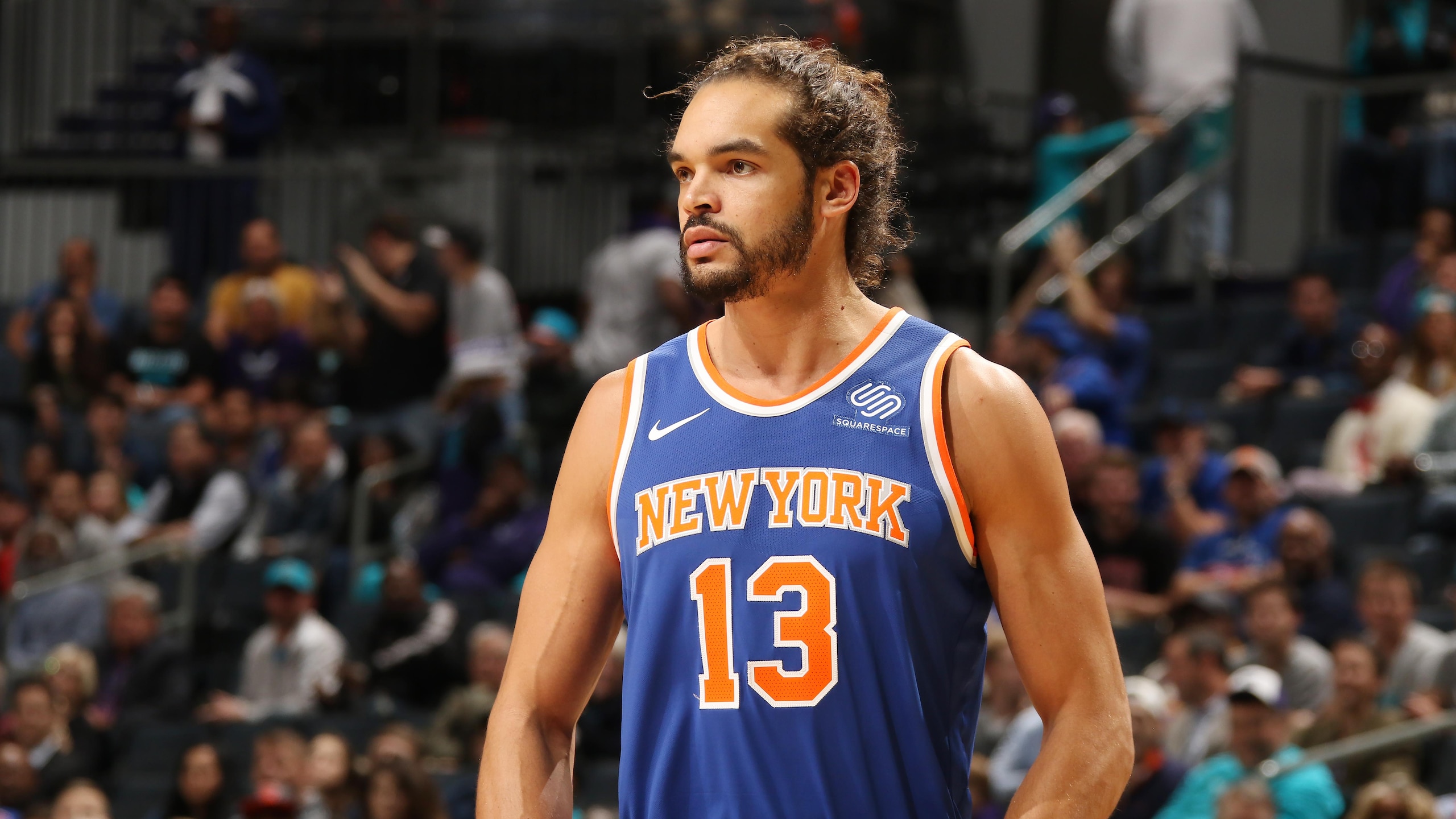
Contract: Four years, $72 million in 2016
In the summer of 2016, Joakim Noah was on the wrong side of 30, had started showing some signs of decline following a career built on high-energy play and hustle, and was coming off season-ending shoulder surgery. Signing him to be a veteran presence in the locker room or to a short-term, prove-it deal would have made sense for any number of teams, but four years and over $70 million?
Classic Knicks—though this one wasn't even Isiah Thomas' fault!
Shoulder and knee injuries limited Noah to just 46 games in his first season in New York. During that campaign, he looked like a shell of the defensive menace he had been in his prime, and his offensive production was virtually nil (5.0 points, 2.2 assists per game).
In 2017-18, injuries limited Noah even more severely. He ended the season with just 40 minutes played over seven games.
New York didn't even wait for the start of Noah's third season before waive-and-stretching him, which ensured they'd pay out the remaining $37.8 million on his contract through the 2021-22 season. Noah hung around the league for the rest of his deal, spending time with the Memphis Grizzlies and Los Angeles Clippers before retiring in 2020.
5. Gordon Hayward, Charlotte Hornets
22 of 26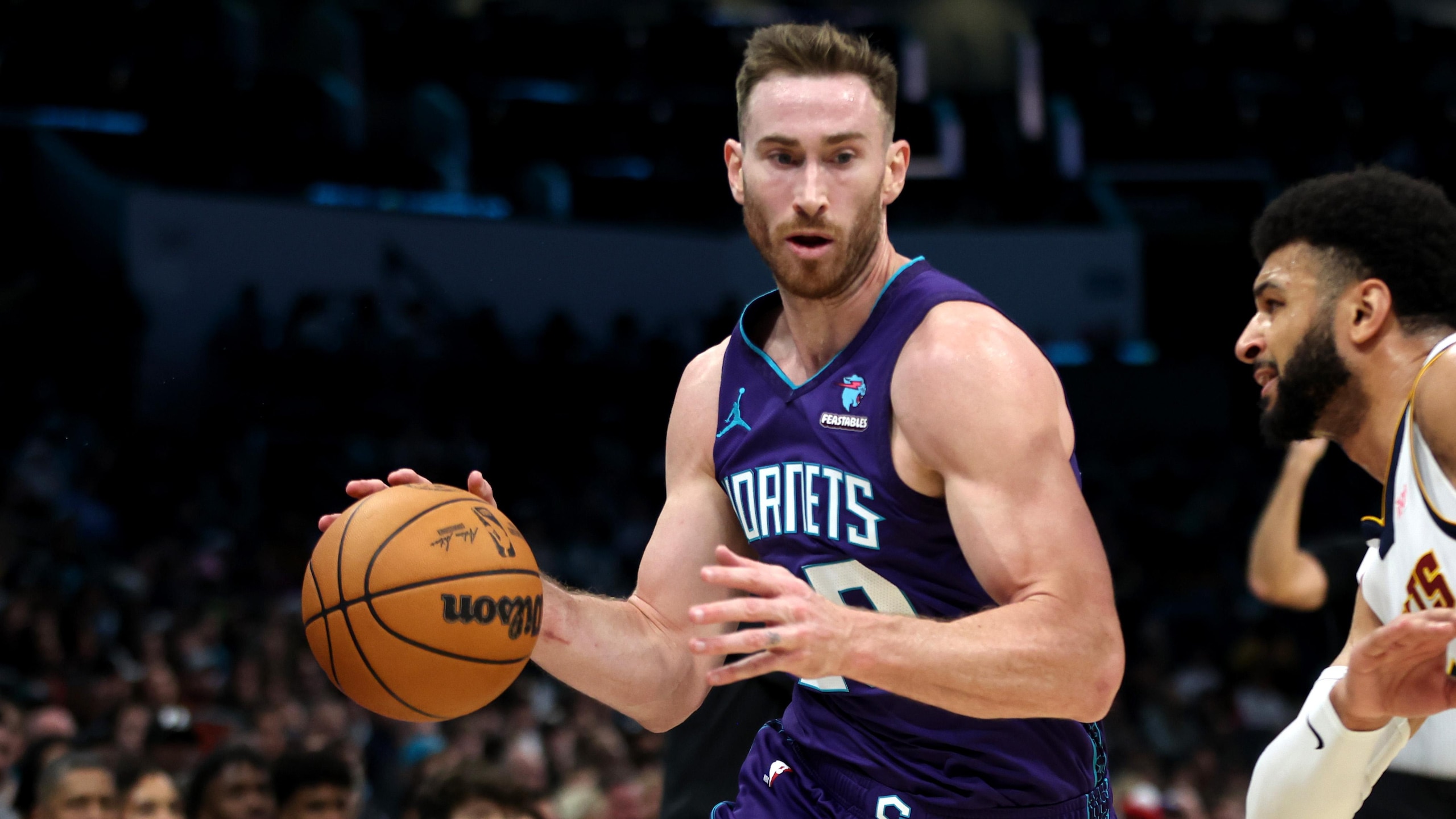
Contract: Four years, $120 million in 2020 (sign-and-trade)
When you can pay top dollar for a 30-year-old No. 3 or No. 4 option who is multiple years and serious injuries removed from his last All-Star appearance—and do so while bidding against essentially no one—you've got to do it, right?
That's what the Charlotte Hornets did in 2020, when they defied expectations to shell out big-time for Gordon Hayward in a deal that left plenty of people scratching their heads in the moment.
Now, the Hornets were a 23-win team in 2019-20. As a struggling, small-market team, they weren't going to be attracting high-level free agents anytime soon, and their trade options were limited.
Still, getting Hayward on board at that salary wasn't going to change their fortunes much, even if he was guaranteed to be healthy for the duration of the contract.
As it happens, though, Hayward averaged only 50 games during his first three seasons with the Hornets, and his contributions were largely pedestrian. He was quietly traded to the Oklahoma City Thunder late in the 2023-24 season, where he got his first (albeit small) taste of the playoffs for the first time in four years before retiring at the end of the season.
4. Luol Deng and Timofey Mozgov, Los Angeles Lakers
23 of 26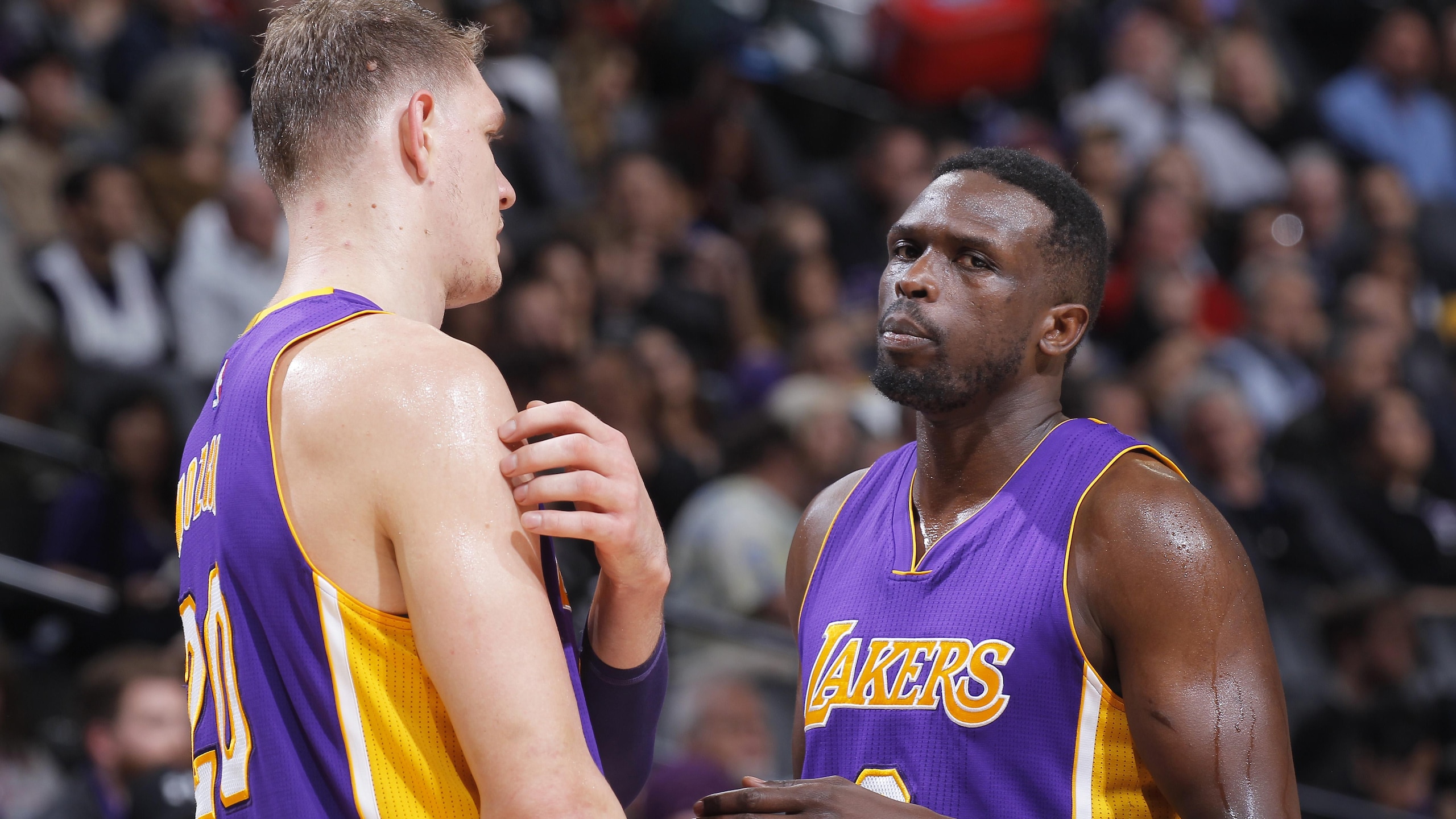
Luol Deng's Contract: Four years, $72 million in 2016
Timofey Mozgov's Contract: Four years, $64 million in 2016
The 2016 cap spike meant teams had a lot of money to spend. The Los Angeles Lakers had upwards of $60 million to burn, as Kobe Bryant's massive salary came off the books that offseason.
With no stars opting for Hollywood, the Lakers had to overpay just to reach the spending floor, and boy did they.
A 12-year veteran with a few All-Star nods to his name, Luol Deng was on the wrong side of 30 and clearly declining as a player. For a young Lakers team, he was a sensible pickup as a veteran leader who could contribute to a positive culture. However, that's a player you can find for a minimum contract, not someone who deserves a four-year, $72 million deal.
By his second year, Deng was a healthy fixture on L.A.'s bench as the Lakers devoted playing time to their younger players. He was ultimately bought out and stretched before Year 3, and he even gave back over $7 million as part of his buyout agreement.
Timofey Mozgov didn't last as long as Deng in L.A.. A regular-season minutes eater who played sparingly during Cleveland's 2016 championship run, Mozgov was given a ridiculous pay bump by the Lakers over that summer. He was, unsurprisingly, a liability on both ends of the floor over 54 games (52 starts) in Los Angeles in 2016-17.
Unlike Deng, the Lakers were able to move Mozgov's contract without having to swallow a bunch of his salary. However, they did have to part ways with 2015 No. 2 overall pick D'Angelo Russell to entice the Brooklyn Nets to take Mozgov's burdensome contract as part of a 2017 deal that landed Brook Lopez and No. 27 overall pick Kyle Kuzma in Los Angeles.
3. Eddy Curry, New York Knicks
24 of 26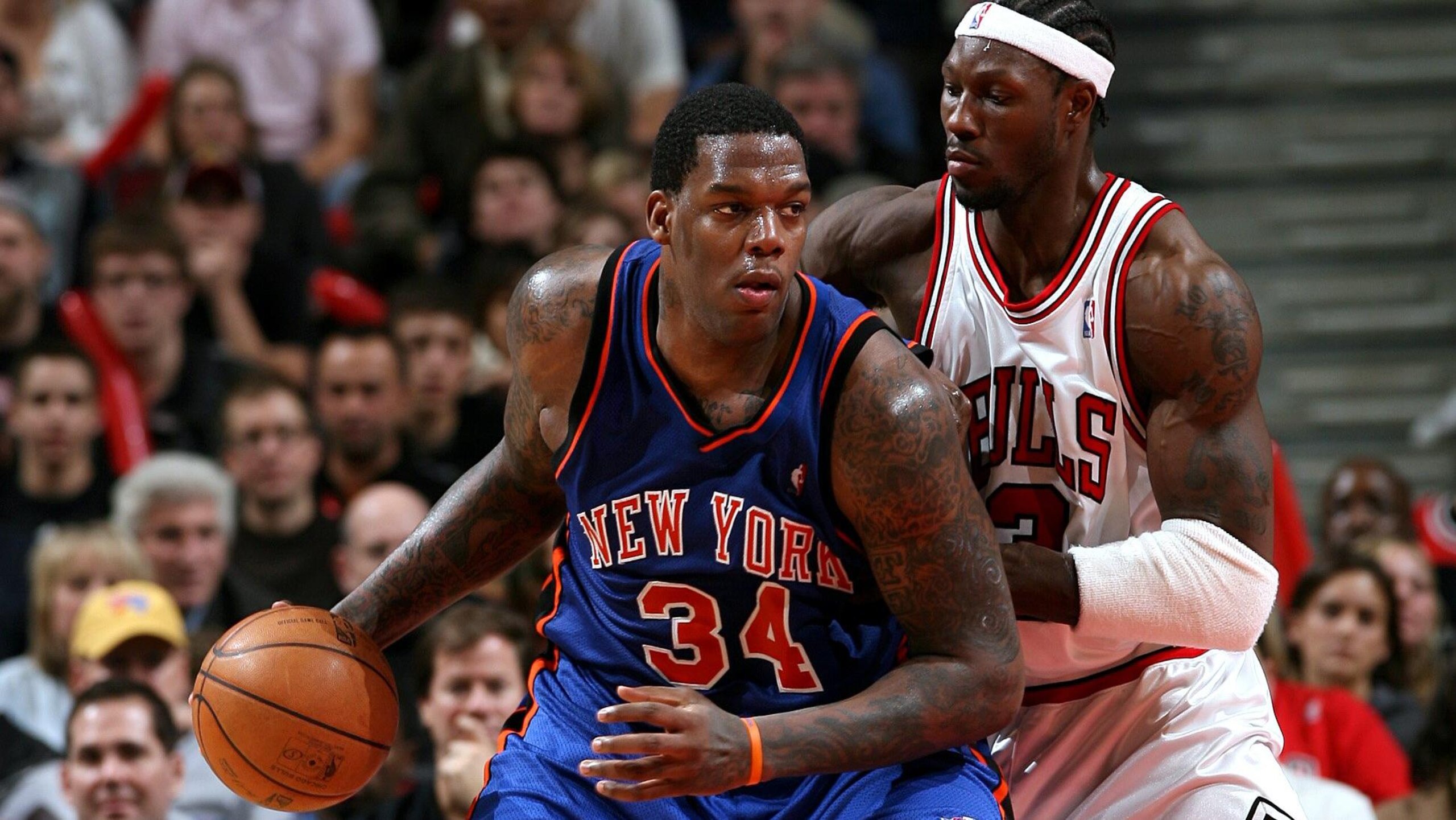
Contract: Six years, $60 million in 2005 (sign-and-trade)
During the spring of 2005, Chicago Bulls center Eddy Curry was hospitalized because of an irregular heartbeat, and he missed the final 13 games of the season as well as the playoffs. Considering Curry was in a contract year, the Bulls wanted him to undergo DNA testing to see if he was predisposed to heart disease, but Curry declined.
With those negotiations at an impasse, Isiah Thomas and the New York Knicks swooped in to take the 22-year-old Curry off the Bulls' hands. Although the Knicks had already signed center Jerome James earlier in the summer, Thomas pounced once Curry became available.
That sign-and-trade deal included multiple other players who ultimately proved inconsequential. More importantly, it involved the Knicks sending their 2006 and 2007 first-round picks to the Bulls, with 2006 eventually being No. 2 overall (LaMarcus Aldridge) and 2007 being No. 9 (Joakin Noah).
Curry had three decent seasons with the Knicks in which he largely stayed healthy and put up solid counting stats (15.7 points, 6.0 rebounds in 29.5 minutes per game). He even led the Knicks in scoring in 2006-07 at 19.5 points per game.
The fact that he was able to play as much as he did keeps him out of the top two of these rankings, but he didn't elevate the Knicks at all. In fact, they were awful each of those years, and he rated lower than replacement level.
Weight and conditioning issues kept Curry out for nearly all of the next three seasons. He logged just 10 games and 74 total minutes from 2008-2011 before he was traded as part of the deal that brought Carmelo Anthony to New York.
Curry was waived a week after the trade and was out of the league early in the 2012-13 season.
2. Chandler Parsons, Memphis Grizzlies
25 of 26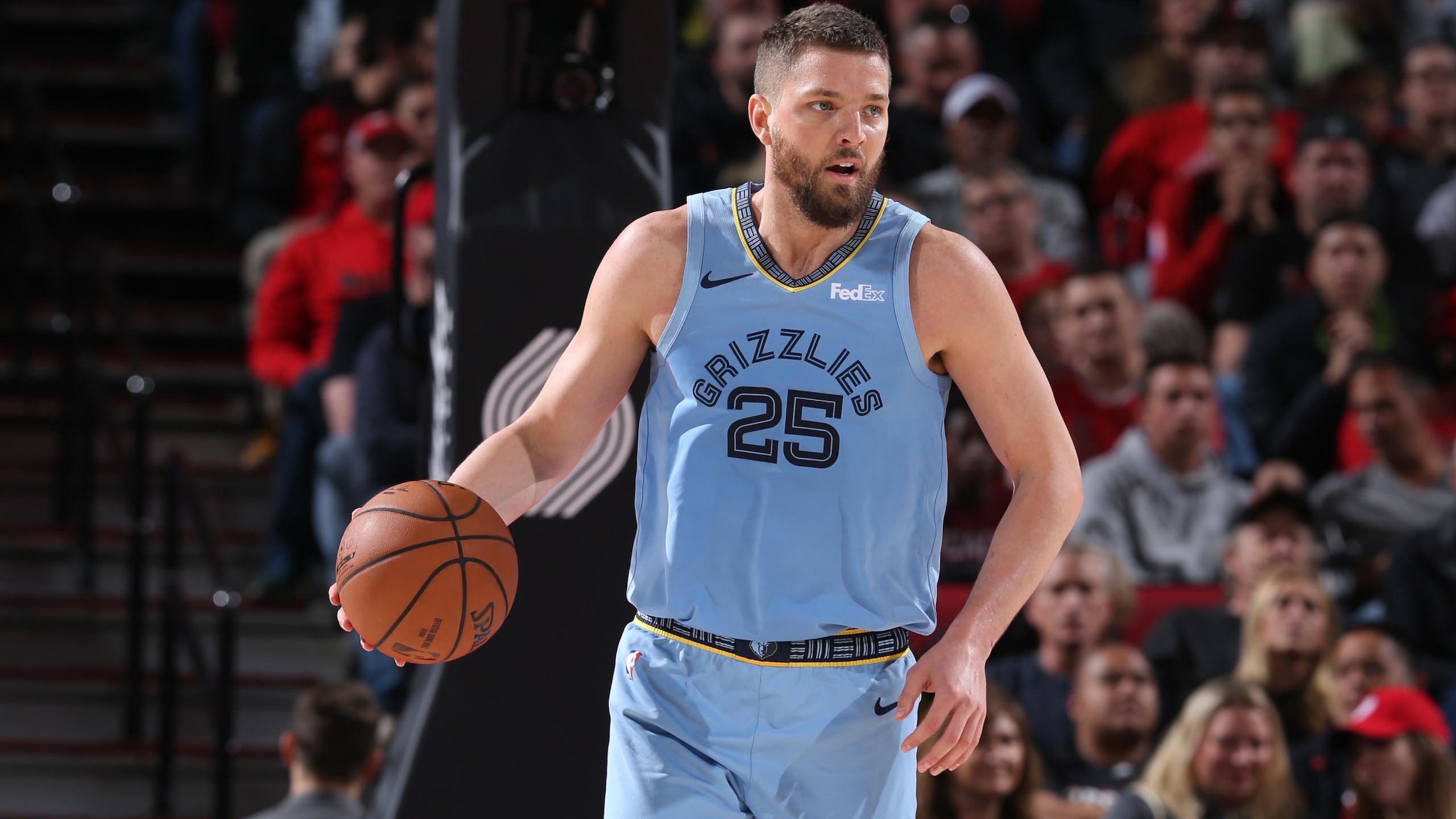
Contract: Four years, $94.5 million in 2016
During the first five years of his career, Chandler Parsons was a very good player. He wasn't quite All-Star good, but he was a solid starter who could play the 3 or the 4, shoot well from outside, pull down a handful or rebounds per game and dish passes fairly well.
At just 28 years old during the summer of 2016, there was plenty of reason to believe Parsons had upside. That being said, he also came with risks.
Parsons underwent season-ending surgery on his right knee in both 2015 and 2016, which should have been a glaring red flag. While he was a reliable starter, he was also likely close to his peak performance, so another significant jump shouldn't have been expected.
The Memphis Grizzlies took a leap of faith on him anyway.
As a small-market team that traditionally struggles to recruit big-name free agents, the Grizzlies went all-in on Parsons during the cap-spike summer of 2016, making him one of the 20 highest-paid players in the league that year. To say that ended up being a mistake would be an understatement.
Injuries limited Parsons to just 34 games during the first season of his contract, and he ended that year by undergoing surgery to repair a partial tear in his left meniscus. It marked his third straight season-ending knee surgery.
Parsons was never able to stay healthy in Memphis. He logged only 95 games and averaged 7.2 points per contest over his three seasons with the Grizzlies before they salary-dumped him ahead of the last year of his contract.
Parsons isn't fully to blame for the fizzling out of the Grit-N-Grind Grizzlies, but Memphis was looking for a last-gasp push to stay relevant when Parsons came on board. Had that money been better spent, it's possible the Grizzlies could have remained competitive for a little longer, though it would have been tough given the extreme talent in the West at that time.
Instead, by Parsons' second year, Memphis was in the West's basement and starting over again while held down by the weight of Parsons' albatross contract.
1. Gilbert Arenas, Washington Wizards
26 of 26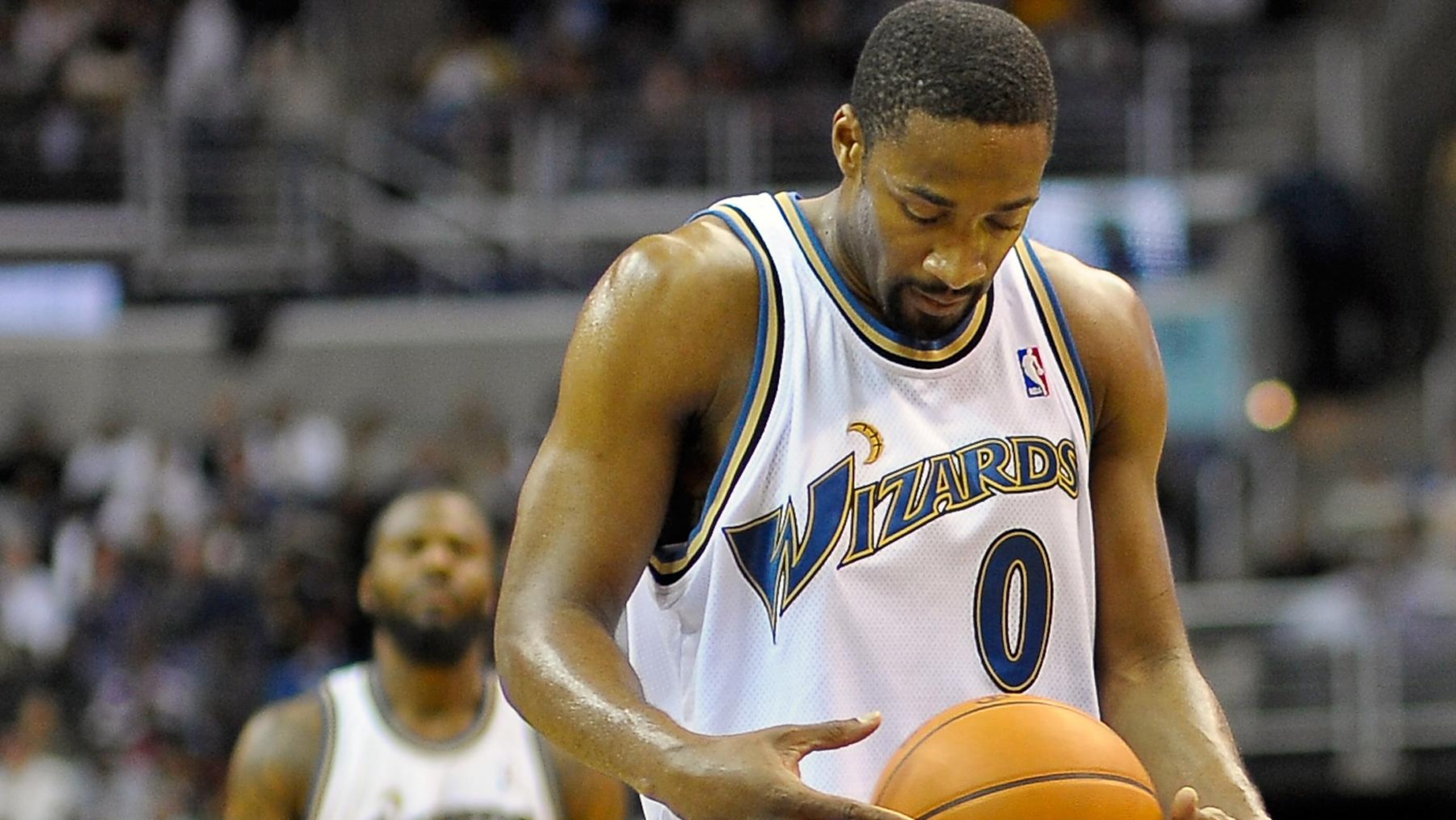
Contract: Six years, $111 million in 2008
At his peak, Gilbert Arenas was multi-time All-NBA selection, an MVP candidate and one of the best scorers in the league. However, toward the end of his third straight All-NBA season in 2007, the Washington Wizards guard suffered a lateral meniscus tear in his left knee.
That injury required a second surgery in the fall, which limited him to just 13 games in 2007-08—a contract year.
Arenas opted out of his contract in June 2008 to become an unrestricted free agent and then re-signed with the Wizards on a six-year, $111 million deal that was considered team-friendly at the time. He could have taken a $127 million max deal, but he didn't want to hamstring the team.
However, Arenas had two more left knee surgeries in 2008, and he only played two games during the 2008-09 season. He returned to full health for the start of the 2009-10 season, but that year somehow became even more of a disaster than the injury-riddled years.
On December 21, 2009, Arenas brought four unloaded handguns to the locker room following an argument with teammate Javaris Crittenton, who also brought unloaded firearms in the locker room. Arenas pleaded guilty to felony weapons possession charges, and then-NBA commissioner David Stern suspended both Arenas and Crittenton for the final 50 games of the season.
After a tumultuous, ineffective few years in Washington, Arenas was traded in December 2010 for Orlando's Rashard Lewis and his similarly burdensome contract.
Before Arenas' new contract, the Wizards were a plucky .500 team that seemed like they might have a chance to become something more. Following Arenas' new contract, injuries and suspension, Washington remained near the bottom of the league for five seasons and had virtually nothing to show for it.


.jpg?w=2560 "Commanders May Change Logo 👀")
_0.png?w=2560 "Week 5 Winners & Losers 📊")

.jpg?w=2560 "Most Tradeable Players on Every Team")
.jpg?w=2560 "Seahawks Have No Plans to Move")