
Grades for the USMNT After 2026 FIFA World Cup Exit
The United States men's national team's run at the 2026 FIFA World Cup is officially over.
After more than 24 hours of controversy stemming from FIFA's decision to suspend Folarin Balogun's red card, the U.S. fell 4-1 to Belgium in the Round of 16 in Seattle.
It was a poor showing from the United States, perhaps their worst of the entire World Cup cycle. Between unforced defensive errors, a slew of attacking turnovers and yet another injury to Christian Pulisic, there was no silver lining.
There will be plenty of time to examine the USMNT's World Cup campaign, and there is no shortage of questions about what comes next for this team.
For now, though, let's look back at the tournament that was for the United States by grading each position group and the coaching.
Goalkeepers
1 of 5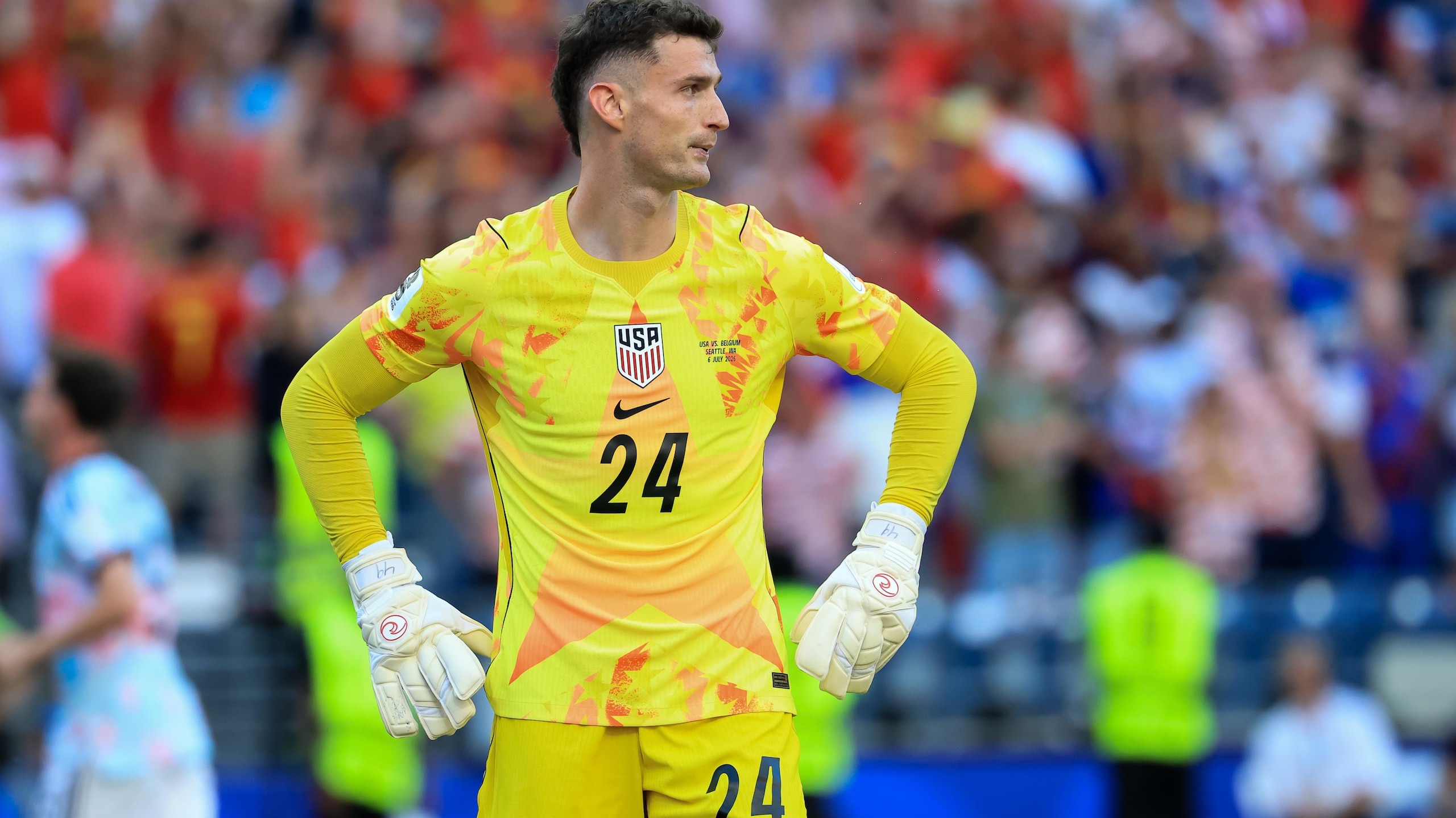
For much of this World Cup, the United States' goalkeeping play was positive.
That could be said about Matt Freese, who started the first two games and the team's two knockout-round matches, and Matt Turner, who started the dead-rubber clash with Turkey to close out the group stage.
It could even be said of Freese's showing at the very beginning of the U.S.'s Round-of-16 meeting with Belgium, when an early save on a Timothy Castagne strike from outside the box was a brilliant moment for the New York City FC shot-stopper.
But then? Freese's misplay on the ball after coming off his line to sweep up a Belgium attack doubled the United States' deficit—effectively putting the game out of reach. This is the stuff of nightmares.
Undoubtedly, Freese's mistake was the USMNT's highest-profile error of the World Cup. It was one of the most shocking moments of the team's tournament.
That one moment casts a larger shadow than the rest of the U.S. goalkeeping performances this summer combined.
Grade: D
Defenders
2 of 5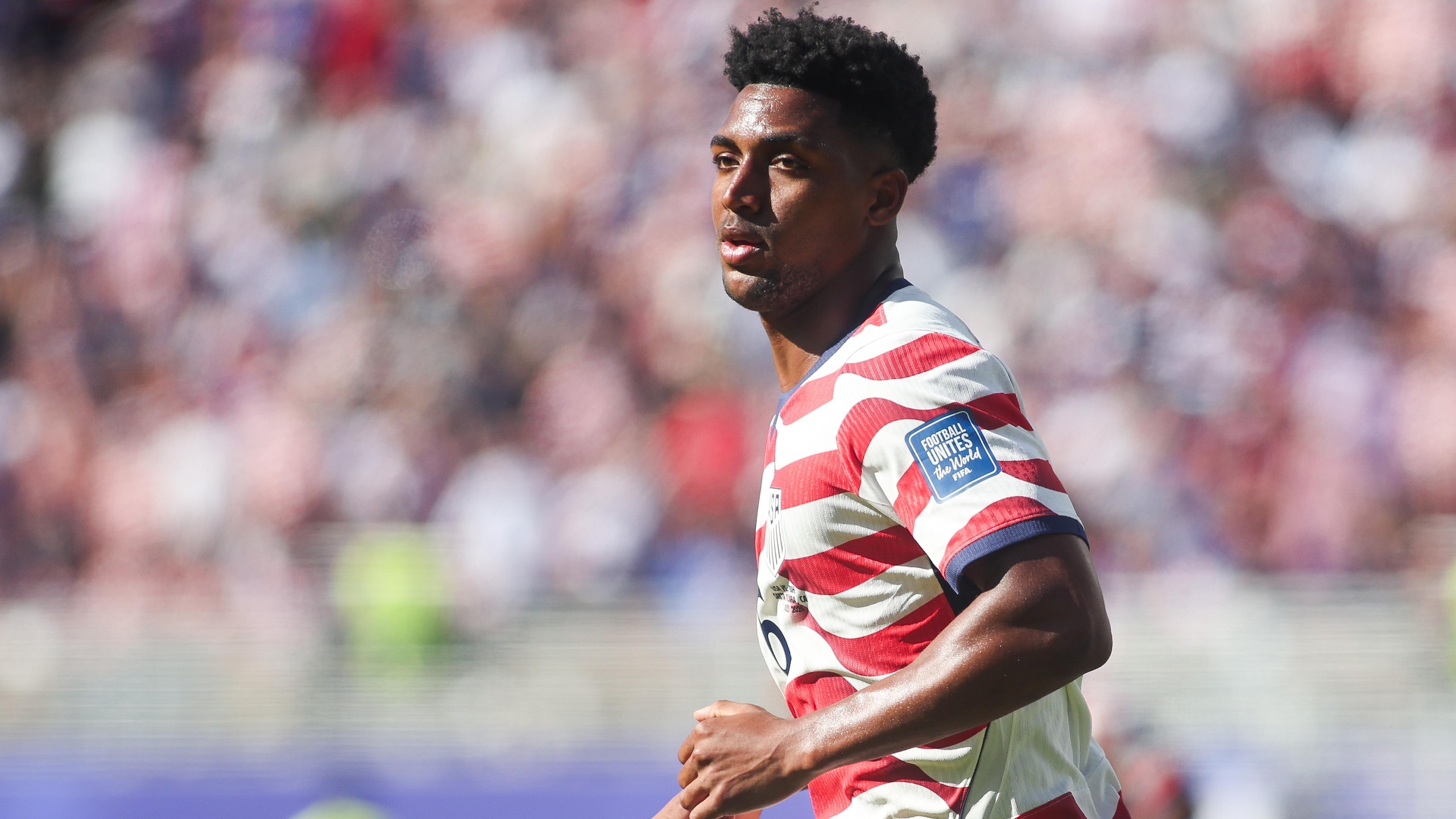
Right up until the United States met Belgium on Monday, the team's defenders controlled games with relative ease—in the games that mattered, anyway.
Chris Richards hardly put a foot wrong after his pre-tournament injury scare. Tim Ream, outside of one moment against Nestory Irankunda and Australia, was strong. Antonee Robinson and Alex Freeman aided defensively from their fullback spots.
Against Belgium, both Freeman and Robinson acquitted themselves reasonably well against the ball. Freeman, especially, did well in his one-vs.-one moments against Leandro Trossard, which can't be said of Sergiño Dest. But Ream and Richards both struggled against the highest-quality attacking opposition they'd faced at the World Cup.
Ream allowed Belgium striker Charles De Ketelaere to sneak behind him for the opener. The U.S. captain was then outjumped and outmuscled by the Atalanta player on the Belgians' second.
Richards, for his part, never looked assured from his spot in central defense. He nearly gave the ball away in the USMNT's own box in the first half and, perhaps, left too much on Freese's plate for Belgium's third. Then, he turned the ball over for the fourth.
The U.S. defense wasn't the primary reason for the team's undoing in the Round of 16—most of the issues unfolded ahead of and behind the unit—but it didn't shine when it mattered most.
Grade: B-
Midfielders
3 of 5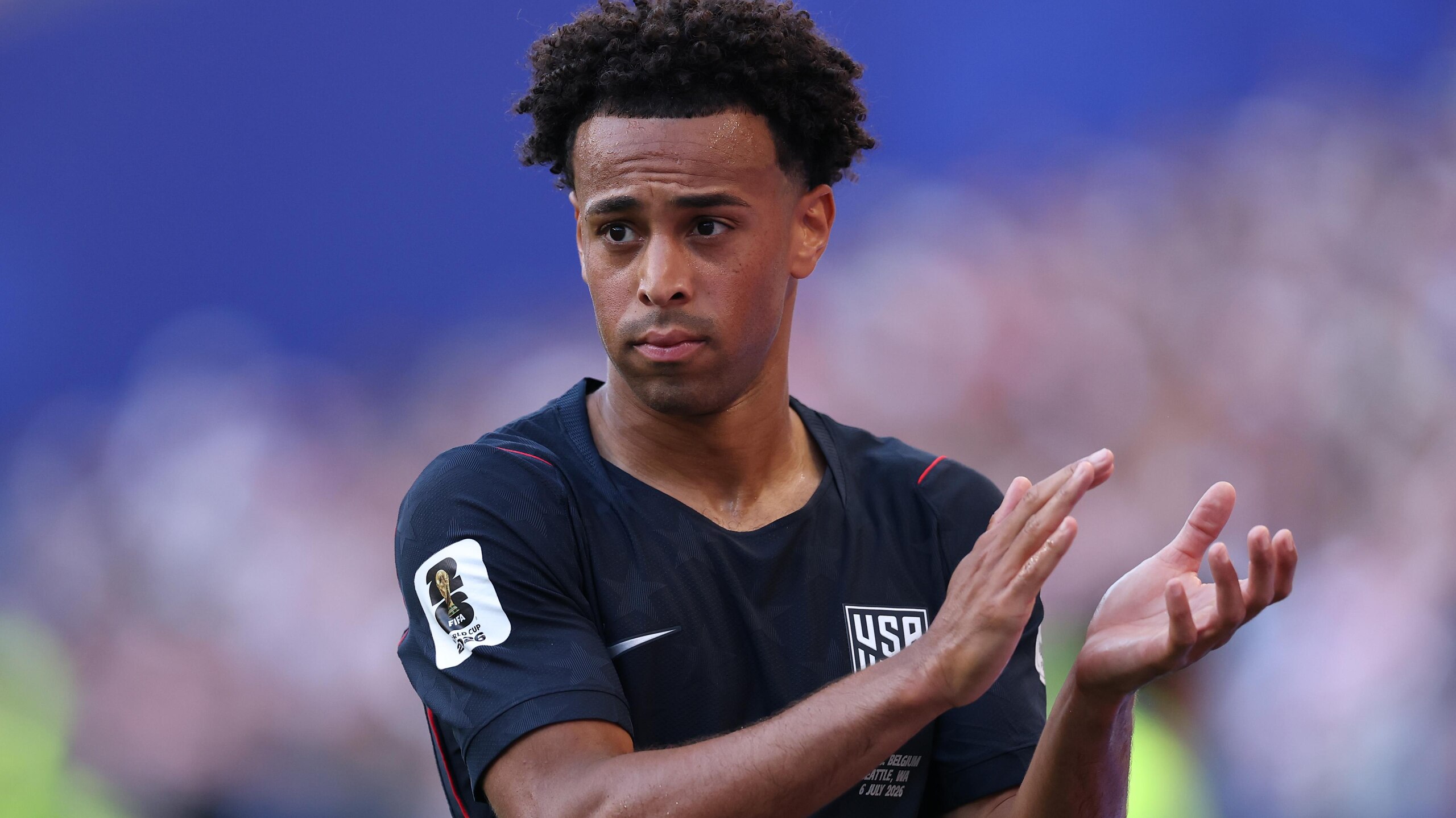
In the United States' three consequential games prior to their meeting with Belgium (the group-stage opener against Paraguay, the win over Australia and the victory over Bosnia and Herzegovina in the Round of 32), the team's midfield served as the engine.
With Tyler Adams winning the ball at the base as Weston McKennie and Malik Tillman buzzed around the field and aided in chance creation, the USMNT outplayed their opponents in the center of the park.
The same couldn't be said on Monday.
From the start, Belgium had the physical and technical edge, a trend that continued even after Amadou Onana exited the game with what appeared to be a serious injury.
Adams was a vulnerable shield in front of the backline, while McKennie and Tillman regularly turned the ball over higher up the field. There was precious little rhythm or security in the heart of the U.S. setup.
Of course, the impressive work done by that trio in the buildup to the Round of 16 shouldn't be ignored. Tillman's free-kick equalizer, though it took a deflection, could have been a critical moment for the United States in Seattle, too. But like so many of their teammates, the central options didn't leave their best for last at this World Cup.
Grade: B-
Forwards
4 of 5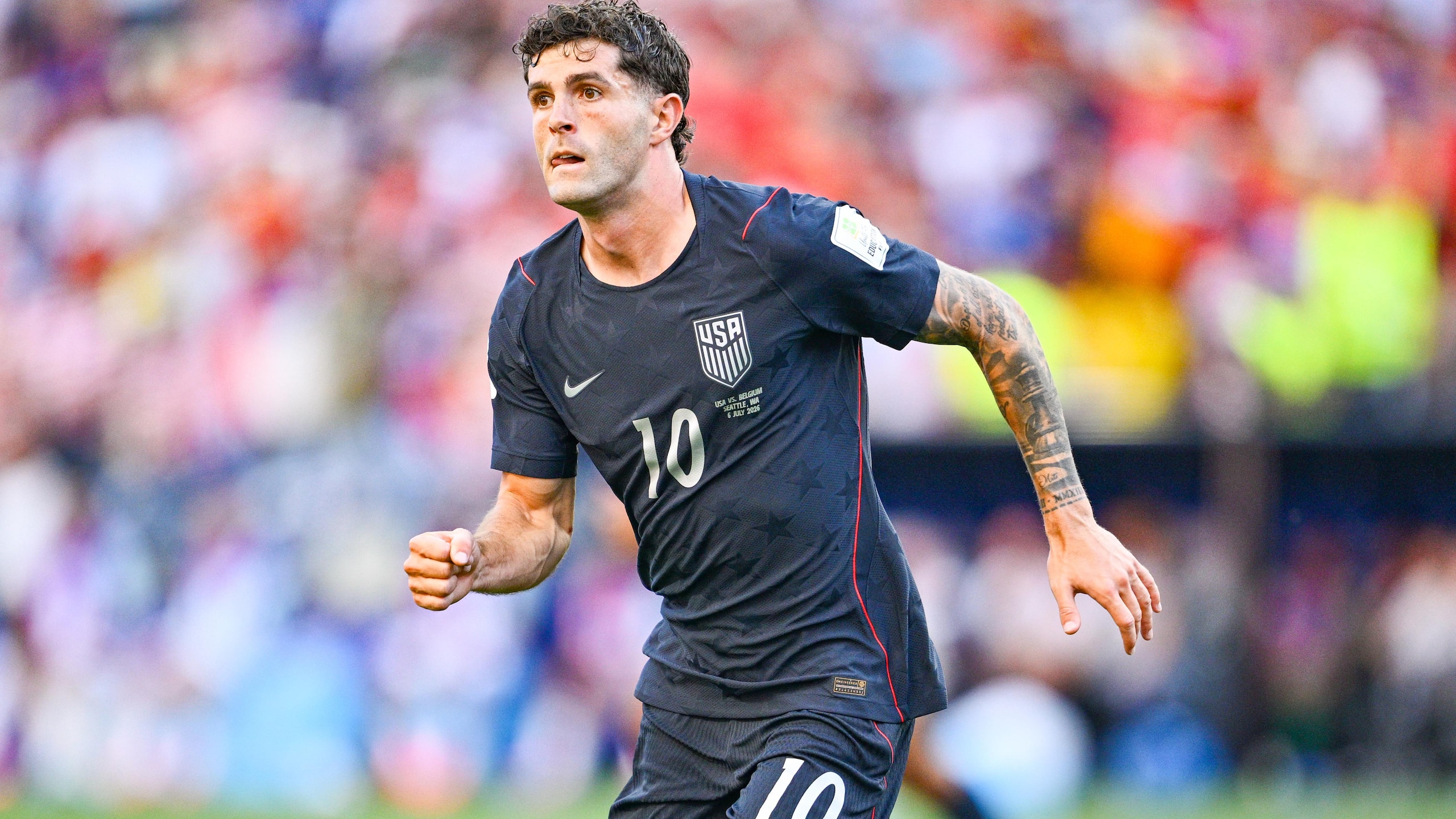
After more than 24 hours of controversy surrounding FIFA's decision to suspend the one-game ban Folarin Balogun was set to serve against Belgium following his red card in the Round of 32, he was included in the team.
And yet, his presence in Mauricio Pochettino's starting lineup wasn't enough to tilt the scales towards the United States.
Balogun was dangerous—more so than just about any of his teammates—but without a consistent threat from the wide areas, his impact wasn't as obvious as the U.S. would have liked.
On the left wing, Christian Pulisic again didn't look like himself. He was turnover-prone and often found himself dribbling into corridors before losing the ball, in sharp contrast to the efficiency of Belgium's wide players.
After going down with another injury in the second half, Pulisic covering his eyes with his jersey on the U.S. bench will be a lasting image of the team's exit. The AC Milan man never looked like himself in pivotal moments after a calf injury against Paraguay, which kicked off the USMNT's World Cup campaign.
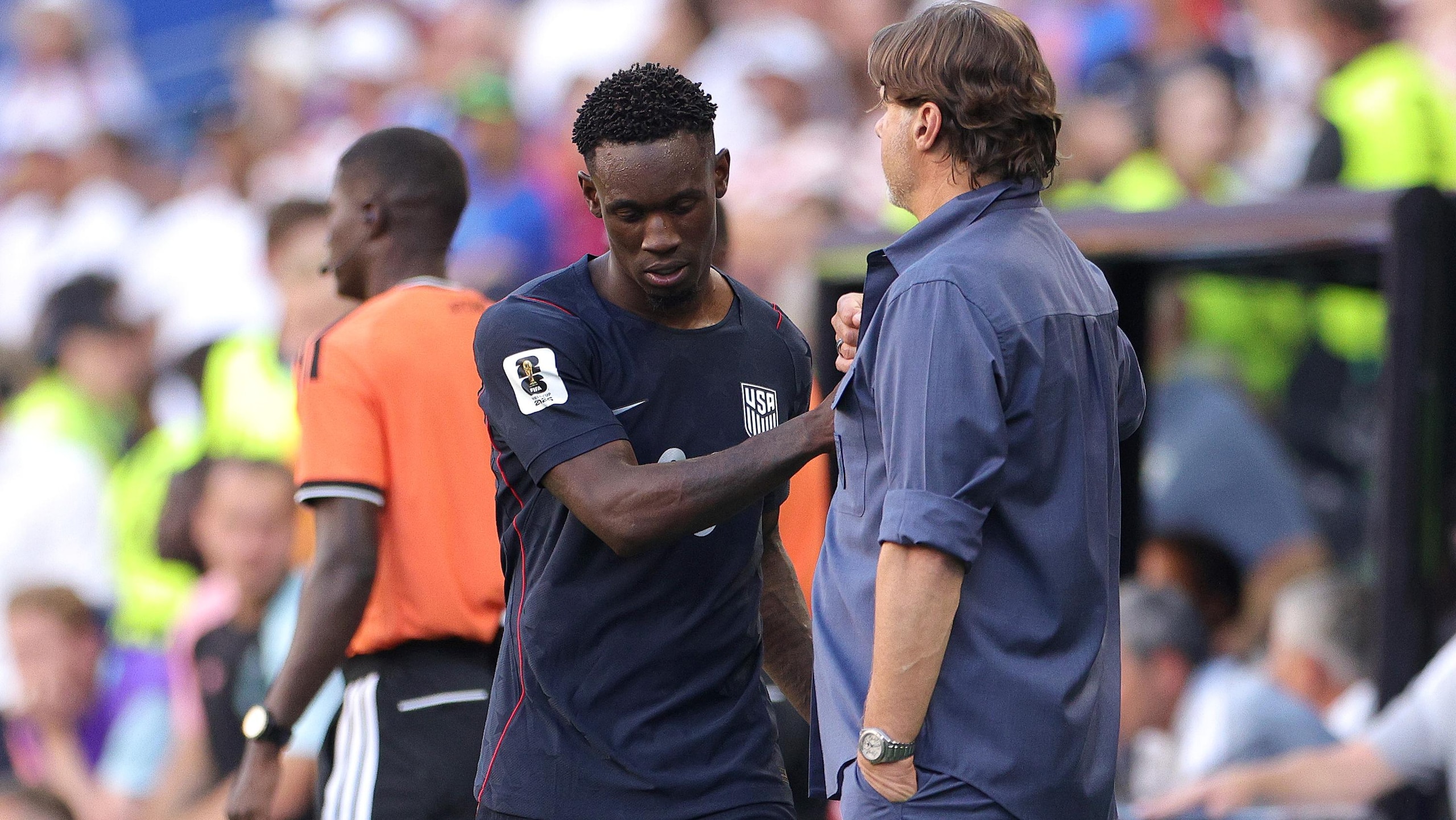
On the right wing, Sergiño Dest only lasted 45 minutes after being removed at halftime. He was blunt and mistake-prone in the attack, but it was his lack of defensive surety that stood out most. That he let the ball bounce in the U.S. box on Belgium's opener and couldn't keep pace with Trossard for their second undoubtedly contributed to Pochettino's decision to remove him early.
There was plenty to like from the United States' starting forward line at this tournament, but they couldn't get the team over the line against Belgium.
Grade: B
Coaching
5 of 5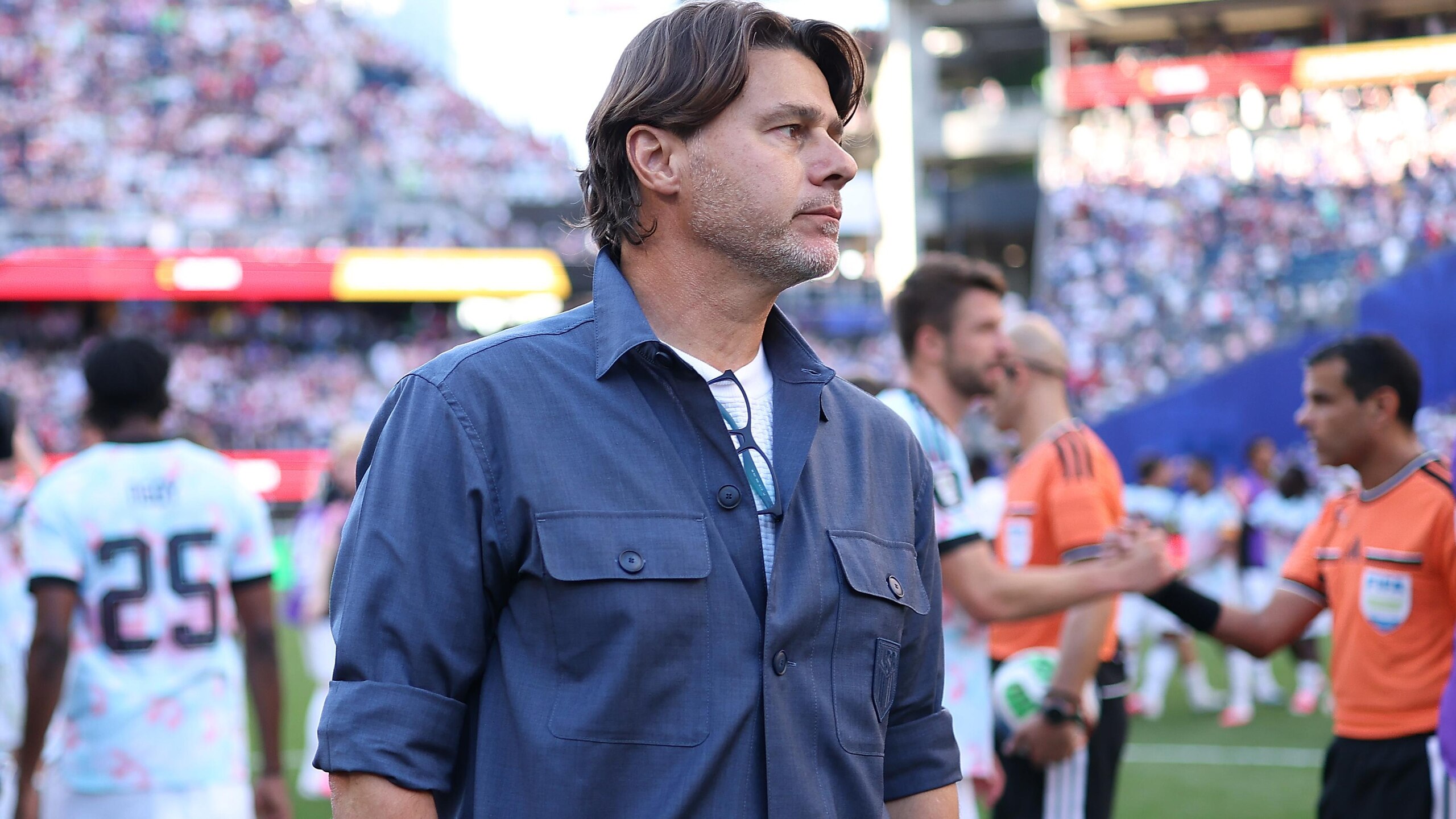
Despite the bitter end for his team, little blame can be traced back to Mauricio Pochettino and his coaching staff for the USMNT's earlier-than-desired World Cup exit.
After leading a cultural reset of the national team following the U.S.'s CONCACAF Nations League failure in March 2025, the Argentine made many of the right decisions for his team.
Integrating Alex Freeman into the senior national team and finding a role that suited his skills was a boost. Moving Dest out of a full-time defensive position was also positive. The same goes for shifting Malik Tillman into a deeper central midfield role. That Pochettino largely removed Christian Pulisic from set pieces was a plus, giving the U.S. another dimension on dead balls.
Pochettino's tactical decisions were strong this summer, and his revamp of the team's locker room seemed to make a real difference. He'll be bitterly disappointed in how this World Cup cycle ended, but the loss to Belgium serves as a reminder that even sharp game-planning can be undone by individual mistakes.
Grade: A

.png?w=2560)

.png?w=2560 "Week 6 Winners & Losers 📊")
.jpg?w=2560 "Cardinals Finalizing MHJ Trade")
.jpg?w=2560 "Grading Wild MITB PLE 😮💨")
.jpg?w=2560 "DK Shades Sauce Gardner 👀")
.jpg?w=2560 "Report: Cowboys Open to More Trades")