Big Decisions for Rafa Benitez Before Real Madrid's Liga Season Starts
Real Madrid vs. AS Roma: 0-0.
Real Madrid vs. AC Milan: 0-0.
Real Madrid vs. Valerenga ("Who?" you ask): 0-0.

.jpg?w=2560 "Commanders Eagles Football")

It's the scoreline that scares the life out of Real Madrid, the one that causes them to sleep with the light on, baseball bat in hand. To Madrid, scoreless stalemates are the root of all evil, occurrences that are spoken about only in hushed voices in dark alleys by hunched-over men with big hoods. To this club, watching footage of nil-nils might be a form of torture.
Inevitably, then, three of them in a month prompt panic, people everywhere running up the stairs instead of out of the front door.
"A Real stifling summer," a seemingly agitated Marca declared this week. Over at AS, it was noted that it's been four years since Los Blancos last completed consecutive scoreless outings, the Madrid-based daily going on to compare this pre-season with those previous as though friendlies are now some sort of indicator of performance, form. "Didn't Arsenal just debunk all that?" you should probably be asking.
For Rafa Benitez's critics, though, this is exactly what they feared: defensive football, nil-nils. Death. But the pessimism is all a bit odd. Real's lineups this summer have been experimental, stars regularly missing. What's more, this is a team that's scored 322 goals in all competitions in the last two seasons—yes, 322. They aren't about to just forget how to do it; they'll figure it out just fine.
So instead, Benitez, unfazed by the fear-inducing nil-nils, will have other focuses going into the new season in La Liga: How to achieve systematic balance, how to settle positional battles, how to find solutions to Real Madrid's enigmatic defence. After all, it's these issues that stand at the core of Real's inability to win league titles.
To date, five clean sheets in seven games and just two goals conceded represents a good start. But it is only pre-season, and decisions still need to be made on several matters by the manager. Below, we take a look at what they are.
Note: We've left transfer matters alone here, given that few managers have ever held the ultimate authority over the buying and selling of players under president Floretino Perez. Thus, such decisions aren't only Benitez's to make.
Drop Anchor
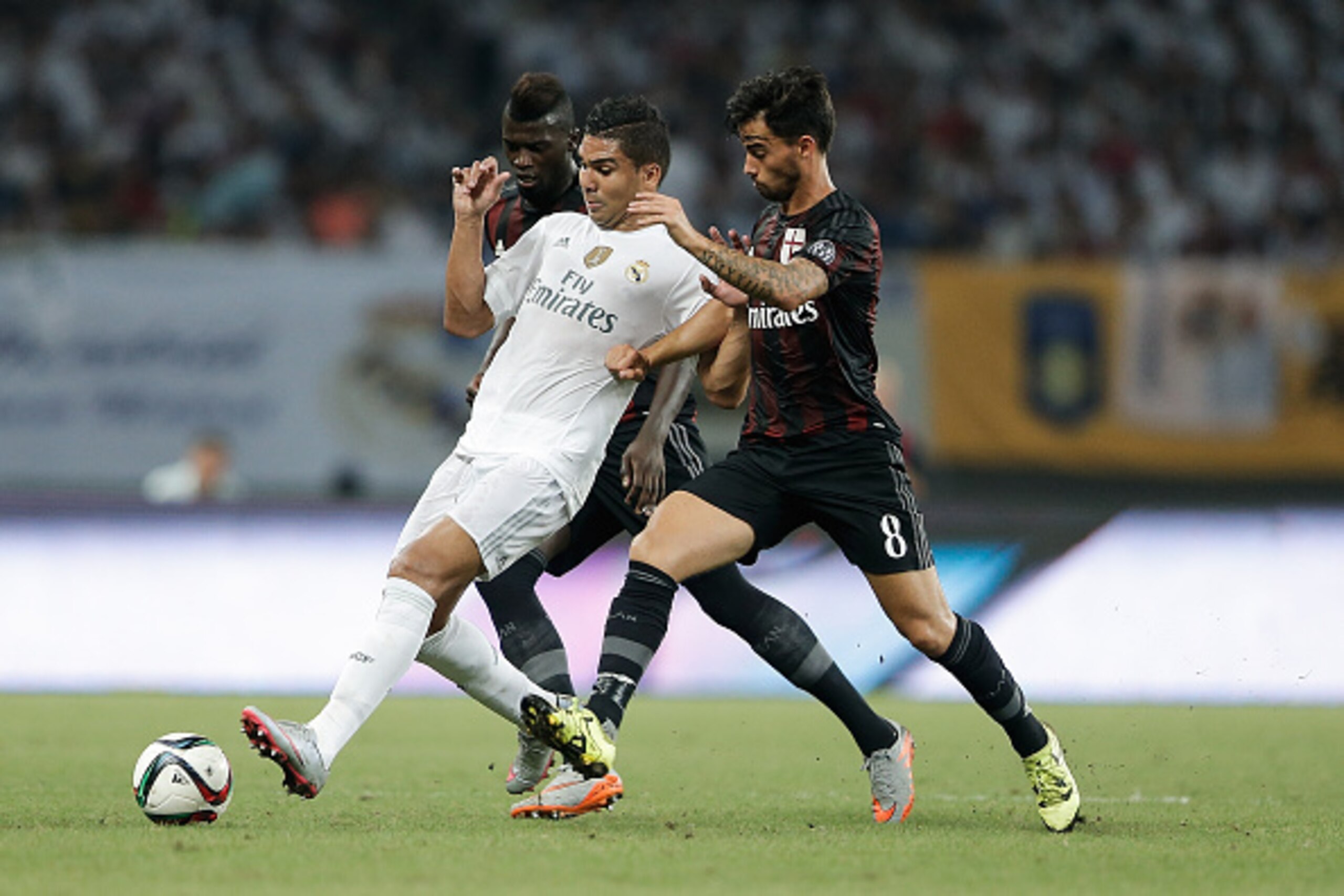
"Benitez's centrepieces," ran a Marca headline in June, accompanied by an image of Luka Modric and Toni Kroos. The Madrid-based daily added that the pair are the "first pieces that seem set in stone" in the manager's "puzzle."
Together, the Croatian and the German are as silky as they come, an attacking bundle of velvet that could be football's equivalent of a Lindt ball. In Benitez's 4-2-3-1, they're the obvious choice for the "two."
But Madrid also need an alternative to turn to. A defensive presence. Last season, Real won one game against Spain's top four, essentially finding out (it's a bit alarming they didn't already know) that you can't play against Atletico Madrid the way you play against Granada.
Thus, the Modric-Kroos tandem won't always work; Benitez needs to identify his preferred midfield anchor so he can give his central ensemble a different edge when it needs it. So who is it?
Well, what a question that is, given that the Real Madrid defensive-midfield position might be the most comical position in world football. Consider president Florentino Perez's business activity at this one spot in a two-year period: He signed Casemiro, signed Asier Illarramendi, signed Kroos, loaned out Casemiro, sold Xabi Alonso, signed Lucas Silva, recalled Casemiro and now has to offload Silva because Real Madrid are over the non-EU player quota.
Genius.
At this stage, one senses the well-travelled Casemiro has his nose in front to be Benitez's preferred anchor off the bench, pipping out an unfortunate, €34 million Illarramendi who has spent two seasons twiddling his thumbs.
"He Solves a Problem That Does Not Exist"
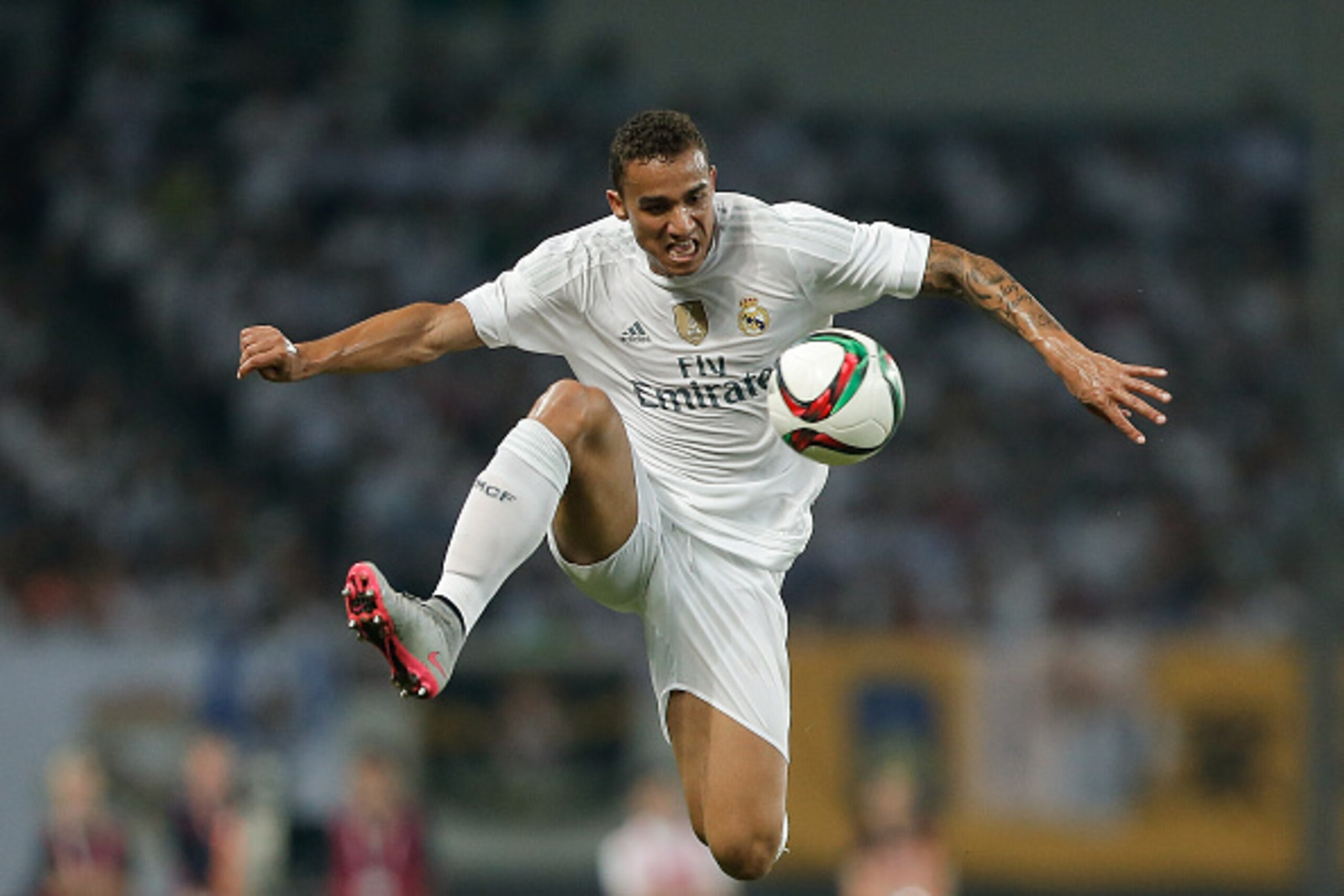
The above line is how AS editor Alfredo Relano described the arrival of right-back Danilo, whose price tag of €31.5 million makes him the most expensive defender in Real Madrid's history.
He has a point, too.
The Brazilian looks to be an excellent footballer, but he's come to play in a position in which there already is, well, an excellent footballer: Daniel Carvajal.
Carvajal has the right to feel rather peeved with Perez at the minute. Last season was undoubtedly the Spaniard's finest, full of swashbuckling displays of surging runs and incessant tackling, his influence made obvious by Alvaro Arbeloa's inability to replicate it during the younger man's absences. His reward: uncertainty over his place.
For Benitez, settling on which one is his first choice is extremely difficult—choose Carvajal and he's leaving out the president's shiny new signing; choose Danilo and he's leaving out a homegrown star and Bernabeu favourite.
But perhaps the bigger issue for the manager is that that two men are essentially the same player, marauding and attack-minded right-backs who don't offer the sort of contrast that might prove beneficial for dealing with different styles of opponents.
"The Guy Who Sort of Feels New vs. The Guy Who Is New"
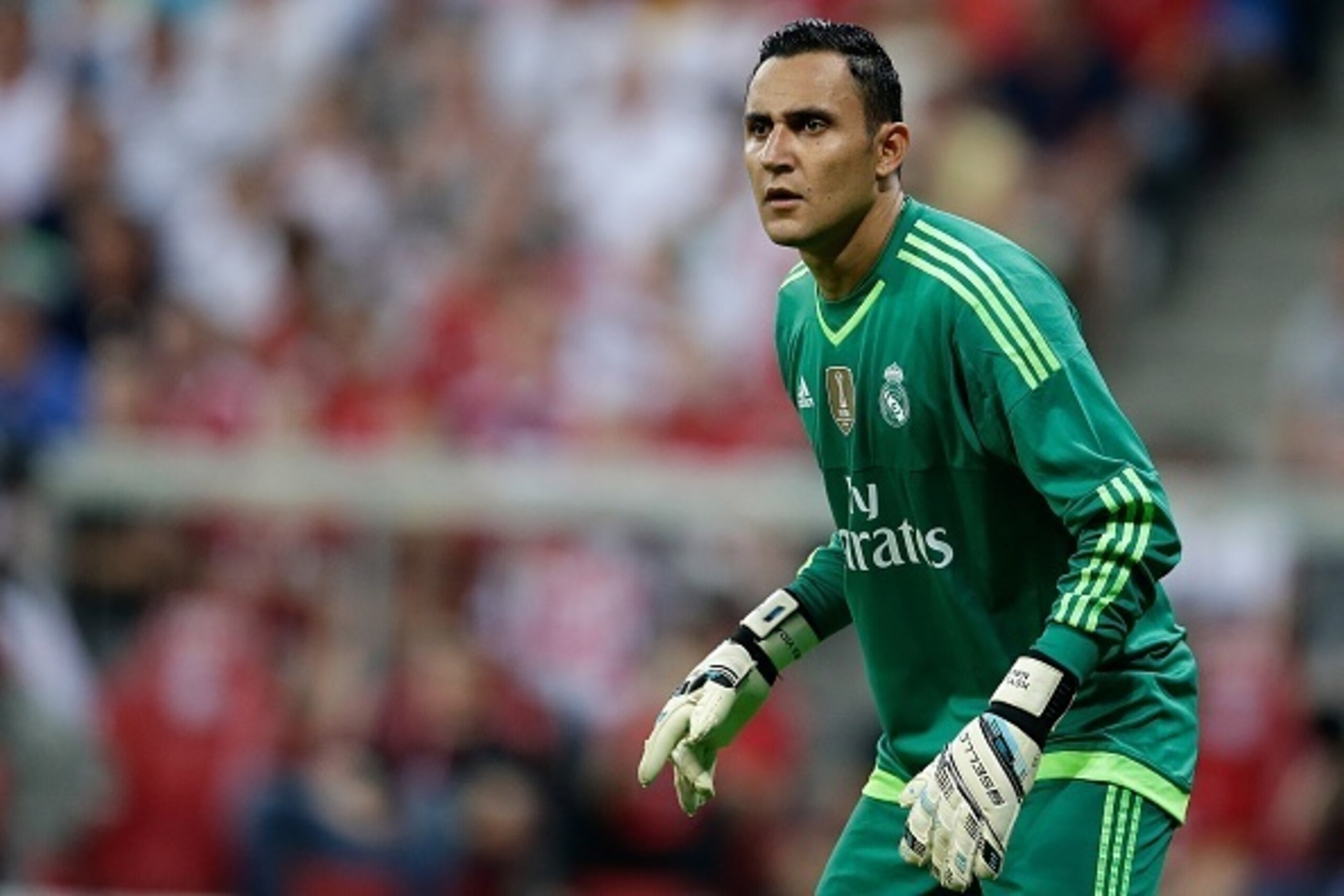
It's the goalkeeping battle that's intriguing and complex, but possibly soon-to-be irrelevant: Keylor Navas vs. Kiko Casilla.
Unlike the right-back choices, Benitez's options between the sticks couldn't be more different. "We have a battle: incumbent vs. newcomer, Costa Rican vs. Spaniard, shot-stopper vs. aerial monster, the guy who sort of feels new vs. the guy who is new," as we explained here at Bleacher Report.
Theoretically, Navas is the obvious choice. He's the longer serving, the more reliable, probably the more deserving. Twelve months ago, he was fresh from sparkling campaigns with Levante and Costa Rica. In style, he's very similar to his predecessor, Iker Casillas. Yet, somehow, Navas sort of feels like a lesser keeper than the one who arrived last summer, a year spent of the sidelines damaging his stock, confidence. Conviction.
Thus, Casilla is an interesting alternative to have for Benitez, a bigger, heavier and more muscular figure who brings things to the Bernabeu that haven't existed in some time. "At his best, his presence inspires confidence," this writer wrote of the former Espanyol man. "At his worst, he'll send you into anger management. But his style is new, and fans love new."
Does Benitez trust the sharp reflexes of Navas or the aerial dominance of the error-prone Casilla?
You can debate both sides, and the debate will probably rage on until David De Gea ends it.
"No Isco, No Disco"
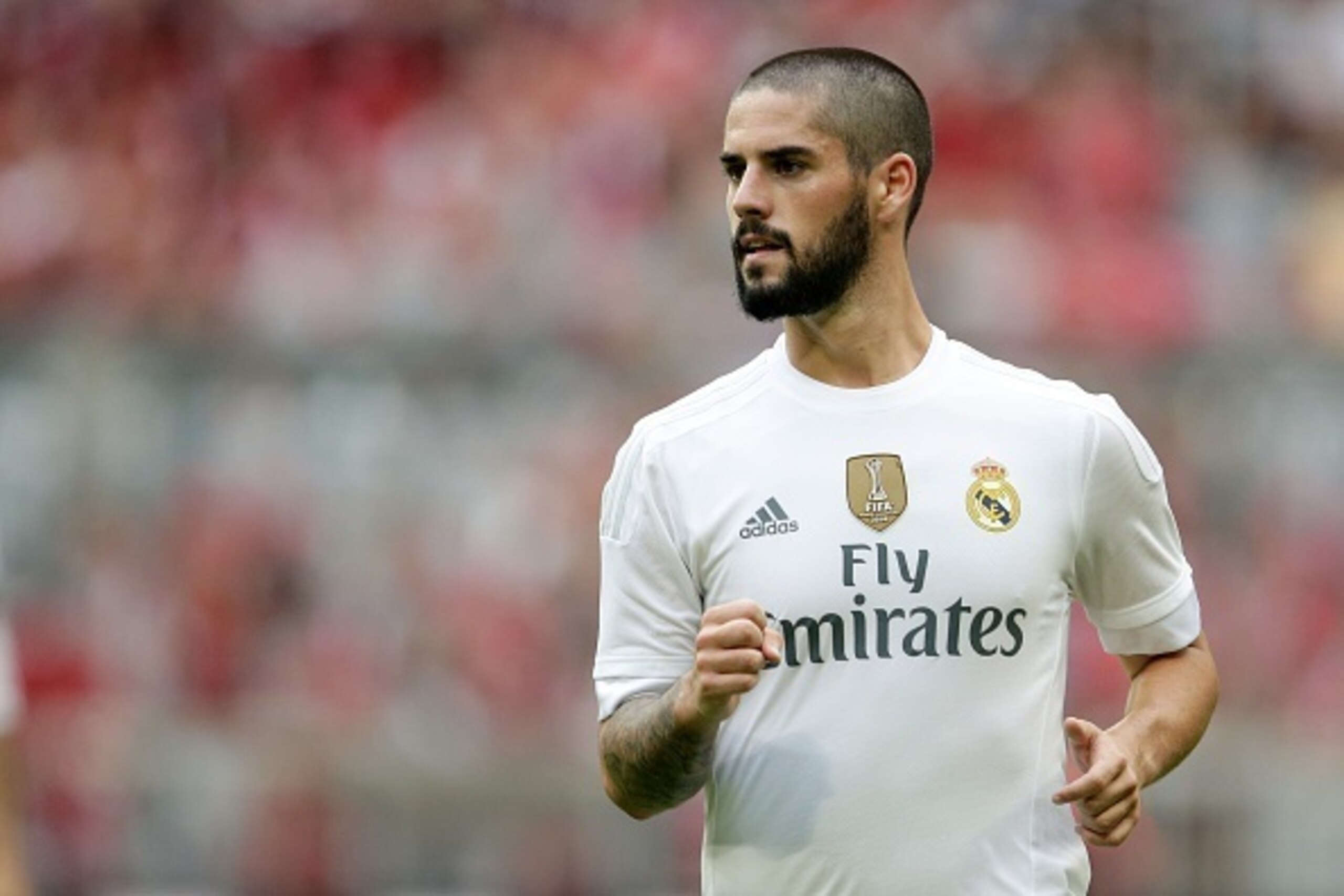
AS: "No Isco, no disco."
AS: "The BBC in the shadow of Isco."
AS: "Isco provides the inspiration for a much-improved Madrid."
AS: "In-form Isco gets the fans' vote to be Madrid's playmaker."
Marca: "Isco takes charge."
Marca: "Isco stakes his claim."
Marca: "Isco vs James: let the battle recommence."
Those are just a selection of the headlines to come out of the Spanish capital this summer, a groundswell of support for Isco evident following his exceptional pre-season campaign to date. But the question remains: Is Isco in Real Madrid's best XI?
Right now, his form probably says yes. The Bernabeu, where he's adored, would say yes. Many fans, particularly the Spaniards, would say yes. And yet nothing is certain.
Unlike Carlo Ancelotti, Benitez won't use Isco as a central midfielder at any stage, leaving the Andalusian to compete with Cristiano Ronaldo, Gareth Bale and James Rodriguez for the three spots ahead of the midfield pivot. Can he win that battle? Deliver something the others can't?
Can Benitez squeeze him in regularly enough?
It's probably the manager's biggest conundrum of all.

.jpg?w=2560 "Chiefs Dolphins Football")

.jpg?w=2560 "Injury-stricken Seahawks signing veteran RB")
.jpg?w=2560 "Love's Body Already 'Tired'")