Potential Problems for Sinisa Mihajlovic in His First Season at AC Milan
AC Milan’s pre-season showings have given new coach Sinisa Mihajlovic plenty of food for thought. A tour of China brought solid displays with a win over rivals Internazionale and a draw with Real Madrid before Audi Cup defeats to Bayern Munich and Tottenham Hotspur in Germany brought the team back down to earth.
On the evidence of pre-season so far, there is clearly still plenty of work for Mihajlovic to do in order to return Milan back to the top of Italian football.
Unfortunately for him, at a club with such tradition and ambition, time is often at a premium. This is something previous coaches Filippo Inzaghi and Clarence Seedorf can testify to, both having lasted less than one year at the helm.
TOP NEWS

New NFL Power Rankings 📊
.jpg?w=2560 "Texans-Mixon Released Football")
Injury-stricken Seahawks signing veteran RB
.jpg?w=2560 "Commanders Eagles Football")
2 NFL Officials Suspended
As such, Mihajlovic’s first season in charge will be crucial; it could make or break his managerial spell with the club. There are several things he must achieve in order to lay down the foundations, both for his short-term survival in the hot seat and the club’s long-term success.
1. Implementing his tactics and assimilating new signings
Mihajlovic did a wonderful job in steering Sampdoria to seventh place in Serie A last season. The achievement was built upon solid tactical foundations.
The Serb instituted a clear system with an emphasis on central control through a midfield diamond made up of defensive enforcer Angelo Palombo, ball-carriers such as Pedro Obiang and playmaker Roberto Soriano.
Occasionally, he would switch to a midfield three, pushing striker Eder out wide and bringing in Samuel Eto’o on the left to make a rough 4-3-3 formation. Whichever one of these two systems Samp lined up in, Mihajlovic made sure his team was well-organised.
During pre-season, Milan have lined up in the exact 4-3-1-2 shape that Mihajlovic used most often with his previous club. Nigel de Jong has undertaken the enforcer role, with Keisuke Honda looking most effective in the advanced central-playmaker position. There seems to be more organisation in this Milan team now, but there are still apparent teething problems as the team gets used to Mihajlovic’s methods.
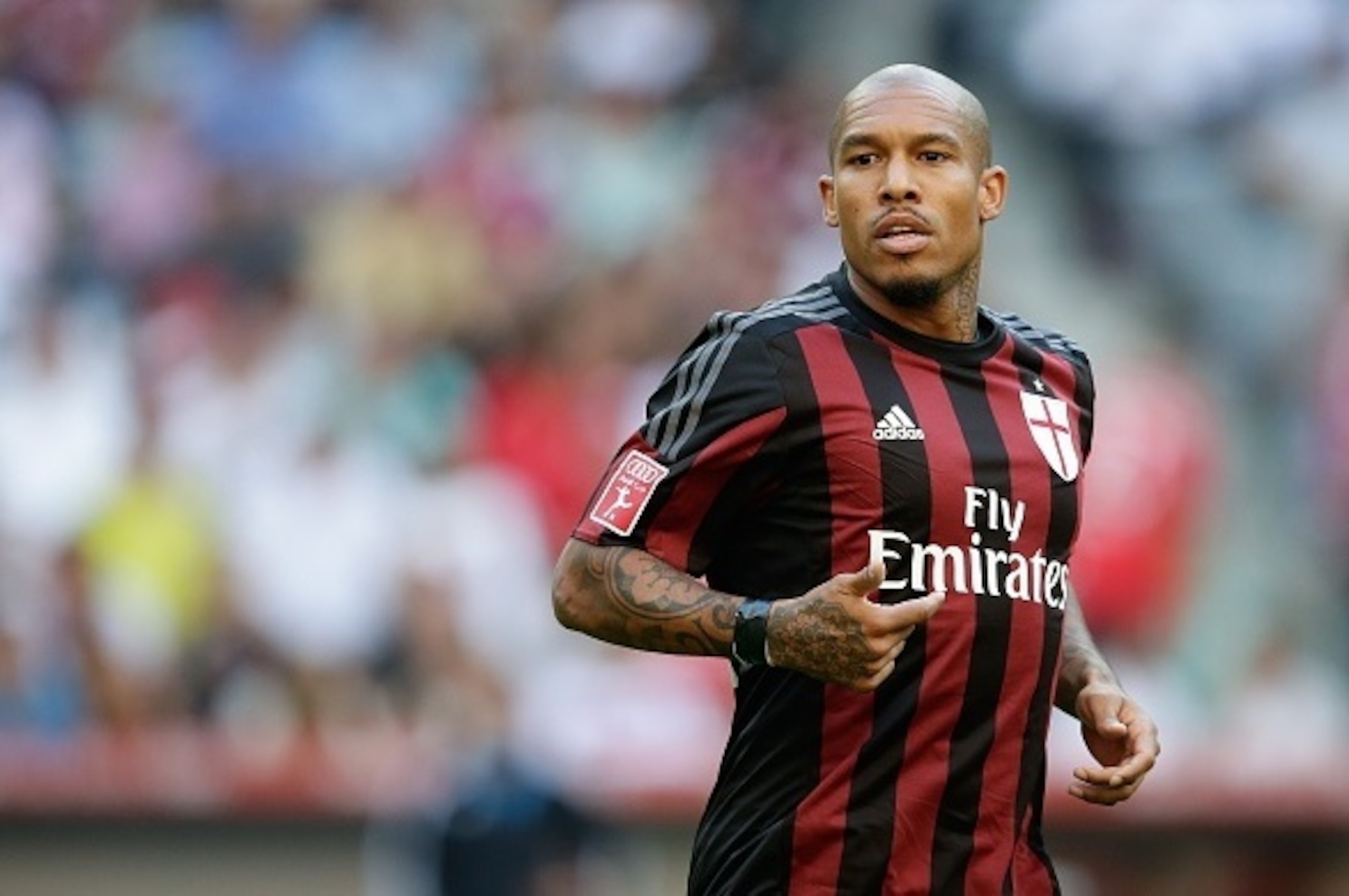
The most obvious has been a lack of ingenuity in possession. The players are more capable of winning the ball back now than they were under Inzaghi, but their possession game is fairly ineffective and needs sharpening.
Too much space has also tended to appear between midfield and defence. While the midfield three seem willing and able to intelligently press and harry their opposition, this often leads to gaps between them and a central defence short on pace.
This issue is not helped by Milan’s reluctance to pay the asking price for Roma's Alessio Romagnoli, reported by the Telegraph (h/t Sky Sports), who would greatly improve Milan’s central-defensive options in terms of pace, technique and positioning.
It’s strange that the club has thus far been unable to bring in the defender the team so clearly needs, and Mihajlovic so badly wants, especially considering the comfort with which they splashed out on central midfielder Andrea Bertolacci and striker Carlos Bacca.
Milan’s midfield creativity and striking options have been bolstered by their arrivals, though in reality, they already had numerous options in these areas.
Bertolacci and Bacca joined a team already featuring Giacomo Bonaventura, Honda, Suso and Andrea Poli, as well as Jeremy Menez, Alessandro Matri and M’baye Niang as players who can create and score respectively.
In short, Milan’s need for defensive solidity was just as great, if not greater, than their need for midfield creators or goalscorers, and their inability or unwillingness to make the Romagnoli deal happen or bring in another centre-back is disconcerting.
Mihajlovic faces a tough task not only to incorporate the new signings but also to achieve tactical balance between attack and defence. Implementing an aggressive system may only expose Milan’s defensive vulnerabilities, while a cautious approach could fail to maximise the team’s augmented offensive talents.
2. Getting, and keeping, the fans onside while managing expectations
"I could never coach Milan. They are one of the best clubs in the world, but I played for and was a coach at Inter. I couldn’t do it out of respect towards my old fans."
Those were words once said by Mihajlovic, relayed by Football Italia. Granted, he said them in 2010, but they still linger today.
Mihajlovic’s last port of call in his playing career was at San Siro, though it was with Milan’s city rivals, Internazionale. That, along with the above comments, hardly make him a favourite with the Rossoneri faithful.
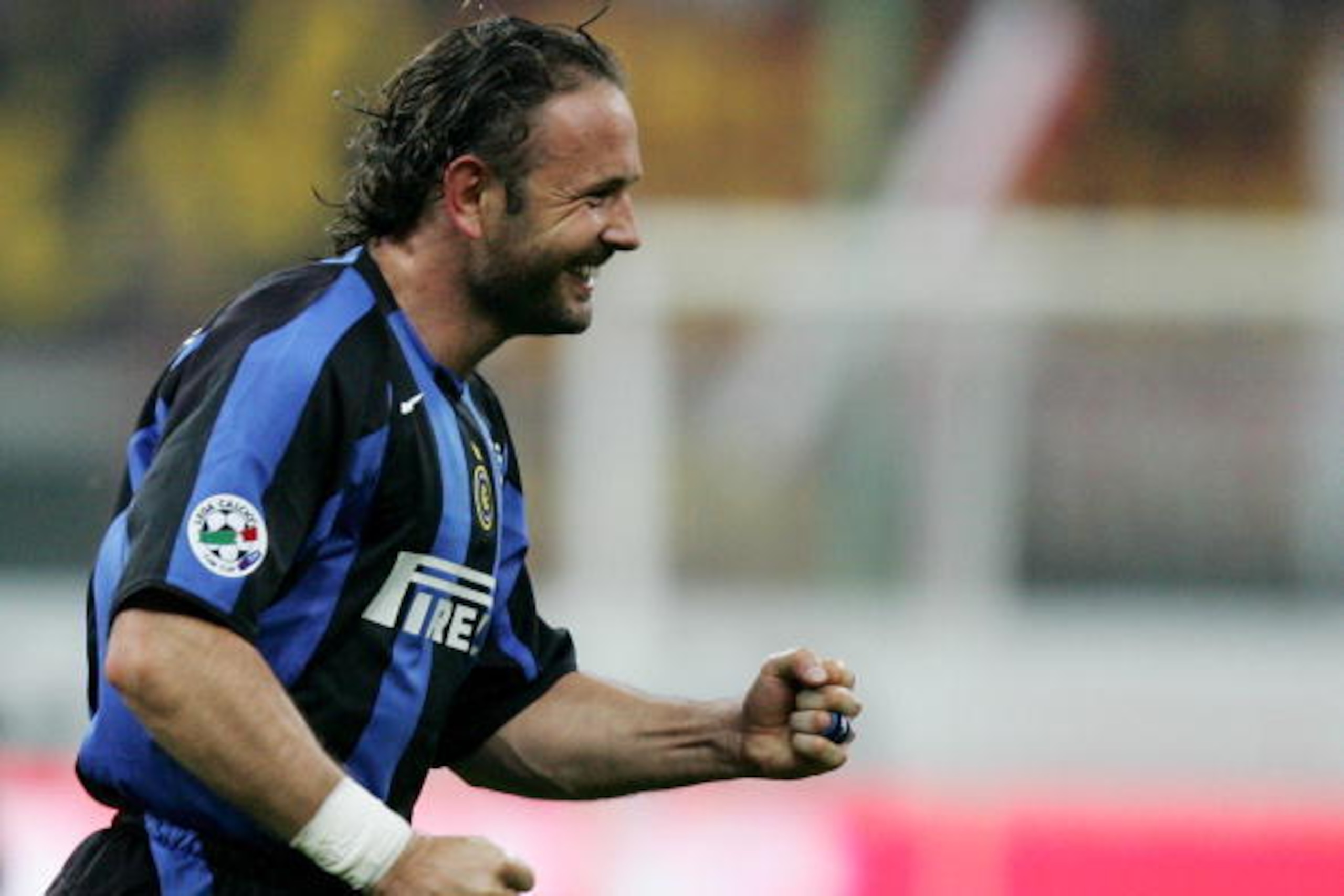
In this sense, his appointment was a complete break from the mould of appointing club legends such as Seedorf and Inzaghi, though it brings with it plenty of pressure as, unlike those two, Mihajlovic doesn’t have a positive past relationship with the club to help him through rough patches.
If the Serbian coach fails to achieve a level of consistency and improved results, the Milan fans are unlikely to hesitate in voicing their frustrations with such an easy target in the dugout.
On the other side of the coin, Mihajlovic must ensure that if good results do come, the fans and others within the club do not get carried away. There has already been plenty of talk about a return to Serie A’s top three, though such talk is premature.
Mihajlovic has undoubtedly received the backing of the hierarchy, something shown through the lavish amounts spent on new signings to improve his squad. However, this transfer expenditure has only fuelled the increasing expectations.
The trick for Mihajlovic will be to find a happy medium whereby a return to the top six, which is currently the most realistic combination of ambition and achievable progress, is considered not only acceptable but a sign of promise.
The top three may prove to just be beyond Mihajlovic in his first year in charge, though he must achieve European qualification if he is to fully earn the fans' backing and move into his second campaign with something positive to build upon.
3. Identifying and clearing out the deadwood while allowing time and space for youth
One of the major concerns for Milan fans in recent years has been the lack of youth development. Top young players such as Bryan Cristante have been offloaded well before they were even given a real chance in the first team, leaving a chasm between the first team and Primavera.
The latest in this recurring theme is Stephan El Shaarawy, who recently left for Monaco on a season-long loan deal.
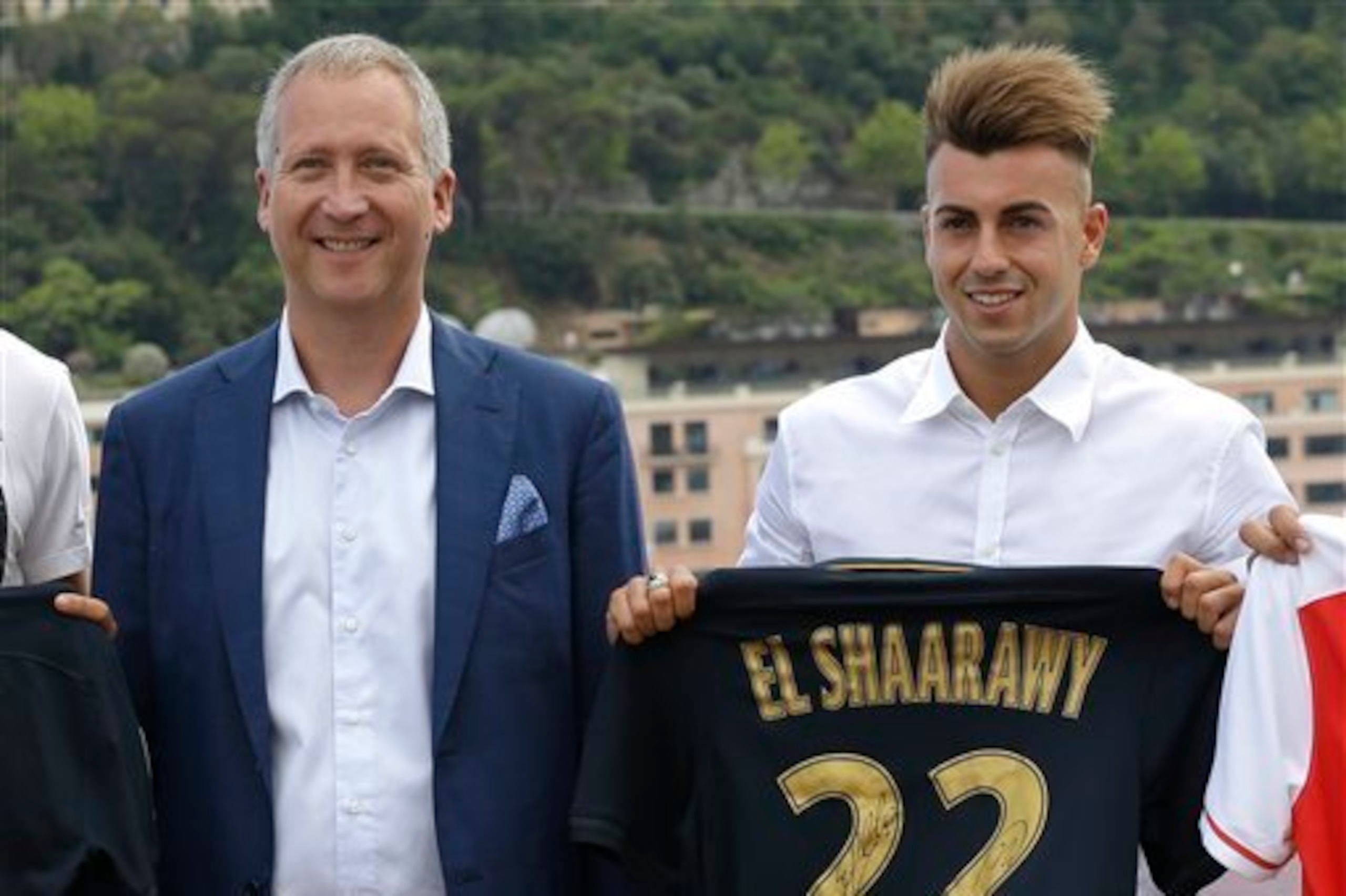
Poor youth development stems from a lack of continuity. Without a long-term plan and the hiring and firing of multiple coaches, Milan have found it hard to make room for youngsters.
With all the pressure involved in coaching the club, it is understandably difficult for new managers to put faith in untested youth, though that seems to be something Mihajlovic is intent on changing.
The new coach has given opportunities to 16-year-old goalkeeper Gianluigi Donnarumma, 21-year-old central defender Rodrigo Ely and 20-year-old forward M’baye Niang during this pre-season. All three have acquitted themselves well and made a case for more involvement in future.
Along with those three, Mihajlovic will also want to ensure highly rated prospects Mattia De Sciglio and Jose Mauri fulfil their potential. De Sciglio’s development faltered last season, while Mauri arrives from Parma on the back of just one season of Serie A experience. Both are seen as important components in the club’s future.
Milan have cleared out some deadwood with the departures of Sulley Muntari, Giampaolo Pazzini, Michael Essien and Daniele Bonera, but there is still plenty left in the squad, potentially blocking the route for some of those highly-rated youngsters.
Teenage goalkeeper Donnarumma will have to fight past Michael Agazzi for the third-choice spot in his position, while Ely and Niang face similar competition from the likes of Philippe Mexes and Alessio Cerci respectively.
So far under Mihajlovic’s management, youth is winning the battle, though it would still be a progressive move to get rid of the remaining fringe players to make a clean break from an underwhelming recent past.
Mihajlovic wasn’t every Milan supporter’s favoured appointment as coach, and he arrives at an inopportune moment in the club’s history. A strong start is needed to satiate the doubters, and with a coherent tactical setup, increased focus on youth and an improved relationship with the fans, he can begin his Milan tenure with a positive first season.


.jpg?w=2560 "Mahomes' Wife Trolls Kubiak 💀")

.jpg?w=2560 "Viral Rams Coach Vid 🖕")