
The 1 Move Every 2026 NBA Playoff Team Desperately Needs Before It's Too Late

It was a muscle-flexing first weekend for chalk to tip-off the 2026 NBA playoffs.
With one massive exception, of course.
Because while seven of the eight hosts held serve on their home floor, the one that didn't was kind of a big deal: the top-seeded Detroit Pistons, who suffered a double-digit defeat at the hands of the eighth-seeded (and inconsistent as heck) Orlando Magic.
While the best-of-seven series format cautions against overreacting to a single-game sample, the fact that a cold stretch could lead to an early exit also sounds a call for urgency. Waiting and hoping that on-court problems simply solve themselves can lead to a summer of regret.
Consider this a call to action, then, as the aim here is to identify one move worth making for all (or almost all) 16 playoff participants.
Atlanta Hawks: Pick Up the Pace
1 of 16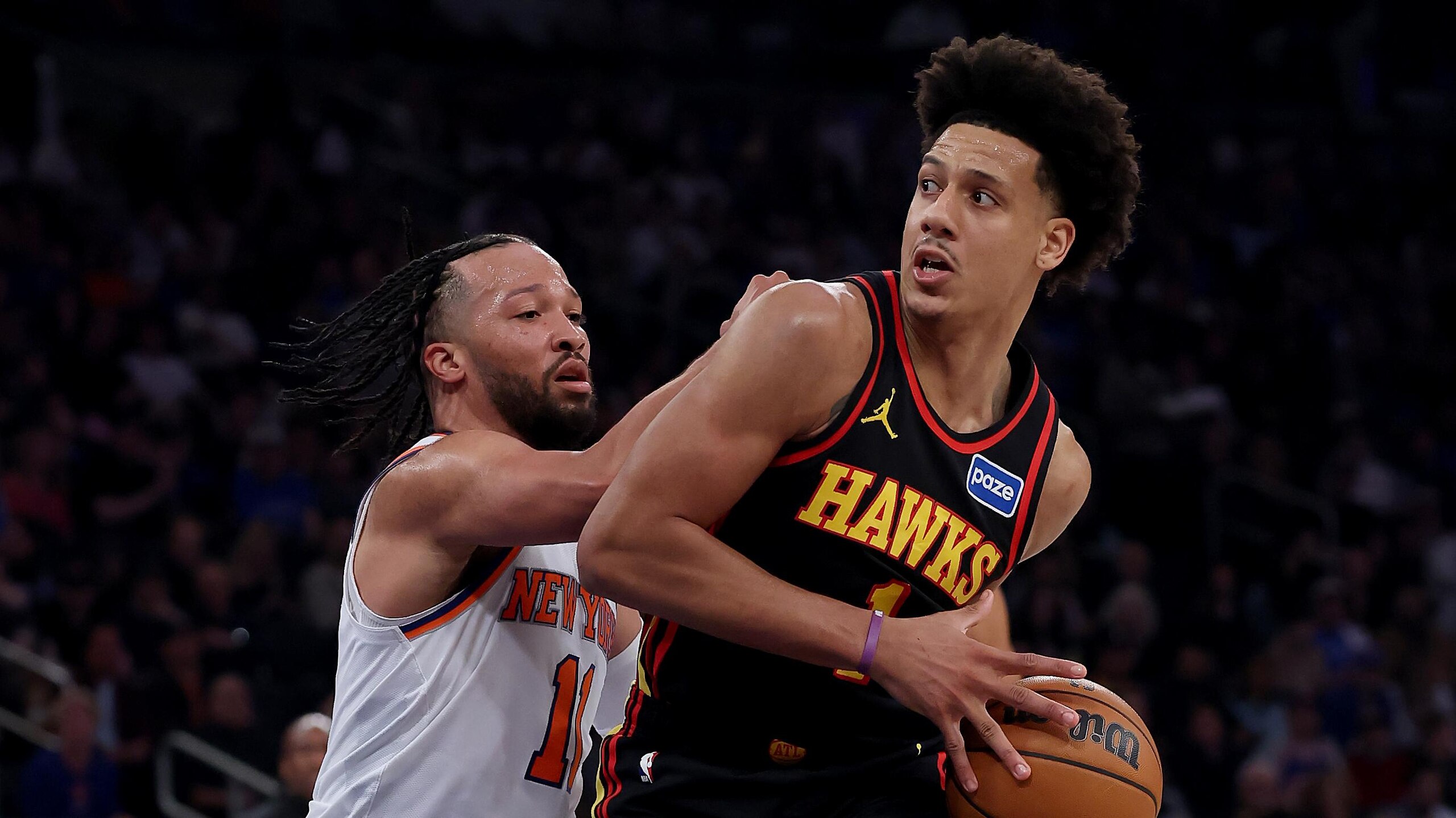
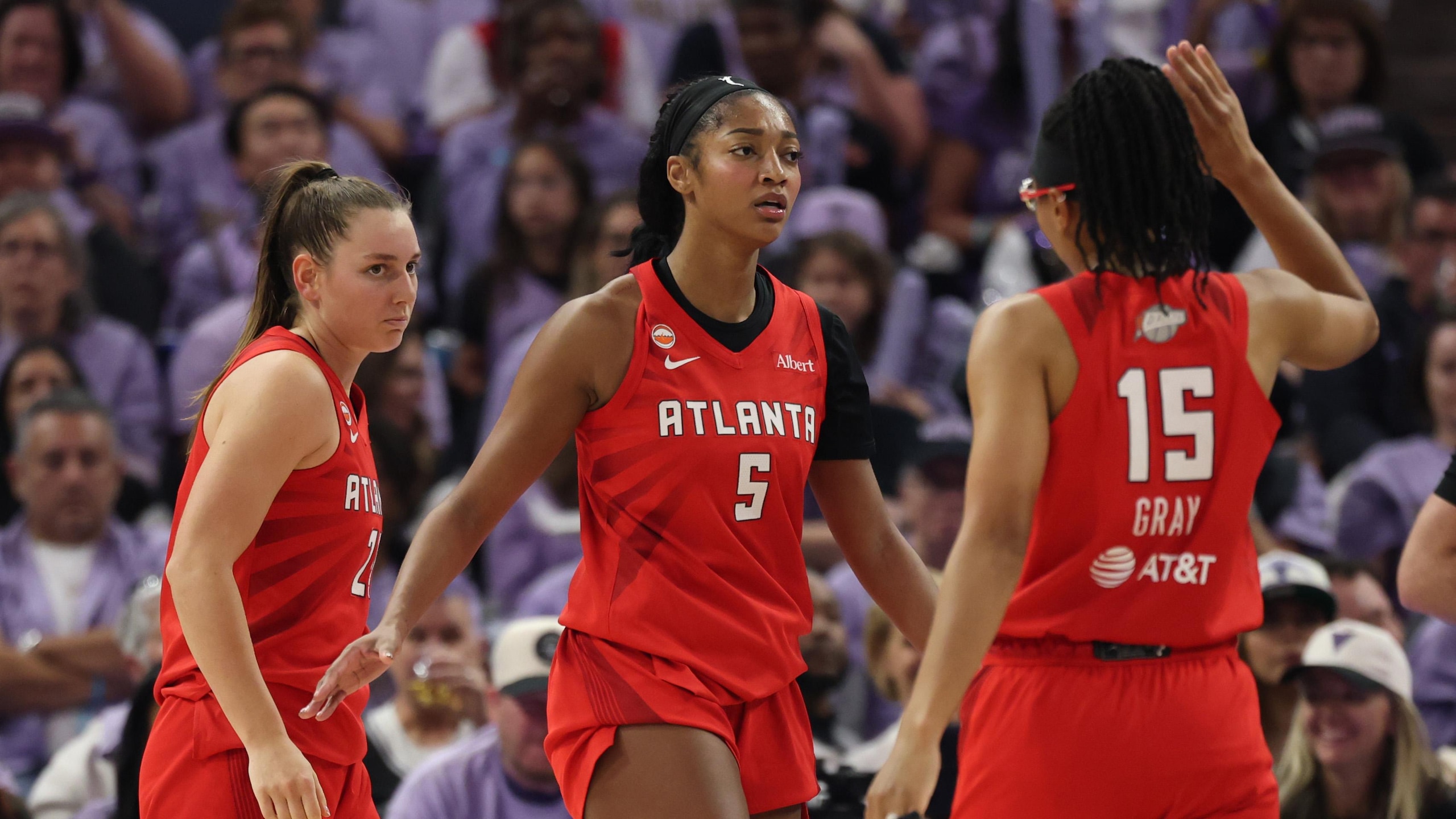
The Hawks aren't built to win a half-court series. Trading Trae Young for financial flexibility might've been the right long-term angle, but in the short-term, it left Atlanta severely compromised in terms of something-out-of-nothing creators and ignitable shotmakers.
The flip side is that the Hawks are supposed to be chaos-creators on defense and Formula 1 racers in the open floor. In Game 1, they were neither. They had the fourth-fewest steals of the weekend (five) and nine fewer fast-break points than their opponent (22-13).
Atlanta needs more live-ball stops that it can turn into runouts and transition chances. Because if this series comes down to cunning and creativity in the half-court, then the Hawks won't stand a chance.
Boston Celtics: Volume Increase for Vooch
2 of 16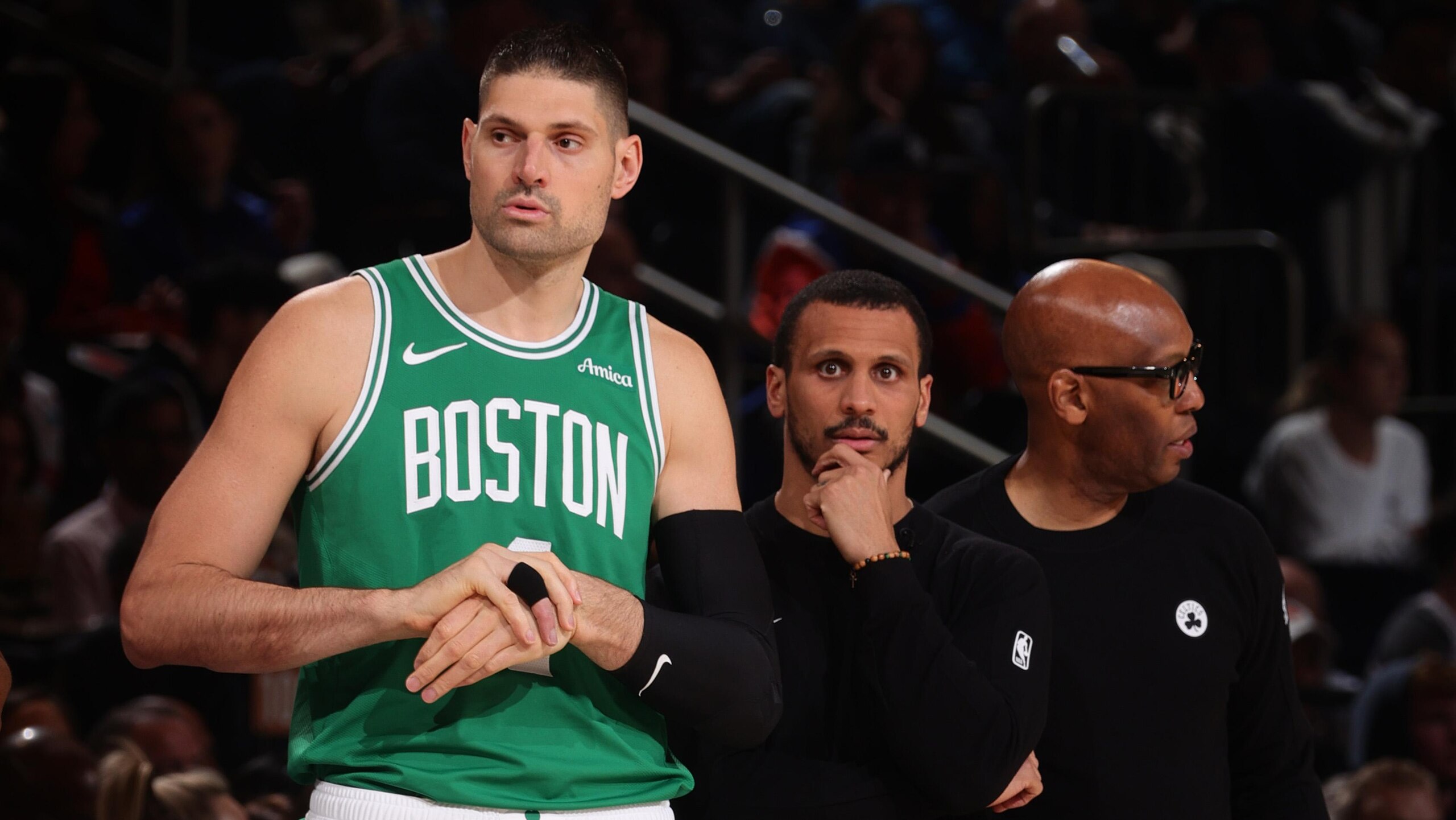
Nikola Vučević has been a lot of different things over the course of his 15-year NBA career, including an All-Star, a double-double machine and a top-20 scorer and rebounder. What he hasn't been before, though, is a member of a team with legitimate championship aspirations. This is only his fifth playoff appearance, and only one of his previous trips extended past the first round (with the 2011-12 Philadelphia 76ers, when he was a non-rotation rookie.
A midseason move to the Celtics finally made contention a possibility, but it's too soon to tell his readiness for the big stage. His production was up-and-down for Boston after the trade, and he missed a month with a fractured finger. His Celtics' playoff debut was largely uneventful: six boards, three points and three assists in 18 minutes.
This should be a great testing ground, since the Joel Embiid-less Philadelphia 76ers are clearly compromised on the interior. The Celtics can clearly handle this series with minimal contributions from Vučević, but they'd presumably love to see him up his impact for when the competition level will inevitably stiffer later in this run.
Cleveland Cavaliers: More Minutes for Dean Wade
3 of 16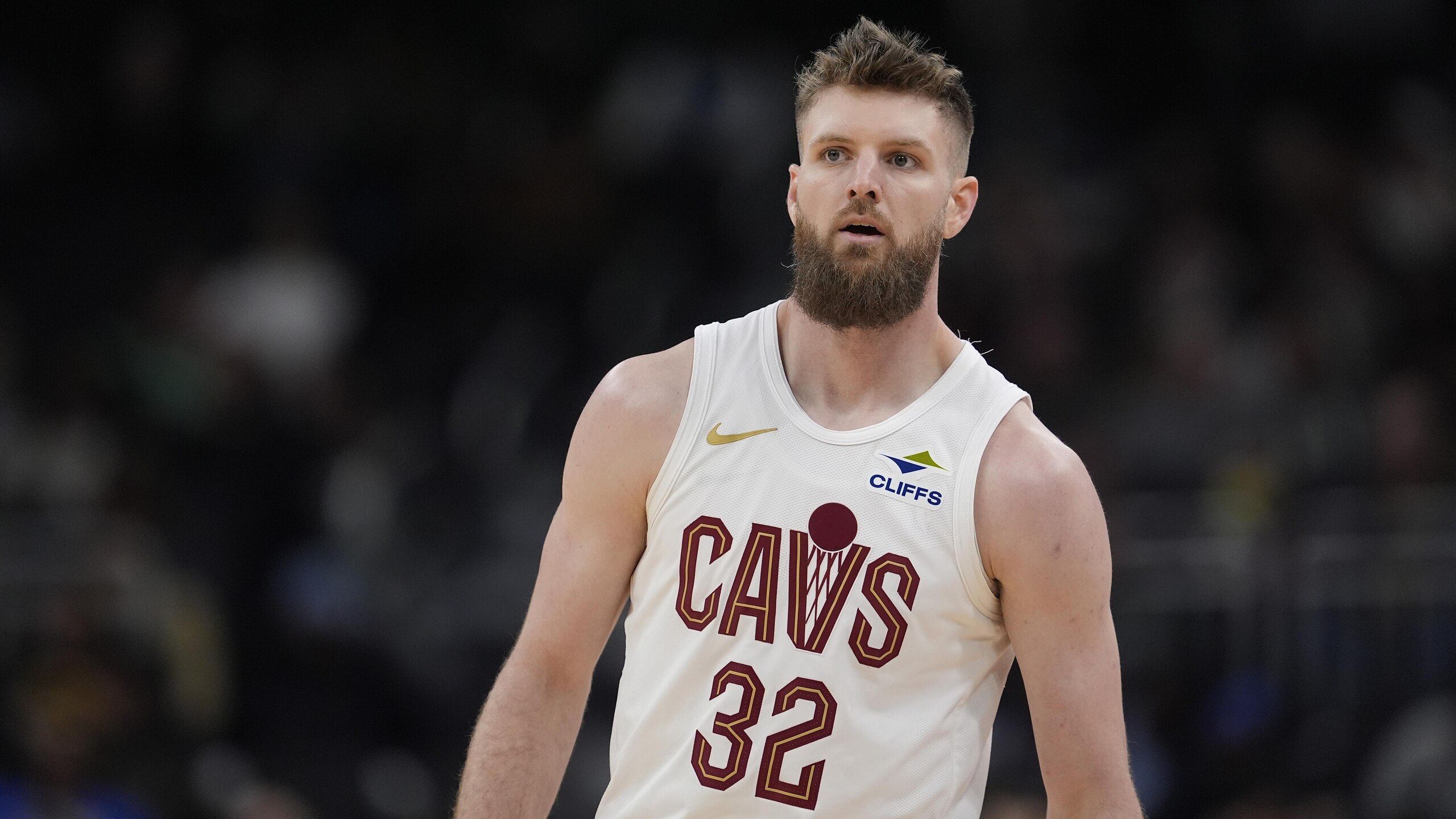
Maybe it's too early to say this for certain, but it looks like the Cavaliers should have more than offense to keep in front of the shooting-starved Toronto Raptors. The James Harden-Donovan Mitchell backcourt could be the Association's most potent, and there are potential eruptions from Evan Mobley, Jarrett Allen and Max Strus.
To help safeguard against an off-night, though, Cleveland might want to carve out even more playing time for versatile stopper Dean Wade. He is the defensive complement to the Cavs' net-shredders and the primary reason Brandon Ingram was a non-factor in the series opener. Ingram managed just two shot attempts and a single assist with Wade as his primary defender.
If the Cavs need scoring help, they'll turn toward the likes of Sam Merrill, Max Strus or even sophomore swingman Jaylon Tyson. But if they're fine on offense—and they should be in this series—then they should throw as many minutes as Wade as he can handle.

Denver Nuggets: Make Open Threes
4 of 16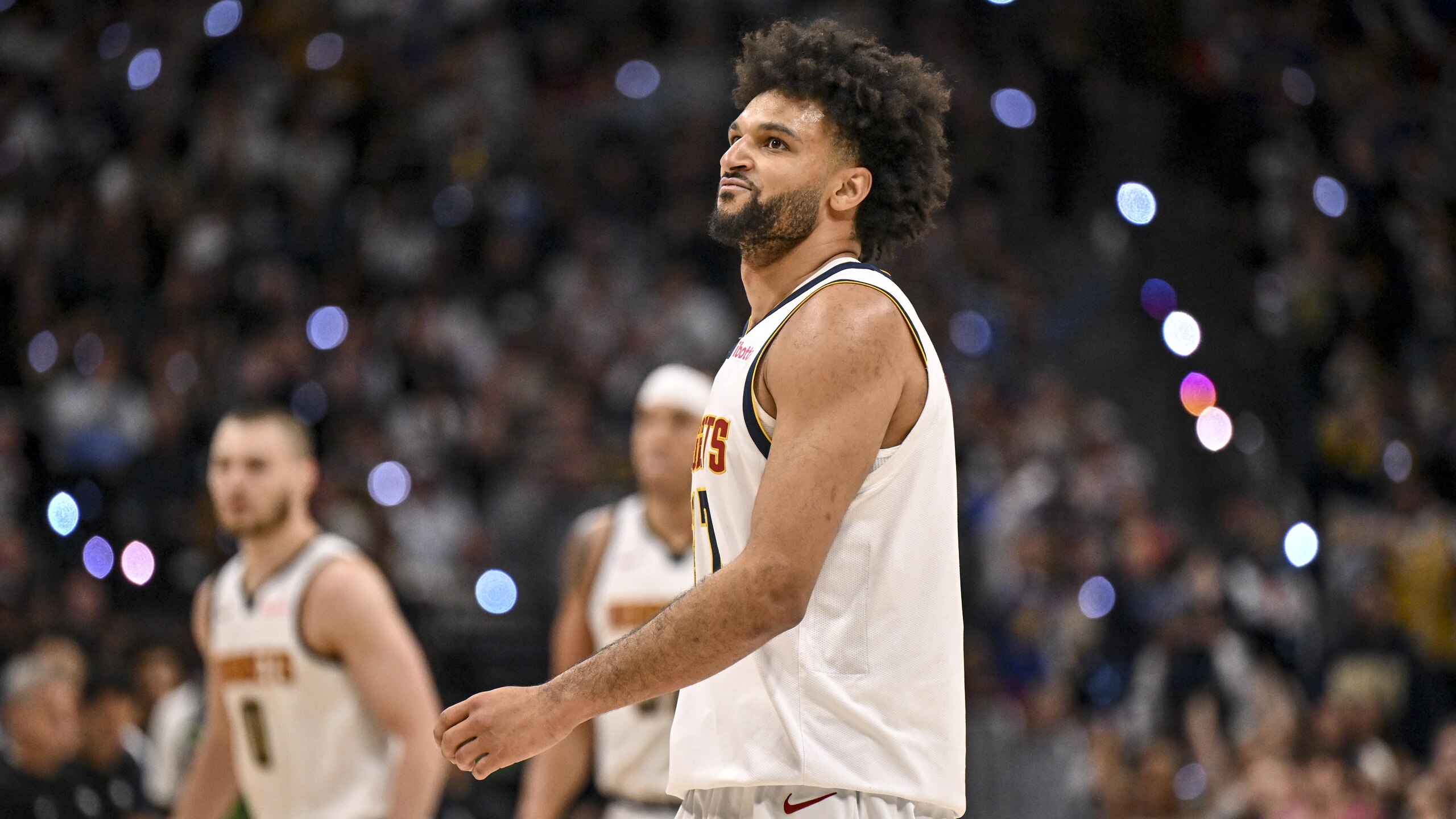
OK, so this isn't a move per se, but in a make-or-miss league, sometimes it's as simple as doing more of the former than the latter. And despite Denver delivering a double-digit win in the opener, it could've done a whole lot more shot-making.
The Nuggets shot a league-best 39.6 percent from three this season. In Game 1, they converted just 10-of-36 long-range looks (27.8). And, no, this didn't appear to have much of anything to do with the Minnesota Timberwolves defense. Because Denver drummed up a weekend-best 23 "wide open" three-point attempts—six-plus feet of space—but somehow only splashed in eight of them.
If you're a Timberwolves fan, that combination of the high volume and low connection clip should terrify you. Maybe not as much as Anthony Edwards' knee or the spotty play from Julius Randle and Naz Reid, but it feels entirely fluky and unlikely to repeat itself.
Detroit Pistons: Find Jalen Duren
5 of 16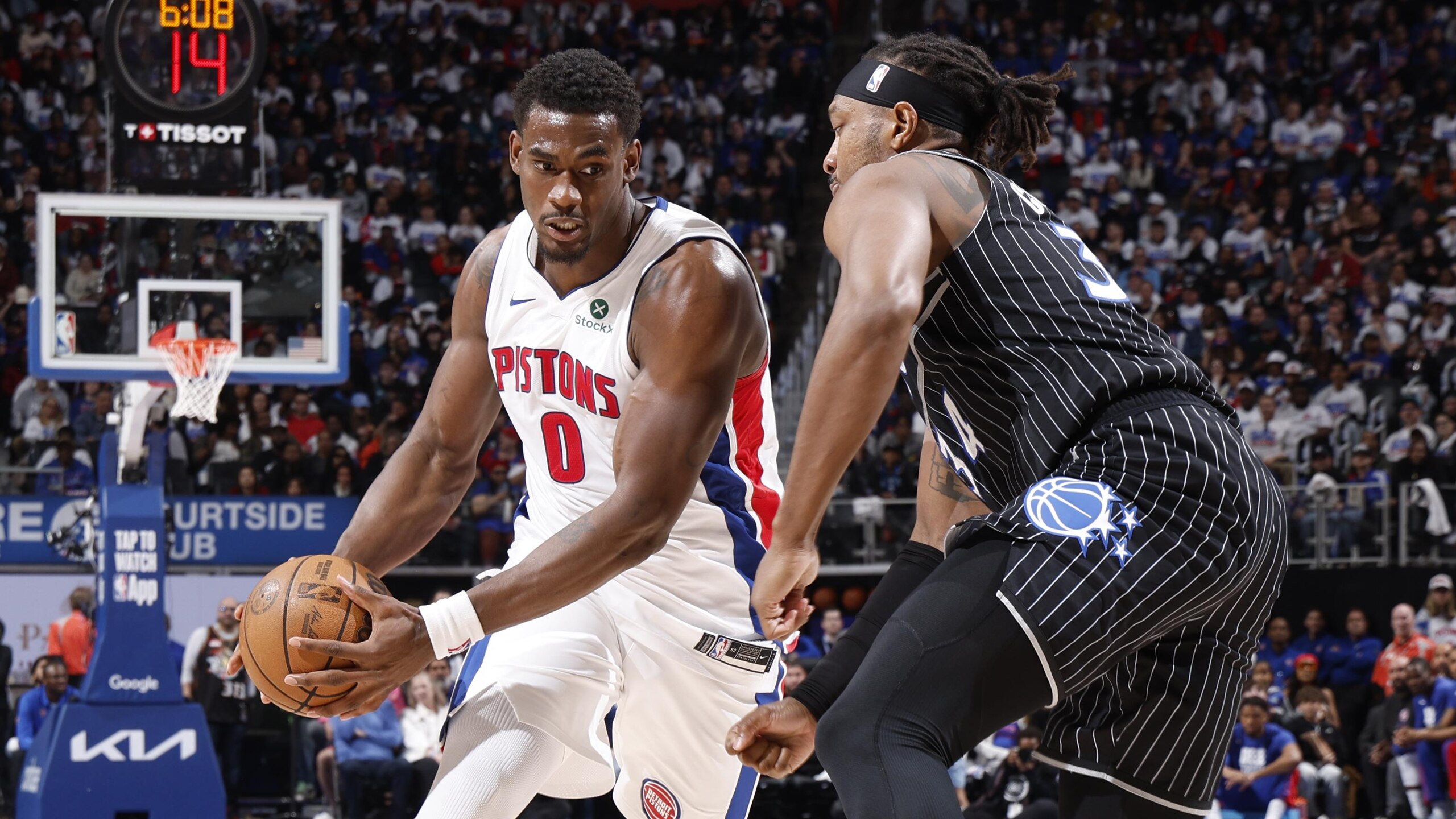
The Pistons, who won 60 games this season, hosted the up-and-down Orlando Magic over the weekend and failed to snap a home playoff win drought that dates back to 2008. Cade Cunningham looked like an MVP candidate (weekend-high 39 points), but he was also left operating as a one-man band. Tobias Harris was Detroit's only player in double figures, and his 17 points came on 5-of-15 shooting (1-of-7 from three).
This was nightmare fuel for the Pistons and validation for all of the talking heads who questioned Detroit's lack of a reliable second option all season. Speaking of which, the Pistons do remember they have a second star, right? Jalen Duren might not have the deepest offensive bag, but he did average an efficient 19.5 points during his breakout season.
In Game 1, Duren had eight points and four field-goal attempts. Those are unforgivable numbers, and you can only credit so many of them to the defensive work done by Wendell Carter Jr. Duren needs to get more involved, but he also needs to be more involved in the gameplan. If he's a non-factor, then so is the East's No. 1 seed.
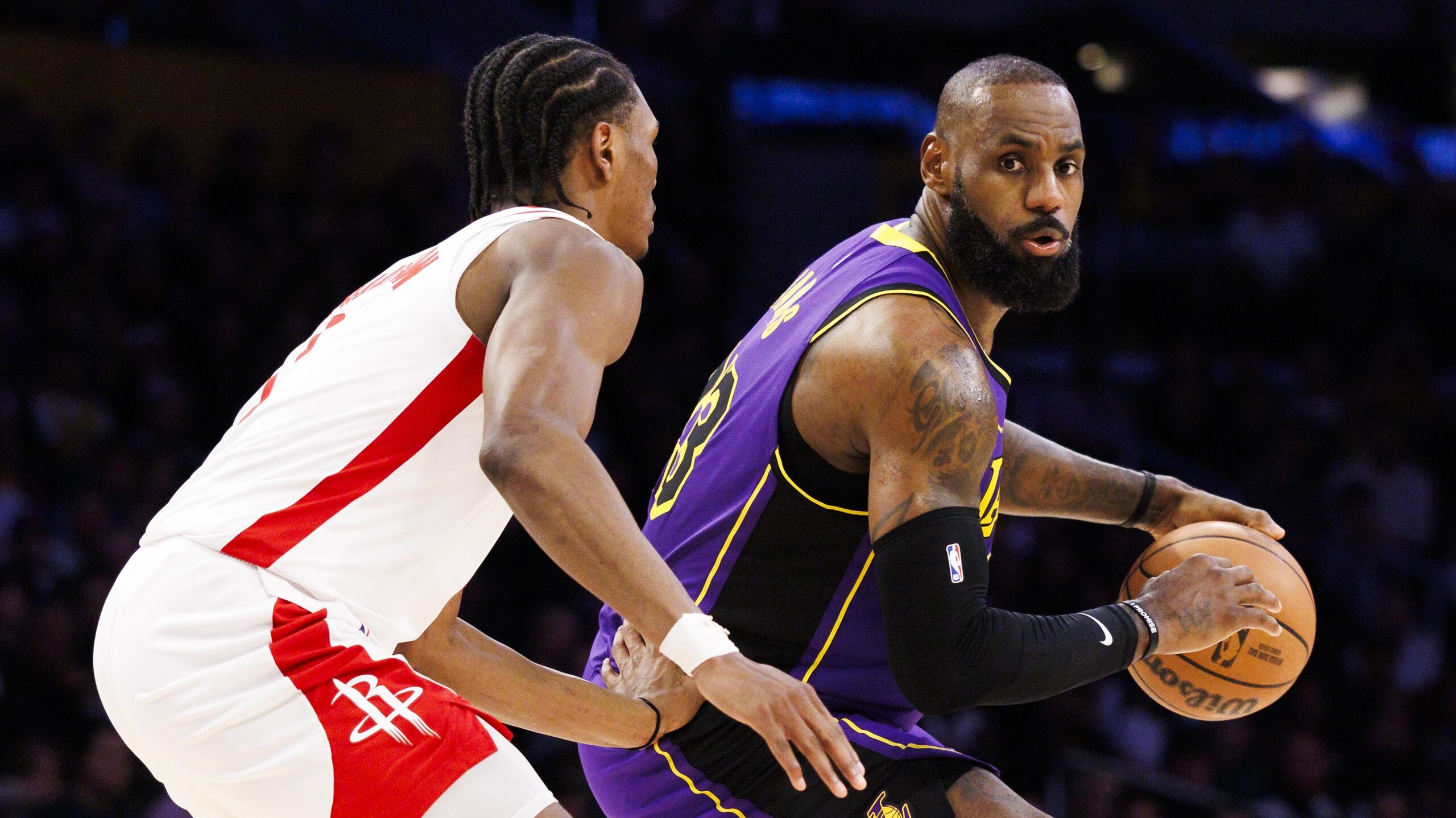
Houston Rockets: Put Amen Thompson on LeBron
6 of 16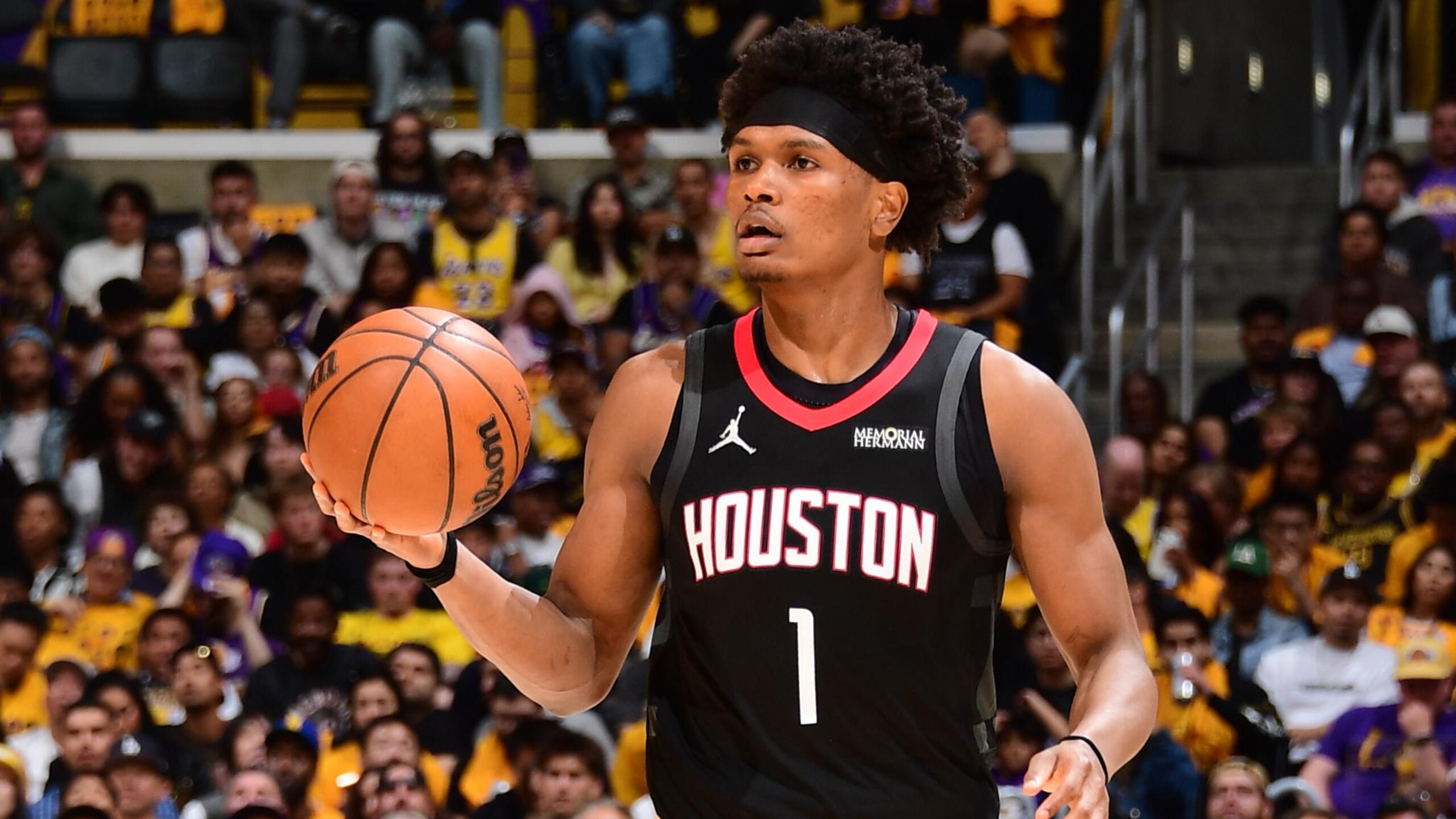
While Houston's hopes of advancing might hinge most on Kevin Durant's availability, the Rockets can't focus on something that's beyond their control. And, honestly, even if Durant's absence lingers, it should not be the deciding factor in a series the Lakers are playing without Luka Dončić and Austin Reaves.
The Rockets can point toward some outlier shooting rates in Game 1 (awful for them, awesome for the Lakers) and their huge advantage in chances (plus-27 in field-goal attempts and plus-18 on the offensive glass) as reasons to believe this series will soon stabilize. Again, though, they should also be proactively looking for solutions.
How about this novel idea: Deploying their best defender on the opposition's best offensive player? Look, maybe Houston finds out that Amen Thompson doesn't have the heft to hang with LeBron James, but shouldn't the Rockets at least see whether that's the case? It's not like Josh Okogie or Tari Eason shined in that matchup, and while they are good defenders, they aren't as lanky, bouncy or disruptive as Thompson.
Los Angeles Lakers: Take It Slow
7 of 16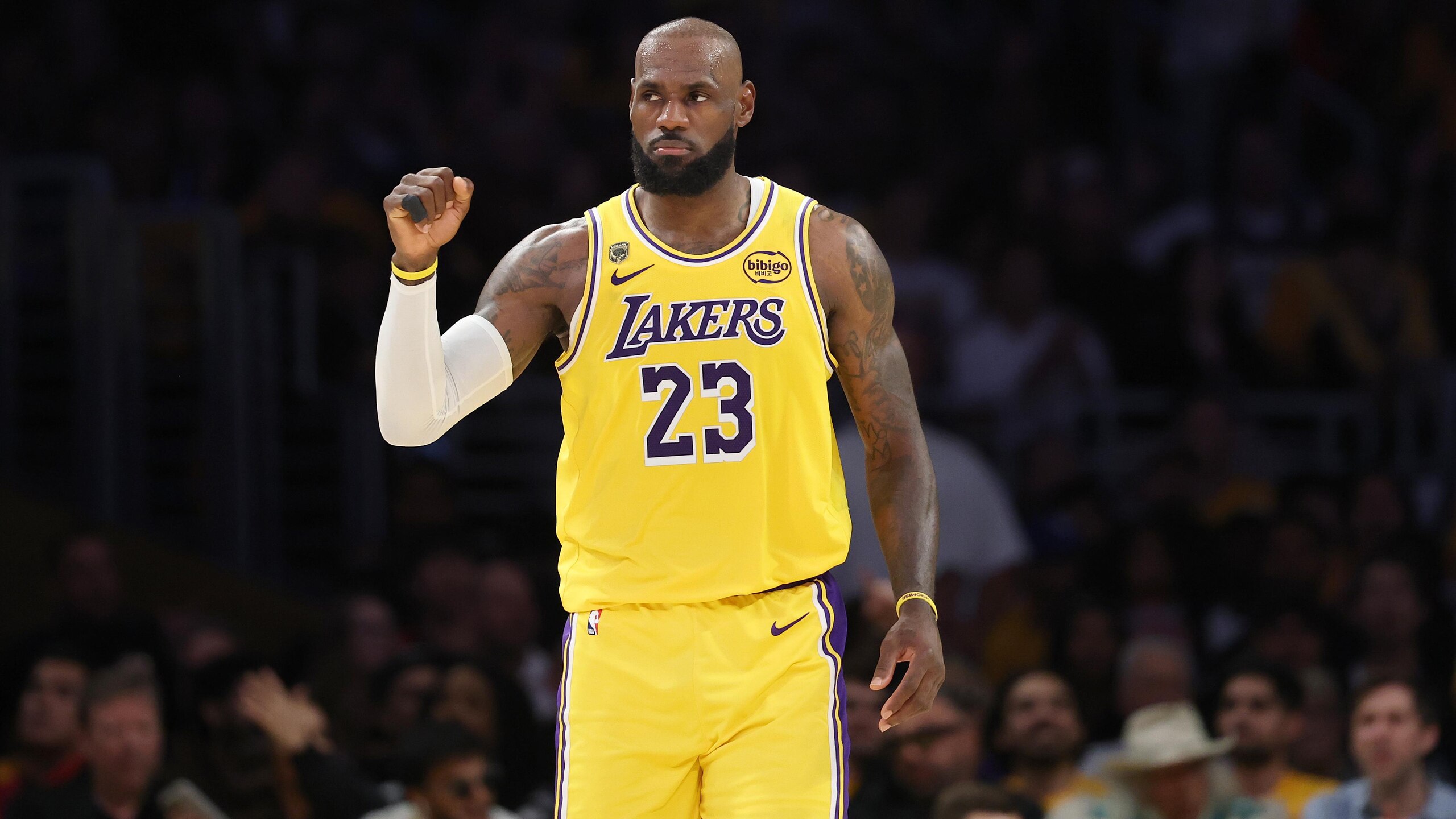
The Rockets and Lakers played the second-slowest game of the opening weekend. That should be the Purple and Gold's preferred pace for the rest of this series.
Houston's half-court offense wasn't great even with Kevin Durant (19th in points per play this season, per Cleaning the Glass). Without him, it's a mess of aimless dribbling, errant shooting and an overall lack of direction.
L.A. might be shorthanded, but with LeBron James on the floor, it has one of the best problem-solvers this league has ever seen. If he can dictate the terms of engagement, he can manipulate the chess board in ways that consistently keep his club a step (or more) ahead.
Minnesota Timberwolves: More Movement
8 of 16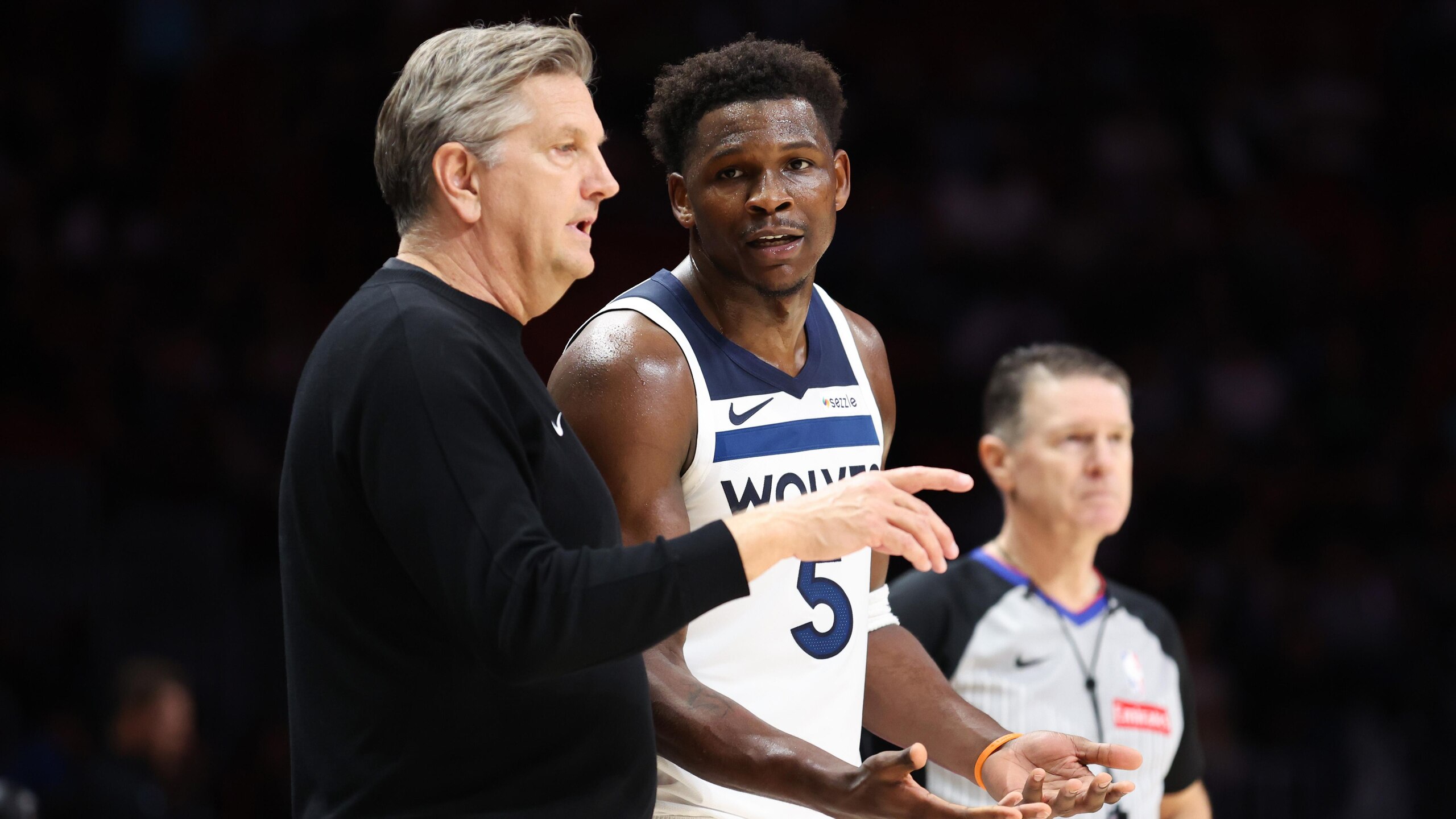
It might be hard to remember since things took such a miserable turn in the second and third quarters, but the Wolves looked awesome at the start of Game 1. The energy was great on both ends, the ball popped around and just about everyone had a hand in Minnesota building a double-digit lead during the first frame.
And then it all kinda just stopped. The energy dipped, the movement stagnated and the advantage wilted away. It effectively took the Timberwolves two full quarters to pull out of that tailspin, and by then, the damage was already done.
"It just wasn't very smart," Timberwolves coach Chris Finch told reporters. "We have to be more composed. … There were opportunities for everybody to move the ball more."
Movement—of bodies and ball—should be the focus for Minnesota. The Wolves can't count on superhuman work from Anthony Edwards (clearly hobbled) or Julius Randle (consistently inconsistent), so they need a focused, energetic approach that keeps everyone involved and puts the Nuggets on their heels.
New York Knicks: More KAT Touches
9 of 16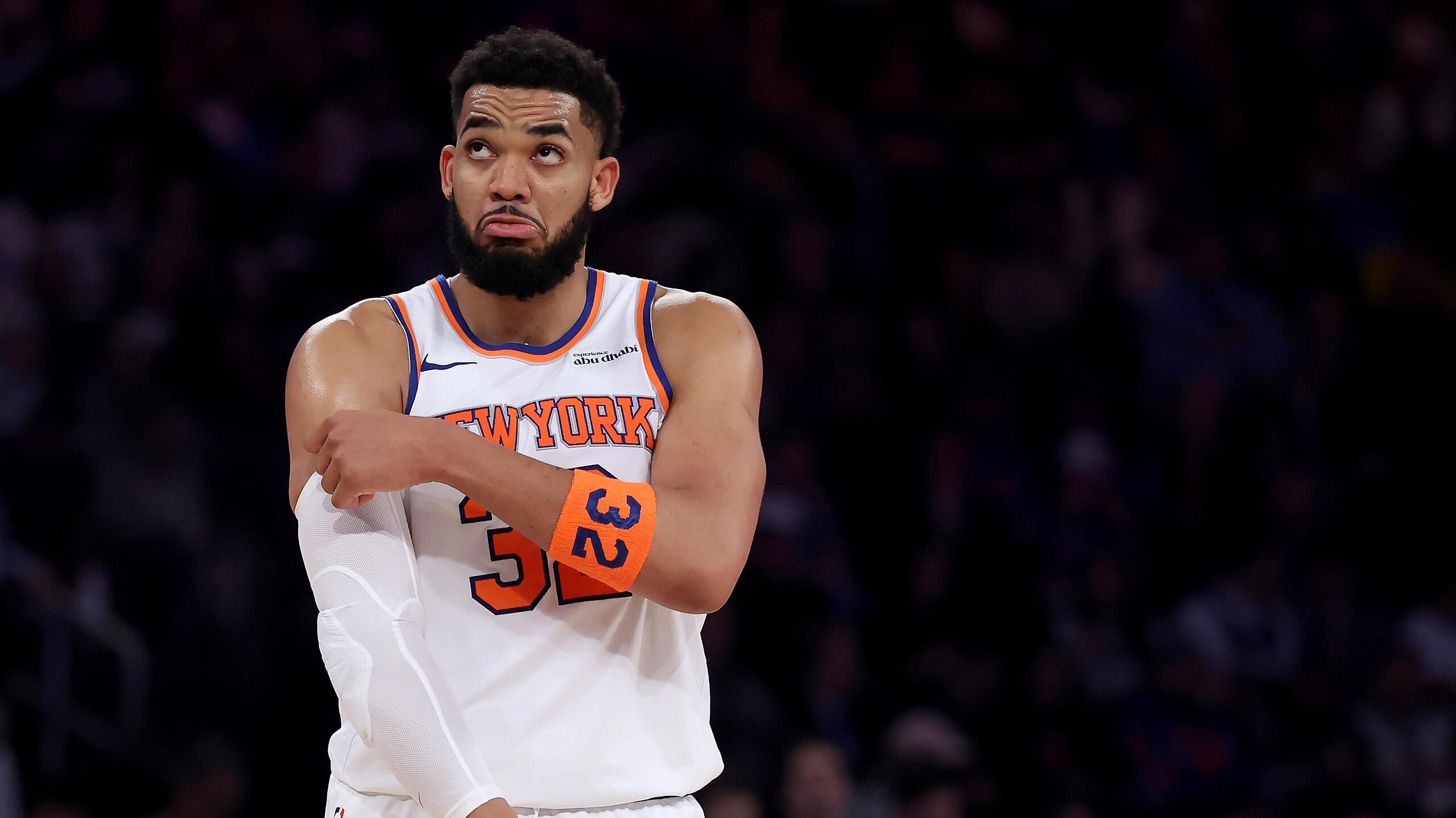
When the Knicks keep Karl-Anthony Towns heavily involved in their offense, good things almost always happen. They were 5-1 when he hoisted 20-plus shots and 11-2 when he had at least five assists this season.
Well, in Game 1—which was, admittedly, a largely stress-free affair for New York—Towns tallied just 13 shot attempts. He took one more shot than the Landry Shamet-Jordan Clarkson combo. The Knicks found enough offense elsewhere to get by, but Towns, a true nightmare cover as a 7-footer with deep range, could've been more involved and more assertive.
New York moved away from Towns a bit when Atlanta started deploying reigning Defensive Player of the Year runner-up Dyson Daniels on him. The strategy shift came too late to matter for that contest, but it's a chess move worth monitoring going forward. Because the Knicks are almost always at their best when Towns is an active participant in their attack.
Oklahoma City Thunder: No Necessary Moves Detected
10 of 16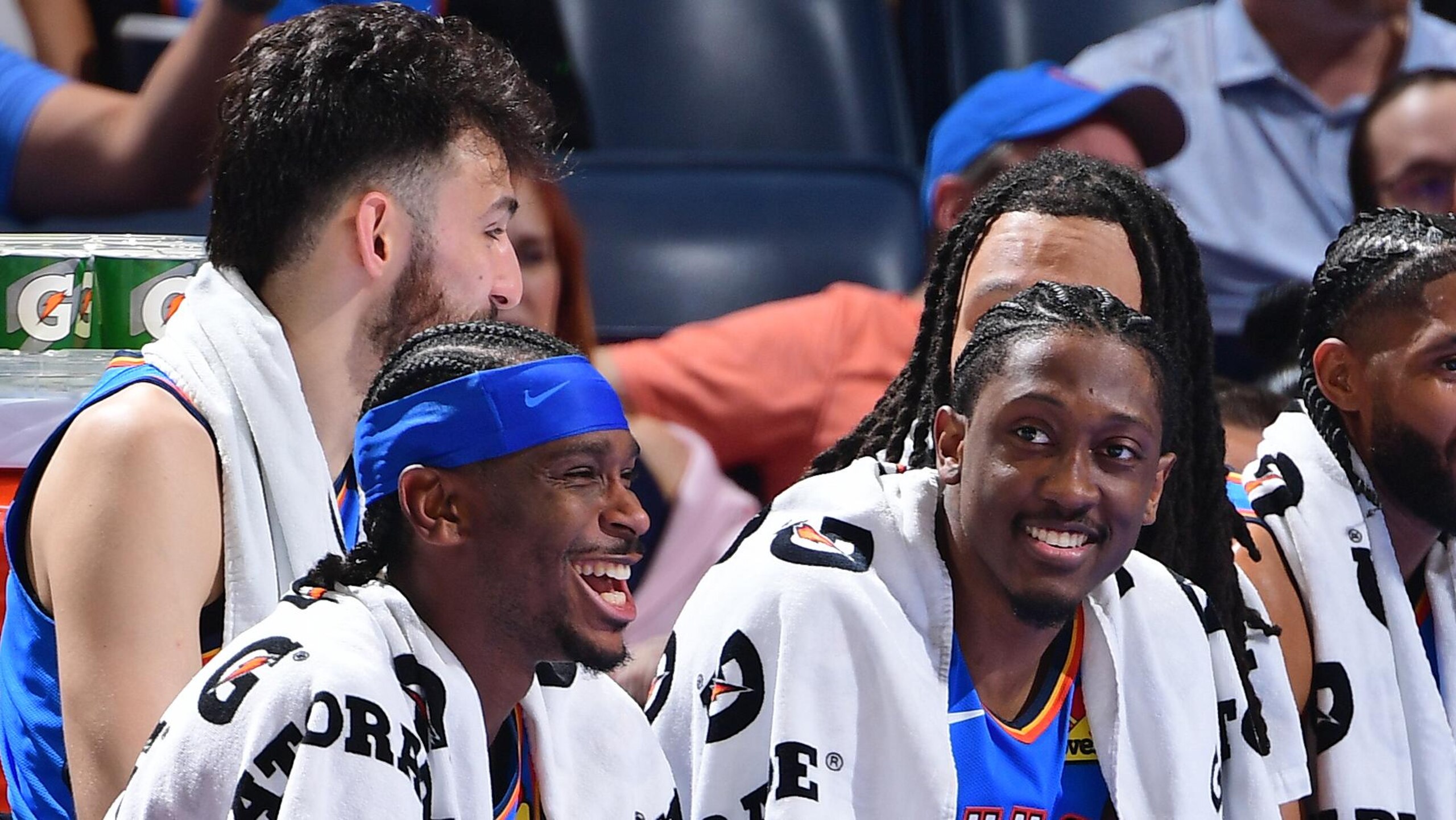
Could this be a cop-out answer? Maybe, but who has the gall to offer unsolicited advice to the defending champs? You know, the team that just followed the best-in-the-business regular season (by winning percentage and net rating) with the most lopsided win of the opening weekend (35 points)?
Shai Gilgeous-Alexander couldn't find his shooting touch (5-of-18) yet still found his way to team-highs of 25 points and seven assists. Jalen Williams shook off an up-and-down, injury-impacted campaign with an efficient 22-point, seven-rebound, six-assist effort. OKC's shooters were collectively cold, but this defense was so stingy that it didn't matter.
The favored-for-a-reason Thunder will encounter logistical issues at some point, but those can be addressed when they arise. For now, everything appears on course for a smooth-sailing, broom-sweeping kind of opening statement.
Orlando Magic: Redistribute the Touches
11 of 16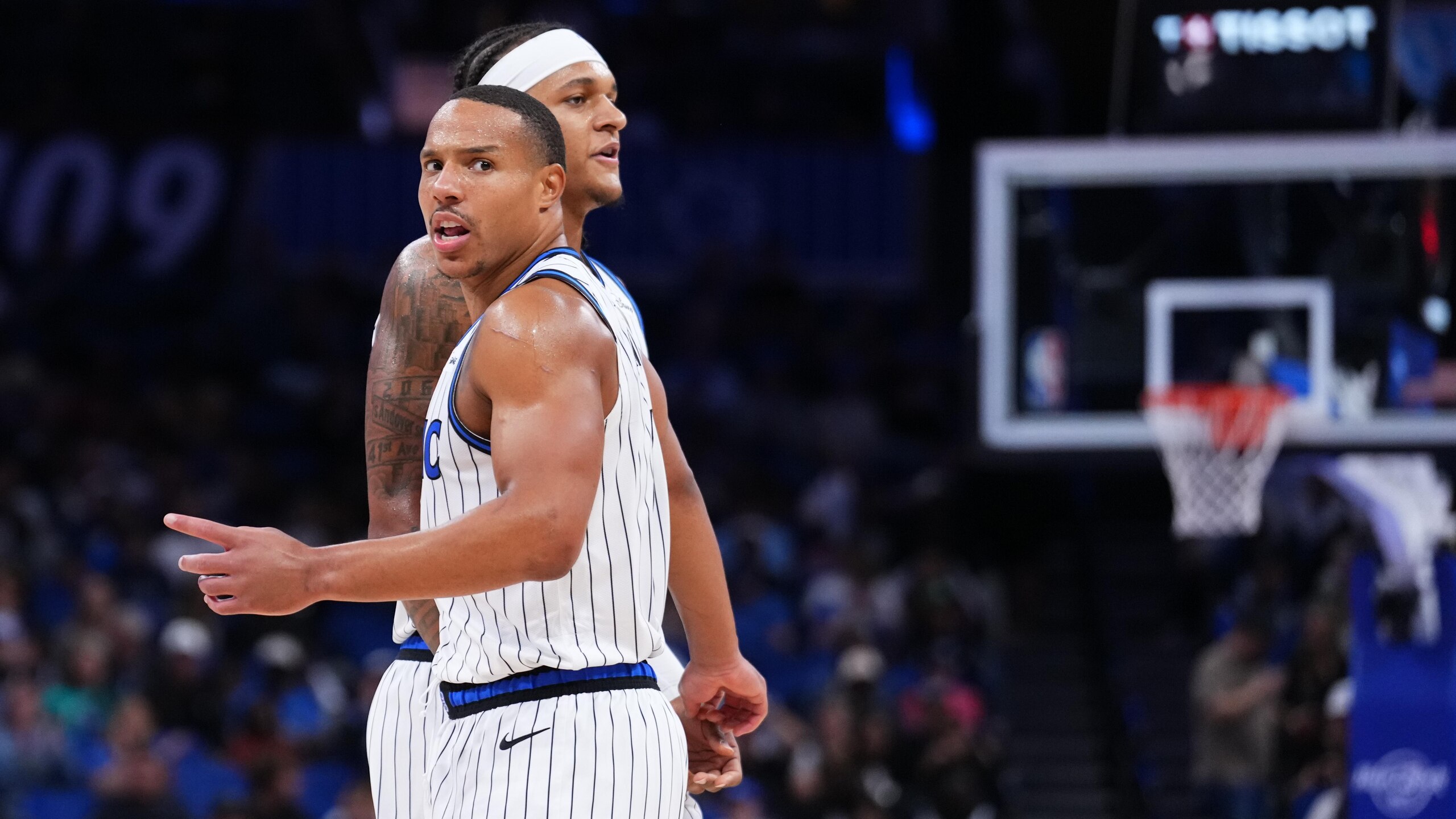
As the only road team to win over the weekend—and against a No. 1 seed, no less—the Magic won't be looking into any wheel reinventions this week. They could, however, wonder if they nailed the shot distributions in Game 1.
They had balance within their starting five, but things may have skewed a little far to Jalen Suggs and Desmond Bane (33 combined points on 36 shots) and a little from Paolo Banchero and Franz Wagner (42 on 28). The Magic need to keep the guards involved, obviously, and they don't want to see Banchero suffer any bouts of tunnel vision, but tweaking this approach could give Orlando more scoring stability.
Then again, that's assuming Detroit will force Orlando to find that. Because if the Pistons can't solve this stingy Magic defense, then maybe their offensive formula won't need any alterations.
Philadelphia 76ers: Paging Paul George
12 of 16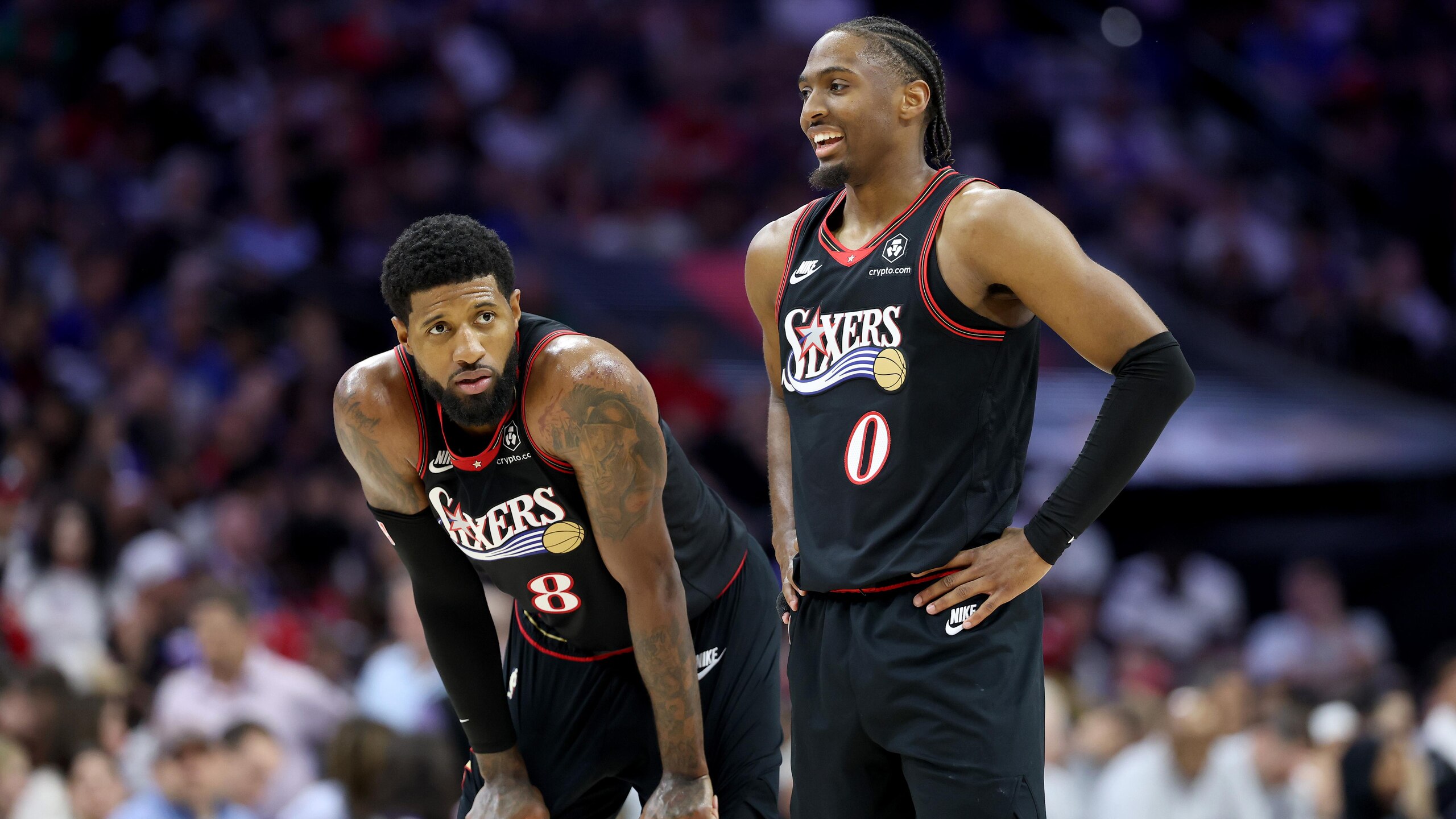
The Sixers are embarking on one of the first round's steepest climbs: combatting the scorching hot Celtics without one of their best players (Joel Embiid, who is sidelined indefinitely by his recent emergency appendectomy). You never want to say a team is drawing dead one game into a best-of-seven series, but Philly is clearly in a tough spot.
While the Sixers desperately need all of the magic that Tyrese Maxey can provide, they also surely know he can't take down the Shamrocks on his own. Boston will clearly throw any and all kitchen fixtures his direction and dare anyone else on Philly's roster to beat it.
Paul George, a nine-time All-Star, has the kind of accolades that suggest he just might be up for the challenge. In Game 1, though, George—who notably hasn't been an All-Star for two seasons now—was an offensive afterthought, tallying just eight field-goal attempts and a single assist. If he's going to have fewer shots than Justin Edwards and fewer assists than Dalen Terry, the 76ers will be 86'd in a hurry.
Phoenix Suns: Be Ready to Launch
13 of 16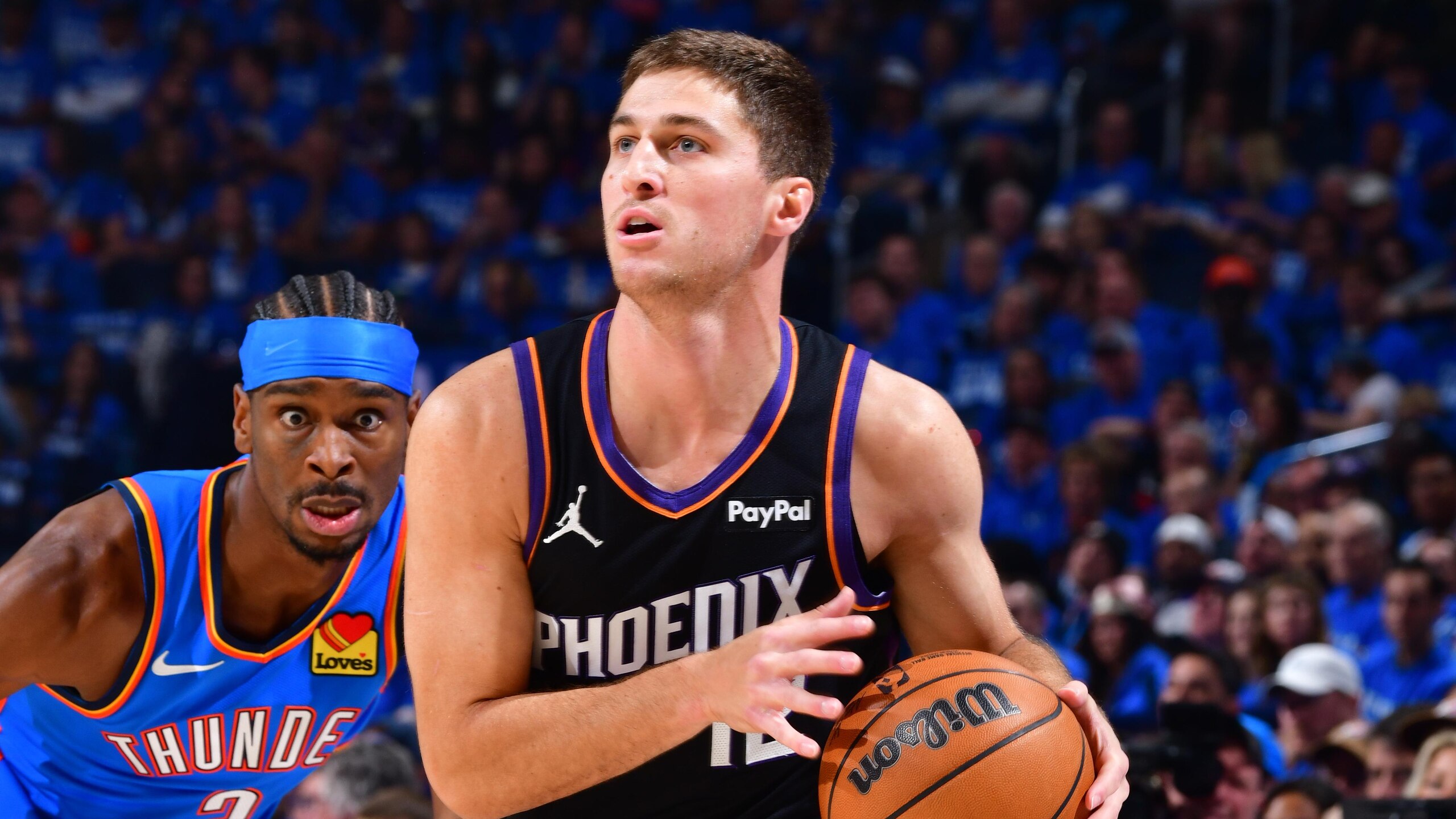
The schedule did the Suns no favors. They closed out the Play-In Tournament late Friday, then visited the (well-rested) defending champs on Sunday afternoon. That's a brutal turnaround, and before Phoenix could even catch its breath, it felt like the Game 1 was out of hand.
As harsh as this may be for Suns fans to hear, though, the series could follow a similar script, even as this squad gets more time to rest. The talent gap is just that wide. And Phoenix's ability to punch above its weight class due to effort and energy sort of gets wasted here, since Oklahoma City is even better in those departments.
All of that said, the Suns need to go down swinging. And they have to be ready to hit every time the opportunity arises, because the windows don't stay open for long. Passing up decent looks in hopes that a great one will spring open just doesn't work against this defense. When OK shots are available, Phoenix must be ready to fire and just hope more of them start finding the net soon.
Portland Trail Blazers: Take Whatever the Young Guards Can Give
14 of 16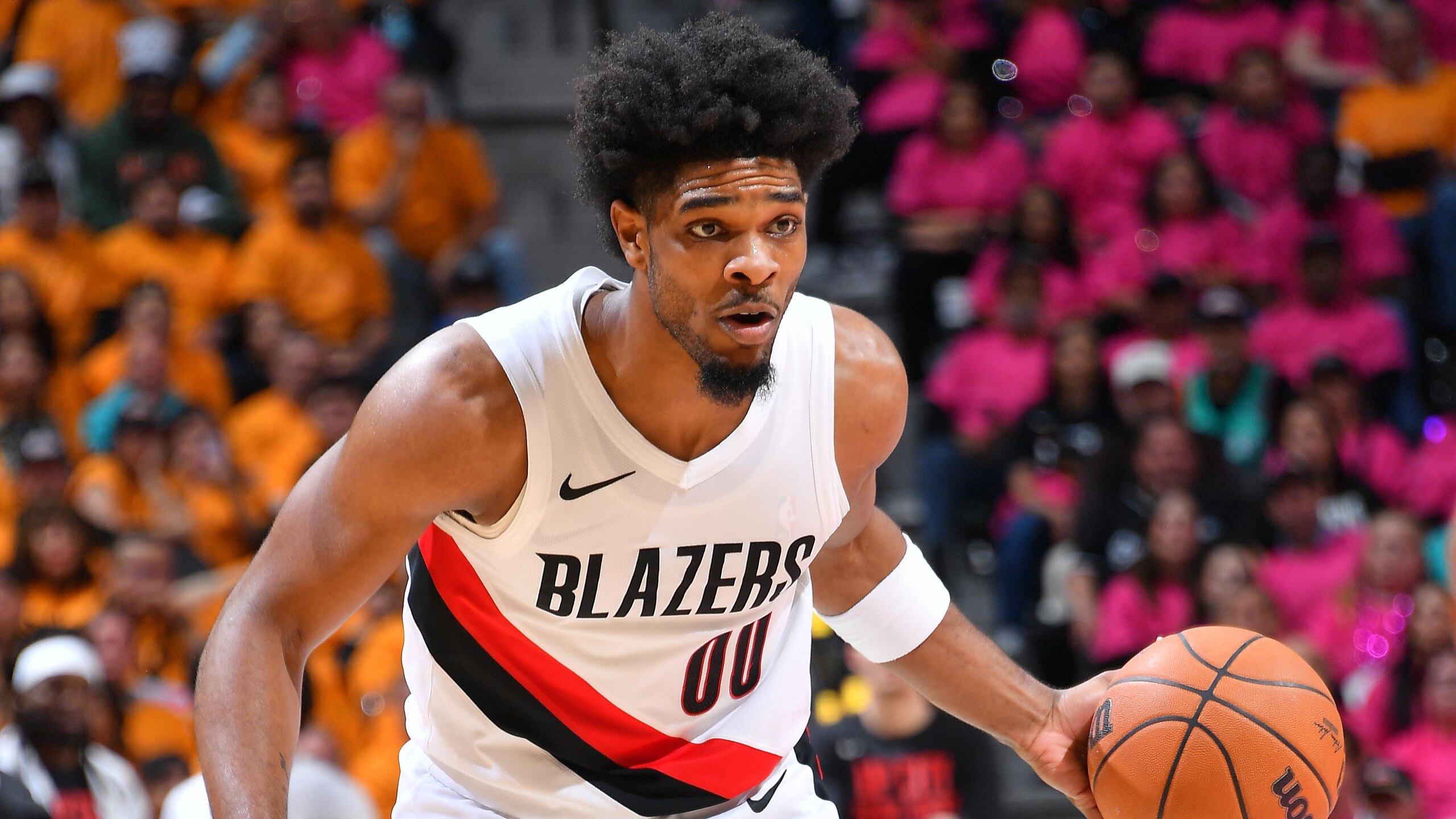
Deni Avdija looked incredible in his playoff debut. The problem was Portland's offensive otherwise looked incredibly ill-equipped to handle the San Antonio Spurs' ferocious defense and their 7'4" alien anchor. This series figured to be a grind for the seventh-seeded Blazers, and that's absolutely how it opened, as their players not named Avdija scored 68 points on 27-of-70 shooting (8-of-33 from deep).
Portland, though, might sense it's playing with house money here and use this as a developmental step for its young core. It might actually be the best way to go about this, actually, since Scoot Henderson and Shaedon Sharpe might be the most ignitable scoring options this support group has.
Henderson also impressed in his playoff debut (18 points on 7-of-11 shooting), while Sharpe impressed earlier this season (career-high 20.8 points) before being derailed by a left fibula stress reaction. Consistency isn't a strength for either, but they're both capable of scoring in bunches, and it looks like that's the kind of help Avdija needs most.
San Antonio Spurs: Find More Floor Time for Dylan Harper
15 of 16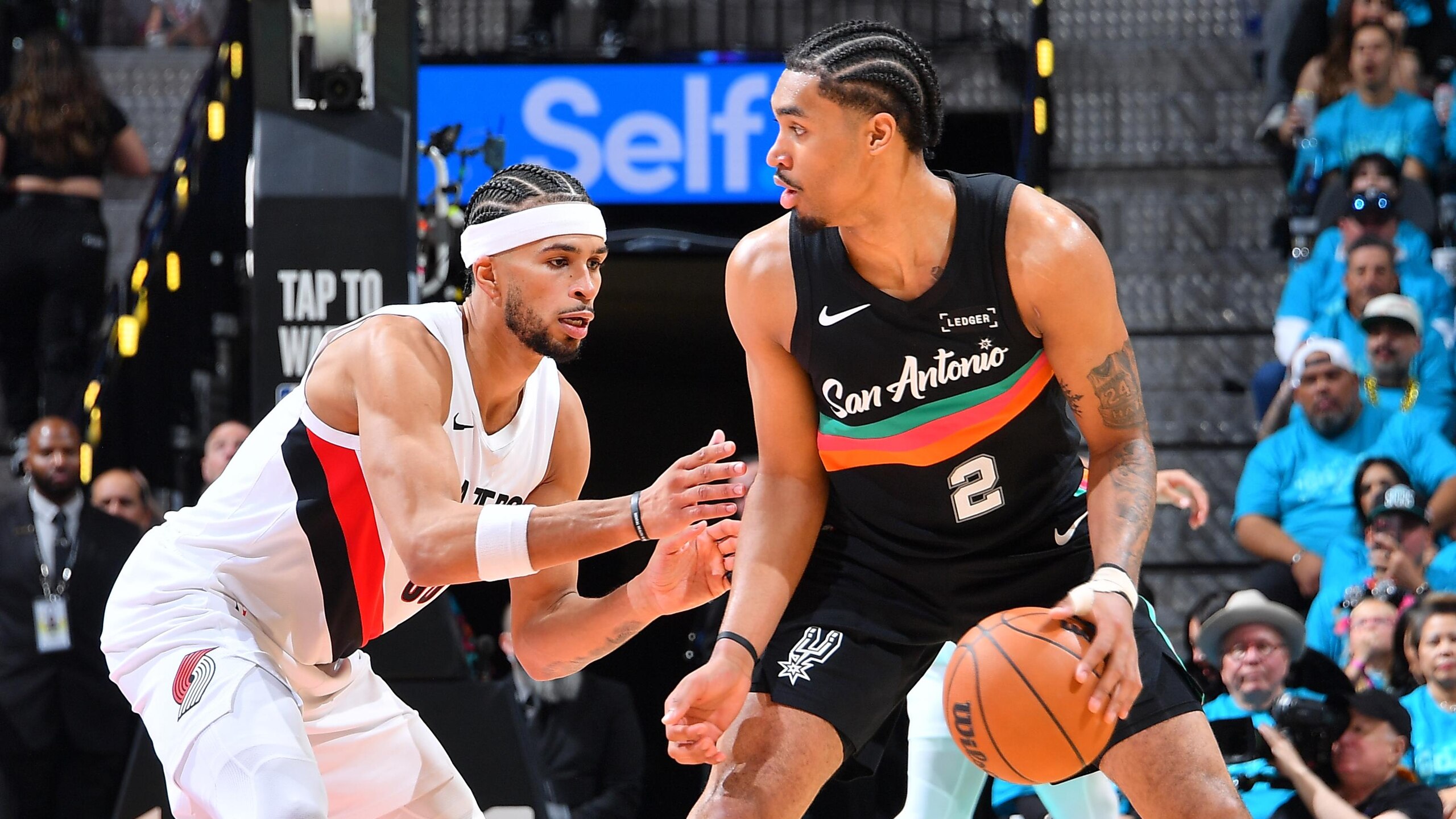
When the Spurs selected Dylan Harper second overall last summer, it was one of the clearest examples of the best-player-available approach you'll find. Because he wasn't at all a need-filler—in fact, he was probably redundant on a roster already featuring De'Aaron Fox and Stephon Castle—but he was arguably the top talent on the board.
That's why Harper hasn't handled a ton of minutes so far, despite clearly looking ready for more. The Spurs might want to bump his exposure a bit now, though, so they can have him fully ready for the later rounds. Not that Fox and Castle will definitely need replacing at any point, but teams will dare them to shoot, and things could get clunky if they can't.
In Game 1, Castle played a great floor game, but his lack of touch (4-of-13 overall, 1-of-5 from three) could've contributed to his team-worst minus-two plus/minus. Harper, by the way, paced the Spurs in that metric with a plus-18. Again, this doesn't mean San Antonio should suddenly flip its perimeter pecking order, but with such a big talent advantage in this series, this could be the perfect time for some big-stage experimentation.
Toronto Raptors: Engage Brandon Ingram
16 of 16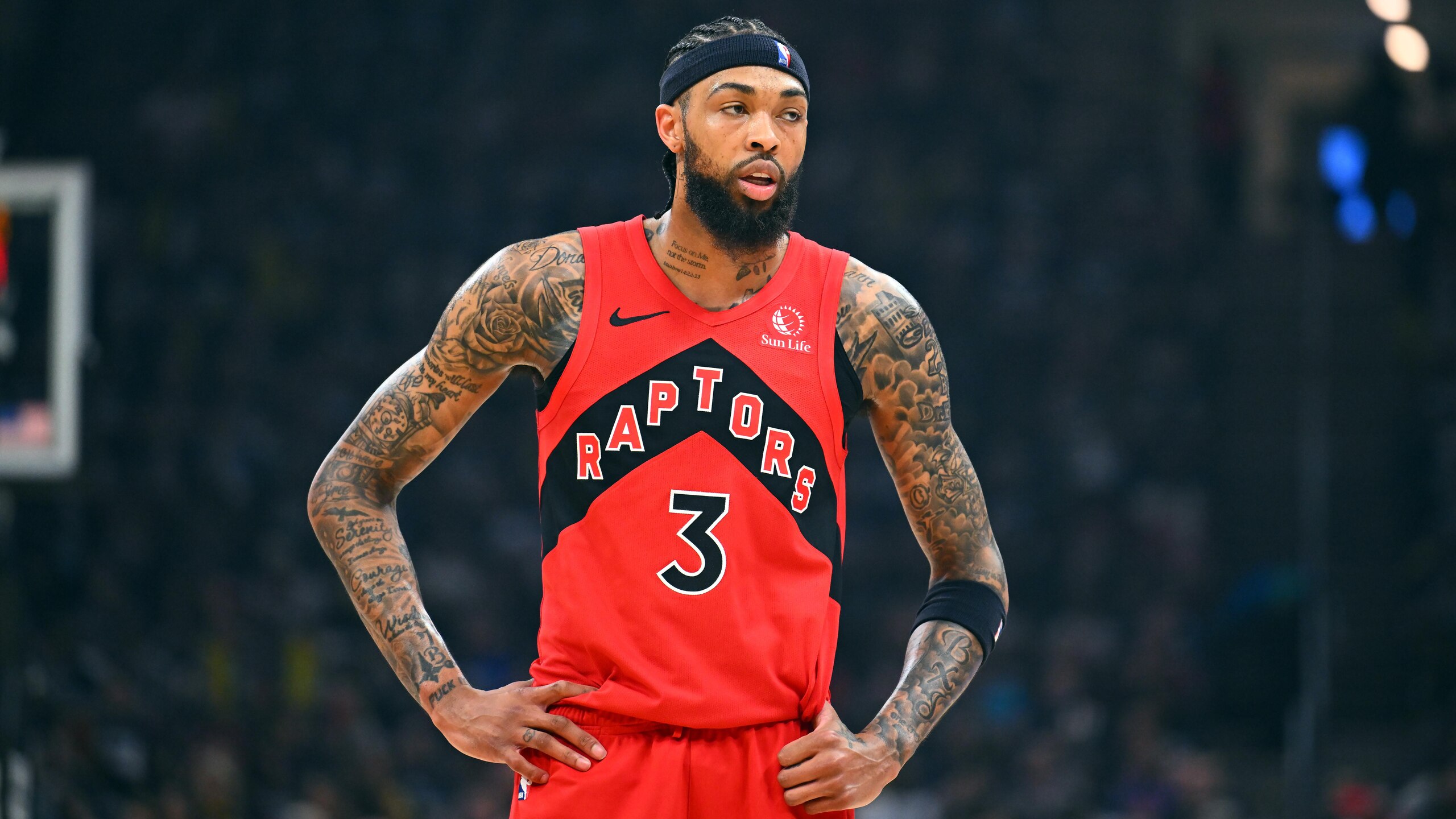
Toronto appears outmanned in this series on the offensive end, particularly with Immanuel Quickley so far struggling to shake the injury bug. For the Raptors to give themselves even a puncher's chance, though, they need their heaviest hitters to take more swings.
Namely, that can't afford to have Brandon Ingram become such a forgotten part of this offense. An All-Star selection and the team's leading scorer this season, he functioned more like a support piece—attempting fewer shots than spot starter Jamal Shead and dishing fewer dimes than rookie reserve Collin Murray-Boyles.
"BI has to get the ball in his hands, and the's the number-one option on our team," Shead told reporters Sunday. "He has to have more than nine shots."
.jpg?w=2560 "Purdy Becomes Highest-Rated QB EVER 🤩")
.jpg?w=2560 "Grading WWE Raw 🔠")