
Anonymous Resume: Which Bubble Teams Are Most Deserving of a 2026 Men's NCAA Tournament Berth?

Championship week in men's college basketball means the time has finally come for America's (least) favorite game of deceptively partial information: blind tournament resumes.
In theory, the selection committee tries to compare team resumes without any sort of bias. That is both impossible and impractical, because if you've watched as much basketball as these committee members allegedly have, all it takes is a quick glance at the list of opponents faced to know whose resume it is.
But we actually can strip away the names and talk almost exclusively in metrics to compare teams in temporary anonymity.
Let's run through a few definitions before having some fun with comparisons.
Resume Definitions
1 of 7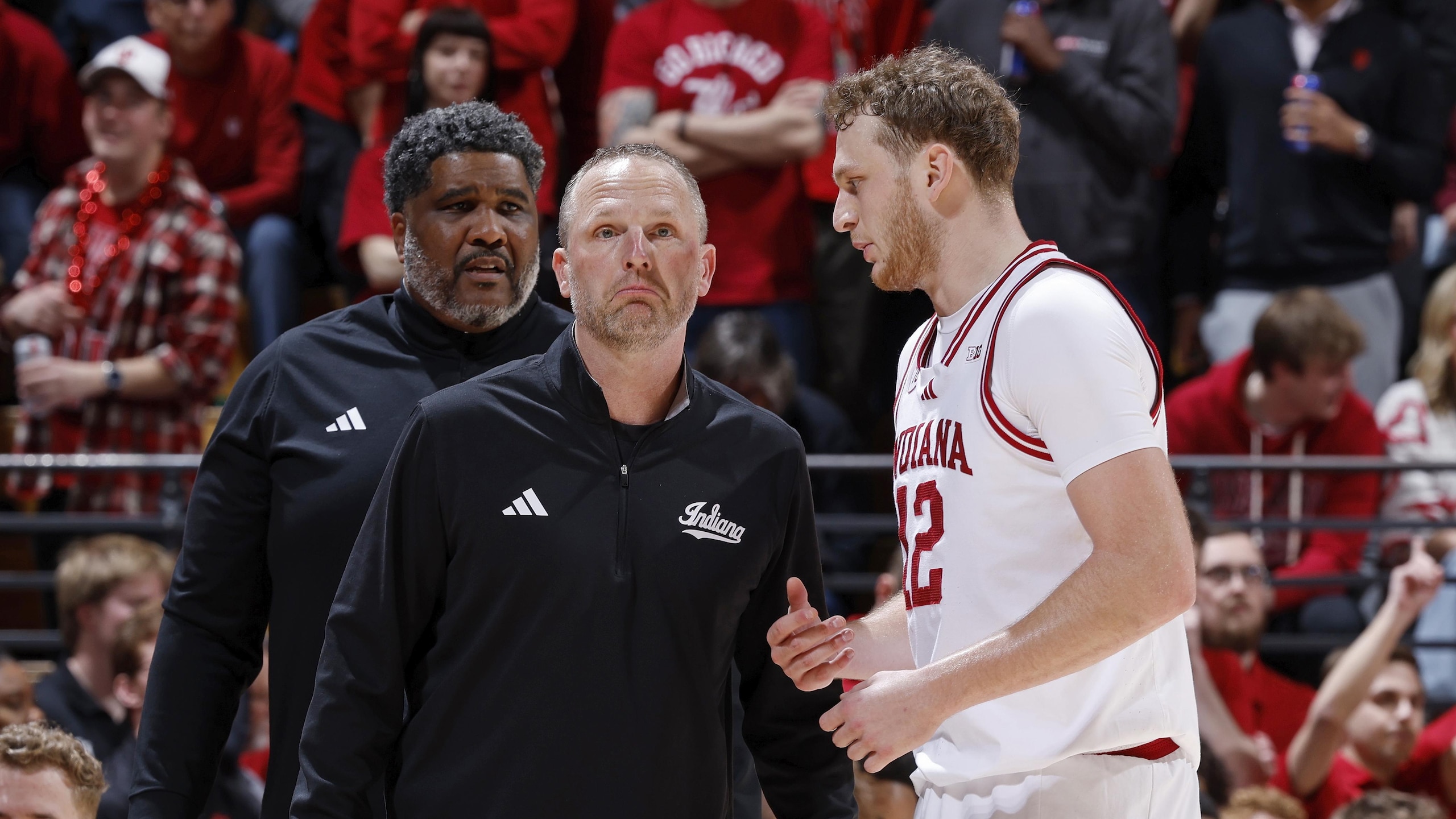
On these resumes, you'll find the following acronyms/abbreviations:
NET: NCAA Evaluation Tool. This is the primary sorting metric by which quadrant records are determined. Generally speaking, a team's NET isn't as important as the NET of its opponents, but it still matters to some extent. (For instance, you need to scroll pretty far down that sorting tool to find Missouri, but the Tigers are very likely dancing.)
RES: Resume or results-based metrics. This is the average of Kevin Pauga Index (KPI), strength of record (SOR) and wins above bubble (WAB). The lower the number, the better. And if there's one singular metric that matters the most, it certainly seems to be WAB.
QUAL: Quality or predictive metrics. This is the average of KenPom, BPI, and Torvik. Margin of victory is a huge factor here, and again, the lower the number, the better. As a bracketology rule of thumb, RES is much more important when it comes to deciding if a team belongs in the field, while QUAL starts to play a factor in where teams should be seeded.
SOS/NCSOS: Strength of schedule/nonconference strength of schedule. For the most part, this is not important as a standalone data point, as schedule strength is kind of baked into the numbers. But a team with a top-10 schedule might get some benefit of the doubt, while a team that's 300th or worse in NCSOS might get penalized for that lack of effort. More on that shortly.
Q1/Q2/Q3/Q4: The quads. Back in the day, we used to just talk about records against top 50, top 100, etc., but they changed up the team sheets a few years ago to more adequately account for where the games were played.
Quadrant 1 consists of home games against the NET top 30, neutral-site games against the NET top 50 and road games against the NET top 75. Q2 is home vs. 31-75, neutral vs. 51-100 and road vs. 76-135. Q3 is home vs. 76-160, neutral vs. 101-200 and road vs. 136-240. And Q4 is everything else. But don't worry about those actual numbers. Just know that Q1 wins are good and Q4 losses are bad. (Q1A is the top half of Quad 1, or home vs. 1-15, neutral vs. 1-25 and road vs. 1-40. Those are extra nice to have.)
Notably, these records can change overnight when the NET refreshes, making a team suddenly look more attractive or less appealing for no readily apparent reason.
With those glossary notes out of the way, let's dive into the muck, all data current through the start of play on Wednesday.
Resume Comparison No. 1: The Theoretical Definition of the Bubble
2 of 7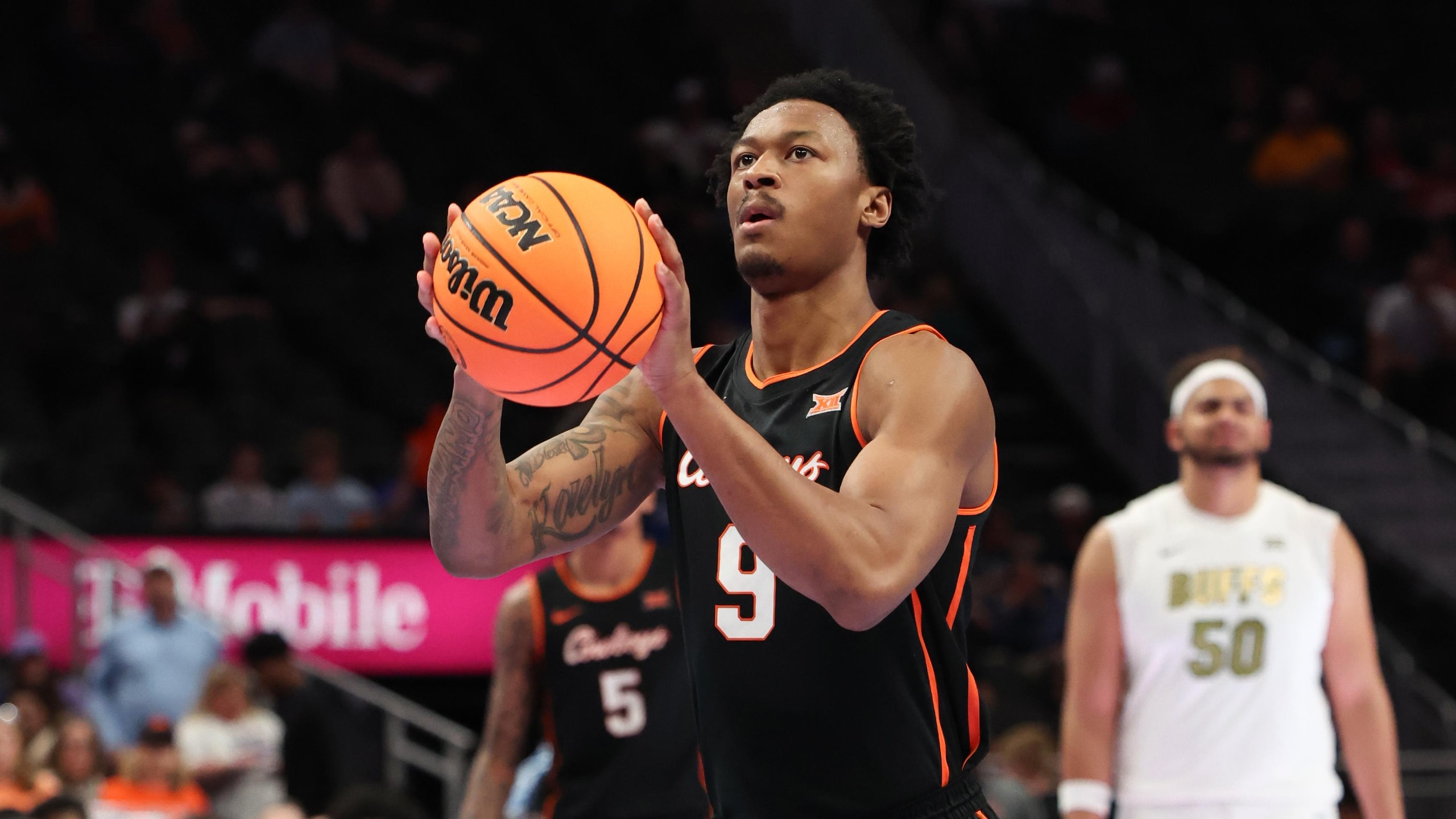
Team A: 20-10, NET: 66, RES: 52.0, QUAL: 72.3, NCSOS: 328, 4-6 vs. Q1, 2-3 vs. Q2, 6-1 vs. Q3, 8-0 vs. Q4
Team B: 19-13, NET: 72, RES: 48.3, QUAL: 72.3, NCSOS: 252, 2-9 vs. Q1, 8-4 vs. Q2, 2-0 vs. Q3, 7-0 vs. Q4
If you're trying to play detective and decipher who's who just from the resumes, we'll give you a little hint that both of these teams played on Wednesday. (Those results haven't been baked into the data yet.)
We'll even go one step further and tell you that these are the two teams with the Wins Above Bubble scores closest to being exactly zero. Team A was at a minus-0.05 while team B sits at a plus-0.01.
In other words, these are theoretically the bubbliest of all bubble teams—even though they have identical predictive metrics that suggest neither one would actually be expected to do any damage whatsoever in the dance.
Team A takes the cake in Quad 1, batting .400 while Team B hit .182. One of those four wins was even a Quad 1A result at Miami (FL), while Team B's most impressive victory was a home game against BYU. Notably, though, that was full-strength BYU on a night where Richie Saunders scored 20 points. That win might carry more weight with the selection committee than it appears to be worth based on the Cougars' current NET ranking.
Where Team B takes back the cake, though, is everything beyond Quad 1. Eight Quad 2 wins is pretty solid, even if they did acquire four losses along the way. And they didn't suffer a single loss to a team outside the NET top 80. Team A suffered three such missteps, ending up just 6-9 against the top two Quads with a bad home loss to Pittsburgh, to boot.
The Reveal: Team A is California. Team B is Oklahoma State.
Both teams entered Wednesday almost certainly on the outside looking in, but close enough that they were "in position to be in position," as Jon Rothstein says.
Unfortunately, they both lost, California to Florida State and Oklahoma State to TCU. Almost impossible to see either one getting in at this point.
Resume Comparison No. 2: So. Many. Losses.
3 of 7
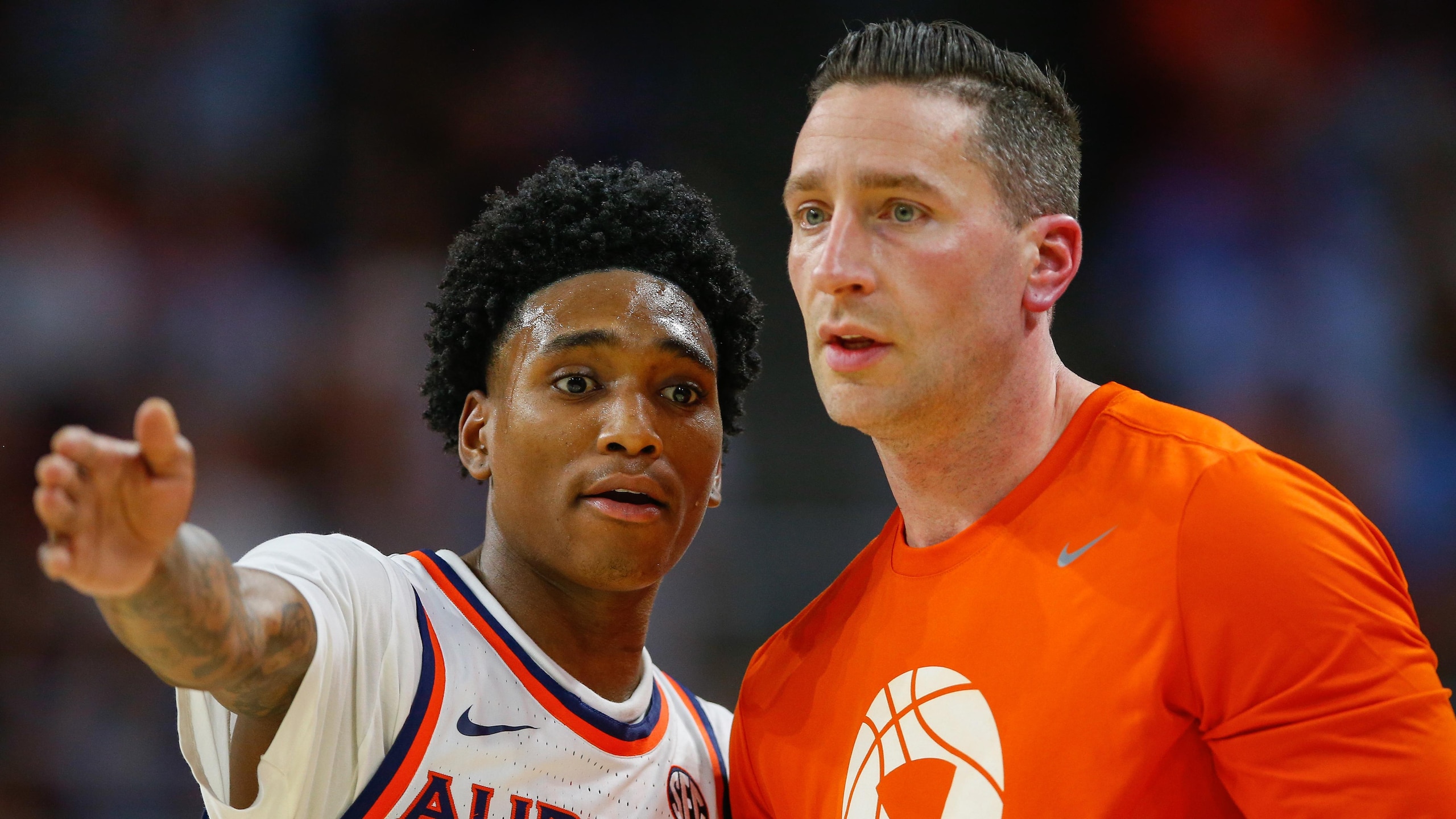
Team C: 16-15, NET: 39, RES: 45.3, QUAL: 37.3, SOS: 3, 4-12 vs. Q1, 3-2 vs. Q2, 3-1 vs. Q3, 6-0 vs. Q4
Team D: 17-15, NET: 67, RES: 58.0, QUAL: 67.3, SOS: 17, 5-10 vs. Q1, 5-3 vs. Q2, 3-1 vs. Q3, 4-1 vs. Q4
Team C is the bubble team whose stockpile of losses we've all been beaten over the heads with for the past month while Team D never seems to get mentioned as a candidate for a bid, despite putting together what has become a pretty impressive 10-13 record against Quads 1/2.
But here's your reminder that when the NCAA talks about wanting to expand the field, these are the teams who will benefit. Not 26-6 Belmont or 26-5 Akron, but these 15-loss, soon to be 16-loss No. 12 seeds in major conference tournaments who should have won more games than they actually did.
To their credit, Team C won at Florida. They were the only team in the country to pull off that feat. They also beat St. John's in the Players Era Festival while going 6-12 against likely tournament teams.
Team D also won roughly one-third of its many opportunities against tournament-caliber competition, including beating Kansas on a rare night where Darryn Peterson played 35 minutes.
Is this what we want, though?
The first 16-loss at-large team in tournament history?
Even on a terrible bubble, surely we can find some deserving team that won at least 55 percent of its games, right?
The Reveal: Team C is Auburn. Team D is Arizona State.
Truth be told, I don't know if my point here was that Arizona State should be as close to the conversation as Auburn has been, or if the Tigers deserve to join the Sun Devils in the heap of hopeless arguments.
But as much as I don't want a 16-loss team in the dance, part of me does like the idea of both of these teams getting in, because they at least put together strong nonconference schedules.
At any rate, if we're kicking the Tigers and the Sun Devils to the curb because they took too many losses, but then turning around and letting a team like Indiana into the field, what are we even doing?
Auburn played Houston, Michigan, Arizona, Purdue and St. John's away from home and only played two games against teams who ended up in the bottom 100 on KenPom—and even one of those games was on a neutral floor. The Tigers took four nonconference losses for their trouble.
ASU's schedule wasn't quite that ridiculous, but the Sun Devils played in the Maui Invitational, hosted Gonzaga and played all of UCLA, Santa Clara and Oklahoma away from home. They, too, scheduled only two cupcakes and ended up with four nonconference losses.
They helped make November and December more entertaining.
Meanwhile, Indiana scheduled seven home games against teams who were never going to sniff the KenPom top 100, pretty well banking on the road game against Kentucky and neutral game against Louisville to make their NCSOS just good enough—even though they lost both of those games.
(Indiana wasn't intended to be part of this comparison, but it's a bit inescapable when the Hoosiers entered Wednesday as our last team in the field.)
.jpg?w=2560 "Cardinals Giants Football")
.jpg?w=2560 "Saints Giants Football")
Resume Comparison No. 3: EVERY Result Matters
4 of 7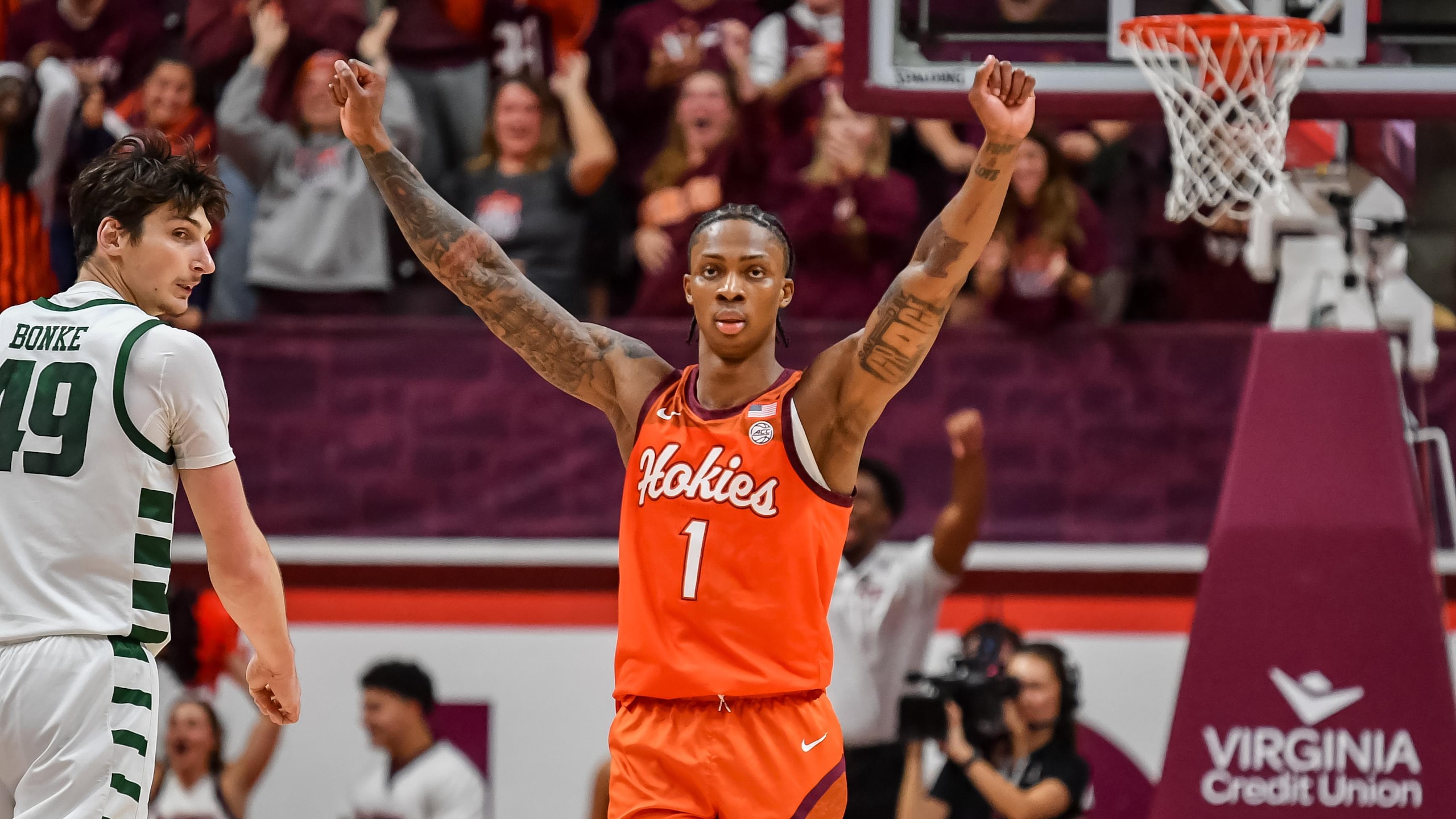
Team E: 20-11, NET: 56, RES: 55.7, QUAL: 58.0, SOS: 76, 2-6 vs. Q1, 6-3 vs. Q2, 8-1 vs. Q3, 3-0 vs. Q4
Team F: 19-13, NET: 57, RES: 54.7, QUAL: 60.0, SOS: 57, 2-10 vs. Q1, 6-3 vs. Q2, 4-0 vs. Q3, 7-0 vs. Q4
At first glance, goodness gracious, these are remarkably similar resumes.
A one spot difference in NET and RES, and a two-spot difference in QUAL?
That's nothing. Teams on the bubble sometimes move more than that in a morning refresh of data after a night in which they were idle.
They even have identical Quad 2 records, though I'll go so far as to tell you that five of Team E's six wins came against Q2A, while Team F only scored one such victory.
The only real difference is that Team F played (and lost) four additional Quad 1 games while Team E stubbed its toe in one of its nine Quad 3 games, blowing what was a 23-point lead en route to an overtime home loss to UNLV.
But hold on a sec.
Team E's records don't add up.
It looks like they only went 19-10 against Quads 1-4, not 20-11.
Does that mean....
The Reveal: Team E is Boise State. Team F is Virginia Tech.
If we could just pretend that season-opening home loss to D-II Hawaii-Pacific never happened—as is the case for at least NET, WAB and KenPom, which only counts D-I results—the Broncos sure would be in the mix for a bid, arguably in better shape than the Hokies, who were our last team in prior to losing to Wake Forest on Tuesday night.
As we've been telling you since opening night, though, we need to kind of fudge Boise State's data to factor in a horrific loss that most certainly did happen and that does count, even if most of the team sheet metrics disregard it.
Unfortunately, the Broncos went out and suffered a terrible loss to San Jose State late Wednesday night in their Mountain West opener and are now as good as dead.
Resume Comparison No. 4: Results > Predictives
5 of 7
Team G: 31-0, NET: 54, RES: 34.0, QUAL: 89.0, SOS: 339, Q1: 0-0, Q2: 2-0, Q3: 11-0, Q4, 15-0
Team H: 17-14, NET: 52, RES: 59.0, QUAL: 44.3, SOS: 26, Q1: 3-9, Q2: 6-5, Q3: 1-0, Q4: 7-0
A zero in the loss column?
Gee, wonder who that one could be...
Throughout the exhausting arguments about Team G's at-large legitimacy, my big question has been: If not them, then whom?
I'm well aware they've beaten nobody of note, and that the predictive metrics suggest the spread should be a pick'em if they played on a neutral court against someone like South Carolina.
I'm also well aware that Team G has ranked in the Nos. 30-35 range in WAB for more than a month at this point, and that SOR has them almost in the top 20.
And if there was ever a year to reward a team for simply not losing, this is the one. Evan Miyakawa ran the numbers the other day and tweeted that this is objectively the weakest bubble in at least 15 years, which covers the 68-team era of the bracket.
Case in point: 14-loss Team H—with a results metrics average worse than those of any at-large team in the NET era of selecting the field—was our second team out heading into play on Wednesday, as it is a struggle to find teams who deserve to go to Dayton.
The Reveal: Team G is Miami (OH). Team H is Oklahoma.
Put them on a neutral floor and Oklahoma would presumably be favored by around 8.5. At any rate, that was the spread for the Sooners' SEC opener against South Carolina.
But don't get "Who would win on a neutral court?" confused with "Who should be in the field?"
The selection committee's job is to pick the most deserving teams. Not the best teams.
If it was about identifying the best teams, the NCAA would've scrapped the committee years ago and just started throwing together a seed list via KenPom or NET rankings.
Thankfully, though, that's not the case. And if the RedHawks happen to lose in the MAC tournament, here's one spot where we're hoping the committee members are as obsessed with Wins Above Bubble as we think they are.
Without a doubt, any loss in the MAC tournament would damage Miami's WAB. But the RedHawks entered Wednesday at a +2.59, able to drop a full win and still rank in the top 40—not to mention still rate more than two wins above the likes of Oklahoma.
Resume Comparison No. 5: It Ain't Easy Being Clean
6 of 7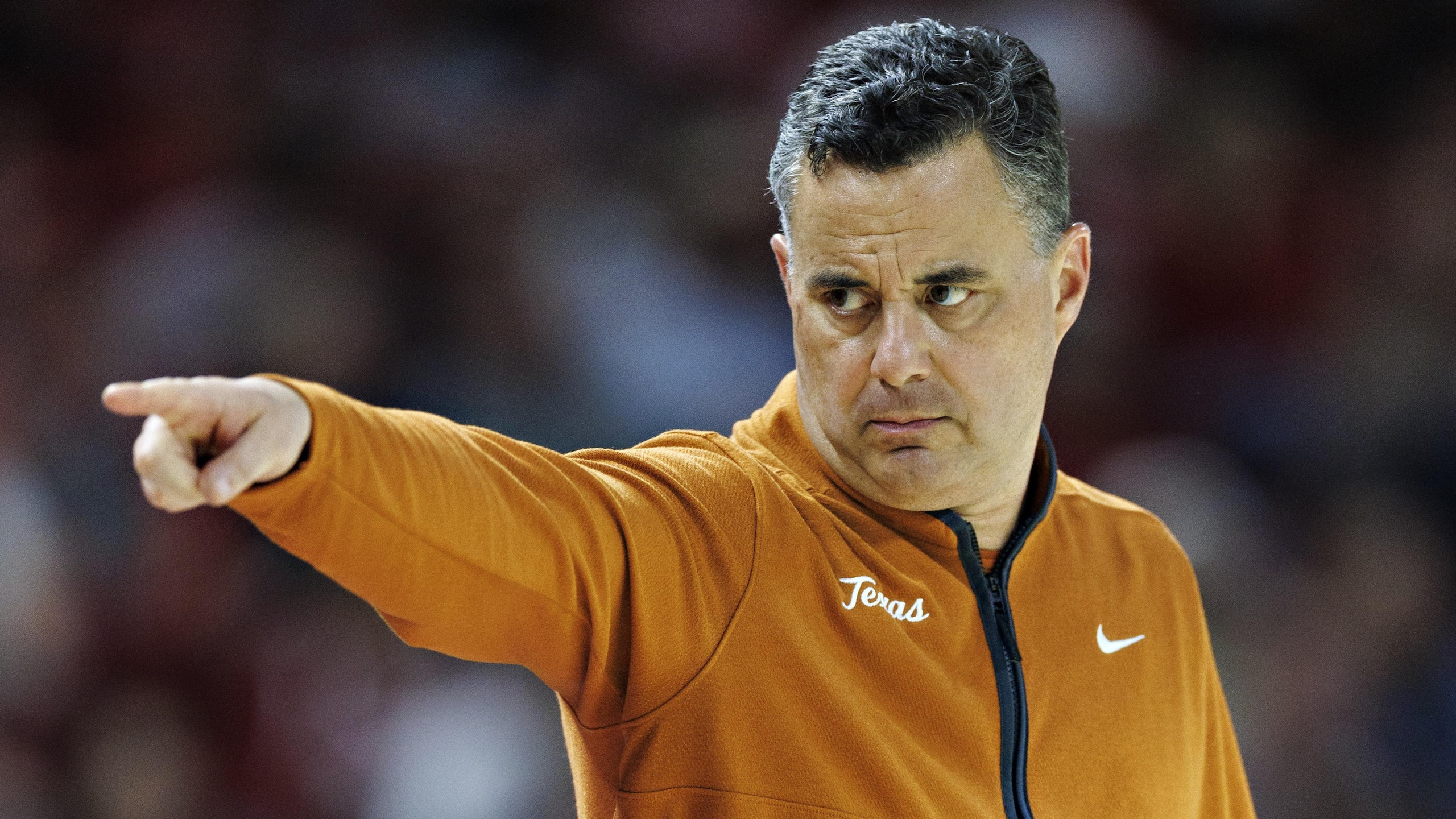
Team I: 24-7, NET: 44, RES: 38.3, QUAL: 48.0, SOS: 98, Q1: 1-5, Q2: 3-2, Q3: 10-0, Q4: 10-0
Team J: 18-13, NET: 42, RES: 49.0, QUAL: 37.0, SOS: 13, Q1: 6-9, Q2: 1-3, Q3: 3-1, Q4: 7-0
For the moment, this isn't so much a "Who gets into the dance?" comparison as much as it is a question of which one goes to Dayton and which one goes directly into the round of 64.
As we learned two years ago, though, that cutline can change in a hurry if bid thieves start wreaking HAVOC. (Hint hint, nudge nudge on Team I's identity.)
As far as the results metrics are concerned, Team I holds a pretty clear edge over Team J—which feels ridiculous if your two favorite things to fixate upon are Quad 1 records and KenPom rankings. Team J is ahead by five wins in the former and by 11 spots in the latter.
A clean resume will always stand out (in a good way) along the bubble, though, even when lacking for marquee victories. And not having a single loss outside of Quad 2A is doing some heavy lifting for Team I.
The Reveal: Team I is VCU. Team J is Texas.
Though Texas has six Quad 1 wins—plus a Quad 2 win vs. NET No. 31 Georgia that is right on the cusp of becoming a Quad 1 win—it's noteworthy that the Longhorns are just 1-9 against Quad 1A and have really dropped the ball against Quads 2 and 3. [And that was before the bad loss to Ole Miss in the SEC tournament.]
If these resumes were hands of spades, Texas has the Q-8-7-5-4-3-2 of trump and a bunch of losing cards in the other three suits, while VCU is loaded with non-spade face cards and aces, but a measly six in the game's most important suit.
Neither hand is great, but both can win you a good number of tricks and get you across the finish line.
The key for VCU, however, is staying clean. The Rams are in our projected field, but a loss to either Duquesne or Rhode Island on Friday could be devastating. Even if they win their opener, a loss to Saint Joseph's or Davidson on Saturday would also be a Quad 3 misstep based on current NET data.
But if they can get to the A-10 title game, they should be dancing.
Resume Comparison No. 6: What Have You Done for Us Lately?
7 of 7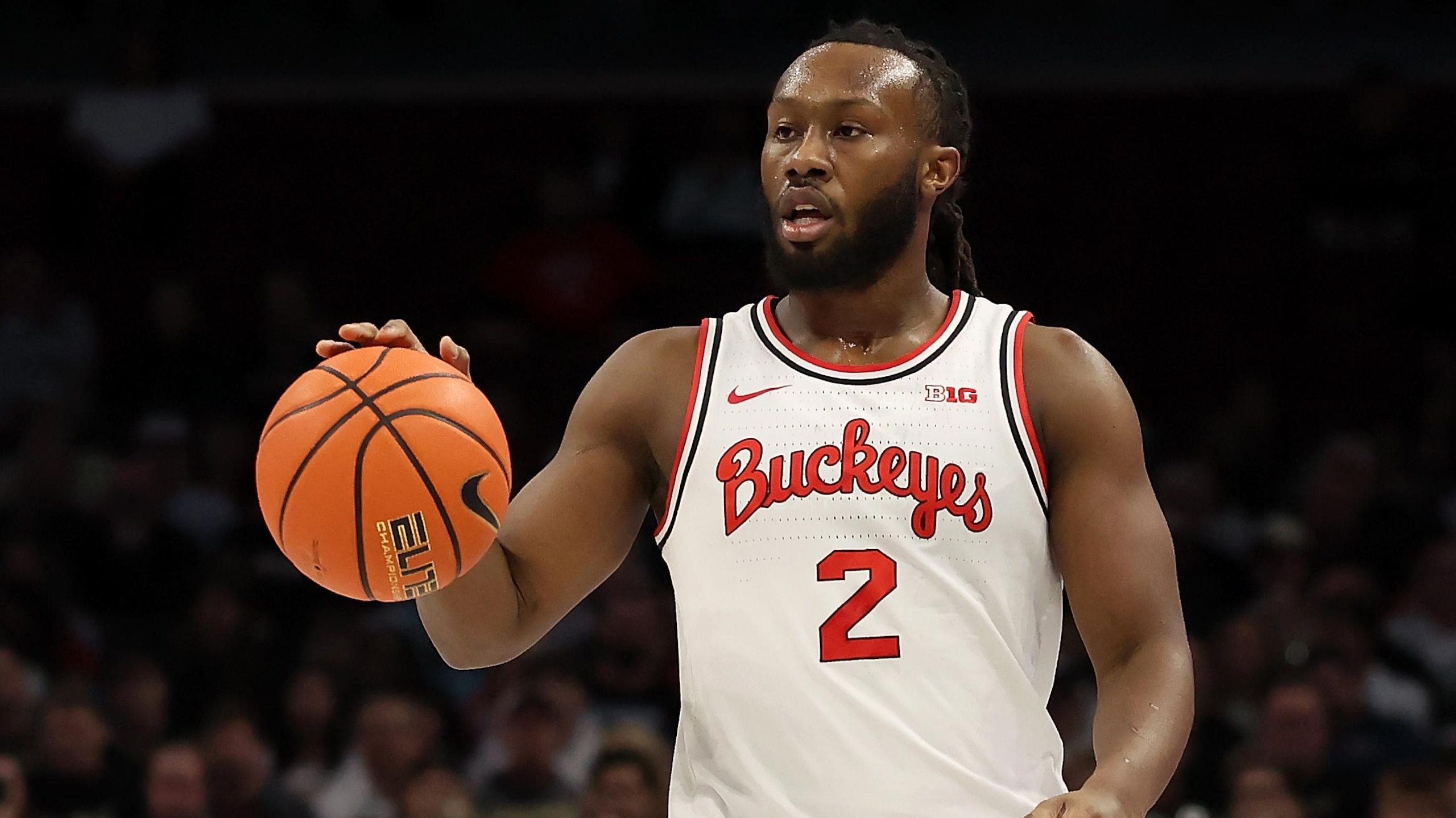
Team K: 20-10, NET: 51, RES: 35.0, QUAL: 55.0, SOS: 55, Q1: 4-7, Q2: 6-3, Q3: 4-0, Q4: 6-0
Team L: 20-11, NET: 30, RES: 37.7, QUAL: 25.7, SOS: 23, Q1: 3-10, Q2: 5-1, Q3: 6-0, Q4: 6-0
Here's some bonus information to buttress that resume data, which bears mentioning because it has drastically impacted the ol' eye test.
Team K: Went 3-6 in final nine regular-season games, including five of its six worst losses of the season.
Team L: Went 4-2 down the stretch, including three of its four best wins of the season.
In our Feb. 3 projection of the field, Team K was a No. 6 seed and Team L was our Fourth Team Out. But now, we have Team L more than a full seed line ahead of Team K.
What a difference five weeks and season sweeps at the hands of West Virginia and Oklahoma State can make, eh?
Meanwhile, amid a sea of bubble teams playing their way out of the field, Team L sure has come to feel like a lock. But if Texas is still in some danger at 1-9 against Quad 1A, this team probably should be, too—especially considering both of their Quad 1B wins were Quad 2 results barely a week ago.
Momentum heading into Selection Sunday isn't supposed to matter, though. Games in mid-November count for just as much as games in mid-March, if not more so. And Team K does still have the marginally better results-based metrics, in spite of the recent freefall.
The Reveal: Team K is UCF. Team L is Ohio State.
The Knights have been falling apart at the seams and feel like a team that has been cratering toward the bubble. But take a step back from the recent tailspin and look at the full resume and you'll see a team with victories over Kansas, Texas Tech and BYU and nary a loss to a team outside the NET top 75.
Even though the predictive metrics had been telling us all season that a spate of questionable losses could be coming their way, the Knights should still be in pretty good shape.
As for the Buckeyes, if those home wins over Purdue, Wisconsin and Indiana had come back in January instead of within the past 23 days, would we feel the same way about this team?
Quite the opposite of UCF, the predictive metrics had been telling us the Buckeyes were extremely unlucky to have opened the season 0-10 against Quad 1 and that the recent wins were their own version of regression to the mean.
But if they were to lose to Iowa on Thursday to fall to 0-7 away from home against teams in the field—plus an iffy loss at Washington and a bad one at Pittsburgh—have they done enough?
Given the bubble losses that have already happened elsewhere this week, both of these teams should be in with some room to spare. But if either team is destined for a spot in Dayton, it just might be the one that could easily drive there.
.jpg?w=2560 "Cowboys Packers Football")
.jpg?w=2560 "Chargers Fall to 0-6 📉")
.jpg?w=2560 "Bills Safety Ejected for Spitting")