

Billy Hogan Exclusive: Liverpool Chief Targets Success On and off the Pitch
Children of the 1970s and '80s will remember the glory days of Liverpool, when the Anfield giants swept all competition aside, both at home and abroad. But now—for the first time since Manchester United rose again to dominate after two decades in the doldrums—Brendan Rodgers' team might be positioned to replicate the revival of their northwest adversary from across the East Lancs Road.
Liverpool have been owned since 2010 by the Fenway Sports Group, a sports investment company responsible for revamping the iconic baseball team, the Boston Red Sox, and leading them to their first World Series victory in 86 years.


.jpg?w=2560 "Rams Eagles Football")
Like the previously underachieving Red Sox, Liverpool have been unable to win the Premier League championship for 25 years. However, this does not appear to be an obstacle that scares FSG—who restructured the American League East Division baseball team into a set of winners after generations of failure.
As the club-rebuilding process continues, the American company has now taken the decision to redevelop Anfield, mirroring its approach with the Red Sox's Fenway Park, rather than to pursue the potential to find a new home elsewhere. Sean Bradbury of the Liverpool Echo recently shared how the new Anfield will look:
Liverpool Chief Commercial Officer Billy Hogan—who was previously involved with the Red Sox and has recently moved to England to be closer to the football club—exclusively spoke to Bleacher Report about the development of the iconic stadium and his excitement at the rate of progress behind the scenes.
"Redeveloping Anfield was the preferred option," Hogan told Bleacher Report. "I was involved in due diligence at Fenway Park, and there are similarities between the Boston Red Sox and Liverpool as sporting institutions. When we first came to Anfield in 2010 for our first visit and toured the stadium, I remember John Henry saying, 'Why would you ever leave here?'
"He, and all of us at Fenway, had an appreciation of what a historic venue means to a club. You can't replicate history and tradition with a new stadium, so there was a desire to stay at Anfield. We needed local partners to do that, and this was a key part in keeping the club at its home."
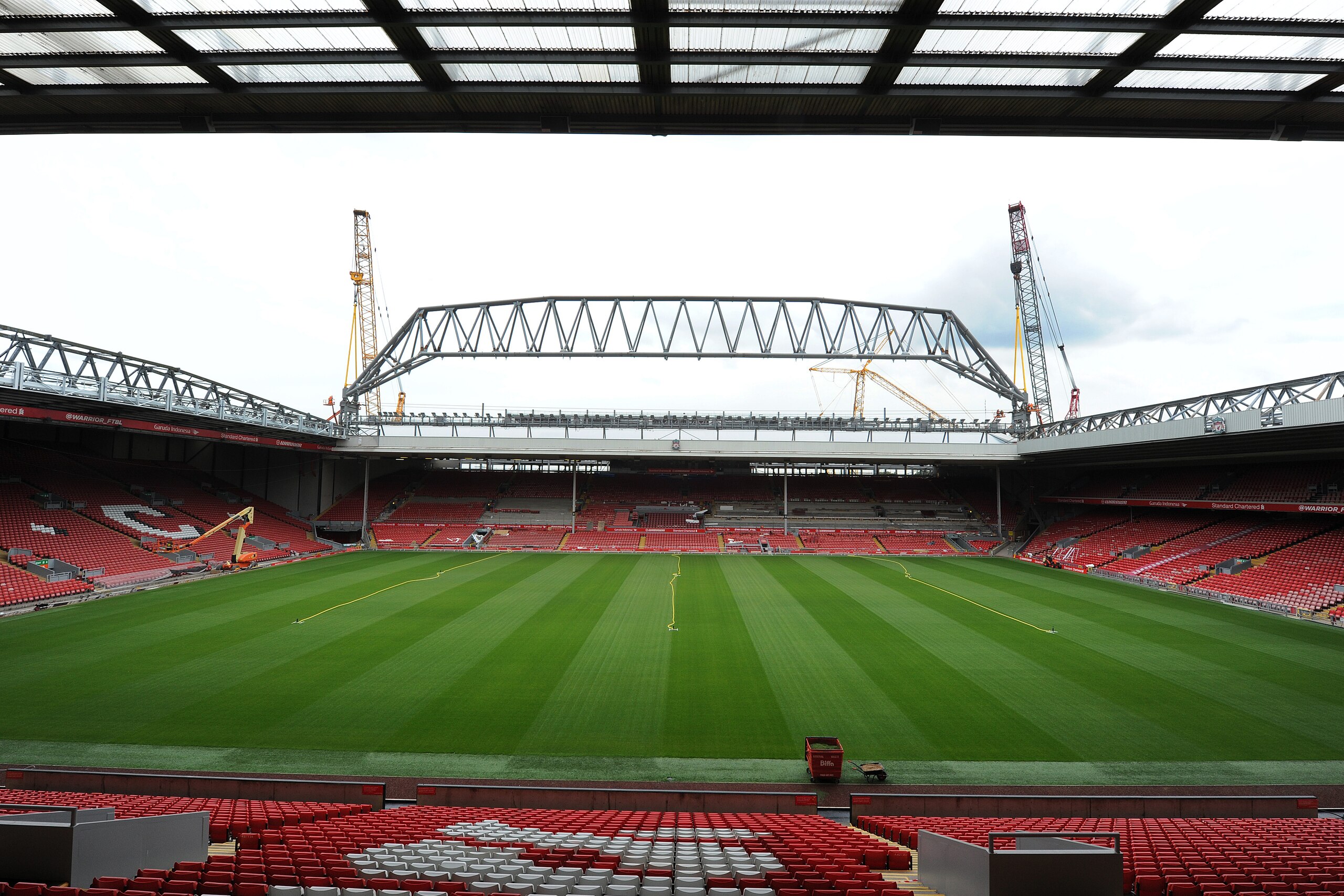
FSG have taken the decision not to rebrand Anfield or copy the wholesale approach of clubs who have built new stadiums and have taken on blue-chip company names to adorn their grounds. Instead, the owners have opted to find a naming partner for the new main stand, with construction already in progress.
"It would be very difficult for us to rename Anfield—and that is not something we want to do as a club," Hogan said. "Ultimately, the new stand will be a significant piece of the stadium, and a sponsor of the new stand would have the iconic brand positioning that a naming partner would want. But renaming Anfield is not something we are trying to do."
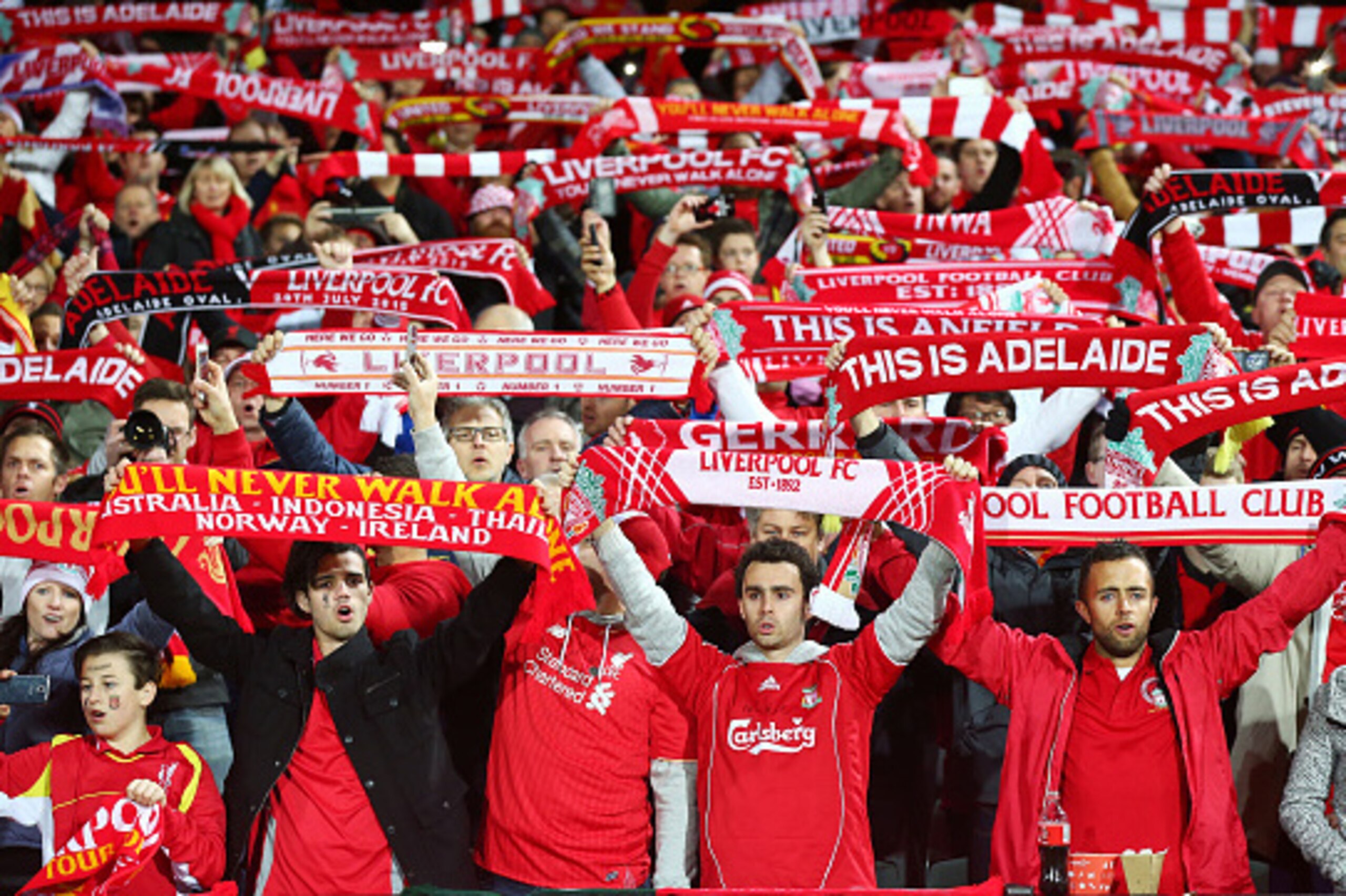
The club now estimate they have 771 million fans worldwide, and the sponsorship possibilities position Liverpool as one of the major players in world football—despite their recent lack of glory. The expansion of Anfield allows the club to cater to both their current season-ticket holders and a more corporate clientele, bringing in essential funds to strengthen Rodgers' side.
"VIP seating—or as we call it "the Executive Lounge"—in the main stand was the first product we put on sale, and that is now sold out," Hogan explained. "That lounge is located on the halfway line; it's an extraordinary experience, and the demand was phenomenal. It's a once-in-a-lifetime opportunity for a lot of fans to get this type of premium seating and hospitality at Anfield."

FSG have followed the path of stadium redevelopment in the past, completely revamping Major League Baseball's oldest venue, Fenway Park—originally constructed in 1912. The building project in Boston took 10 years to complete, and the old baseball park is still considered a sporting shrine with the same values as Anfield.
"I think our ownership experience at the Red Sox over the years of redevelopment of Fenway Park has translated to this project," Hogan said. "The Fenway Park redevelopment was a 10-year project, and you can't do that at a football ground. The main stand at Anfield is an 18-month project. But the key component to maintaining what is great about Anfield is the matchday experience, and a lot of thought has gone into the design, configuration and atmosphere."
Hogan stressed: "We want the design of the building to feel uniquely Liverpool. We've had consultants spend a lot of time in the city looking at the architecture, and we wanted to incorporate this into our design. We are really excited about these elements, and it's similar to our approach at Fenway."
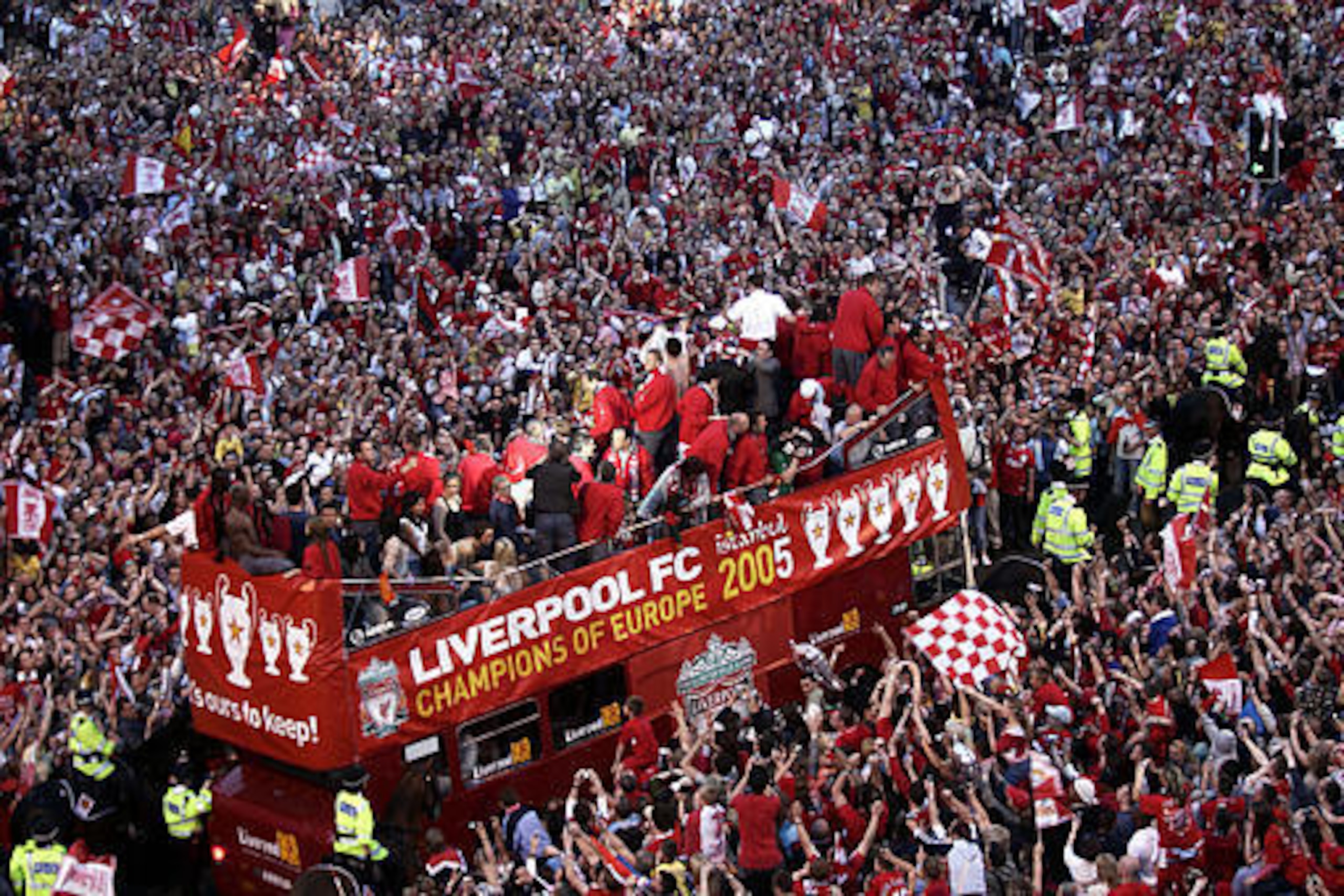
Hogan said he is very clear on the primary goal of the expansion of Anfield and all the work behind the scenes: to win trophies and claim victory on the pitch. Indeed, Liverpool are the fourth-biggest spenders in the Premier League over the past five years, as reported by the TransferLeague.co.uk, underlining the commitment to bringing the glory days back to Merseyside.
However, transfer expenditure does not always equal success in football. But Liverpool almost won the title in 2013-14 and continue to strive for the Premier League crown.
"From the club’s perspective, there is a shared goal to be as successful as possible both on and off the pitch. When FSG acquired the club five years ago, John Henry and the company were very clear about winning, and that is why they are involved in sports," Hogan explained.
"We always want to be competitive. But we and our partners realise performance on the pitch can fluctuate over a period of time."
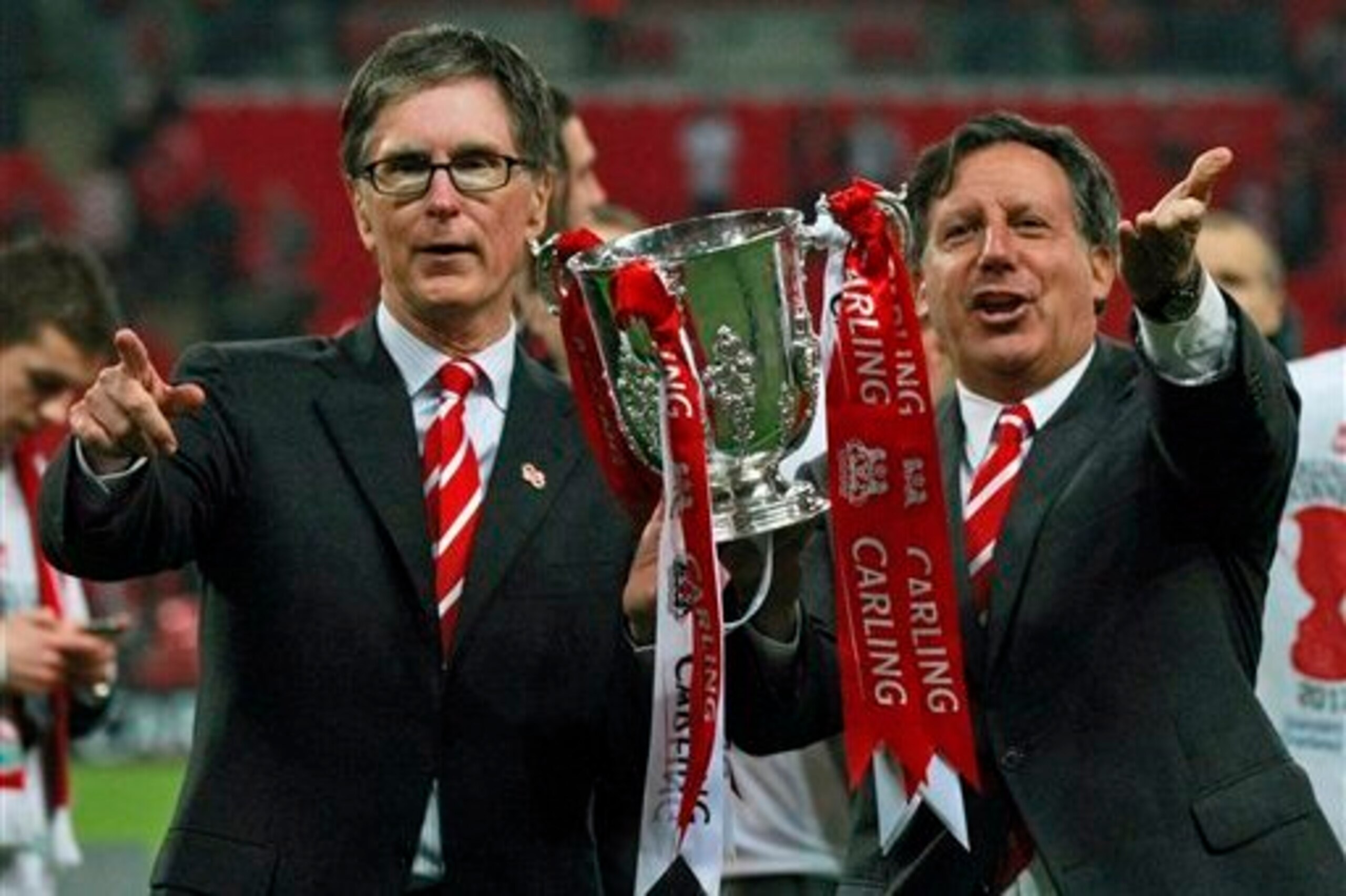
The American ownership model has been met with much derision at Manchester United, with Malcolm Glazer having never set foot inside Old Trafford before his death—despite owning the club since 2005. However, FSG have instead worked closely with Liverpool supporter groups and local businesses as they take a more holistic approach to ownership. The project at Anfield was formulated with the help of the local council.
"Liverpool was on the brink of bankruptcy five years ago and was heading into administration, and there were lots of things to address and fix: the stadium, the football team, the commercial side, investing in all areas of the business. The support from the ownership is integral in helping us to compete for trophies," Hogan said.
"We are focused on running the club in a sustainable manner, and we have to generate the revenue to invest back into the club. It's important from an ownership perspective to listen to the fans, as we have in Boston, and to be very involved with our community partners and the supporters—and think of Liverpool as a 'club' itself. FSG act as stewards of the club rather than owners, as they have with the Red Sox."
Anfield's expansion has already seen a notable milestone, with the 650-tonne roof structure hoisted into place. Eleanor Barlow of the Liverpool Echo captured the moment:
The project will see the new main stand be one of Europe's largest all-seater single stands, with the total capacity of Anfield raised to 54,000, according to Liverpool's official site.
FSG's vision for Liverpool will interest fans, not just across Merseyside but also the world over. The football club desires to retake its place as England's elite team and is constructing the necessary plans to facilitate its dream.
However, the rise to Premier League success is a rocky road, with the fluctuation of results in England making it the most entertaining division in world football. There are no guarantees of trophies, even if you have the correct formula.
The Red Sox watched their East Coast neighbours, the New York Yankees, sweep multiple world championships before FSG brought the good times back to Boston, and it appears the organisation has the credentials to duplicate its success in the Premier League.
But with the great clubs of Manchester and London consistently strengthening their squads in every transfer window, the task for FSG and Liverpool is a challenging one, with the pitfalls constantly evolving.
.jpg?w=2560 "Texans-Mixon Released Football")
.jpg?w=2560 "Commanders Eagles Football")

.jpg?w=2560 "Grading WWE Raw 🔠")
.jpg?w=2560 "Mahomes' Wife Trolls Kubiak 💀")

