
There is nothing quite like the start of conference play to make you question everything you thought you knew about the men's college basketball season and to reshuffle the projected NCAA tournament picture.
On Saturday alone, there was Kansas losing to UCF, North Carolina losing to SMU, Florida losing to Missouri, and—in one of the bigger stunners of the season—St. John's losing at home to Providence. Though it didn't impact any of the teams already projected for either a No. 1 or No. 2 seed, it was a classic early January "shake-up Saturday."
How are things looking in the aftermath of that chaos?
Now that we're about halfway through our annual bracketology journey, resume (or RES) metrics (SOR, KPI and WAB) are carrying more weight than the predictive (or QUAL) metrics (KenPom, Torvik and BPI) do, but all of those metrics—as well as quadrant-based records and strength of schedule—factor into the seeding process.
Now that league play has begun around the country, the projected auto bids from each of the 31 conferences are now based on conference record.
With that out of the way, let's start with the full bracket before some commentary on the current state of the bubble and the top seed line. Following that, we have a full conference-by-conference rundown, highlighting some of the biggest changes from one week ago.
The Projected Bracket
1 of 10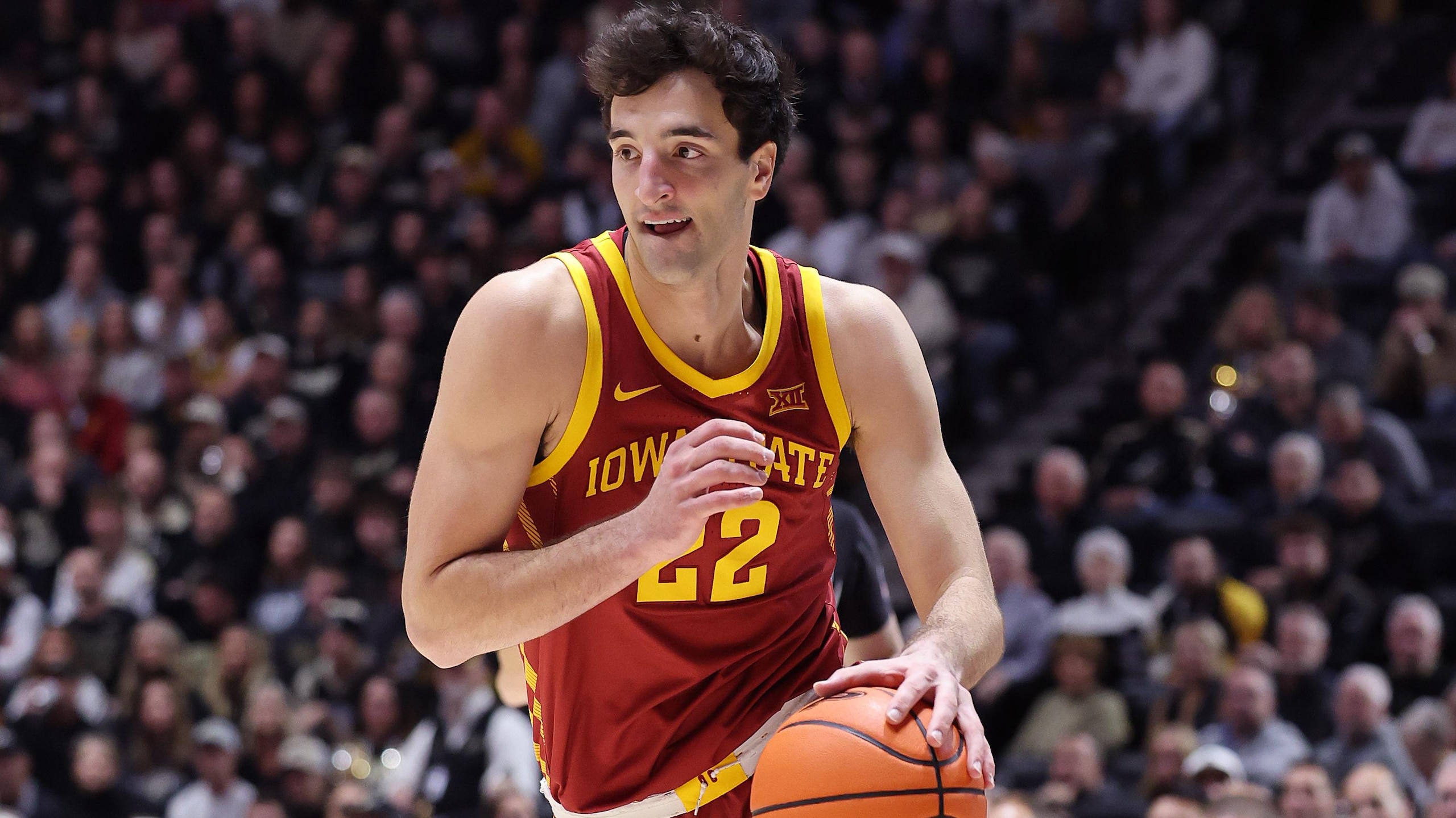
East Region (Washington, D.C.)
Philadelphia, PA
No. 1 Connecticut vs. No. 16 Vermont/Grambling
No. 8 Florida vs. No. 9 Virginia Tech
San Diego, CA
No. 4 Texas Tech vs. No. 13 Lipscomb
No. 5 Tennessee vs. No. 12 Liberty
Oklahoma City, OK
No. 3 Nebraska vs. No. 14 North Dakota State
No. 6 UCF vs. No. 11 VCU
St. Louis, MO
No. 2 Vanderbilt vs. No. 15 Colgate
No. 7 SMU vs. No. 10 Baylor
Midwest Region (Chicago)
Buffalo, NY
No. 1 Michigan vs. No. 16 Merrimack/Maryland-Eastern Shore
No. 8 Saint Louis vs. No. 9 Oklahoma State
Tampa, FL
No. 4 Arkansas vs. No. 13 High Point
No. 5 Kansas vs. No. 12 Murray State
Oklahoma City, OK
No. 3 Houston vs. No. 14 Wright State
No. 6 Villanova vs. No. 11 Indiana/Stanford
Greenville, SC
No. 2 Duke vs. No. 15 Lindenwood
No. 7 Iowa vs. No. 10 LSU
South Region (Houston)
St. Louis, MO
No. 1 Iowa State vs. No. 16 Nicholls
No. 8 Clemson vs. No. 9 Seton Hall
Tampa, FL
No. 4 Illinois vs. No. 13 UNC-Wilmington
No. 5 Louisville vs. No. 12 TCU/George Mason
Greenville, SC
No. 3 Alabama vs. No. 14 East Tennessee State
No. 6 Virginia vs. No. 11 Miami-Ohio
Buffalo, NY
No. 2 Purdue vs. No. 15 Georgia Southern
No. 7 Georgia vs. No. 10 Miami
West Region (San Jose)
San Diego, CA
No. 1 Arizona vs. No. 16 Long Island
No. 8 Saint Mary's vs. No. 9 Auburn
Philadelphia, PA
No. 4 Michigan State vs. No. 13 UC Irvine
No. 5 North Carolina vs. No. 12 Memphis
Portland, OR
No. 3 BYU vs. No. 14 Montana State
No. 6 Utah State vs. No. 11 Yale
Portland, OR
No. 2 Gonzaga vs. No. 15 Utah Tech
No. 7 USC vs. No. 10 Kentucky
Ranking the No. 1 Seeds
2 of 10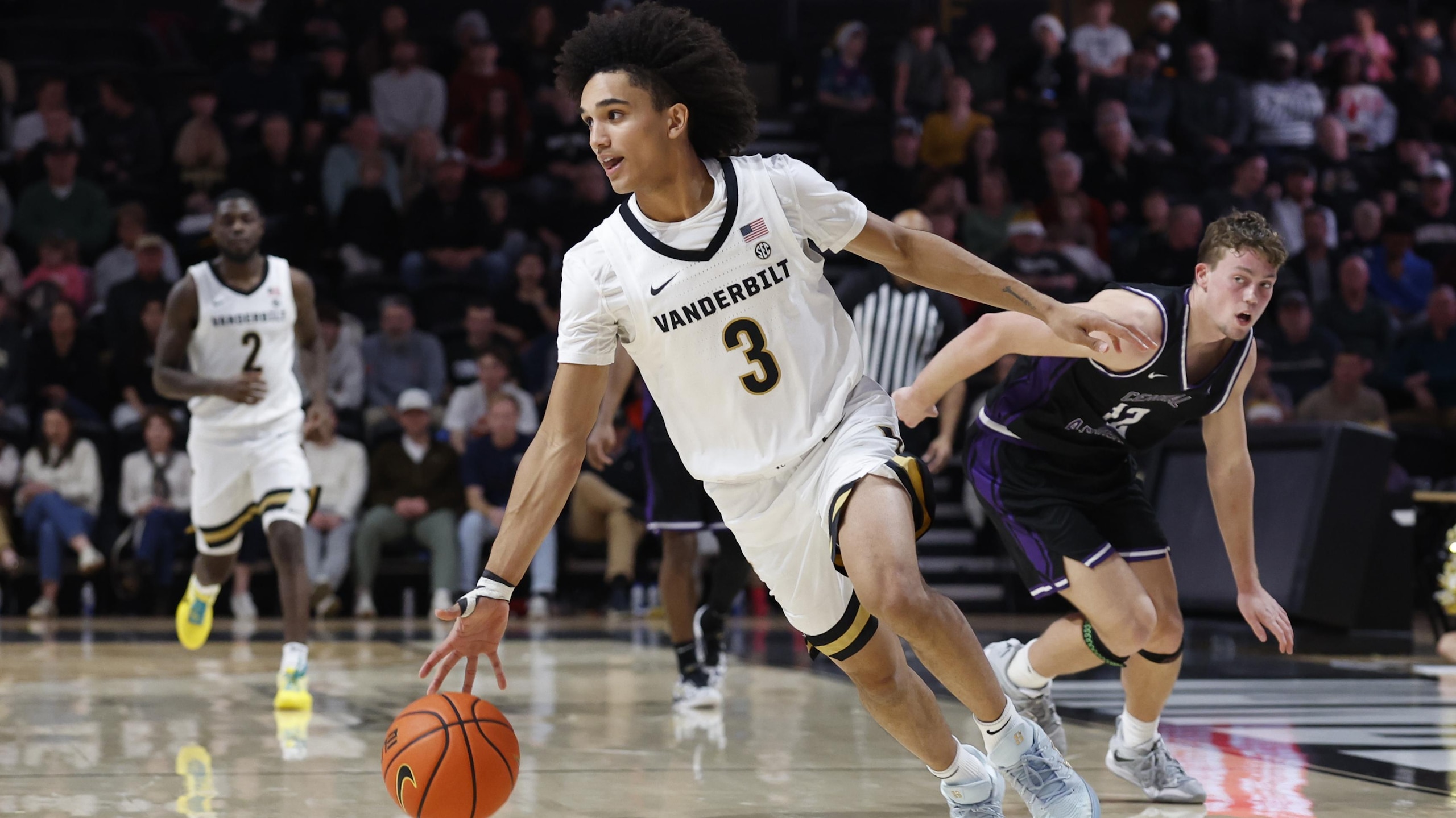
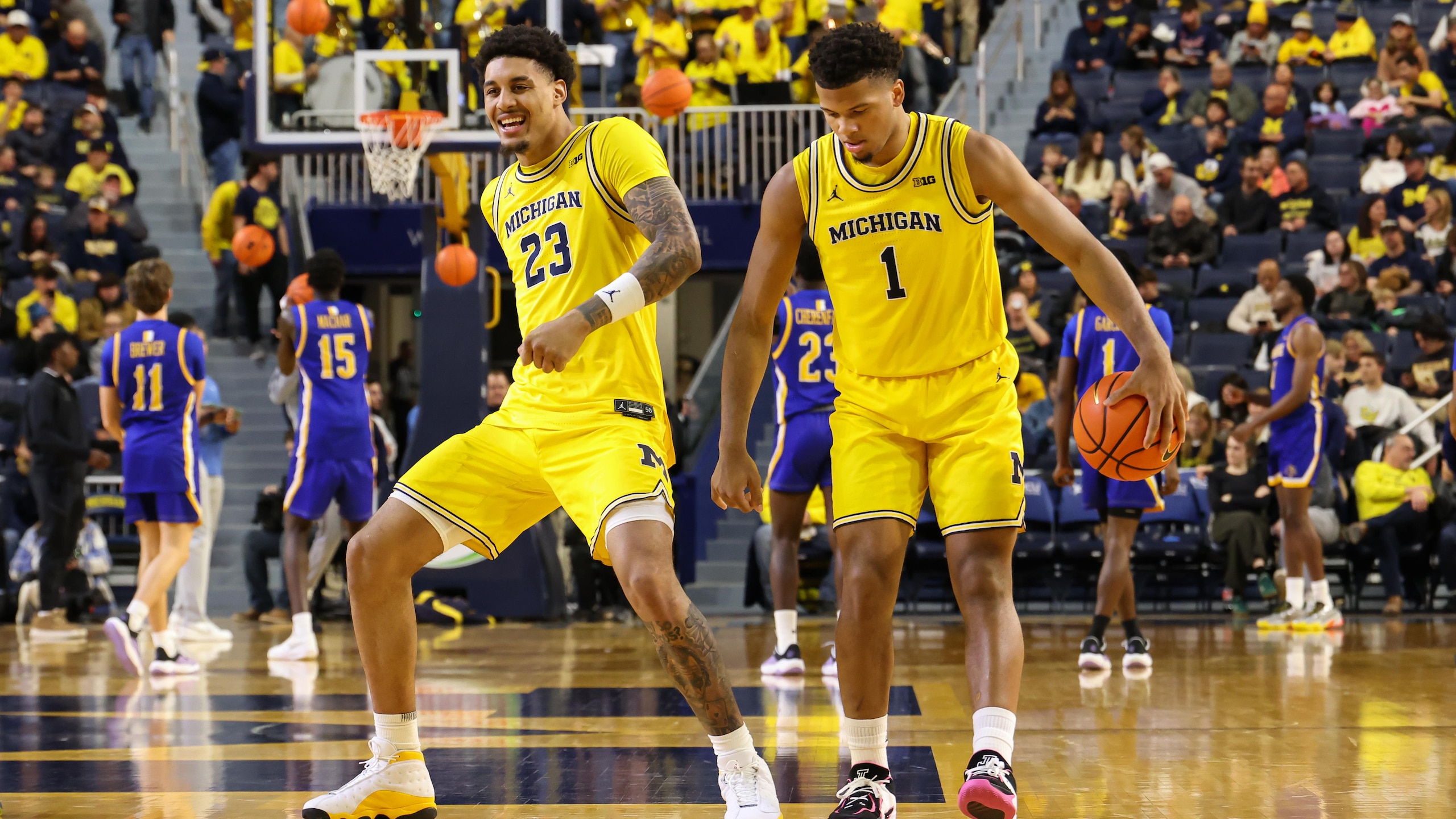
1. Michigan Wolverines (13-0, NET: 1, RES: 1.3, QUAL: 1.0)
2. Arizona Wildcats (14-0, NET: 2, RES: 3.0, QUAL: 3.3)
3. Iowa State Cyclones (14-0, NET: 3, RES: 8.7, QUAL: 4.7)
4. Connecticut Huskies (14-1, NET: 8, RES: 3.3, QUAL: 6.0)
5. Vanderbilt Commodores (14-0, NET: 4, RES: 4.0, QUAL: 7.0)
6. Duke Blue Devils (13-1, NET: 7, RES: 8.3, QUAL: 7.7)
Ready or not, it's time to start seriously talking about Vanderbilt for a No. 1 seed.
Even without Frankie Collins (meniscus) or Duke Miles (knee) available to them, the Commodores went on the road and won by a dozen at South Carolina on Saturday.
That wasn't even a Quad 1 win, but Vanderbilt does have the most such wins in that department, sitting at 5-0.
The problem in trying to argue for Vandy ahead of any of the four teams presently on the projected top seed line, however, is that there's not a truly elite win to be found among that quintet.
Beating Saint Mary's by 25 on a neutral court was extremely impressive and does technically qualify as a Quad 1A result. But it pales in comparison to Michigan's 40-point win over Gonzaga, Iowa State's 23-point road win over Purdue, Arizona's true road win over UConn and Connecticut's trifecta of BYU on neutral, Illinois on a neutral and at Kansas.
That rout of the Gaels is also considerably less noteworthy than Duke's true road win over Michigan State. But after the Blue Devils barely survived their first two ACC games against Georgia Tech and Florida State, Vanderbilt is now at least three rungs ahead of them in every metric on the team sheet except for BPI. It's enough of a gap that the nod almost has to be given to the 'Dores for the top No. 2 seed, just waiting for someone up top to slip up.
For what it's worth, though, if Vanderbilt just keeps on winning, it would eventually leapfrog at least Connecticut by virtue of having the drastically more difficult remaining schedule.
10 Words on Each of the 10 'Bubbliest' Teams
3 of 10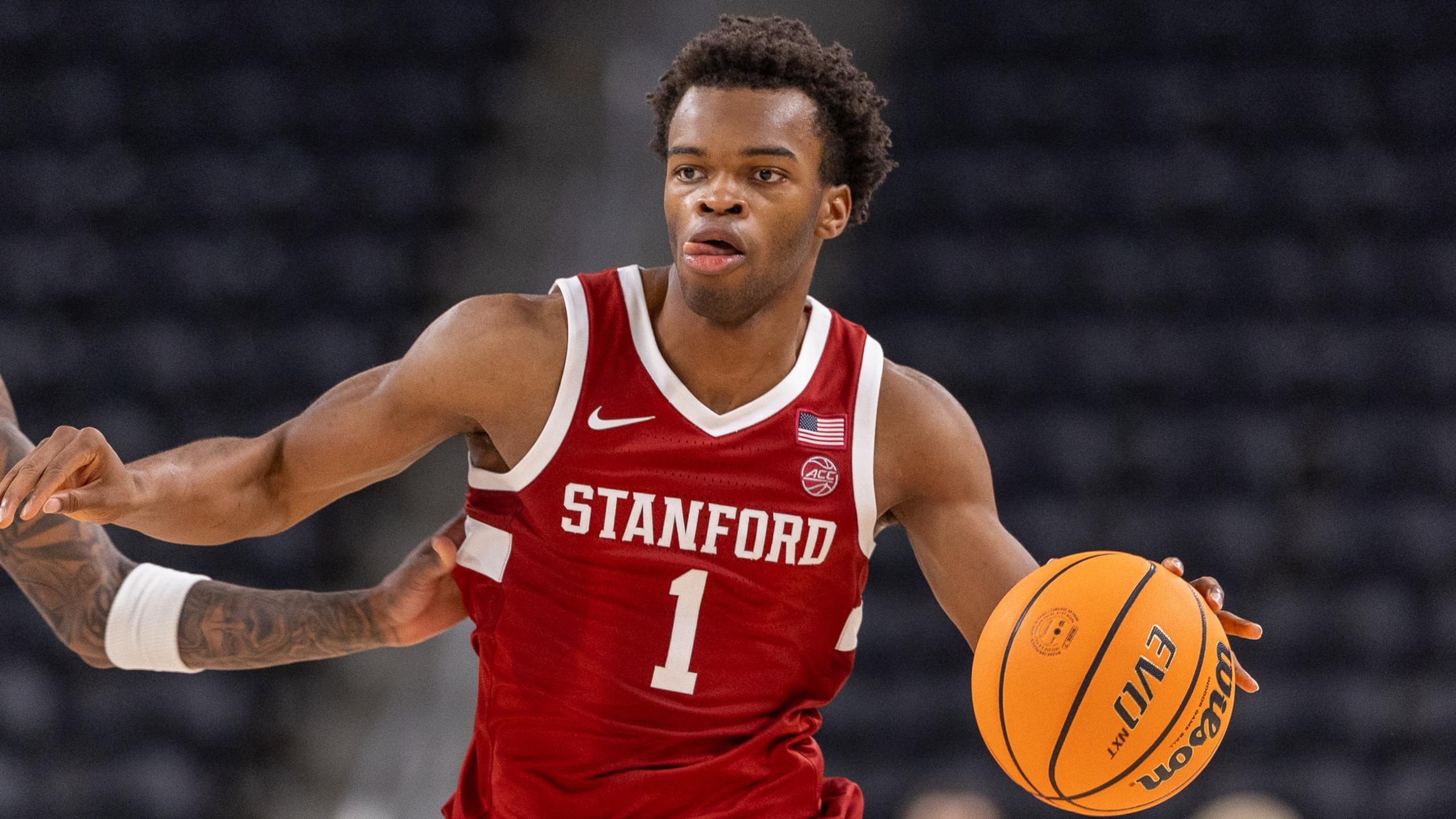
Fifth-to-Last In: Kentucky Wildcats (9-5, NET: 31, RES: 56.0, QUAL: 25.3)—No bad losses, but quantity of losses is a problem.
Fourth-to-Last In: Stanford Cardinal (12-3, NET: 76, RES: 44.7, QUAL: 76.7)—Bizarre combination of quality wins, mediocre metrics and terrible losses.
Third-to-Last In: Indiana Hoosiers (10-3, NET: 32, RES: 56.0, QUAL: 21.3)—Great predictive metrics, but still searching for first quality win.
Second-to-Last In: TCU Horned Frogs (11-3, NET: 47, RES: 57.3, QUAL: 51.7)—Third solid win (Baylor) helps make up for hideous loss.
Last Team In: George Mason Patriots (14-1, NET: 77, RES: 48.7, QUAL: 88.3)—Everyone with zero or one loss is projected to dance.
***Cut Line***
First Team Out: Ohio State Buckeyes (10-4, NET: 44, RES: 51.3, QUAL: 39.0)—Too many wins coming by the skin of their teeth.
Second Team Out: St. John's Red Storm (9-5, NET: 33, RES: 51.7, QUAL: 21.3)—Needs to play back into the field at this point.
Third Team Out: UCLA Bruins (10-4, NET: 42, RES: 49.3, QUAL: 40.7)—Too little, too late in disappointing 13-point loss at Iowa.
Fourth Team Out: Boise State Broncos (9-5, NET: 45, RES: 56.3, QUAL: 60.3)—Overtime collapse at San Diego State ultimately could prove fatal.
Fifth Team Out: California Golden Bears (13-2, NET: 58, RES: 38.7, QUAL: 79.3)—Major no-show in ACC opener against Mikel Brown Jr.-less Louisville.
.jpg?w=2560 "Texans Jaguars Football")
.jpg?w=2560 "Jets Saints Football")
ACC Summary
4 of 10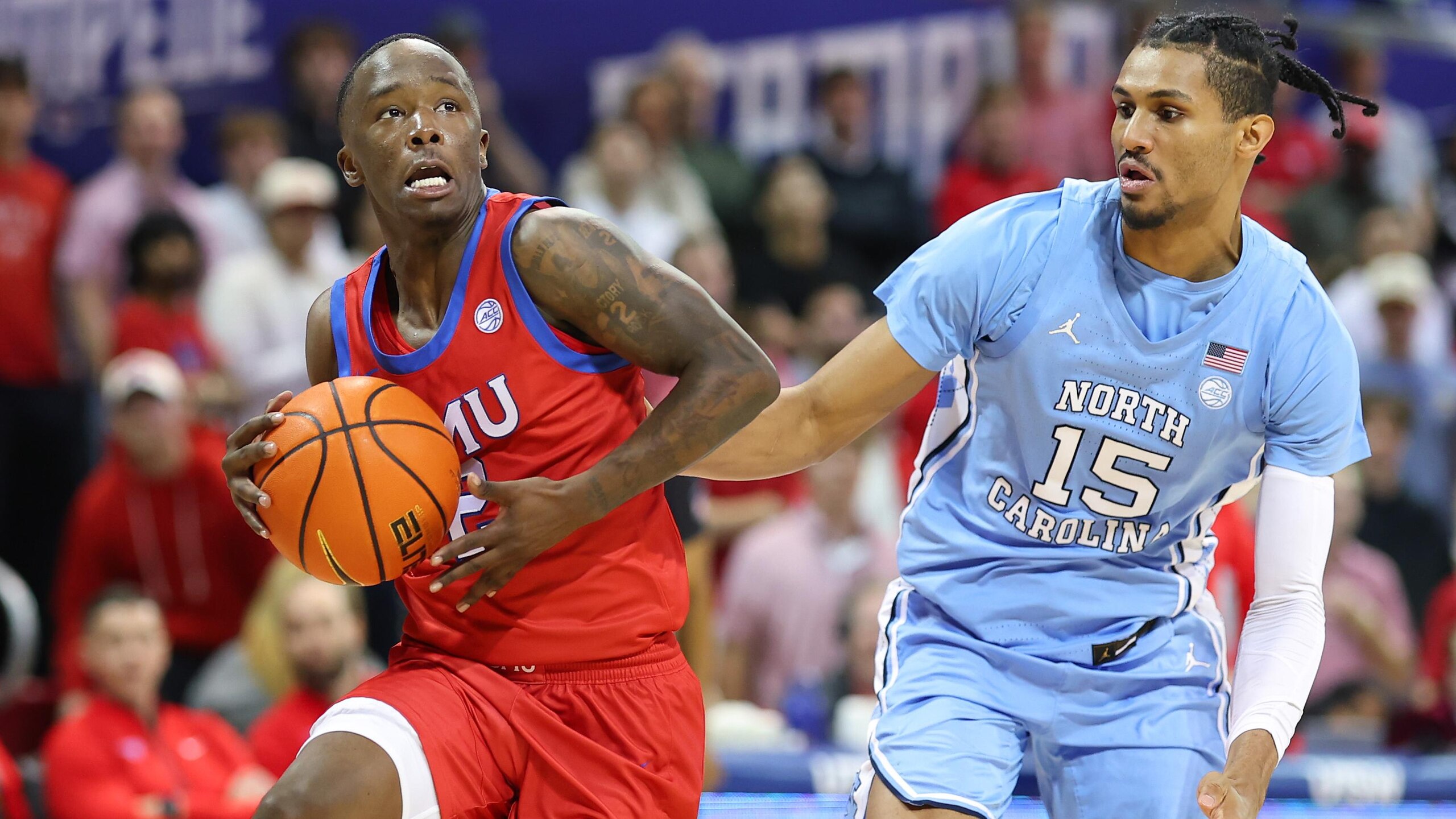
9 Teams in the Projected Field: 6. Duke, 17. North Carolina, 18. Louisville, 21. Virginia, 25. SMU, 32. Clemson, 34. Virginia Tech, 39. Miami, 42. Stanford
Also Considered: California, NC State
Biggest Development: SMU makes a statement against UNC
Much like last season, SMU entered the new year with a good enough resume to be considered for a spot in the projected field, but without any quality wins that mandated we take the Mustangs too seriously.
But instead of once again opening January with blowout losses to Duke and North Carolina, they flipped the script for a 14-point victory over the Tar Heels—easily their most impressive win in nearly four years.
The Mustangs seemingly could not miss on Saturday afternoon, shooting 14-for-27 from three-point range and 60 percent from the field. Boopie Miller led the charge with his fifth double-double of the season, tallying 27 points and 12 assists, but it was a teamwide offensive clinic.
SMU already was in our projected field as a No. 10 seed, but the Mustangs have ascended well into the single digits now that they have a Quad 1 win to call their own. And if they can pick up a road win over Clemson or Duke in the next seven days, they'll climb even higher.
On the flip side of the coin, UNC slips out of the "protected seed" range.
It certainly wasn't a terrible loss for the Tar Heels. In fact, KenPom had SMU projected as a one-point favorite. But combine that loss with the fact that UNC's three best wins (vs. Kansas, at Kentucky, Ohio State) all look a little less impressive after the weekend those teams had and this tournament resume is looking much more "borderline top 25" than "borderline top 10" these days.
Big 12 Summary
5 of 10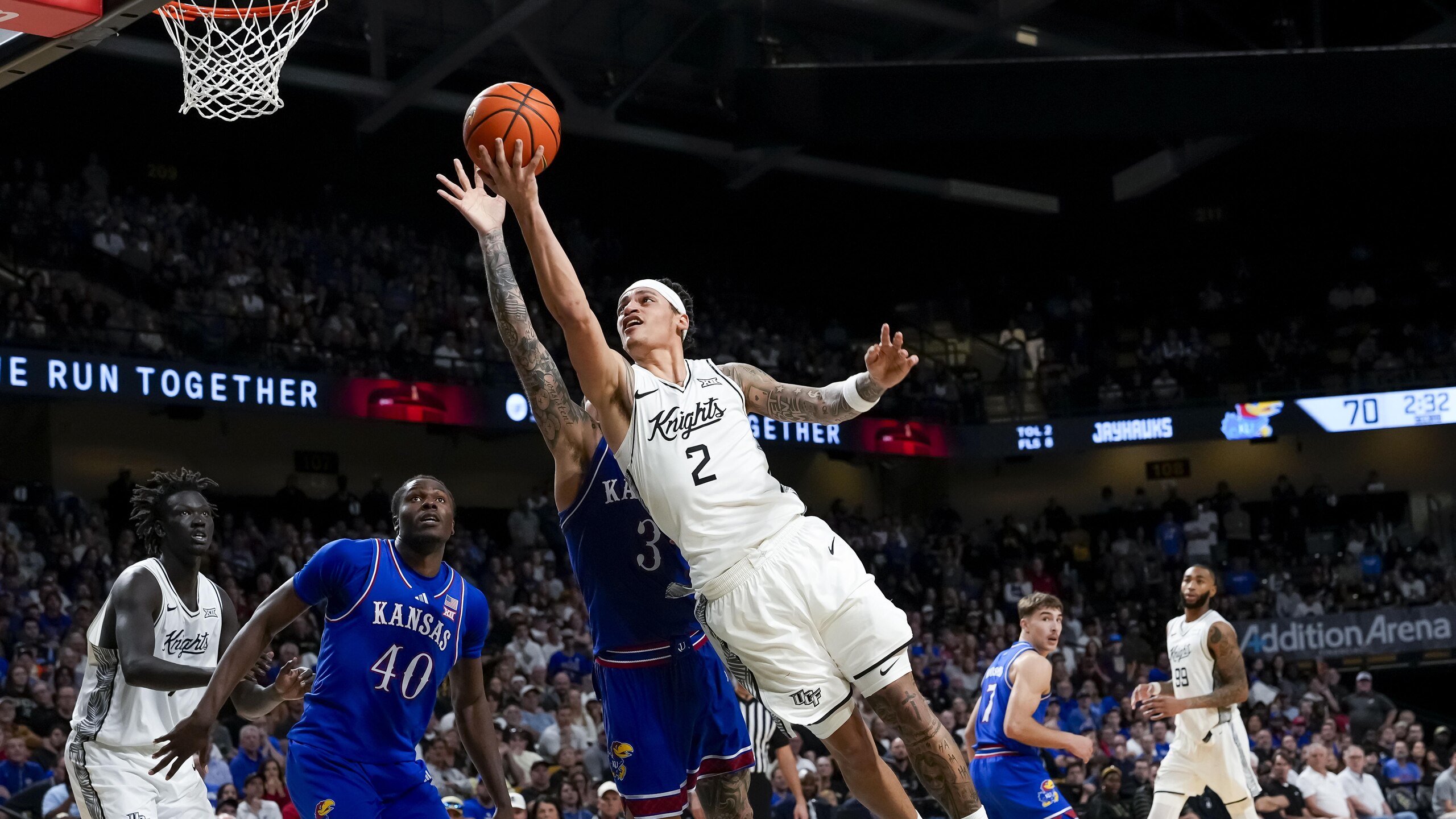
10 Teams in the Projected Field: 2. Arizona, 3. Iowa State, 10. BYU, 11. Houston, 15. Texas Tech, 19. Kansas, 24. UCF, 36. Oklahoma State, 37. Baylor, 43. TCU
Also Considered: N/A
Biggest Development: UCF upsets Kansas
There were several noteworthy results on the first Saturday of Big 12 play, including Texas Tech making mincemeat of Oklahoma State and TCU knocking off Baylor—with James Nnaji looking nothing like a former first-round pick in his collegiate debut.
The biggest result by far, though, was UCF beating Kansas, in spite of Darryn Peterson returning to action for the Jayhawks with a season-high 26 points. (Peterson not playing for the final 10-plus minutes was a major storyline, but he had a plus/minus of negative-6 in the six-point loss.)
Last January, Kansas waltzed into Orlando and left with a 99-48 laugher of a victory. Slightly different story this time around with Riley Kugel sealing the deal on a late and-one bucket.
The win brings UCF to 12-1, the lone loss coming one week into the season against still-undefeated Vanderbilt. But save for a road win over Texas A&M, none of the first 11 wins was particularly impressive. The Knights had mostly built up a "good enough" resume by winning home games against teams in the Nos. 90-175 range of the KenPom rankings, slowly but surely improving their WAB.
Adding a win over the Jayhawks was a game-changer, though.
UCF has only been to the NCAA tournament once in the past two decades, doing so as a No. 9 seed with Tacko Fall in 2019. But this is quickly shaping up to be the best season in program history.
As far as the Jayhawks are concerned, it's not a terrible loss, but they're now 1-4 against the top half of Quad 1—and we shall see whether this one is still in that bucket come Selection Sunday. Like North Carolina, Kansas slips out of "protected seed" range.
Big East Summary
6 of 10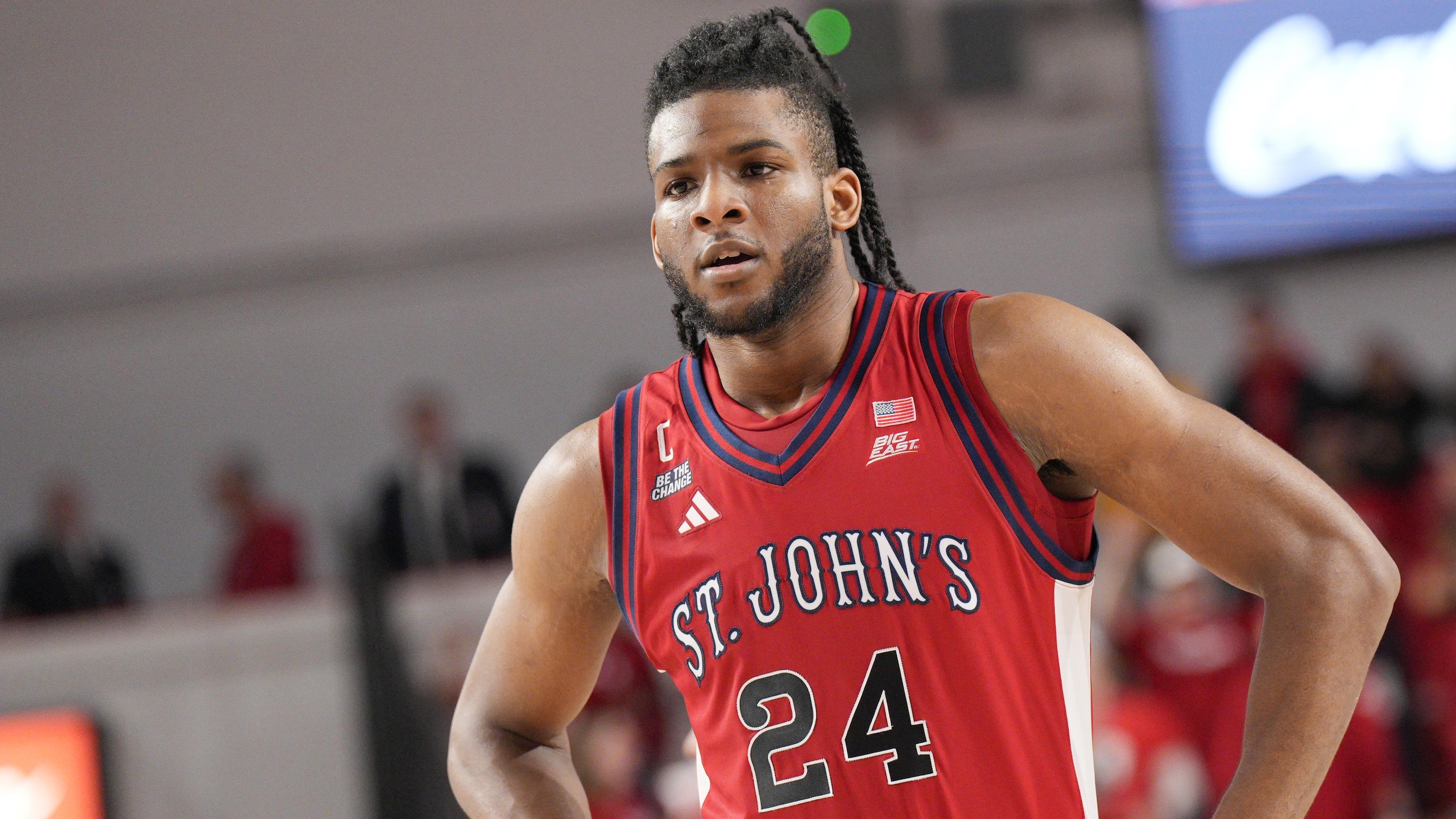
3 Teams in the Projected Field: 4. Connecticut, 23. Villanova, 33. Seton Hall
Also Considered: St. John's, Butler, Creighton
Biggest Development: Oh dear, Johnnies
Hosting a Providence team that had been winless in six tries against KenPom top 100 competition, St. John's jumped out to a quick 15-2 lead. Zuby Ejiofor had eight points and five rebounds during that hot start, setting the stage for career-high marks of 33 and 15.
But it was all for naught as the Friars closed out the game on a 25-9 run—freshman Stefan Vaaks coming off the bench to score 12 of those 25 points—for a legitimately stunning six-point victory.
For Providence, it was a breath of fresh air in what is very likely still another lost season.
For St. John's, though, yikes.
That's a Quad 3 loss and a fifth overall loss for a team that opened the season at No. 5 in the AP poll, yet had already fallen to a projected No. 10 seed after the late December loss to Kentucky. At this point, we can't even justify keeping the Red Storm in the field.
There's pretty much always a preseason top 10 team that falls miles short of expectations en route to missing the dance. And if that ultimately is the fate of this St. John's team, it wouldn't even be the first time it happened to Rick Pitino.
It was 20 years ago that Louisville debuted at No. 7 in the AP poll before going 21-13 and settling for a No. 1 seed in the NIT—coincidentally, in large part because of a bad loss suffered at St. John's.
This week's road trip against Butler and Creighton will go a long way toward determining whether the Red Storm makes the tournament, as those are two of the seven currently Quad 1 games left on their schedule.
Big Ten Summary
7 of 10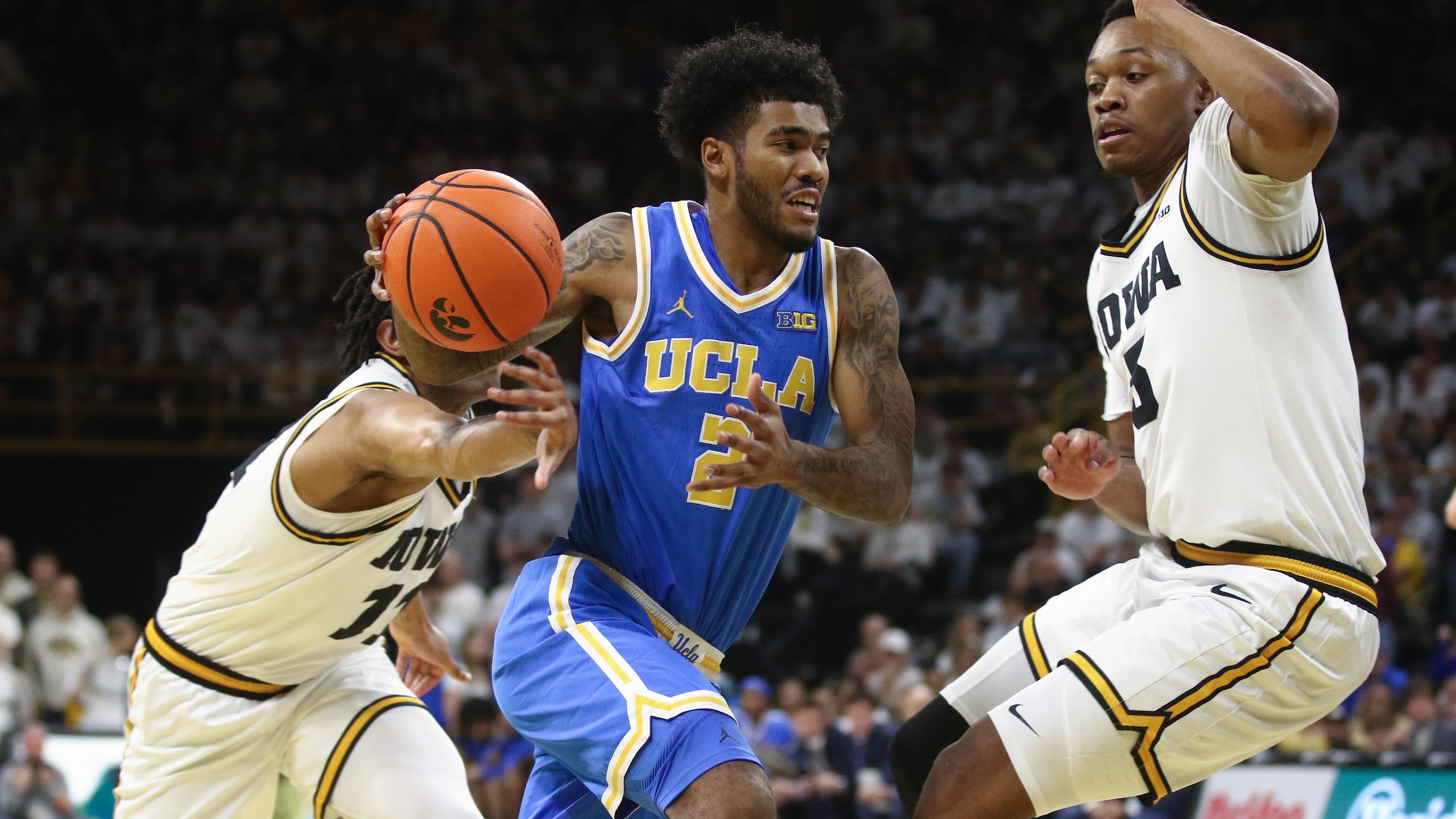
8 Teams in the Projected Field: 1. Michigan, 7. Purdue, 9. Nebraska, 13. Michigan State, 16. Illinois, 27. Iowa, 28. USC, 41. Indiana
Also Considered: Ohio State, UCLA, Washington
Biggest Development: UCLA drops out of the projected field
Much like St. John's, UCLA entered the year with sky-high expectations. The Bruins weren't quite top five in the preseason AP poll, but they did land at No. 12, adding transfers Donovan Dent and Xavier Booker to a strong returning core headlined by Tyler Bilodeau.
Things haven't exactly gone according to plan, though.
Take out the seven home games against teams outside the NET top 200 and the Bruins entered the new year at 3-3 with a barely Quad 1 road win over Washington and a pair of Quad 3 home wins over Arizona State and Oregon. The neutral-site losses to Arizona and Gonzaga were whatever and the neutral loss to Cal could at least be explained away by the fact that Bilodeau was out and that Dent was limited by a lower leg injury.
In other words, Saturday's game at Iowa was a major opportunity to either show that full-strength UCLA is going to be a contender or that this team simply isn't anything special. And the Bruins went the latter route, falling behind by as much as 24 points in the first half against a Hawkeyes team that also had no wins of any real note within the first two months of the season.
UCLA is now 1-4 against the top two Quads, which is grounds for expulsion from the projected field. And if they don't win at Wisconsin on Tuesday night, they're going to fall out of the at-large conversation altogether.
SEC Summary
8 of 10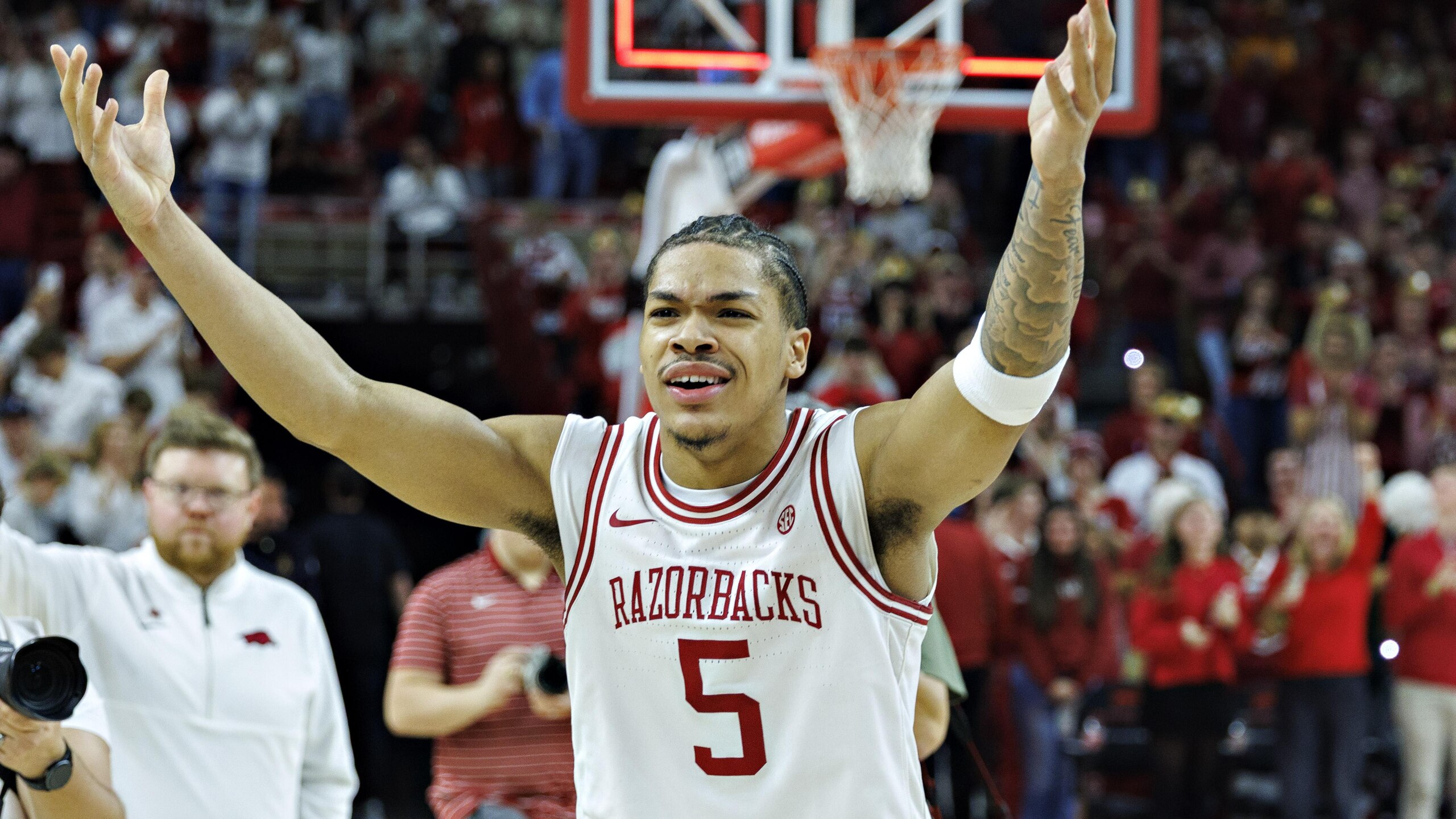
9 Teams in the Projected Field: 5. Vanderbilt, 12. Alabama, 14. Arkansas, 20. Tennessee, 26. Georgia, 31. Florida, 35. Auburn, 38. LSU, 40. Kentucky
Also Considered: Oklahoma, Texas A&M
Biggest Development: Razorbacks vanquish the Volunteers
Tennessee at Arkansas was the SEC's lone instance of two ranked teams squaring off on Saturday, and it delivered the goods. For 36 minutes, they went back and forth and back again.
In winning time, though, Arkansas' superstar freshman Darius Acuff Jr. took over—while Tennessee's superstar freshman Nate Ament completely vanished.
Acuff scored 19 points in the final 15 minutes, which is more than anyone else managed in the entire game. He ended up with 29 points and four assists, including a pair of dagger three-pointers amid a late 15-3 run that put the game on ice.
It was Acuff's eighth consecutive game with at least 17 points and four dimes, as he was also huge in the December Quad 1 wins over Louisville (17 and 10) and Texas Tech (20 and eight).
Arkansas entered the week at No. 20 overall, slightly behind Tennessee in our projection of the field. But with the win, the Hogs leapfrogged the Vols and quite a few others on their way back up to a No. 4 seed.
Tennessee didn't lose much ground, though, as there's no real shame in a Quad 1A road loss. However, poor free throw shooting has become an epidemic for this team. While Arkansas converted on 29 of 33 freebies, the Vols shot 12-for-23. They're now sitting at 56.6 percent since the beginning of December.
Mid-Majors Summary (A10, AAC, MVC, MWC, WCC)
9 of 10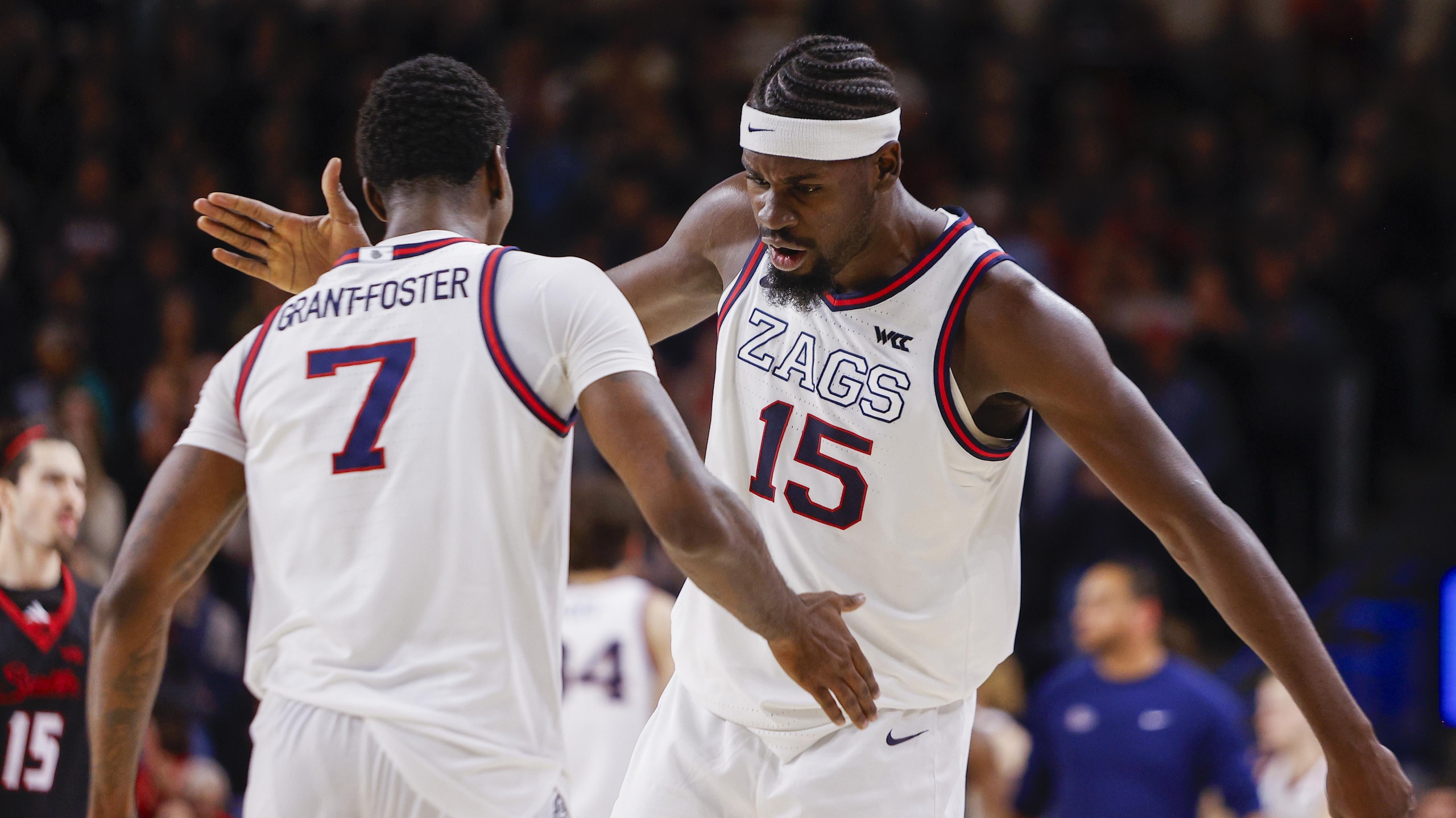
8 Teams in the Projected Field: 8. Gonzaga, 22. Utah State, 29. Saint Mary's, 30. Saint Louis, 44. George Mason, 45. VCU, 48. Murray State, 49. Memphis
Also Considered: New Mexico, Boise State, Nevada, San Diego State
Biggest Development: Gonzaga survives, but leaves much to be desired
Even with that 40-point shellacking at the hands of Michigan in the Players Era Festival championship game, Gonzaga entered WCC play looking like a legitimate candidate to win it all—arguably a step behind Michigan, Arizona and Connecticut, but easily top 10 after wins over Alabama, Kentucky, UCLA and more.
But last Tuesday at San Diego, the Zags gave up 93 points (41 in the final 10 minutes) against a team that wasn't ranked top 200 on KenPom; a team that otherwise hasn't scored 90 points this season. Gonzaga did win the game, as it was already up by 21 by the time the Toreros caught fire, but it got way too close for comfort toward the end.
Three days later against Seattle, it was the offense that looked alarmingly un-Gonzaga-like, scoring just 39 points in the first 27 minutes and trailing by 13 midway through the second half. They righted the ship well enough to force overtime and ultimately won by eight, but mostly because the Redhawks lost their composure to the tune of six points and five turnovers over the final eight minutes of regulation.
Wins are wins, though, and the Zags remain a projected No. 2 seed. But it was highly unusual to watch them struggle like that against back-to-back WCC opponents not named Saint Mary's.
Other 21 Leagues Summary
10 of 10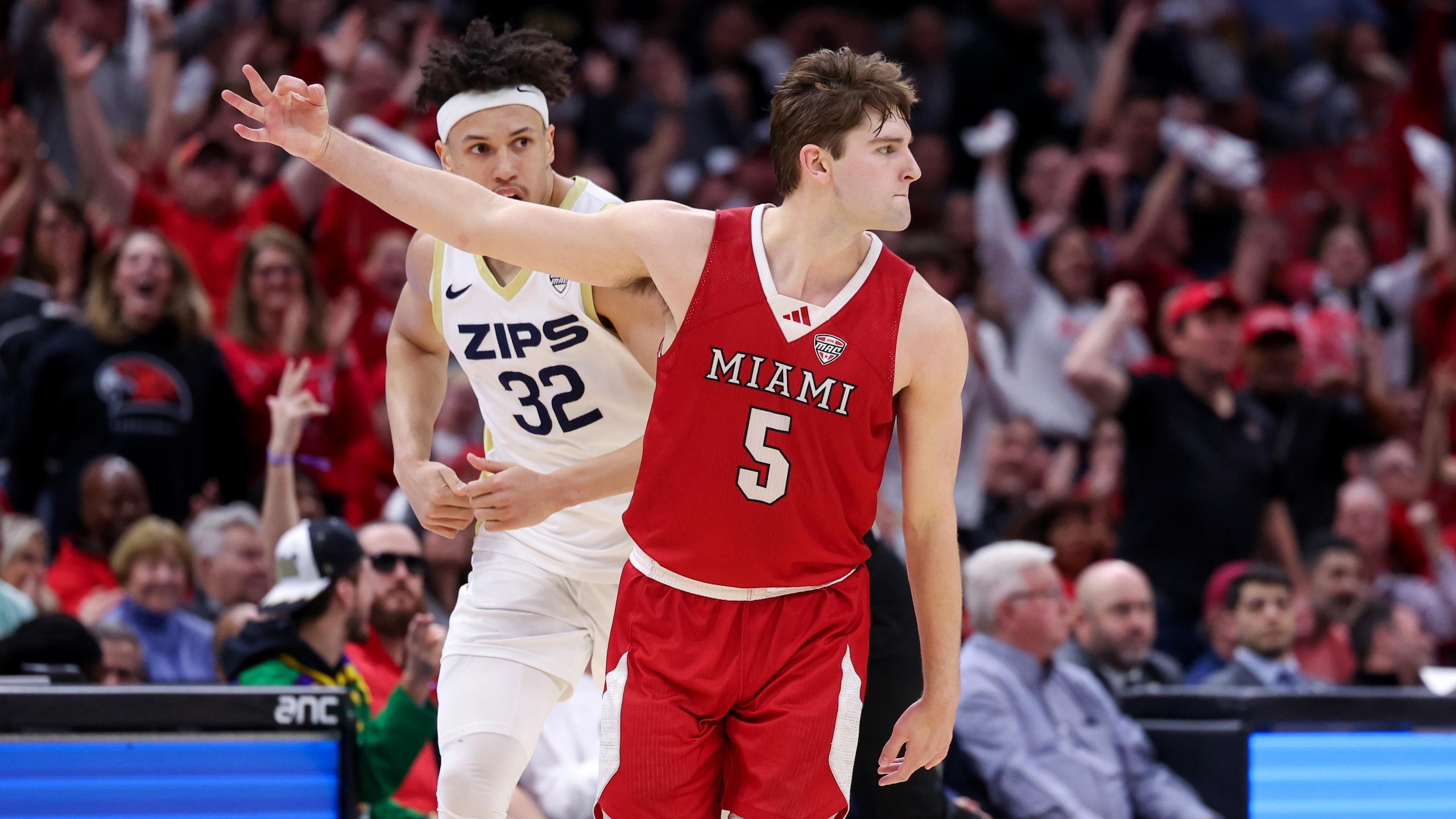
21 Teams in the Projected Field: 46. Miami-Ohio, 47. Yale, 50. Liberty, 51. High Point, 52. UNC-Wilmington, 53. UC Irvine, 54. Lipscomb, 55. East Tennessee State, 56. North Dakota State, 57. Wright State, 58. Idaho, 59. Colgate, 60. Lindenwood, 61. Georgia Southern, 62. Utah Tech, 63. Long Island, 64. Nicholls, 65. Vermont, 66. Grambling State, 67. Merrimack, 68. Maryland Eastern Shore
Also Considered: McNeese
Biggest Development: Conference play fully underway
At this point in the season, with everyone having played just a couple of league games (if that), it always feels a little silly to start using the conference standings to determine projected auto bids.
We end up with things like Utah Tech ahead of Utah Valley in the WAC, Nicholls edging out McNeese in the Southland or Merrimack representing the MAAC even though the Warriors are rated well behind four other teams in that league.
But you know what? That's just good early prep for the real deal, when around half of the No. 1 seeds fail to win their conference tournament and at least one sub-.500 team gets hot at the right time and surges its way into a play-in game.
So, a hearty welcome to the many newcomers in this tier. May your time atop the league standings be long and prosperous.
Most noteworthy among them: Miami-Ohio as the projected Mid-American Conference champ following its wins over Bowling Green and Akron in the past week. The RedHawks were projected to lose both of those games, but they instead improved to a still flawless 15-0, even playing those games without star point guard Evan Ipsaro, who suffered a torn ACL two weeks ago.
How long can they keep it going? And will they be this year's MAC team that secures a No. 13 seed before putting a real first-round scare into a big dog?
.png?w=2560 "CFB Top 25")
.jpg?w=2560 "Ref Slips on Wet Turf in London 🎥")
.jpg?w=2560 "Texans Beat Jags in London")