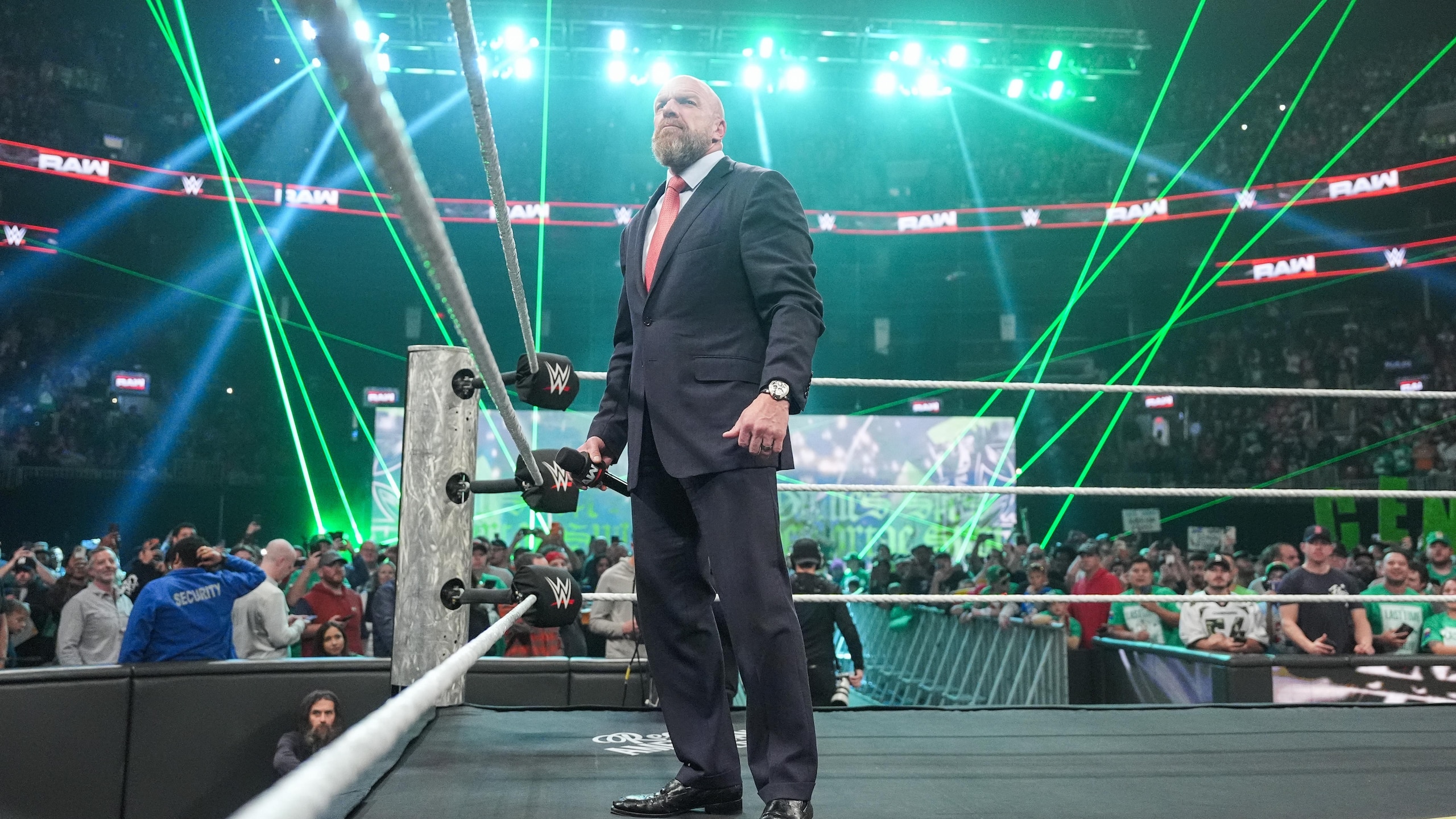


2022 was one of the most important years in the history of WWE, setting the foundation for the most radical change in creative direction in the company's history, center on one man: Paul Levesque (also known as Triple H).
In the same year that Levesque formally retired from in-ring action due a serious heart condition, he became WWE's new Chief Content Officer and became the first man since 1982 to run the company without Vince McMahon.
This was the harbinger a new era that was supposed to rewrite the rules in WWE, allowing HHH to bring the best practices of his NXT creative days to a head with every brand.
Instead, the Levesque era of WWE has been littered with missteps and wasted opportunities that make WrestleMania 40 feel like a distant memory less than two years later.
What were the hopes for this new WWE that have not been met? Why has the company continued to over-promise and under-deliver?
How did we get here? Most importantly, is there any way to get the company back on track into 2026?
What Was The Dream?
1 of 6When Paul Levesque first took over WWE creative fully in 2022, the only booking experience fans could truly point back to was NXT.
In 2014, HHH took creative command of the NXT brand.
NXT had started out a reality show similar to Tough Enough where wrestlers would vie for a WWE contract in 2010, but that concept quickly fell apart.
After two seasons, SyFy wanted SmackDown instead, and the show became a WWE.com webcast instead before morphing into the odd weekly program, NXT Redemption, that dropped the reality show format almost entirely.
HHH stepped in to rebrand NXT as the new developmental standard for WWE, taking over for Florida Championship Wrestling as the WWE-produced standard for highlighting the future of the business.
NXT became an underground hit. NXT TakeOvers were the one of the big reasons for diehard fans to own the newly launched WWE Network, delivering consistent in-ring quality often outmatched Raw, SmackDown and WWE premium live events.
The shows NXT put on were tightly composed, more reminiscent of independent wrestling events than WWE.
It was on these shows that women's wrestling truly began its evolution, delivering unforgettable matches like Paige vs. Emma, Charlotte Flair vs. Natalya, Sasha Banks vs. Bayley and more.
While NXT was not an obvious draw to more casual WWE fans, it was a strong indication that a company that had been set in its ways for so long could deliver fresh ideas and better wrestling.
The talent did not always translate well to the main roster due to a fundamentally different creative approach, but fans saw an exciting future in the hands of a new creative lead.
The expectation of HHH in control of Raw and SmackDown's creative was that he could bring that in-ring focus and more varied product to a fresh audience.
Unfortunately, almost none of the good will and unique vision that Levesque showcased in NXT translated to his main roster booking.
What is the Reality?
2 of 6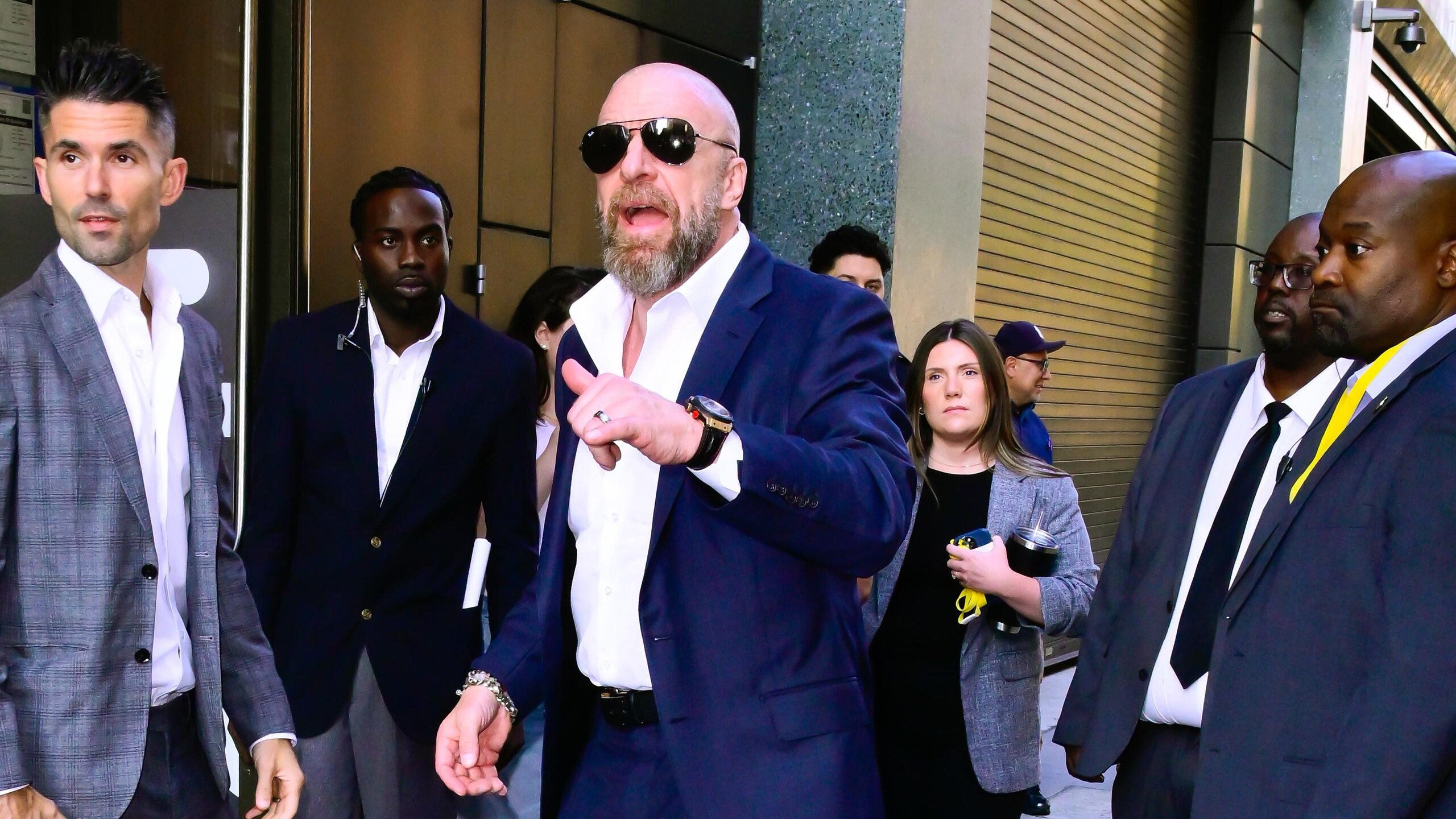
The vision under Paul Levesque was different but not as blatantly obvious as his work in NXT.
WWE showed more care for highlighting the wrestlers and made production changes that limited the abundance of cuts on weekly shows.
The company hired back many stars that had been NXT staples but were fired without much care after relatively lackluster main roster runs.
Premium live events became more limited in focus. The cards would usually max out at five matches, and each contest would get solid time in the most obvious comparison to the NXT TakeOver limited structure.
Creative remained similar, following the paths mostly laid out before HHH took over until those stories could be completed. From there, stories developed more slowly and methodically, avoiding the big swings and swerve of Vince McMahon's prime
On the surface, these were all positive changes, but it all came with noticeable drawbacks.
WWE would over-rely on long shots for entrances and matches, leading to less snappy pacing for the shows. This meant less time to highlight the variety of the roster.
Many stars hired back were not given roles that suited them well on the current roster, leading to lackluster spotlights. Some were released again with little to show for their second chance.
Five-match PLEs were not paced as cleanly as TakeOvers due to the need for frequent advertisements before, during and after matches.
Many struggle to ever get a PLE spotlight due to the limited cards and have gotten completely lost in the shuffle over time.
Over-long stories have become a frustrating norm where WWE will dangle a hook in front of fans for months, even years, without resolution. This makes weekly shows and even PLEs feel less eventful.
The product is different and, in many notable ways, better. However, it is not universally improved, and familiarity with this new formula is leading to boredom even with the top stories in the business.
Is WWE Worse Than It Has Ever Been?
3 of 6Absolutely not, WWE has been much worse in many ways in past eras.
The final years of Vince McMahon's creative control in WWE were some of the worst television the company has ever produced.
Business is still booming for WWE as every premium live event attendance and gate break records year over year. While Raw and SmackDown viewership are down, neither have caused serious concern as of yet.
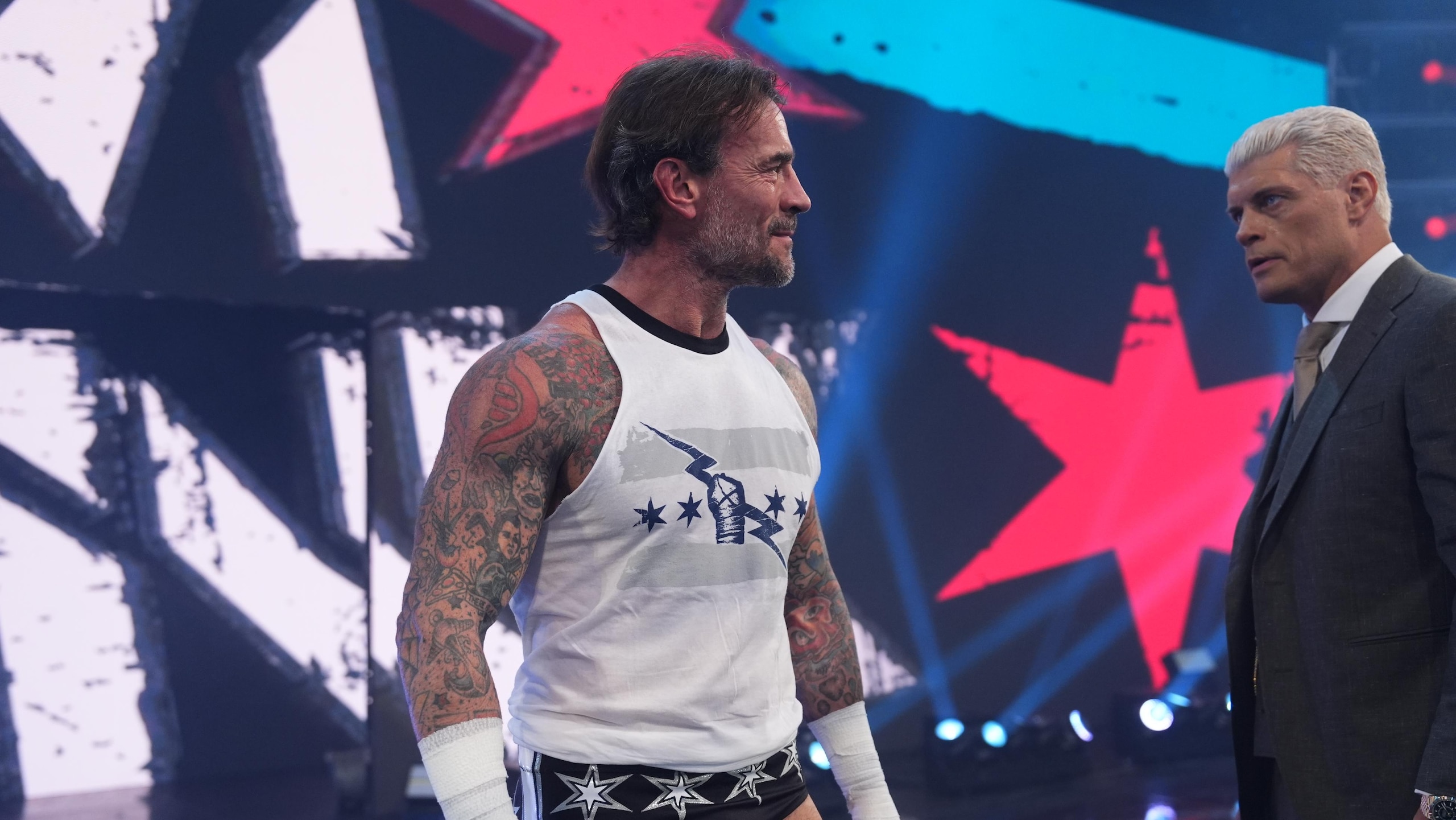
WWE has many credible stars with reliable appeal including Cody Rhodes, Roman Reigns, CM Punk, Becky Lynch, Rhea Ripley, Iyo Sky and more.
WWE is a known reliable brand with a loyal fan base, and it would take catastrophic failure to lose that standing.
However, that does not mean that WWE creatively in a healthy place.
The initial honeymoon period of the HHH WWE has passed, and with that time passing, the company is left with a stronger need to sell itself to fans.
In that regard, WWE is faltering. Most of the top names in WWE are over 40 years old. The biggest angle of 2025 was a John Cena retirement tour that ended by putting over an already established heel in Gunther.
Punk, Rhodes, AJ Styles, Brock Lesnar and more are all reportedly starting to look toward their own retirement as well.
While WWE has a strong development process, the number of proven commodities on the rise is the company is severely lacking.
If not for an injury to Seth Rollins, Bron Breakker's own breakout would still be on standby, and he is the only obvious under-30 star ready to break into the main event in 2026.
Nothing on the table right now for WrestleMania 42 has The American Nightmare's journey to WrestleMania 40, and once you get past the main event scene, it is hard to say what is even worthy of WWE's top show.
This new era reached its creative zenith in 2024, and signs point more to a creative fall than a rise into 2026.
Who is at Fault?
4 of 6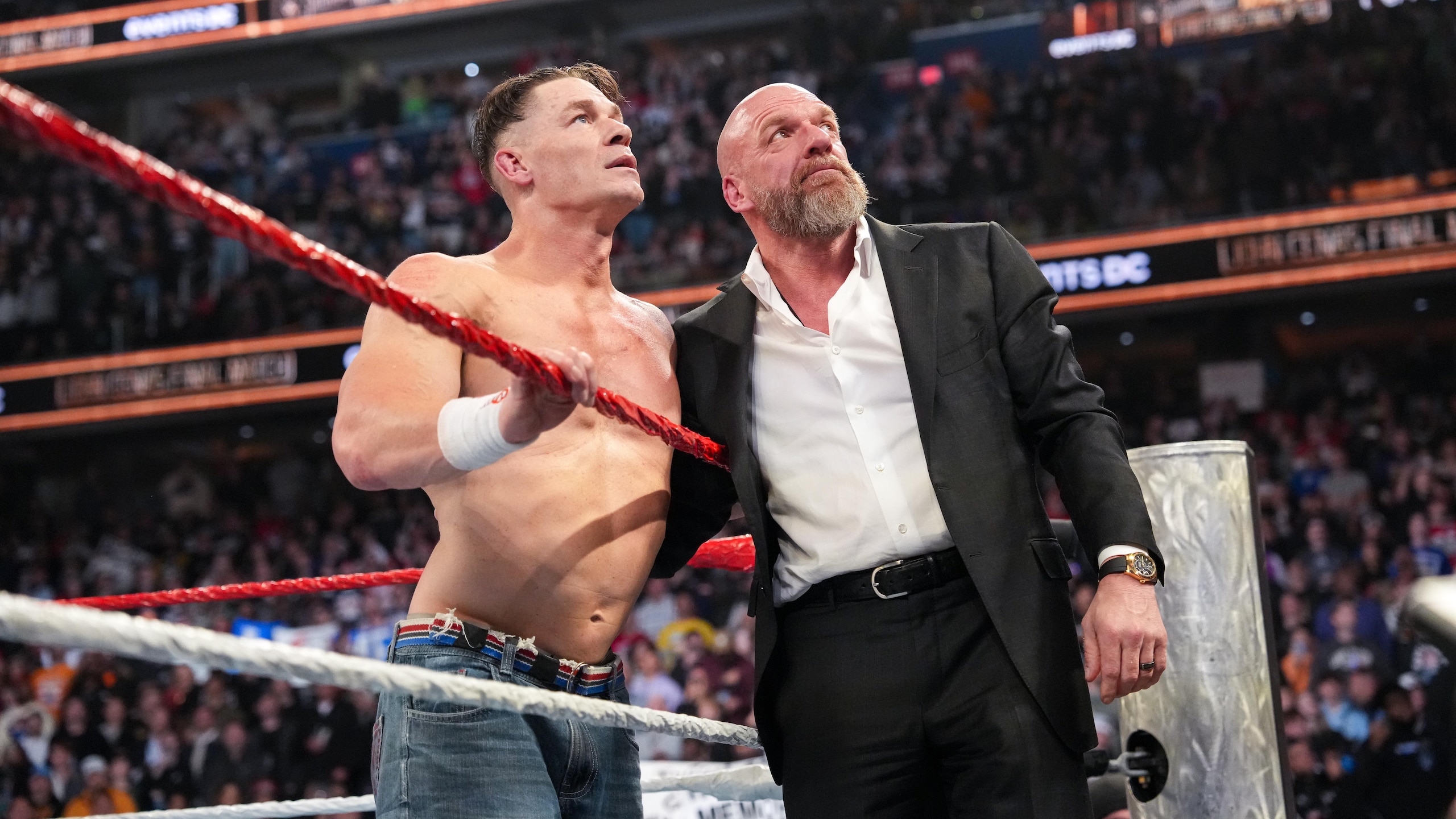
Significant blame for WWE's creative shortcomings should be laid at the feet of Paul Levesque himself. He is the Chief Content Officer and has put himself front and center every chance he can get.
WWE Unreal's first season highlighted how much HHH wants to be seen as the creative center of the company, which comes with its perks and drawbacks.
The biggest of those drawbacks is that he will take blame first and foremost when WWE stumbles, such as with the unfortunately rocky John Cena retirement tour.
While the inconsistent booking of Cena in his final year will be heavily featured in WWE discourse, the much more concerning issue is how little else mattered in WWE.
Cody Rhodes was a side character in the end of The GOAT's career, one year after establishing himself as WWE's top star.
Roman Reigns worked a part-time schedule with such consistency that WWE could never rely on him.
Attempts to build Jey Uso as the next big star fell apart as did Seth Rollins' attempt to take on main character status on Raw, leading to a 47-year-old CM Punk becoming Raw's only reliable star.
The women's division on Raw and SmackDown have never felt less integral to the product due to the way both shows always center on the men's world champion.
This has led to even names like Rhea Ripley and Becky Lynch coming off as secondary stars when they were once legitimate main event names.
Tiffany Stratton and Stephanie Vaquer were pushed as the new top names in the division but often struggled for TV and match time.
Evolution finally made a return in 2025, delivering arguably WWE's best event of the year, but WWE did not follow up that momentum at all, still giving the Evolution main event of Naomi vs. Ripley vs. Iyo Sky only the opening SummerSlam spot.
All of this creatively lands at the feet of Levesque, and it has never once felt like he has taken that blame. Instead, the goal has been to sell fans that everything is great and only getting better.
Can It Be Fixed?
5 of 6Creatively, it would not take a significant overhaul to get WWE back on course. The same man that has struggled to create creative intrigue is also the man that can bring it back.
In order to make a change, the first step is to admit something is wrong.
Since WWE is still thriving commercially, which is what the company cares about most, fan criticism is hardly going to make an impact on WWE creatively.
The main pressure on the company would come from its partners with Netflix, NBCUniversal and ESPN as they are partners with financial stake.
If WWE PLEs do not bring in more ESPN+ subscriptions or viewership for Raw on Netflix and SmackDown on USA Network continue to fall, WWE would be pushed to make a change.
Until that time, creative will only change if the creative team subjectively feels there is a need for that change.
If WWE is content with the current status quo of limited roster exposure, forgettable PLEs and flat star power, everything will stay the way it is.
Hopefully, WWE can see some of the faults with the current product, especially with the road to WrestleMania about to kick off, but it is also just as likely WWE will rely on the name value of 'Mania over the weight of expectations.
A few potential fixes for WWE that could hopefully get things back on track:
Could It Get Worse?
6 of 6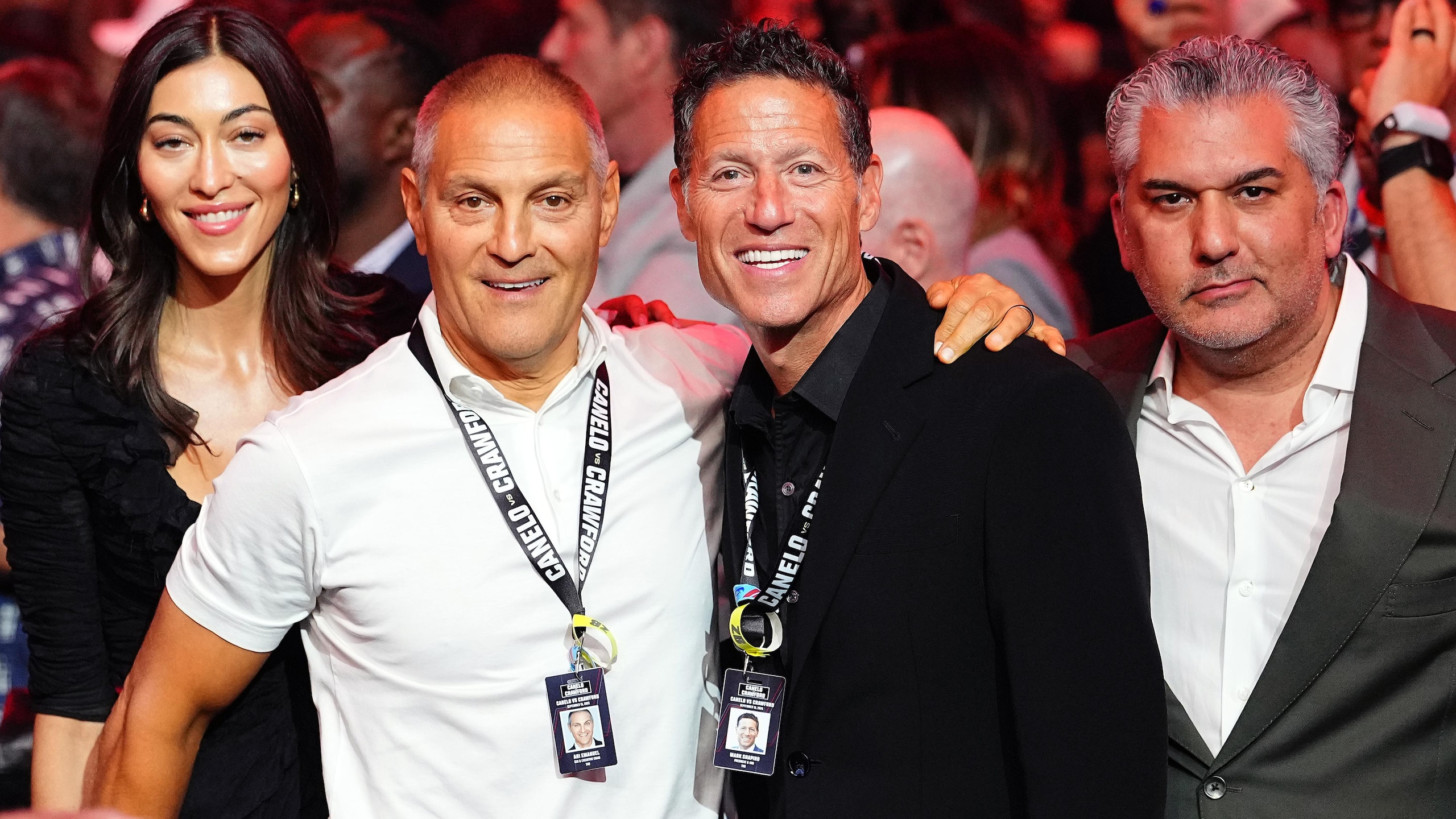
WWE can get so much worse.
While Paul Levesque has taken on the top spotlight as WWE's lead man, the TKO banner looms large over WWE where the goal will always be profits first.
Ticket prices for live events will continue to rise as long as fans continue to buy at the current price point.
WWE could find even more streaming services to work with in order to produce more shows for the greatest profits.
While All Elite Wrestling has found a reliable place on WBD, it is not a legitimate pressure on WWE's bottom line unless big-name talent choose a fresh opportunity over the stable foundation WWE provides.
It is also always possible Levesque and his creative team lose their way with even what is working at present.
If live crowds continue to tease turning against Cody Rhodes, would WWE turn him heel or following the John Cena path of stubborn babyface with a mixed reception?
If fans genuinely speak up for the underutilized stars of WWE, will anything change, or will Levesque follow the Vince McMahon standard of sticking to his guys no matter what?
There is very little reliable proof that WWE has any interest in truly making changes for the better, which makes it far more likely that creative will struggle even more in 2026 and beyond.
Fans stuck with Mr. McMahon for three decades, even when the product was noticeably awful in every facet. Why would that change with the next McMahon at the helm?
.jpg?w=2560)


.jpg?w=2560 "Raiders Could Start Mendoza")
.jpg?w=2560 "Rodgers Iced Out on Plane 💎")


.jpg?w=2560 "🚨 Week 8 AP Top 25 Poll")