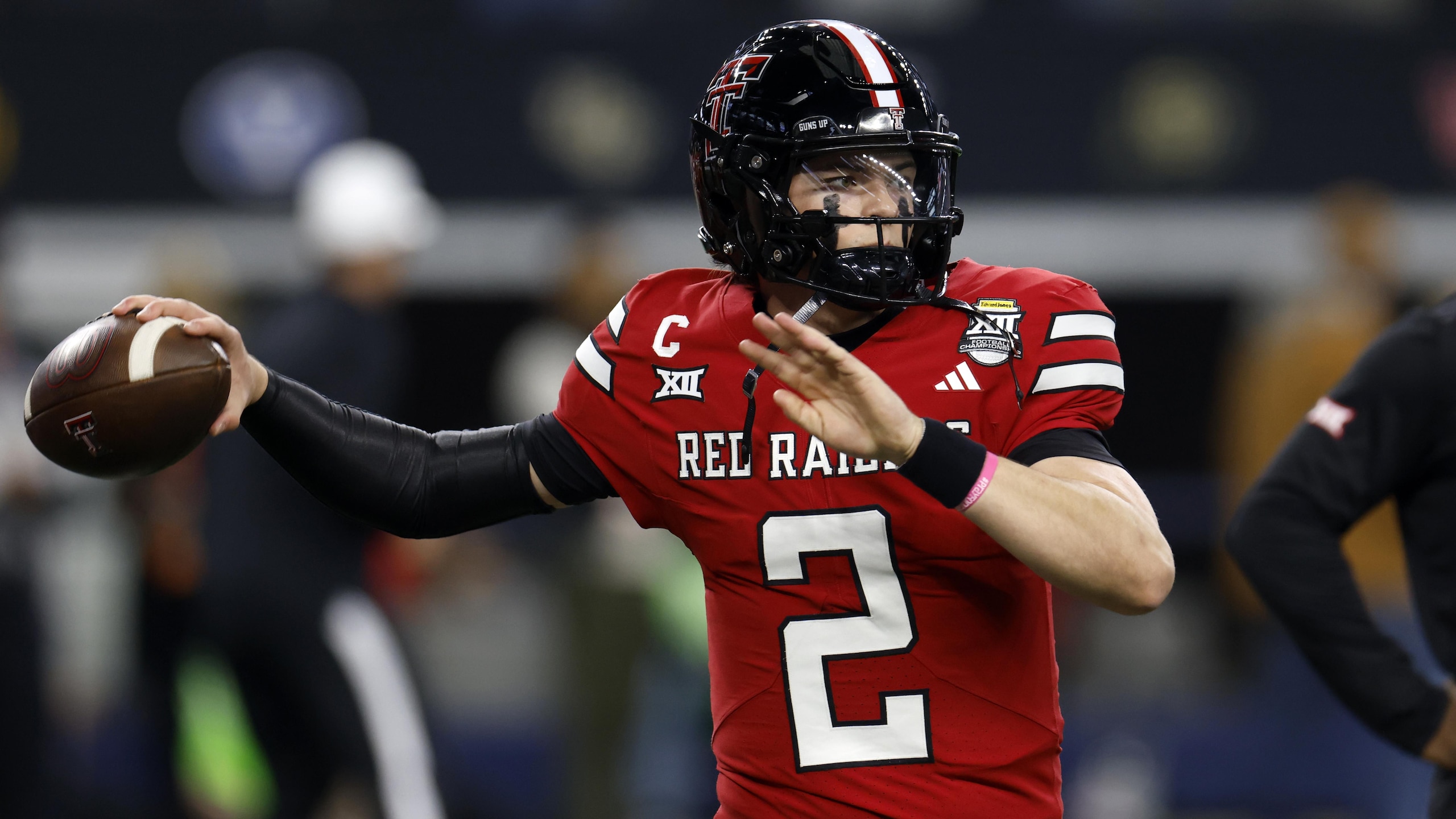


The second season is officially here, and our collective attention will swiftly shift to the 2025 College Football Playoff.
Before we focus on the future, though, let's briefly look back.
What happens in the CFP is destined to shape narratives. If a team catches a hot streak, we might forget their recent mistakes—see 2024 Ohio State. Or if a team falters early, we may discard its latest successes just as quickly.
The following topics are subjective but include a variety of national storylines that have heavily influenced the 2025 season so far.
Winner: Indiana's Statement Year
1 of 8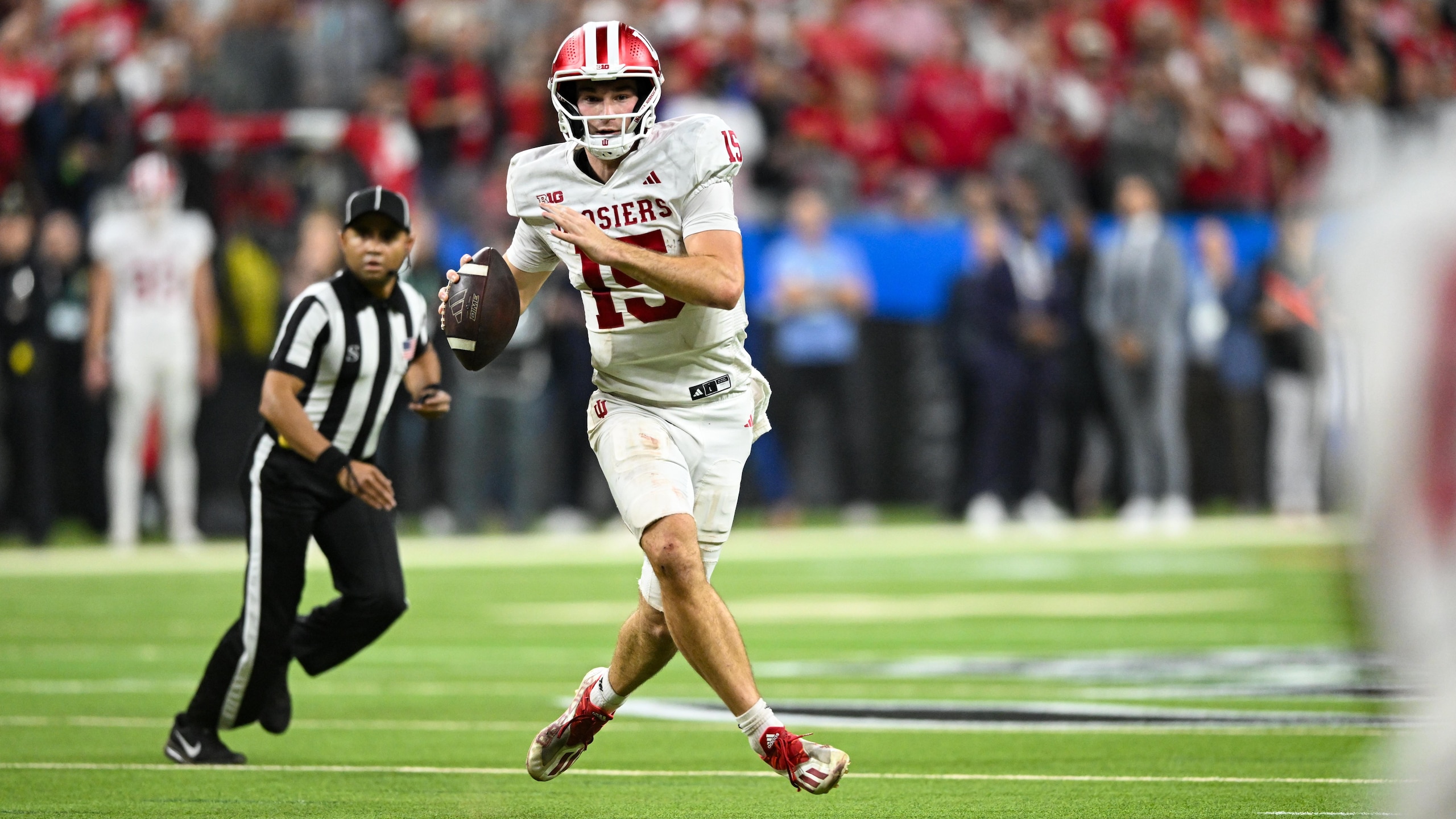
The job is not finished. Still, what a season.
Last year, Indiana posted an 11-1 record and made the College Football Playoff. But there was underlying feeling—in some corners of the sport, at least—that the upstart Hoosiers were mostly the byproduct of a soft schedule and were exposed by Notre Dame in the CFP's first round.
Nuance exists. That can be true. But after seeing the Hoosiers go 13-0 this season, it's undeniable that Curt Cignetti is a serious winner.
Indiana faced the stingiest defense in the country in the Big Ten Championship Game and outplayed the Buckeyes' elite unit.
Maybe that doesn't mean IU wins a national title. But the Hoosiers, as a program, are for real.
Loser: Preseason Polls
2 of 8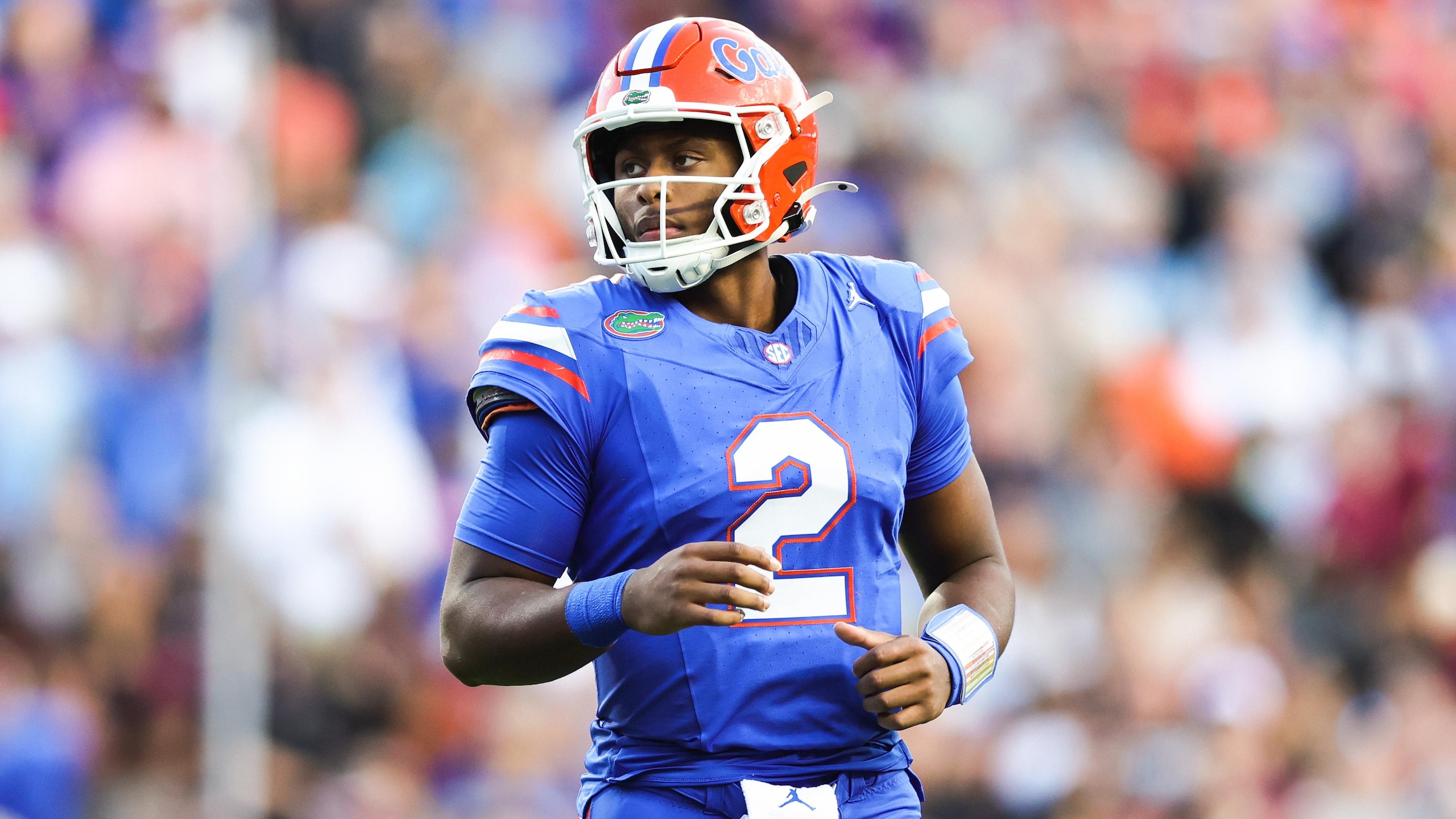
As the regular season approaches, few things are more popular than building out a preseason Top 25. It might be the Associated Press, Bleacher Report, any number of other entities or fans themselves.
We know it's an inexact science. We know we'll be wrong.
But, whew, the 2025 edition of groupthink had several major misses.
Steve Helwagen of 247Sports put together a 22-source consensus poll in August. Within the Top 10, we saw Ohio State, Georgia and Oregon with Notre Dame, Alabama and Miami. Five of them are headed to the Playoff, and ND ended as the first team outside the group.
Penn State, Clemson and LSU, however, plummeted from a Top 10 spot to being unranked—with Penn State missing a bowl entirely and Clemson barely doing so.
Ole Miss (16th), Oklahoma (17th) and Texas A&M (19th) checked in outside the CFP range but will be hosting first-round CFP games. Indiana (23rd) and Texas Tech (24th) narrowly made the Top 25 yet will be opening-round byes.
And there were several more key misses.
Texas dropped from preseason No. 1 to missing the CFP field, while SEC teams Florida (14th) and South Carolina (15th) combined for seven wins.
Hey, better luck next year. We'll do our best.
Winner: Texas Tech's NIL-Fueled Surge
3 of 8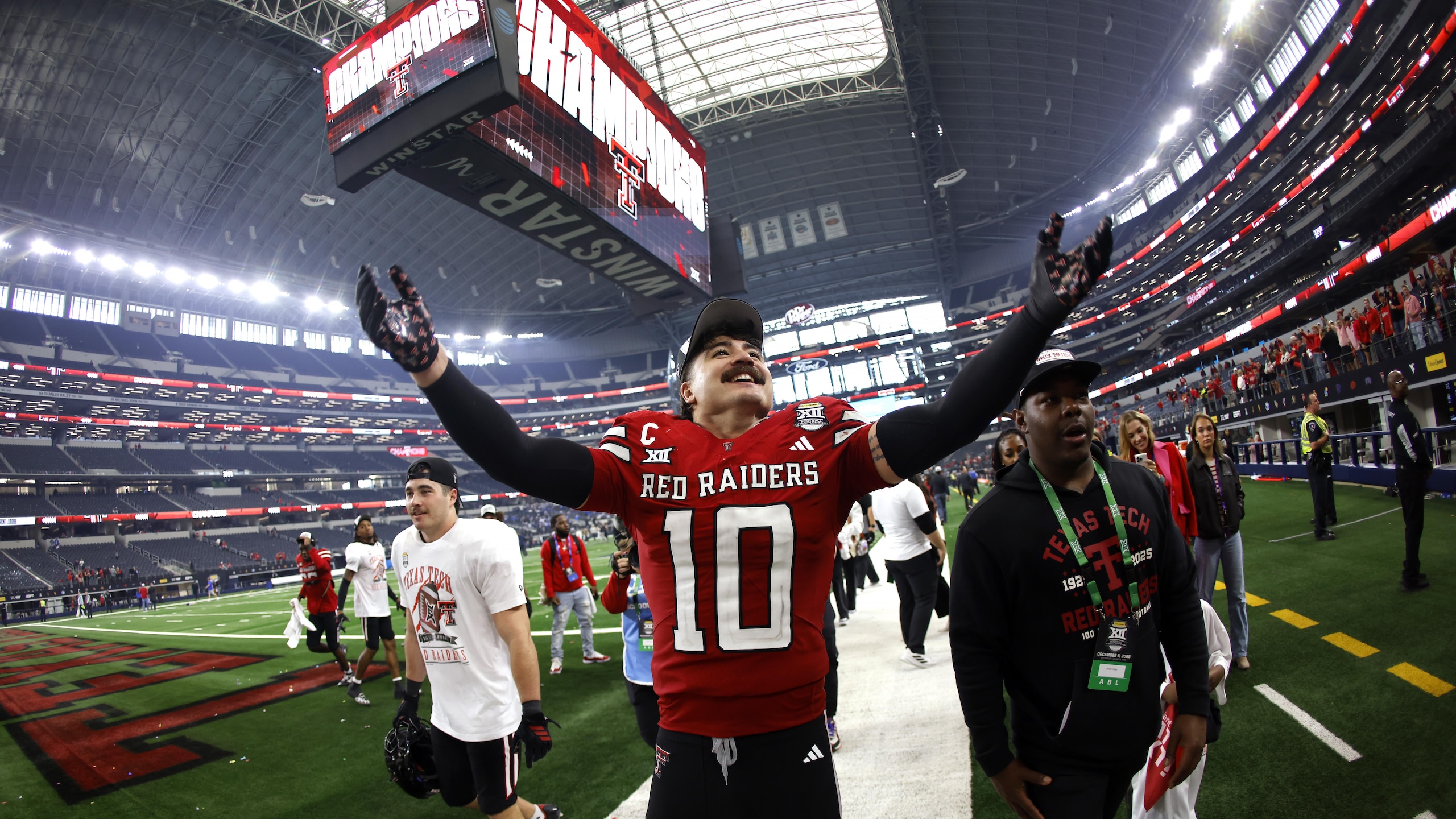
Anybody can spend money in the transfer portal.
What separates bad, good and great programs, though, is talent identification, evaluation and development. Texas Tech crushed all three components, and the result is both a Big 12 title and a trip to the College Football Playoff.
On the defensive line, the Red Raiders added David Bailey, Lee Hunter and Romello Height. They picked up cornerback Brice Pollock. All four of the defenders earned first-team All-Big 12 honors.
Defensive tackle A.J. Holmes Jr. also landed third-team All-Big 12 recognition, as did left tackle Howard Sampson.
Surround them all with veterans such as QB Behren Morton, wide receivers Caleb Douglas and Coy Eakin, linebackers Jacob Rodriguez and Ben Roberts and a few more portal reinforcements, and Texas Tech rapidly became a monster.
In all 12 victories, the Red Raiders posted a margin of 22-plus points. They only dropped a game when Morton was sidelined due to injury.
Money matters, absolutely. What a program does with it, though, matters infinitely more.
.jpg?w=2560 "AP Poll Top Five Week 9")

Loser: Conference Championships
4 of 8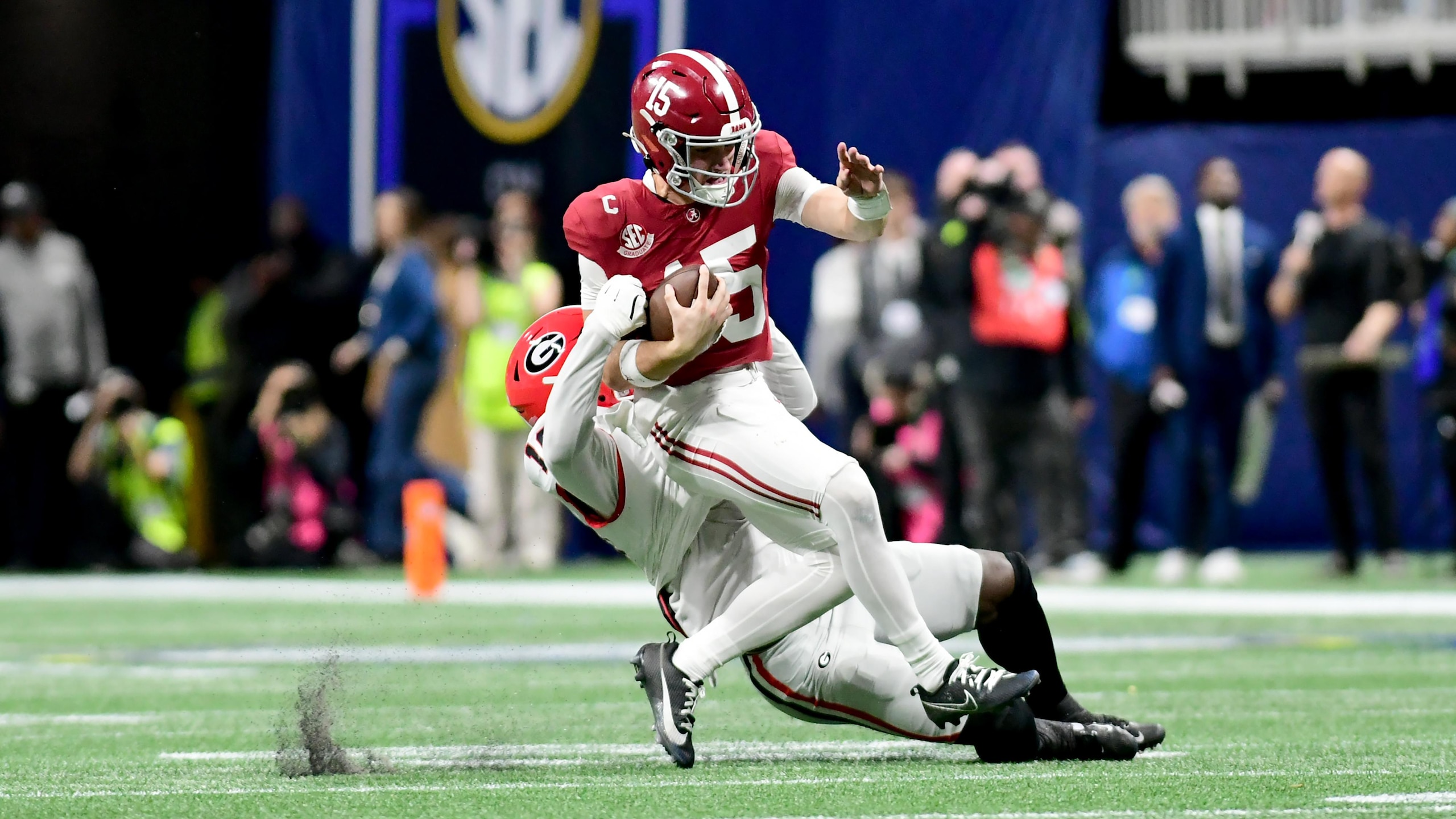
Would you like to complain about tiebreakers? I hear you.
The flawed setup in the ACC resulted in its clear-cut best contender, Miami, seeing five-loss Duke instead make the ACC Championship Game. Georgia Tech—which beat Duke—and competent teams like SMU and Pitt missed out, too.
In the MAC and Mountain West, both Miami (Ohio) and UNLV backed their way into their respective league championships despite having no head-to-head victories in matchups among the tied teams.
Would you like to complain about the impact of championships? Still got you.
BYU posted an 11-win record, but a blowout Big 12 loss at the hands of Texas Tech ruined the Cougars' postseason dreams. Alabama found itself on the brink following an SEC dismantling by Georgia.
The 13th data point, as the committee would call it, could have only harmed BYU and Bama—two teams on the fringe of at-large status.
Expect an offseason loaded with questions about the future of conference championships, given that three of the Power Four leagues faced a self-inflicted problem on the final weekend of the campaign.
Winner: Group of 5 Upside
5 of 8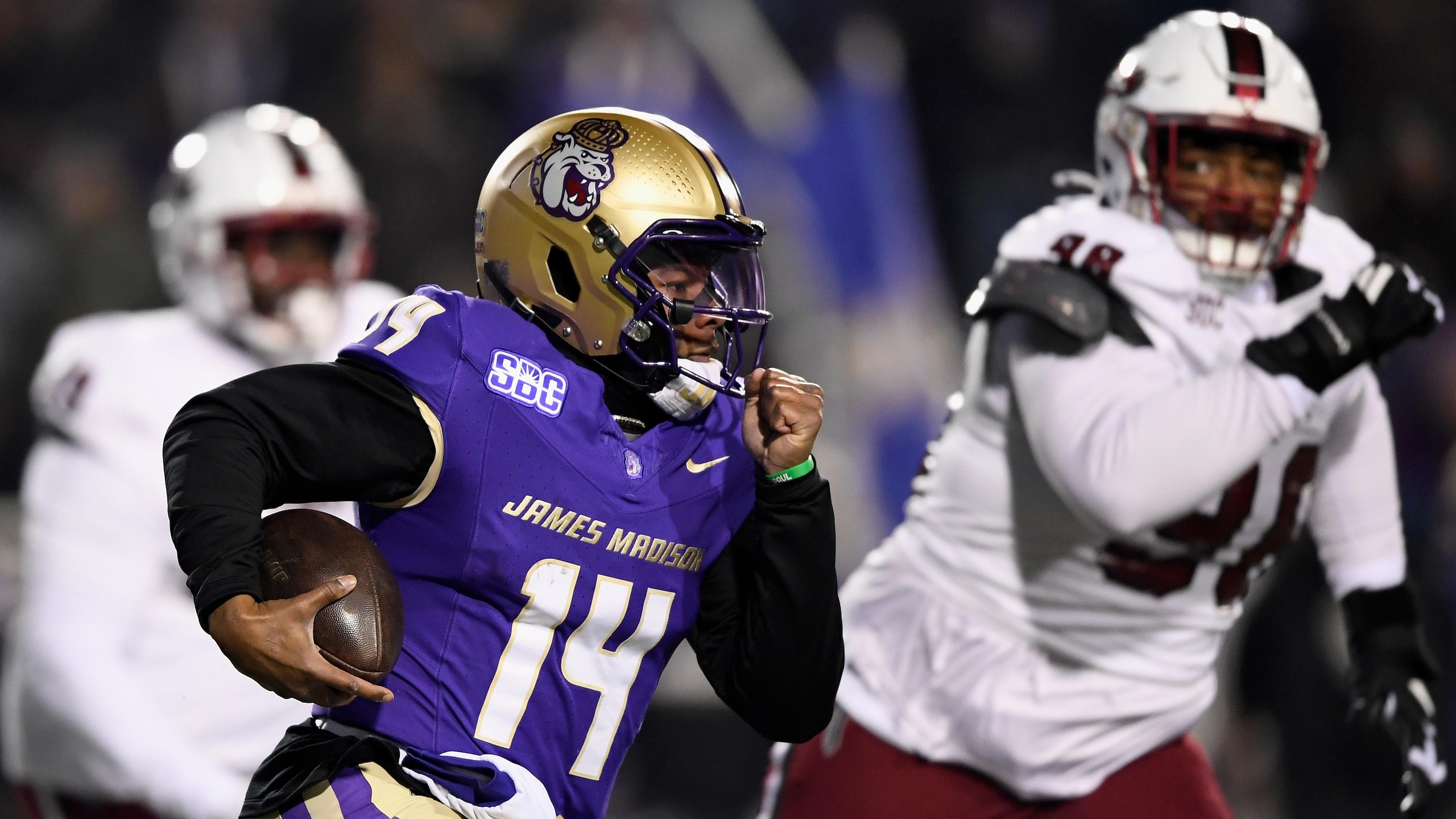
You know where you wouldn't find complaints about the power-conference championships problems? In the American and Sun Belt.
Tulane put together a quality résumé, beating North Texas in the American title game to earn a CFP invite. As a result, the American has represented the Group of Five in eight seasons of the 12-year Playoff era.
But wait—for the first time—there was more.
Heading into Championship Week, the G5 had a legitimate chance to send two teams to the CFP. James Madison cruised to a Sun Belt crown, putting the pressure on Virginia to beat Duke in order for the ACC to guarantee it would send a team to the College Football Playoff.
Duke led for most of the ACC Championship Game, but Virginia's last-minute comeback forced overtime. The G5 dream seemed to good to be true.
In fact, however, it was just right.
The current 12-team format—adjusted after the Pac-12's initial demise—was built for the power conferences. The perfect storm, though, allowed the American and Sun Belt to prevent the ACC champion from making the CFP.
Loser: CFP-Changing Coaching Carousel
6 of 8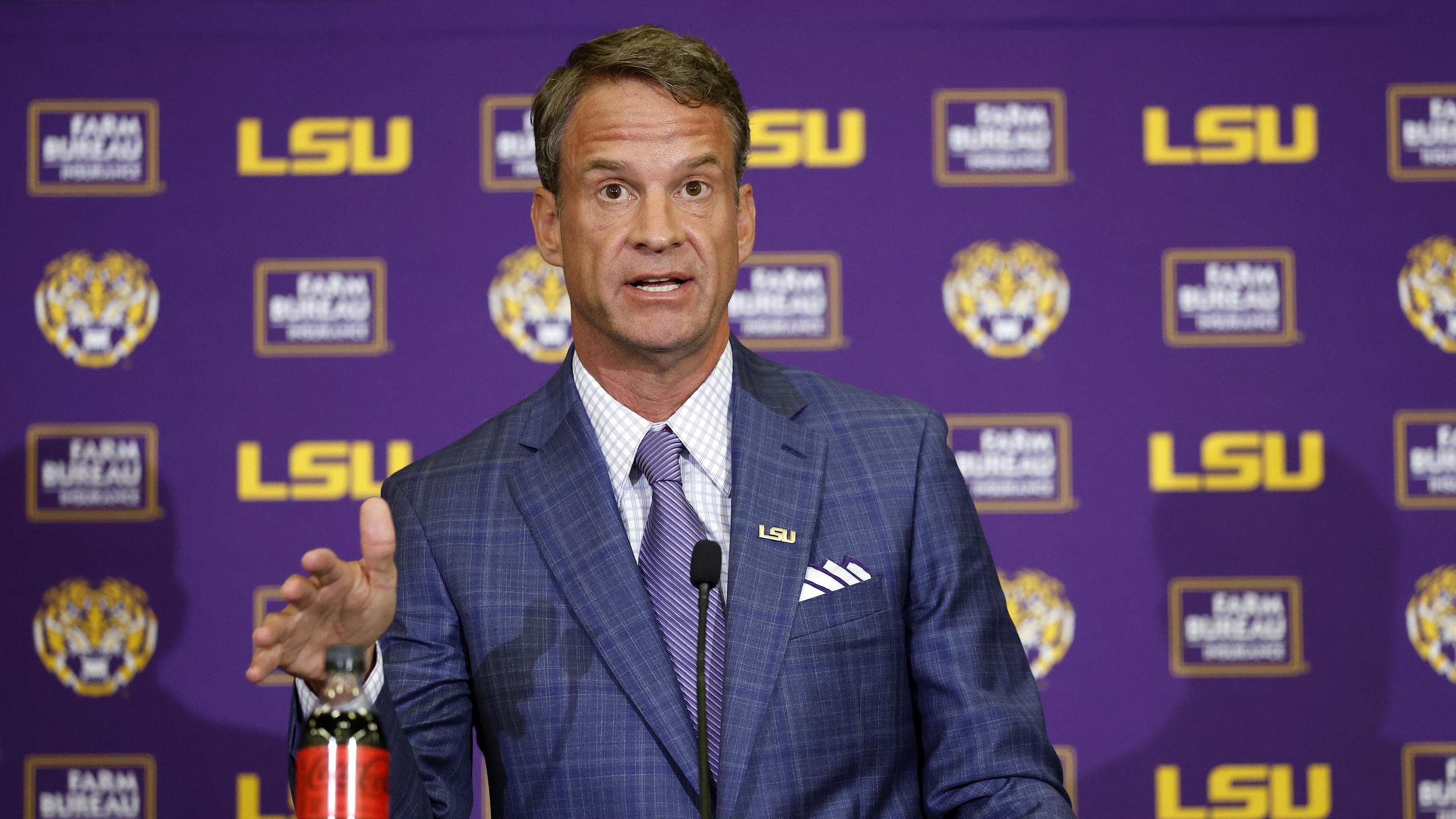
I do not envy the timing required for Lane Kiffin to make his decision of whether to stay at Ole Miss or leave for LSU.
I do not envy the focus required for Tulane's Jon Sumrall or North Texas' Eric Morris, who both had accepted power-conference promotions—at Florida and Oklahoma State, respectively—prior to the American Championship Game. Or for Bob Chesney, whose possible future at UCLA had been heavily reported prior to James Madison playing in the Sun Belt Championship Game.
On the sympathy scale, it's pretty low. We recognize that.
Nevertheless, this unfortunate timing is a problem. The early signing period—now the first Wednesday in December—necessitates that a program in transition hires a new coach as quickly as possible. Collateral damage is impossible to avoid as the CFP portion of the calendar arrives.
These situations might not happen every year, but they're not a shocking development—particularly for G5 coaches eyeing power-conference jobs.
Until or unless the recruiting calendar changes, this issue will be a very real, very significant possibility around Playoff time.
Winner: 1 Right Answer, The Wrong Way
7 of 8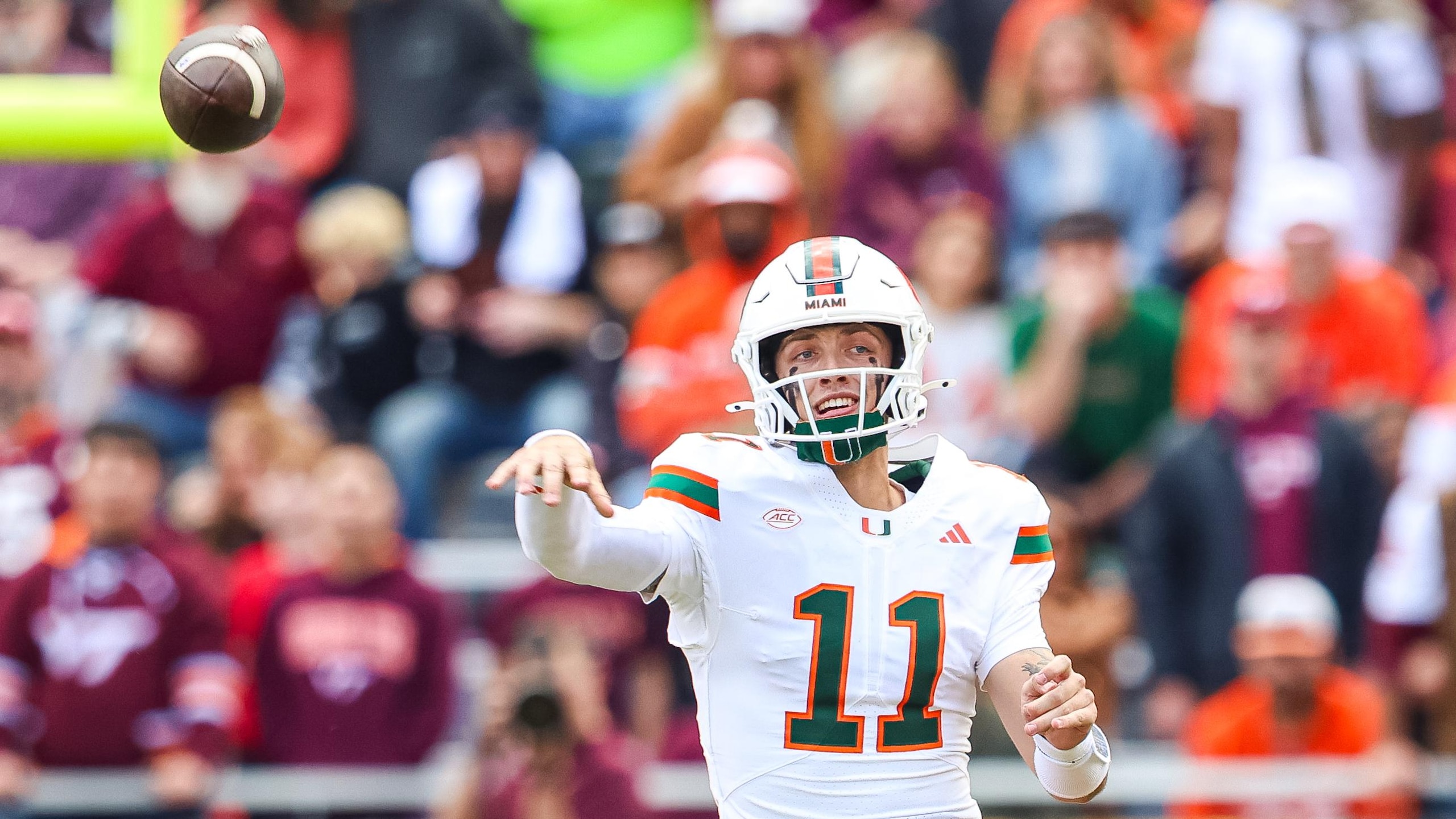
I believe Miami should have been ranked ahead of Notre Dame. That order, however, is not what I'm interested in discussing.
The manner in which the selection committee landed on Miami? Just bad.
In the initial CFP Top 25, Notre Dame checked in 10th with the Hurricanes at 18th. While that seemed like an unnecessarily large gap, the committee steadily closed the gap. Miami kept on rising—all good.
The problem is what happened after the regular-season finale. Miami had a lull in the middle portion of the campaign but showed clearly down the stretch that it was a comparable team to Notre Dame. "Comparable" is the critical word, relative to how the selection committee judges teams.
After that finale—when Miami obliterated Pitt, matching Notre Dame's second-best win—the committee kept the 'Canes behind ND.
That should mean nothing can move Miami in front. Should.
Again, I believe Miami deserved a higher ranking. Head-to-head results, as will be reiterated shortly, have to matter. For the committee to flip the order when neither team played is a terrible look and an awful precedent to set.
But at least the proper decision, ultimately, was made.
Loser: Selection Committee's Process
8 of 8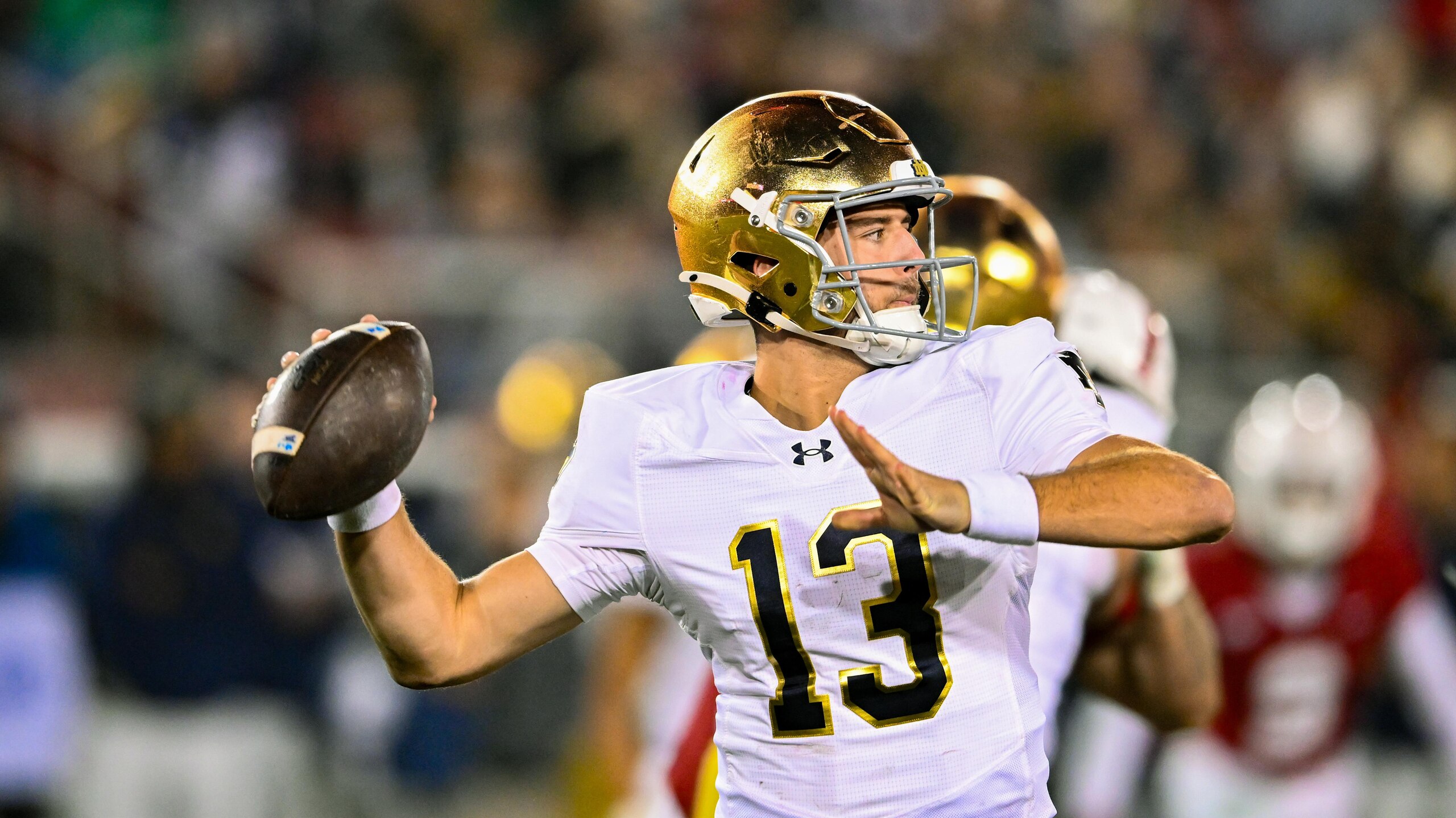
Please, make up your mind. Either the protocol matters or it doesn't.
Every week during the CFP rankings window, we are treated to frustrating analysis on a made-for-TV program. The committee trots out some poor, unfortunate soul to provide a semblance of justification for the latest Top 25.
Disagreements and debates are inevitable. We will never find 100 percent agreement while trying to order a bunch of flawed teams and résumé.
But either the protocol matters or it doesn't.
In the second-to-last CFP ranking, for example, head-to-head results dictated where one-loss Georgia sat in relation to one-loss Ole Miss, one-loss Texas Tech to one-loss BYU and two-loss Oklahoma to two-loss Alabama.
And then, suddenly, it didn't matter for two-loss Miami compared to two-loss Notre Dame—yet immediately pushed three-loss Texas in front of two-loss Vanderbilt and kept three-loss USC ahead of three-loss Michigan.
For a committee that often parroted "consistency" as reason for ranking Team A over Team B, that's a glaring inconsistency in its own process.
Yet on the final weekend, it finally helped Miami?
Valuing the head-to-head outcome was the correct call. Results must matter. Otherwise, why do we bother playing the games?
Simultaneously, it's horrendous that an idle Miami jumped in front of an idle Notre Dame. That is ridiculous process. Nothing changed for those programs over a weekend while they sat on the couch.
I am begging you: Adjust the protocol. Place a clear emphasis on subjectivity, metrics or results. Remove the "rounds" of voting that produce pools and instead rank teams one at a time, based on whatever is deemed most important. Please, just make the protocol reflect what actually happens in the room.
Whatever your published process, follow it. That's all we ask.
.jpg?w=2560)
.jpg?w=2560 "Colts Texans Football")

.jpg?w=2560 "Rodgers Iced Out on Plane 💎")
.jpg?w=2560 "Raiders Could Start Mendoza")

.jpg?w=2560 "Packers Safety Slams Refs 🤬")

.jpg?w=2560 "Lamar Being Out Shocked Ravens")

.jpg?w=2560 "Mahomes Told Teammate to Leave Meeting")