
How AJ Lee Became WWE's Most Celebrated Return While Nikki Bella Fights for Relevance
Familiar discourse surrounding the two most prominent WWE Divas champions has resurfaced with the return of AJ Lee and Nikki Bella in 2025.
Bella criticized and eventually severed ties with the company in 2023. She and her twin sister, Brie, even briefly attempted to rebuild their brand using their maiden name, Garcia.
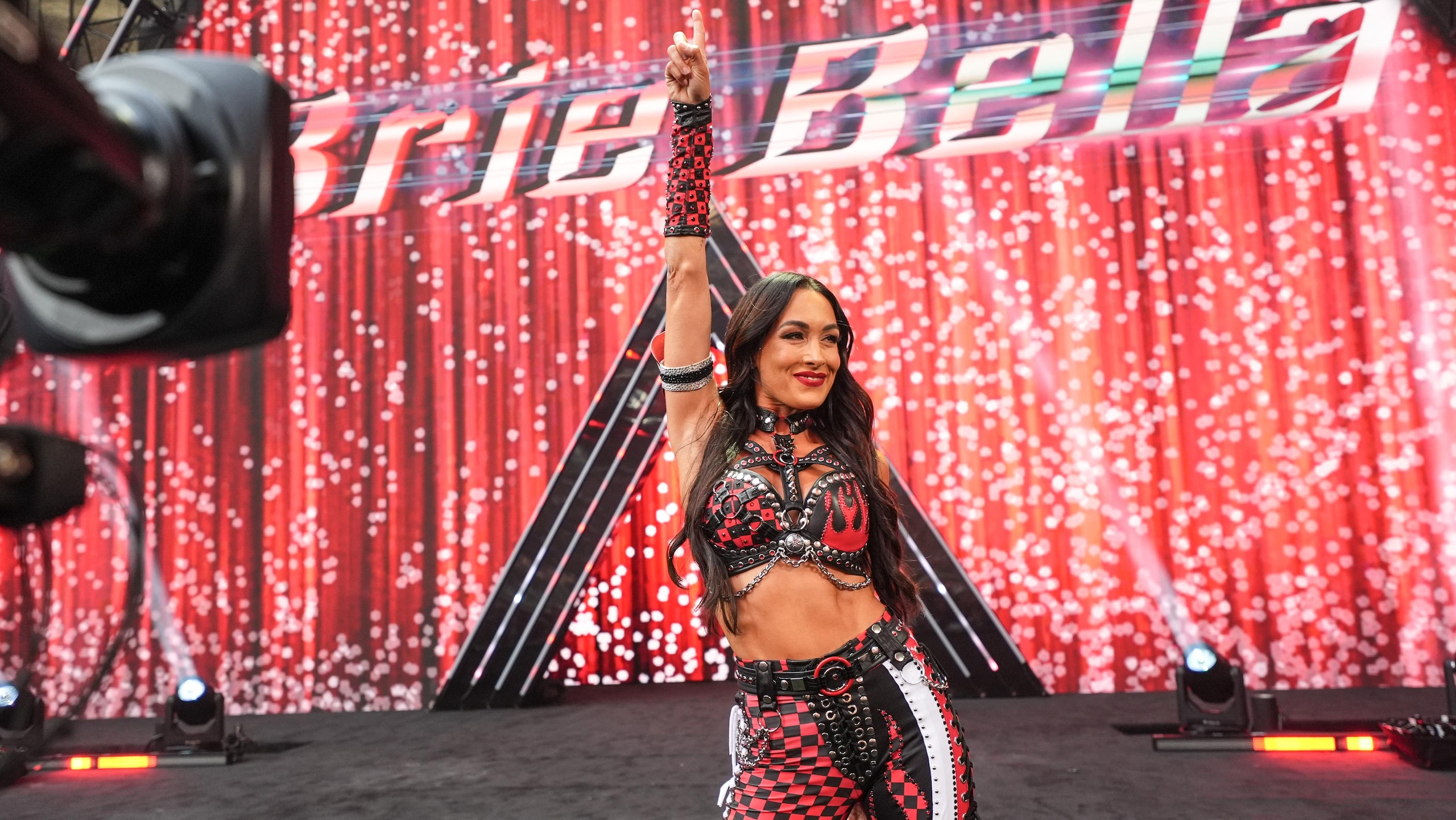
So, most viewers were shocked to see the embattled wrestler-turned-reality TV star reemerge as the last entrant in this year's women's Royal Rumble match. Still, it was an underwhelming development because many of us predicted that spot would belong to Becky Lynch, who became a free agent last June.

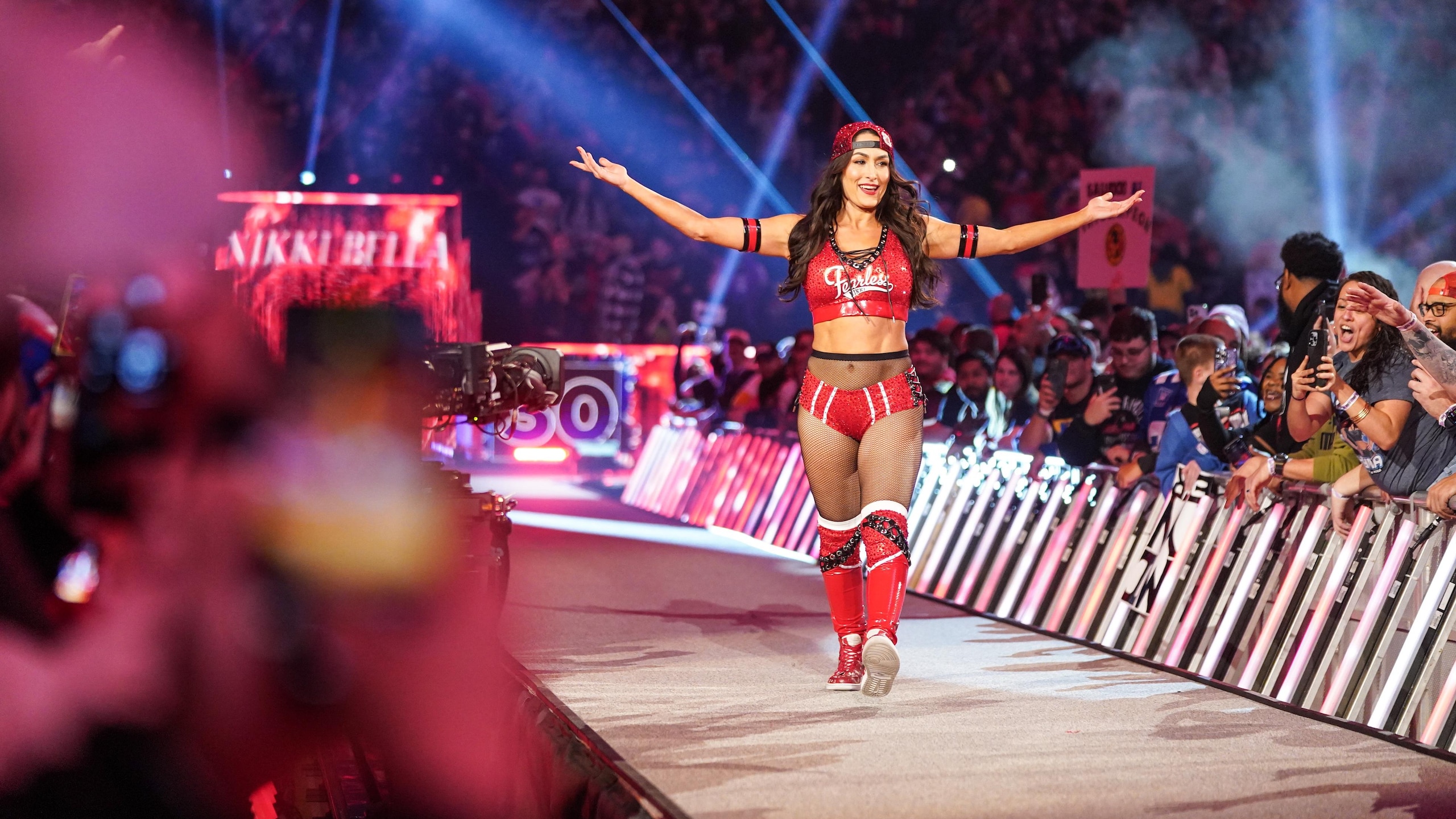
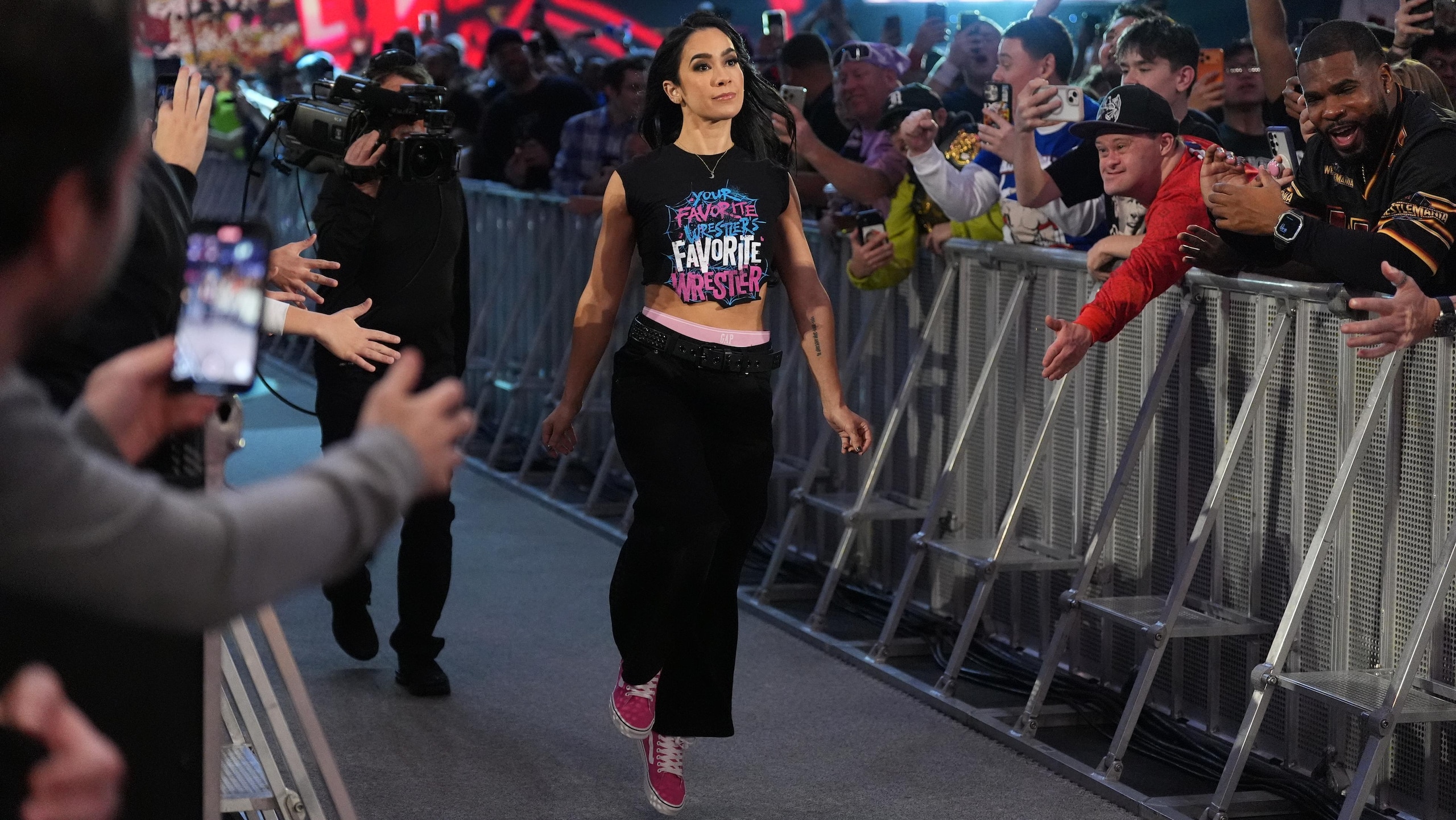
Of course, that isn't Bella's fault, but it's part of the reason her most recent stint with WWE got off to such a rocky start. Meanwhile, Lee made her surprise return to wrestling on the Sept. 5 episode of SmackDown to join husband CM Punk in a mixed tag match at Wrestlepalooza, which was essentially the selling point for the debut event.
That distinction is important here because it illustrates the difference in fanfare for these two returns. One has been presented as a must-see attraction, while the other has had an uphill battle with a fanbase that didn't expect her and doesn't know where she fits in anymore.
Lee is back in time for the upcoming women's WarGames match at Survivor Series. Conversely, her contemporary is in line for a shot at Stephanie Vaquer and the Women's World Championship following an unavoidable heel turn during the Nov. 10 episode of Raw.
Both women have cemented their place in WWE history, but only one has been heralded as a welcome addition to its flagship series. It's jarring, but it's also not that surprising when we consider their timeline with the company.
A Tale of the Tape
The Divas era is a sore subject for many longtime fans, even though many of its enduring stars were largely underappreciated. WWE's most critically maligned and creatively bankrupt period in women's wrestling ultimately led to the emergence of The Four Horsewomen and the Women's Revolution in 2015.
This much-needed advancement eliminated the controversial nom de guerre, with the return of the WWE Women's Championship at WrestleMania 32. More importantly, it created new opportunities for the division in the form of first-ever stipulation matches, such as women's Royal Rumble and Hell in a Cell matches.
Nevertheless, the seven-year span that preceded the current era still has its vocal proponents and fanatics despite the passage of time. They're often among the most passionate, and sometimes the most combative, fans online because they grew up idolizing the biggest stars of that era and watching Total Divas and its spinoff, Total Bellas.
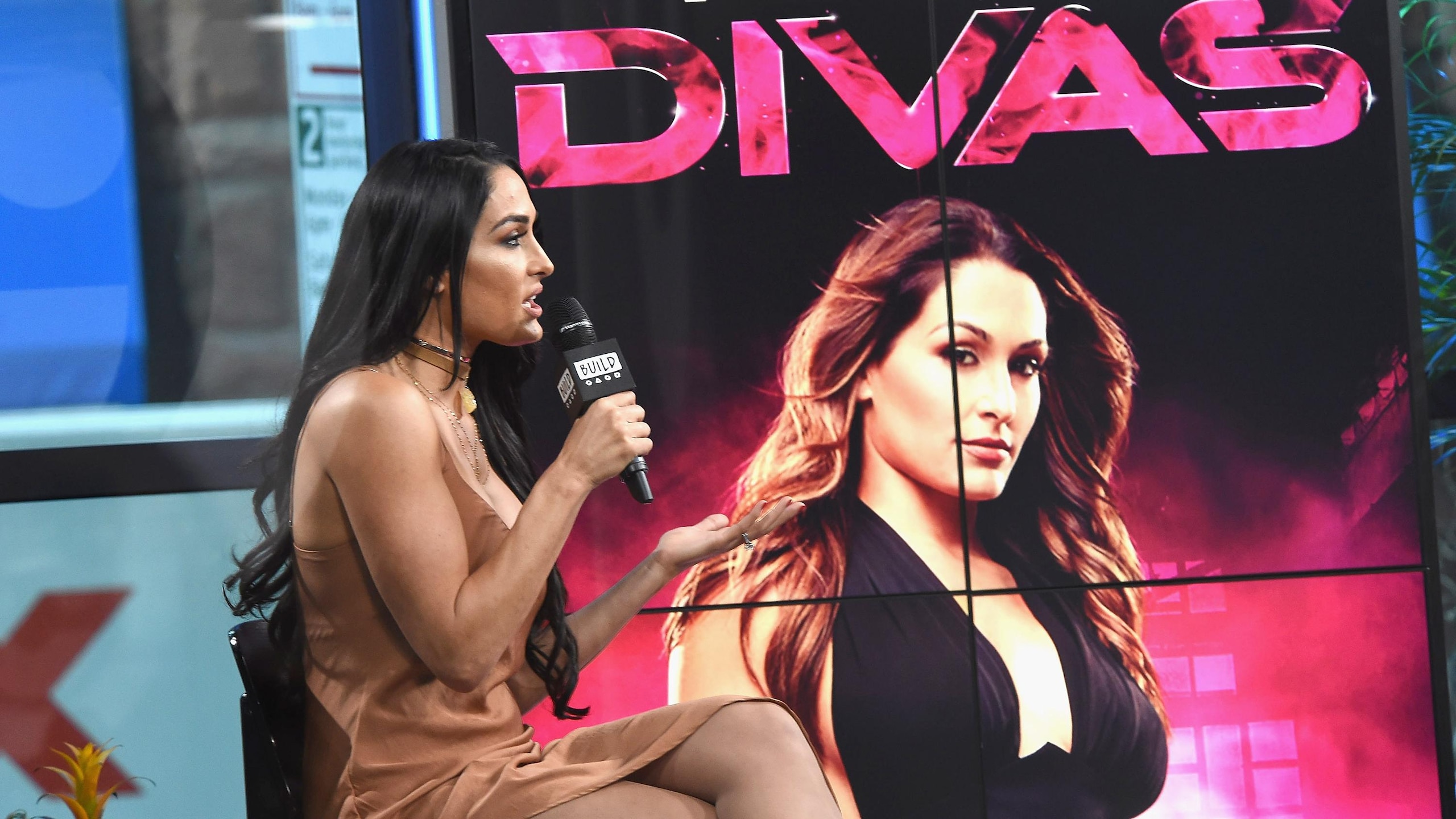
Although hardcore fans often try to dismiss their experiences and preferences, it's impossible to deny the reality shows made a generation of casual fans into avid viewers. Moreover, it connected with a different demographic and helped to broaden the appeal of pro wrestling during the PG era.
With that said, there has always been an idealistic divide between Lee and Bella fans and an unnecessary debate about their respective importance to women's wrestling. Both are undeniably influential, but moments like the 2013 pipebomb or Ronda Rousey's savage promo emboldened fans who sought to discredit the 2020 Hall of Fame inductees.
To that end, some detractors felt The Bella Twins didn't belong in the Hall of Fame, which speaks to how polarizing they've been within a subset of fandom for so long. In contrast, Lee is often remembered as a pioneer in a time when women faced numerous obstacles.
Even more, she managed to preserve her mystique and raise anticipation for her return, similar to Punk. Bella has been overexposed to an audience that is often split on her contributions to its favorite pastime.
Blurred Lines
Honestly, fans are too hard on Bella. She isn't respected like other WWE legends who held the same position in the company.
For example, Trish Stratus was the face of the women's division during the Attitude Era, and she is beloved. However, Bella is synonymous with a period that many viewers detested, so she isn't welcomed back when she returns in the same way.
Stratus' legacy isn't in question. Every time she proves she can hang with this generation, she adds to it, and it's a bit of a shame that some fans won't give Bella the same grace.
Similarly, longtime fans have lamented about what could've been if Lee hadn't retired as the Women's Revolution started in 2015. We romanticized her as a star who could have achieved even more with the opportunities current Superstars have been afforded.
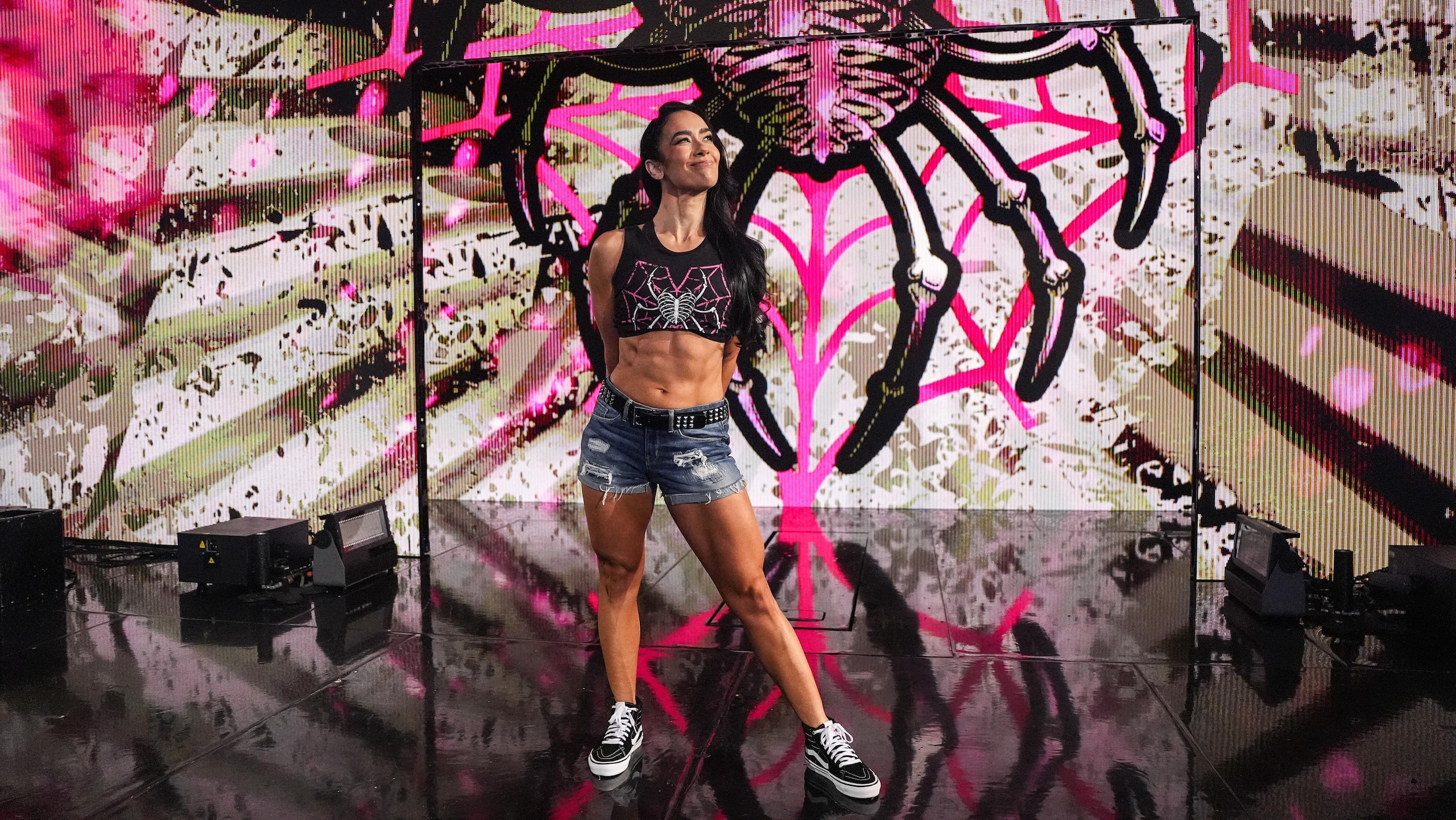
That's a stark contrast to the perception of Bella as the last remnant of the Divas era that Charlotte Flair had to vanquish to usher in a new one. Consider how her win at Night of Champions often isn't seen as a passing-of-the-torch moment, but more of an end to her reign of terror.
That should help to indicate why the longest-reigning Divas champion has such a complicated relationship with the fans. Unfortunately, stigmatizing the label of diva meant some would always equate her success with a period the company rightfully moved on from, and that makes it hard to accept her when she returns.
Yes, Bella has been rusty, and her match with Lynch at Clash in Paris was a mess. It's even fair to say some of her segments have been too cookie-cutter and bland. Contrarily, Lee's first match in 10 years was better than expected, and her selected appearance felt like a bigger deal.
Still, one could argue WWE didn't really set Bella on the path to succeed in her second return, and confirmation bias has set in for critics who don't understand why she's back.
Pro wrestling blurs the lines between reality and fiction, but comparisons between her and Lee have always been flawed.
.jpg?w=2560 "2 NFL Officials Suspended")



.jpg?w=2560 "Mahomes' Wife Trolls Kubiak 💀")

.jpg?w=2560 "Injury-stricken Seahawks signing veteran RB")
.jpg?w=2560 "Love's Body Already 'Tired'")