

The team-friendliness of contracts means everything in the NBA's Era of Aprons.
Margins for error when fleshing out cap sheets are smaller, which means the stakes are higher. Having a hard-to-trade deal is now more challenging to navigate—more limiting, but also potentially damning.
We'll be putting on our front office caps to find the pacts most underwater this season. The entire breadth of a player's résumé will be taken into account to select and rank deals against a singular question: If put on the chopping block, which contracts would be the hardest to move in advance of February's trade deadline?
5. Jaylen Brown, Boston Celtics
1 of 5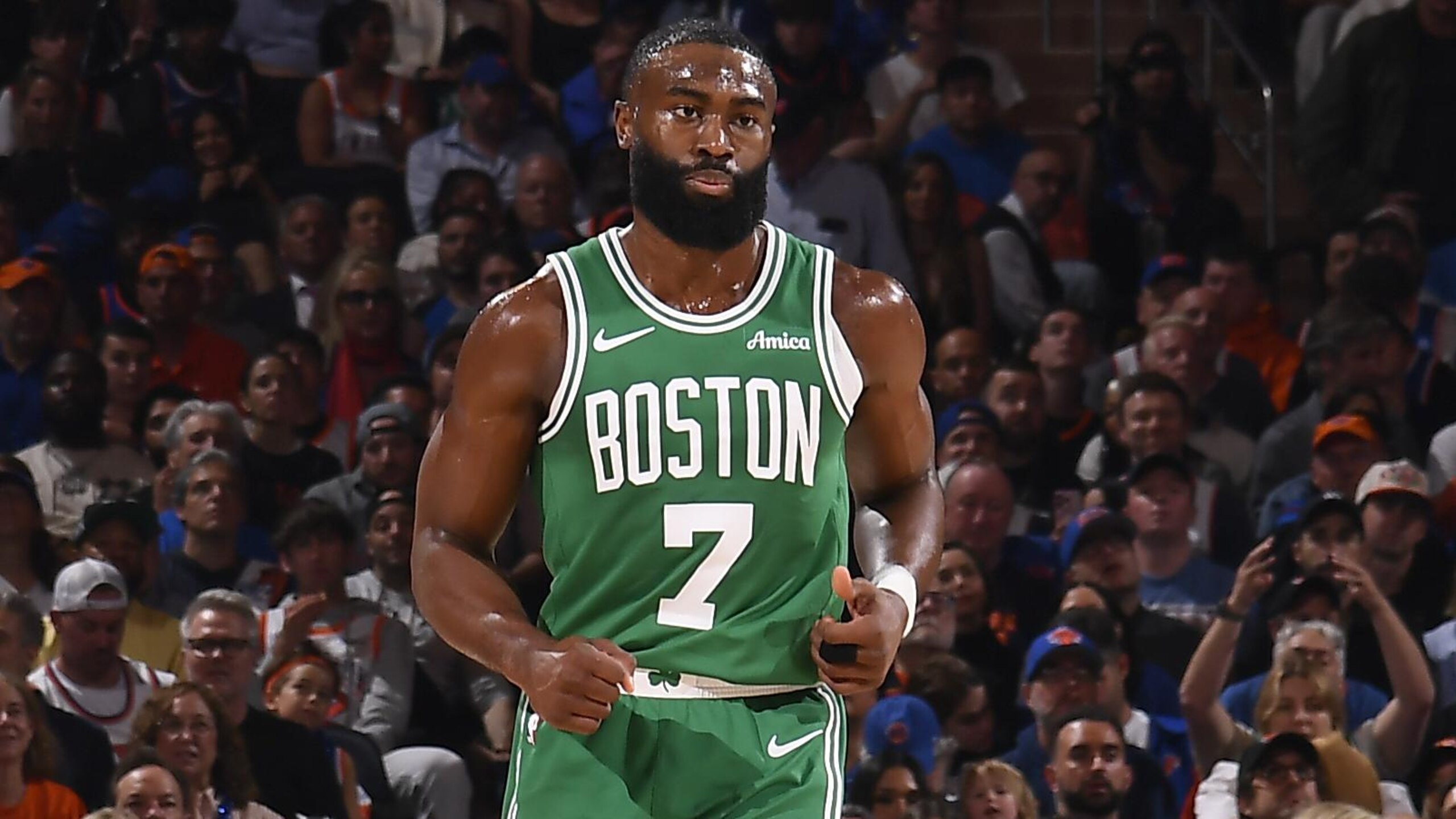
Remaining Contract Value: 4 years, $236.2 million
Average Percentage of Salary Cap: 33.02 percent
Additional notes: No player option (runs through age-32 season)
The bar for max contracts, let alone supermax deals, is gradually inching higher. De'Aaron Fox got his four-year max from the San Antonio Spurs this summer, but the negotiation was not met with much fanfare. The extension-eligible Trae Young has yet to reach a deal with the Atlanta Hawks.
Everything from the negotiations themselves to the ultimate outcomes and reactions are proof of the choppy financial waters. Investing this much money in someone who's not a consensus top-15 player is no longer a given. Jaylen Brown's supermax eligibility would likely have included more negotiating and general uncertainty if it took effect this past summer—even if Jayson Tatum was healthy.
Somewhat quietly, the 28-year-old has also appeared in 70 games (or the shortened-schedule equivalent) just once since 2018-19. That's a real concern with him slated to assume a larger role amid Tatum's absence and Boston's salary-slashing.
The same goes for his efficiency. Brown has shot below 36 percent from distance in each of the past four years and saw his already-unspectacular effective field-goal percentage last season dip by nearly three full points without Tatum on the floor, according to PBP Stats.
Brown is either more available or just flat-out better than everyone else to follow on this list. It's just difficult to reconcile his pay grade with what we know about the league's shifting financial landscape.
4. Jerami Grant, Portland Trail Blazers
2 of 5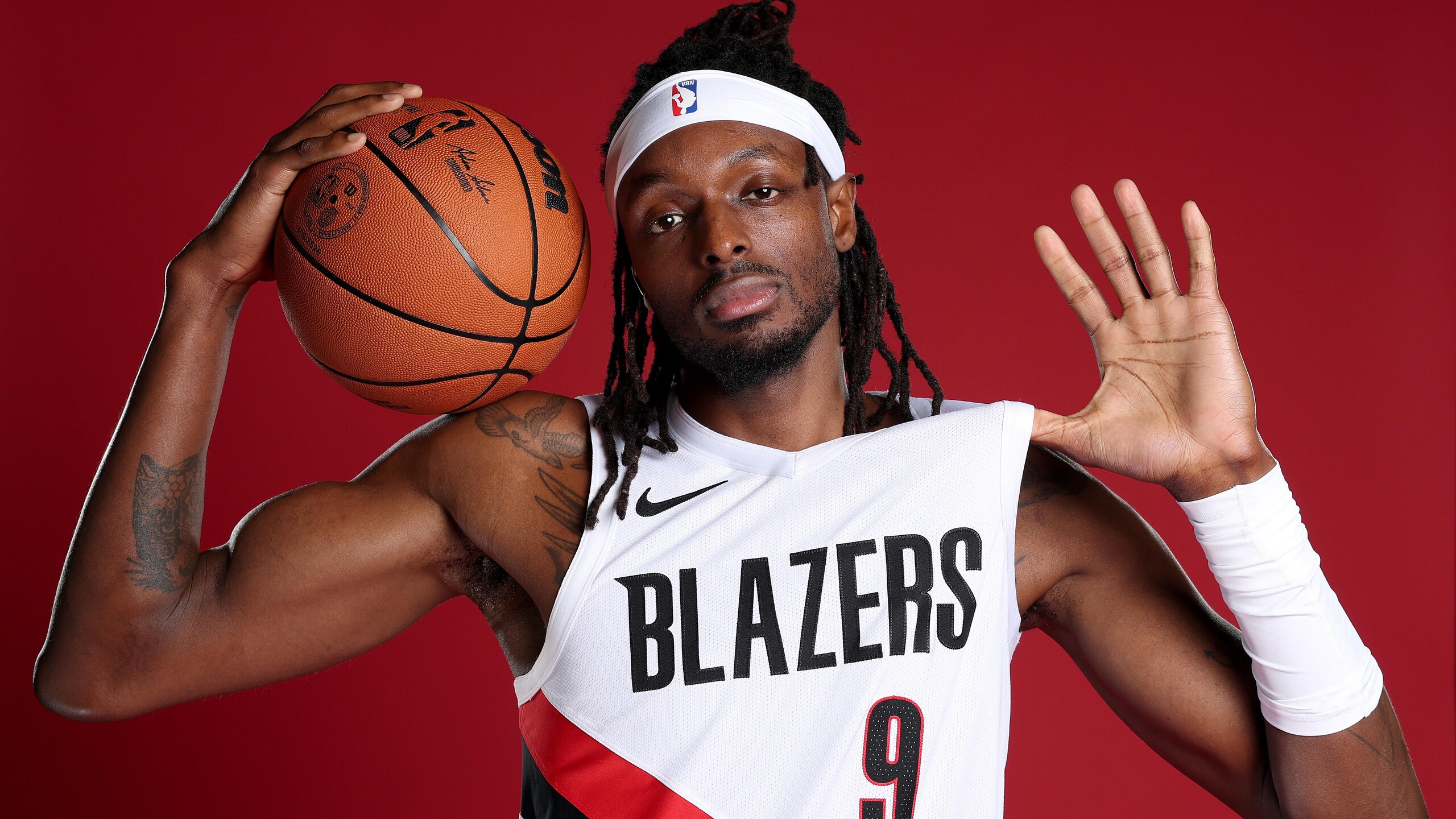
Remaining Contract Value: 3 years, $102.6 million
Average Percentage of Salary Cap: 20.09
Additional notes: 2027-28 player option (age-33 season)
The extent to which Jerami Grant's contract would break the bank when he signed it was greatly exaggerated. His five-year, $160 million agreement stood out more because he ran completely counter to the timeline of a Portland Trail Blazers squad that was about to begin its post-Damian Lillard reset.
This reasoning remains intact now.
Grant looks more out of place than ever following the emergence of Toumani Camara and the Blazers' acquisition of Deni Avdija. His expectation of starting only stands to complicate his value.
And while his annual earnings are far from grotesque, last season's stark drop in rim frequency (18th percentile) and two-point efficiency (38.1 percent) indicates a player on decline.
Pushback to his placement and inclusion will follow the same general blueprint: Teams will always find value in playable three-and-D contributors. But if an offensive firecracker like Norman Powell on an expiring contract (plus a second-round pick) only landed the Los Angeles Clippers a backup big man in John Collins, the idea that Grant's deal can net Portland a positive return on its own is pure fantasy.
3. Patrick Williams, Chicago Bulls
3 of 5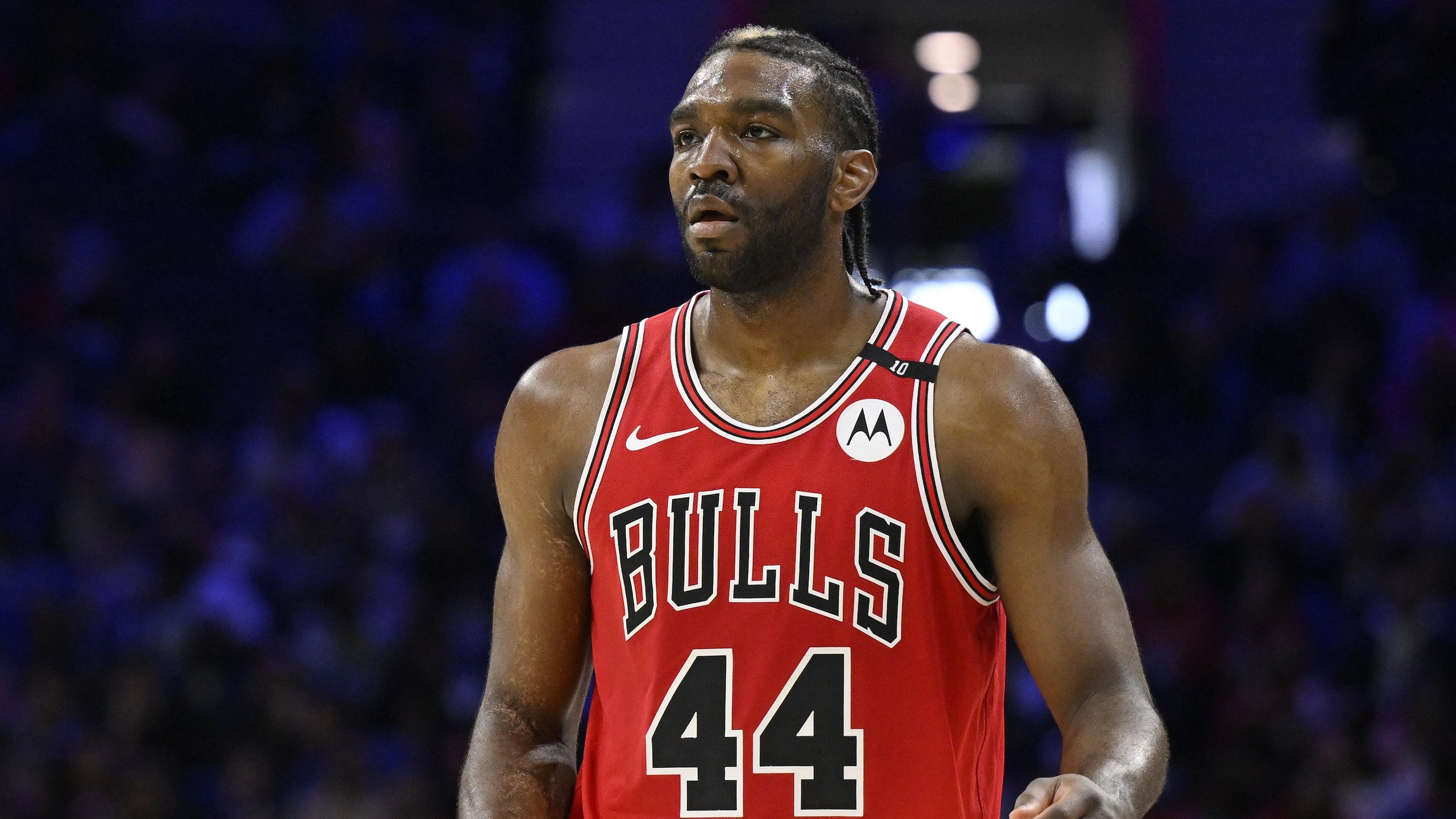
Remaining Contract Value: 4 years, $72.0 million
Average Percentage of Salary Cap: 10.14
Additional notes: 2028-29 player option (age-27 season)
Patrick Williams finished fifth in this exercise over the offseason. His two-spot jump is, well, twofold.
Bradley Beal's contract owned the No. 1 slot and has since been bought out and stretched, paving the way for a default jump. The rest of the climb has to do with Williams' limited utility on offense and shaky position inside a Chicago Bulls rotation desperate for wings.
Have another look at where he's ranked in BBall-Index's O-LEBRON since entering the NBA:
- 2020-21: 2nd percentile
- 2021-22: 13th percentile
- 2022-23: 3rd percentile
- 2023-24: 22nd percentile
- 2024-25: 14th percentile
A relatively modest salary often spares Williams from the harshest critiques. But this deal goes on forever and includes a player option—making it the kind of contract that can't be saved by a rising cap.
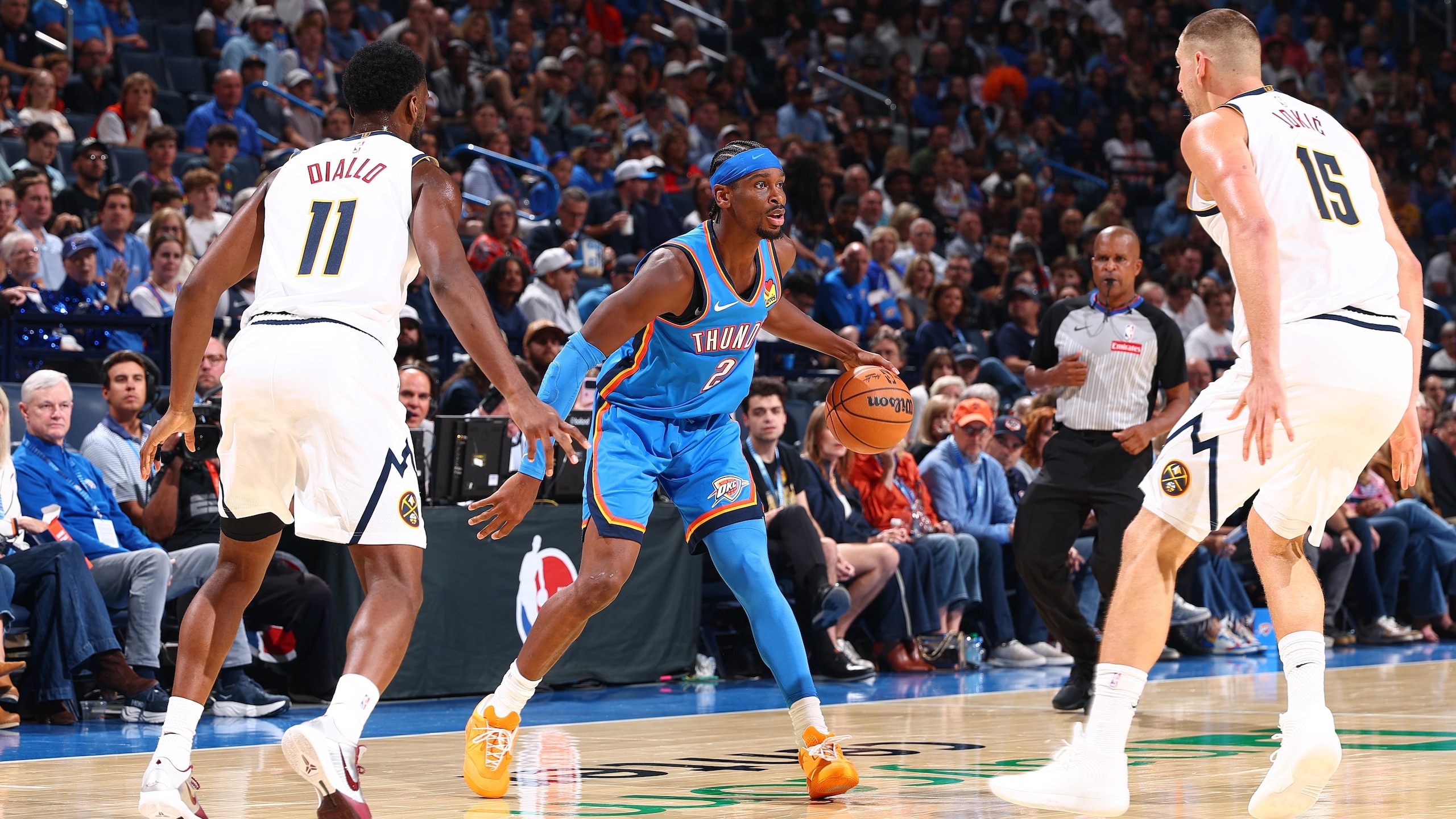
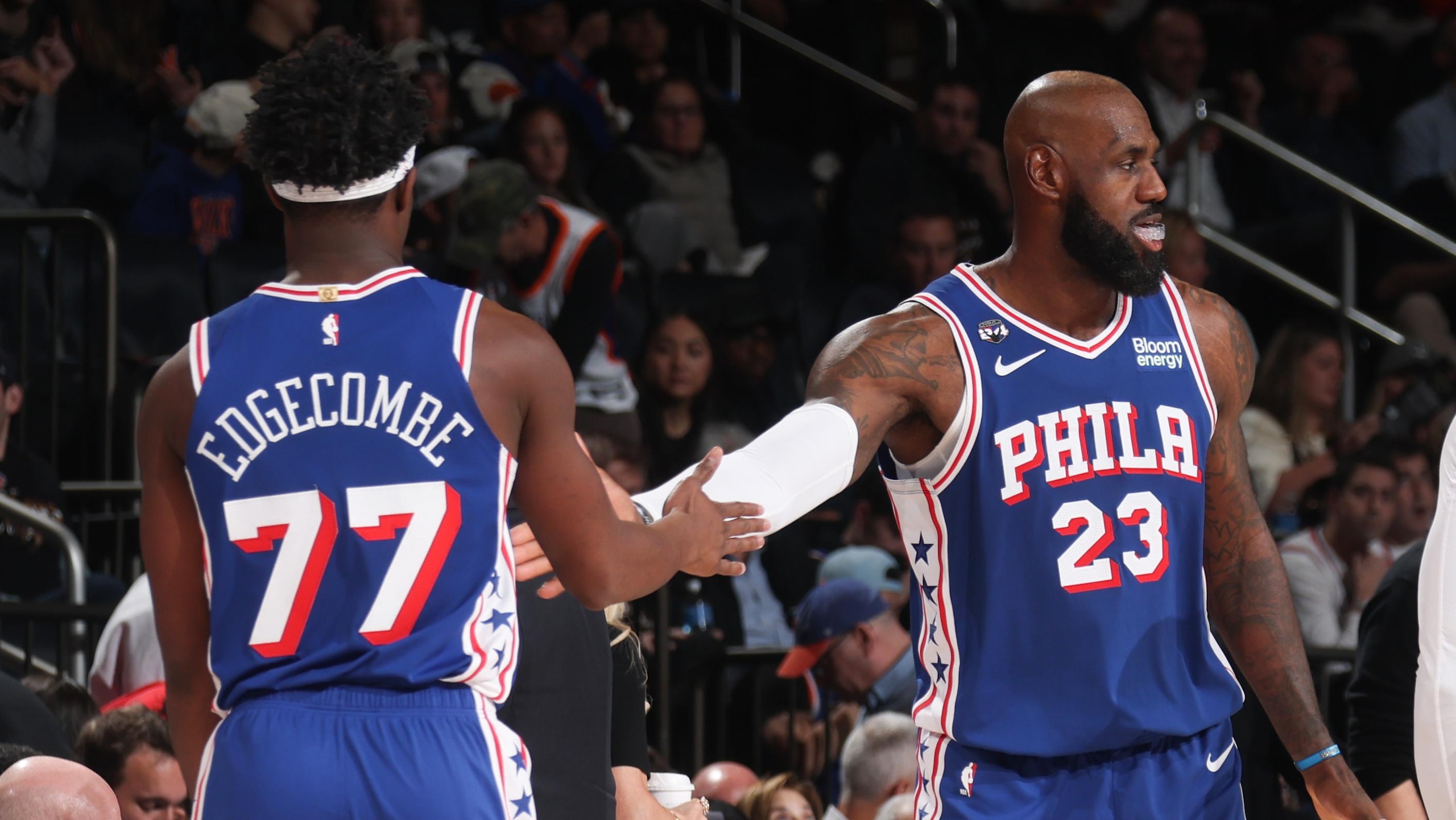
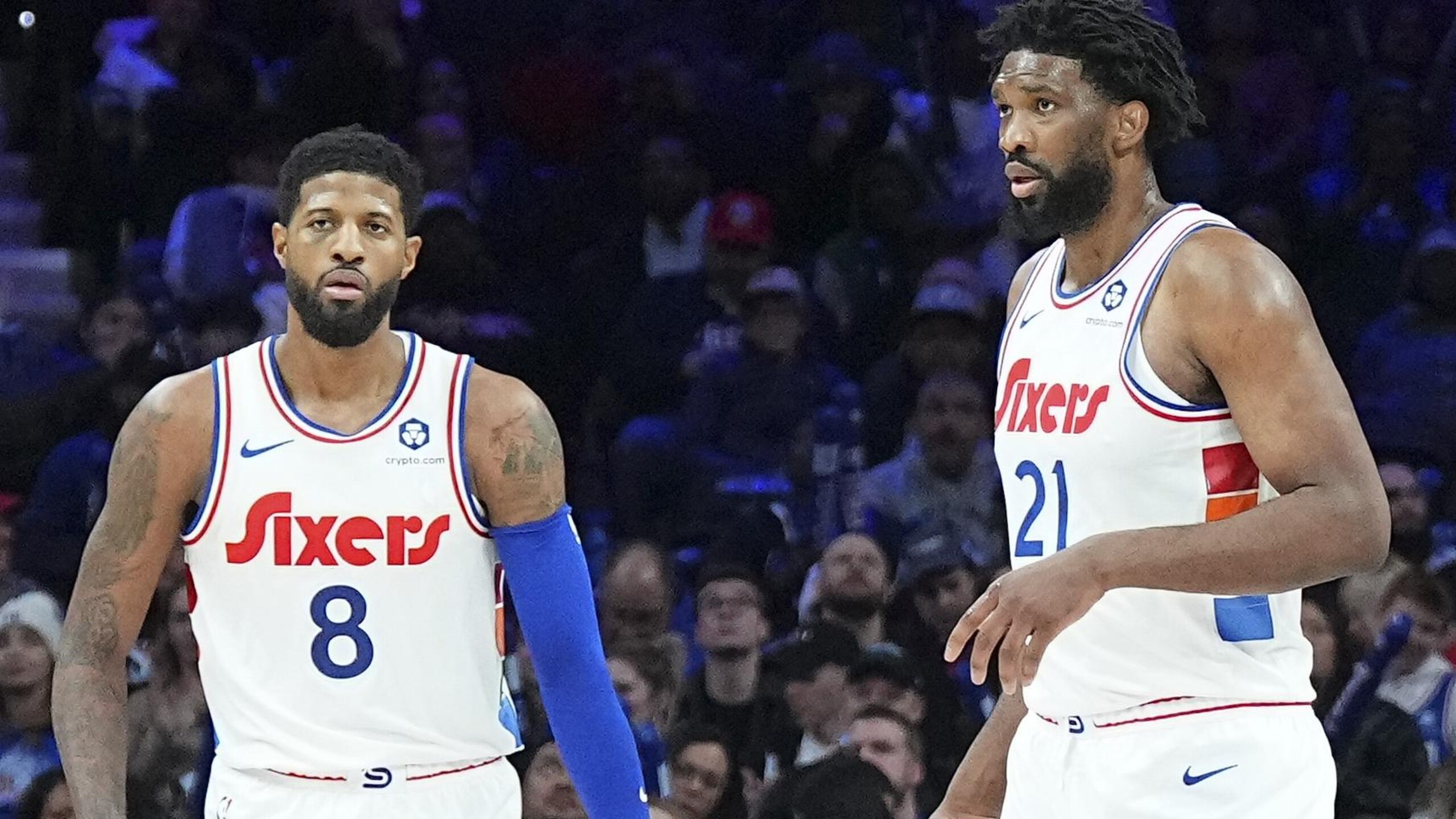
2. Paul George, Philadelphia 76ers
4 of 5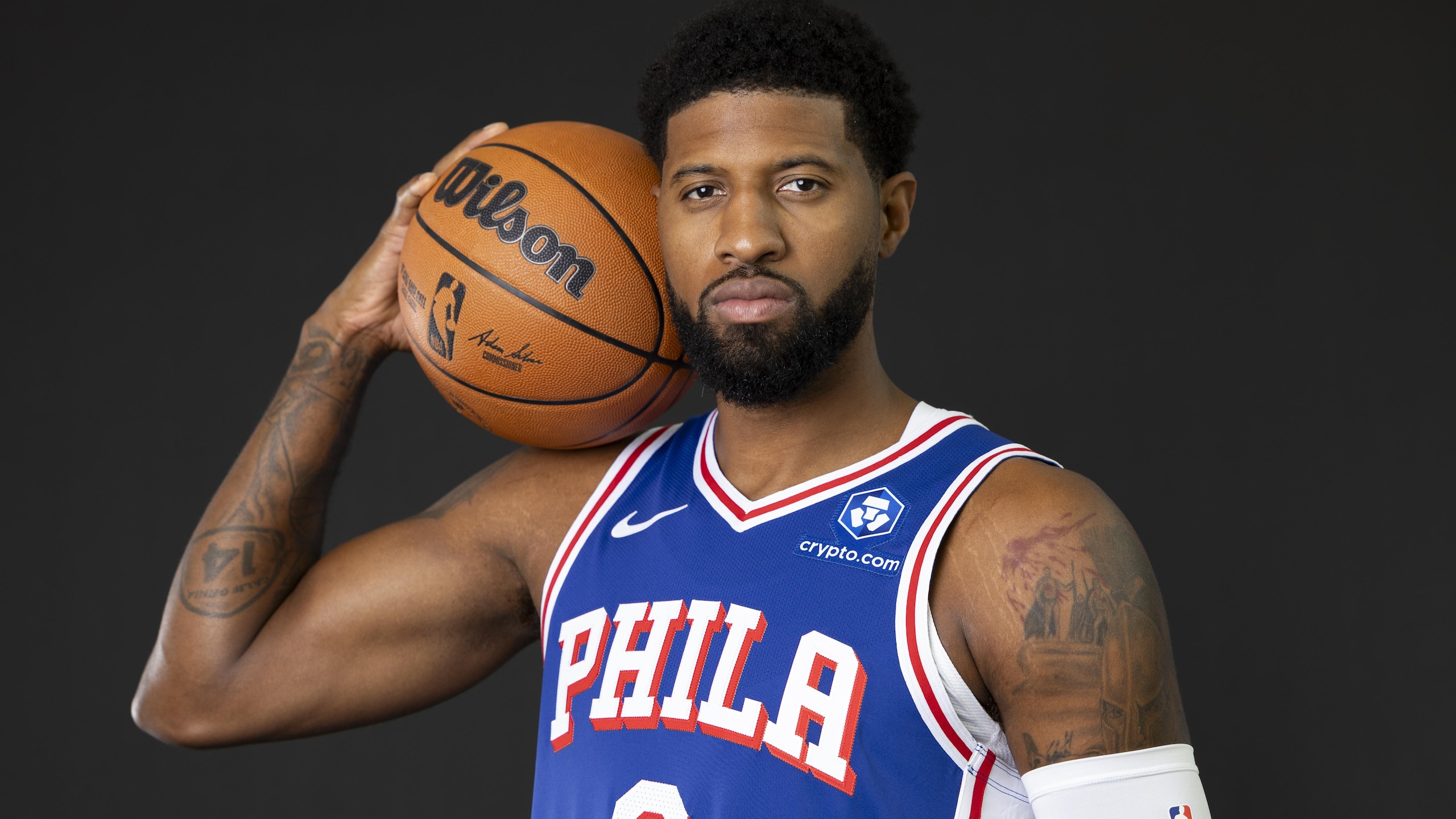
Remaining Contract Value: 3 years, $162.4 million
Average Percentage of Salary Cap: 32.90
Additional Notes: 2027-28 player option (age-37 season)
"I do think I've still got a lot of game in me," Paul George at the outset of Philadelphia 76ers training camp, per Keith Pompey of The Philadelphia Inquirer. "Playing at a high level, that's still who I am."
Appearing in games is the best way for George to rewrite the narrative of a deal that has been widely panned since he signed. It remains to be seen whether he's ready to do that.
Like Pompey notes, George isn't guaranteed to be ready for opening night as he continues to recover from an arthroscopic procedure he had on his left knee in July. Self-belief is the 35-year-old's right, but the rest of us must maintain degrees of skepticism.
George wrapped last season tied for the league's sixth-largest salary, but he finished 283rd in BBall-Index' LEBRON metric. Optimists can chalk this up to a fluky year. It's more than that, though.
George has appeared in 70 games (or the shortened-schedule equivalent) just once since 2018-19. It would be unwise to assume he will consistently reverse that trend this season, let alone over the remaining life of this deal.
1. Joel Embiid, Philadelphia 76ers
5 of 5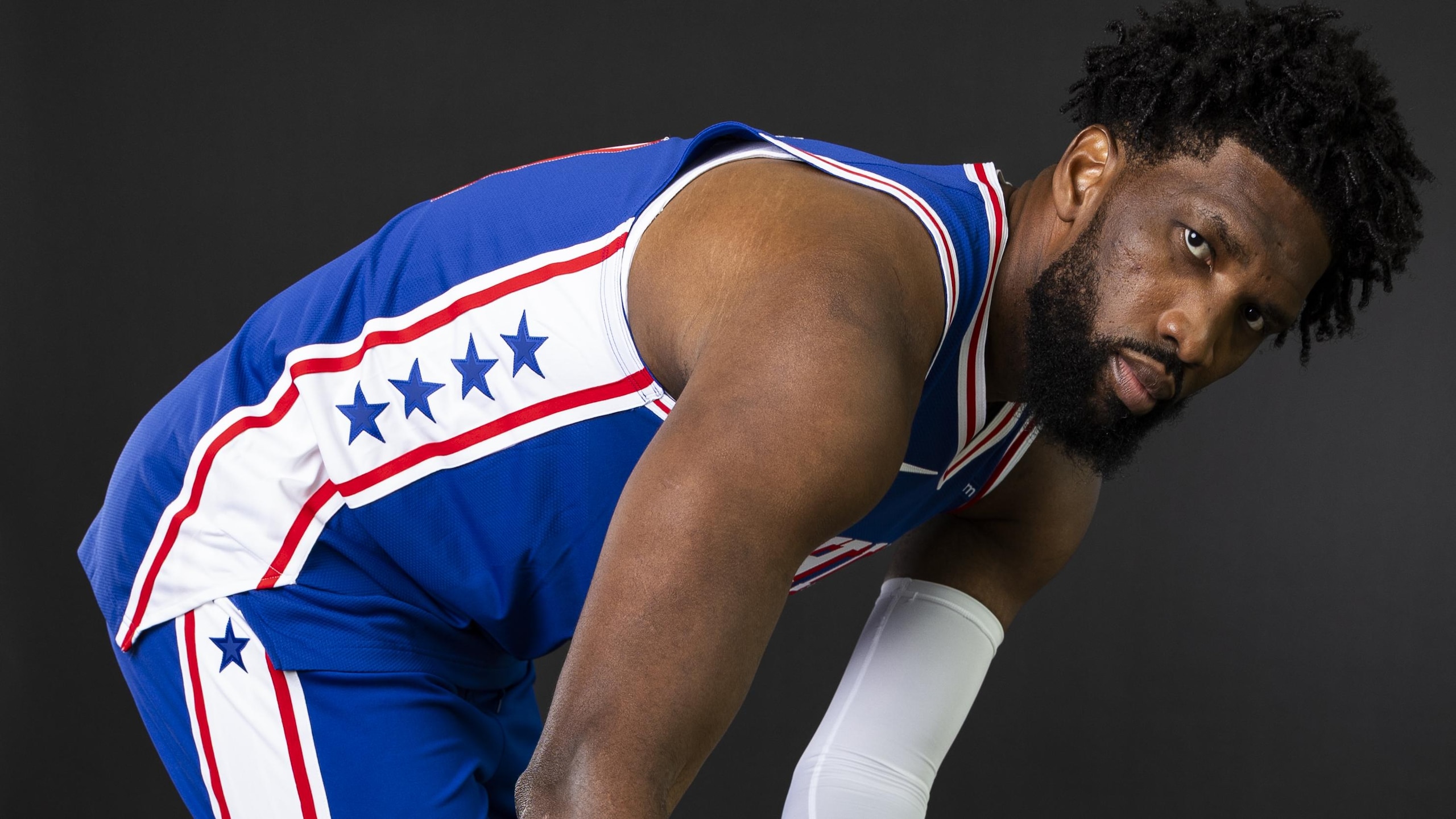
Remaining Contract Value: 4 years, $242.9 million
Average Percentage of Salary Cap: 35.88
Additional Notes: 2028-29 player option (age-34 season)
It turns out the Philadelphia 76ers are legally allowed to get some good news. Joel Embiid participated in the first full practice of the team's season. And he wasn't wearing a bulky brace around the left knee that has caused him so much agita. Hang the banner!
Actually, on second thought, maybe don't.
Though Embiid said he's on schedule with his recovery, he also noted there's no expectation for when he'll return to full-tilt play, per The Athletic's Tony Jones. So much for good news.
Availability continues to be at the heart of Embiid's placement in this exercise. Injuries have piled up for the 2022-23 MVP, limiting him to a total of 58 games over the past two seasons, including just 19 this past year. The status of his left knee has what remains of his career billowing in the wind.
Back-to-backs are seemingly off the table for him moving forward. Teams can't afford to invest over one-third of the salary cap in a star with an eternally checkered health bill. And while Embiid could enjoy a better run of availability during his age-31 campaign, we can't just blindly count on it, either.
Dan Favale is a National NBA Writer for Bleacher Report. Follow him on Bluesky (@danfavale), and subscribe to the Hardwood Knocks podcast, co-hosted by Bleacher Report's Grant Hughes.