

Most of the NBA's initial offseason business is done. But that doesn't mean it's over. Not even close.
Plenty of loose ends must still be tied up. The weeks-long lead-up to training camp is also prone to its fair share of curveballs. Developments that raise eyebrows, induce spit-takes and force everyone, everywhere, to fire up the Takes Machine™ aren't just possible. They are inevitable.
This space will focus on those possibilities.
What follows is neither an endorsement nor a prediction. These are merely scenarios presented that will require discussion and debate if they come to fruition. They encompass everything from extensions and new contracts to trades and bookkeeping to non-moves and playing-time decisions in advance of next season.
Plausibility will be a recurring theme throughout. Yes, it would be controversial if the Denver Nuggets traded Nikola Jokić. It's also not going to happen. We will not waste time on the most farcical of hypotheticals. There needs to be a layer of "Oh, this could happen, even if it's not especially likely" to each of these potential dissenting possibilities.
Atlanta Hawks: Not Signing Trae Young to an Extension
1 of 30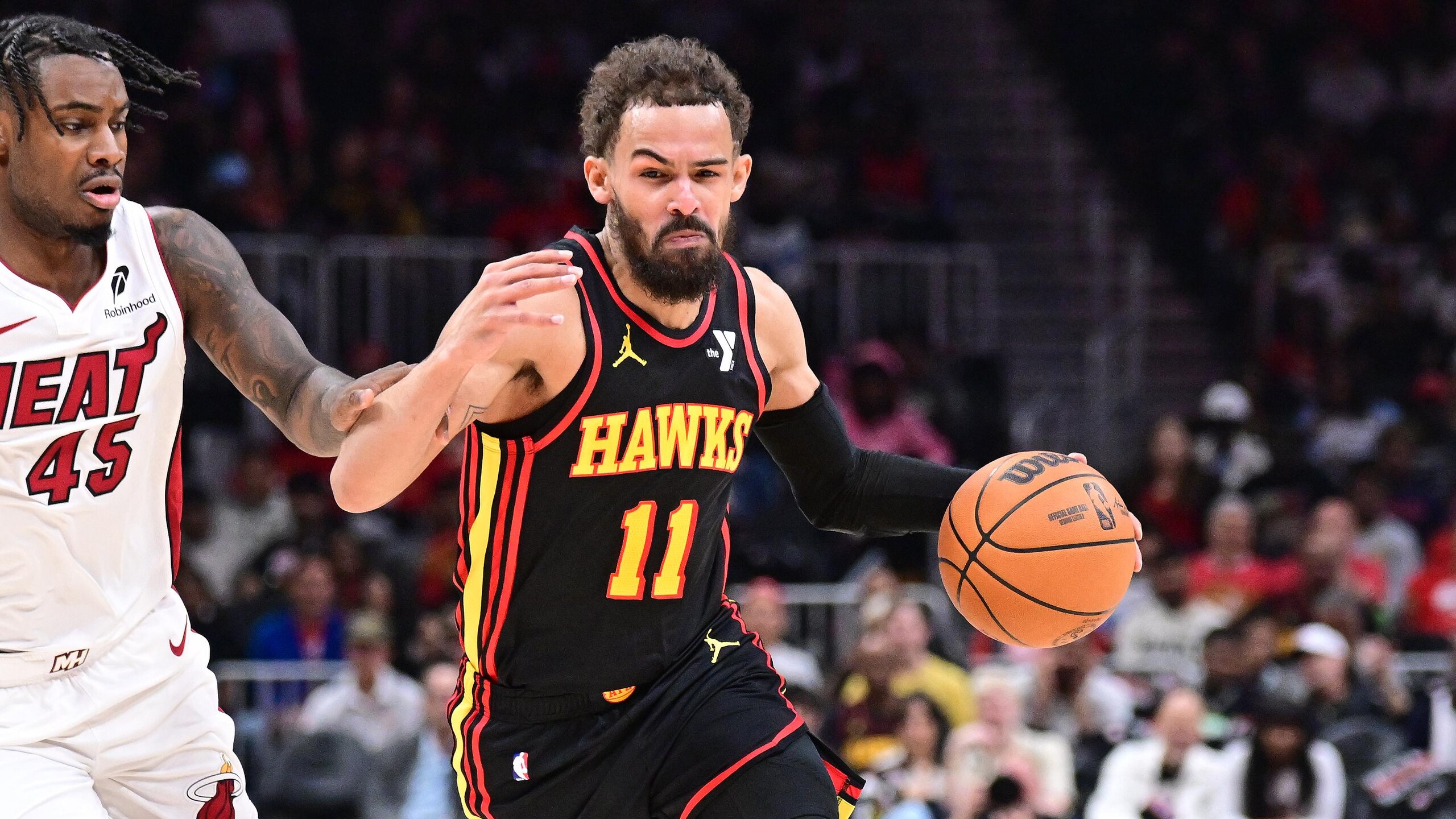
Assuming the salary cap increases by 7 percent again after next season, Trae Young is eligible to sign an extension for up to four years and $222.4 million. If he doesn’t sign, he has a $49 million player option next summer he can decline in order to enter free agency.
Letting stars on Young's level hit the open market isn't standard practice anymore, so the absence of an extension would be notable. It would typically beget trade speculation. But moving Young is counterintuitive when the Atlanta Hawks don't control their own first-round pick again until 2028, and when they just retooled the roster in a way that suggests they still view the 26-year-old as their primary cornerstone.
Offering the four-year max doesn't have to be Atlanta's default. It can preserve long-term flexibility and limit exposure by dangling a shorter deal that sets up Young for free agency again after he hits the 10-years-of-service threshold, or by trying to lower his annual average salary.
Either way, extending Young is the safer play. Paving the way for his free agency and/or more rampant trade speculation is a far more divisive decision.
Boston Celtics: Leaving the Big-Man Rotation Untouched
2 of 30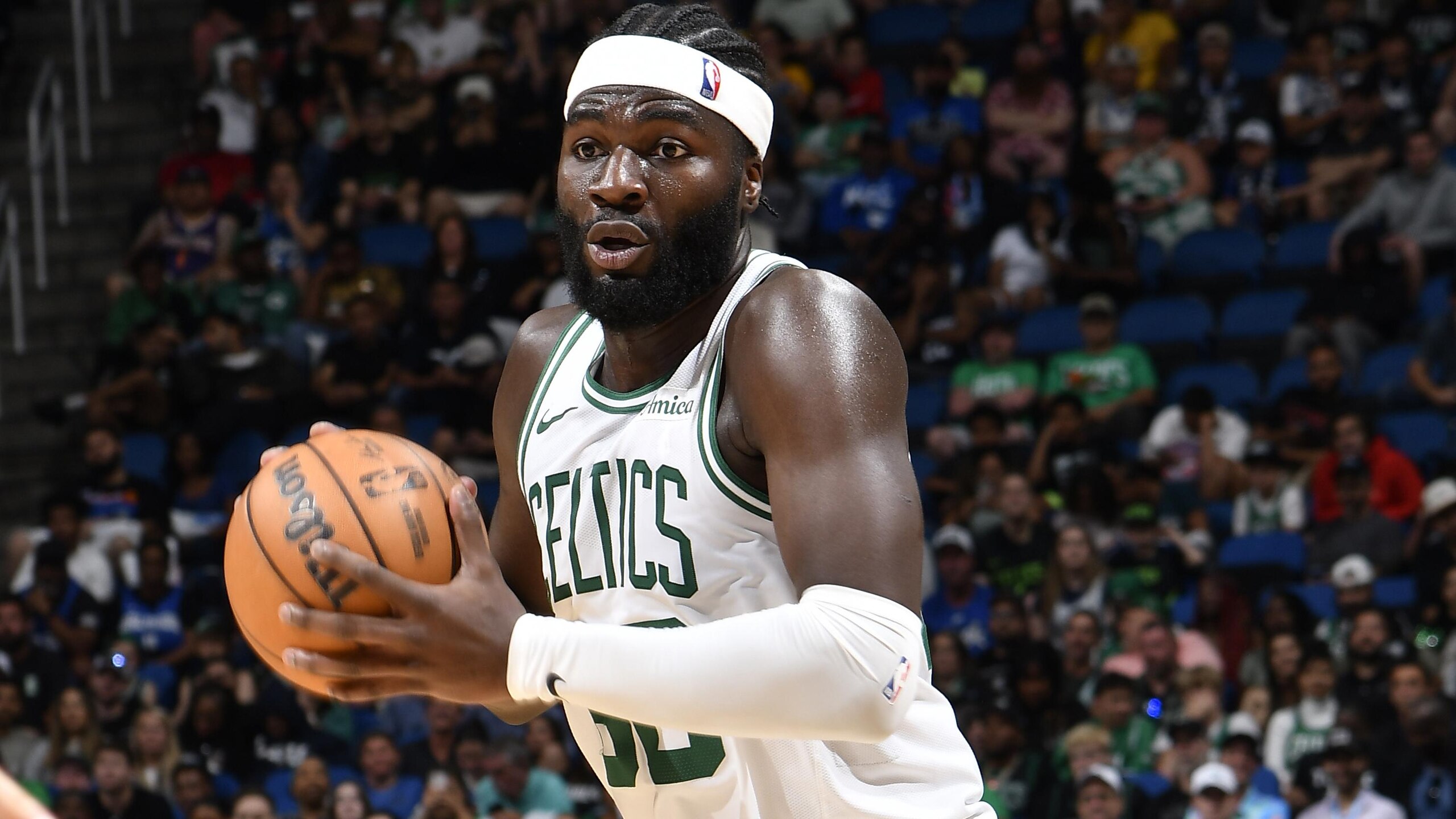
The Boston Celtics have made it clear they're gearing up for a gap year. That inherently diminishes the urgency with which they'll look to bolster their rotation.
But, like, have you seen the center rotation? More importantly, have they?
Luka Garza, Georges Niang, Neemias Queta and Xavier Tillman currently profile as the Celtics' primary bigs. You can throw Sam Hauser in there as well, if you're broadening the scope to combo forwards who shouldn't slide up to the 5. Regardless, this isn't great.
It could also get worse, technically. Boston will no doubt be monitoring the trade market for additional salary-dumping opportunities. That could entail rerouting Anfernee Simons' expiring deal. Or it could feature the Celtics moving Niang or Hauser.
Championship contention isn't supposed to be on the menu next season. Unless Boston is angling for a bottoming-out year, though, leaving the big-man rotation untouched would be quite the decision.
Brooklyn Nets: Saving the Rest of their Cap Space
3 of 30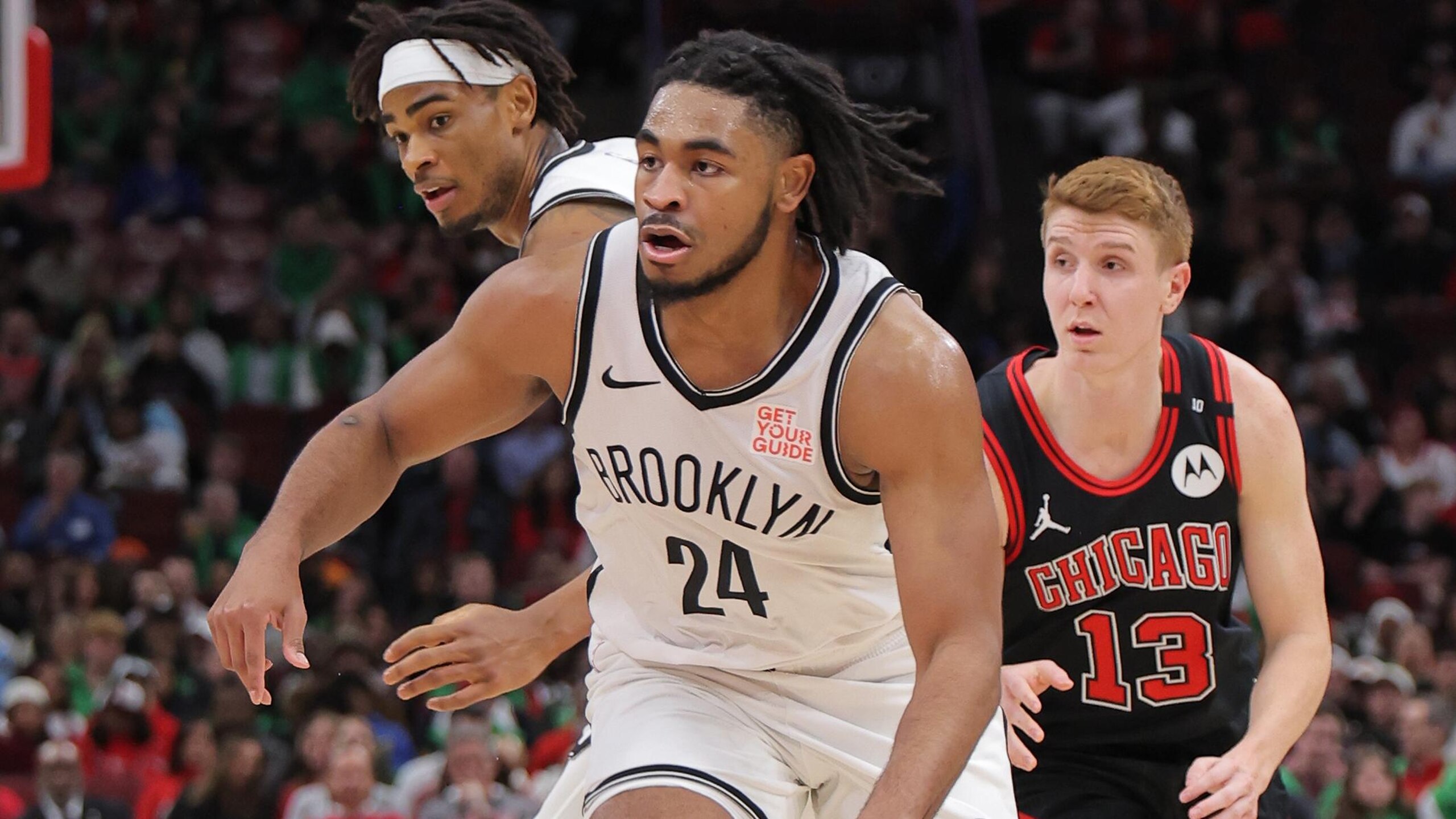
There isn’t much the Brooklyn Nets could realistically do that would be considered controversial. Not even moving on from restricted free agent Cam Thomas or letting him sign his qualifying offer or a super-short deal would be especially debatable.
Holding onto their rest of their cap space best fits the bill. The Nets still have around $20 million to work with and can carve out more depending on what happens with Thomas.
Conserving that flexibility would be…curious. Not bad, to be sure. Just something worth monitoring.
Does it imply the Nets believe they can absorb other contracts for better compensation at the deadline? Or that they want to carve out serious spending power for next summer, ahead of a 2026-27 season in which they don't control their own first-rounder?
Brooklyn's intent, in this scenario, could go either way. No matter what it chooses, it will say a great deal about the team's roadmap into next summer.
Charlotte Hornets: Not Upgrading the Center Spot
4 of 30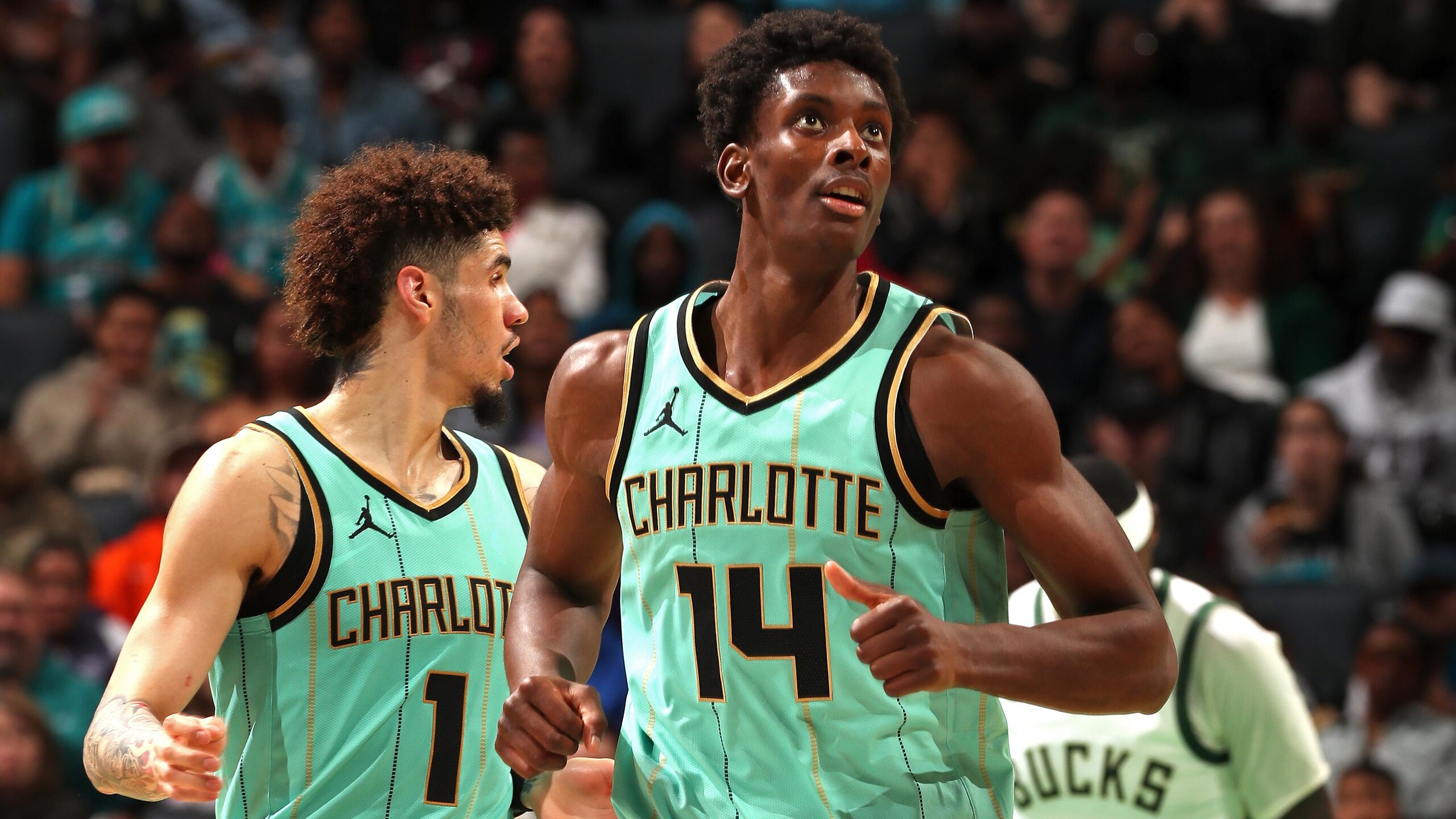
In their apparent pursuit to over-index on guards, the Charlotte Hornets are currently left with a center rotation headlined by Moussa Diabaté, Mason Plumlee and maybe No. 34 pick Ryan Kalkbrenner. That is...not ideal.
Diabaté is legitimately intriguing on a Hornets squad with even more playmakers to get him the ball. Grant Williams and Tidjane Salaün may be able to scale up in a pinch. Once more, though: This is not ideal.
The Hornets need a more proven rim protector with the size to consistently rumble on the glass and entrench himself as a reliable roll-man and lob candidate for LaMelo Ball, Kon Knueppel, Liam McNeeley, Collin Sexton et al.
A quick scan of their depth chart reveals they have guards and tweener forwards who aren't quite wings to spare. There's a trade to be made here. Maybe even two.
Chicago Bulls: Caving to Josh Giddey's Asking Price
5 of 30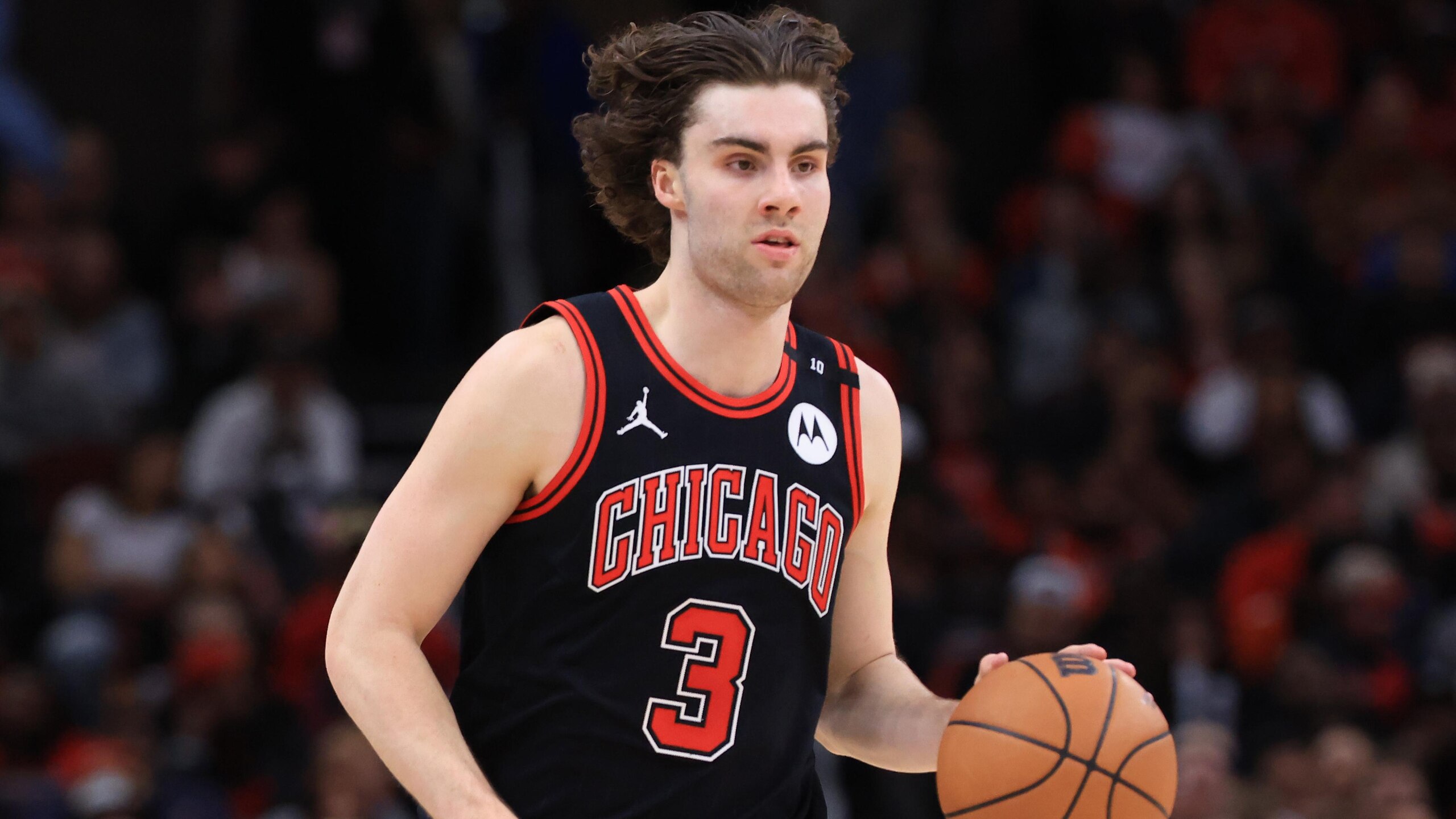
Restricted free agency is seldom kind to players. It's especially brutal when there's virtually no cap space floating around the rest of the league.
Josh Giddey's foray onto the restricted market is no exception. Free agency kicked off a month ago, basically, and he remains unsigned.
That is theoretically good news for the Chicago Bulls. Nobody is bursting onto the scene with a $30-million-per-year offer. They have all the leverage. Using it, within reason, is the smart business decision.
Paying the 22-year-old an exorbitant price tag just because he's a young and useful player you acquired for Alex Caruso is decidedly not the move.
Backing up the Brink's truck now is akin to the Bulls negotiating against themselves. It's also exactly what they did last summer when giving Patrick Williams a five-year deal, replete with a player option.
Cleveland Cavaliers: Cutting Salary
6 of 30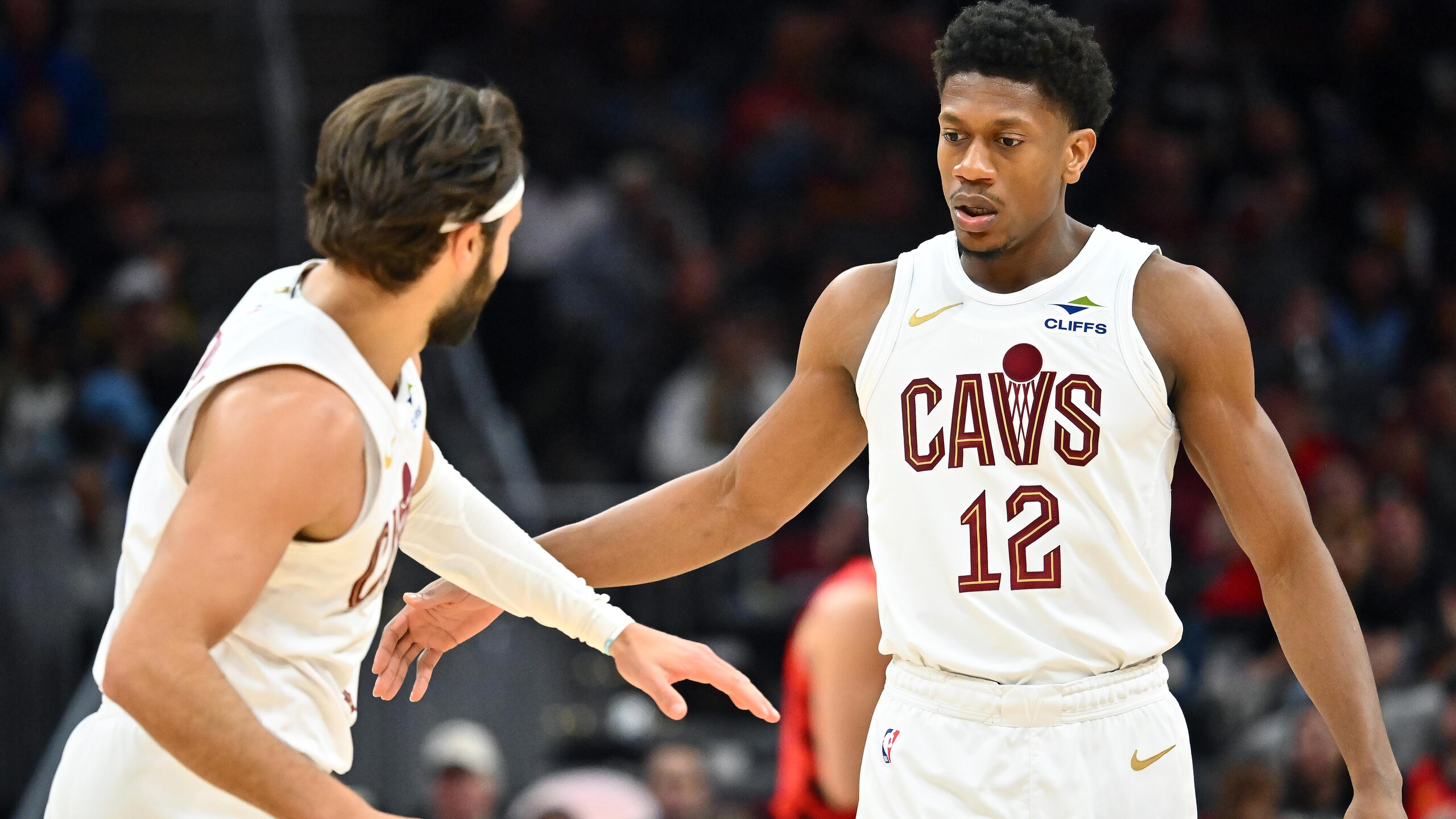
Hovering around $20 million past the second apron suggests the Cleveland Cavaliers won't be looking to slash operating costs. Salary-dumping grounds were sparse to begin the offseason and aren't any easier to suss out now.
Spending one year in the second apron also doesn't kneecap Cleveland's future. Its first-round pick seven years into the future gets frozen out of trades after the season, but it has time before worrying about said selection plummeting to the end of the first round. It limits flexibility in trades and on the buyout market, but this team's offseason business is largely done, and buyout signings are perpetually over-romanticized.
For this season specifically, the Cavs' cap sheet is purely about money rather than the constraints of the second apron. And since they're not subject to the repeater tax, staying right where they are is more manageable than it would be for others.
Still, team governor Dan Gilbert could get pocket shy. Cleveland's operating costs will hit nearly $400 million between salaries and tax payments. That's a lofty enough bill to think about downsizing from one of its more expensive non-stars—or maybe even one of its stars.
Dallas Mavericks: Going After LeBron James
7 of 30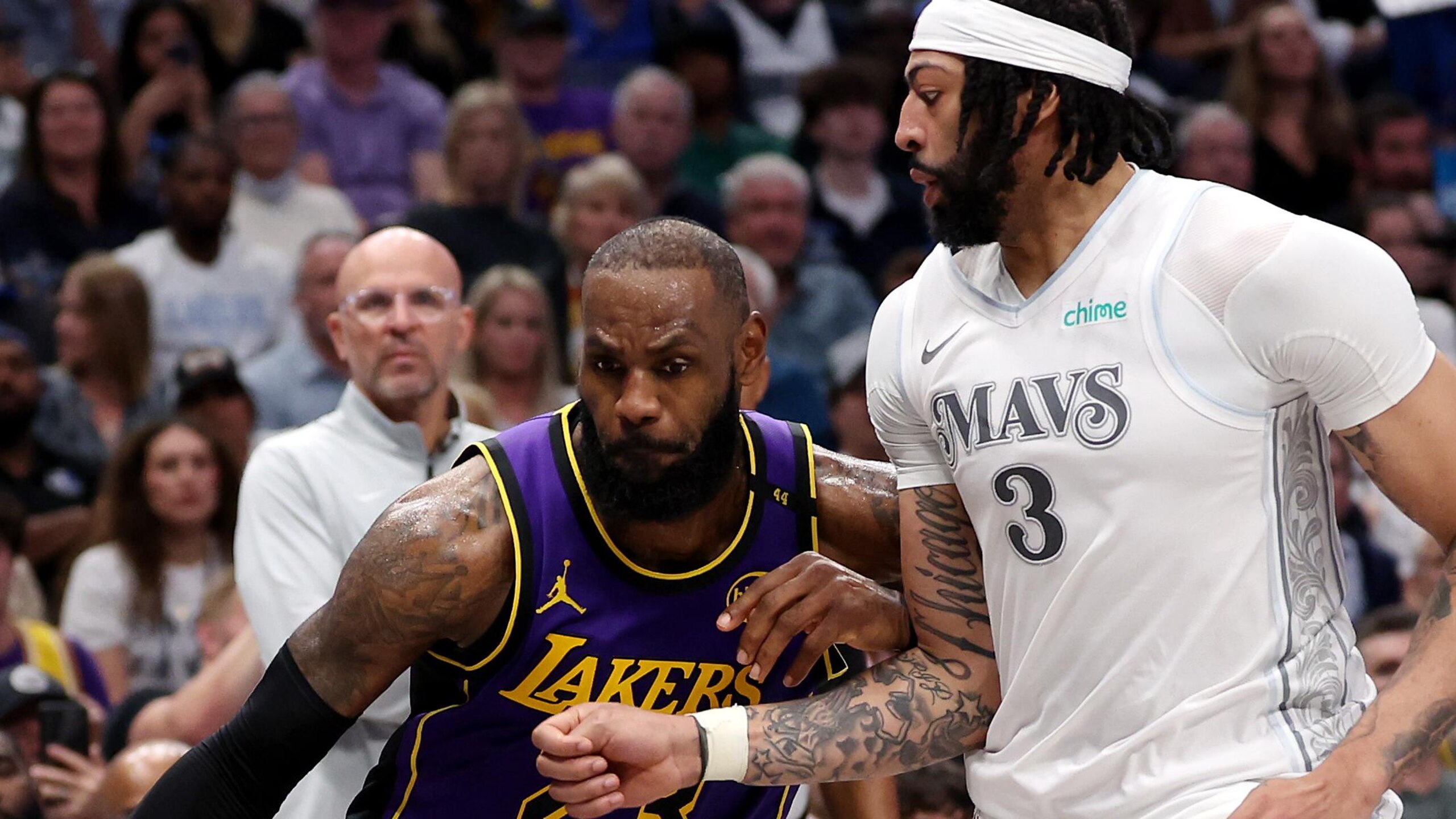
LeBron James apparently had the hots for the Dallas Mavericks before opting into the final year of his contract with the Los Angeles Lakers, according to The Athletic's John Hollinger. Are we just supposed to believe he's no longer intrigued by the prospect of reuniting with both Anthony Davis and Kyrie Irving?
Really, this has more to do with Dallas' motivation.
Bringing in LeBron is one thing if he's coming off a buyout. (The Mavs can sign someone off the buyout market making more than the non-taxpayer's mid-level exception because it's the offseason). It is another venture entirely when you have to account for his $52.7 million salary, and when he's entering his age-41 season.
Building a package is far from impossible. But it would require the Mavs forking over four or five players—at minimum. That's before factoring in any draft equity they'd have to include, not to mention figuring out how many other teams must get involved, since the Lakers clearly have grand cap-space plans.
Denver Nuggets: Waiving and Stretching Zeke Nnaji
8 of 30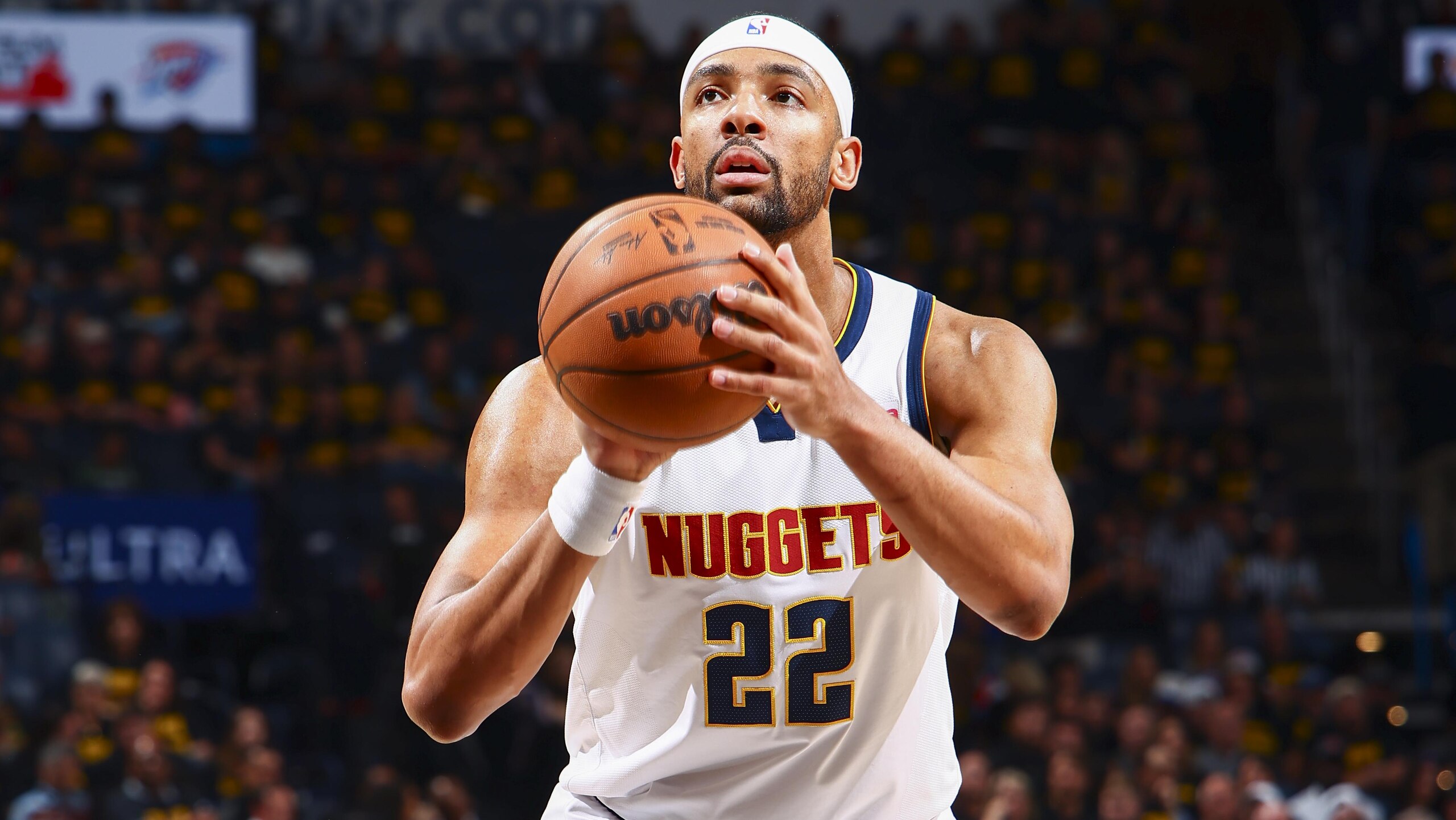
The Denver Nuggets are juuust into the luxury tax when factoring in Cam Johnson's likely contract incentives. Though they left the possibility open of continuing to add salary with the way they pulled off the Jonas Valančiūnas trade, we should all assume they'll be looking to duck the tax line.
Cutting costs was nothing if not part of the appeal to flipping Michael Porter Jr. and a 2032 first to Brooklyn for Cam Johnson. It gave Denver the ability to land Valančiūnas for Dario Šarić, but it also invites the team to skirt the tax and prevent racking up another year on the repeater clock ahead of the 2026-27 season, when Aaron Gordon starts his extension and both Christian Braun and Peyton Watson will be on new deals.
Waiving and stretching the remaining three years and $21.7 million left on Zeke Nnaji's deal would save the Nuggets nearly $5 million in 2025-26. That drags them beneath the tax, with more than enough room to figure out its remaining roster spot. It also leaves them with a $3.3 million dead-money charge on their books for the next seven years.
That amount may not seem like a lot, but as Denver's books are proving now, thin margins absolutely matter. If avoiding the tax is the endgame, it makes more sense to hope there's a taker for Hunter Tyson or Jalen Pickett.
Detroit Pistons: Making a Trade that Requires Moving a Future 1st or Jaden Ivey
9 of 30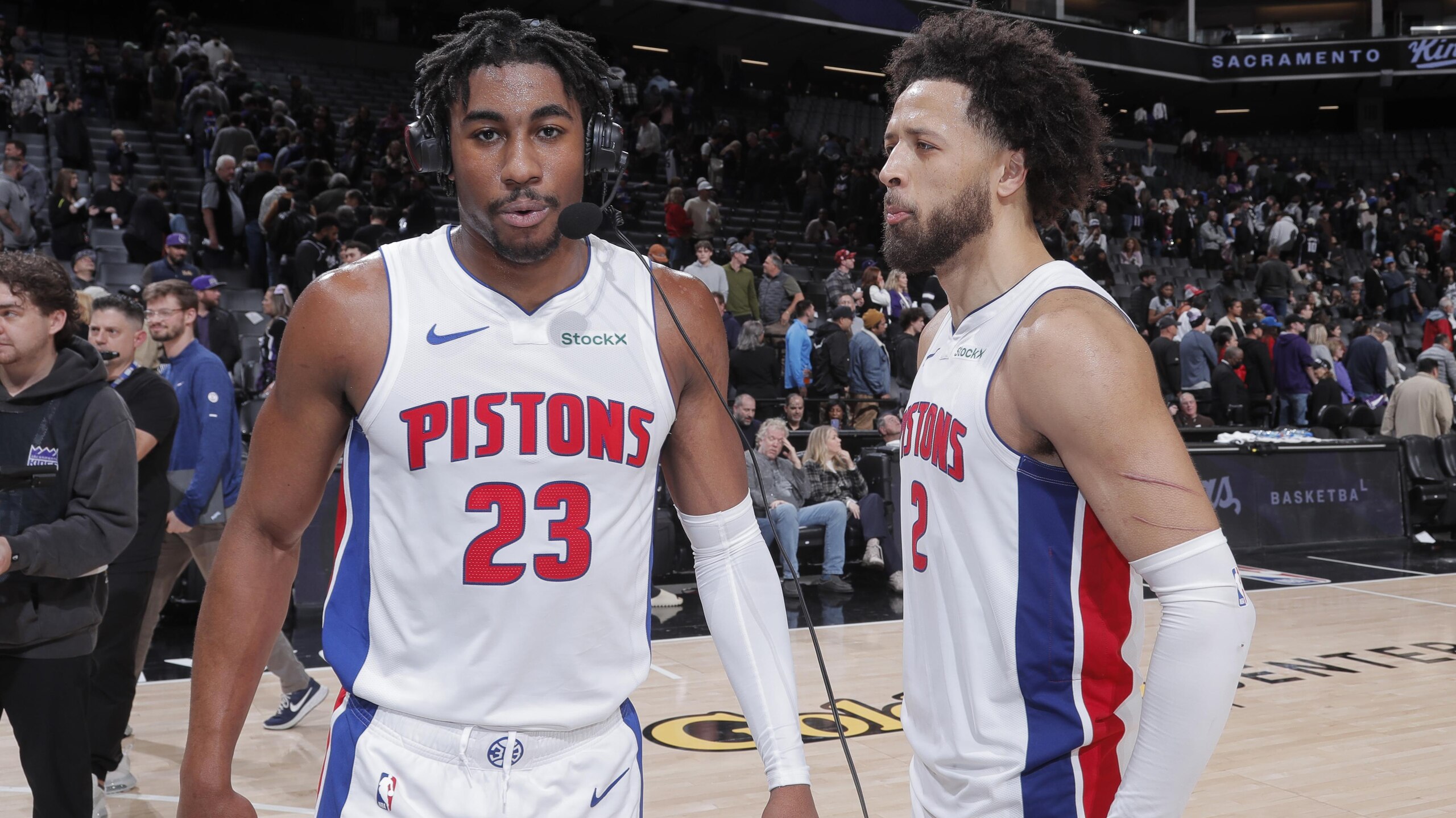
Nothing the Detroit Pistons have done this offseason points toward them overindulging last year's run of success.
Relative to the rest of the Eastern Conference, though, they are a team that could talk themselves into one acquisition vaulting them even further up the hierarchal order.
Opportunistic additions should be encouraged. The Pistons have tons of talent on their hands and room to improve, both internally and externally. But "opportunistic additions" are along the lines of bagging Duncan Robinson for Simone Fontecchio.
Punting on future firsts remains a terrifying proposition before stringing together consecutive playoff appearances. Giving up on Jaden Ivey would be similarly dangerous.
Detroit needs more information on his fit alongside and independent of Cade Cunningham, and given he's both extension eligible and working off a broken fibula in his left leg, the team would be moving him at the nadir of his value.
Golden State Warriors: Squeezing Jonathan Kuminga Too Hard
10 of 30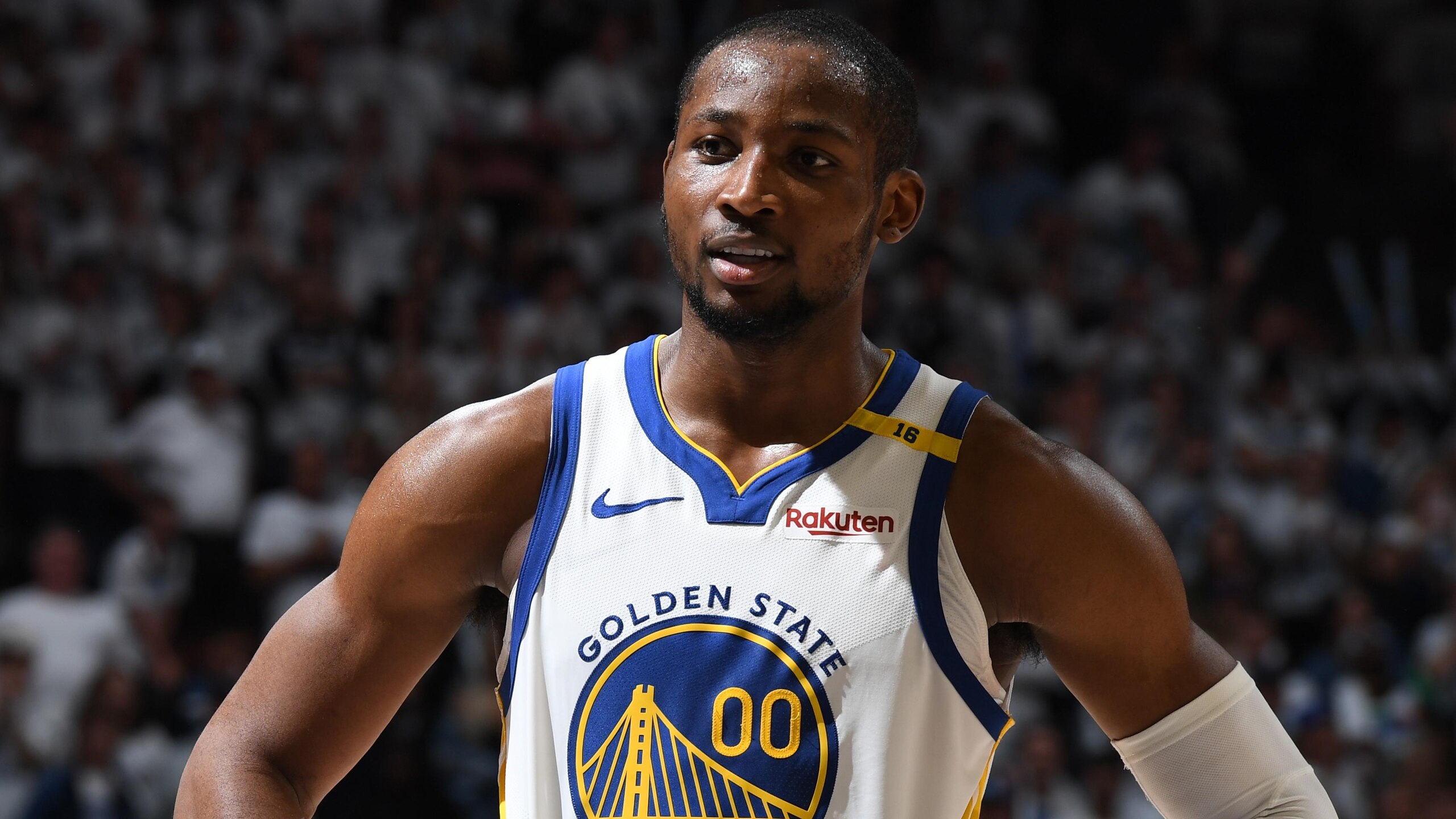
Restricted free agency is currently working as intended for the Golden State Warriors. Jonathan Kuminga wants to be paid like a future star, but he has little to no recourse against a market almost entirely barren of suitors and cap space.
This lack of leverage should pan out in the Warriors' favor...unless they try squeezing the 22-year-old so hard he decides to sign his $7.8 million qualifying offer.
That is the disaster scenario for Golden State. Not only does it ticket Kuminga for unrestricted free agency next summer, but it also gives him veto power over any trade.
And even if he's fine getting shipped anywhere, the Dubs will have trouble fetching a premium for his services when, in this case, his Bird rights would not transfer.
Houston Rockets: Not Extending Kevin Durant
11 of 30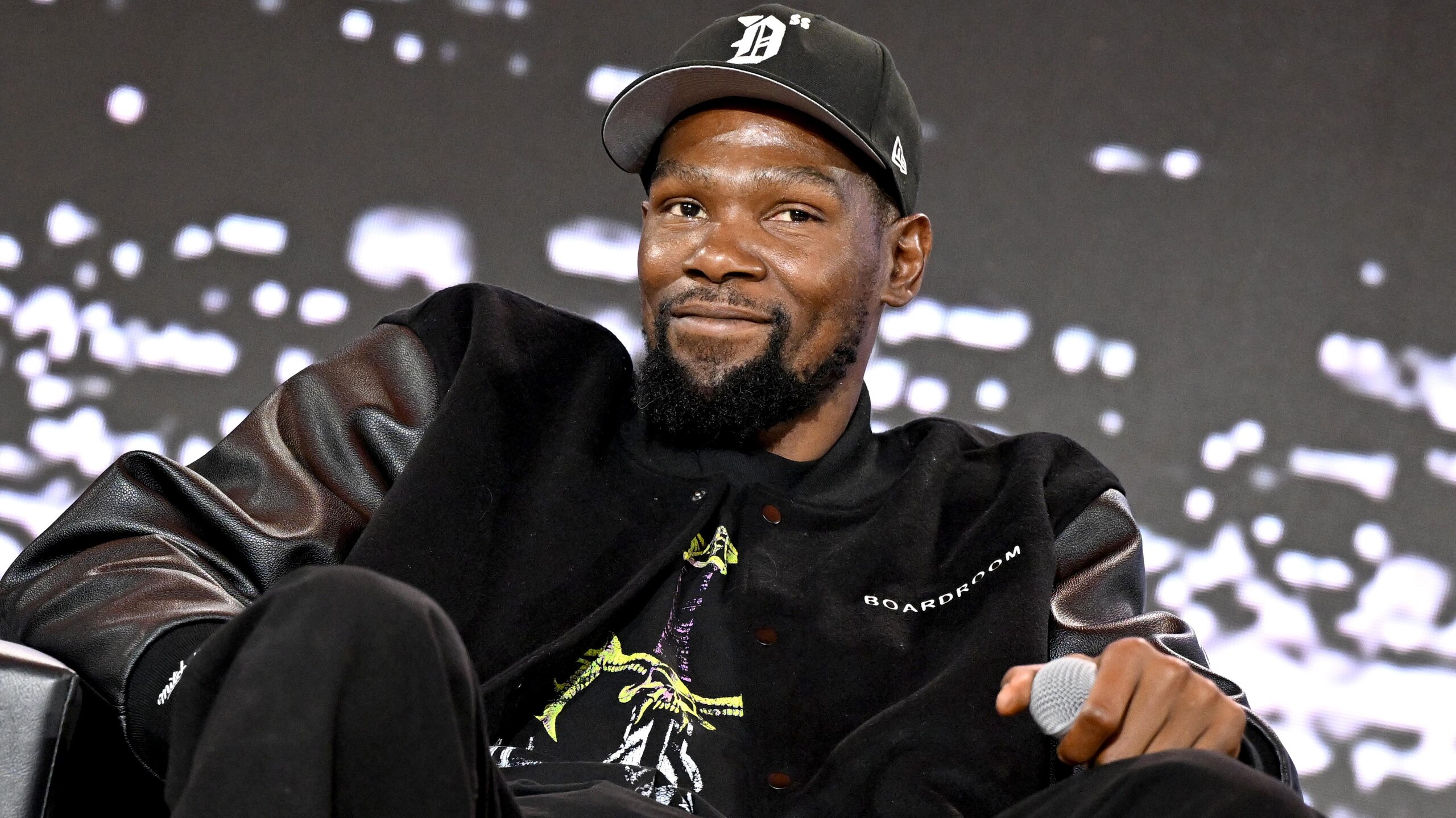
Kevin Durant is eligible right now to sign a two-year extension with the Houston Rockets. Not putting pen to paper before the end of the offseason would be, at bare minimum, extremely curious.
Sure, KD can ink a slightly larger extension in six months. But the difference is negligible. Assuming 7 percent cap raises, he can get a two-year, $117.6 million deal now or a two-year, $120.5 million pact later—a gap of less than $2 million.
Waiting to hash out any deal isn't necessarily ominous because it implies Durant and the Rockets aren't on the same page. It instead suggests Houston is going to give him the full freight when the general assumption all along has been he'll sign for something less.
Taking a pay cut isn't KD's responsibility if the Rockets are willing to max him out. But it gets harder for this team to juggle its cap sheet over the next two years if he's averaging around $60 million in salary rather than, say, $45 or $50 million.
Indiana Pacers: Naming Jarace Walker a Starter
12 of 30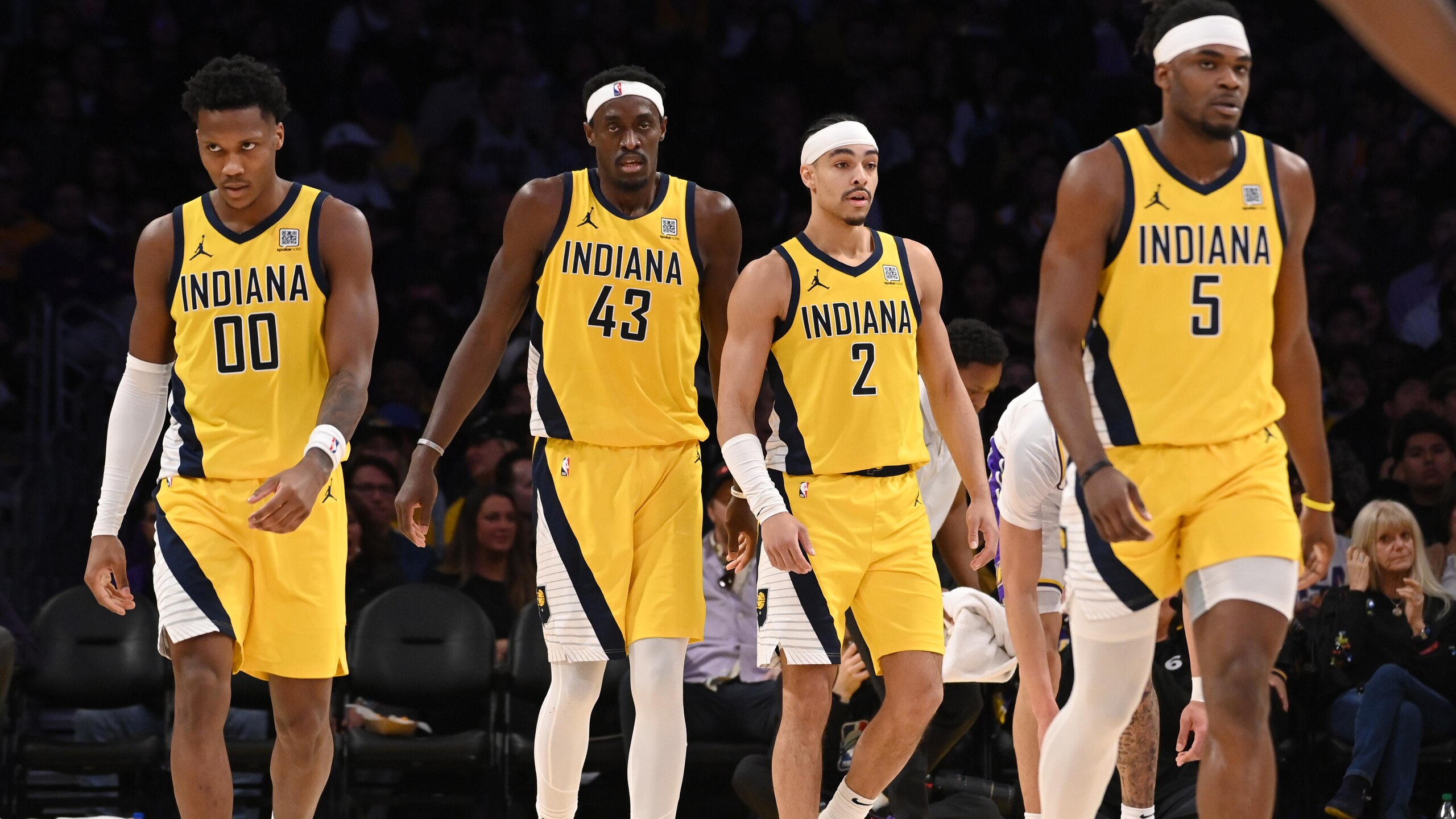
Starting lineups with obvious openings aren't typically confirmed prior to training camp, but Indiana Pacers general manager Chad Buchanan mentioned Jarace Walker as a possibility during a recent appearance on the Setting The Pace podcast.
"I'd say the biggest part of Jarace's growth is going to be consistently playing with force," he said (h/t SI.com's Ryan Stano). "I think you see stretches of that where he's playing, he's attacking the rim, or he's active defensively, or he's gobbling up defensive rebounds. And then you'll see stretches where he's very, very timid."
Most like myself assumed, in Tyrese Haliburton's absence, Bennedict Mathurin would slide up to the starting lineup alongside Andrew Nembhard, Aaron Nesmith, Pascal Siakam and either Jay Huff or Isaiah Jackson. Inserting Walker would be quite the pivot, in no small part because he was barely on the fringes of the rotation last season.
Indiana can and should experiment next year. The stakes are lower without Haliburton. Self-discovery will be critical to maximizing the team upon his return. But rolling the dice on Walker as a starter rather than turning towards Mathurin's offensive armory would be interesting to say the least. And if the decision accompanies the Pacers not extending the latter, it becomes even more fascinating.
Los Angeles Clippers: Trading Kris Dunn or Derrick Jones Jr.
13 of 30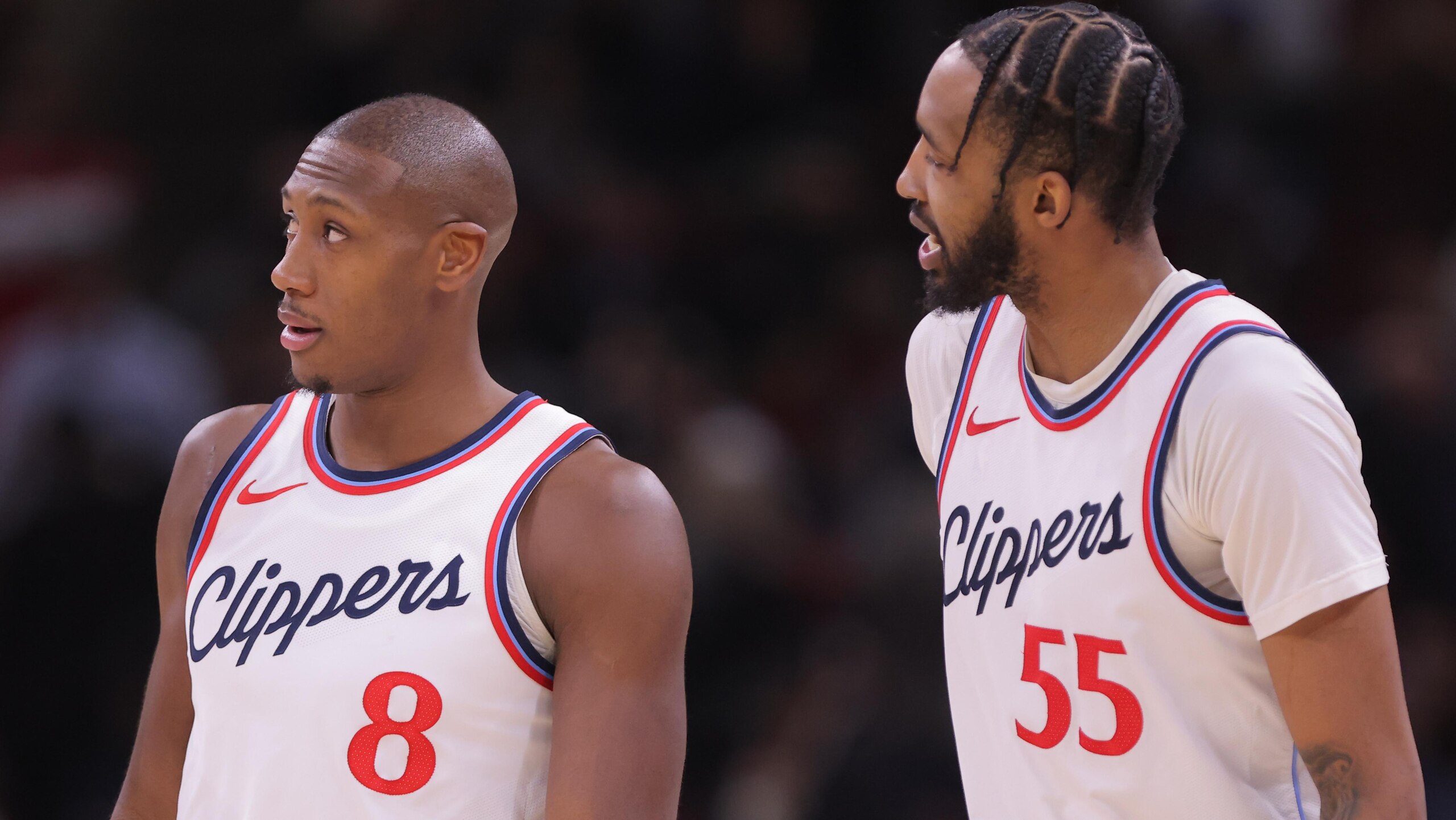
Nearly everyone has applauded the Los Angeles Clippers for their offseason maneuvering. They deserve it. They are deeper, bigger and house more offensive dynamism than last year.
Los Angeles has nevertheless made material changes to its defensive identity by adding John Collins, Bradley Beal and Chris Paul. All three will presumably lock up spots in the rotation, and their minutes will most likely come at the expense of Kris Dunn, Derrick Jones Jr., Bogdan Bogdanović and Nic Batum.
Optionality isn't something to discredit. The Clippers have plenty of it. But Dunn and Jones, in particular, are instrumental to this team's defensive versatility and ferocity. Cheapening their rolls could have unintended consequences.
Jettisoning either of them is an altogether separate risk. And it's one that seems unnecessary at first glance. Then again, L.A. is sitting less than $7 million over the tax and might be tempted to slide beneath it. Bogdanović ($16 million) is more expensive and superfluous than Dunn ($5.4 million) and Jones ($10 million), but that also makes him harder to move.
Los Angeles Lakers: Trading LeBron James
14 of 30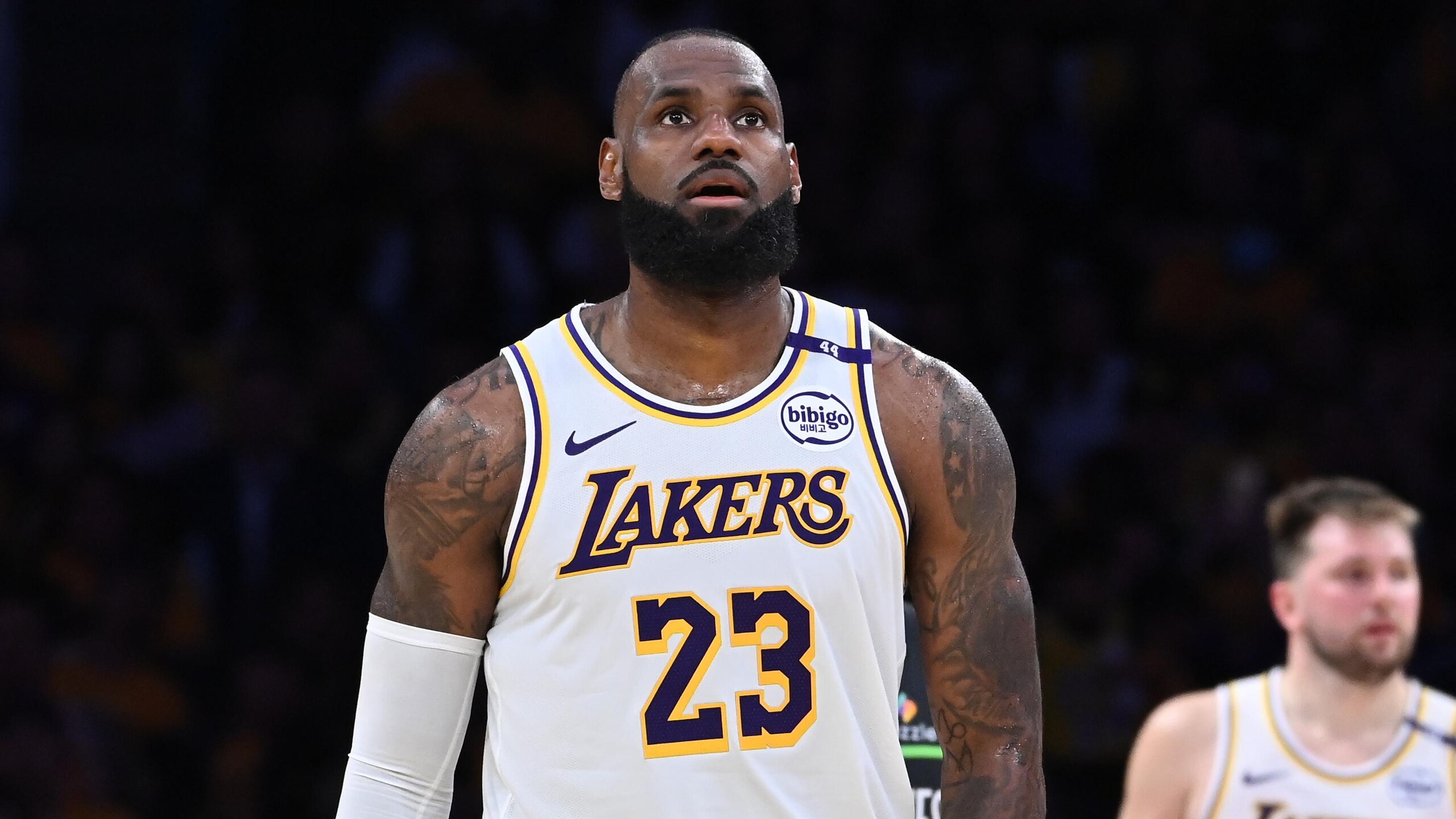
LeBron James reportedly has not spoken to the Los Angeles Lakers about a buyout or to request a trade. So, case closed.
Not quite.
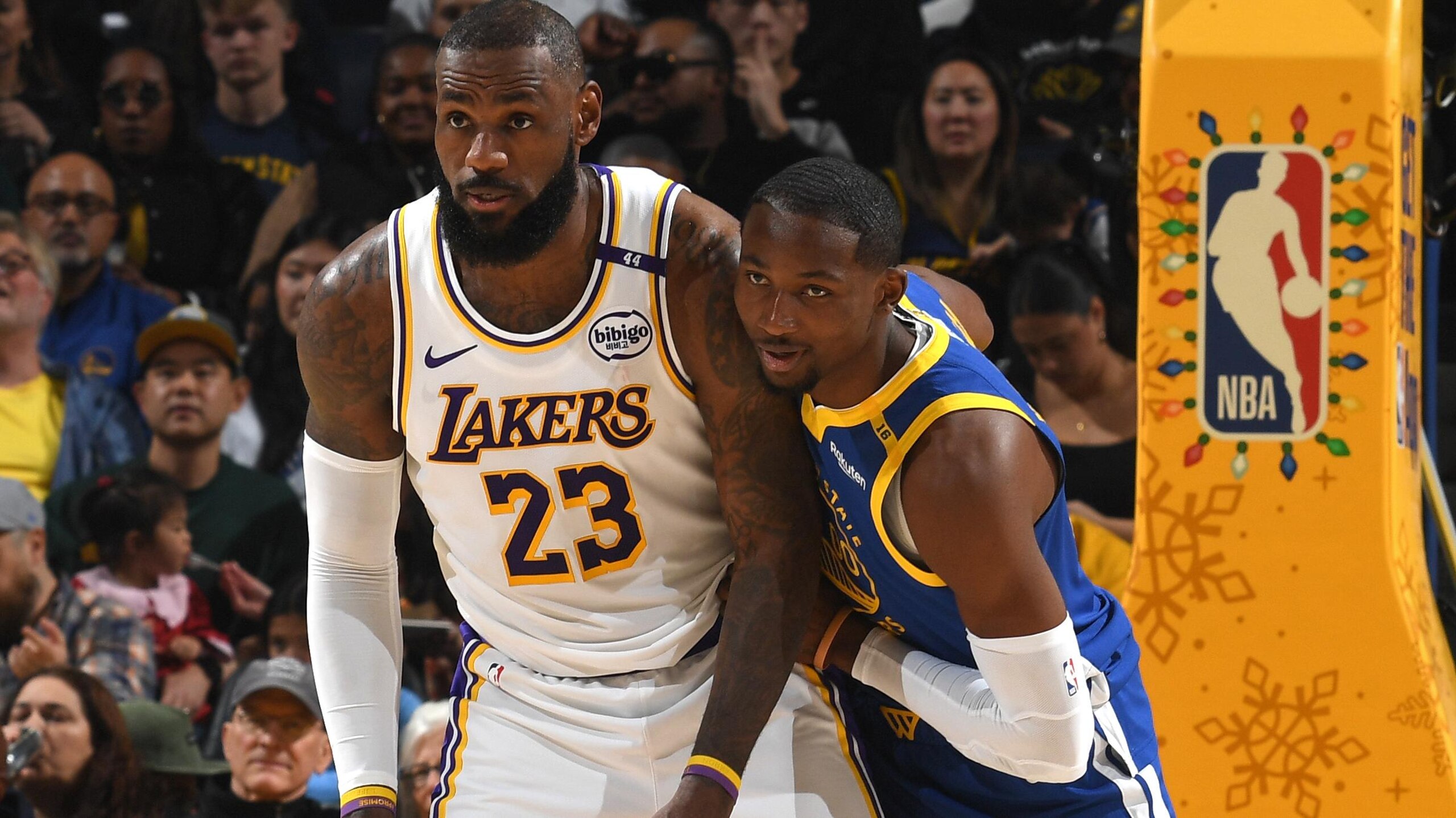
We can't pretend everything between the two is hunky-dory after the four-time champ opted into the final year of his contract and his agent, Rich Paul, made comments to ESPN's Shams Charania that read like a bizarrely phrased farewell.
There was also apparently real buzz at Las Vegas Summer League about LeBron having gaga eyes for the Dallas Mavericks prior to opting in, according to The Athletic's John Hollinger.
This relationship reaching a tipping point isn't as dire as it would've been last summer. The Lakers have Luka Dončić. He is their primary cornerstone—their timeline. But that doesn't make LeBron expendable.
He just made second-team All-NBA. The Lakers aren't trading him and getting better in the process. And while they might be gearing up for future cap space, his expiring contract is part of that blueprint. Any deal that sends him out could require them to take back money that scuffs up their squeaky(ish)-clean books in 2026 and 2027.
By the way: The Controversy Score here goes through the roof if hypothetical trade talks are not LeBron's idea. He has veto power over any move. The Lakers attempting to deal him without his driving it or collaborating on it would be truly wild stuff.
Memphis Grizzlies: Not *Offering* Ja Morant an Extension
15 of 30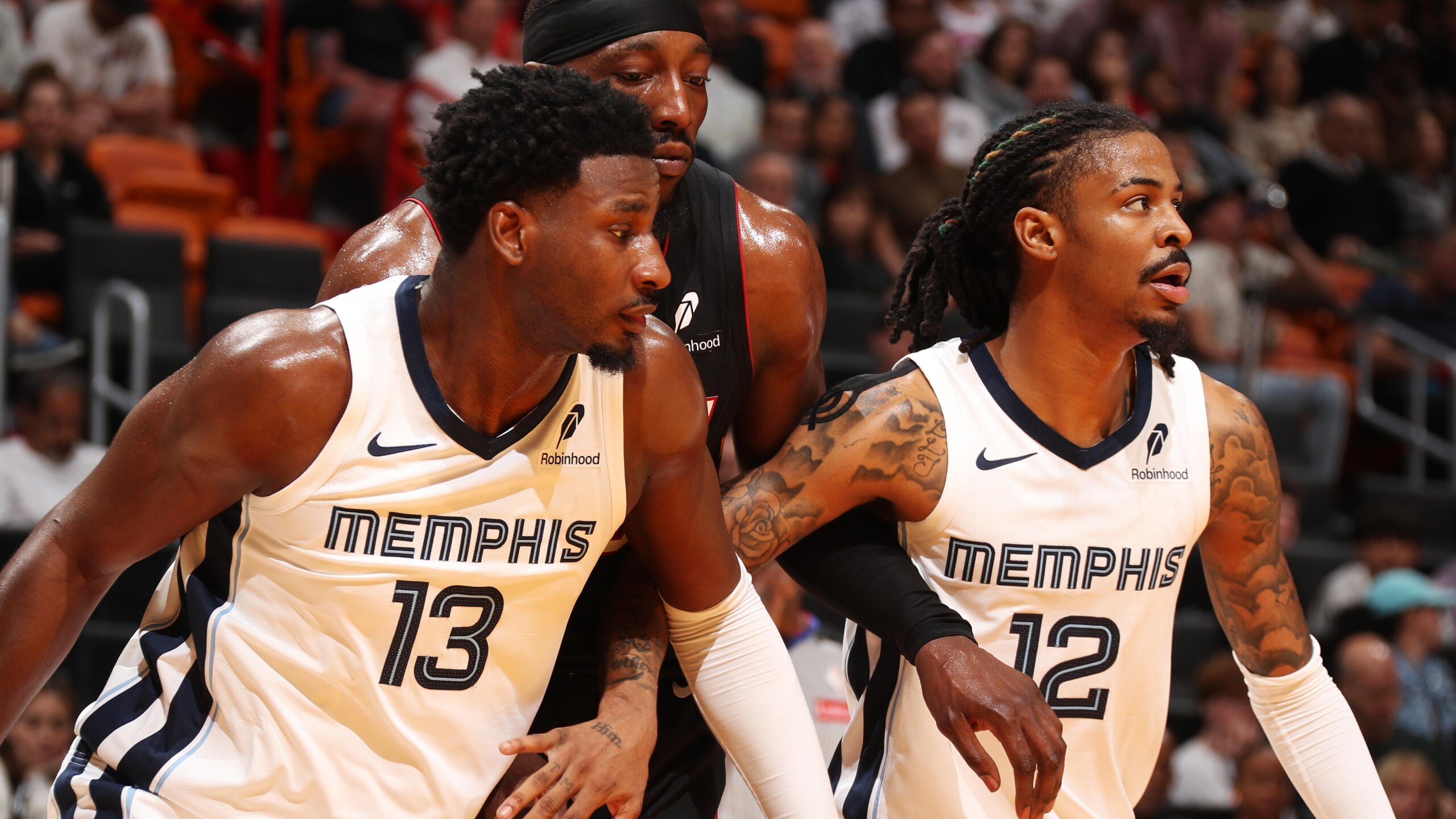
Ja Morant can sign a two-year extension projected to be worth around $120 million this summer that keeps him on the Memphis Grizzlies' books through 2029-30, his age-30 season. The absence of a deal doesn't nod to anything untowardly. He has three more guaranteed years left on his deal.
Similar to how Nikola Jokić may be passing on an extension now to ink a longer one next summer, Morant and the Grizzlies could be on a similar path.
But we still typically hear about how teams offer these deals anyway. It is standard protocol with a franchise cornerstone. Approaching them with their options is a harbinger of their value to the organization, both in the near and short terms.
Opting against presenting an extension to Morant is understandable from the Grizzlies' perspective. He has missed over 20 games in each of the past four seasons, and guards reliant on their athleticism aren't always guaranteed to age well.
It will nevertheless be worth clocking if there aren't any talks. Especially during an offseason in which Memphis renegotiated-and-extended Jaren Jackson Jr. It would imply the Grizzlies are worried he might accept it, or they're not quite sold on him as their centerpiece of the future.
Miami Heat: Extending Norman Powell
16 of 30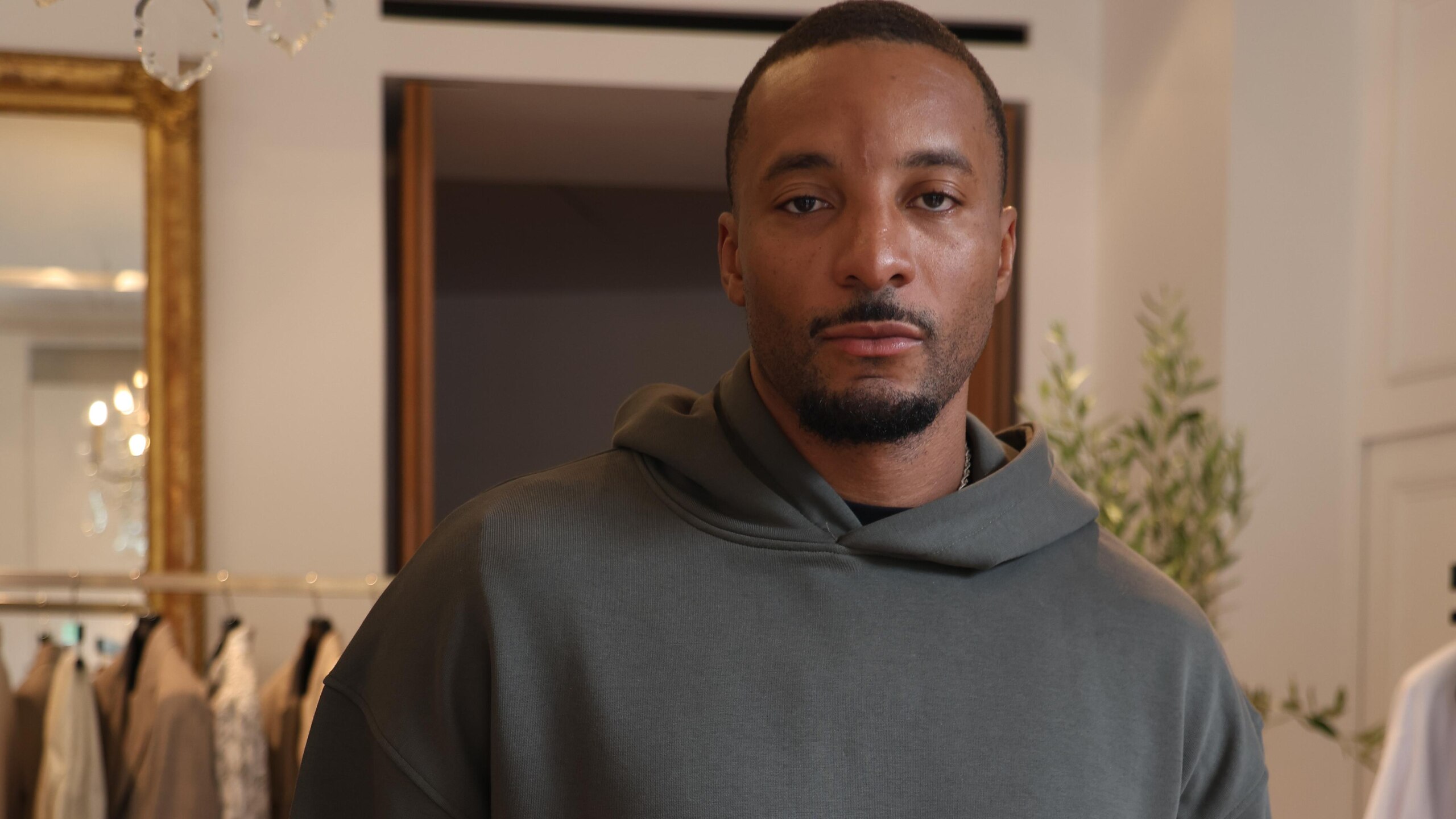
Norman Powell is eligible to sign a three-year extension worth up to $77.4 million with the Miami Heat right now.
Locking him up on that deal isn't controversial because he would be eligible for a larger agreement in six months (four years, $128.5 million), but because extending him at all adds long-term money to the team's books.
Miami seems to be positioning itself for maximum flexibility in the offseasons to come. It isn't slated to have a ton of cap space next summer, but that could change if Andrew Wiggins declines his player option.
Tacking on more years to Powell's deal, no matter the annual rate, runs counter to the Heat's overall financial leanness. Even if he'd sign an extension that keeps him trade-eligible for this coming season, reinvesting him is a complicating factor.
That doesn't automatically make it a bad move. It's just one that clearly deviates from Miami's initial plans.
Milwaukee Bucks: Trading Giannis Antetokounmpo
17 of 30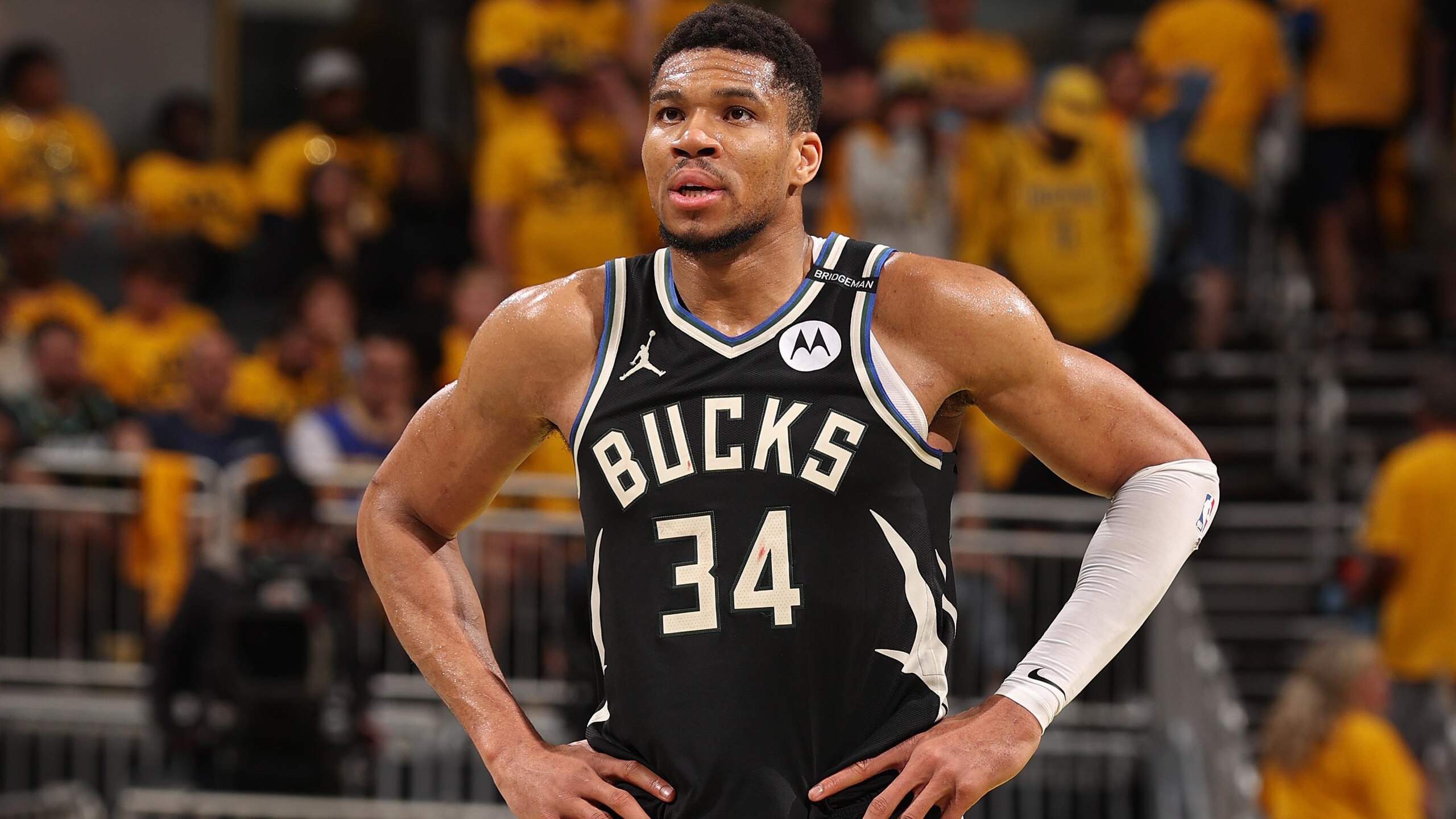
Giannis Antetokounmpo doesn't seem like someone preparing to request a trade, even if his most recent comments on his future weren't exactly committal. More to the point, the Milwaukee Bucks aren't acting like a team that expects to lose their two-time MVP before next season.
Waiving and stretching Damian Lillard to help make room for Myles Turner is not a chain of events you embrace without knowing Giannis will be back next season. If the Bucks did all of this on a whim, without any insight into his thinking, the scientific term used to describe that is: Yeesh.
You could argue that having $22.5 million in empty calories on the books through 2029-30 doesn't actually matter if Giannis is gone anyway. Which, sure. But the Bucks don't control their own first-rounder again until 2031. Maximizing flexibility in the aftermath of any Giannis trade would be fairly critical to starting over.
Minnesota Timberwolves: Add a Ball-Handler
18 of 30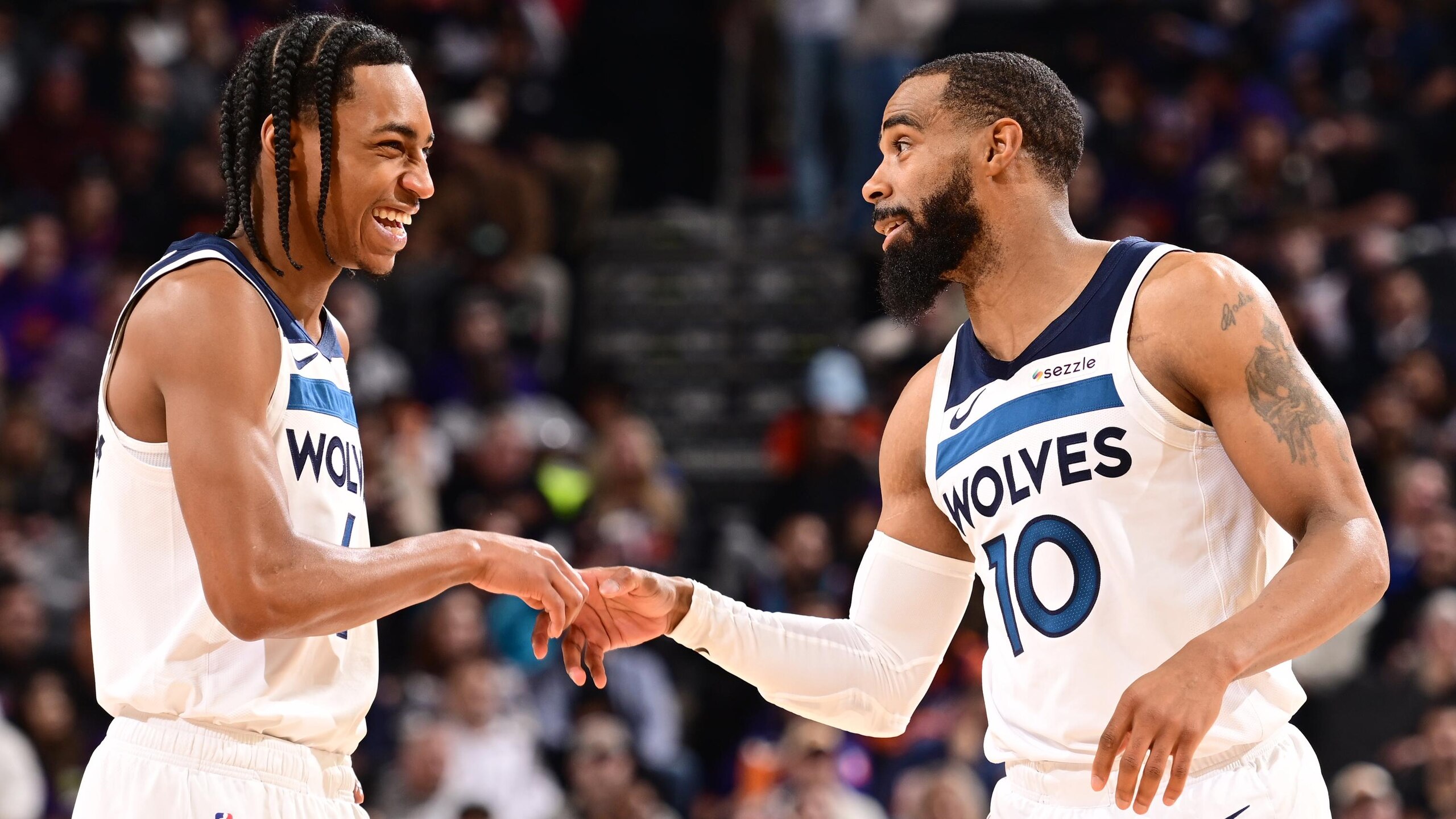
Retaining Julius Randle keeps the Minnesota Timberwolves' two primary offensive decision-makers in place. (In case you're wondering, the other is Anthony Edwards.) But the rotation still has room for (read: needs) another ball-handler with Mike Conley entering his age-38 season.
Rob Dillingham would pick up the slack and then some in an ideal world. It isn't clear whether he will or if he's even ready. His four summer-league performances were a mixed bag, and inserting him into the regular rotation will subject the Wolves to all sorts of growing pains—a margin for error they may not have in the Western Conference
Yet, going out and acquiring someone else who can run the offense is tinged with its own controversy. Mainly: What would it say about Dillingham if, one year after forking over control of their 2030 and 2031 first-rounders to land him, the Wolves don't trust him enough to even pencil him in for consistent minutes?
New Orleans Pelicans: Reinvesting in Jordan Poole
19 of 30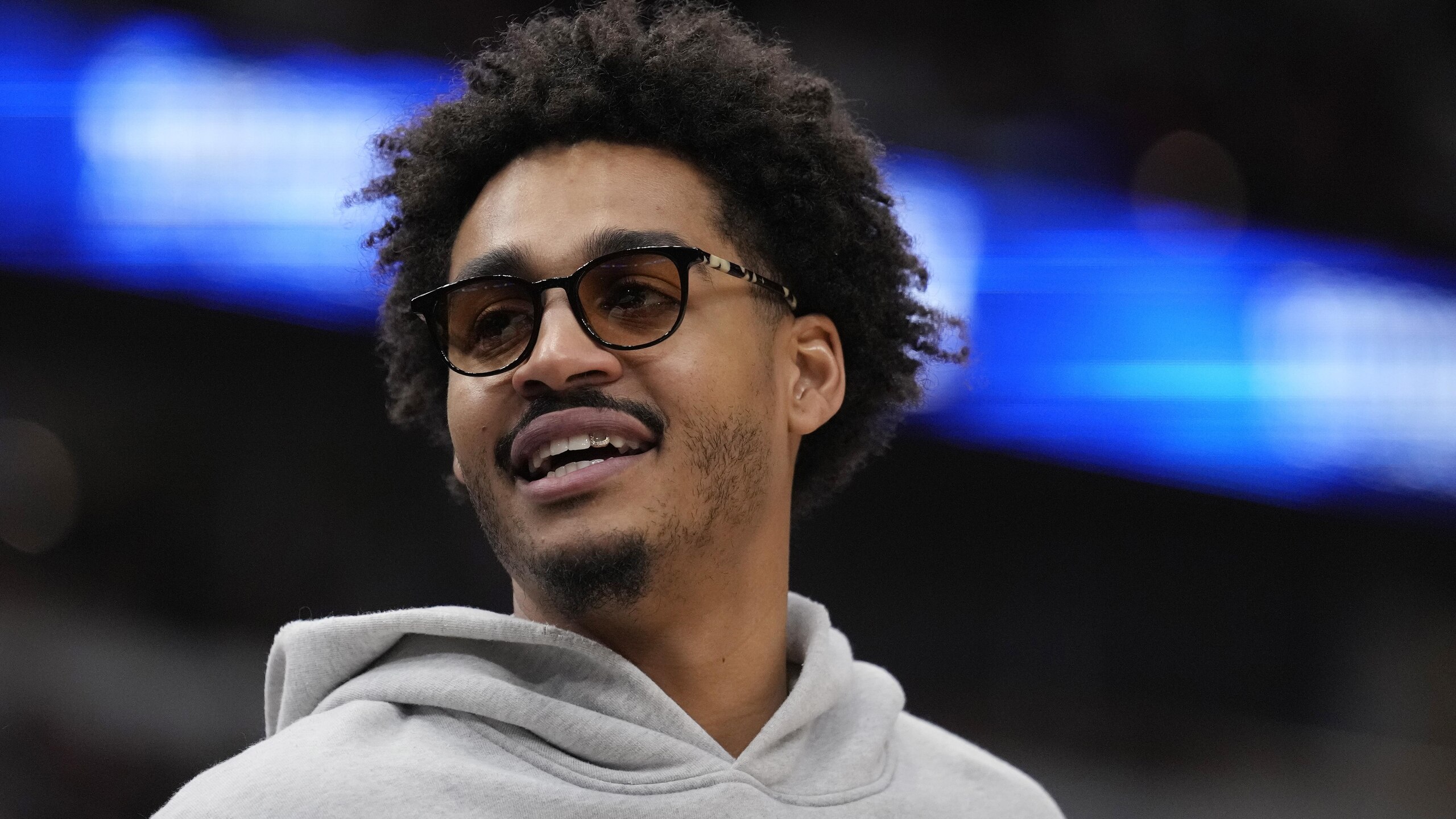
The New Orleans Pelicans have spent basically the entire offseason confusing the hell out of almost everyone. Offering Jordan Poole an extension would keep with that theme.
After being sent over from the Washington Wizards, the 26-year-old can sign a two-year deal worth up to $83.7 million that kicks in for the 2027-28 season. He will be eligible for a longer extension if he waits six months, but the max annual salary he can get right now is already higher than he should command.
Throw out the Pelicans' decision to take on an extra year of Poole by offloading CJ McCollum's expiring deal from this equation. Reinvesting in the former before he ever plays for your team, when he isn't on the verge of hitting free agency and when you just drafted Jeremiah Fears seventh overall would be all sorts of bizarre, if not veering into aimless recklessness.
New York Knicks: Not Extending Mikal Bridges
20 of 30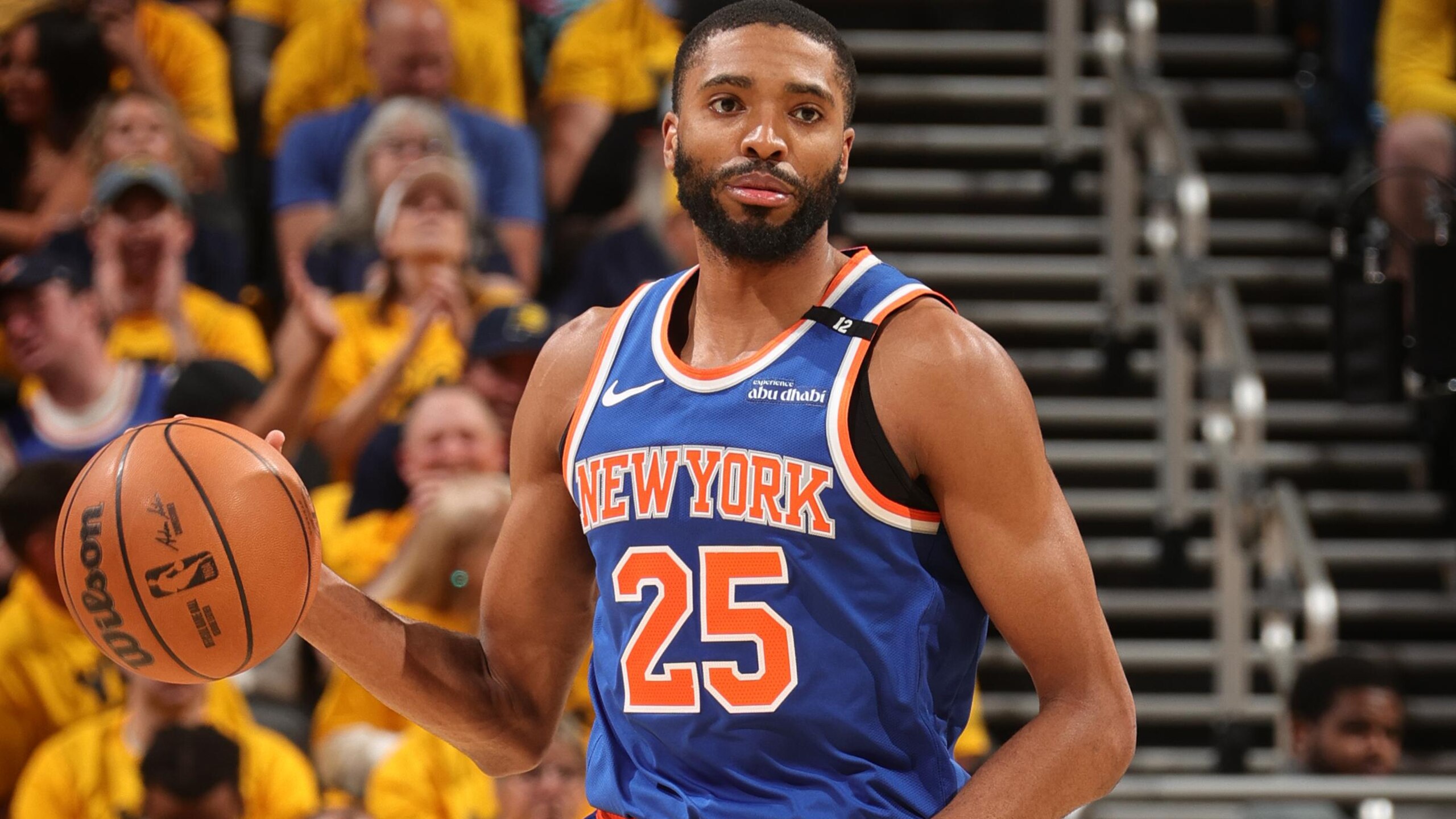
Mikal Bridges has been eligible to sign a four-year, $156.2 million extension ever since the end of the NBA Finals. The absence of agreement is starting to become noticeable.
Potential reasons for the delay abound. The two sides could be haggling over the final price. He could be waiting to sign until or after Aug. 6, so he can ensure he won't be trade-eligible next year. The Knicks could be holding off on a deal altogether, preferring instead to make sure Bridges can be included in any midseason package for Giannis Antetokounmpo.
The latter scenario is most unnerving.
Bringing Bridges into the season without an extension and letting him hit unrestricted free agency poses all sorts of possible trouble. He could get way more expensive—his four-year max would run $222.4 million—or leave for nothing. The Knicks would have the opportunity to trade him before February's deadline if they're concerned, but they'd be lucky to recoup even half of what they gave up to get him.
Part of the calculus in forking over five first-rounders and one swap to land Bridges last summer was the prevailing assumption he'd sign an extension. Speculation will run wild in New York if he doesn't.
Oklahoma City Thunder: Extending Lu Dort
21 of 30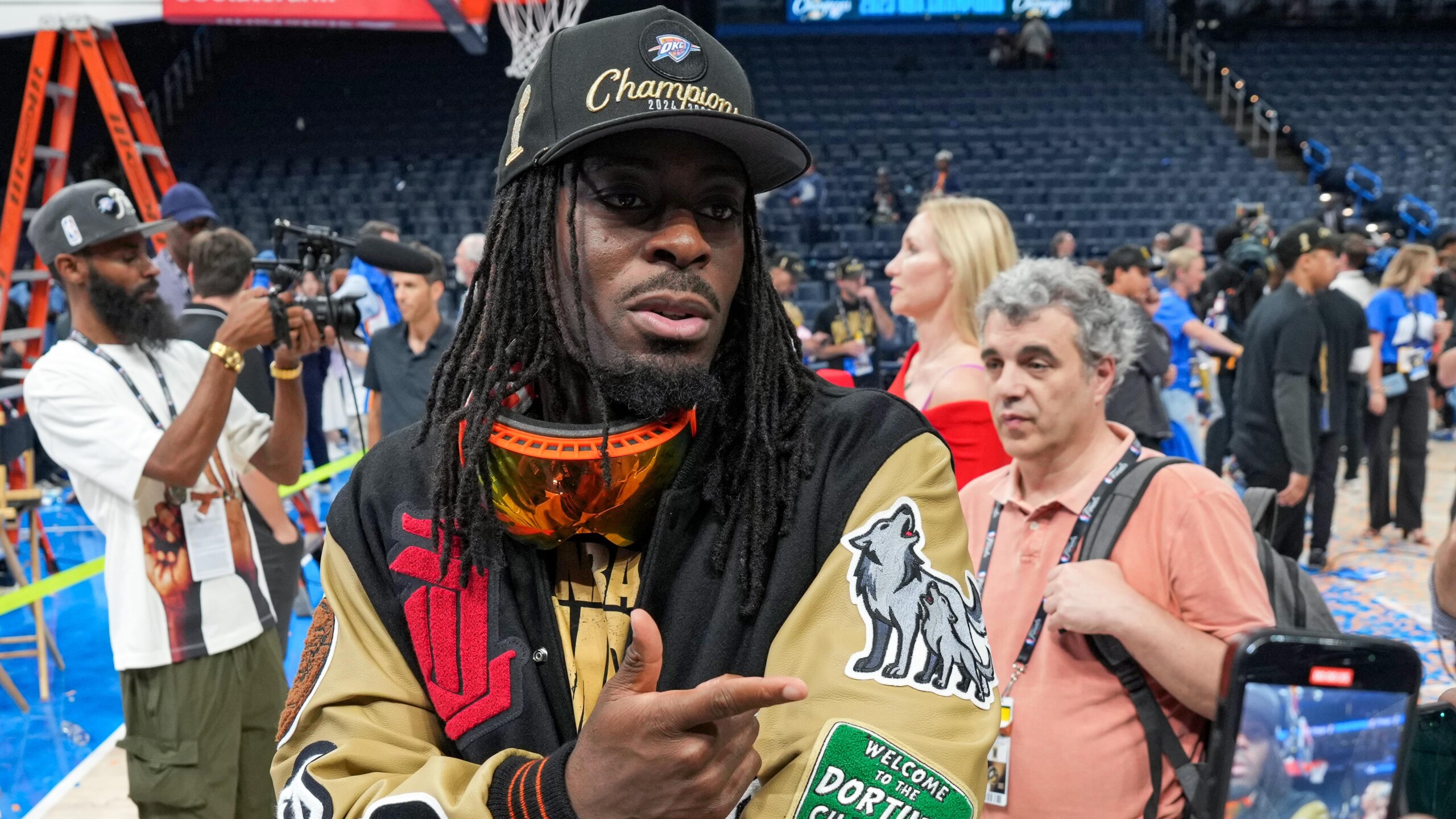
Lu Dort is eligible to sign a three-year extension worth more than $80 million. It would be a genuine shock if the Oklahoma City Thunder gave it to him.
This has little to do with Dort's value and everything to do with the team's financial situation. Oklahoma City should be able to sidestep the second apron in 2026-27, provided it declines Isaiah Hartenstein's club option. Skirting it in 2027-28 will be much harder without some wholesale collateral damage.
It just so happens 2027-28 is when Dort's extension would take effect. The Thunder already project to be a second-apron team without him on the books.
Extending the 26-year-old now could signal a willingness to spend some time deeeep into the tax. It could portend an intention to move off other players. It could even be a bet that he is more valuable as a trade asset himself on a longer-term agreement.
Whatever the reasoning behind it, a new deal for Dort would have serious implications on how Oklahoma City navigates its payroll over the next few years.
Orlando Magic: Dumping Goga Bitadze
22 of 30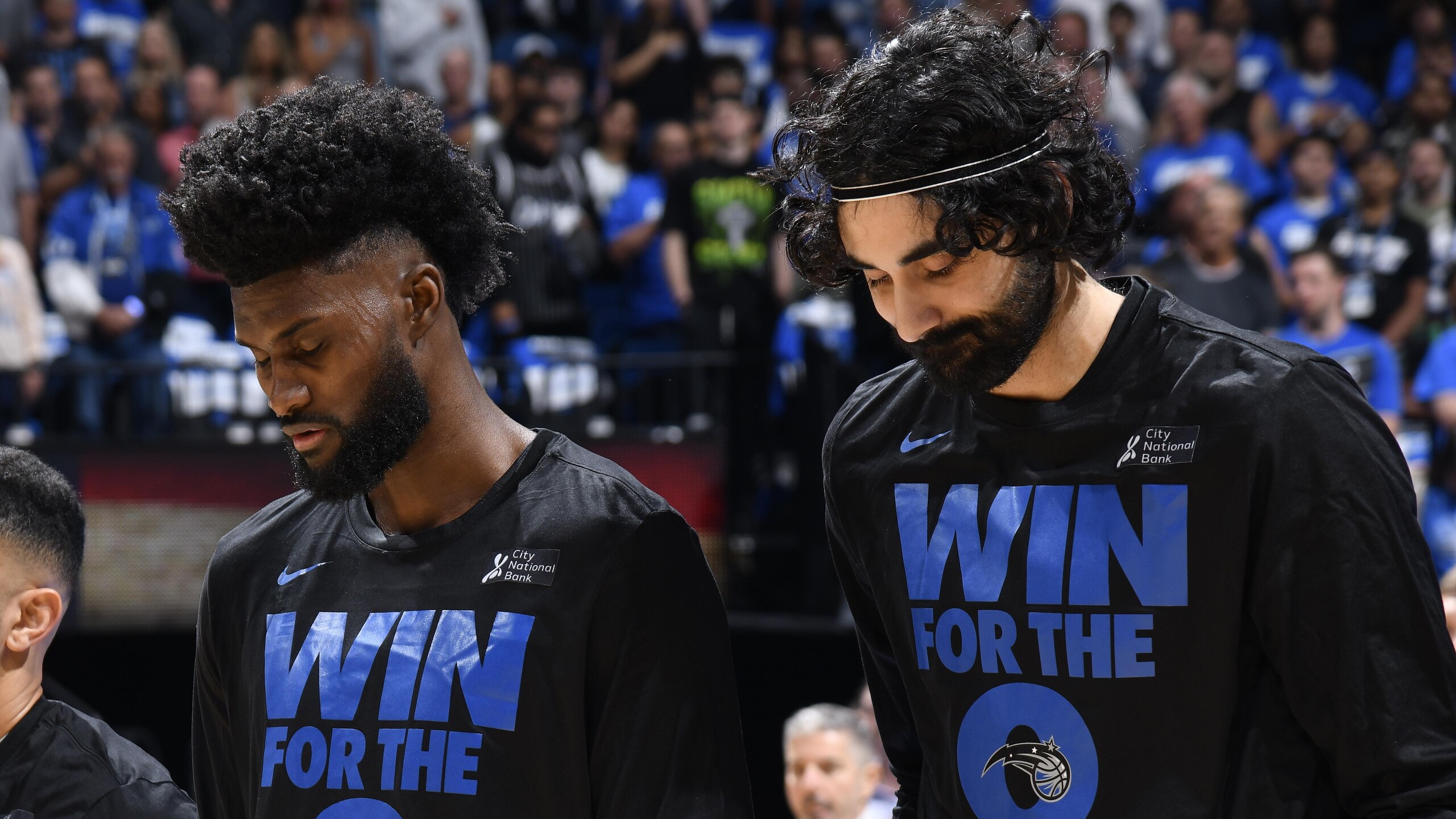
The Orlando Magic are just far enough into the tax that they're almost assuredly going to shed salary to elude it. Now is not the time for them to start the repeater clock. It'll be unavoidable next season when Desmond Bane, Paolo Banchero, Jalen Suggs and Franz Wagner are making a combined $155 million.
Goga Bitadze's $8.3 million salary will be a staple in tax-ducking hypotheticals. It can easily fit into the non-taxpayer's mid-level exception or a handful of traded-player exceptions, and he's serviceable enough that teams won't want compensation for taking on his contract.
Except, while it might be the cleanest solution, it's also the riskiest.
Orlando's big-man rotation isn't what you'd call durable. Mo Wagner is working his way back from a torn left ACL, and Wendell Carter Jr. has never played in 70 games or its shortened-season equivalent. Jonathan Isaac, meanwhile, is a serial injury risk and can't log too much court time when healthy. He played more than 20 minutes just twice over the second half of last season—playoffs included.
Unless the Magic have another (cheaper) big man lined up, Bitadze may prove too important to use as a tax-skirting vessel.
Philadelphia 76ers: Forcing Quentin Grimes to Bet on Himself
23 of 30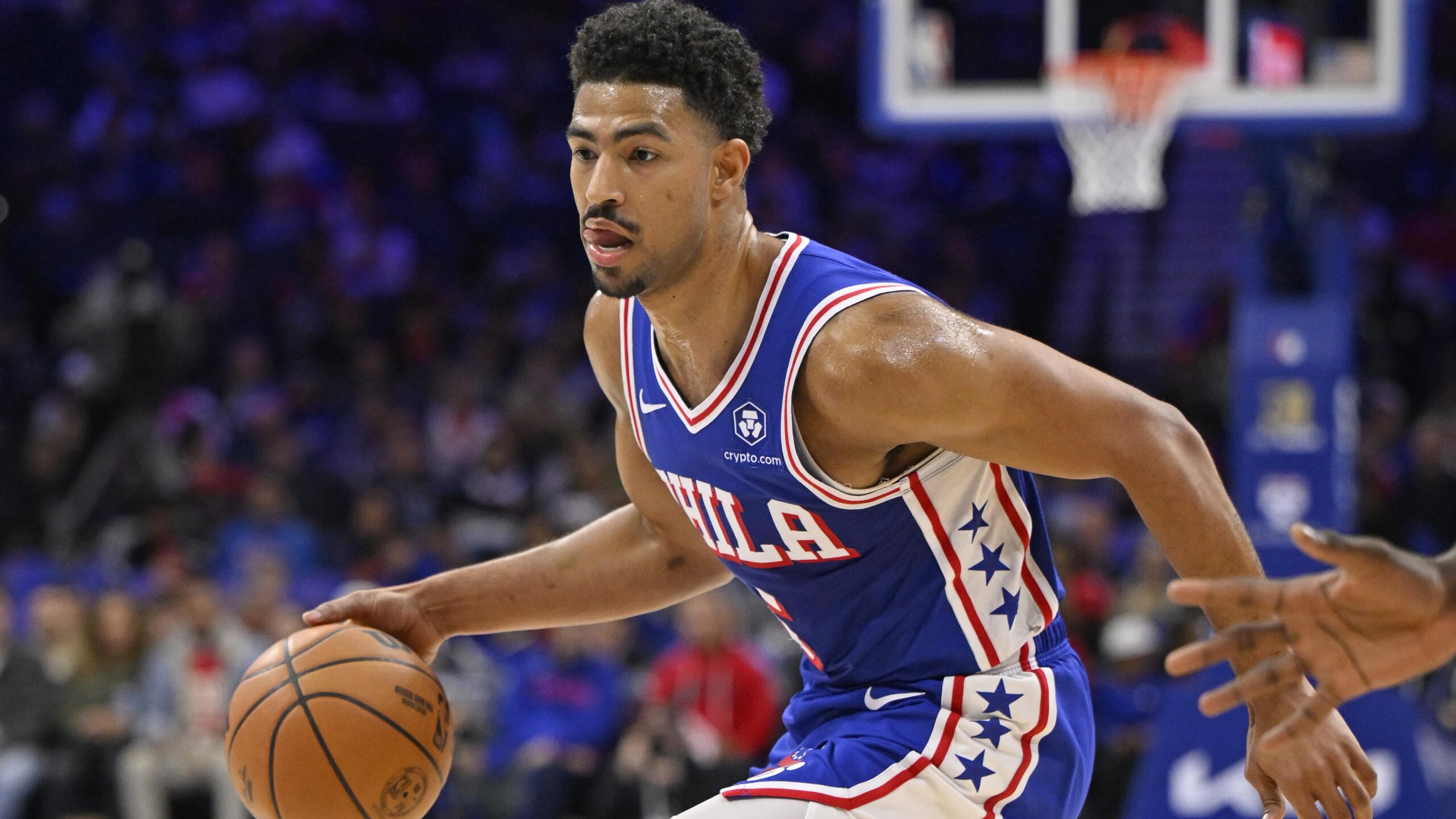
Of the four marquee restricted free agents still unsigned—Josh Giddey, Quentin Grimes, Jonathan Kuminga and Cam Thomas—Kuminga seems like the one most likely to sign his qualifying offer and re-enter the market as an unrestricted free agent in 2027. Next up after him? Probably Grimes.
Going that route would be a massive gamble for the 25-year-old. His performance through 28 games with the Philadelphia 76ers was equal parts mesmerizing and a total outlier relative to the rest of his career. If his stock falls off as part of a deeper and healthier rotation next season, he could squander long-term security.
Then again, if the Sixers are mirroring the Brooklyn Nets' approach to Cam Thomas, it might not matter. NBA insider Jake Fischer reported during a recent Bleacher Report live stream that Brooklyn's best offer to Thomas has topped out at two years and under $25 million. Philly shouldn't be squeezing Grimes that hard. He has more defensive utility. It's also clearly not putting enough money on the table for Grimes to sign on the dotted line.
This isn't to say the Sixers should pay him whatever. But they need to find common ground. Otherwise, Grimes could sign his QO and play out 2025-26 as an expiring contract with a no-trade clause who commands way more money and/or leaves for nothing next offseason.
Phoenix Suns: Failing to Land an Actual Point Guard
24 of 30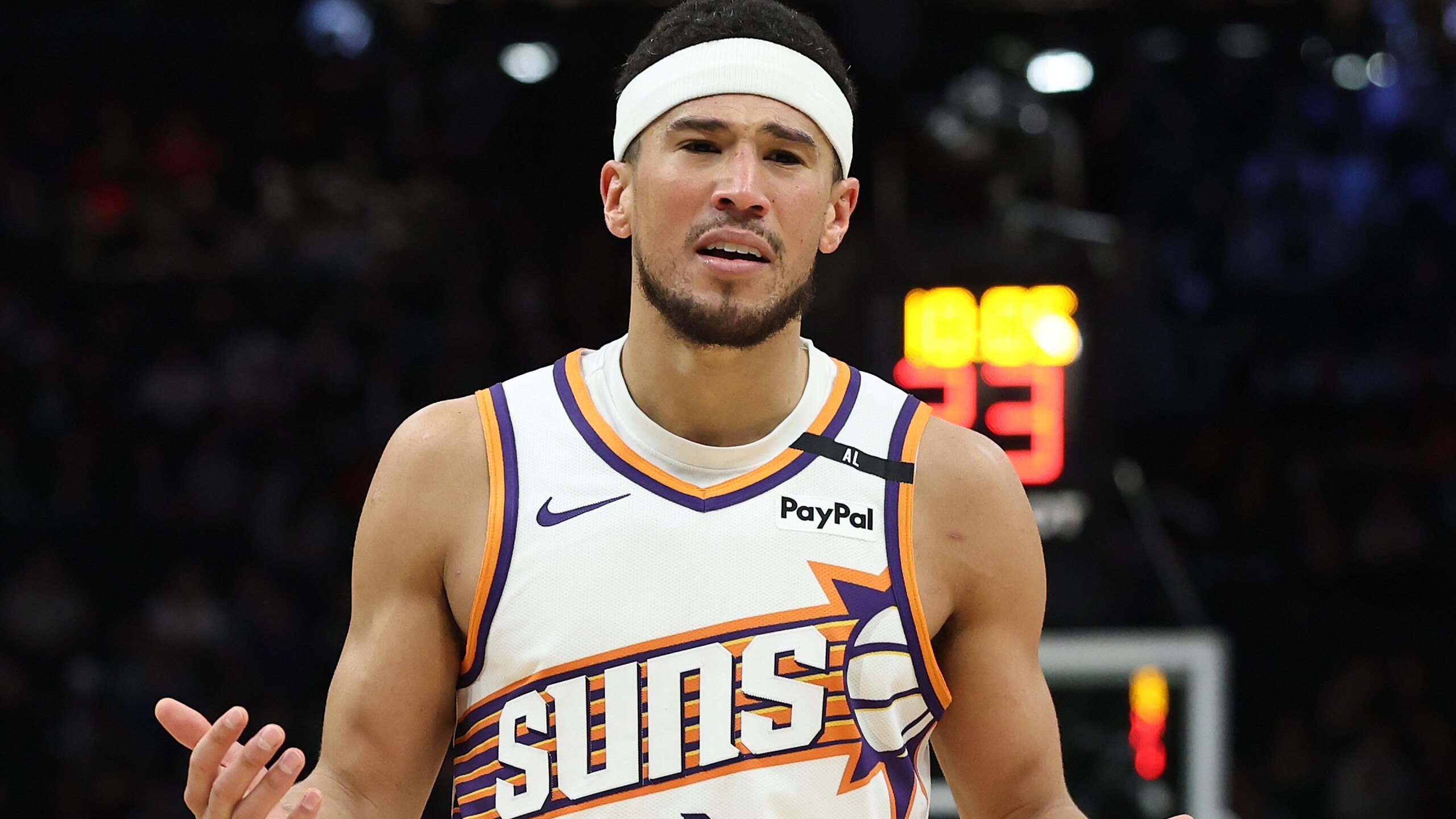
For anyone worried the Phoenix Suns would attempt to shoehorn Devin Booker into the point guard's role next season, you can now rest in peace panic. Jalen Green is going to wear that hat instead:
This is a masterclass in semantics. Green can be announced as the starting point guard. It doesn't matter. Booker is the better passer and will end up having to be the primary scorer and playmaker for the Suns' offense to survive.
Related: This is a terrible idea. And I say that as someone who thinks Booker is an undervalued passer.
More than anything, the Suns need someone who can table-set for bigs like Khaman Maluach, Mark Williams and Nick Richards, who don't have the same layered decision-making with the ball as Oso Ighodaro. That isn't Booker's forte. Ditto for Green. Defaulting to Collin Gillespie, Jordan Goodwin or Jared Butler is uninspiring.
Even if this team doesn't plan to make noise next season (it won't), the continued development of Maluach and Williams, in particular, stands to be stunted if a higher-end floor general isn't brought into the fold.
Portland Trail Blazers: Keeping Both Jrue Holiday and Jerami Grant
25 of 30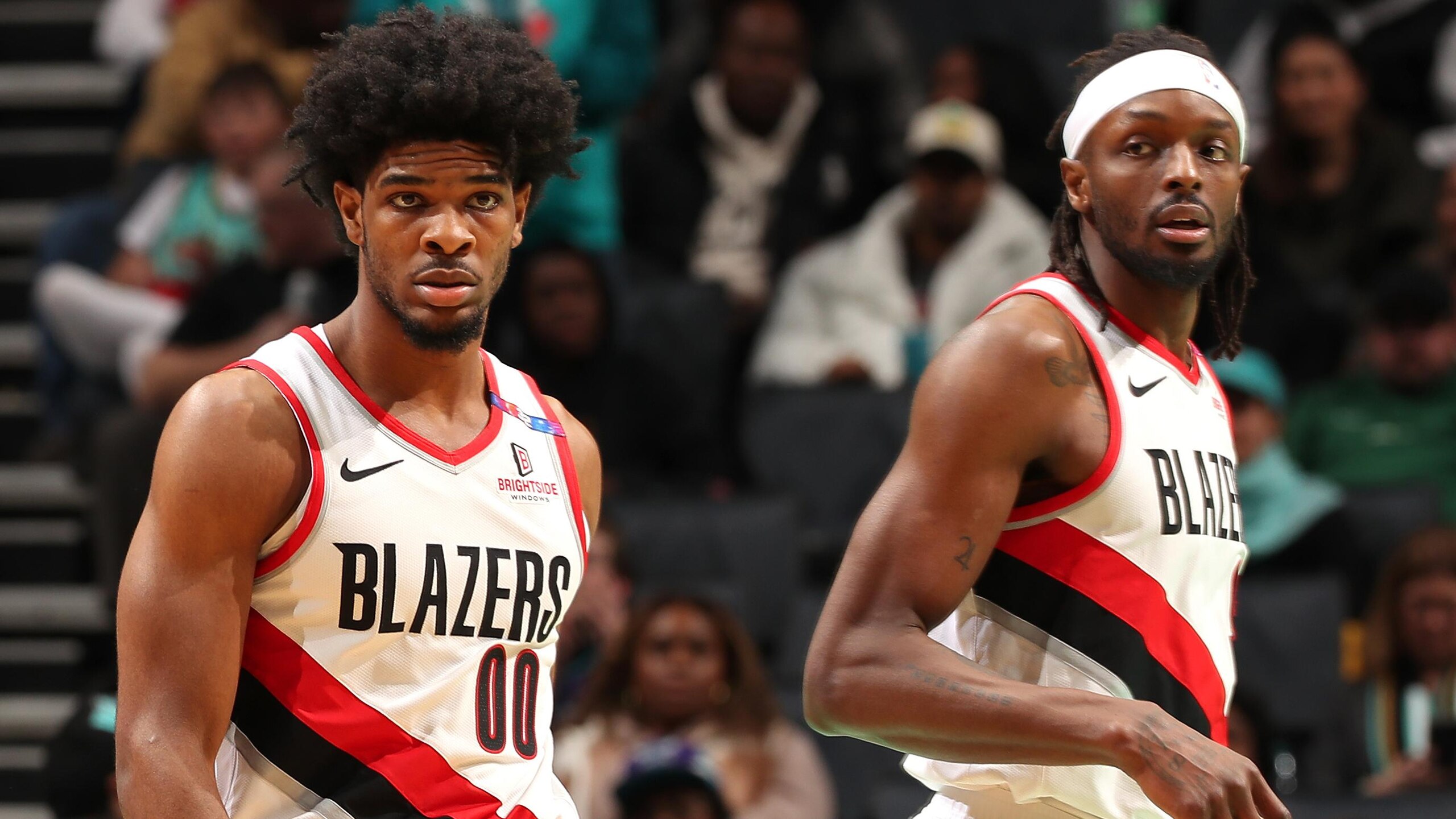
Adding Jrue Holiday while retaining Jerami Grant opens the door for all sorts of awkwardness when building the Portland Trail Blazers' projected starting five.
Deni Avdija, Toumani Camara and Donovan Clingan all feel like locks to take the floor for the opening tip. If the Blazers also plan to start one of Grant or Holiday, it leaves Scoot Henderson or Shaedon Sharpe to come off the bench. Things stand to get even thornier if they roll out both vets to begin games.
Observers from afar will claim Portland can bring Holiday and/or Grant off the bench without much issue. That's true in theory. But they're the Blazers' two highest paid players. Having one of them come off the pine is not without its weird optics. And bringing both off the bench would mean paying them a combined $69 million to headline second units.
On the flip side, what does it say about Portland's view of Sharpe or Henderson if one or both aren't starters? Yes, opening-lineup designations are overanalyzed. But they are often a precursor to who closes games and usually a harbinger of who coaches trust the most, which is why Scoot's reserve role the past two years has left many scratching their heads. The politicking of it all matters.
Sacramento Kings: Hanging onto All of Their Guards
26 of 30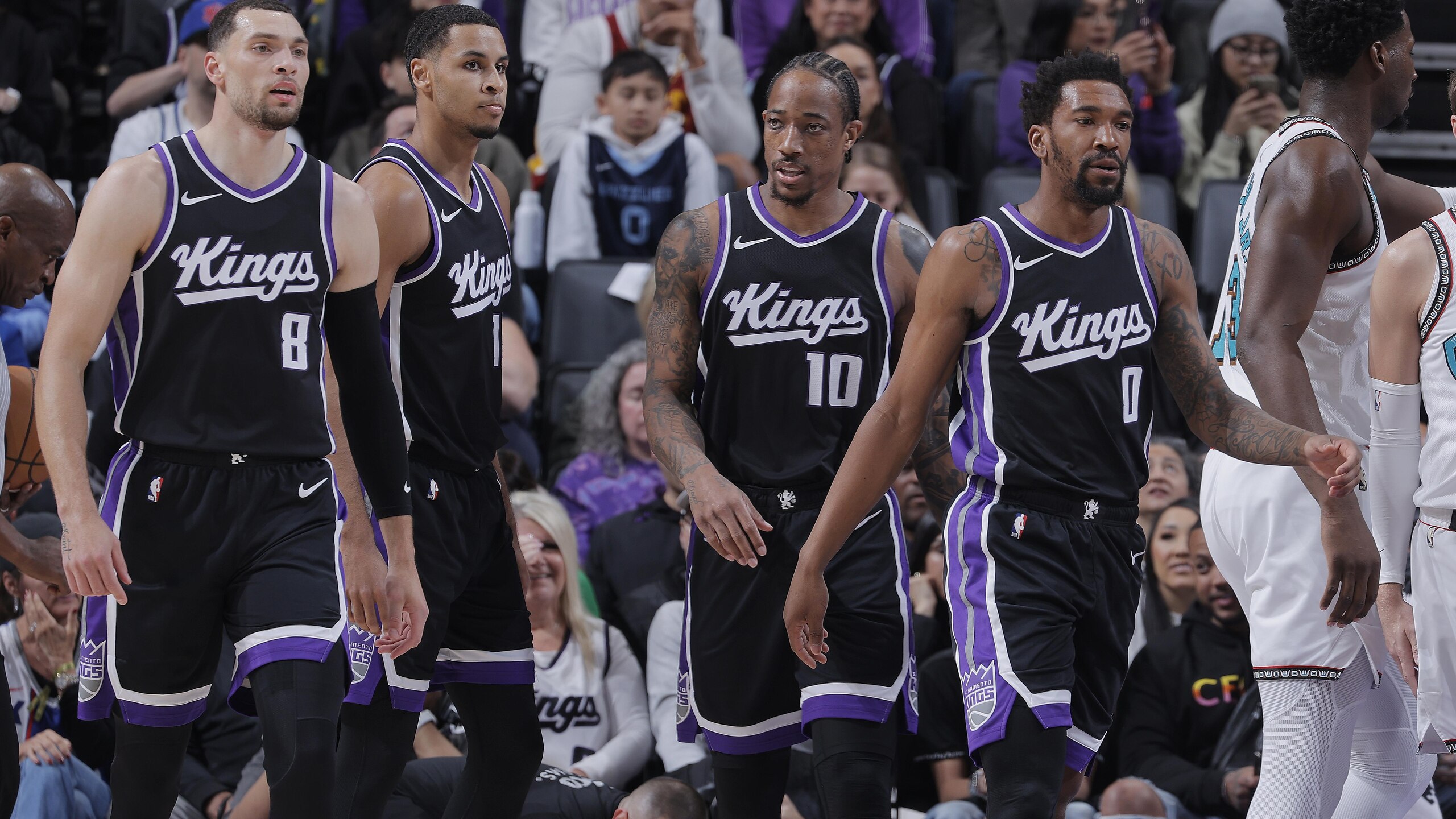
If we want to be super-reductive, we can point out the Sacramento Kings technically have seven rotation guards on the roster in Devin Carter, Nique Clifford, DeMar DeRozan, Keon Ellis, Zach LaVine, Malik Monk and Dennis Schröder. That's too many.
Factoring in size (Clifford) and defensive roles (DeRozan) allows us to winnow that number down to five. That is still overkill when only one of the players being displaced from the gaggle (Clifford) stands to qualify as a wing.
Sacramento has too many other holes on the roster to float this many backcourt bodies. It needs a backup big and another actual wing.
Even more alarmingly, the Kings could also use a point guard. Schröder is more point guard adjacent, and this team isn't innovative enough to try grooming Clifford as an oversized floor general. Perhaps a trade is coming. Sacramento has some 'splaining to do if it's not.
San Antonio Spurs: Not Extending De'Aaron Fox
27 of 30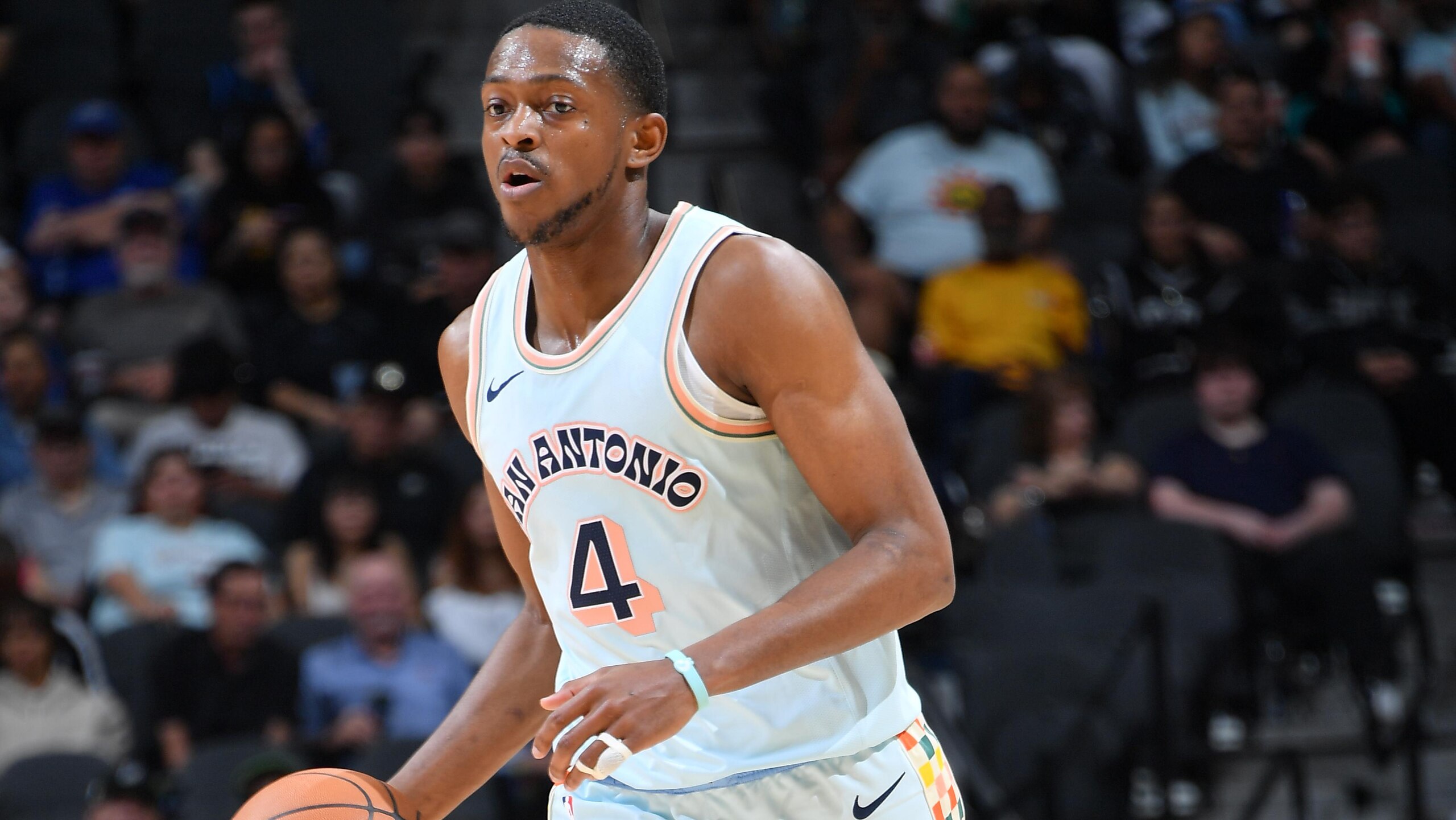
De'Aaron Fox is eligible to sign a four-year extension worth up to $222.4 million (assuming the cap keeps rising by 7 percent). Knowing how much he wanted to land with the San Antonio Spurs, the expectation is that he'll hammer out a new deal—even if it comes in at less than the max.
Circumstances have changed, though.
San Antonio didn't know it would end up with No. 2 overall pick Dylan Harper when acquiring Fox. Juggling the fit of both guards on top of Stephon Castle isn't a hopeless endeavor, but the dynamic is an unknown. The Spurs might want to see it in action before committing a bunch of money to Fox.
Smart money is on a deal getting done and San Antonio figuring out the bigger picture over time. But that's what would make the absence of an extension so polarizing. It simultaneously proves that Fox and the Spurs aren't in lockstep on a price point, leave him to reach unrestricted free agency next summer and suggest the team is open to trading him before he does.
Toronto Raptors: Staying Inside the Luxury Tax
28 of 30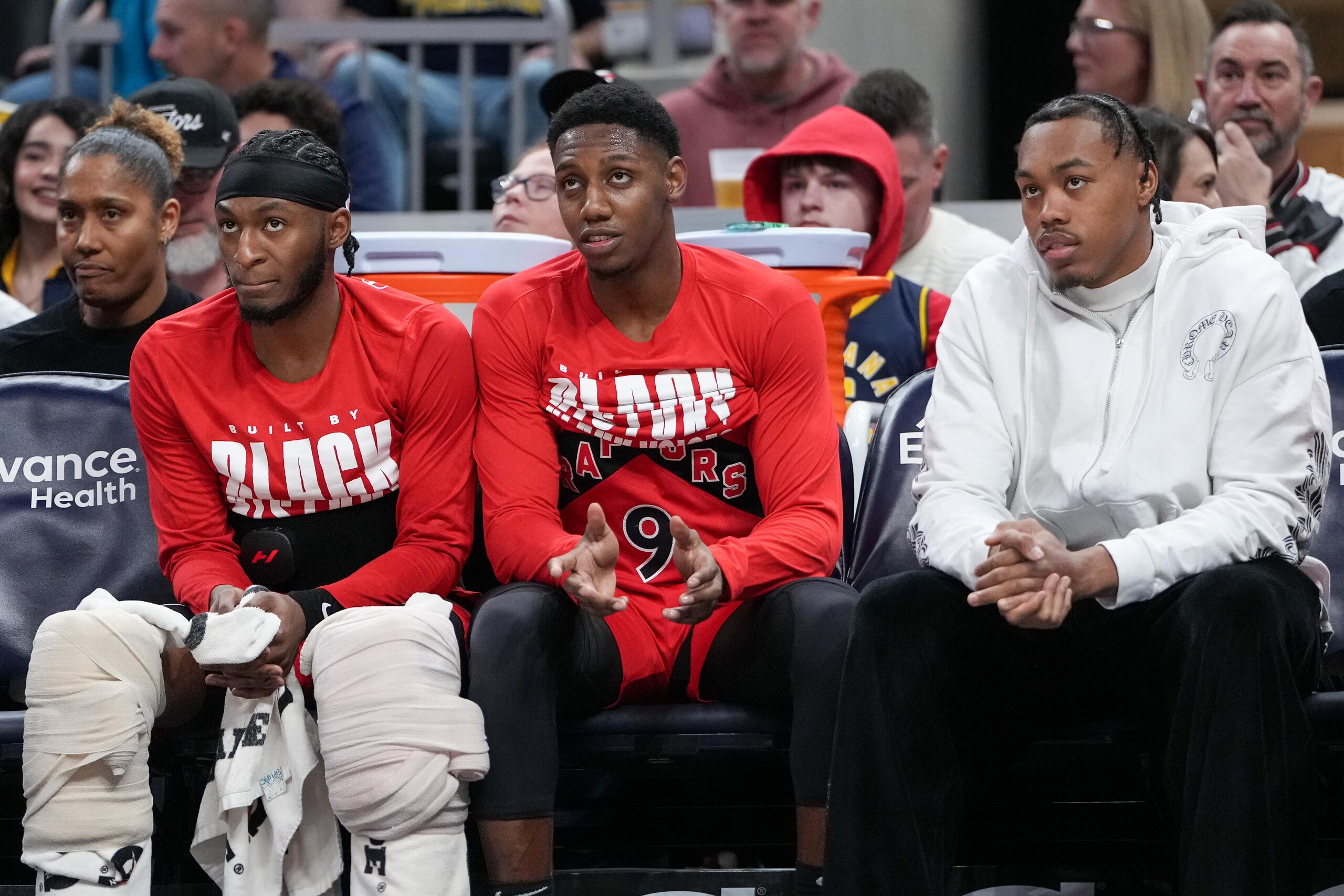
Despite Brandon Ingram's declaration that the Toronto Raptors will make the playoffs next season, pretty much no one has this squad slotted into the top six of the Eastern Conference.
That's saying something when you consider the Boston Celtics (Jayson Tatum) and Indiana Pacers (Tyrese Haliburton) will each be without their best player, and when also weighing the combustibility of the Milwaukee Bucks.
Frankly, there does seem to be some overcorrection at play. People are concerned about the Raptors having Ingram, Scottie Barnes and RJ Barrett in the same rotation, let alone the same lineups, without a floor-spacing big on the roster. That is fair. It's not hopeless. Employing numerous talented creators isn't a bad thing, particularly when none of them profiles as an egregious ball-stopper.
Everyone should remain open-minded until we actually get to see the Raptors in action. With this in mind, a team with so many question marks that just won 30 games being around $5 million into the luxury tax doesn't sit right. Toronto feels like a lock to sidestep it.
Waiting until the season to do so isn't super-problematic. The Raptors have until the league calendar flips to 2026-27 to shave salary. It is, however, easier to lop off money over the offseason. So, while Toronto can do it later, delaying the inevitable would be somewhat curious.
Utah Jazz: Not Extending Walker Kessler
29 of 30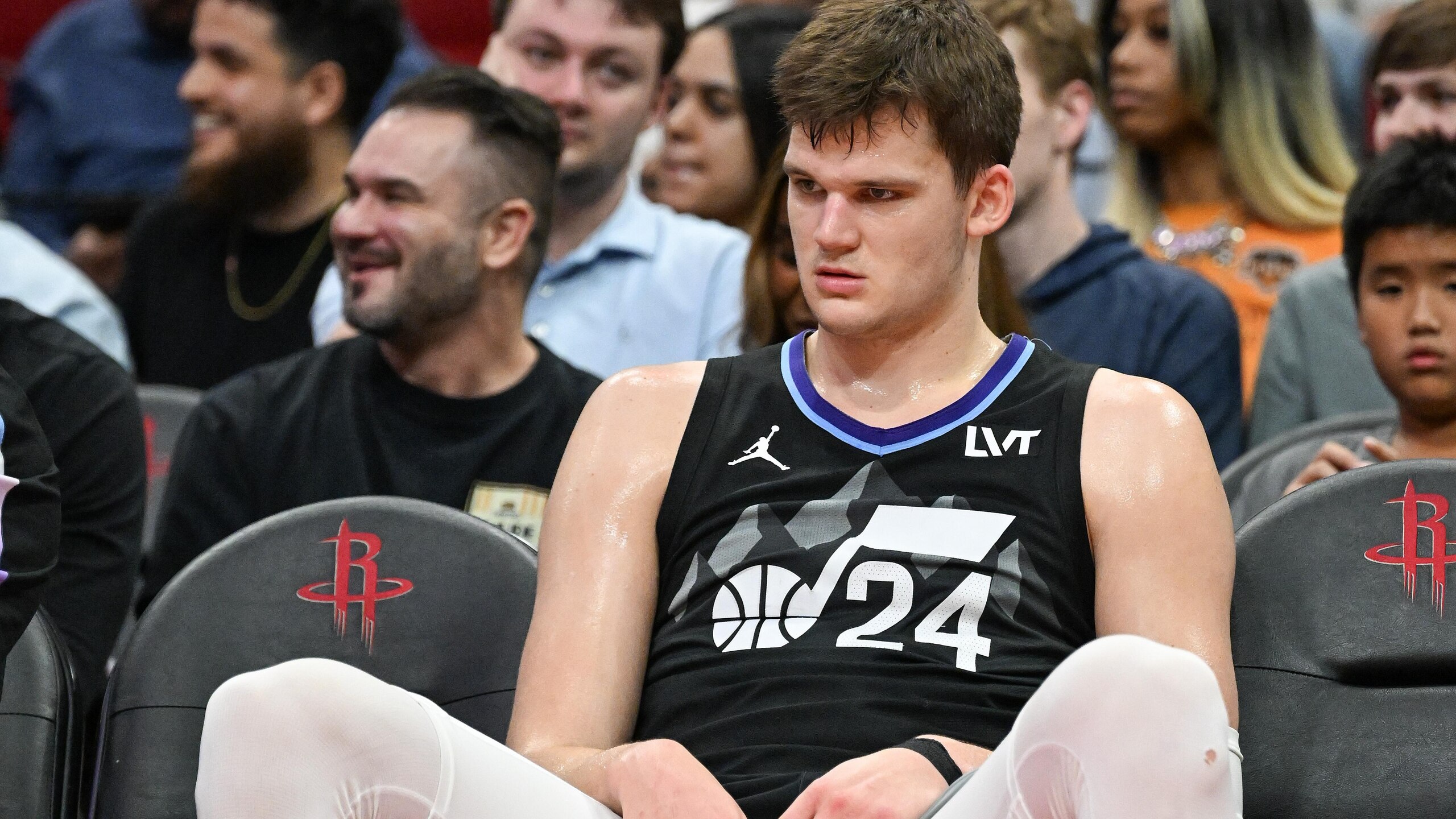
Walker Kessler is on track to supplant Myles Turner for the center most off-handedly thrown into the trade-speculation mill. It's not hard to see why.
Kessler has rated in the 90th percentile or better of rim contests per 75 possessions, rim points saved per 75 possessions and shooting percentage allowed at the rim versus the expected percentage in each of his first three seasons, according to BBall-Index. You know who else has done the same while logging at least 1,000 minutes every year? Nobody.
For all the obsession over floor-spacing and playmaking bigs, consistently elite rim protectors are hard to find. Hence the Edwards infatuation among trache-machiners. The Utah Jazz can put an end to the inevitable midseason lust for Kessler's services by extending him, which greatly diminishes the odds of him being moved, at least until next summer.
Holding off doesn't mean they will trade him or don't want him. They could just value using his smaller cap hold next summer while going about the rest of their offseason business. We are watching in real-time how little leverage restricted free agents usually carve out.
Still, Utah isn't at a stage in its competitive life cycle where it needs to play these games. Kessler only stands to get more expensive next summer. Rival teams may not give out offer sheets like candy on Halloween, but there will be more cap space floating around in 2026. It makes more sense to lock up Kessler, even if the eventual plan is to move him. Failing to do so would invariably raise some eyebrows.
Washington Wizards: Buying Out CJ McCollum and/or Khris Middleton
30 of 30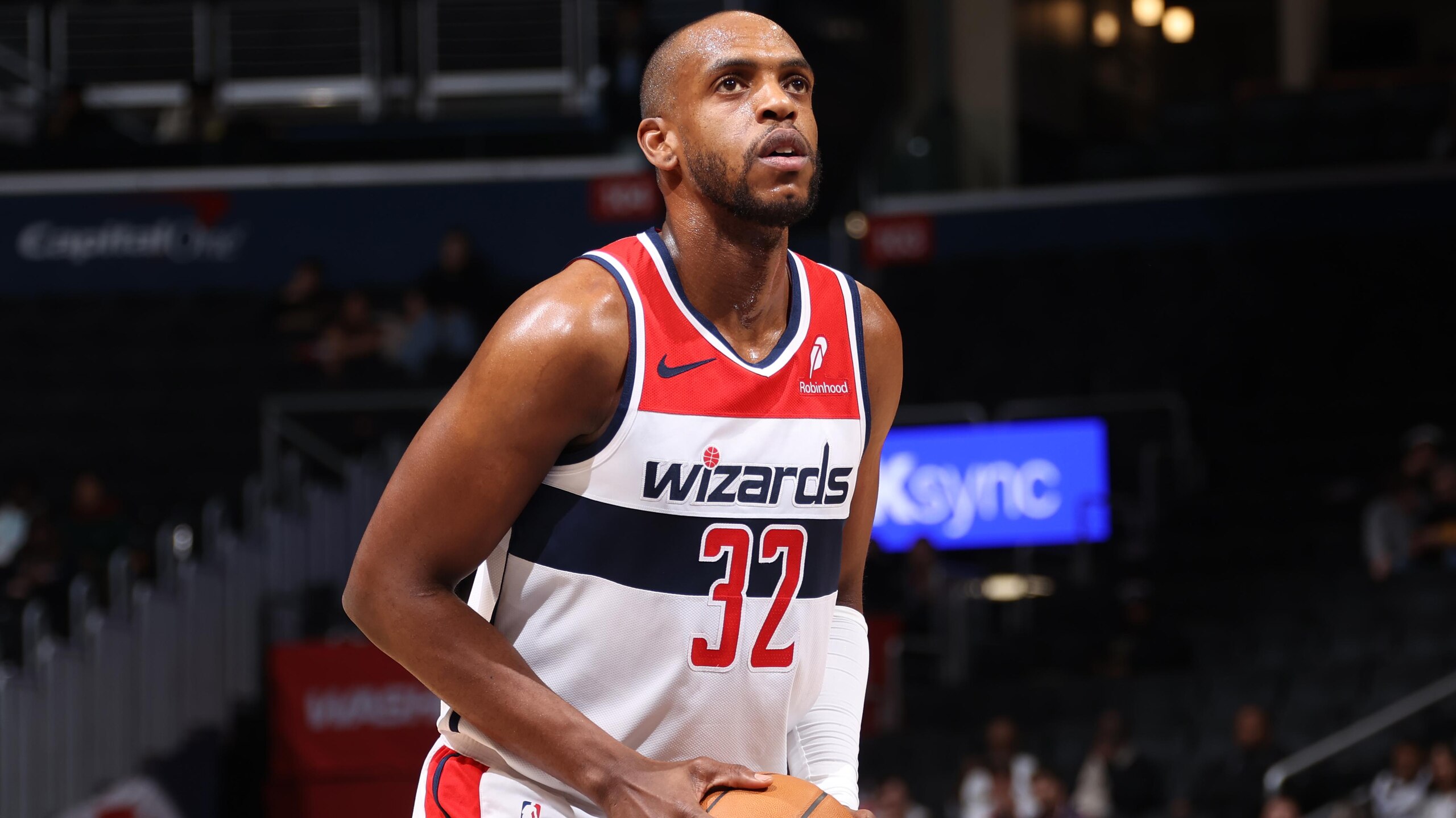
Not too long ago, it seemed as if the Washington Wizards were well-positioned to finagle the Oklahoma City Thunder special: Get compensated to acquire veterans on short deals, rehabilitate their distressed value and then flip them for more assets on the way out.
Buying out Marcus Smart runs in direct contrast to that vision. It could just be a blip—a perfect storm of circumstances. He gave back almost $7 million so he could join the Los Angeles Lakers, and Washington has plenty of other guards on the docket even after also buying out Blake Wesley.
This conversation takes on new meaning if CJ McCollum or Khris Middleton brokers his own before the season. It's one thing when this happens post-trade deadline. It's weirder when it takes place over the summer.
Would it be a sign of the Wizards' lack of faith in McCollum and/or Middleton? A symbol of how little value sizable expiring contracts hold? Another instance in which Washington is saving so much money the C-Suite can't say no? A vote of confidence in the youngsters? If all goes according to plan, the Wizards won't find out.
Dan Favale is a National NBA Writer for Bleacher Report. Follow him on Bluesky (@danfavale), and subscribe to the Hardwood Knocks podcast, co-hosted by Bleacher Report's Grant Hughes.

.jpg?w=2560)
.jpg?w=2560 "McCarthy 'Not Surprised' to Be QB1")
.jpg?w=2560 "Breaking News")