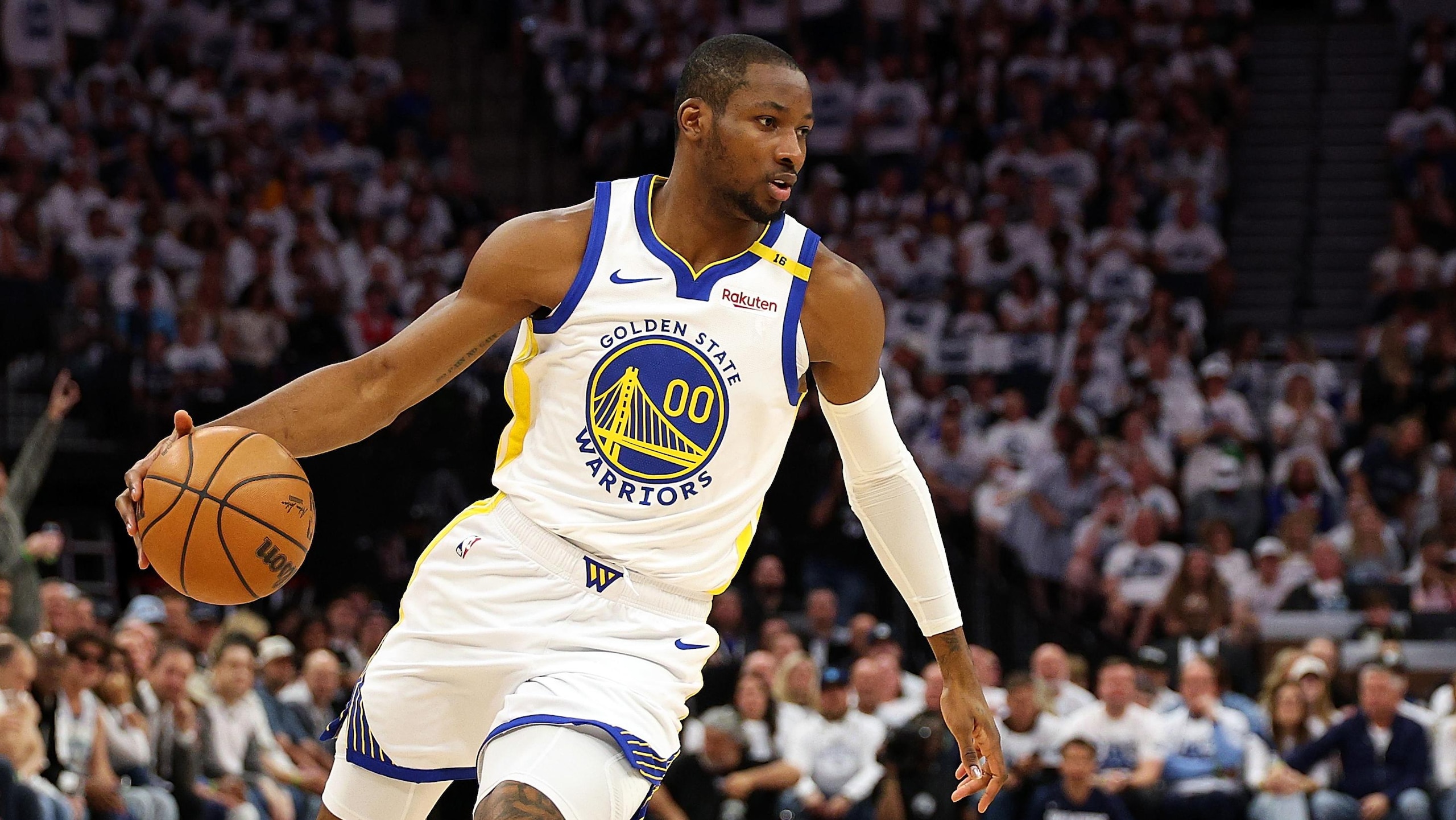


Restricted free agents Josh Giddey and Jonathan Kuminga lead an unsigned 2025 free-agent class that is deeper and more intriguing than it has any right to be. It's nearly August, and those two (plus several other legitimately good options) are still on the market.
We have financial caution—brought about by the fear of the second apron—to thank for their continued availability. The leverage of restricted free agency is also a factor, but that doesn't explain why several highly useful unrestricted options are still out there without a team.
As free agency stretches deeper into the offseason than usual, let's take a look at the best remaining players on the market. From high-upside youth to seasoned vets, there's a shocking amount of starting and rotation-caliber talent still waiting to be snatched up by the right team.
Josh Giddey, Restricted
1 of 10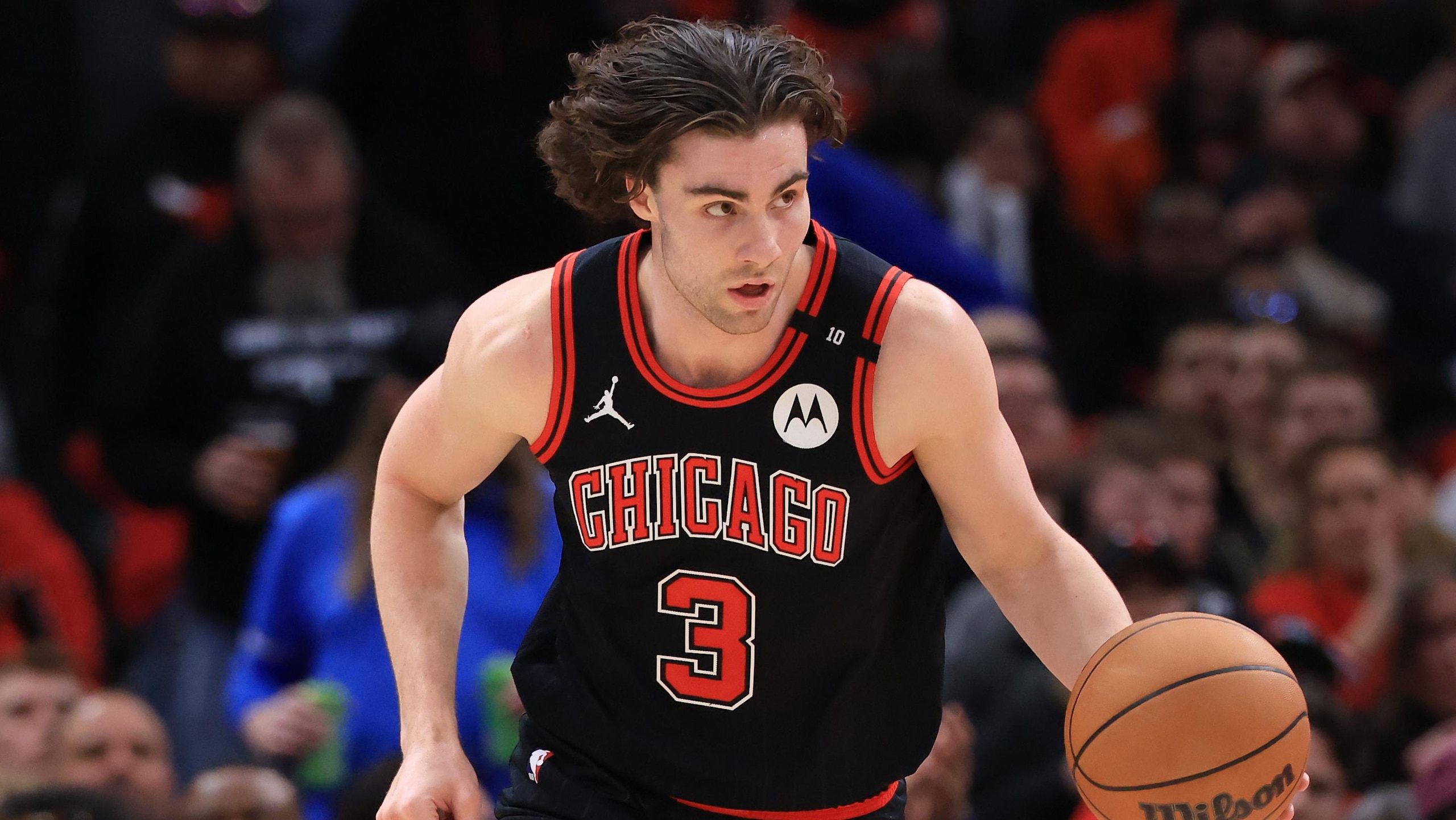
Restricted free agency has been more of a waiting game than ever this summer, and Chicago Bulls guard Josh Giddey is one of several examples.
After averaging 21.2 points, 10.7 rebounds and 9.3 assists in 19 games after the All-Star break, Giddey seemed poised to secure a massive deal from a Bulls team that had painted itself into a corner. Because Chicago got nothing else besides Giddey from the Oklahoma City Thunder for Alex Caruso, it couldn't possibly allow the 22-year-old to escape for nothing.
No offer sheets have come in, which means a worst-case scenario of Giddey leaving is probably off the table. Now, it's a matter of both sides landing on the right number of years and dollars. The Bulls have the leverage, as players in Giddey's position have little to bargain with. He could accept the one-year qualifying offer and explore unrestricted 2026 free agency, but that approach would carry injury risk and potentially put Giddey back on the market at lower value.
There's no certainty he can match last year's numbers, even if players entering their age-23 seasons are typically good bets to keep improving.
This'll drag on until both sides get tired of waiting, and the likeliest outcome is Giddey returning to the Bulls on a multi-year deal that pays him something in the neighborhood of $20 million per season.
Jonathan Kuminga, Restricted
2 of 10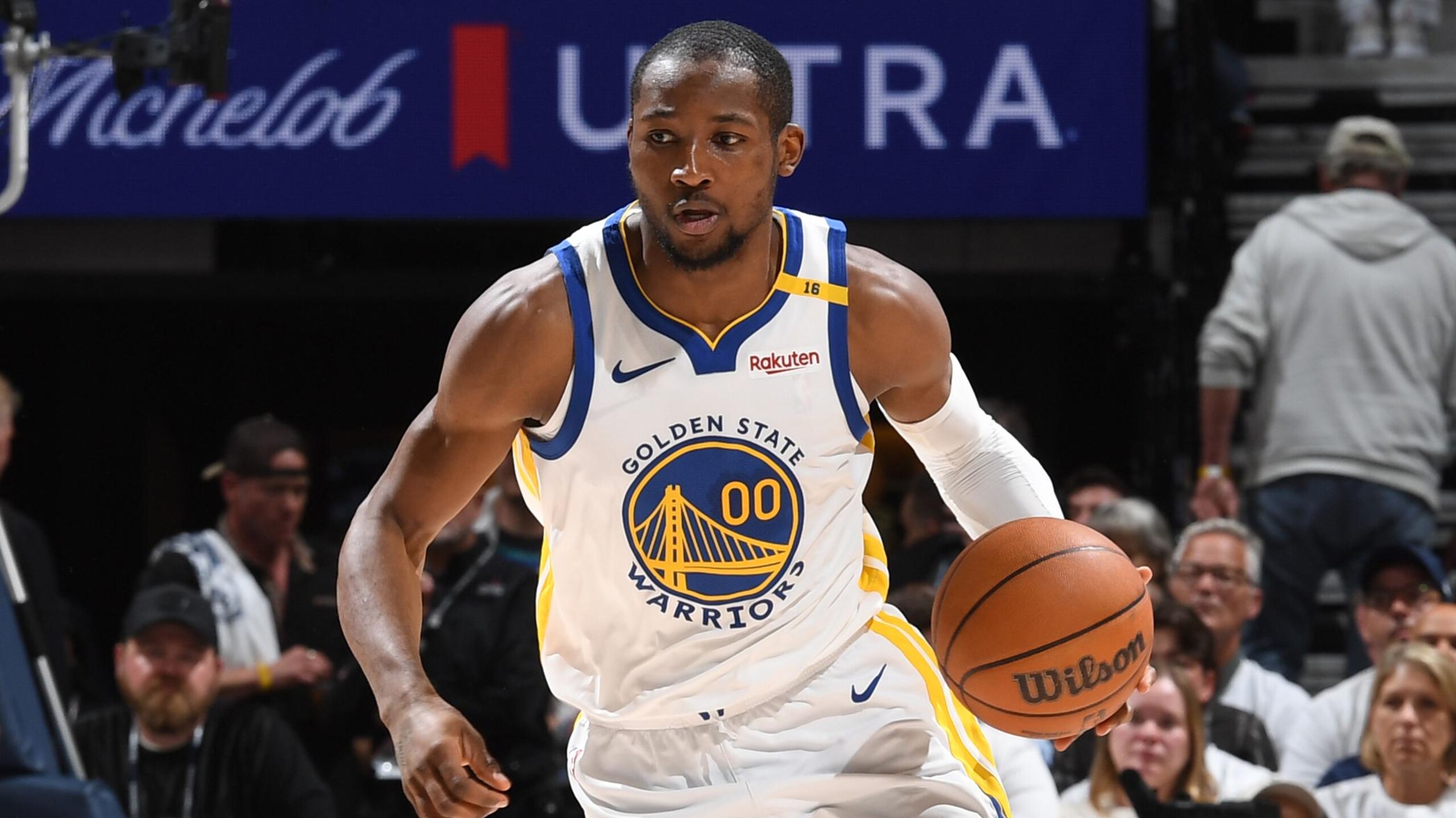
Like Giddey, Jonathan Kuminga is stuck waiting for a suitable offer from his incumbent team. Also like Giddey, Kuminga's leverage plays are scarce. In fact, his willingness to accept the Golden State Warriors' qualifying offer should be even lower. In Chicago, Giddey figures to start and put up numbers. Kuminga has learned over his four-year career that playing time in the Warriors' rotation is far from guaranteed.
If Kuminga were to play on the one-year QO and re-enter free agency, his physical talent and potential could still generate a market. But how robust could it be if he's coming off another sulky season marked by few starts and plenty of time on the bench?
The key hangup here is the discrepancy between the kind of player Kuminga thinks he is and the kind of player the Warriors need him to be. On-ball stardom is Kuminga's goal, and his spring-loaded forays into the lane sometimes make it seem like that's a possibility. Mostly, though, he blows defensive assignments, stops offensive flow and fails to do all the little things Golden State needs.
Another team with lower stakes and a less exacting coaching staff could put the ball in JK's hands and expect 20-plus points and loads of highlights every night. He averages 22.6 points, 6.8 rebounds and 3.3 assists per 36 minutes for his career.
Wins might not follow, which is the Warriors' concern, but maybe lottery-bound squads would care less about the bottom line.
Odds are, Kuminga will be back with Golden State on a two- or three-year deal that pays him somewhere around $25 million per season—terms that should make him tradable for positive value at the deadline.
Quentin Grimes, Restricted
3 of 10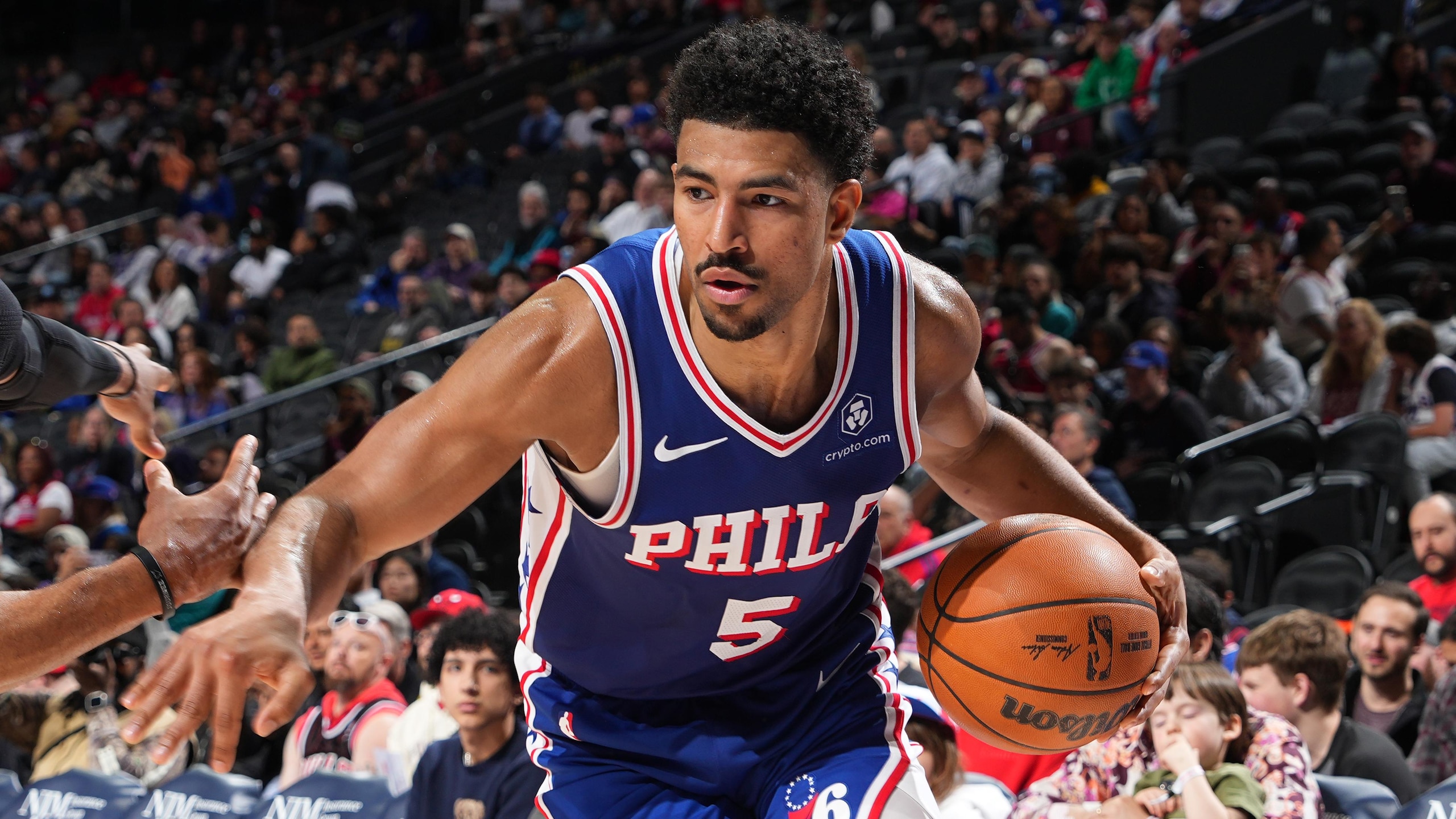
A stellar post-deadline run with the Philadelphia 76ers last year revealed Quentin Grimes to be much more than the three-point specialist who'd bounced between the Knicks, Pistons and Mavericks across his first three-and-a-half seasons.
Probably.
That's the tricky part with Grimes' restricted free agency. The shockingly self-sufficient on-ball scoring he flashed for 28 games with the Sixers came out of nowhere, and it's hard to trust its viability. Late-season explosions, particularly the kind that come on a tanking team against mostly checked-out opponents, are rarely legit. Then again, maybe Grimes, 24, simply looked like a different player because he was in a different role. If that's the case, his Philly averages of 21.9 points and 4.5 assists could be for real.
All the rest of the issues afflicting the other restricted free agents apply here. Nobody has money and/or a willingness to furnish an offer sheet, so the Sixers face no urgency to put forth a market-beating offer. Grimes is still a bit different than the rest of his cohort because the larger sample of his career seems so different than the smaller, more recent one with the 76ers.
Even if he's only the three-and-D option everyone once thought he was, Grimes is still a portable fringe starter—perhaps one with serious upside.



Cam Thomas, Restricted
4 of 10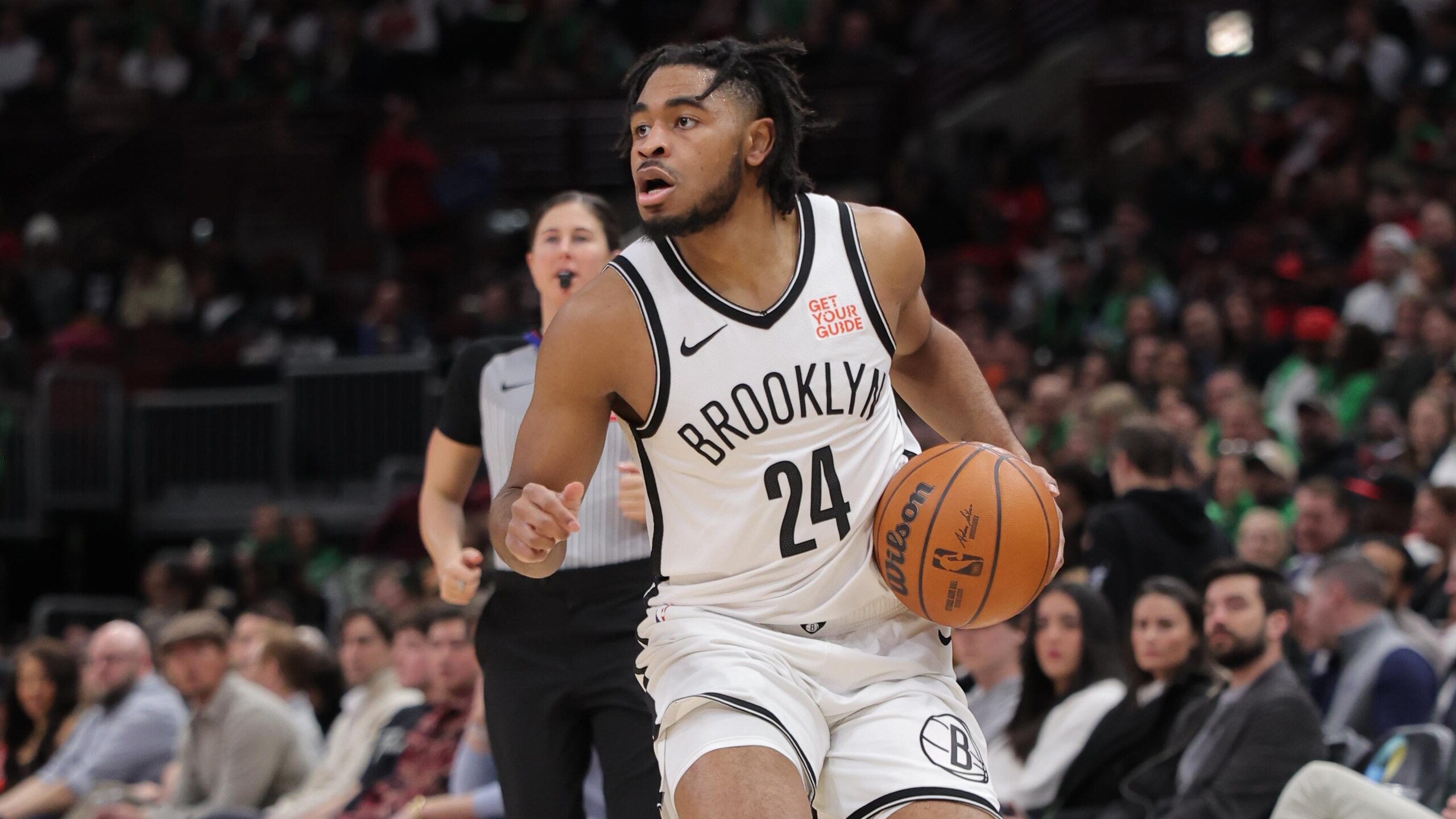
Cam Thomas will reliably juice any team's offense, but those buckets have historically come at a cost.
Last season, though shortened to just 25 games by injury, was Thomas' best from a production and on-off impact standpoint. He averaged 24.0 points in just 31.2 minutes per game, and his presence on the court coincided with an offensive boost of 9.2 points per 100 possessions above the Brooklyn Nets' full-season figure.
If the league believed those numbers reflected Thomas' true talent level, he'd already have a new deal.
That he's still without a contract offer suggests most teams view the give-and-take of his one-way game as a net-negative bargain. To that point, 2024-25 was the outlier. In each of Thomas' first three seasons, the Nets were worse with him on the floor than off.
Games are still won by the team that scores the most points. Thomas, for all his defensive indifference and limited passing, can absolutely fill it up. He may not fit on a team trying to win at the highest levels, but two-thirds of the league could use him as a bench gunner who takes over the game for five or six minutes at a stretch.
As long as he's paid like a sixth man and not a starter, Thomas can return real value.
Malcolm Brogdon, Unrestricted
5 of 10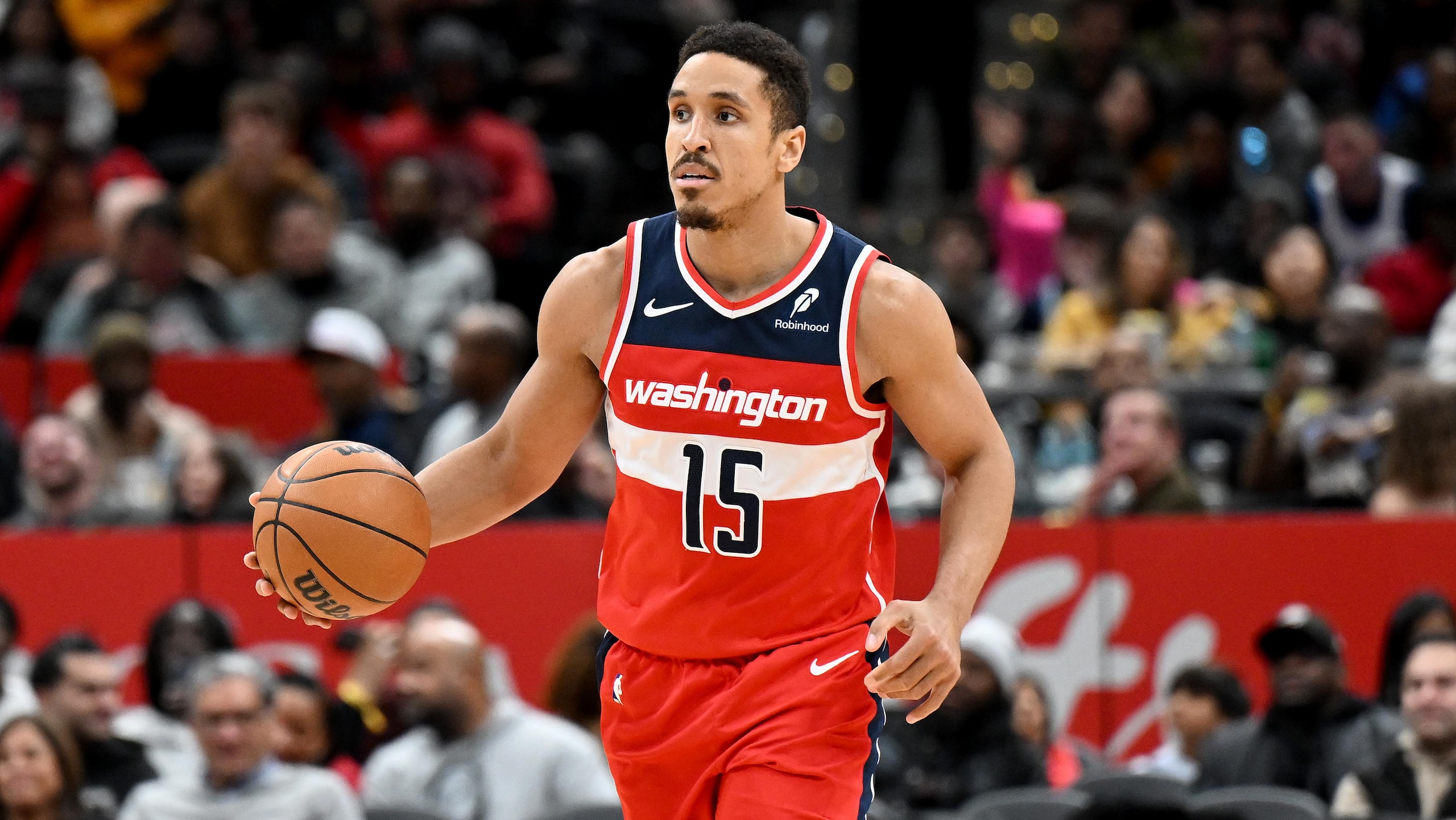
Malcolm Brogdon was the Rookie of the Year in 2016-17, the Sixth Man of the Year in 2022-23 and owns a career scoring average of 15.3 points per game on a 46.3/38.8/87.4 shooting split.
If not for an injury history that has limited him to an average of 48.5 games per season since he logged 75 appearances as a rookie, the 32-year-old guard would have found a landing spot a long time ago.
Brogdon is more game-manager than dynamic offensive leader, but he has enough off-ball value as a shooter to play either backcourt spot. A rugged 6'5", he can hold up against some wings. Most point guards are too quick for him to stick with in space.
Though he's firmly in the journeyman phase of his career, playing for four teams across the past four seasons, Brogdon offers some enticing consistency. His teams have been significantly better with him on the floor in three of the last four years. The lone exception came in his 6MOY season with the Celtics, when that squad's dominant starting unit made it virtually impossible for Brogdon to produce better success off the bench.
Health is a factor, but Brogdon will rate as an excellent third guard as long as he can stay off the trainer's table.
Al Horford, Unrestricted
6 of 10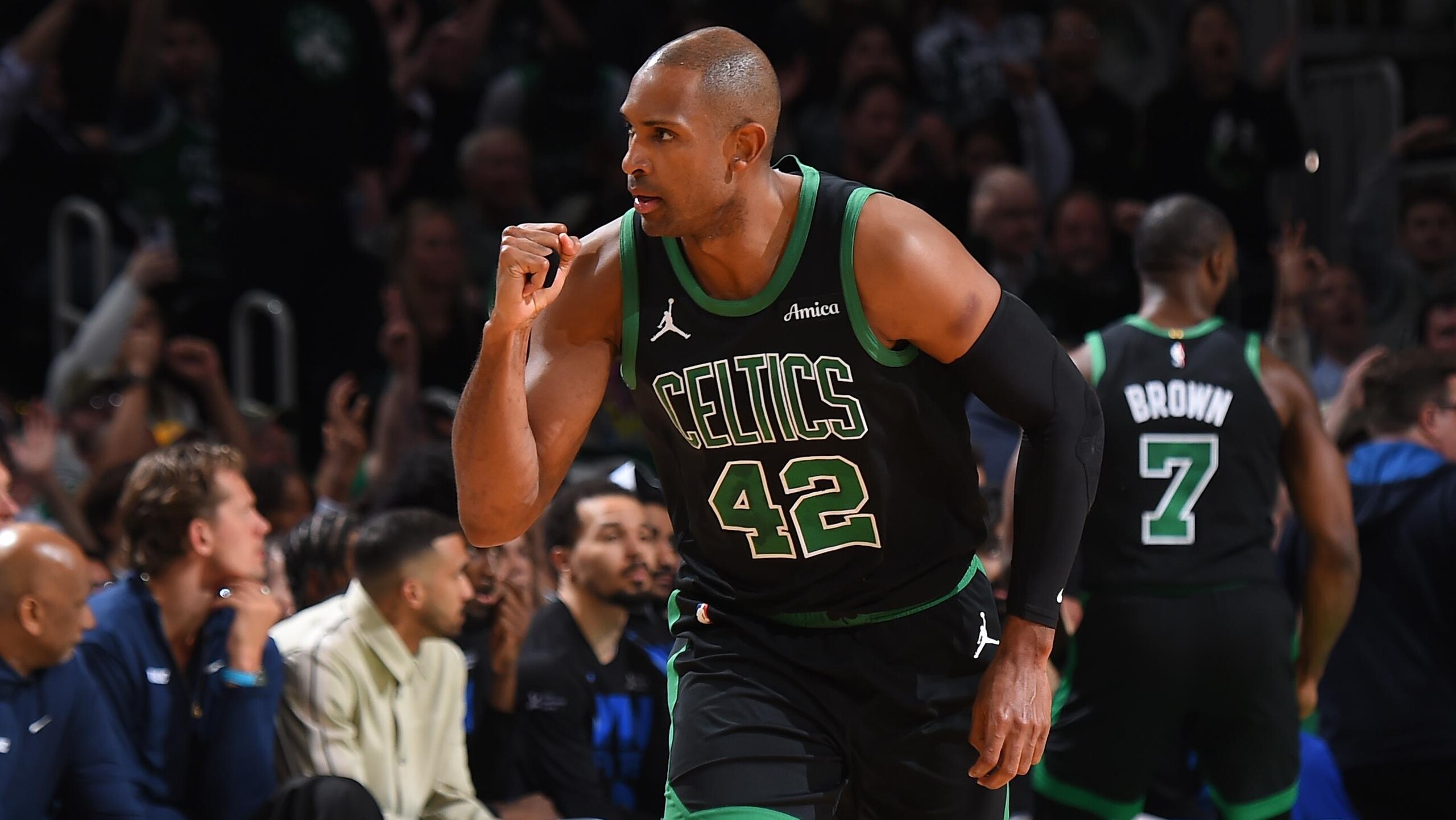
It may be unrealistic to expect Al Horford to log more than the 27.7 minutes per game he averaged in his 18th season, but the 39-year-old big man is still a positively impactful player on both ends.
The mid-career three-point shot he added remains reliable. Last season's 36.3 percent from deep was a three-year low, but even that hit rate would be more than acceptable to teams craving some stretch at the 5. Defensively, Horford still moves laterally better than he has any right to. Though not a shutdown switch defender, he's capable of holding up in space when required.
The Golden State Warriors are widely assumed to win the Horford Sweepstakes (insofar as that's a thing), and they're also in line to land another intriguing free agent in De'Anthony Melton. Kuminga's restricted free agency seems to be the only holdup to an official signing.
The Dubs' interest in Horford isn't hard to understand. They can offer him a starting gig, plus an environment that'll maximize his basketball IQ, defensive versatility and floor-spreading offensive gifts.
Those qualities would play anywhere, though, and teams with the tax-payer's mid-level exception should be poking around to see if they can snatch Horford away from Golden State.
Russell Westbrook, Unrestricted
7 of 10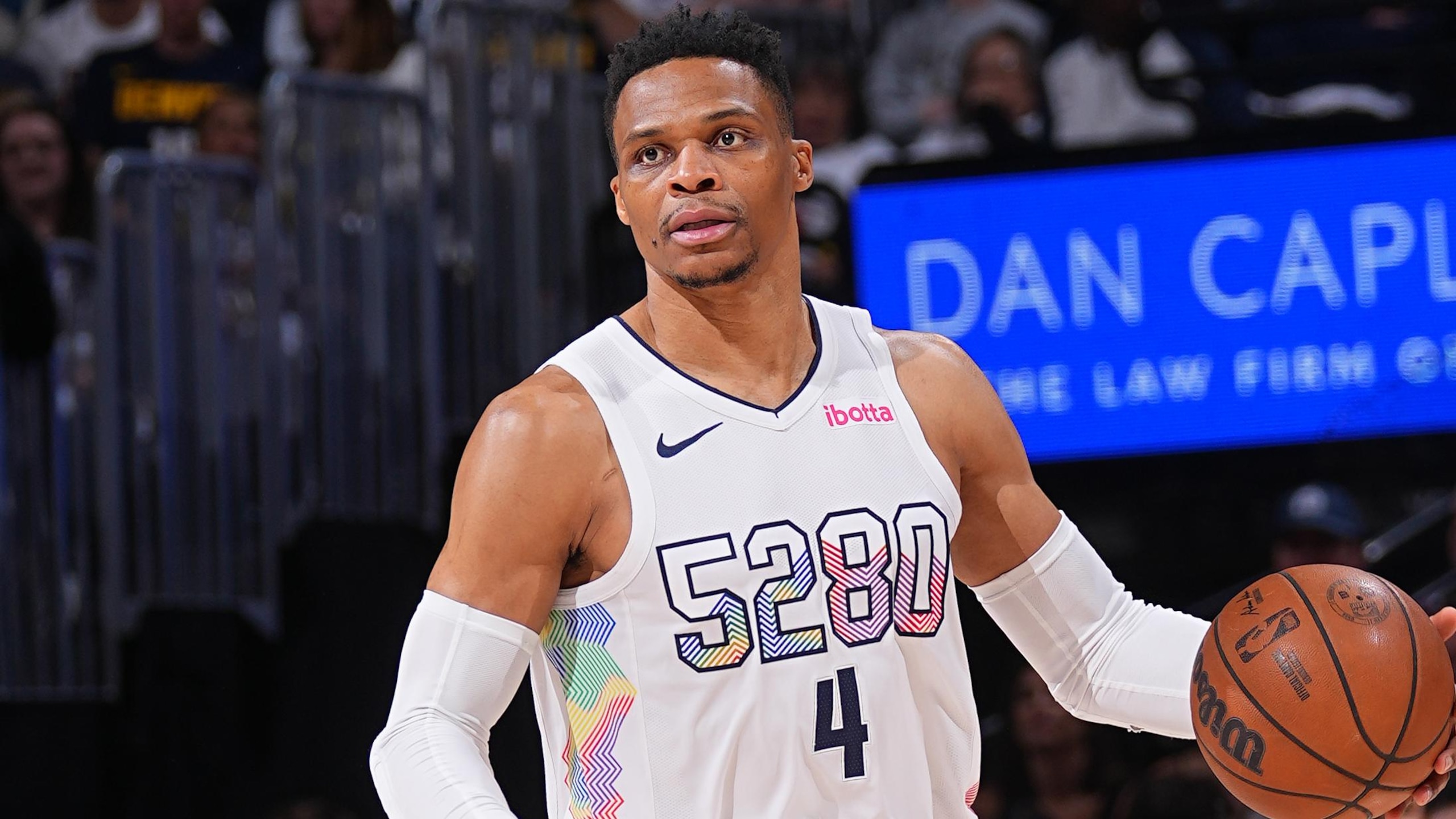
The days of near constant triple-doubles have been gone for a while now, but the good news is that Russell Westbrook has earned some acclaim for his transition to a bench role. He's ranked among the top 10 in Sixth Man of the year voting three times across the last five seasons, finishing seventh in 2023-24 and 2024-25.
Westbrook still tends to commandeer games when on the floor. His downhill aggression often crosses the line into "forcing it" territory, and his worst stretches can be indistinguishable from sabotage. Credit him for developing some off-ball cutting chemistry with Nikola Jokić last season, but make sure not to assume that element of Russ' game will persist if he's no longer playing with the best passer alive.
Teams willing to accept the lows can still benefit from the highs Westbrook provides. He's shown more willingness to impact games defensively the last couple of seasons, and it's mildly encouraging that he got his three-point accuracy up to 32.3 percent in 2024-25.
Anyone in need of a backup who can still occasionally overwhelm opponents with open-floor speed and a ruthlessly competitive edge could do a lot worse than taking a flyer on Westbrook ahead of his age-37 season.
Gary Payton II, Unrestricted
8 of 10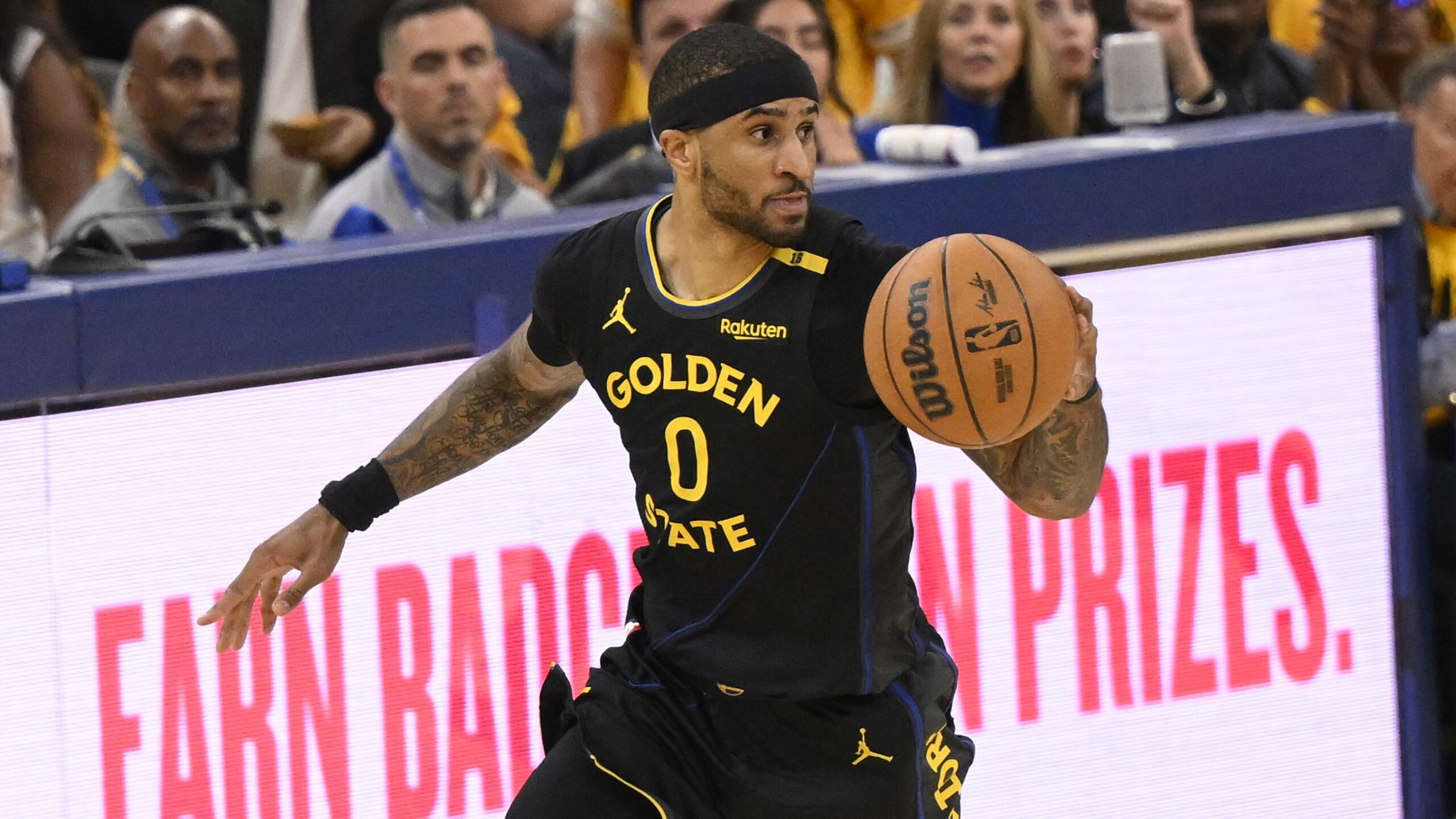
We're getting into the deeper cuts now. Gary Payton II is a hyper-efficient (on two-point shots, to be clear), low-usage offensive option whose elite defensive disruption can still legitimately wreck games. It's just that GPII toggles between "plus rotation weapon" and "unplayable", depending on whether his three-point shot is falling.
Payton shot 35.8 percent from deep in the Warriors' 2022 championship run, and he canned 36.4 percent of his triples in 2023-24. When his accuracy slipped to 32.6 percent last season, it was harder to justify keeping his defense on the floor. Smart opponents simply ignored him in the corners, paying attention only when he tried to sneak backdoor for lobs.
Essentially a power forward on offense, the 6'2" Payton can be counted on for preposterous steal and block rates, plus dominant rebounding for his position. He's routinely among the league leaders in deflections and hasn't posted a steal rate below the 90th percentile since he started seeing regular action in 2019-20.
Fit will be an issue. Not every team has the extra shooting and playmaking necessary to give Payton significant minutes. But in the right spot, the 32-year-old can offer borderline elite defense, unselfishness and difference-making rebounding—all of which has contributed to postseason success in the recent past.
Amir Coffey, Unrestricted
9 of 10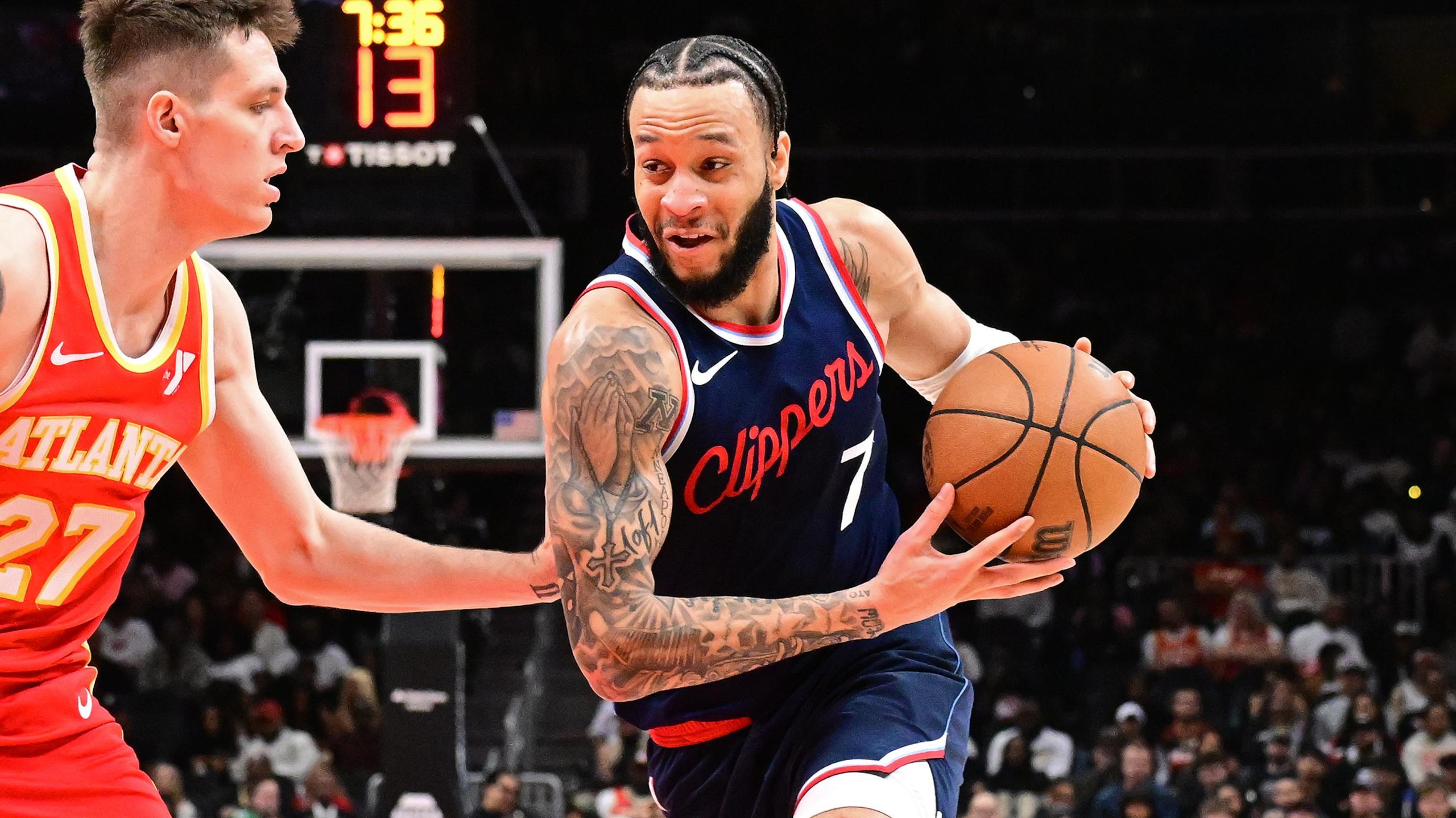
It's not easy to get past the jarring on-off numbers that show Amir Coffey to have a hugely negative impact on team success. He posted a positive net rating just once, a plus-2.0 in 2021-22, across six seasons with the LA Clippers. In four of those years, Coffey's minutes sunk LA's net rating by over 10.0 points per 100 possessions.
A sample that large cannot be dismissed as noise.
Get past those bottom-line figures, and you can still see Coffey's appeal. Two-way threats with real combo-forward size are hard to find, and Coffey has a credible defender's frame at 6'8". He also shoots 38.4 percent from deep for his career.
Coffey is better than most at his position as a foul-drawer, and he rarely turns the ball over. Those are qualities plenty of teams could use in a seventh or eighth man. If they also come with the 40.9 percent three-point clip Coffey posted in 72 games last season, he'll substantially outperform the minimum salary he's likely to land in free agency.
Chris Boucher, Unrestricted
10 of 10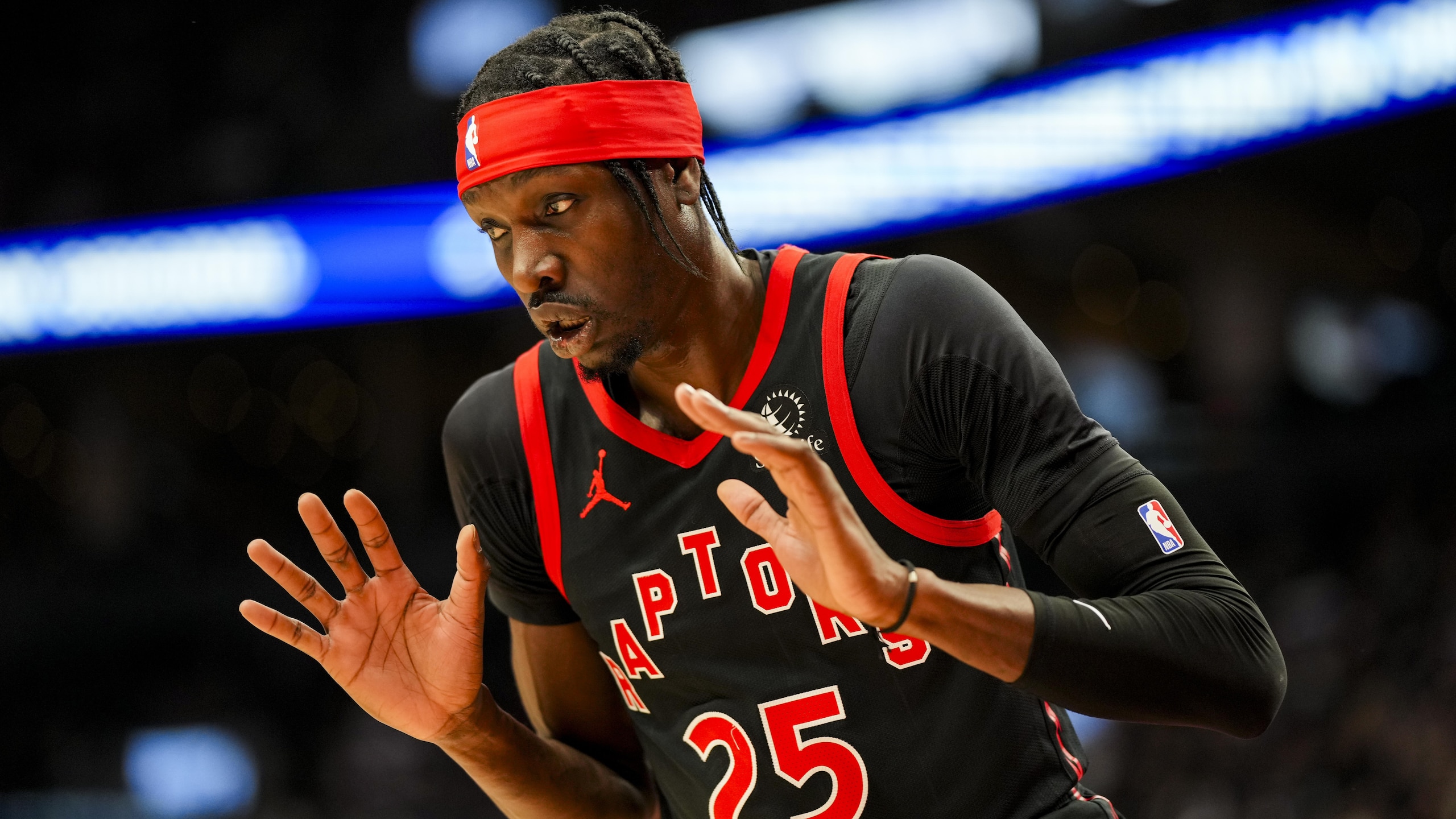
Break out the Ginsu knives because it's time for some thin-slicing in service of Chris Boucher's free-agent appeal.
Ok, ready? Among players who've logged at least as many minutes as Boucher since he entered the league in 2017-18 (7,200 to be exact), only Kristaps Porzingis, Brook Lopez and Jaren Jackson Jr. match or beat his averages of 1.9 blocks and 1.9 made triples per 36 minutes.
Framed in a less cherry-picked manner, Boucher is among the game's very rarest commodities: a floor-stretching, shot-blocking big man.
No, Boucher isn't on the same overall level as the other three players in this recently concocted club. He lacks the heft to consistently hold up against bulky opponents, and he can't really do anything with the ball besides shoot it. But the swat-and-switch profile is still valuable around the league, and Boucher is the only available example of that player type.
You'll never start him, and you probably can't expect more than 15 minutes per game. But as a change-of-pace element who can unlock five-out offensive looks without totally sacrificing rim-protection, Boucher is a sneakily useful rotation option.


.jpg?w=2560 "Jonathan Taylor Landing Spots 📍")



