
Winners and Losers from Celtics', Hawks' and Nets' 3-Team Kristaps Porziņģis Trade

In what's shaping up to be one of the wildest NBA offseasons we've ever seen, the Boston Celtics have opened up a fire sale to duck the second apron and a legitimate fortune in luxury tax payments.
After shaving a bit off their payroll with Monday's Jrue Holiday trade, Boston agreed to a three-teamer that unloaded Kristaps Porziņģis on Tuesday.
ESPN's Shams Charania broke the news and the details.
The biggest winners and losers from all sides of the deal can be found below.
Winner: Atlanta Hawks
1 of 5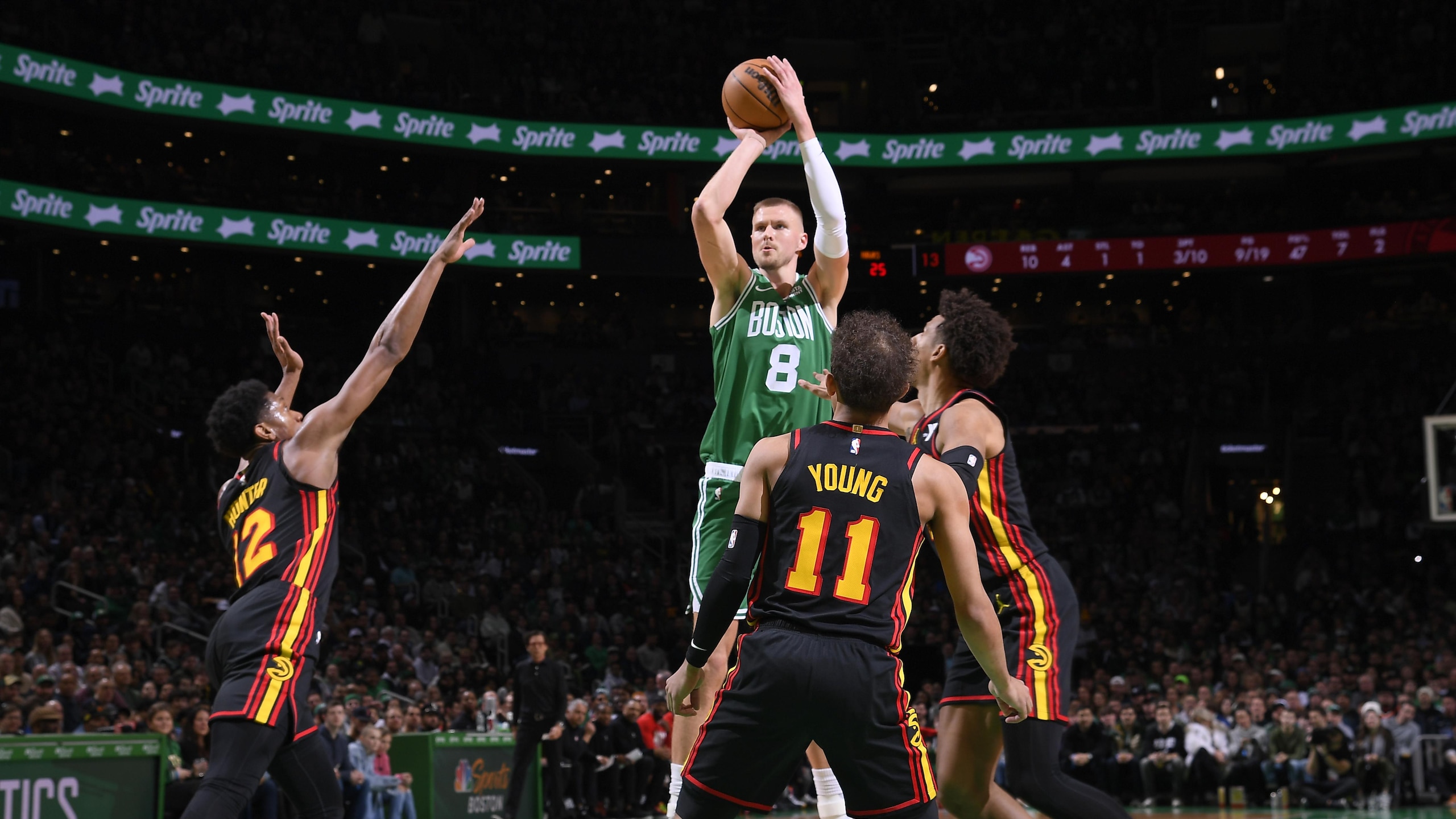
The moment Jayson Tatum went down with a ruptured Achilles in the playoffs, moves like this and the Holiday deal felt inevitable.
There was almost no way to justify having the most expensive roster in the league without Tatum, the team's best player, available to lead it to title contention.
So, teams like the Atlanta Hawks (and Brooklyn Nets) were able to swoop in and take advantage of this unique situation and get helpful players (or picks) without having to give much up.
Atlanta gave up one first-rounder that's outside the lottery and two players (Terance Mann and Georges Niang) who wouldn't be guaranteed lottery spots on several teams for a starting big who, if healthy, can make the Hawks a significantly more dangerous team.
Of course, with Porziņģis, that caveat is a big one. Injuries (and more recently, illnesses), have severely limited his availability throughout his career.
But over the last seven years, Porziņģis has averaged 21.0 points, 8.0 rebounds, 2.1 threes and 1.8 blocks, while shooting 37.1 percent from deep.
His range (which extends way beyond the three-point line) can space the floor for Trae Young's forays to the paint in a way he's never really experienced. Five-out sets with those two, Jalen Johnson, Zaccharie Risacher and Dyson Daniels could be a nightmare to defend.
And on the other end, though he's not the volume shot-blocker he once was, Porziņģis still has solid instincts as a rim protector and can take up tons of space.
The Hawks almost certainly got significantly better today.
Losers: Terance Mann and Georges Niang
2 of 5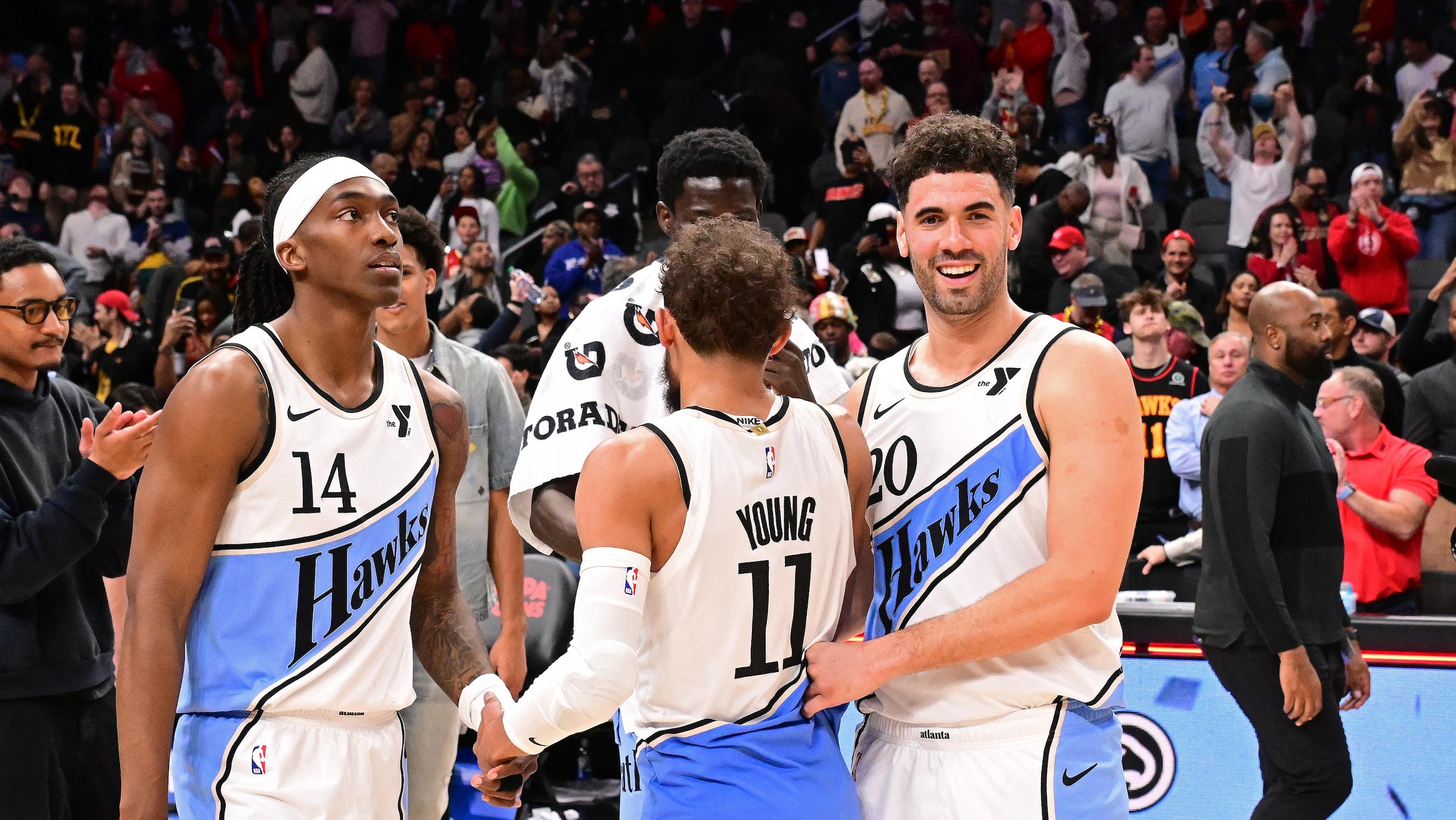
They weren't there long, but Mann and Niang had carved out solid roles for themselves with the Hawks.
The former averaged 9.8 points in just 22.7 minutes off the bench for Atlanta. The latter was even better, putting up 12.1 points and 2.7 threes in 23.0 minutes, while shooting 41.3 percent from deep.
Now, instead of being able to continue acclimating to their new roles and life with the Hawks, both are headed to teams in transitional phases. Brooklyn and even Boston may now have trickier paths to the playoffs than Atlanta.
The first half of the season for Mann and Niang might be auditions to get sent elsewhere prior to the deadline.
Winner: Brooklyn Nets
3 of 5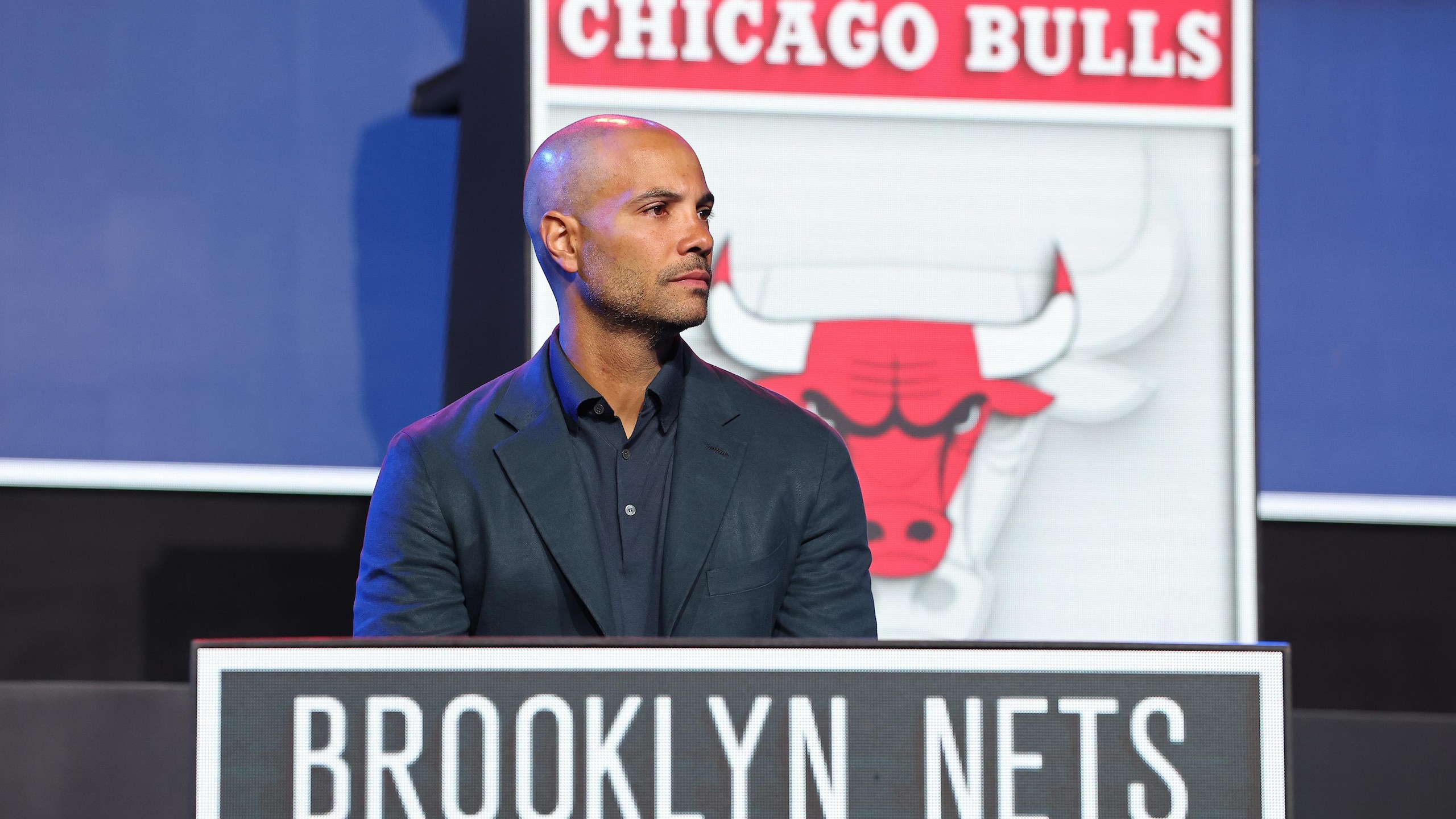
Because Boston's primary motivation in this trade was to get under the second apron (which it did, but we'll hit on that later), Brooklyn took the opportunity to acquire some of the salary the Celtics didn't want (Mann) and got a first-round pick for its troubles.
The Nets, remarkably, now have five first-round picks in Wednesday's draft (Nos. 8, 19, 22, 26 and 27). They could, of course, simply make those picks and hope for just one or two to hit. They have the roster spots to absorb them.
Or, they could steer more aggressively into their rebuild and package some of those picks with a veteran like Nicolas Claxton or Cameron Johnson to move up on Wednesday.
Having this much draft capital, at the very least, gives Brooklyn options it didn't have before.

Loser: This Collective Bargaining Agreement
4 of 5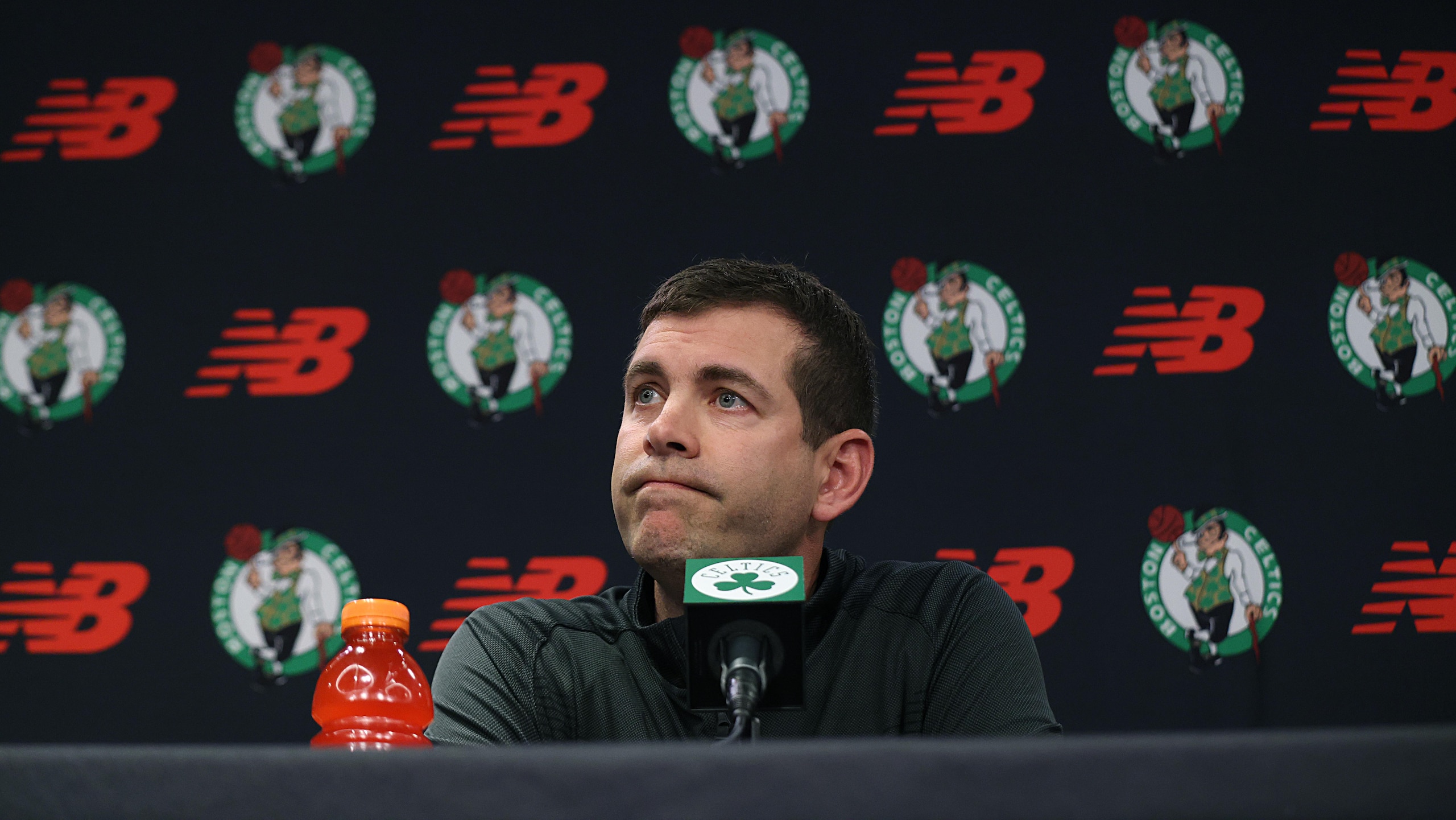
With each passing year under this new collective bargaining agreement, it gets harder and harder to understand how the players signed off on the second-apron penalties.
If you're over that line, as Boston was, you're essentially done trying to improve your roster. You can't take in more money than you're sending out in trades. You can't aggregate outgoing salaries in trades. You don't get the taxpayer's mid-level exception. The number of first-round picks you can trade is limited. And if you're there too long (three out of any five years), your upcoming first-rounder is automatically bumped to the end of that round.
Whether this was the intended outcome or not, this CBA essentially punishes teams that aggressively pursue championships.
Boston could justify being there after winning the title in 2024, but Tatum's injury made it completely untenable. Now, a team that looked like it would be a perennial contender for the rest of the 2020s has to blow the roster up.
Parity (the ostensible goal of the CBA) is good, but the league may have tipped the scales a bit too far.
Winner (and Loser): Boston Celtics
5 of 5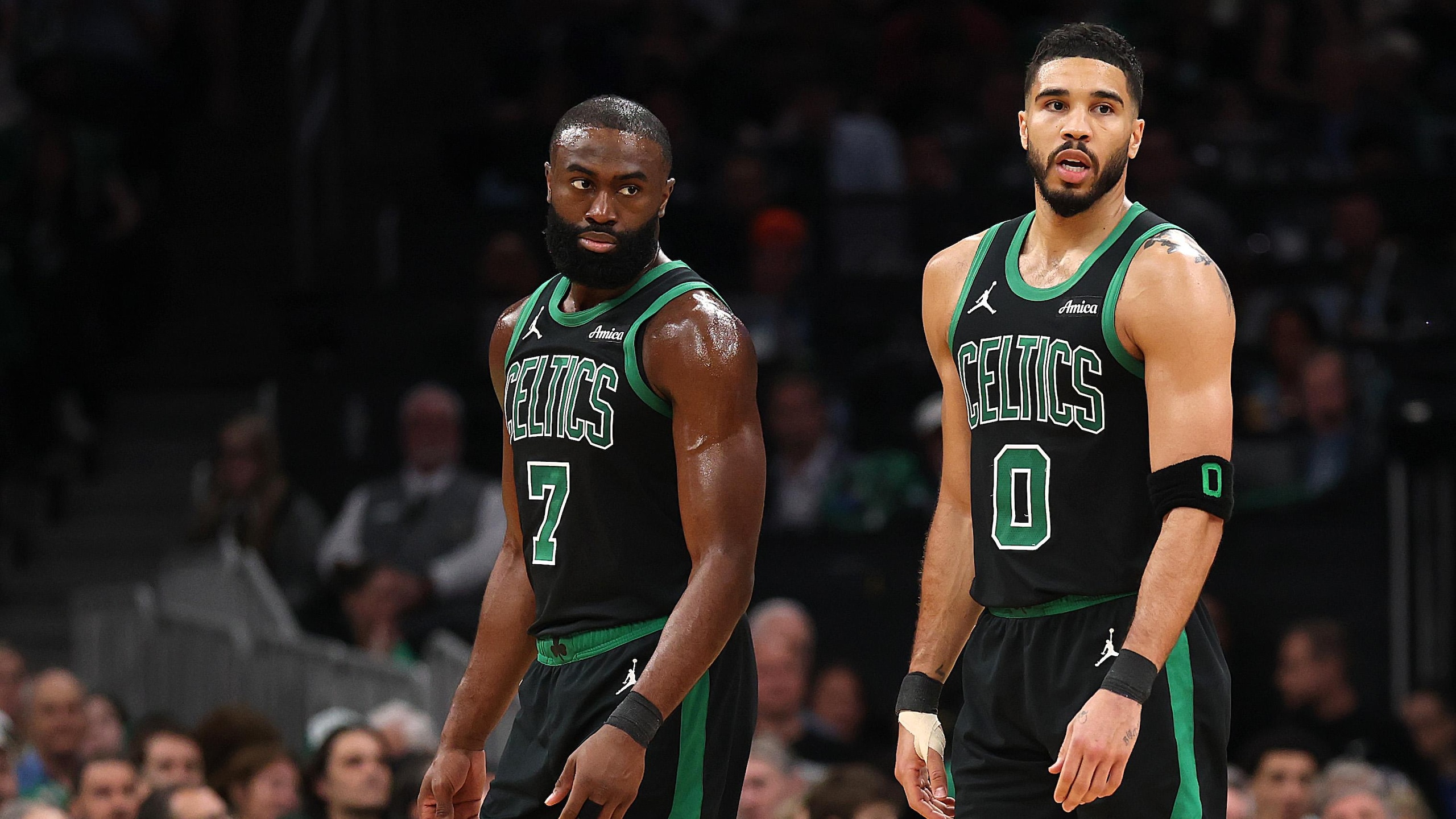
The Celtics were absolutely loaded in 2023-24 and 2024-25. They could play big or small, had tons of switchable, versatile defense, had a consistent 20-point-per-game scorer in Jaylen Brown and had a perennial First Team All-NBA selection in Jayson Tatum.
Regardless of who you root for, it's objectively terrible that one unfortunate plant of Tatum's foot instantly torpedoed that group and its chances for multiple titles.
Of course, Tatum could return to full strength at some future date and be the centerpiece of another contender, but this specific team is now history.
The Celtics and their fans aren't just "losing" on that front. Basketball is.
But a colder, more calculated view of this deal makes it pretty easy to classify Boston as a winner, too.
Their immediate objective was to shed enough salary to get under that second apron. This, in combination with Monday's Holiday trade, achieved that objective.
And in addition to dodging the drastic penalties they previously faced, these two moves saved Boston $180 million in luxury tax payments.
The 2025-26 season could be painful, but this front office is doing exactly what it needs to to pare down and retool for Tatum's presumed return in 2026-27.


.jpg?w=2560 "Hunter's Wife Calls Out Sharpe")


.jpg?w=2560 "Peyton Linked to Colts GM Job")