
Why Money in the Bank Has Surpassed Survivor Series on WWE Hierarchy of PLEs
WWE returns to Los Angeles and the Intuit Dome Saturday night for its annual Money in the Bank premium live event, a show born of a wildly popular specialty match and one of the most eagerly anticipated on the calendar.
So much so that it has surpassed the second-longest running PLE produced by WWE, Survivor Series, in terms of importance and popularity.
How and why is the ladder match-based event a bigger deal than the pay-per-view that has been a staple of the schedule since its introduction in 1987?
.jpg?w=2560)
The answer lies in its meaning.
Higher Stakes
Survivor Series began nearly four decades ago as another opportunity for Vince McMahon and his company to capitalize on the unprecedented success of WrestleMania III and the ongoing rivalry between Hulk Hogan and Andre the Giant.
A show in which "teams of five strive to survive," it was a novel concept that gave the audience what it wanted and the company an opportunity to advance its top storyline, all while adding another PPV to the schedule.
In the years that followed, there were monumental moments (Montreal, anyone?), title changes and a banger or two along the way.
However, there were often also inconsequential multi-man tag matches meant to keep the gimmick alive or brand warfare between Raw and SmackDown that rang hollow and meant nothing to ongoing feuds and stories.
In 2005, a new contest came along, a multi-man ladder match in which the winner would be granted a championship opportunity whenever and wherever the victor saw fit. It was an instant success, thanks to the execution of the initial cash-in by Edge at New Year's Revolution in 2006. And within four years, the stipulation had its own PLE.
The high stakes of it all, mixed with the creativity of the spots in the ladder matches, and the eventual inclusion of a women's version of the contest, only served to popularize the show.
The matches had meaning in a way that the traditional Survivor Series bouts did not. And even as the November event evolved to include WarGames, there were some forms of that popular gimmick match that existed to do just that: exist.
Money in the Bank has been a gateway to stardom for wrestlers stuck in the middle, an opportunity to rejuvenate their careers and give them that little push they needed to get over the top and claim the championship that had eluded them. It has also been a star vehicle for young competitors looking to take the next step.
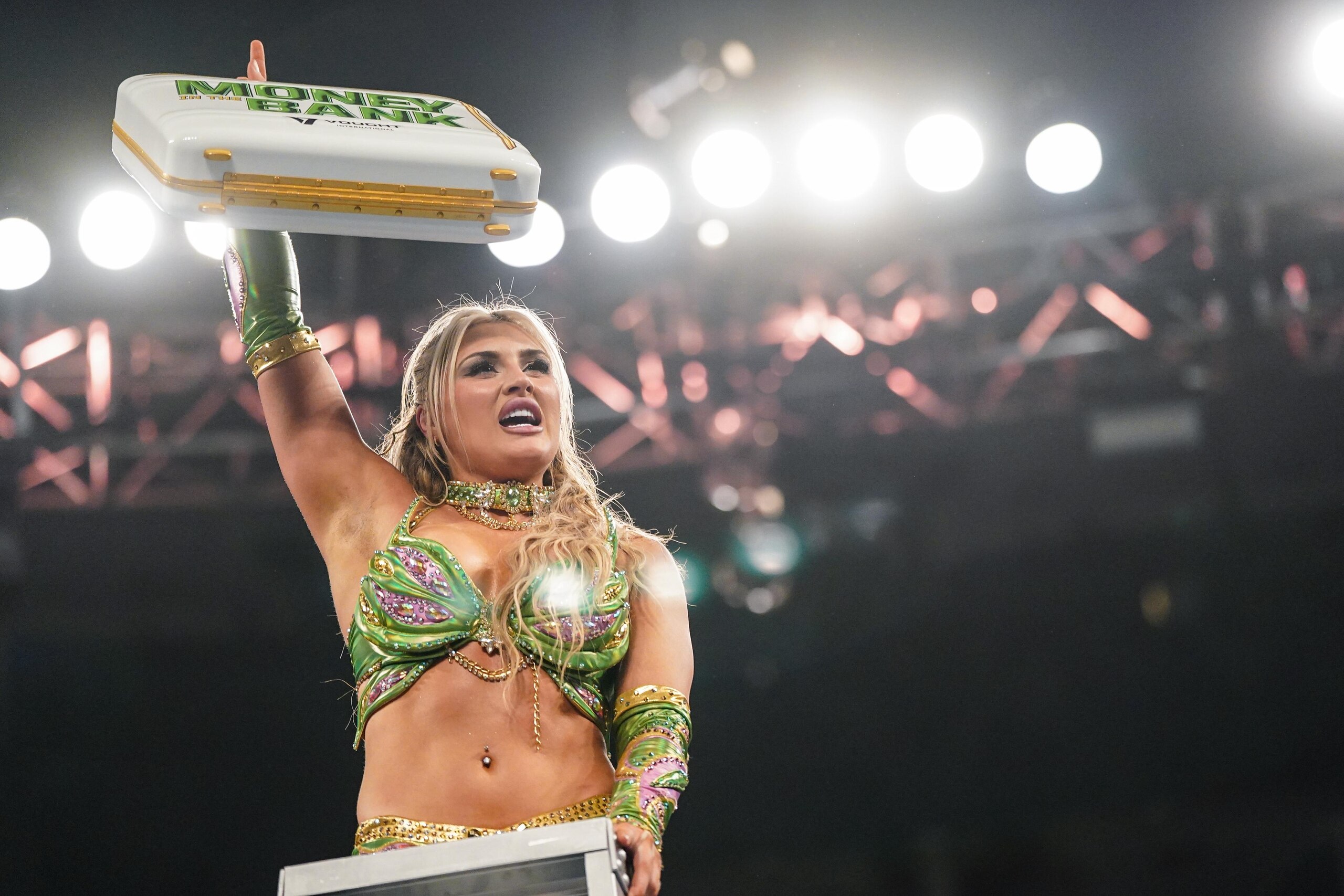
Look no further than Liv Morgan and Tiffany Stratton, both of whom were launched into the stratosphere after winning their respective matches in 2022 and 2024.
The show is more momentous and meaningful to ongoing stories and stars, and depending on who raises the coveted briefcase at the end of the matches, gives fans a sense of hope that change could be coming to the product, which is something Survivor Series rarely, if ever, achieved.
It also gives WWE another signature show to build an entire weekend around.
It Is A Destination
Money in the Bank has become one of the shows that fans will travel long distances to see, if only because the winner of the men's and women's matches, and their potential cash-ins, are must-see moments.
WWE has capitalized and built entire weekends around the show, including the 2025 event.
Not only is the company taking over Los Angeles this weekend, but it is also introducing its take on the newly acquired AAA just hours before at Worlds Collide, something it believes it can do because of the interest in Money in the Bank and the volume of fans who will be in the area.
While Survivor Series is still a big deal from that standpoint, with media and special events in and around the host city, the popularity of Money in the Bank and the ascension of that show past the annual Thanksgiving week tradition has made the show a destination for fans and will continue to as long as it remains unpredictable, fun, awe-inspiring and a showcase for creativity.
And the jaw-dropping, high-risk spots.

.jpg?w=2560 "NFL investigating 2 referees for separate viral exchanges")

.jpg?w=2560 "Report: Chiefs Contact Hill's Agent")
.jpg?w=2560 "OBJ Calls Out Giants After Release")
.jpg?w=2560 "Tyreek makes another cryptic post amid Chiefs rumors")