
The All-Time UEFA Champions League Starting XI Ahead of 2025 UCL Final
With the 2025 UEFA Champions League final just days away, what better time to look at the competition’s 33-year history and assemble an all-time best XI?
Given the enormous number of talented players who have participated in the competition over the years, compiling the first team was a little simpler than you might expect. To even qualify for consideration, you had to be at the very least among the all-time greats at your position and appear in multiple UCL finals.
The process was admittedly subjective, starting with the obvious inclusions, and then rounding out the squad with consideration toward at least a loosely realistic formation. Overall player quality was just a baseline, with UCL individual and team performances carrying the majority of the weight.
The result is an attack-minded 4-4-1-1 (that might perform like a 4-2-4 at times). And yes, it’s heavy on Real Madrid and FC Barcelona players. But those clubs have combined to win an astounding 13 UCL titles since the format began in 1992-93. So deal with it.
Here’s our all-time UEFA Champions League Best XI.
Manuel Neuer, Goalkeeper
1 of 11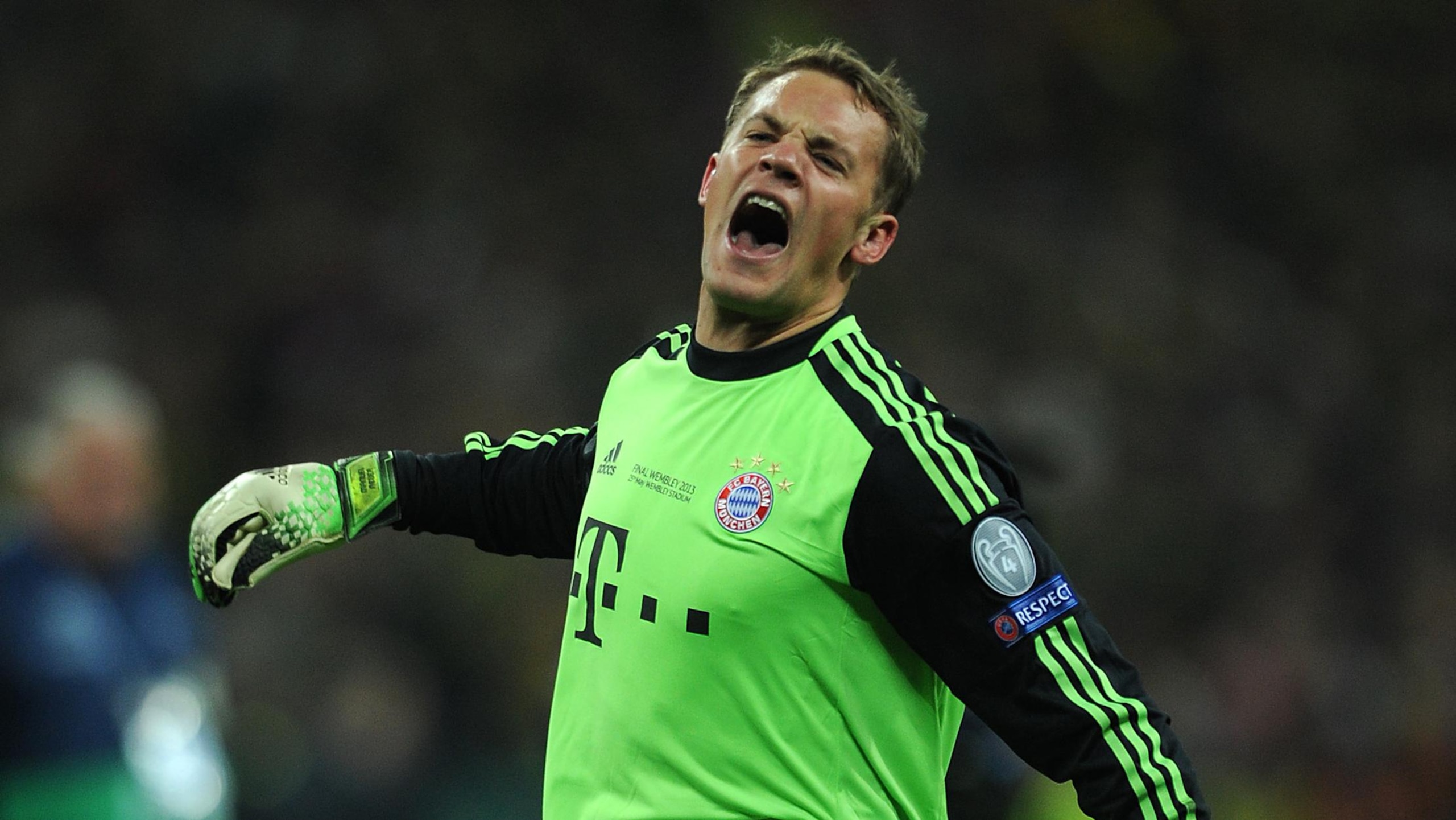
Signature UCL Moment: Making eight saves in Bayern Munich’s 2-1 win over Borussia Dortmund in the 2013 final.
This was a two-way choice between Manuel Neuer and Real Madrid legend Iker Casillas, who is also the all-time leader in UCL appearances among goalkeepers with 177. But Neuer gets the edge here because of the more frequent elite-caliber performances, including in his two final victories.
In 2013, Neuer made eight stops for Bayern Munich and conceded only from the penalty spot in a 2-1 win over Bundesliga rivals Borussia Dortmund at Wembley Stadium.
Seven years later, behind closed doors during the pandemic, Neuer had a more comfortable day for Bayern in a 1-0 victory over Paris-St. Germain.
Neuer’s career UCL goals-against average of 0.92 and total of 60 clean sheets are also well better than Casillas’, as is his 40 percent clean-sheet rate.
Casillas owns the head-to-head record with three wins and two defeats. He also had Cristiano Ronaldo as his teammate for all of those matches, and Neuer didn’t.
Dani Alves, Right Back
2 of 11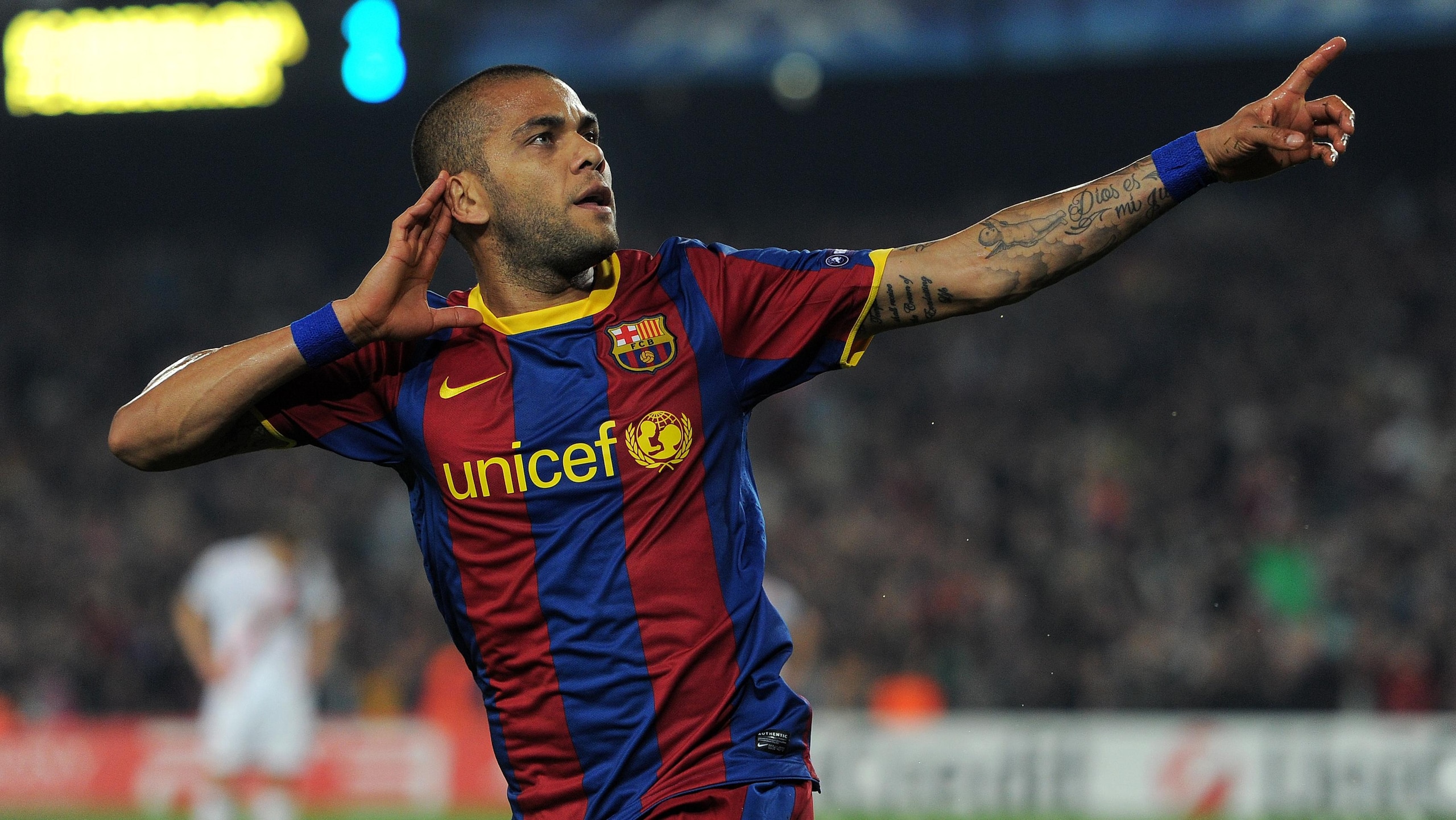
Signature UCL Moment: Winning the 2011 final with Barcelona after being suspended for the 2009 decider.
This was one of the tougher decisions, with Cafu, Philip Lahm and Gary Neville also getting consideration.
Dani Alves won out in part because he combined more than 100 appearances and three titles (each with Barcelona), and in part because of his ability to leave a memorable impression from his play.
That latter quality didn’t always work out in his favor—the fiery Brazilian served a disciplinary suspension for the 2009 final of his first UCL triumph—but when his tenacity was harnessed for good, there was no one on earth like him at the position.
A true two-way threat, Alves completed his UCL career with 12 goals and 23 assists across 111 total games. The latter marked a rate of 0.21 assists per 90 minutes played, an elite number from pretty much anywhere on the pitch, let alone in the back four or back five.
Although he made his name with Barca, Alves’ most recent UCL appearances came in 2018-19 with Paris-St. Germain.
Sergio Ramos, Center Back
3 of 11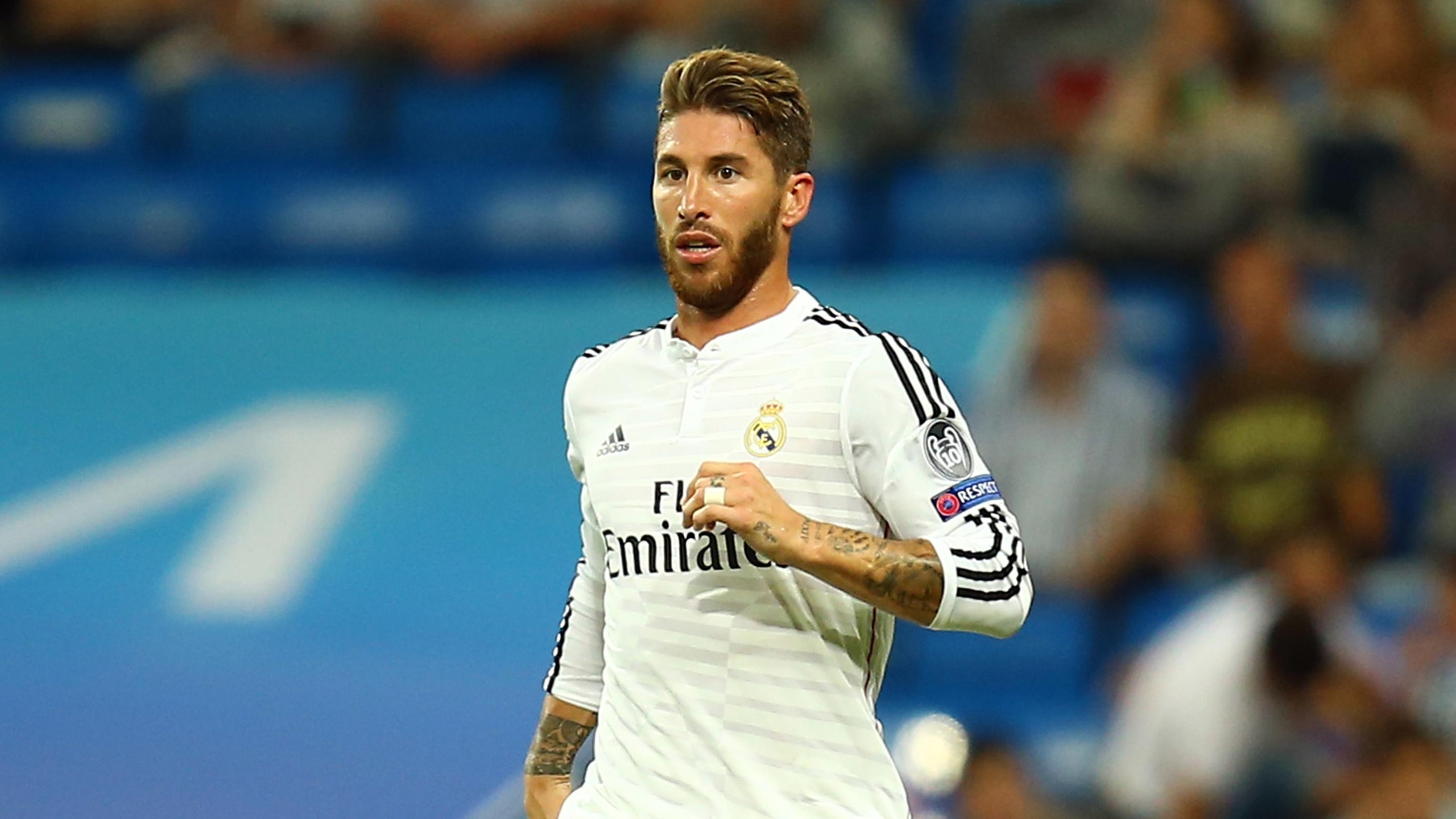
Signature UCL Moment: Scoring an aerial brace against Bayern Munich in the 2014 semi-finals.
Sergio Ramos was the back-line organizer and leader of arguably the greatest generation of UEFA Champions League talent ever assembled, and thus a relatively simple selection for one of two center-back spots.
A four-time UCL champion with Real Madrid, Ramos’ most memorable moment came during the semi-finals of his first title campaign. With Madrid taking a 1-0 lead to Bayern Munich for Leg 2, Ramos powered two headers past Manuel Neuer in the 16th and 20th minutes to set off an unlikely 4-0 away rout.
But just as important in that title run was his side’s defensive stability, conceding only five goals during seven knockout-stage matches and keeping three clean sheets.
Ramos’ time with Real came to an end following their famous run of three successive UCL wins, but he contributed to later UCL campaigns with Paris St. Germain and Sevilla. He’s still playing in Liga MX with CF Monterrey, who are sort of the Real Madrid of North America with five CONCACAF Champions Cup titles since 2010.
.jpg?w=2560 "Titans Giants Football")
Paolo Maldini, Center Back
4 of 11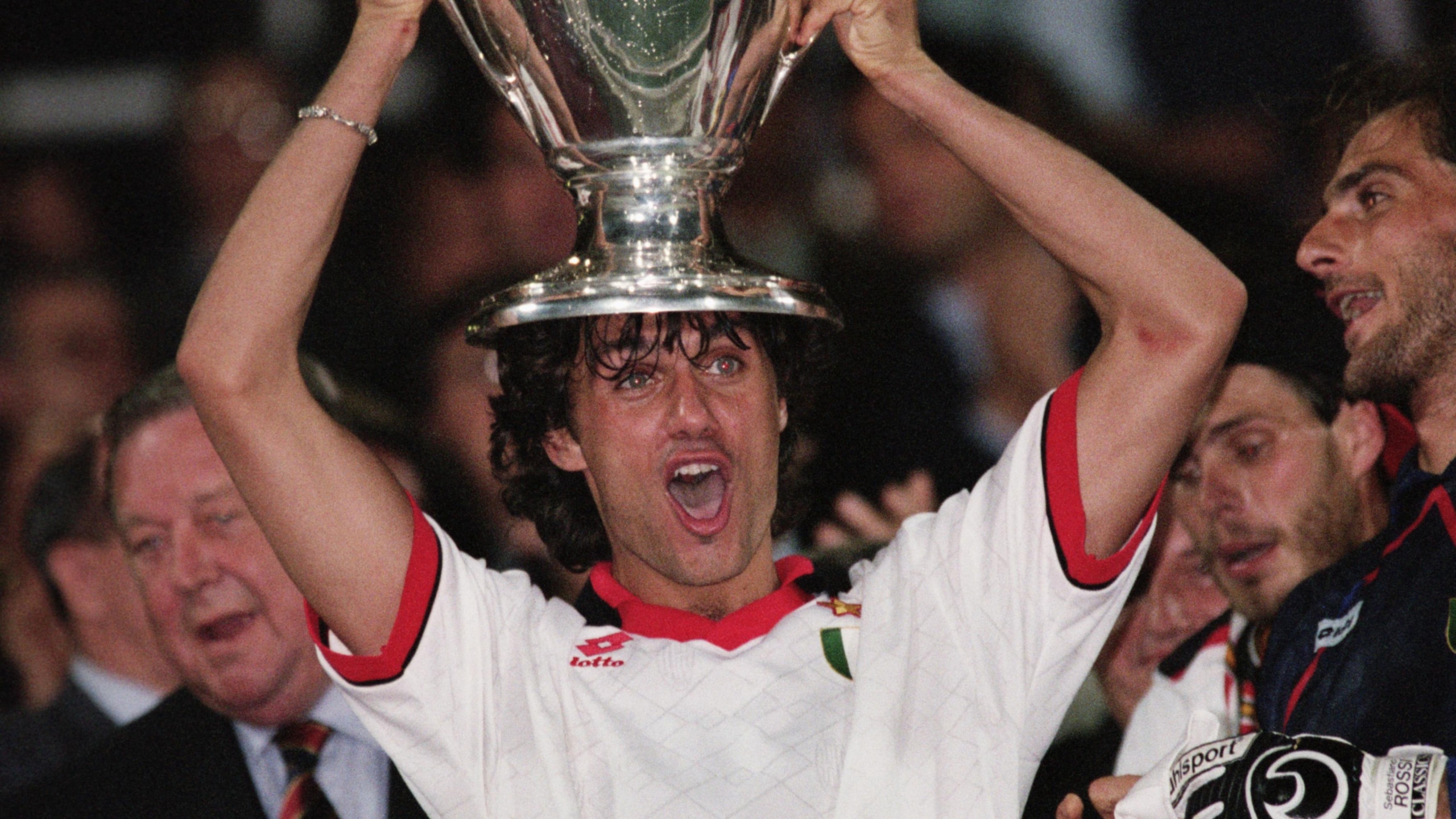
Signature UCL Moment: Anchoring AC Milan's back line during a dominant 4-0 win over favored FC Barcelona in the 1994 final.
Considered in the conversation of greatest defenders of all time, Paolo Maldini won the Champions League three times with AC Milan across an astounding 14-year span. And that came after he had already captured the European Cup title twice in the years before the format change that began in 1991-92.
Maldini played at left back earlier in his career, but in 1994 he stepped into the center-back role for the suspended Franco Baresi and helped lead one of the biggest final upsets of all time.
It wasn’t that Milan won so much as how they won, hammering a Barcelona “Dream Team” that included Romario, Hristo Stoichkov and Pep Guardiola.
In 2007, Maldini was in the same starting center-back role again when, at age 38, he became the oldest team captain ever to lift the UCL trophy following a 2-1 win over Liverpool in the final.
Roberto Carlos, Left Back
5 of 11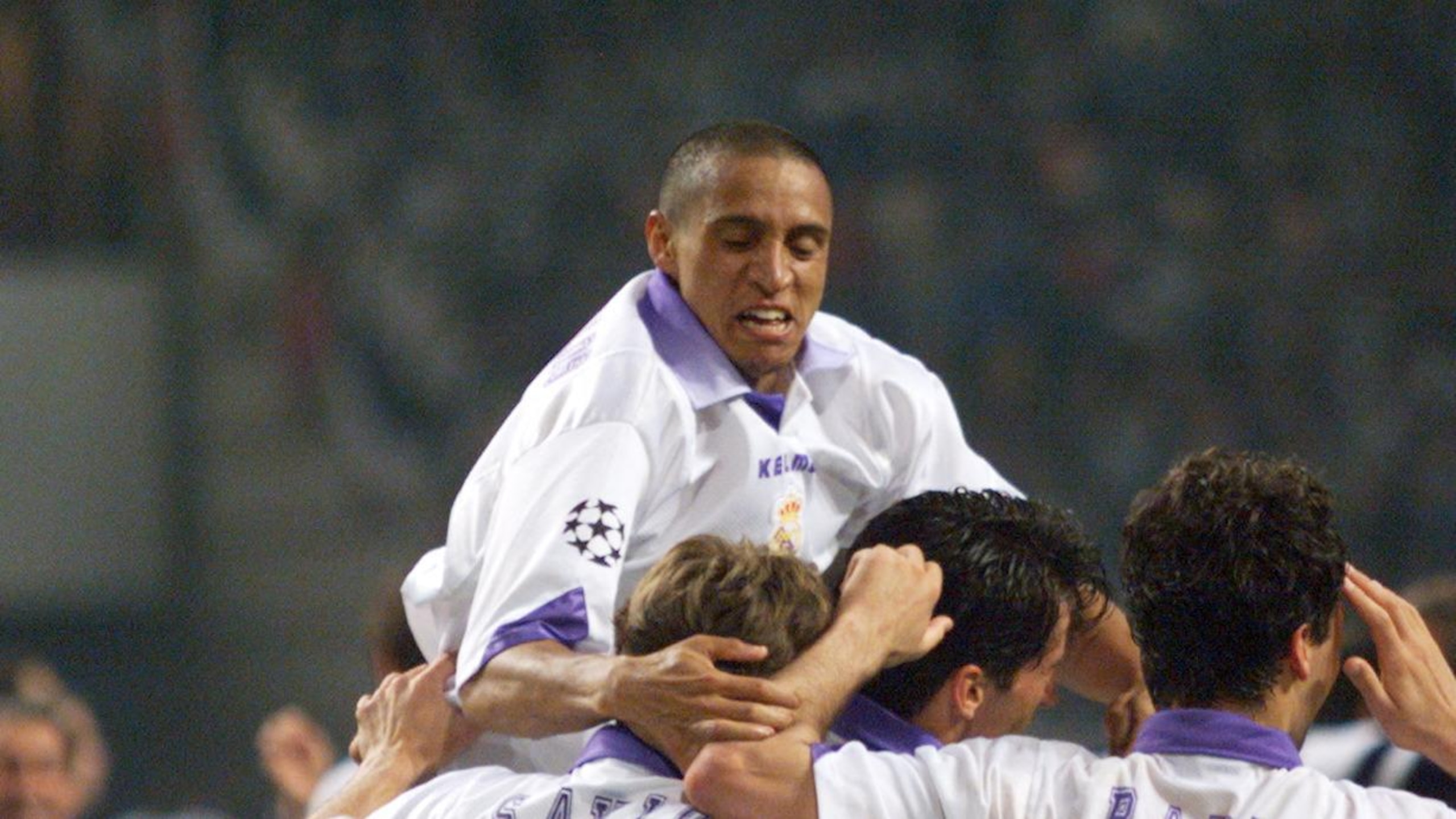
Signature UCL moment: Helping Real Madrid end a 32-year European Cup/UCL drought in the 1998 final.
Roberto Carlos, the Brazilian who is perhaps most famous for his dead-ball striking ability, was one of just three players to start in Real Madrid’s first three UCL final victories, alongside Raul and Fernando Morientes.
And more than arguably anyone else in this best XI, Roberto Carlos transformed how his position was played.
In modern football, it is almost expected that outside backs will be capable of providing quality service and other attacking contributions. And Roberto Carlos was one of the players who showed just what the attacking ceiling could be for fullbacks, both as a long-range passer and shooter, and as a free-kick specialist.
But Roberto Carlos’ three UCL-winning sides were also solid defensively, conceding only one goal combined across their finals. And the 1997-98 squad conceded only five times in 11 matches for one of the competition’s all-time great defensive performances.
Roberto Carlos would ultimately play 12 seasons in the UCL, the last two with Turkey’s Fenerbahce, whom he helped to the quarter-finals in 2007-08.
Sergio Busquets, Defensive Midfielder
6 of 11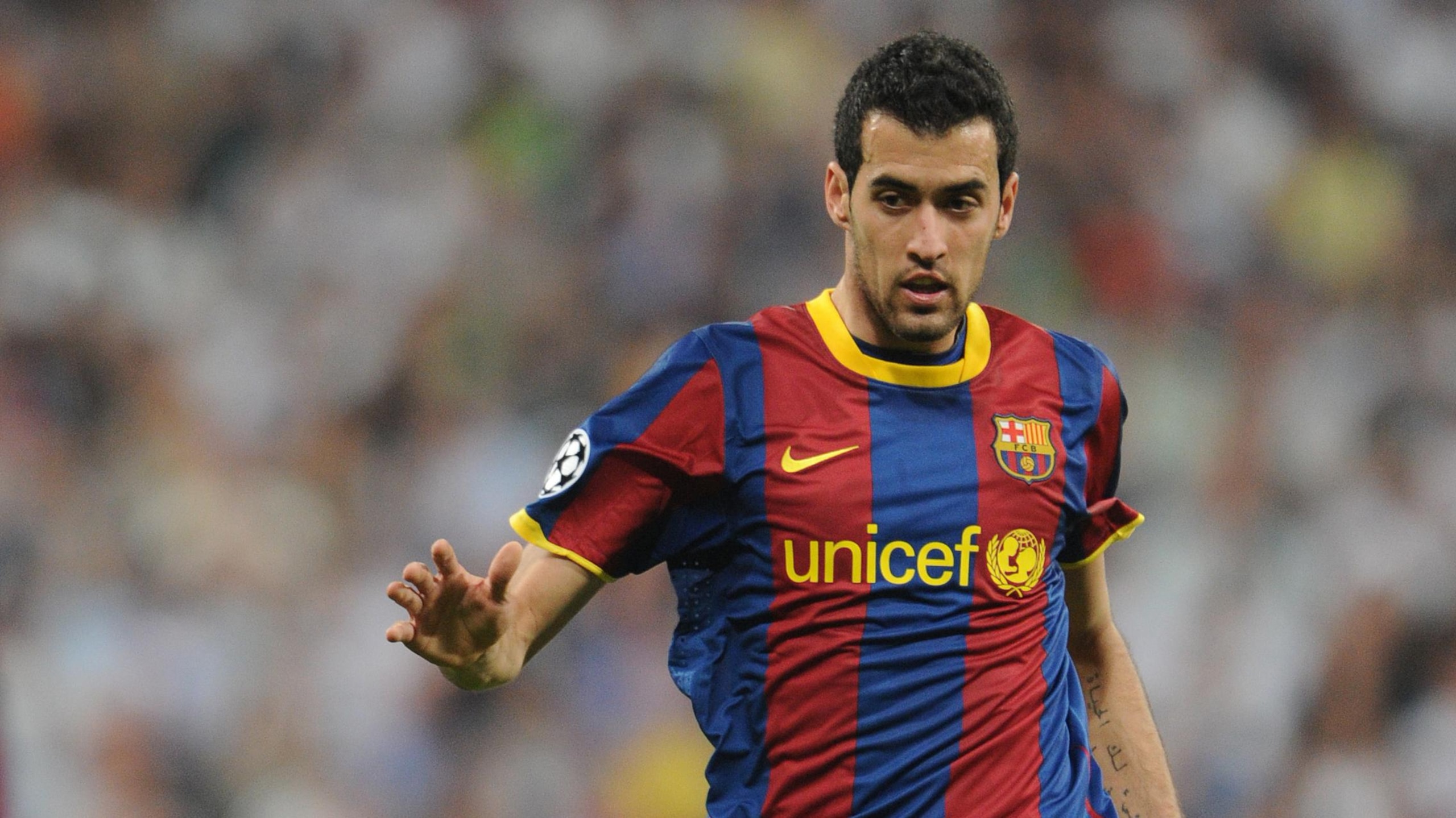
Signature moment: Helping FC Barcelona’s midfield dominate Manchester United’s during their 3-1 win in the 2011 final.
The defensive midfield position is one of the hardest to judge objectively, but Sergio Busquets shows up in almost every objective analysis of the greatest at his position for club and/or country, and his three titles with Barcelona put him ahead of the other true greats at his position.
The lanky Spaniard doesn’t physically present like the archetypal compactly built, hair-on-fire defensive midfielder we often imagine. But the combination of his positioning, passing ability and underrated motor made him as critical a part of Barcelona’s most recent successes as anyone not named Lionel Messi.
It’s hard to pick the best individual performance for the 36-year-old. But as a midfield collective, it was hard to get better than the 2011 final, where the Blaugrana held 68 percent possession and limited Manchester United to only four total shot attempts over 90 minutes.
Busquets’ last UCL duty came in 2022-23 before he headed to South Florida to join Messi’s Inter Miami project in MLS.
Luka Modric, Central Midfielder
7 of 11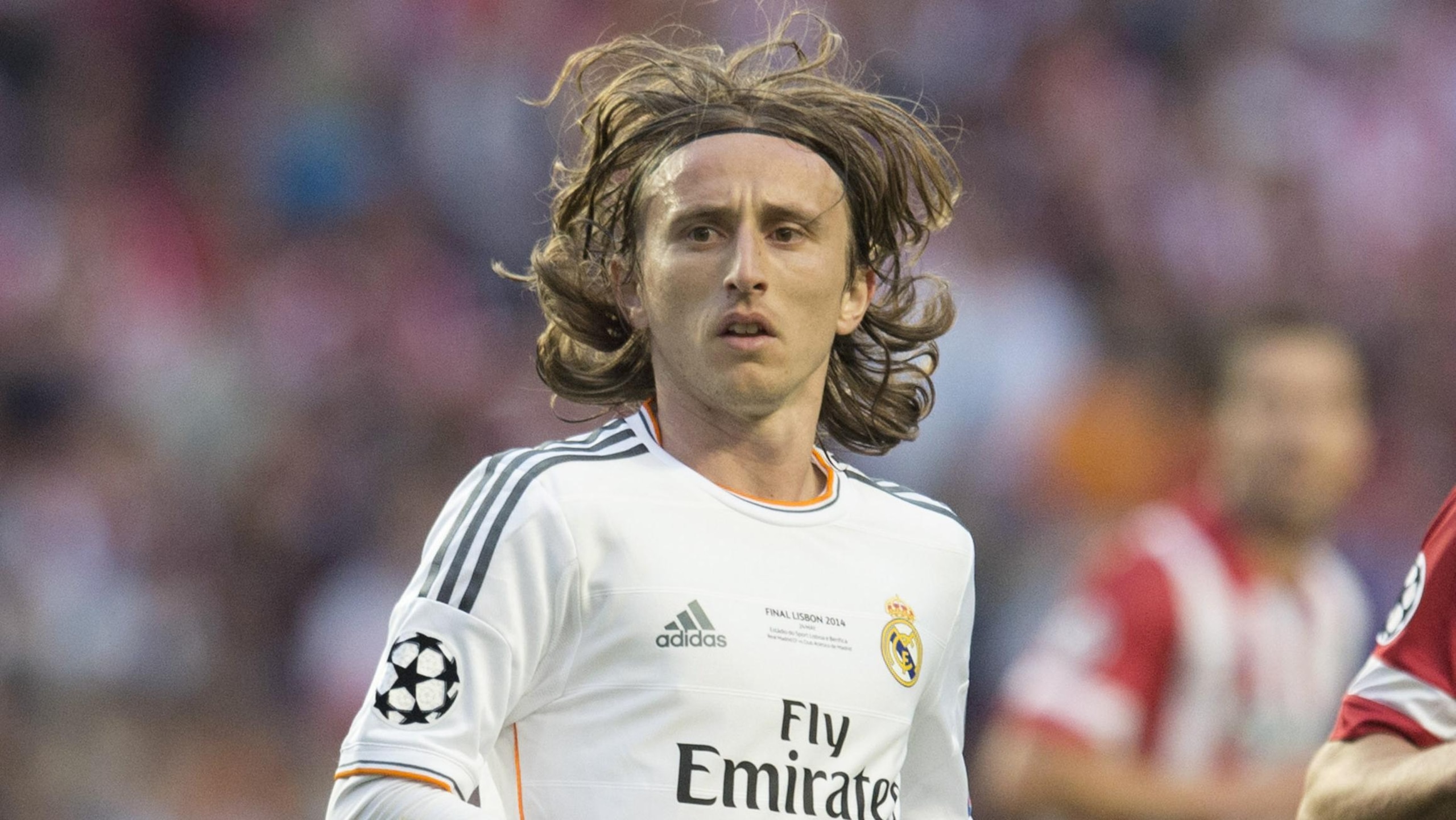
UCL Signature Moment: Providing the corner kick service for Sergio Ramos’ late equalizer in the 2014 final.
Had we made this list five years ago, Luka Modric might have lost out to his FC Barcelona rivals Xavi or Andres Iniesta. But while both Barca men saw their careers wind down at the normal age of their mid-30s, Modric kept going. And going. And going.
The result is an astonishing six UCL titles with Real Madrid, making him one of just four players in history to accomplish the feat and only one of three to do it with the same team (along with Real Madrid teammates Dani Carvajal and Nacho).
Like Carvajal, Modric played in all six of those finals (starting in five), and if not for his involvement in the first, Real’s famous UCL onslaught might never have begun.
Trailing derby rivals Atletico Madrid 1-0 late, it was his corner kick that found Ramos’ head in the third minute of second-half stoppage time. Real went on to roll to a 4-1 triumph after extra time, and a new dynasty was born.
Lionel Messi, Right Attacking Midfielder
8 of 11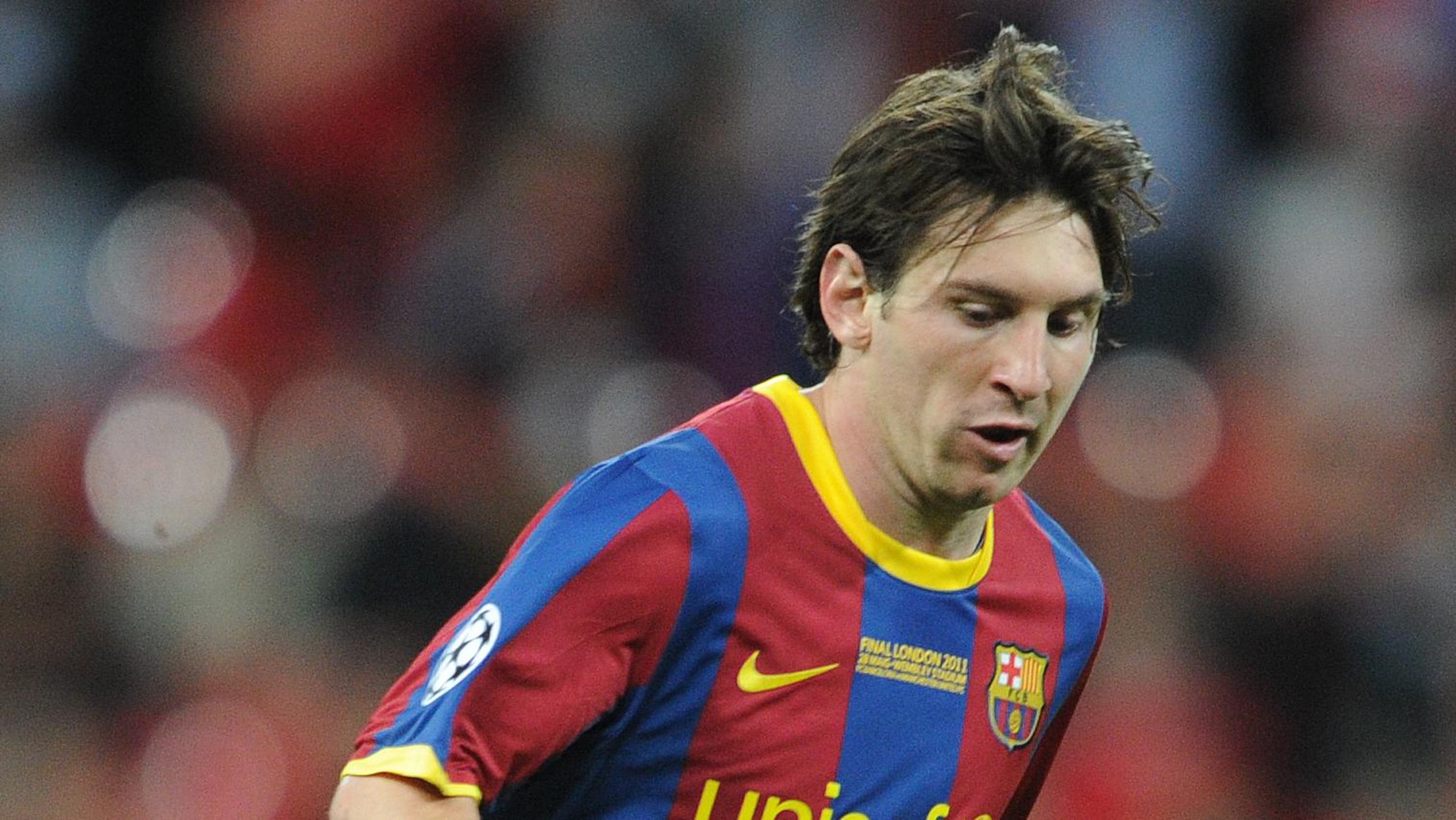
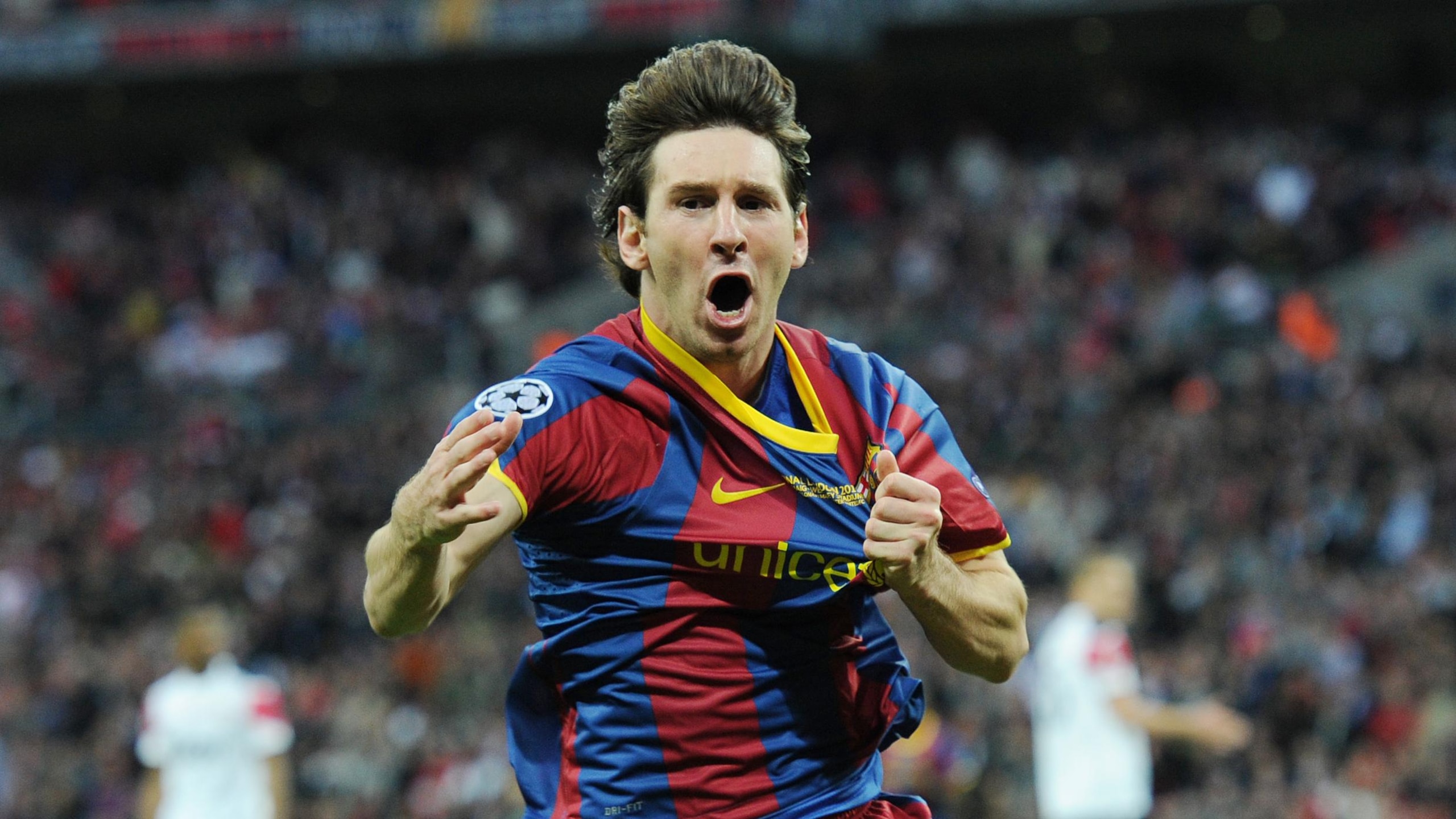
Signature UCL Moment: His goal and man-of-the-match performance in Barcelona's 3-1 win over Manchester United in the 2011 final.
For the man most accept as, at worst, the world’s greatest living player, it was never a matter of whether Lionel Messi would be selected for our best XI, but rather where.
The four-time UCL winner—each with Barca—has also played in a central attacking midfield role, as well as in the out-and-out striker shoes. But the right side of midfield is the most natural fit given how he developed the habit of devastating opponents as an inverted winger, getting the ball wide right and then slicing in toward the penalty area.
Messi’s four Champions League trophies almost feel like a low output given what rivals Real Madrid has done over the last decade, but it’s still rarefied air.
And with 129 goals in the competition, he’s second on the UCL all-time scoring list. He averaged an incredible 0.85 goals per 90 minutes in his Champions League career.
While he has said his favorite goal came in his first UCL final against Manchester United, his only match-winner came in his second, the second Barca tally of their 2011 masterclass.
Cristiano Ronaldo, Left Attacking Midfielder
9 of 11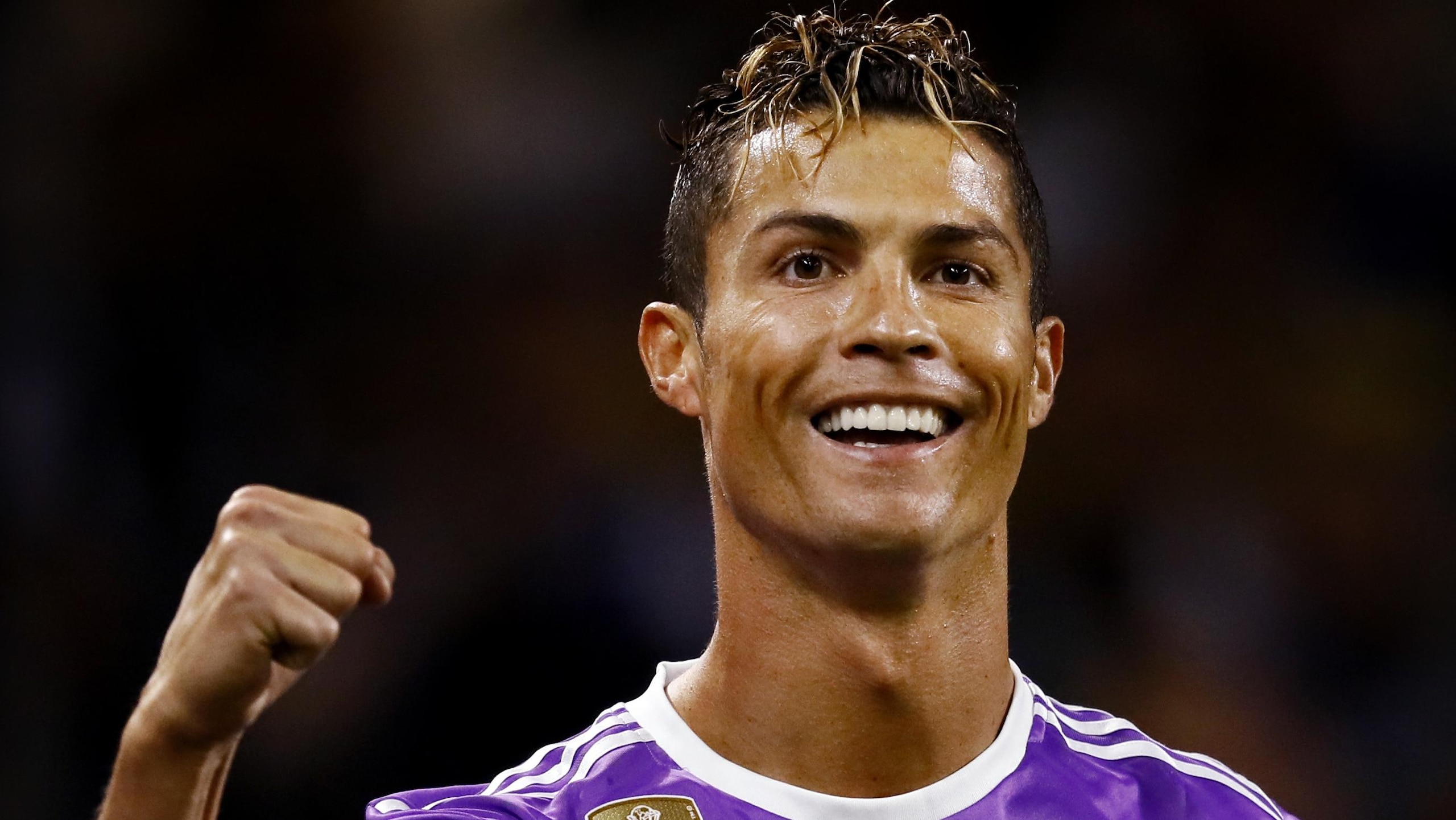
Signature UCL Moment: Scoring a brace in Real Madrid’s 4-1 triumph over Juventus in the 2017 final.
Maybe it’s a little popular to pile on Cristiano Ronaldo now as his career draws to a close in less-than-dignified fashion. But he remains the greatest single UCL performer of all time.
Even those who prefer Messi as an overall player must acknowledge no one has accomplished as much on the continental stage as CR7, the UCL’s all-time leader with 183 appearances and 140 goals.
A five-time champion, Ronaldo is one of only two players to win five or more times and win with two different clubs. While he is most known for being part of the three-peat Real Madrid side (where he won four total), his first title came with Manchester United in 2008.
He had already won the tournament three times before he gave his most memorable individual display, scoring in the 20th and 64th minutes en route to a comfortable final victory against Juventus, who were so impressed they made a splash for him a year later.
Karim Benzema, Second Striker
10 of 11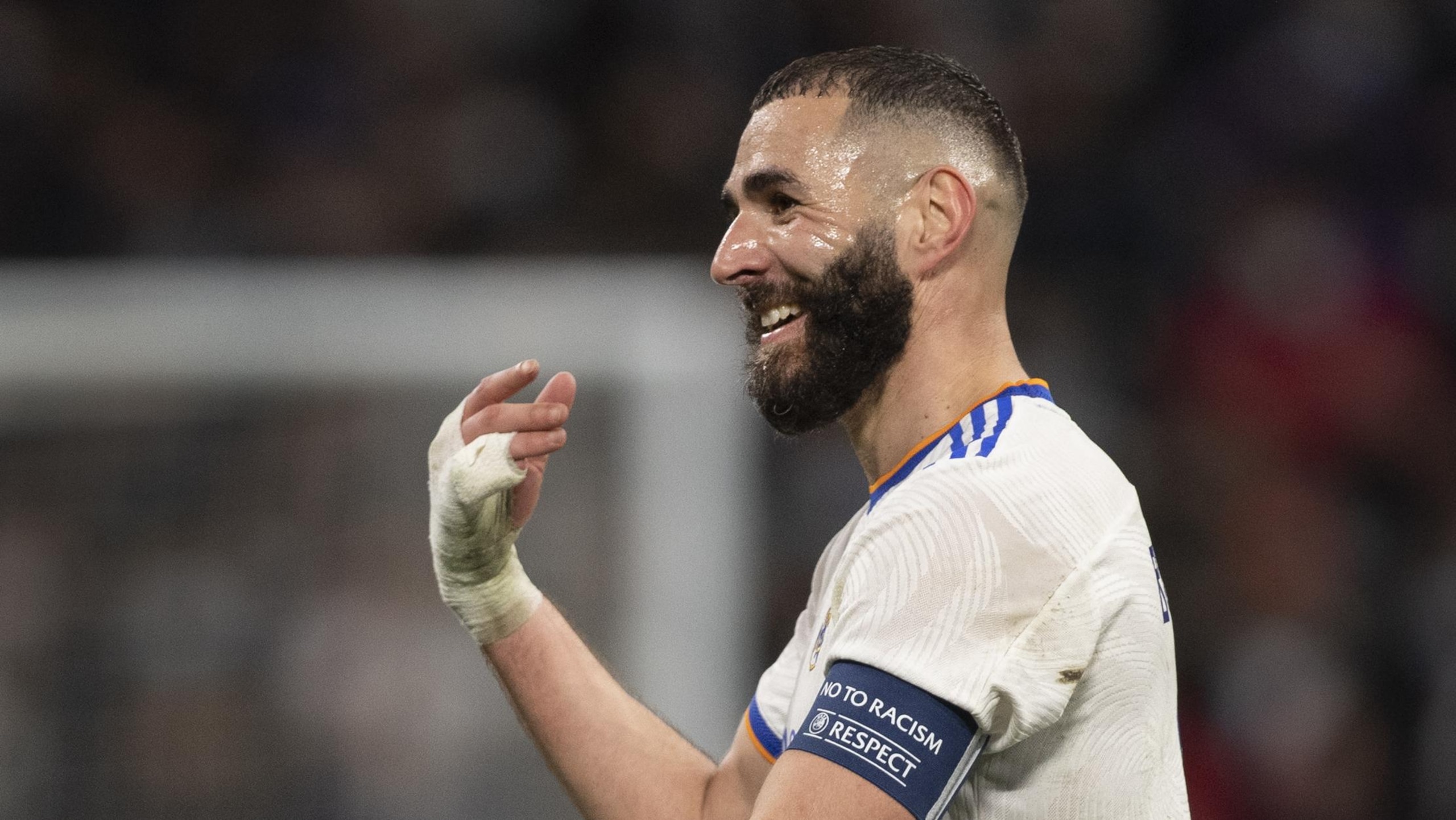
Signature UCL Moment: Scoring four goals over two legs in Real Madrid's 2022 quarter-final victory over Chelsea.
Perhaps no player in world football history has made as much of his name directly from his continental achievements as Karim Benzema, who won five UCL titles with Madrid.
The Frenchman was always a very good La Liga striker, but UCL play seemed to bring out an extra level from the fiery attacker.
Never was it more true during the 2021-22 campaign, when Benzema scored 15 times en route to his fifth UCL title and Real Madrid’s 14th. That tied an all-time UCL record for goals scored in a single season by players other than Cristiano Ronaldo.
An astounding 10 of Benzema’s goals en route to the trophy came in the knockout phase, including four in a 5-4 aggregate quarter-final victory over Chelsea.
Following a hat trick in a 3-1 win in London in Leg 1, Benzema’s tally six minutes into extra time of Leg 2 proved the difference.
Benzema also holds the record for most consecutive seasons scoring in the UCL at 18.
Robert Lewandowski, Center Forward
11 of 11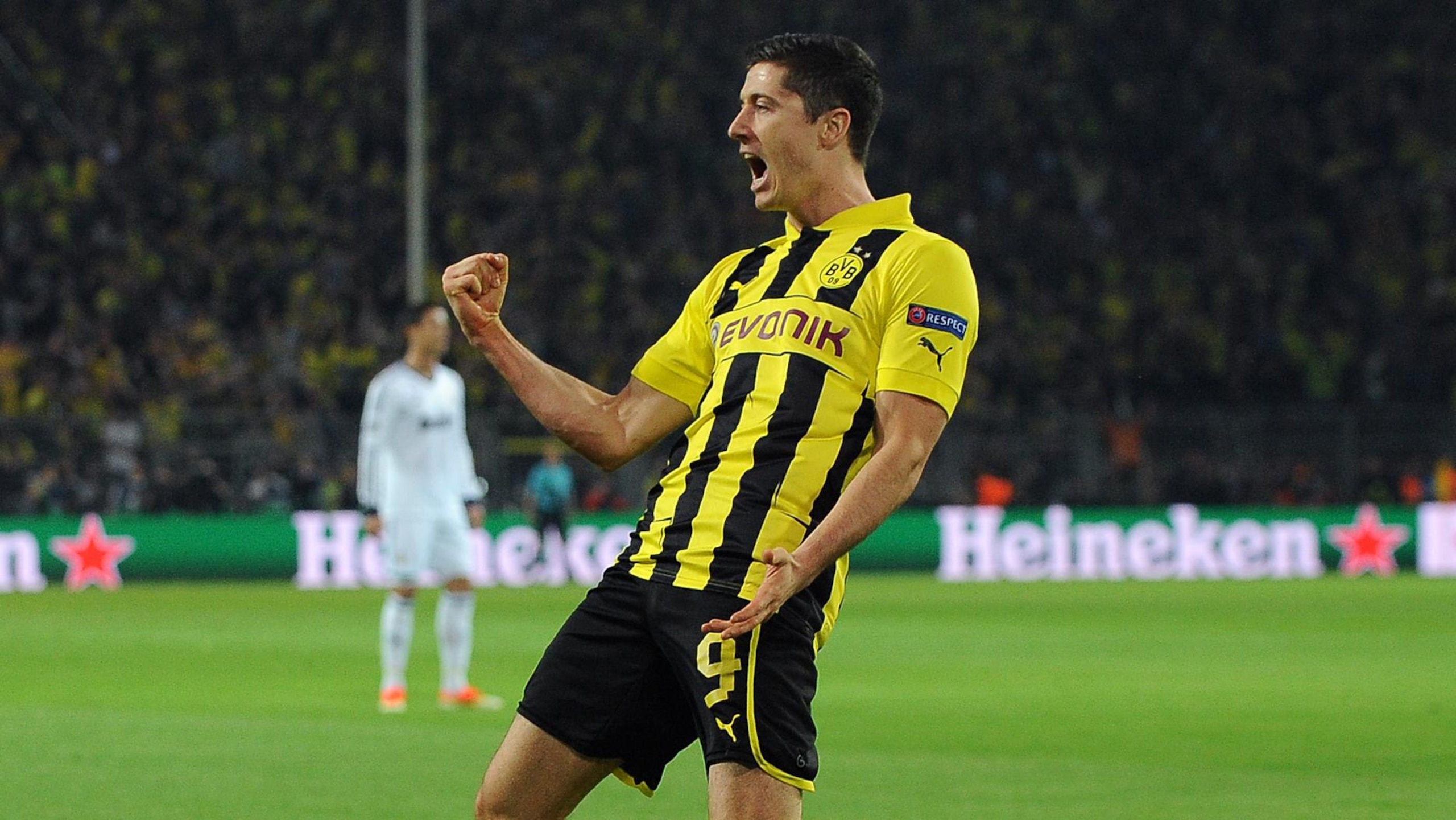
Signature moment: Scoring all four goals in Leg 1 of Borussia Dortmund’s 2013 semi-final victory over Real Madrid.
As only a one-time winner—in 2020 with Bayern Munich—Robert Lewandowski gets a reputation as a bit of a stat compiler despite being third on the all-time UCL scoring list with 105 goals.
A closer look at his career shows that reputation is unfair. If anything, he’s at worst the fifth name on the team sheet, necessitating our need for a 4-4-1-1 setup.
At age 36, Lewandowski recently concluded an 11-goal Champions League campaign for FC Barcelona, making him the first player in the competition’s history to post a double-digit season for three different clubs (the others being Dortmund and Bayern Munich).
And if he’s understandably become more one-dimensional later in his career, he spent his prime playing for squads that typically lost not because they did anything wrong, but because they were less talented.
That was eventually the case in 2013 when his Dortmund side lost to Bayern Munich in the final. But he carried Dortmund to Wembley with a record-setting four-goal performance in Leg 1 of Dortmund’s semi-final triumph over Real Madrid. His club needed all of those to cling to a 4-3 aggregate victory.

.jpg?w=2560 "Rap: Lions, LaPorta End Contract Talks")

.jpg?w=2560 "Report: Baker May Miss Up to 6 Weeks")
