
1 Thing Holding Back Every Top-10 NBA Title Contender
Let's start with the good news: If you've made this list, it means you've got at least a puncher's chance at winning the 2024-25 NBA title. Inclusion here is a high compliment.
The bad news? We're about to fixate on the factor that could prevent those championship dreams from coming true.
No team is perfect, and those imperfections matter most in the playoffs, where opponents ruthlessly plot to exploit them. It's downright predatory.
From roster shortcomings to technical flaws to broader questions about a team's reliability, we've zeroed in on the worrying issues facing the top 10 contenders.
Boston Celtics: Lack of Home-Court Advantage
1 of 10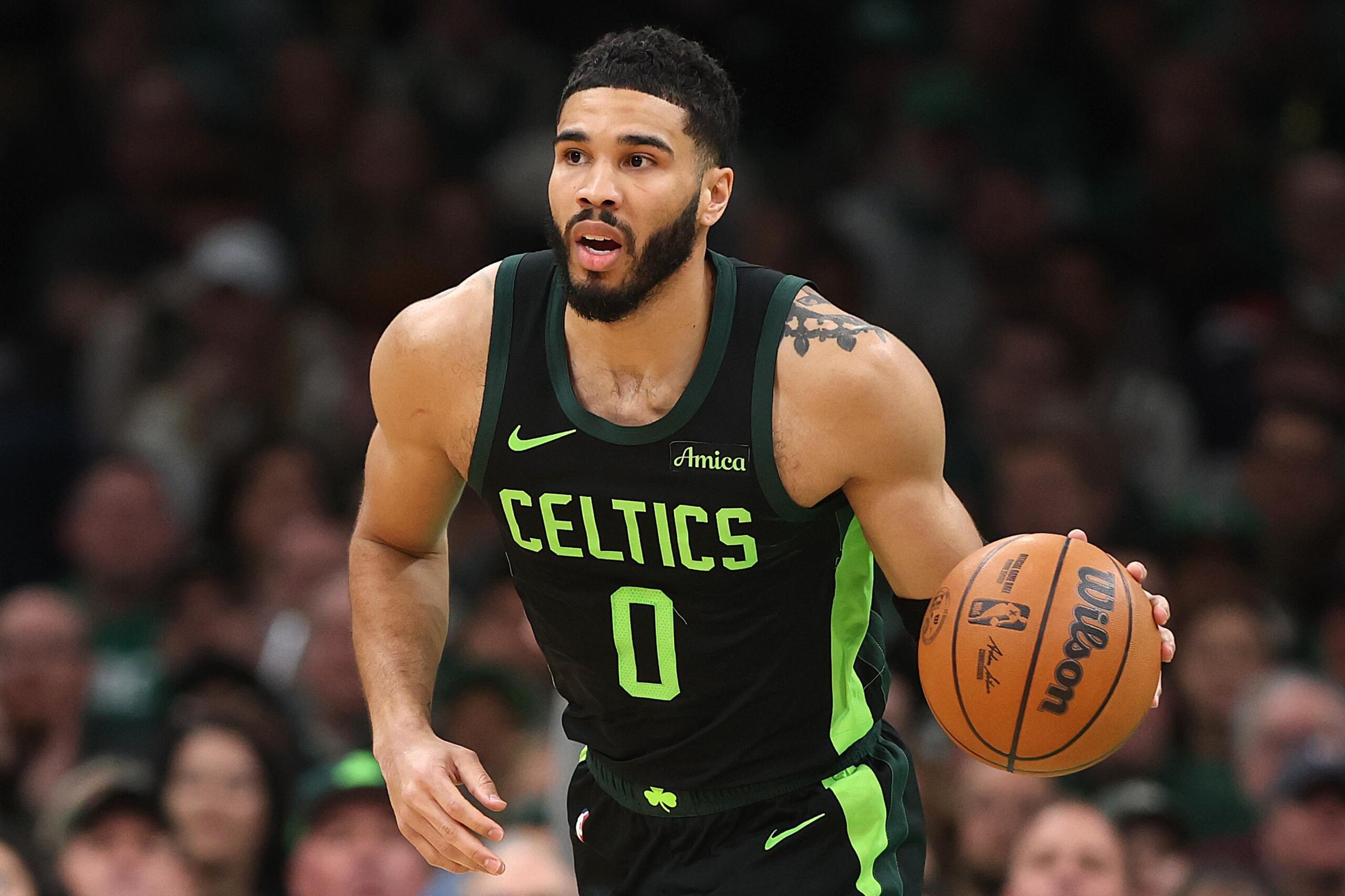
Barring a shocking reshuffling of the East standings and/or an early-round upset, the Boston Celtics will have to go through the Cleveland Cavaliers to reach the NBA Finals. And they'll do so without home-court advantage.
Cleveland has a stranglehold on the No. 1 seed in the East, and Boston will surely prioritize getting its full roster healthy over a desperate scramble up the standings.
The Celtics have more playoff experience than Cleveland, and they even won a Game 7 on the road in the 2022 Eastern Conference Finals against the Miami Heat. Boston is less apt to be flustered by a hostile road crowd than almost any other team in the postseason race.
Also of note: The Celtics have a better record on the road than at home this season.
That said, Cleveland has the best home record in the league and has spent the season posting a higher point differential than the Celtics. The margin between these two teams is narrow, even when accounting for Boston's edge in big-game experience. The location of a potential Game 7 could be the difference.
Oh, and if Boston gets through Cleveland to face, say, the Thunder in the Finals, OKC will have home-court advantage in that series as well.
Cleveland Cavaliers: Cliches
2 of 10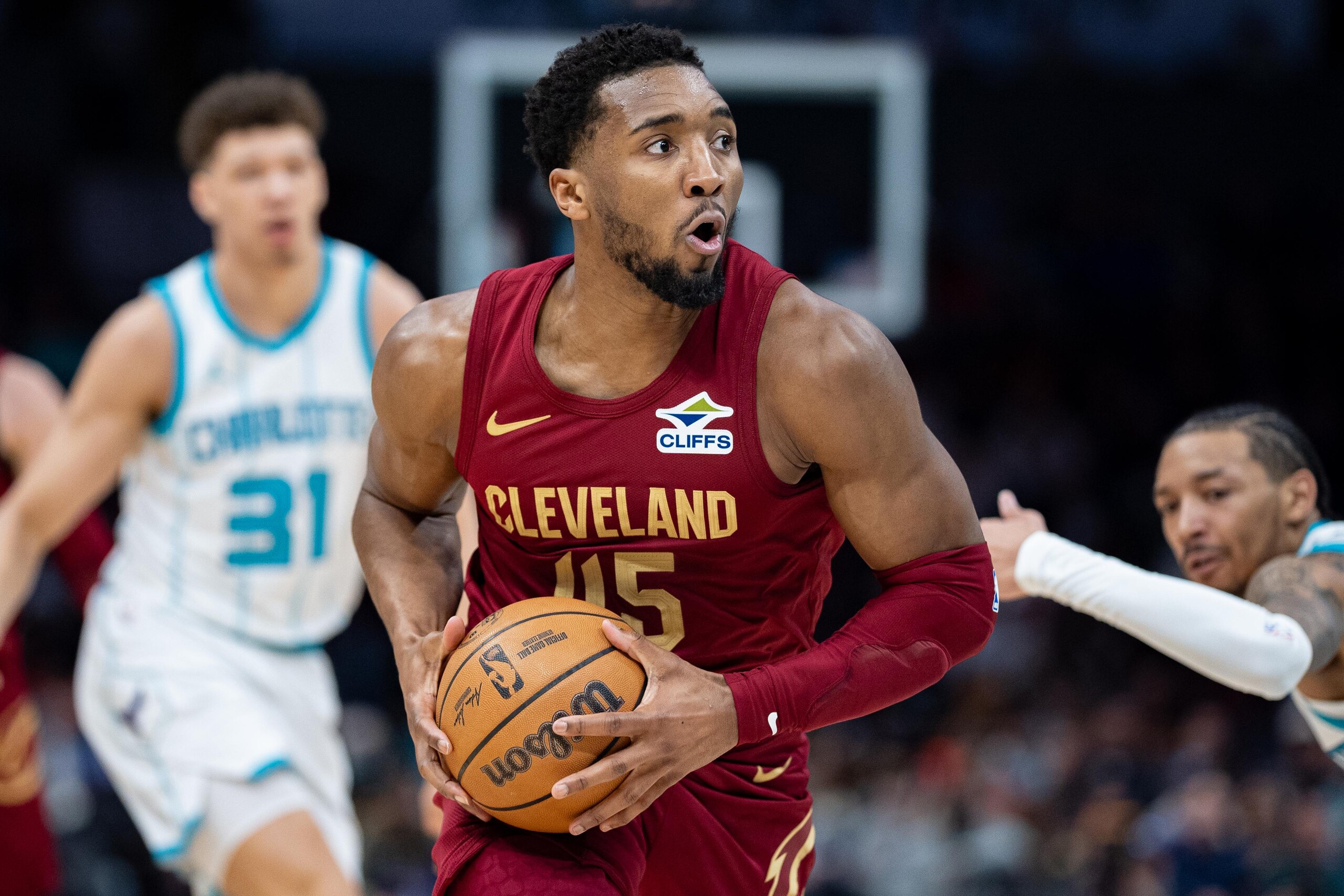
They haven't proved it yet.
Evan Mobley isn't ready.
The playoffs are just different.
Led by All-NBA efforts from Darius Garland, Donovan Mitchell and Evan Mobley, the Cleveland Cavaliers have so thoroughly dominated the regular season that we have to turn to cliches when questioning their championship prospects.
What other choice do we have when the Cavs are running away with the East crown, on pace to post a win total in the mid-60s and comfortably leading the league in offensive efficiency?
Cleveland should be mildly concerned that there's some truth to most cliches. It really does tend to take a deep but ultimately unsuccessful playoff run before a team breaks through to win a title, and this Cavs core hasn't made it past the second round yet.
Then again, when a squad erupts like this, it calls to mind other historic step-skippers like the 2014-15 Golden State Warriors.
The Cavs are having a truly dominant regular season, they’re elite on offense and merely excellent on D, and they appear to have everything a no-questions-asked contender needs—unless their lack of experience proves the cliches right.
Denver Nuggets: An Emerging Anti-Jokić Game Plan
3 of 10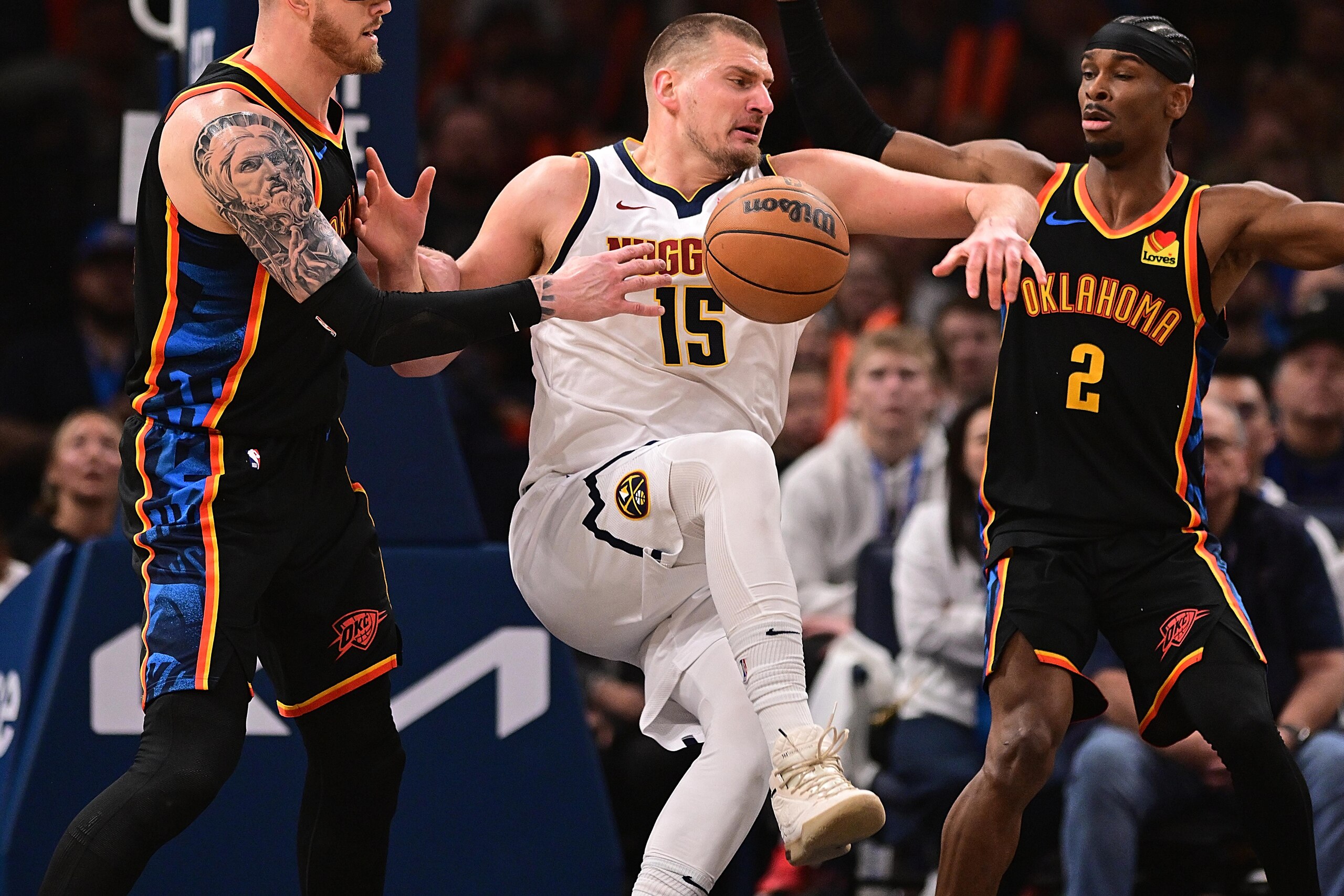
Nobody truly "solves" Nikola Jokić, but JJ Redick and the Los Angeles Lakers recently deployed an effective strategy against the three-time MVP that every postseason opponent will try to copy.
As Ben Taylor explains on his Thinking Basketball YouTube channel, the Lakers routinely fronted Jokić whenever he got below the foul line and left a help defender lurking behind him, effectively doubling him any time he was near the basket before he touched the ball.
The strategy essentially forces the Denver Nuggets' supporting players to make perimeter shots that don't come off a pass from Jokić while also limiting his chances to shoot near the basket, where he's deadly. That's a viable approach when Denver dots the perimeter with Russell Westbrook, Christian Braun and Aaron Gordon.
It would be a mistake to assume Jokić won't figure out a work-around, but Nuggets opponents have what feels like a pretty good blueprint to work with.

Golden State Warriors: Age
4 of 10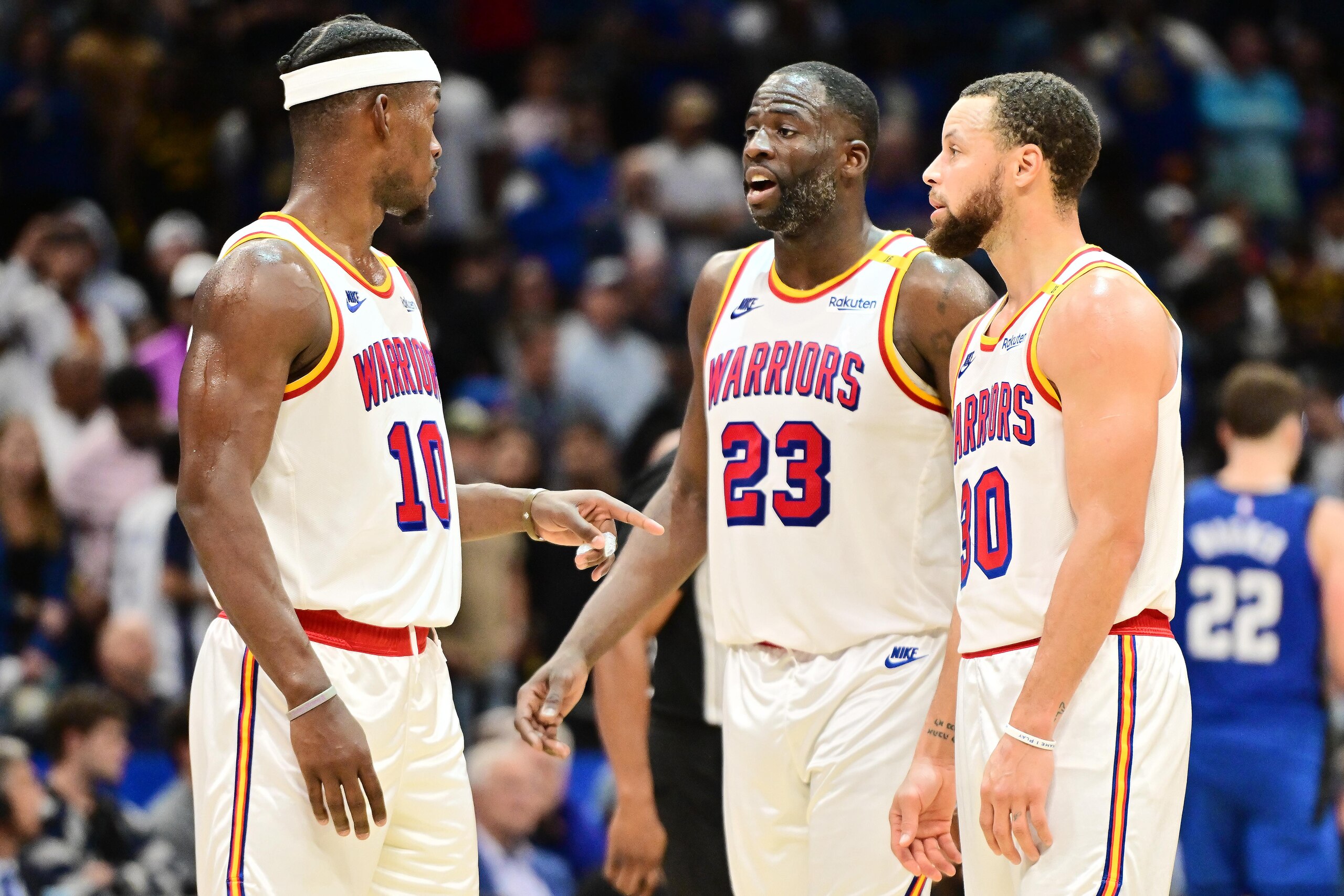
Stephen Curry is playing as if he'd like to add another first-team All-NBA honor to his overstuffed trophy case, Jimmy Butler has solved the Golden State Warriors' scoring problems whenever Curry sits, and the rest of the supporting cast continues to seem magically improved since Butler's arrival.
The Oklahoma City Thunder and Cleveland Cavaliers are the only teams with better records and net ratings than the Dubs since the All-Star break, and it's close.
Father Time might be the only one capable of breaking Golden State's momentum.
Curry will be 37 when the postseason begins, while Butler and Draymond Green are both 35.
Remove any of the three from the equation, and the Warriors' faint championship hopes disappear completely. Diminish one or more with a nagging injury, which feels unavoidable given their age and the physical toll of their recent post-break push, and a deep run will be impossible.
Injuries weigh heavily in every postseason. Wear and tear are always factors. But with a core this old, the Warriors are more vulnerable to physical decline than anyone else.
Houston Rockets: Offensive Playmaking
5 of 10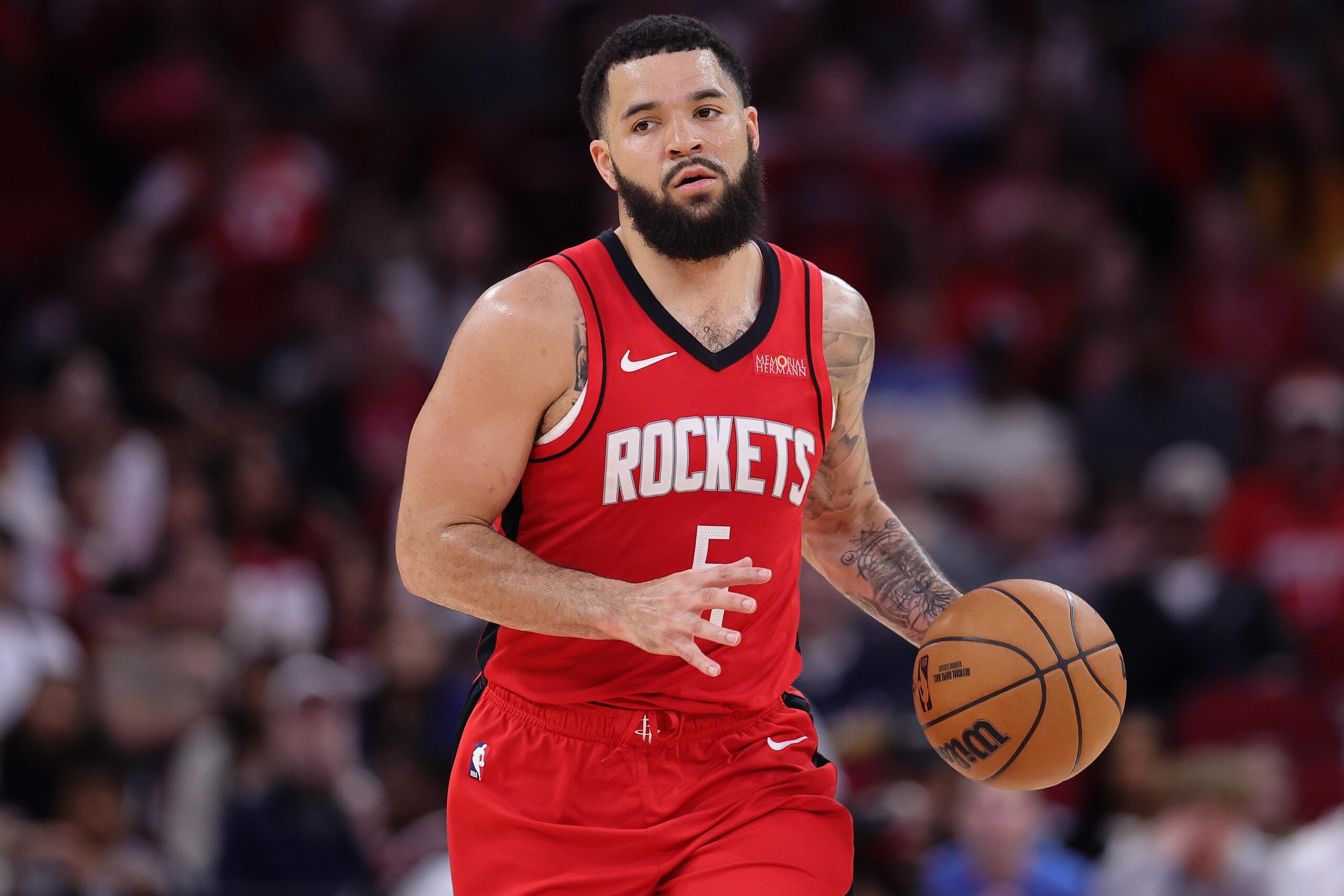
Almost every criticism we'll soon direct at the Memphis Grizzlies’ offense applies to the Houston Rockets—all the way down to the shared reliance on transition play and offensive rebounding.
The additional lack of a reliable offensive table-setter makes Houston's offensive concerns even more severe than those of the Grizzlies.
Fred VanVleet has a championship ring, and the 114.9 points per 100 possessions the Rockets score with him in the game are more than they manage with any other primary ball-handler. Amen Thompson, Jalen Green, Alperen Sengün and Reed Sheppard are all capable enough, though Thompson and Sheppard are currently out with injury. That offensive rating with FVV on the floor is about as well as the Rockets can hope for, and it's barely a top-10 figure.
Toss in all the concerns about the half-court offense as a whole, struggles with late-game execution and the more extreme scoring issues that arise when VanVleet isn't on the court, and Houston is bound to have a hard time producing half-court points consistently.
Los Angeles Lakers: Weak Frontcourt Options
6 of 10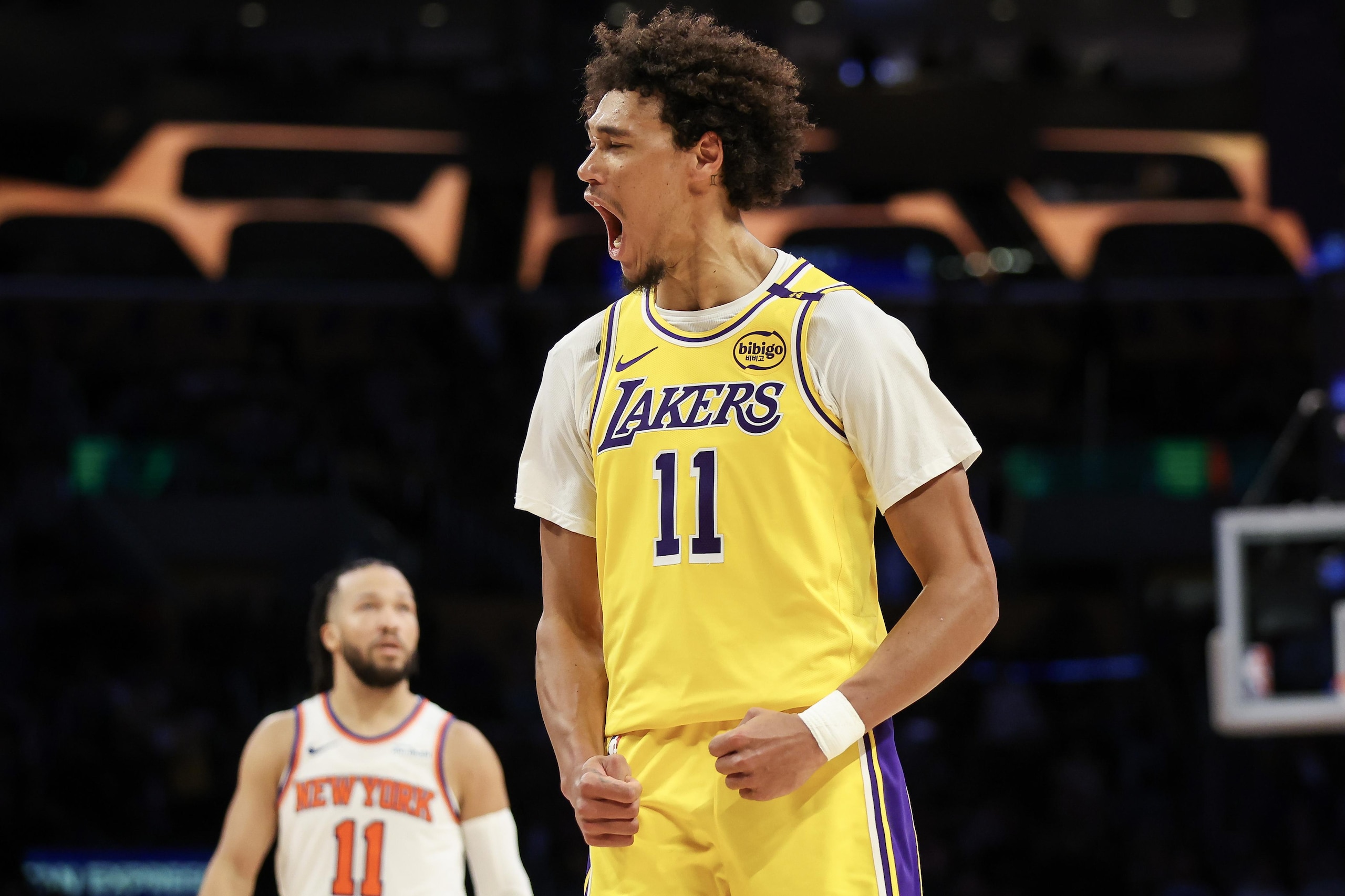
We can save the skepticism about the Los Angeles Lakers sustaining their three-point defense for another time. Maybe it'll hold up, and maybe it'll regress to the mean. Who can say?
What we can declare more certainly is this: Jaxson Hayes is no one's idea of a rock-solid postseason center.
The combined power of Luka Dončić and LeBron James (assuming he's fully healthy come playoff time) can cover for many shortcomings. And Los Angeles' defensive scheming, orchestrated by sneaky Coach of the Year candidate JJ Redick, warrants respect.
But the postseason is about exploiting weak links, and the Lakers have one in the middle.
Hayes is an extremely poor defensive rebounder who blocks the occasional shot but doesn't hold up well in space. Jarred Vanderbilt is capable of switching onto guards and injects chaotic energy into the game, but he's undersized. Neither is known for his durability.
Opponents are going to attack Hayes in space, crash the boards whenever the Lakers opt for smaller looks and generally expose a gaping hole up front.
Memphis Grizzlies: Half-Court Offensive Struggles
7 of 10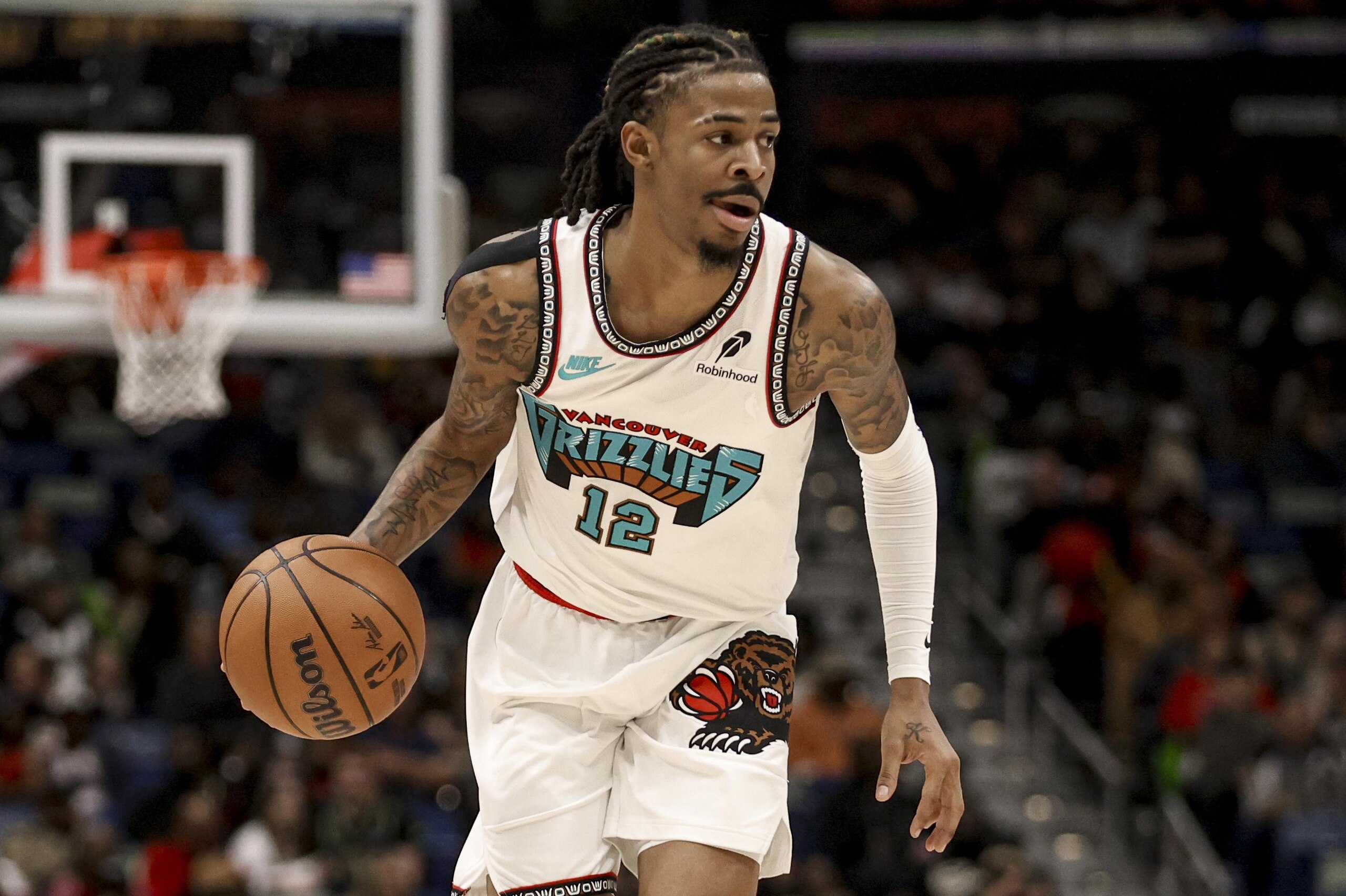
If you let the Memphis Grizzlies get out and run, you are courting disaster. Led by Ja Morant, they add a league-leading 4.2 points per 100 possessions in transition.
On the other hand, if you slow the Grizz down and force them to attack a set defense, they are much easier to contain, ranking right in the middle of the pack in half-court offensive efficiency. Even that number is a little suspect because Memphis props up its half-court scoring by ranking second in the league in offensive rebound rate.
Postseason play tends to involve more detailed game-planning, better collective effort and a keener focus on taking away what opponents do best. That often manifests in slower play and fewer buckets given away by lapses in attention—second-chance points on offensive boards being a prime example.
Memphis will have to prove it can generate consistent offense without the performance-enhancers of transition play and offensive boards that have juiced its otherwise weak attack all year.
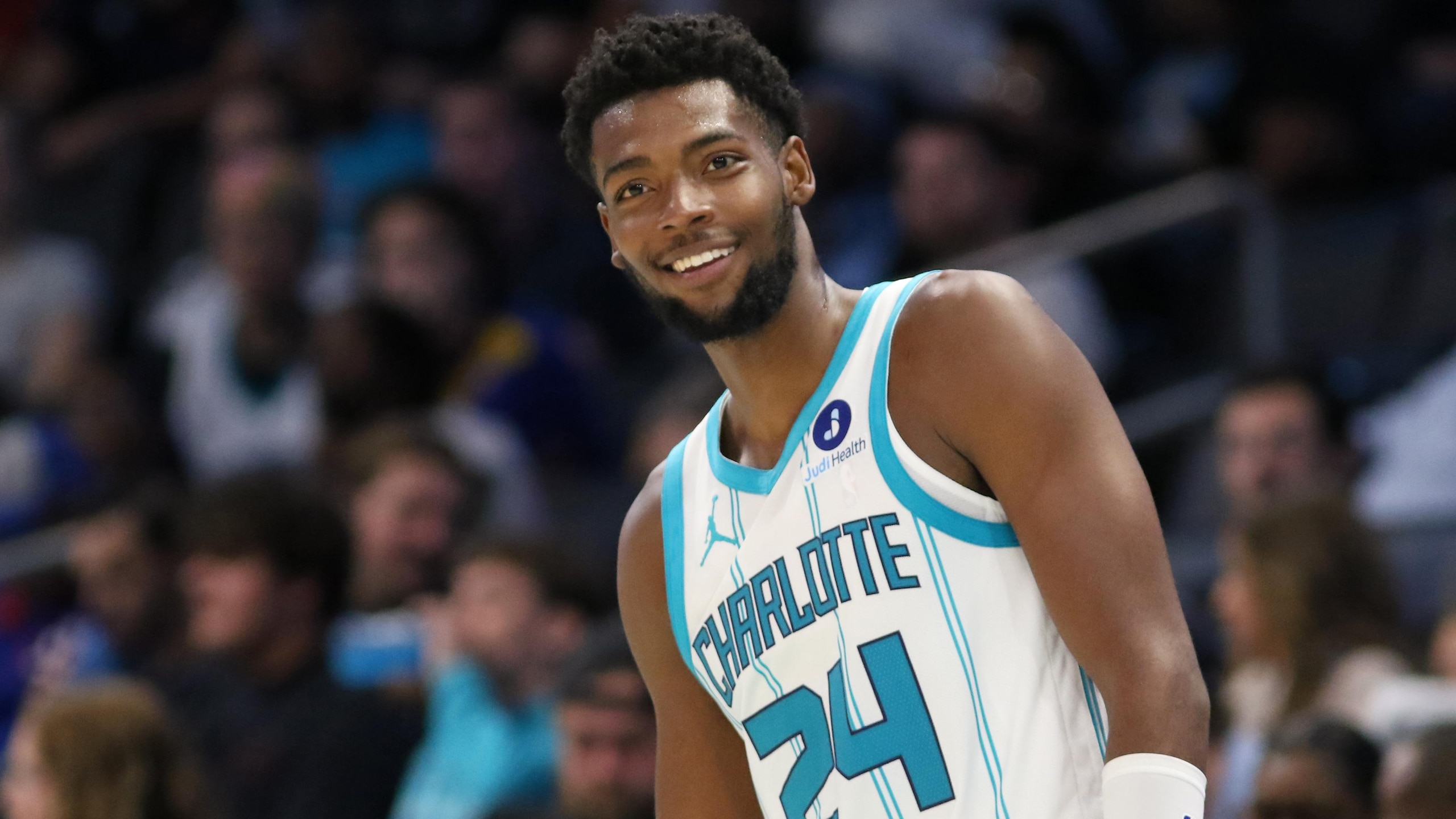
Milwaukee Bucks: Nothing Elite in the Profile
8 of 10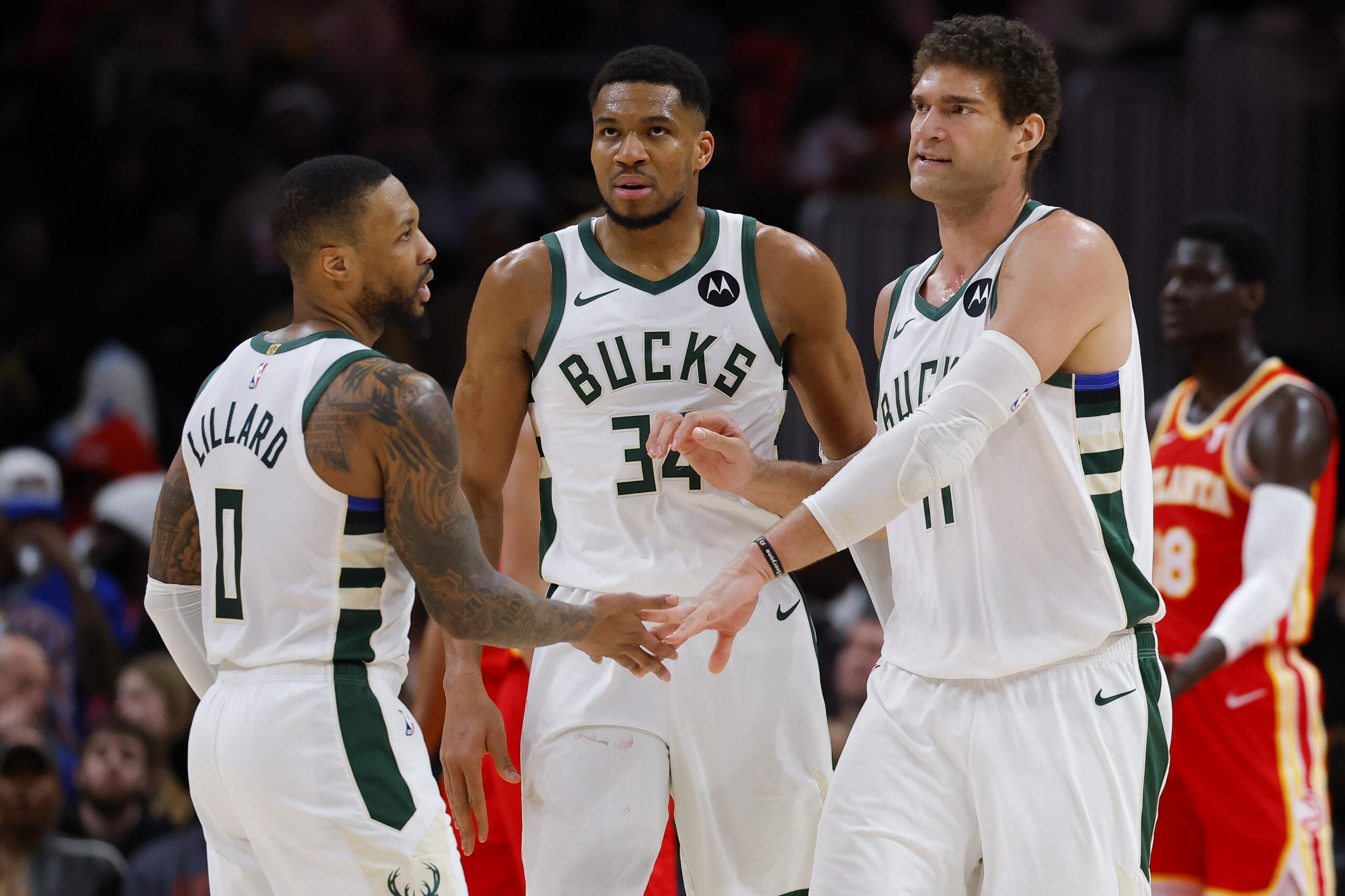
The Milwaukee Bucks rank outside the top 10 in both offensive and defensive rating, a distinction that historically precludes serious contention.
In extreme cases, championship-caliber teams can slot outside the top 10 in one of those categories, but only if they are the absolute cream of the crop in the other.
That good-but-not-great profile extends to the Bucks' top lineups. They deserve a little grace because they made a significant trade, swapping Khris Middleton for Kyle Kuzma, but they don't have a high-usage lineup with a positive net rating. Their only two units with at least 300 possessions on the season are both in negative territory.
Damian Lillard, Taurean Prince, Kuzma, Giannis Antetokounmpo and Brook Lopez are a plus-8.5, but that group hasn't cracked the 300-possession cutoff and has to be viewed with small-sample-size caveats. Other successful Milwaukee quintets deserve that same treatment.
Antetokounmpo is a top-five player, and there aren't many lead guards more comfortable under postseason pressure than Lillard. Maybe those two are good enough to overcome an otherwise ho-hum profile.
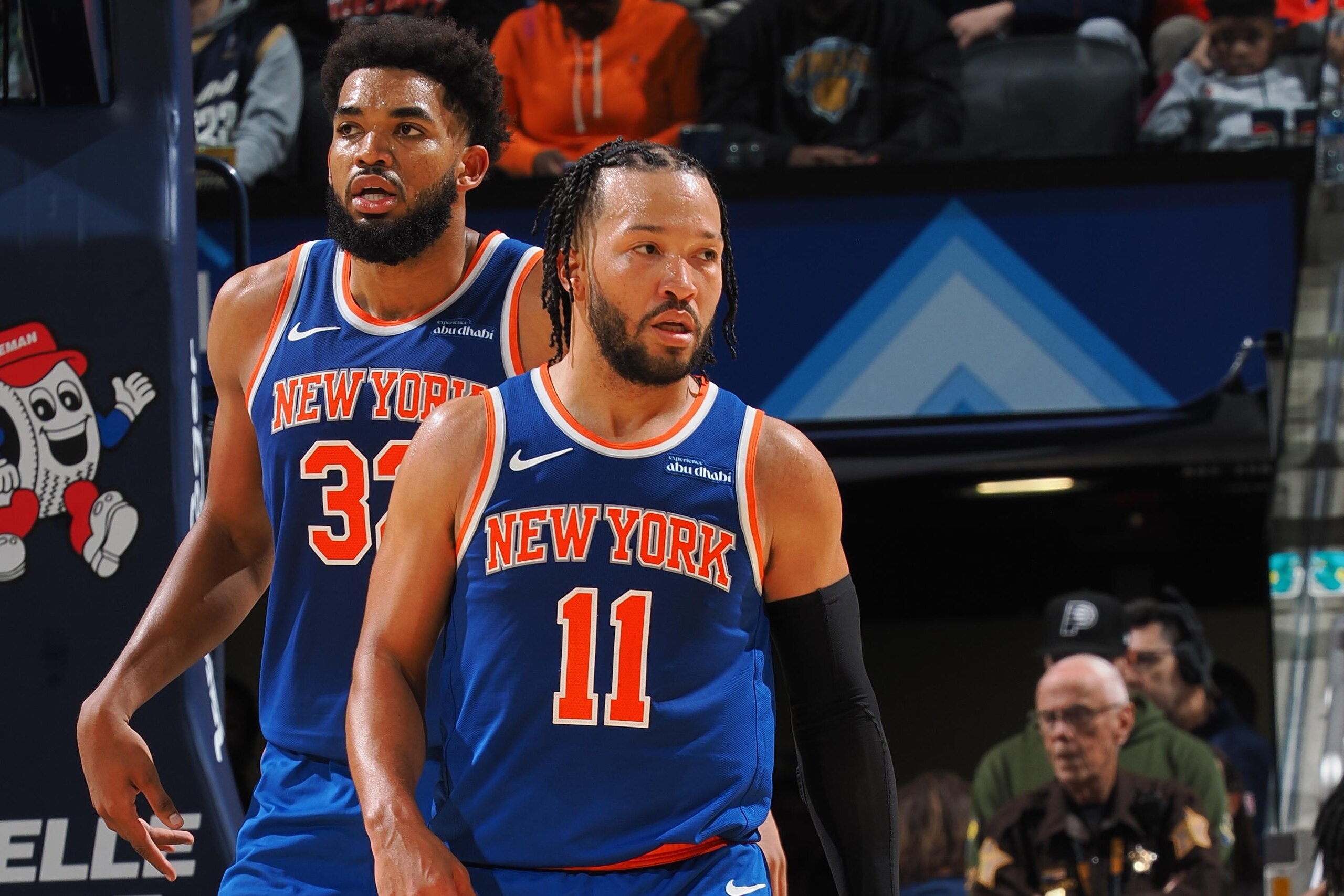
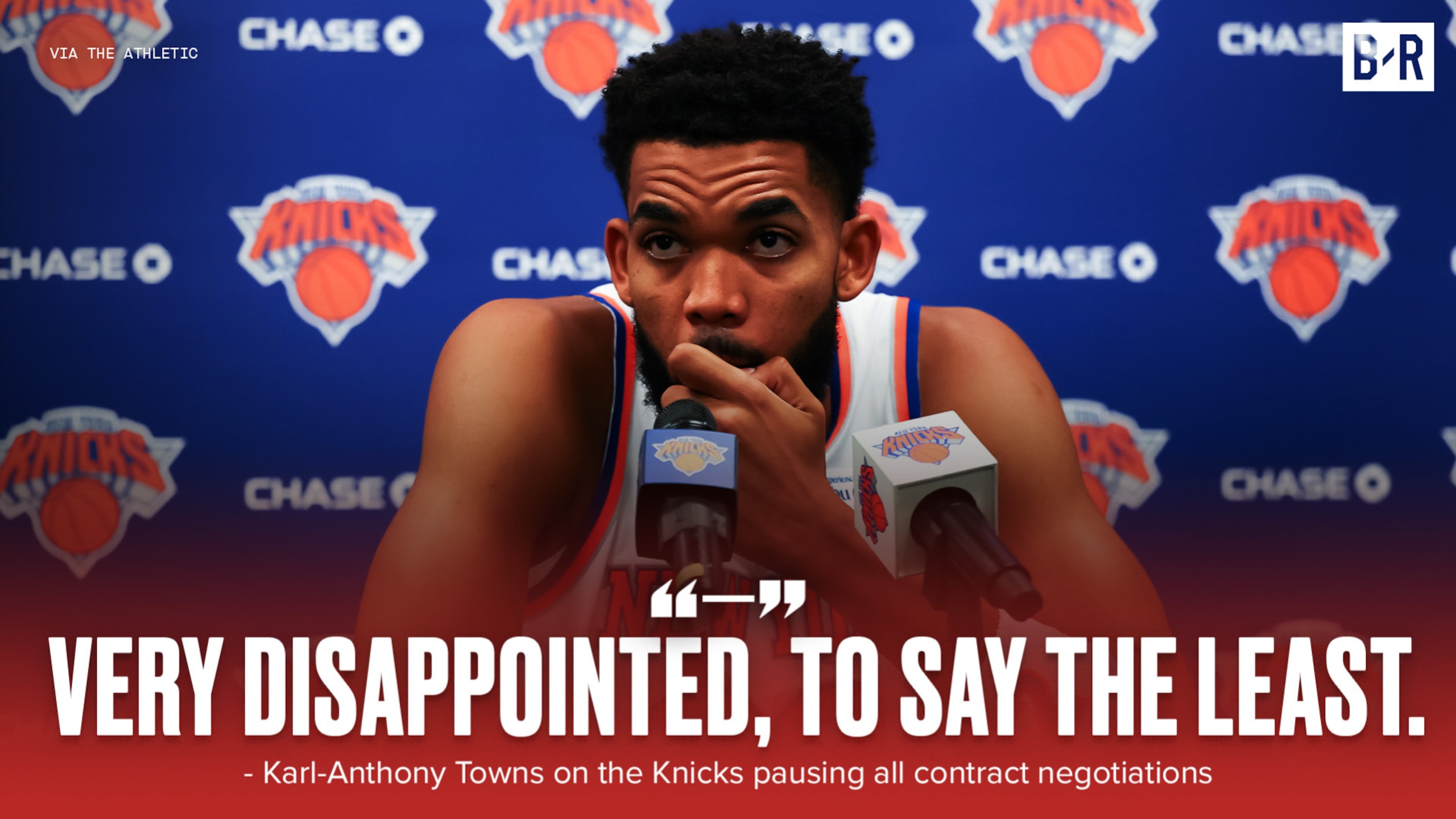
New York Knicks: They Can't Beat the Best
9 of 10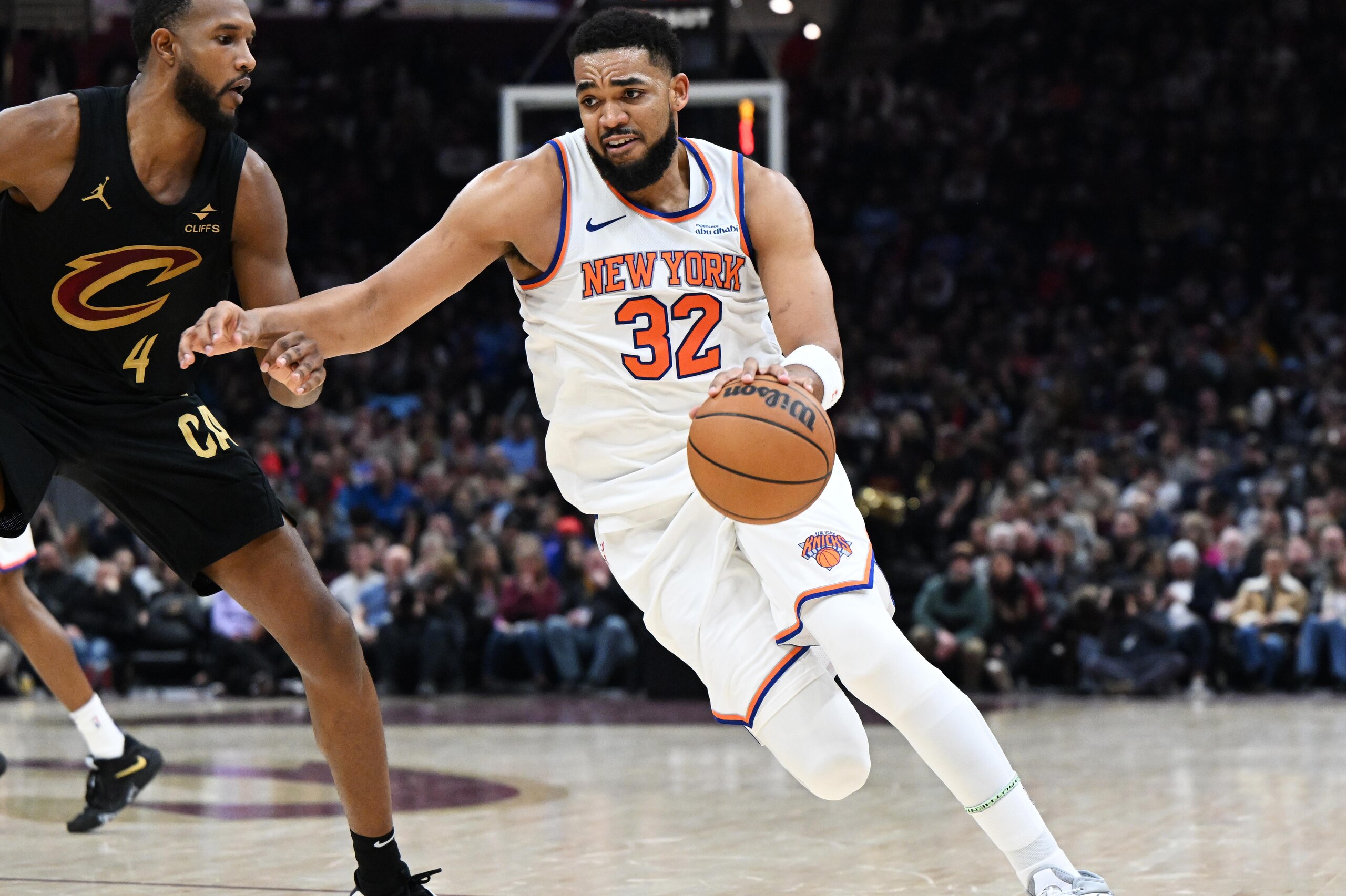
The New York Knicks are a combined 0-7 against the Oklahoma City Thunder, Boston Celtics and Cleveland Cavaliers.
Odds are, the Knicks will have to go through all three of them to win a championship, and they haven't shown the ability to play on that level all season.
The main issue is defense, as New York's drop coverage tends to play into Boston and Cleveland's hands by allowing clean looks from three. Karl-Anthony Towns' substandard rim-protection leaves the drive-heavy Thunder drooling.
ESPN’s Chris Herring noted that it's not just the league's top three teams that score at will against New York: "Perhaps the most troubling number of all for a team striving to contend for a title: The Knicks' defense also ranks 29th against top-10 offenses."
The Knicks can’t stop good teams, and they are particularly bad against the very best. That's not a recipe for a deep playoff run, let alone a championship.
Oklahoma City Thunder: Secondary Creation
10 of 10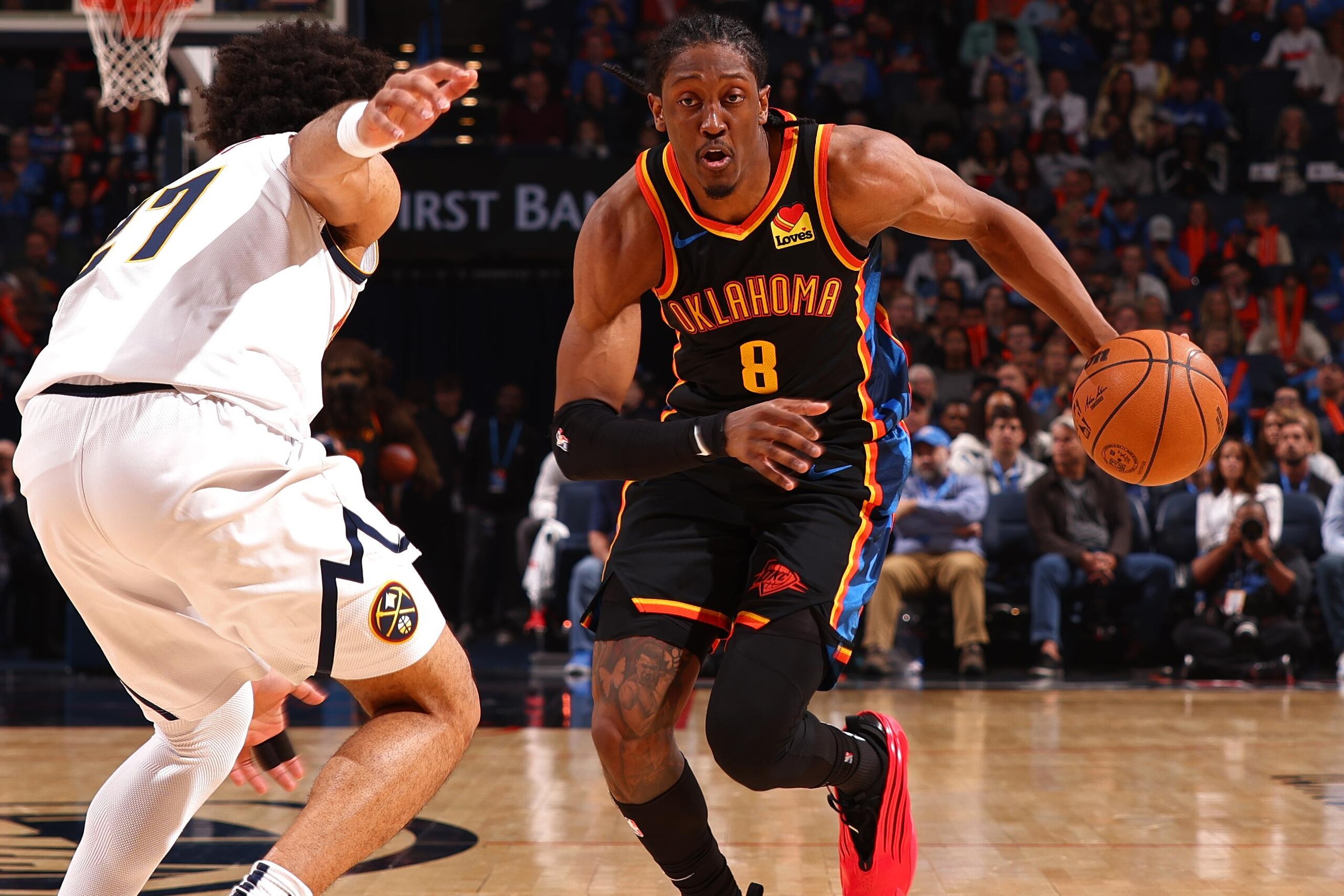
The Thunder have won over two-thirds of their games by double digits, a clear indication that nothing holds them back on most nights. Look a little harder, though, and a potential issue arises.
OKC's offense falls off a cliff whenever Shai Gilgeous-Alexander is off the floor, a carry-over issue from last year that cropped up conspicuously in the conference semifinals against the Dallas Mavericks.
In that series, OKC's offensive rating plummeted by 13.4 points per 100 possessions whenever SGA sat.
Jalen Williams caught plenty of heat for falling short as an offensive alpha during those non-SGA minutes last postseason, and he continues to flounder in that role this year.
On an encouraging note, it seems like the Thunder can insulate themselves against a repeat by making sure Chet Holmgren is on the court with Williams whenever Gilgeous-Alexander is resting. Oklahoma City's 98th-percentile offensive rating in those configurations this season offers hope for playoff survival.
As long as J-Dub isn't out there without some starting-caliber support, he should be fine. And if those minutes go well, OKC might be unbeatable.
Stats courtesy of NBA.com, Basketball Reference and Cleaning the Glass. Salary info via Spotrac.
Grant Hughes covers the NBA for Bleacher Report. Follow him on Bluesky and subscribe to the Hardwood Knocks podcast, where he appears with Bleacher Report's Dan Favale.

.jpg?w=2560 "AD Trolls Bears WR on IG 😂")
.jpg?w=2560 "Viral Dan Campbell Presser 💙")
.jpg?w=2560 "Report: Steelers WR to Miss 'Weeks'")
.jpg?w=2560 "Cam Ward Says He's Not A Loser")
.jpg?w=2560 "Buzz: MHJ Hired Agents for Trade")
.jpg?w=2560 "Chargers Fall to 0-5 🤢")
