Brazilian Football Needs Changes from the Top to Become a World Force Again
There is little time for reflection, as the incessant stream of competitive football in this corner of the world is set to kick off again in just a few months’ time with the World Cup qualifiers. But Brazil’s melancholic elimination from the Copa America at the hands of Paraguay is arguably a greater crisis than the World Cup’s 7-1 annihilation at the hands of Germany.
Against the world champions, Brazil were up against a genuine super power, and whatever the shortcomings of Luiz Felipe Scolari’s team selection and tactical setup, defeat was always a true possibility.
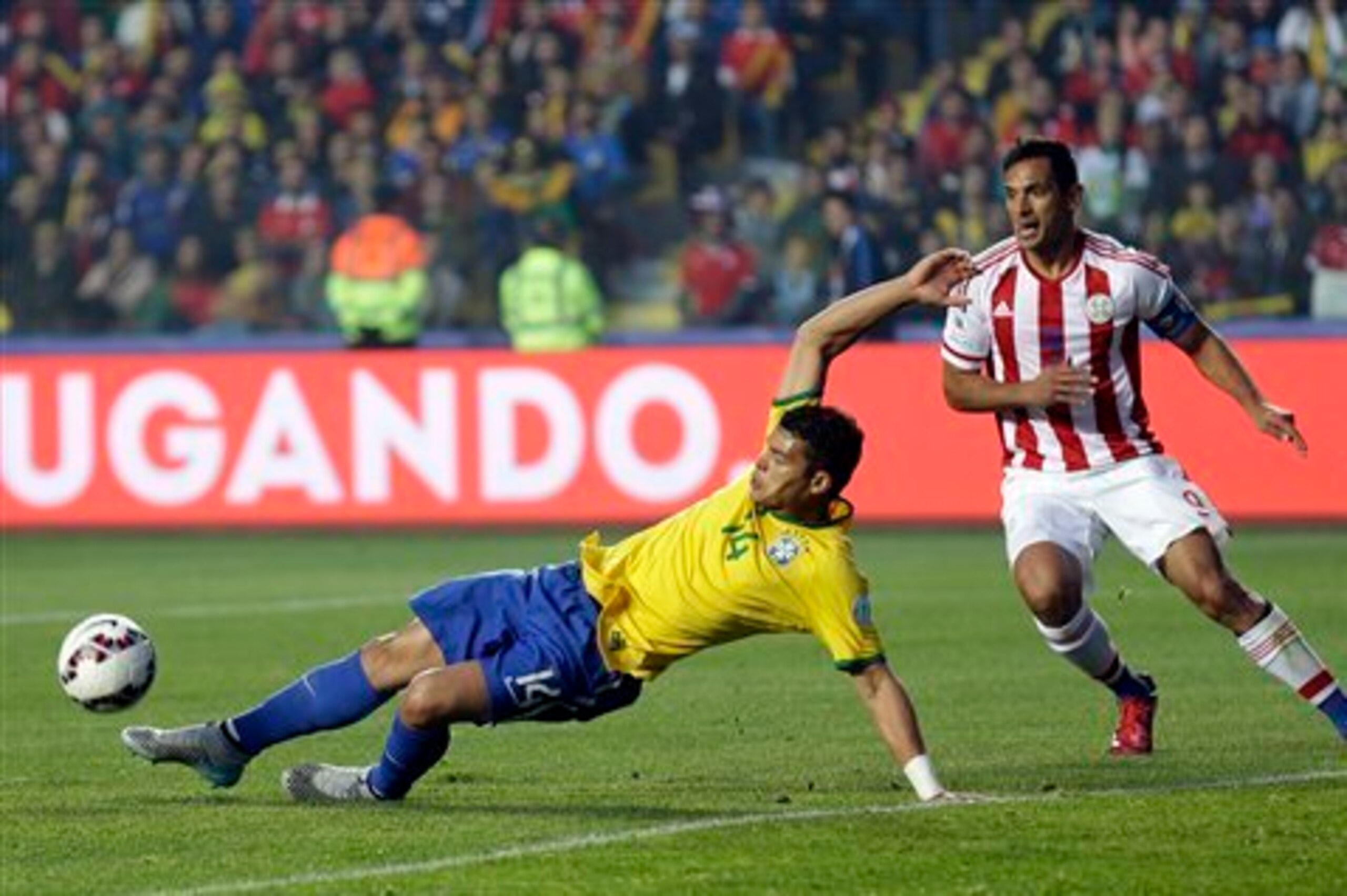
Saturday night’s penalty shootout defeat to Paraguay was a sleepwalk toward the cliff. Perhaps most worryingly for the country is the Brazilian Football Confederation’s (CBF) willingness to bury their head in the sand.
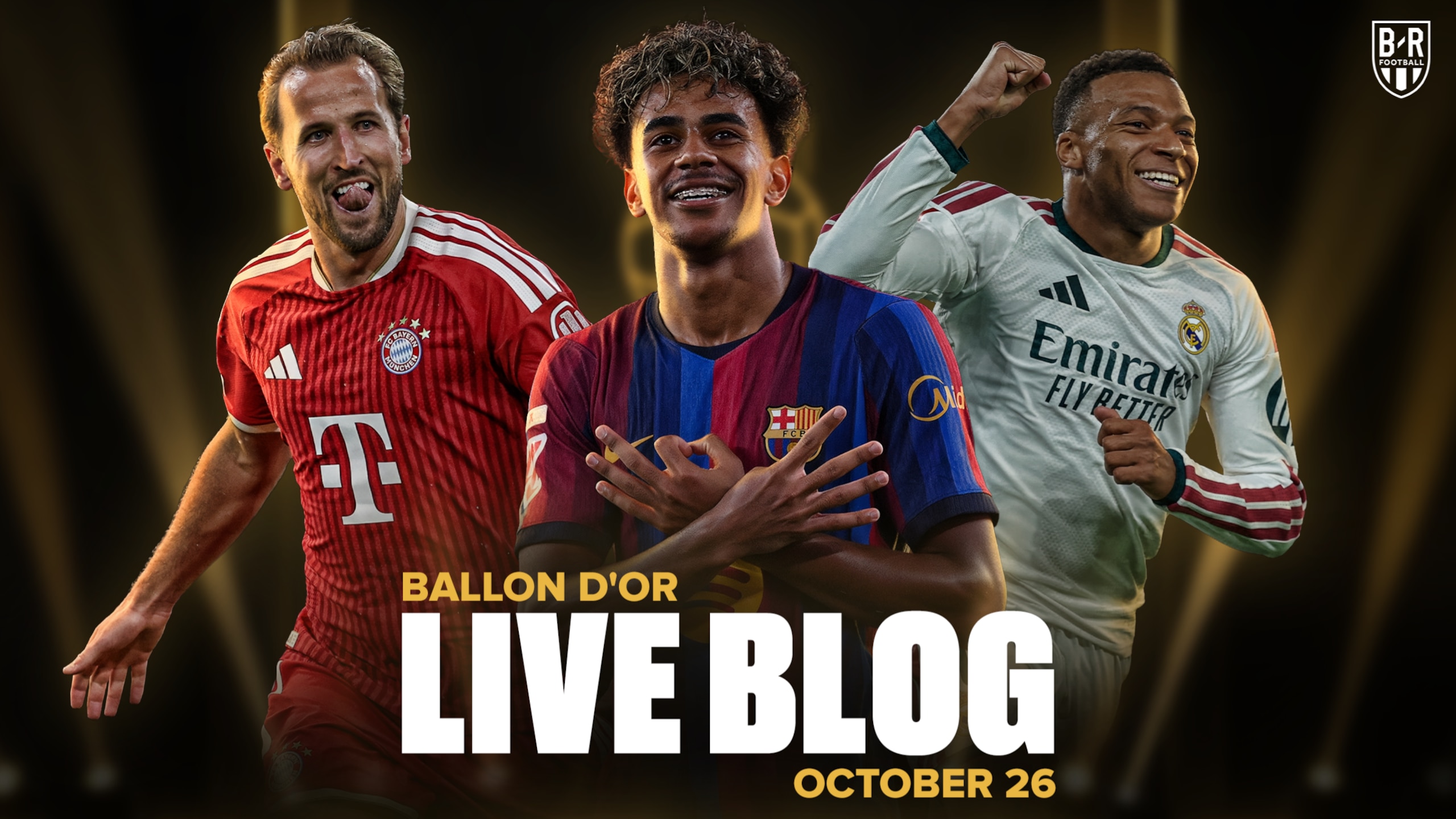


Then-CBF president Jose Maria Marin, who was last seen holed up in New York as part of the FIFA corruption scandal, had claimed that Brazil had turned the corner following the World Cup with a string of victories in friendlies, even wanting a rematch against the Germans, as if a friendly could right the semi-final humiliation, as documented by Lance editor Walter de Mattos Jr. (link in Portuguese).
The arrogance and misguidance of those words was soon unearthed as Brazil stuttered toward the knockout stages. Indeed, one only had to turn the clock back 12 months or so to realise that a number of victories in friendlies was hardly the most trustworthy of barometers once the pressure of competition and the demand for success were thrown into the pot.
This is a Brazil side built around power, force, counter-attacks and, above all, Neymar. During Dunga’s first spell at the helm of the national ship, the same basic principles were present.
Two fearsome warriors at the centre of defence in Lucio and Juan, the bruising Felipe Melo as the midfield enforcer, and in Luis Fabiano, a battering form of centre forward who succeeded in forging a fruitful partnership not only with Robinho, but with playmakers Kaka and Elano.
The coach has stuck with this fundamental formula for his team, but he has attempted to make tweaks—and some of his decisions have questions hanging over them like dark clouds.
The decision to replace David Luiz with Thiago Silva after one game may be understandable, but Miranda and Luiz had formed a solid partnership at the back in those 10 friendlies. It is going forward where this side looks most lost, though, and any notion of o jogo bonito can be hurriedly discarded.
The history of the Selecao can arguably be divided into two eras: the era of jogo bonito forever engrained in the memory of the game by the likes of Garrincha, Didi, Jairzinho and Rivellino, and afterward, when Brazil changed their playing style following their failure to lift the 1982 World Cup.
Brazil's more physical approach has still yielded two global titles, not to mention a plethora of players who could fill a world-class XI, but Dunga’s reappointment has, so far at least, brought a less drastic change than what was needed following Scolari’s reign.
That said, it is difficult to gauge how much Dunga can fundamentally change on his own. One only has to take a brief glance at the state of the domestic game in Brazil to see that big changes are needed throughout the structure of the sport.

For years, Brazil has lost its best players to Europe, but newer emerging markets are seeing players of an international calibre heading to Asia and the Middle East as a more preferable option to the Campeonato Brasileiro.
In his squad for the Copa America, Dunga called up Diego Tardelli and Everton Ribeiro, of Shandong Luneng and Al-Ahli, respectively. It's the first time players plying their trade in China and Dubai have simultaneously represented the Selecao.
They are old and familiar complaints, some or all of which you have doubtless heard before. The disorganisation of the Brazilian football calendar, in particular the insistence of persevering with the horribly outdated and mind-numbing state championships, is a stark indication of how reluctant to change the CBF remain.
National league games continue to be hawked around the country, flogged to the highest bidder. On Sunday, Vasco v Flamengo, dubbed the classic dos milhoes, was not played at the Maracana Stadium, but the Arena Pantanal, in Cuiaba. Just 15,000 turned up to watch supposedly two of the most well-supported clubs in a land boasting close to 200 million inhabitants.
With the club game in such dire straits, what hope is there for improvement at the national level? Marin’s desire for that rematch with Germany is frankly laughable.
A change in attitude needs to come from the top. Otherwise, whoever takes over the manager’s job will remain little more than a well-paid puppet.
.jpg?w=2560 "Seahawks Chiefs Football")