How Much Longer Does Robin van Persie Realistically Have Left at the Top?
Robin van Persie has been the subject of plenty of transfer speculation this summer. One of the questions that Manchester United should take into consideration in deciding whether to let the striker go is: For how much longer will he be effective at the very top level?
On Monday, the player himself told reporters, per ESPN FC:
"Am I worried? No, I'm totally relaxed. I have a contract with this club until 2016.
Things could change now, but that all depends on Manchester United not me. Believe me, I'm relaxed -- I'm not going to be part of a puppet show.
In August I'm 32. But I still have the ambition to play for another eight years.
In a few years' time I may have to accept that I will no longer play at the very highest level. I don't think that moment is coming now. I still feel very, very fit.
Playing in the first-team is very important for me. This is why I will probably step down one level when I am 36 or 37. But not now.
"


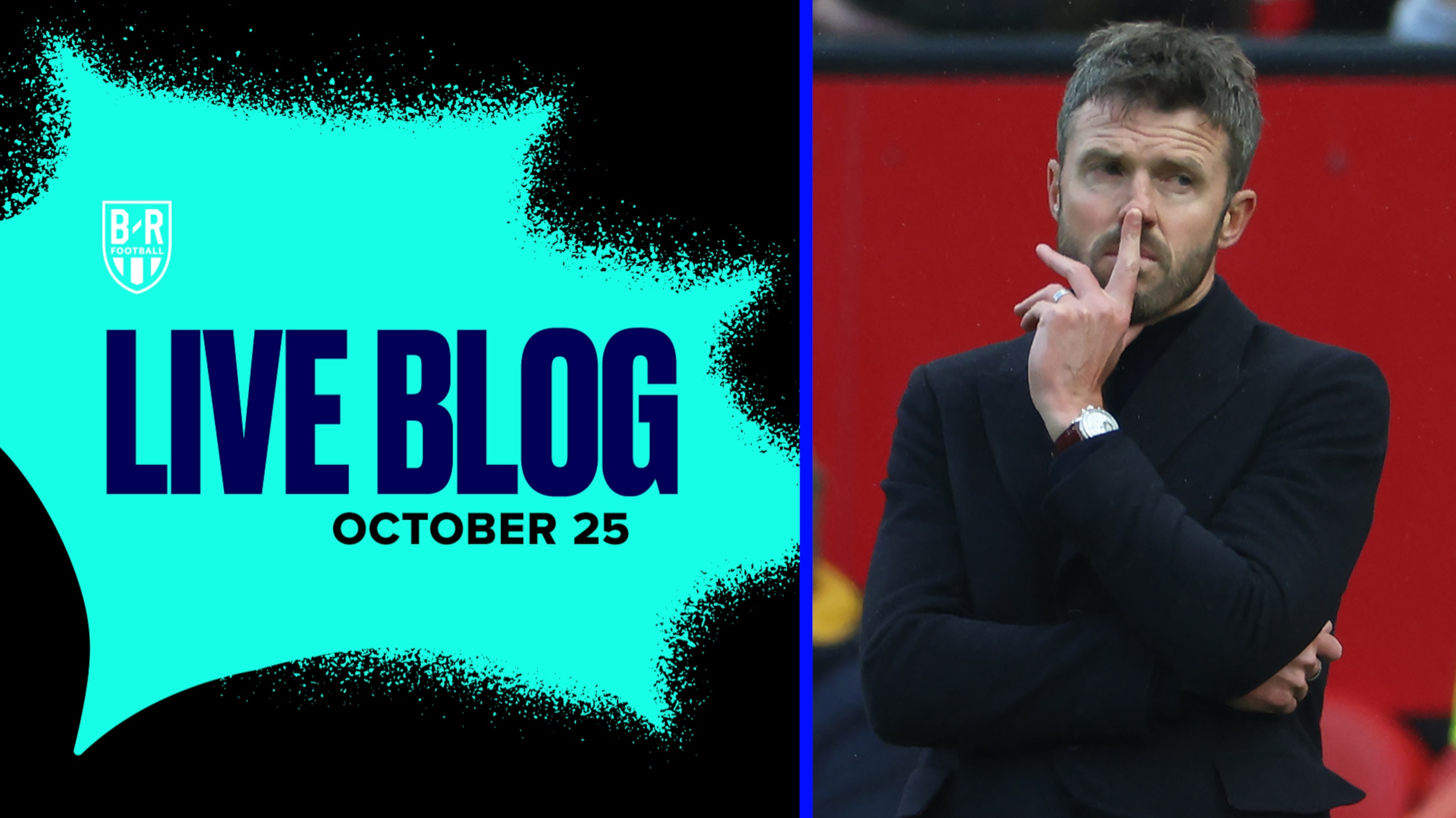
Van Persie also said:
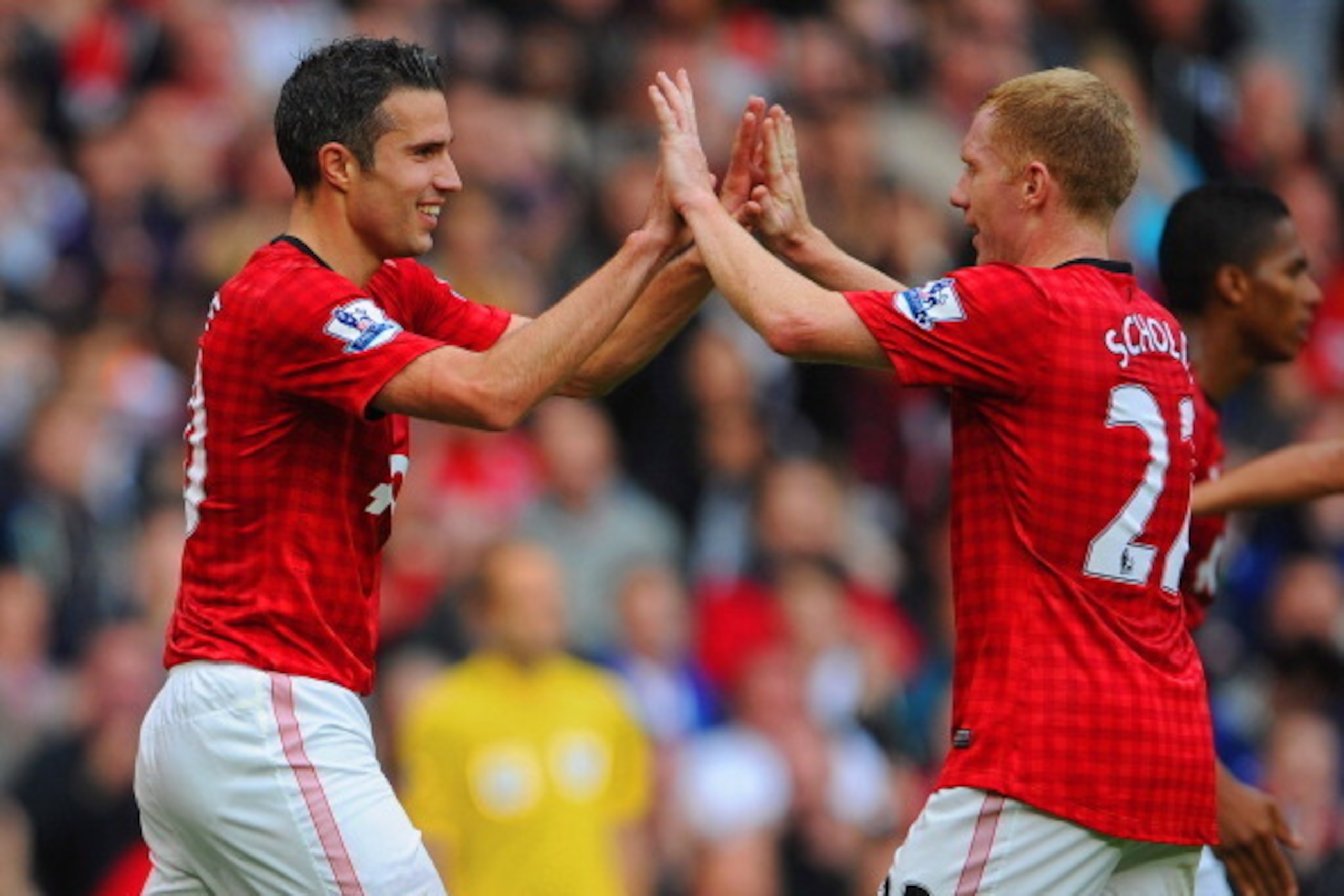
"I've seen too many players quit early. Most of them regret this soon after. I've seen those players in the national team and at my own clubs. Even big legends have regretted their retirement. Look at Paul Scholes.
He did quit the game but he kept training and was missing football so much, because he knew he was still capable of playing at that level.
"
It is a familiar refrain from the Dutchman who, speaking to Paddy Crerand on MUTV back in September 2013 (h/t the Mirror), said on the subject of retirement: "I see people around me, making decisions where I think these guys will look back and say 'was that a good one?' I don't want that. I want to play as long as possible at the highest level."
The story of Van Persie's three years at Old Trafford so far has been told many times. In his first season, he was absolutely vital, catalysing the team's efforts and providing plenty of the goals that won United their 20th league title.
In that season, he had a brief dry spell—partly through injury and partly through that injury's apparent impact on his form. It lasted, essentially, from late January through until mid-April, though he did manage one goal in February. That dry spell, unfortunately, was a sign of what was to come.

2013/14 and 14/15 have been hit-and-miss affairs for the Dutchman. In those two seasons combined, he has not managed to score the number of league goals he scored in his first.
The evidence for the prosecution in terms of Van Persie's decline is circumstantial.
It could be argued that the perpetual state of flux in which United have found themselves since Sir Alex Ferguson retired has been such that no striker could have been at his best.
Both Van Persie and David Moyes always denied rumours of a rift between them, but there certainly appeared to be a change in the Dutchman's demeanour after Moyes left. After the last home game of the Moyes season, Van Persie looked giddy with excitement at the future, as was captured by his famous "We'll be back, trust me" interview.
"Robin van Persie: "Trust me, we will be back. Trust me. Save this interview!" #MUFC #MufcVines https://t.co/YFUZtE7nsB
— MUFC Videos & Vines (@UnitedVines_) December 9, 2014"
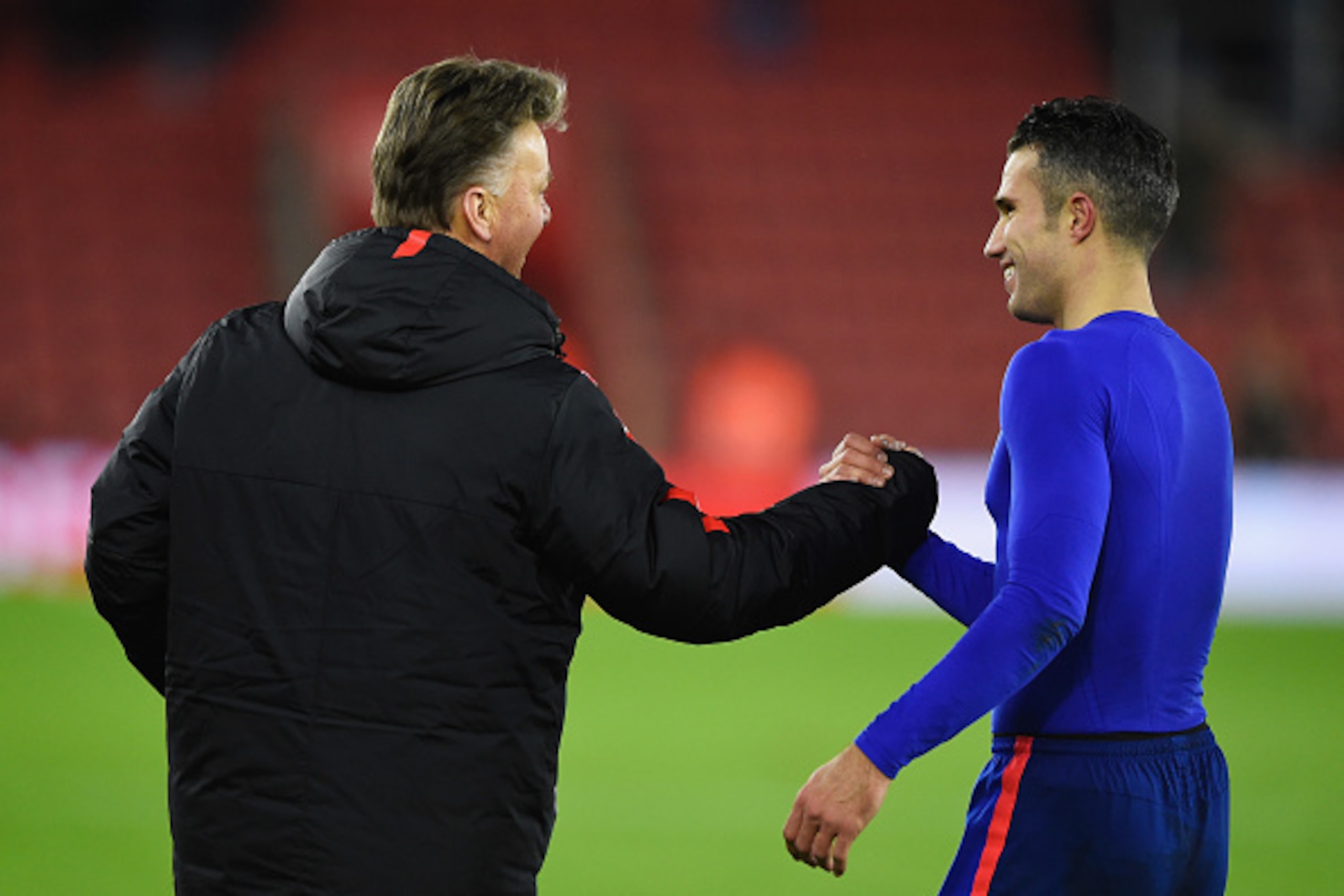
When he high-fived Louis van Gaal in celebration at his remarkable goal during the Netherlands' 5-1 demolition of Spain at the World Cup, it was hard not to share that giddiness. Here was United's next manager re-energising the striker who had been talismanic in his first season at the club.
Where Moyes had failed to understand and nurture Van Persie, Van Gaal would know how to bring out the best in his compatriot—this seemed the received wisdom at the time.
We know that has not come to pass. However, even that is not conclusive evidence to condemn Van Persie.
Perhaps if Radamel Falcao had not been signed, things would have been different. Van Gaal may have been less keen on using a front two, and Van Persie would have been the main man.
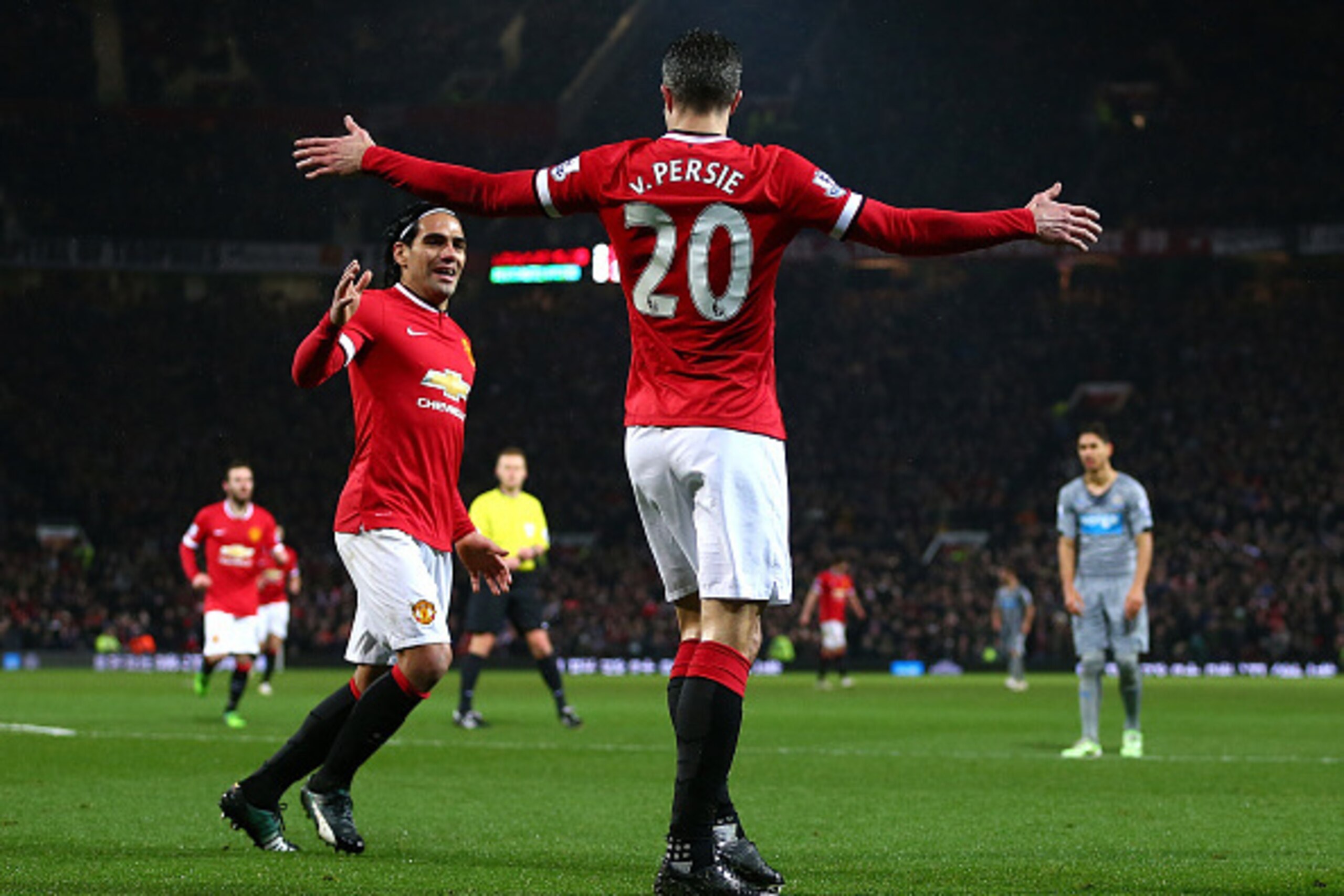
Although the evidence is circumstantial, it does currently appear fairly damning. There was little in Van Persie's performance to suggest he should be the main man.
From subjective observation, to use the football cliche, he looked to have lost a yard of pace. One of the ways this evidenced itself was in a tendency to drift offside more than he had done previously. Perhaps subconsciously, or even consciously, he wanted to try to compensate for the effects of the ageing process on his legs.
He has never been a Michael Owen-style player who relied entirely on his pace—he is far too technically gifted for that. However, like most modern top-quality No. 9s, at his best, Van Persie was explosive off the line and more than able to exploit space behind defenders.

Perhaps moving forward, if United do not bring in another top-level striker, Van Persie will prove this analysis incorrect. Either through adapting his game or demonstrating that his physical prowess is still fully up to scratch, perhaps he will prove his doubters wrong.
It is just that it currently seems less likely that the past two seasons have been indicative of the level he is now at. There will have to come a point where hoping he comes good again is replaced by a more pragmatic approach.
The Premier League at the moment does not seem to be a place where older strikers flourish. None of last season's 10 highest scorers were 30 or older. The season before, only one was, and that was midfielder Yaya Toure.
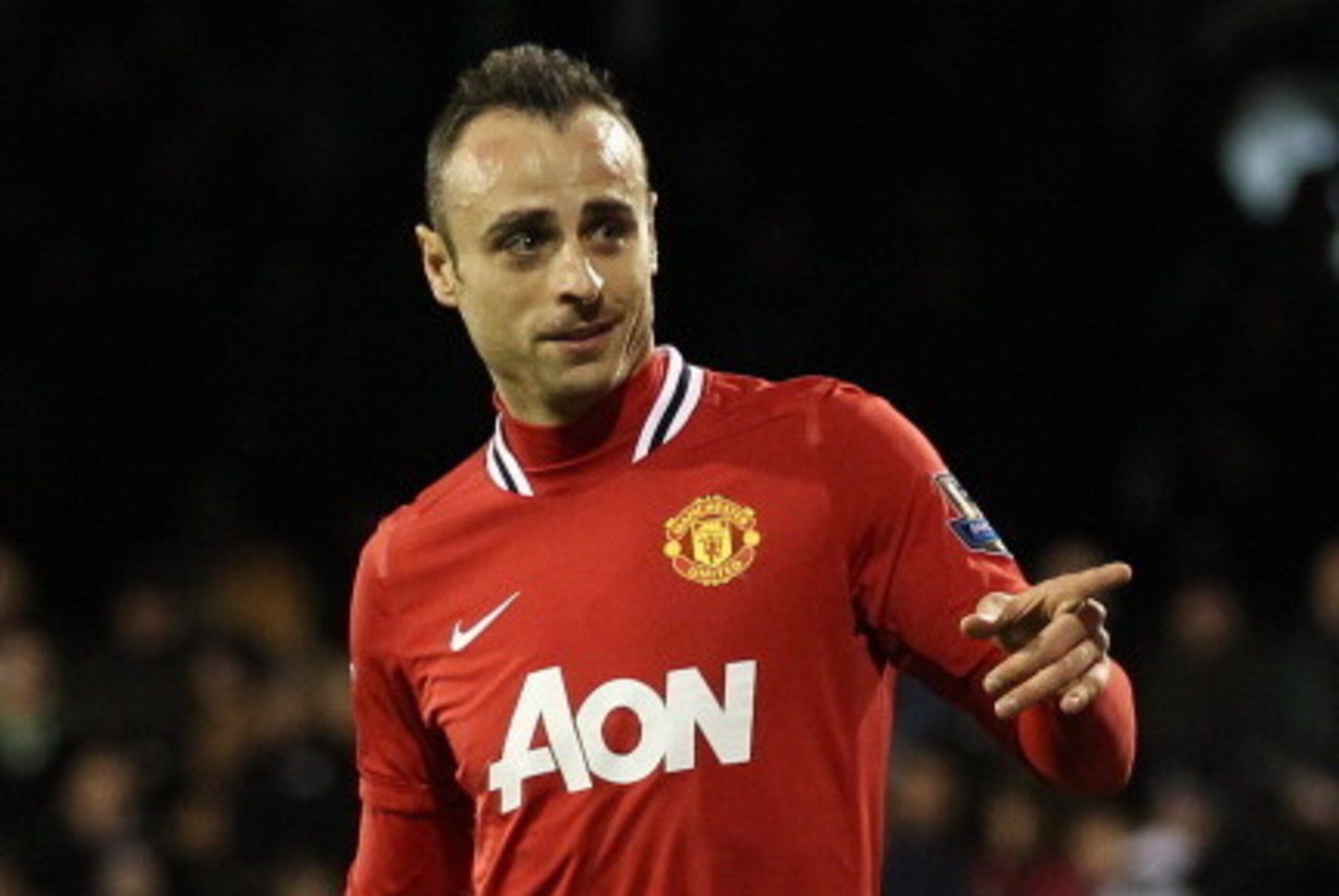
The last striker to crack the top 10 past his 30th birthday was Dimitar Berbatov for Fulham in 2012/13. If ever there was a player who did not rely on his pace, of course, it was Berbatov.
None of this means Van Persie cannot have a significant impact at a high level somewhere in a very decent league, even if he has declined. In Serie A, for example, Luca Toni shared last season's top-scorer honours at the age of 38.
The other important consideration here is Van Persie's own adaptability. Scholes and Ryan Giggs are perfect examples of longevity in older footballers. They both changed their respectively games enormously in their later years. Giggs tended to play more centrally and Scholes deeper than they had in their pomp.
Assuming there is some truth to the idea that his physical abilities are in decline, and the past couple of seasons will not be remembered as an unfortunate blip, Van Persie's best chance of extending his top-level impact could be to adapt himself into a No. 10.
After all, he certainly has the technical gifts required for the role. It would require a change of mindset and some retraining of his striker's instincts, but dropping deeper could extend his career.
Van Persie is still certainly good enough to be playing at a top-level club. Whether he is the right fit for United's needs at the moment, however, is more open to debate. What is for sure is that either letting him go or keeping him would represent something of a gamble.
If he is let go and rediscovers his form elsewhere, United will have let a gem slip through their fingers. If he stays and does not, Van Gaal will be forced into making a difficult decision regarding Van Persie's place in the first XI.
Van Gaal will have access to more detailed information about the player's physicality. The evidence at his disposal will be considerably less circumstantial. Thus, he and his sports science team are much better placed from the inside to answer the question of how long Van Persie can continue at the top level.
That information will help to inform the club's decision on the striker's future.
Whatever his future holds, at United or elsewhere, the Red Devils will always be grateful for the impact he had in that remarkable first season. Barring injury, he will be playing somewhere for many years to come.
While he does, an occasional chant of "Oh Robin van Persie" to the tune of "Seven Nation Army" is likely to be heard at Old Trafford. Whatever his destination, he will be fondly remembered at United.




.jpg?w=2560 "Latest Peyton-Colts Rumors")