Sweden on the Verge of a Disastrous Exit from the Women's World Cup
After two games in Group D, Sweden are on the verge of a World Cup disaster. With just two points, they are third bottom of the group and face a very tough test against Australia in the final game to try to squeeze into the last 16.
It started so well. After 31 minutes of their opening game, Pia Sundhage’s side were 2-0 up on Nigeria, showing their tactical dominance by scoring from two well-worked set pieces. Yet, as the game went on, the Africans got stronger and faster and the Swedes had no response.
Centre-back and leader Nilla Fischer looked slow and off the pace. For Nigeria’s first goal, Ngozi Okobi beat the Wolfsburg defender with her first touch before smashing the ball past Hedvig Lindahl. For most of the second half, there was pace in behind the full-backs and the midfield was constantly being overrun.
TOP NEWS
Alexia Wins Ballon d'Or 🏆

Live Ballon d'Or Ceremony Winners 🎉

Final Men's Ballon d'Or Rankings 📊
In attack, Olympique Lyonnais striker Lotta Schelin was doing her best impression of the invisible man, with her strike partner, Sofia Jakobsson, unable to make her runs count. There was one excellent move in the second half, and it finished with Linda Sembrant giving her side the lead. It didn’t last, and Nigeria were well worth their point—they perhaps deserved all three.
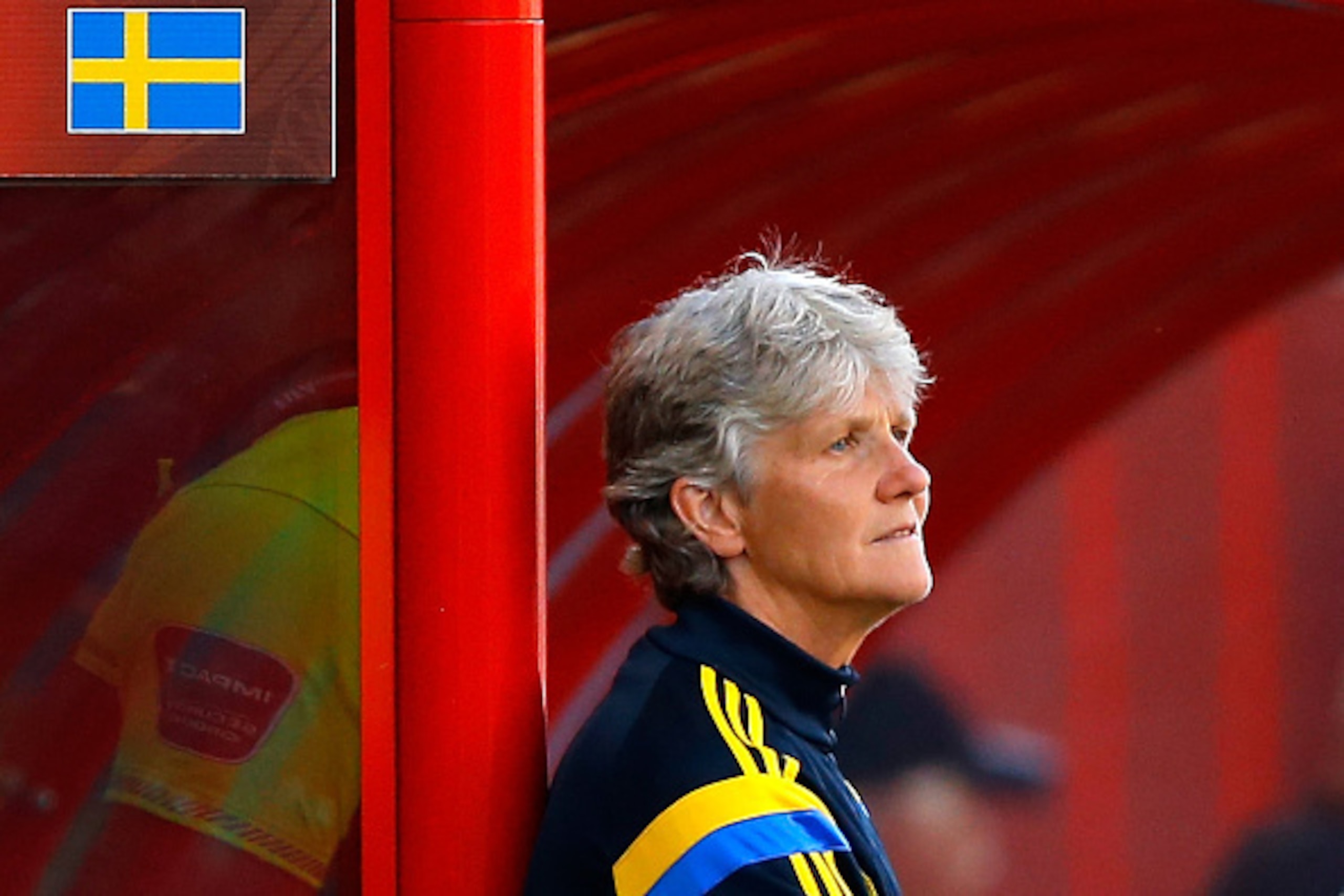
Going into the clash against the United States, the spotlight was on Sundhage—how would she address those issues, what would she do to change the team's approach?
Lina Nilsson was pushed forward from full-back to replace the injured Kosovare Asllani, with Jessica Samuelsson and Amanda Ilestedt coming into the back four.
Instantly, Sweden looked tighter and better organised as a unit, but this could also have been because the USA failed to offer the same power and direct running style that the Scandinavian side had faced in the first game.
Jill Ellis used the same flat 4-4-2 that Sweden plays, and with it matching up almost identically, without the interchanging movement and pace in behind that Nigeria brought, it was an easier game to manage for Sundhage’s defence.
Against one of the favourites to lift the trophy, Sweden deserved their 0-0 draw, but there still need to be vast improvements if they want to progress from the group.
Jakobsson is a willing runner but struggles with her link-up play and her decision-making. She is not the ideal option to play beside Schelin, and the Sweden No. 8 has cut a lonely figure in the attack.
She would be better on the wing, perhaps bringing the experience of Therese Sjoberg into the middle or, if she is fit, Paris Saint-Germain’s Asllani.
Going into the final game, Sweden know a point won’t be enough to ensure they take a spot in the last 16. Australia would be happy with a draw, but they will be confident with their performances so far that they could take all three.
After Friday’s games, the teams that sit third in Group A, B and C all have three points, and with Groups E and F still to play, it may take more than three points, especially with a zero goal difference to see Sweden through.
Back in 2007, Sweden were eliminated from group stage with four points. Anything but a win against Australia would represent their worst-ever performance at a FIFA World Cup, not exactly what they were hoping for as one of the dark horses predicted to do well in Canada this summer.
This is a squad full of excellent players, players with the experience of playing for some of the biggest teams in Europe. There is no way you can blame a lack of talent; there has to be blame laid towards the tactics and style that they set up with under Sundhage.
Playing 4-4-2 still has its merits, but it comes down to the type of players you use in certain positions. As well as Schelin being isolated, the likes of Caroline Seger beside Lisa Dahlkvist hasn’t been able to show what she is capable of as Sweden’s midfield has been outnumbered and outplayed.

The formation is too rigid. Other teams that play the same way—France, USA, Nigeria—have shown a willingness to interchange positions, at least on one side of the midfield, giving defences and midfields something to think about. Sweden have been too easy to track and contain.
Against Australia, they will face a well-organised, free-flowing 4-3-3. In their two games, their midfield has been excellent. They dominated the USA at times with their quick passing style and Nigeria couldn’t cope with their pace and the movement, helping the Matildas' front three find space all over the final third.
Sweden need to win to, and with the way they are currently playing, both in style and ability, it's hard to see how they can possibly qualify for the knockout stage. Elimination at this stage would be a massive shock and would help Group D live up to its billing as the “Group of Death.”

.jpg?w=2560)

.jpg?w=2560 "Chiefs, Steelers Eye WR Trades")
.jpg?w=2560 "🚨Jay-Z Headlining Super Bowl")

.jpg?w=2560 "Multiple NFL Trades Predicted")