

Changes Mauricio Pochettino Must Make for Tottenham to Be a Premier League Force
The potential and frustration of Tottenham Hotspur was summed up well by the juxtaposition of their May fixtures with Manchester City and Stoke City.
One week a spirited display against the just deposed champions—a team who beat them 4-1, 5-1 and 6-0 in their previous three fixtures—from which Tottenham were a little unlucky not to snatch a point. The next week, a lethargic and uninspired effort against a Potters side who gleefully shut the north Londoners down and caught them out three times to win 3-0.

Under Mauricio Pochettino, Spurs' overall form against Champions League-place rivals promisingly picked up again in 2014-15. But it was their frequent failure to secure points against more winnable opposition that reminded the Argentinian and those watching that improvements still need to be made if Spurs are to fulfil their ambition of becoming a Premier League force.
Of course, things are not as simple as there being tough matches and "winnable" easier ones. Mark Hughes' impressive Stoke did beat Spurs twice this past season and ended up equaling their highest final position since returning to the top-flight in 2008. In addition to that ninth place, their points total of 54 was four higher than the year before.
Having showed renewed mettle against clubs they aspire to be competing seriously with (notably beating eventual champions Chelsea and taking four points off Arsenal), avoiding week-to-week fluctuations, as much as possible, is a priority for Pochettino as Tottenham seek to break into the top four on a regular basis
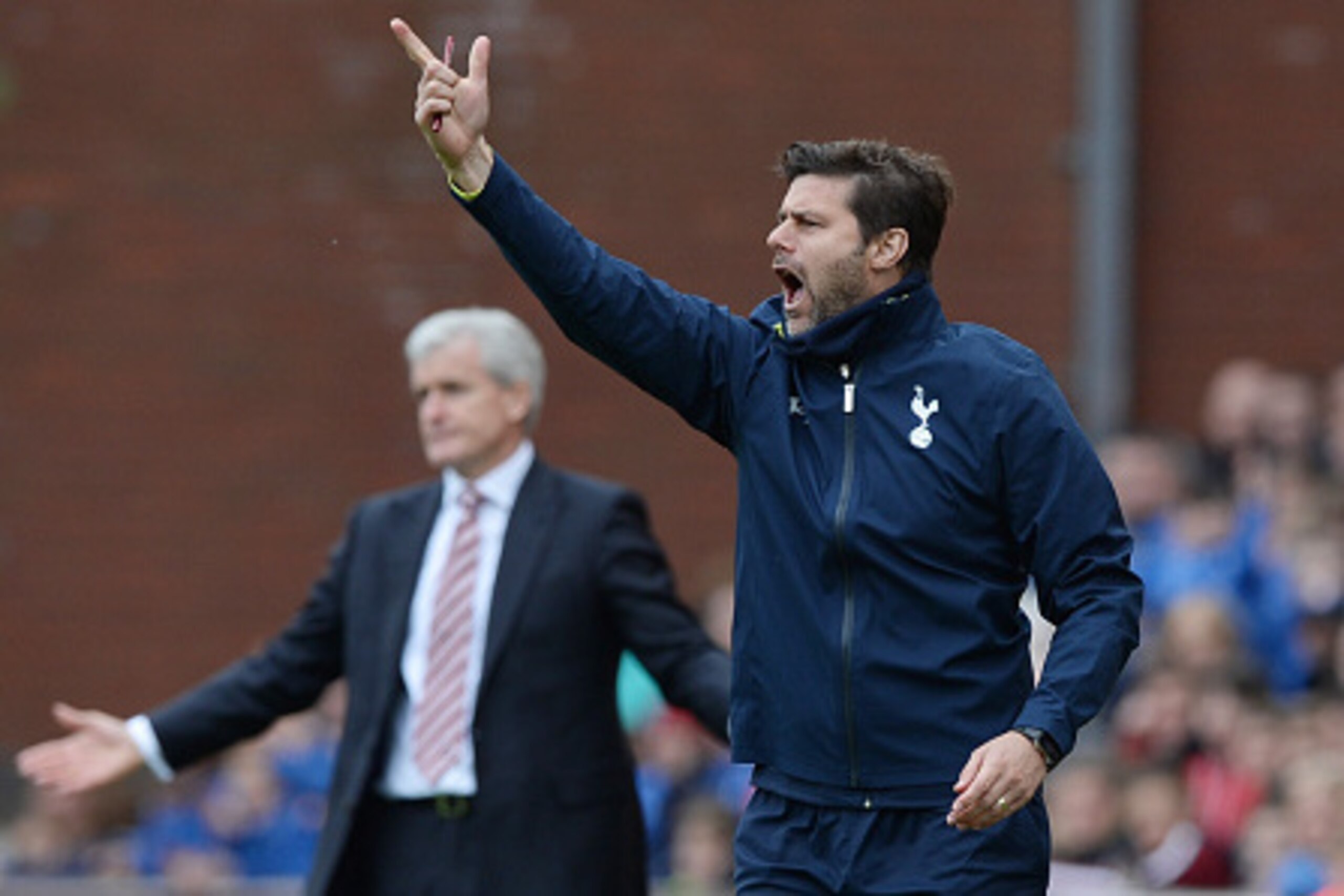
"I think this is very important to be consistent in the Premier League," the Argentinian stated in his press conference prior to the aforementioned game with Man City.
"To try to get the good balance in the team. But always the team that wins the trophy, or the team that achieve something important is always consistent."
In recent campaigns, Spurs have found that consistency in the middle of the season, using the hectic winter schedule to build momentum and earn the points that ultimately earned European qualification. This season, after the first loss to Stoke in November, they won eight of 12 until the end of January.
Either side of that was, and often is, where the trouble lay. Challenges establishing form early in the campaign not helped by changes in player personnel and, too often, management. Tired legs and minds leading to highs giving way to lows too frequently in the spring.
A year after his appointment, Pochettino will hope the former is aided by more settled pre-season preparations now his feet are firmly under the table at the club. Finding a way to turn Tottenham settling on a midseason understanding into something that can sustain them more satisfactorily through a whole campaign will require honing the basics.
Spurs' 53 goals conceded in 2014-15 was the worst by any team to finish in the Premier League's top-half, two more than the preceding season when they suffered several thrashings (though their goal difference was improved by one).
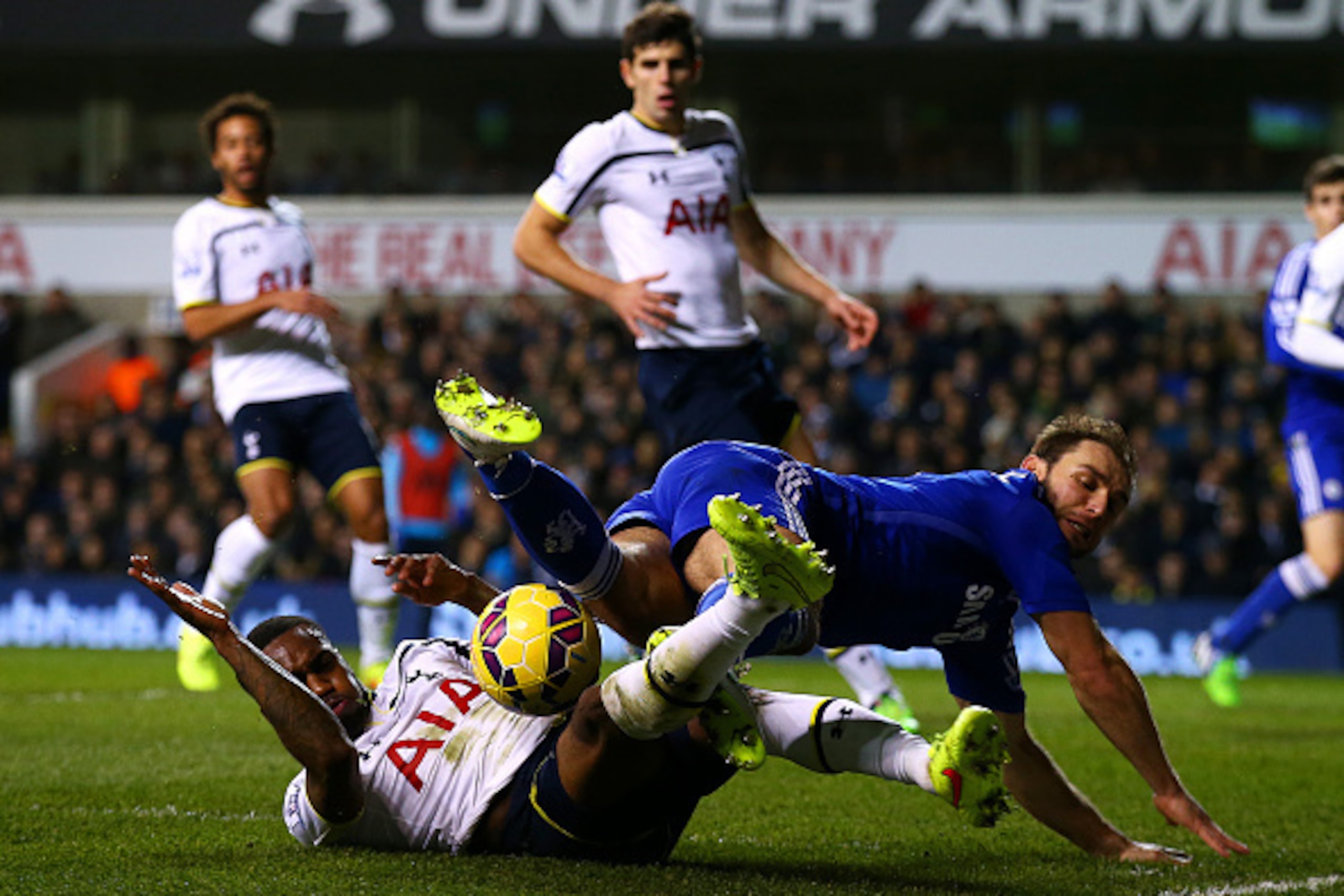
Pochettino rightly pointed out in April that shoring up the defence is more than just about the efforts of the defenders themselves. Still, building as solid a foundation as possible is vital for any team who want to last the pace with the elite (see the comparative strength of title winners Chelsea's defence for an example of the benefits).
The aforementioned midseason upturn was in part a result of Spurs finally settling on a consistent (there's that word again) centre-back pairing. With good accompanying work from their full-backs, Federico Fazio and Jan Vertonghen establishing an understanding made the team less prone to some of the errors and disorganisation that had cost them points up until mid-November.
After time apart between the end of January and April, the renewal of the Fazio and Vertonghen duo eventually led to a restoration of greater cohesiveness in the season's last couple of games. But like at the turn of the year, there was still a feeling the Harry Kane-led attack was compensating for an unevenness that stability could not completely remedy.
Take the 0-0 draw with Manchester United and the 5-3 win over Chelsea shortly after Christmas. Spurs defended bravely, and it was hard to fault their efforts. But too many chances still resulted from laxness and disorganisation—Chelsea got off 19 shots, seven off which were on target, per BBC Sport.
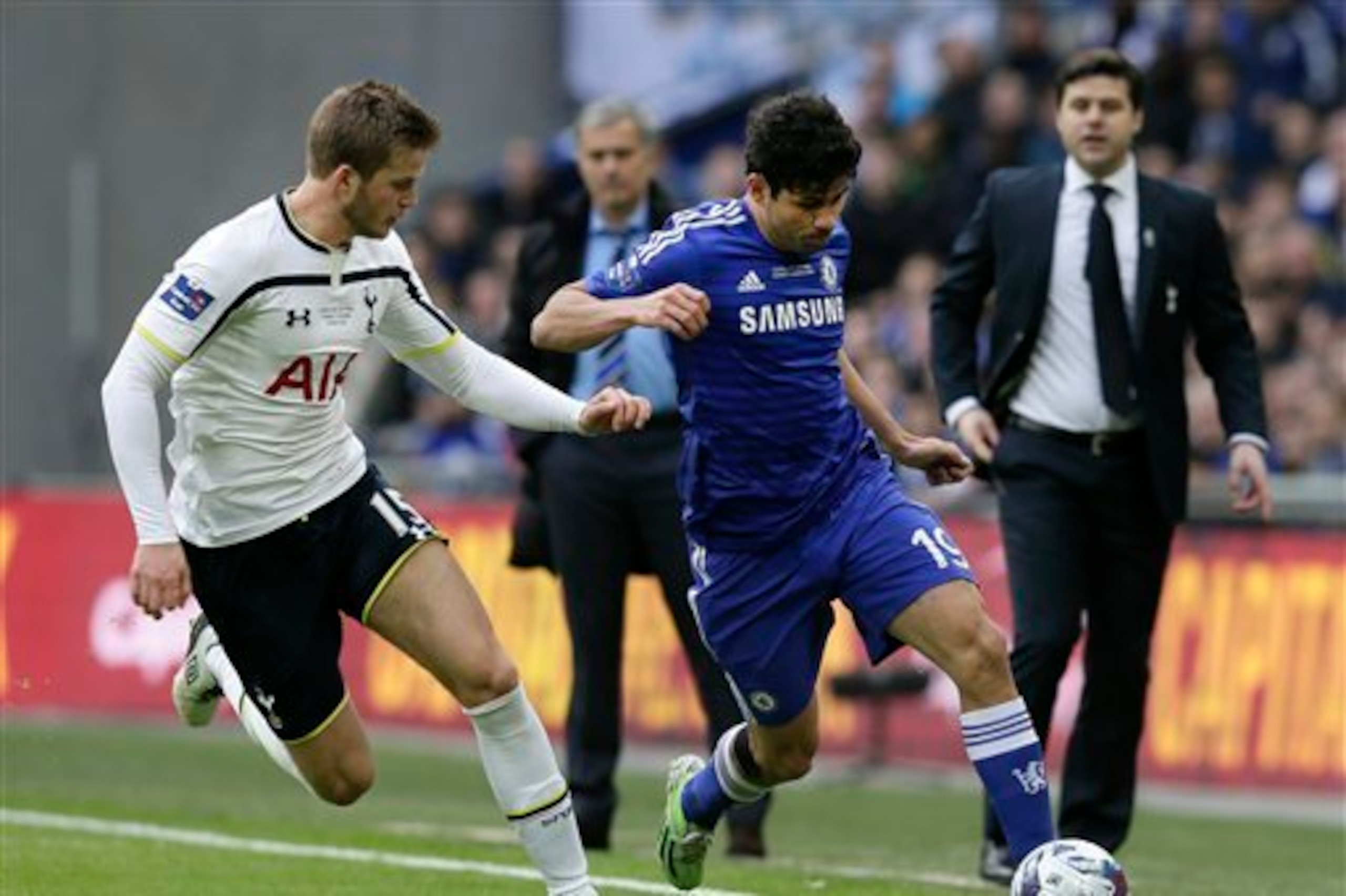
Perhaps a year's experience in English football for Fazio will benefit his partnership with Vertonghen, allowing him to get a better handle on the rhythms that sometimes escaped him. Maybe the versatile Eric Dier's run later in the campaign will have set him up for a more focused run at centre-back, or new signing Kevin Wimmer will contribute to an immediate improvement.
But even the most optimistic predictions around possible personnel solutions will not come to fruition if Pochettino and his coaching staff do not work on prioritising the basic fundamentals of the job in their defenders' minds. The general standard in the position is so poor in modern football that bringing in just about any centre-backs or full-backs capable of providing a quick fix is likely to cost a premium.
"You need to be right and to take the right decision," said Pochettino before the Man City game about the changes that can be made via transfers. "It's not only if you pay money you are sure you can achieve something."
That certainly applies to how spending might inform what the head coach does further up the pitch. Bringing in new strikers to augment the burgeoning hotshot Kane is undoubtedly a must.
One of the England under-21 international's fellow attackers Emmanuel Adebayor and Roberto Soldado might still stay, and who knows, perhaps end up flourishing. But their lacklustre past year means they have not earned that presumption, giving their boss a mandate for change here.
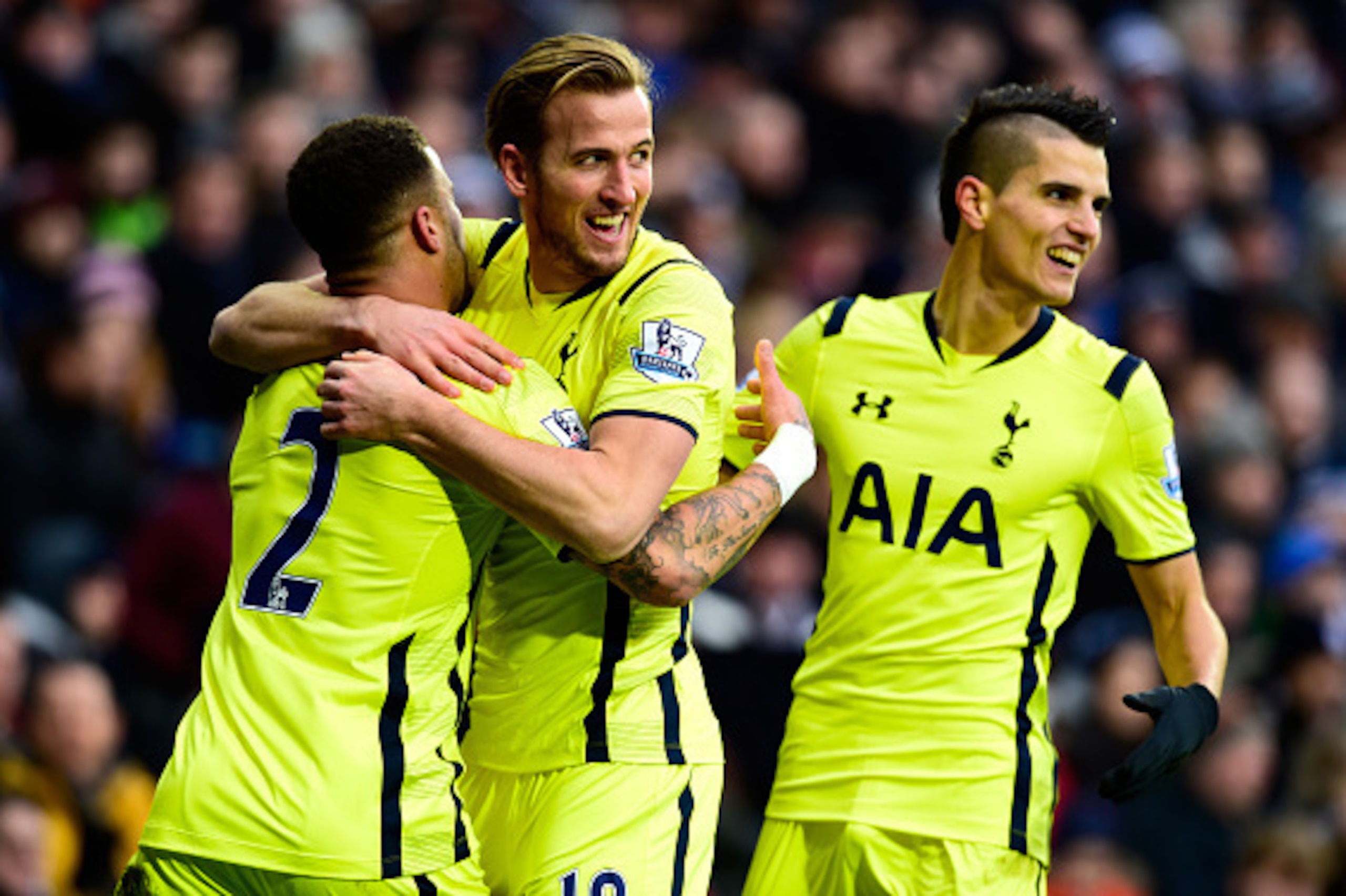
Kane's 31 goals in all competitions was a sizable reason why Spurs enjoyed a run to the Capital One Cup final, took on England's best and finished a commendable fifth (securing a Europa League group stage start rather than a playoff too). However, his tail-off toward the end—just two goals in his final eight appearances—highlighted the need for better help.
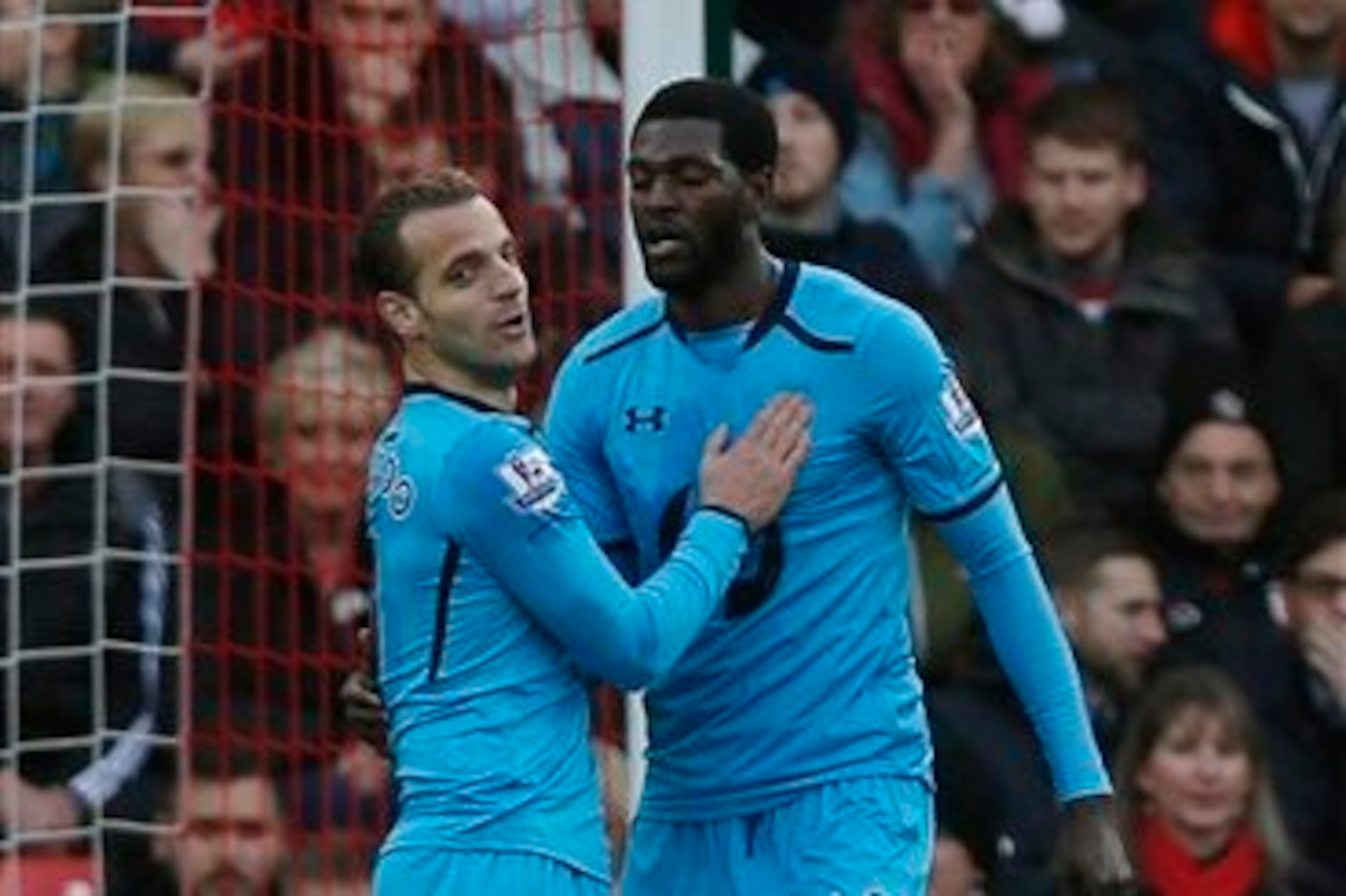
That his own efforts did not diminish in that relative dry spell bodes well, though. Kane continuing his development at the pace he has, coupled with some reliable additional firepower, would help Spurs take a big step forward in getting to where they want to be.
While there has been talk about drafting in a new central midfielder (such as Southampton's Morgan Schneiderlin, per the Telegraph's Matt Law) and a winger (the Daily Express' Anthony Chapman has mentioned possible interest in Dnipro's Yevhen Konoplyanka), Tottenham's scope for improvement in the middle of the park is as much to do with how their players are used as who they are.
Pochettino's 4-2-3-1 was just about the most apt use of the players at his disposal—notably the attacking midfielders outnumbering and generally outperforming the strikers.
At it's best it allowed a fluid, creative passing game to flourish around the supporting attacking midfield trio. Nacer Chadli and Christian Eriksen joined Kane in reaching double figures, while Erik Lamela and Andros Townsend contributed their fare share of goals and assists too. Behind them, the central midfield two, once Nabil Bentaleb and Ryan Mason were installed there, reached heights where their aggression and energy backed up those in front of them while providing cover for those behind.
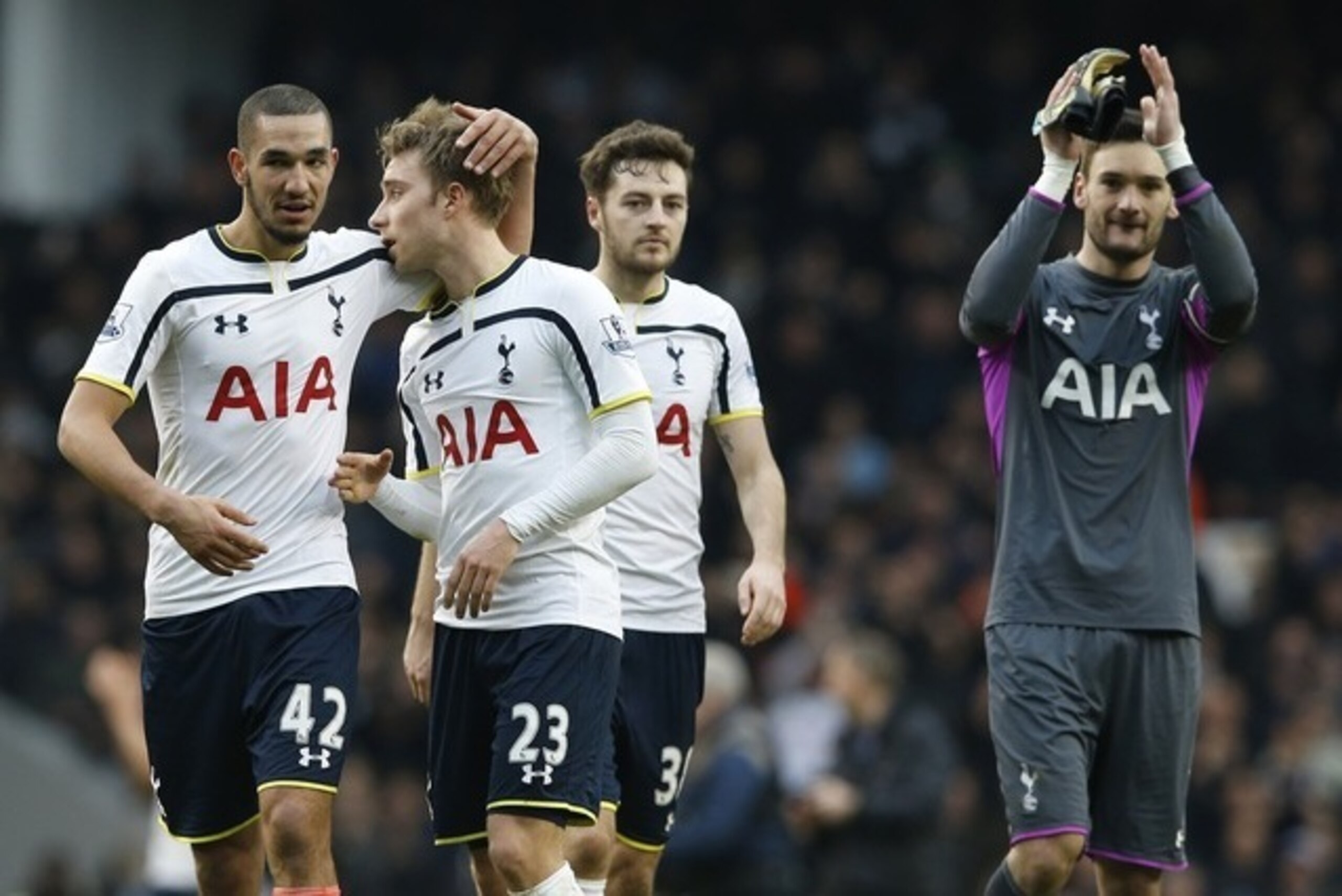
Even after Pochettino settled on the preferred make-up of his midfield, all this coming together in a successful fashion was not a weekly occurrence. Bentaleb and Mason could be just as clumsy and negligent in basic marking duties as the defence. The attacking midfielders had plenty of uninspired days, becoming predictable and plodding in their approach play.
Pochettino occasionally tweaked his formation (for instance, he briefly moved to a 4-4-2 heading into December). Yet, particularly later in the season when his team were feeling the consequence of their exertions, he surprisingly did not change things up.
Perhaps Pochettino does not trust those he left on the fringes as much. Or maybe he was willing to prioritise young players such as Bentaleb, Eriksen and Mason getting familiar with applying his demands over the short-term benefit of replacing one of them for a week or two (it might partly account for why the squad's best defensive midfielder Benjamin Stambouli remained sidelined so often).
The best teams will certainly play their best players as often as possible. But even as Chelsea boss Jose Mourinho constantly fielded the likes of Cesc Fabregas and Eden Hazard, he also knew the importance of his side having alternative plans. To survive the grind of the season, the Portuguese understandably tempered his team's more expansive leanings to ensure their focus was on seeing wins through (coincidentally a realisation evidently partially prompted by their New Year's Day loss to Spurs).

A year of Pochettino's management has shown he likes his team to play a passing game. To be positive, both in possession and the way they combat opponents. Trying to close them down and make any time spent on the ball uncomfortable.
These core principles do not need to change. Indeed, seeing their realisation in Spurs' best performances, they will be integral to any real progression. But they will almost certainly benefit too from being allowed to breathe in ways they were not so much in the past 10 months.
It is difficult to say exactly how until we have a better idea of the squad Pochettino will bring into 2015-16. But adapting certain players' roles to different opponents would be a start.
Putting Eriksen in a more recognisably central midfield role may allow him more scope to conduct Spurs' attempts to pick apart teams who defend deep against them (the second-half of the away win over Hull City definitely springs to mind here). With his more natural positional discipline, Stambouli might be a better bet away from home than the more adventurous Bentaleb or Mason.
Lamela showed away at Liverpool and Newcastle United how his more intricate style can be better served against opponents crowding inside areas against them, rather than out on the flank where his limited speed can be more simply dealt with by a focused full-back.
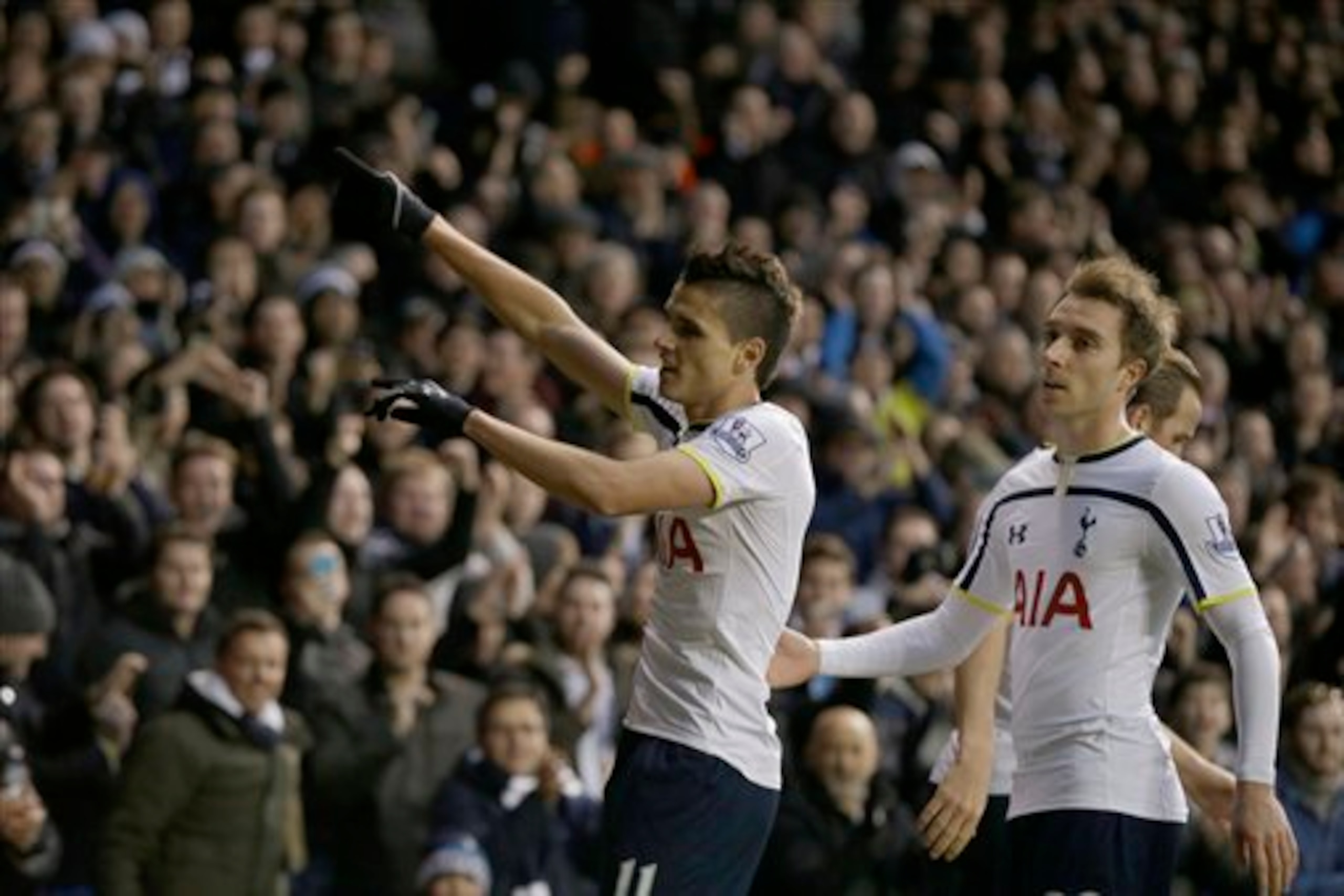
Such alterations would naturally have ramifications elsewhere, either in formation or selections, but without overly confusing things or sacrificing his ideals, having more of an open mind to these things could allow Pochettino to get more from his squad.
Without the attraction of Champions League football or being able to sanction big transfer fees on a yearly basis, this is a must for improvement.
When you consider improving clubs such as Stoke, Southampton and West Ham United are aspiring to the same thing, Tottenham are in an enviable position really. They have been knocking on the door of the Premier League's elite for a while now.
Let in a couple of times, they have not done enough to remain (again, not helped by notable changes in management and players). But their resources are sufficient enough that Pochettino building on his encouraging start—developing a young team budding with potential—could see them get in there again.
His next moves in terms of transfers and how he sets up his team for the coming season will give us an idea of just what he has learned from year one and what might be in store for Tottenham in year two of his tenure.
Quotes obtained firsthand unless otherwise noted.


.jpg?w=2560 "Chiefs, Steelers Eye WR Trades")
.jpg?w=2560 "Cowboys Handle Eagles on MNF 🤠")

.jpg?w=2560 "WWE Raw Live Grades 🔠")
.jpg?w=2560 "Jay-Z Headlining Super Bowl")