


Perception is a big thing in sport. You might not be feeling great in yourself, but if your opponents fear you because of your reputation, then you are often already halfway to beating them.
History is littered with stories of the underdog boxer who failed to land a punch on the champion or the tennis player who was reduced to throwing in a series of double faults at the mere sight of the multiple Grand Slam winner on the other side of the net.
Those are individual sports, of course, and while football remains one of the premier team-based sports, the goalkeeper stands as an individual among it all.
TOP NEWS
Alexia Wins Ballon d'Or 🏆

Live Ballon d'Or Ceremony Winners 🎉

Final Men's Ballon d'Or Rankings 📊
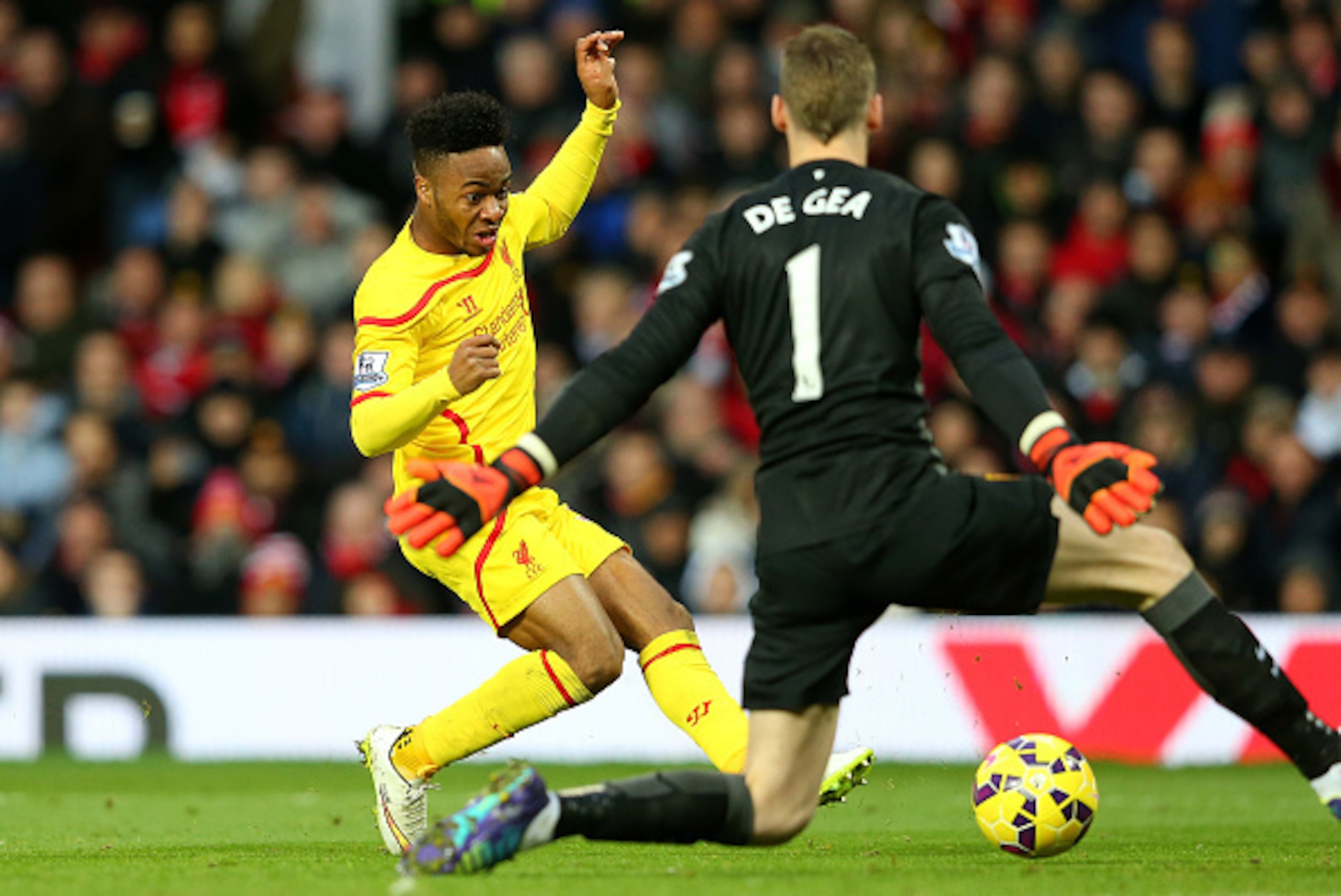
Place a top-class forward in front of a goalkeeper whom they perceive to be beatable, and the chances are they will beat them. However, put him one-on-one with one of the greats of the modern goalkeeping game—the ranks of which the likes of David De Gea and Thibaut Courtois have so impressively swelled in recent years—and there are other thoughts that will suddenly go through the attacker's head. Minds will be scrambled and chances lost.
It isn’t so much the quality of the 'keeper they are facing that makes this happen, but more their reputation. Ironically, it then often leads to the attacker snatching at a chance or hitting an effort that a lesser goalkeeper would also be able to save.
In the Premier League, there are arguably only five goalkeepers who fit this theory that perception rules all: De Gea, Courtois, the Belgian’s Chelsea understudy Petr Cech, Joe Hart and Hugo Lloris. You will find a few dissenting voices—largely concerning the Englishman Hart—but in general, most observers would agree that these five are very good last lines of defence.
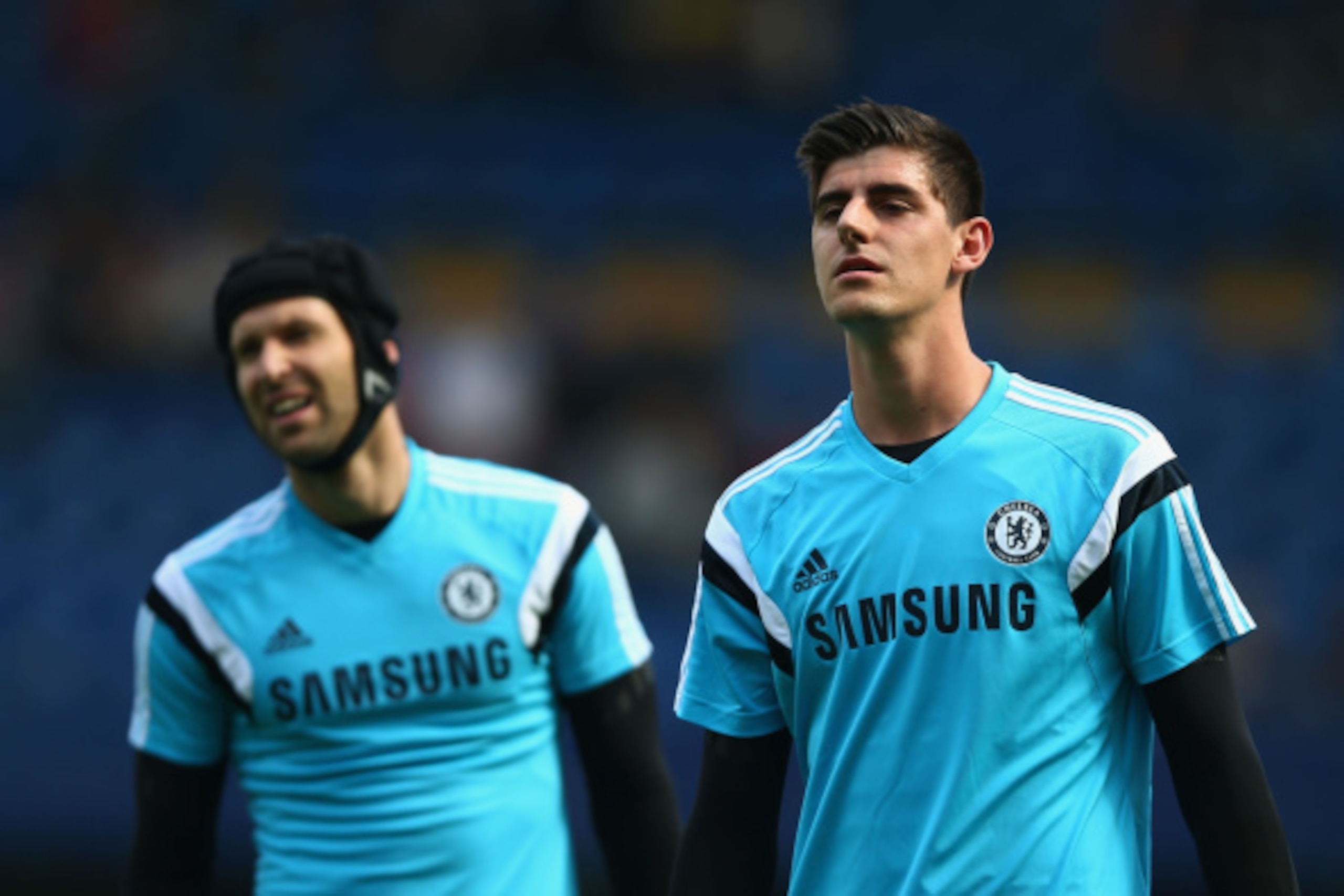
Just below that bracket are the goalkeepers who inspire the real debate, though, those who are either rated or slated, with even their most ardent supporters unable to claim that they come close to the perceived standard of the aforementioned top five.
Liverpool’s Simon Mignolet is the leading man in this group, having just had a season in which he looked as though he’d completely forgotten what his job was at times, even suffering the indignity of being dropped for Brad Jones, only to recover and improve toward the end of the campaign.
Everton’s Tim Howard (minus the World Cup memes), Stoke City’s Asmir Begovic, Newcastle United’s Tim Krul and Fraser Forster of Southampton are probably in the group too, as is Swansea City’s ex-Arsenal man Lukasz Fabianski. And then we come to the two men currently fighting for the Gunners’ No. 1 jersey.
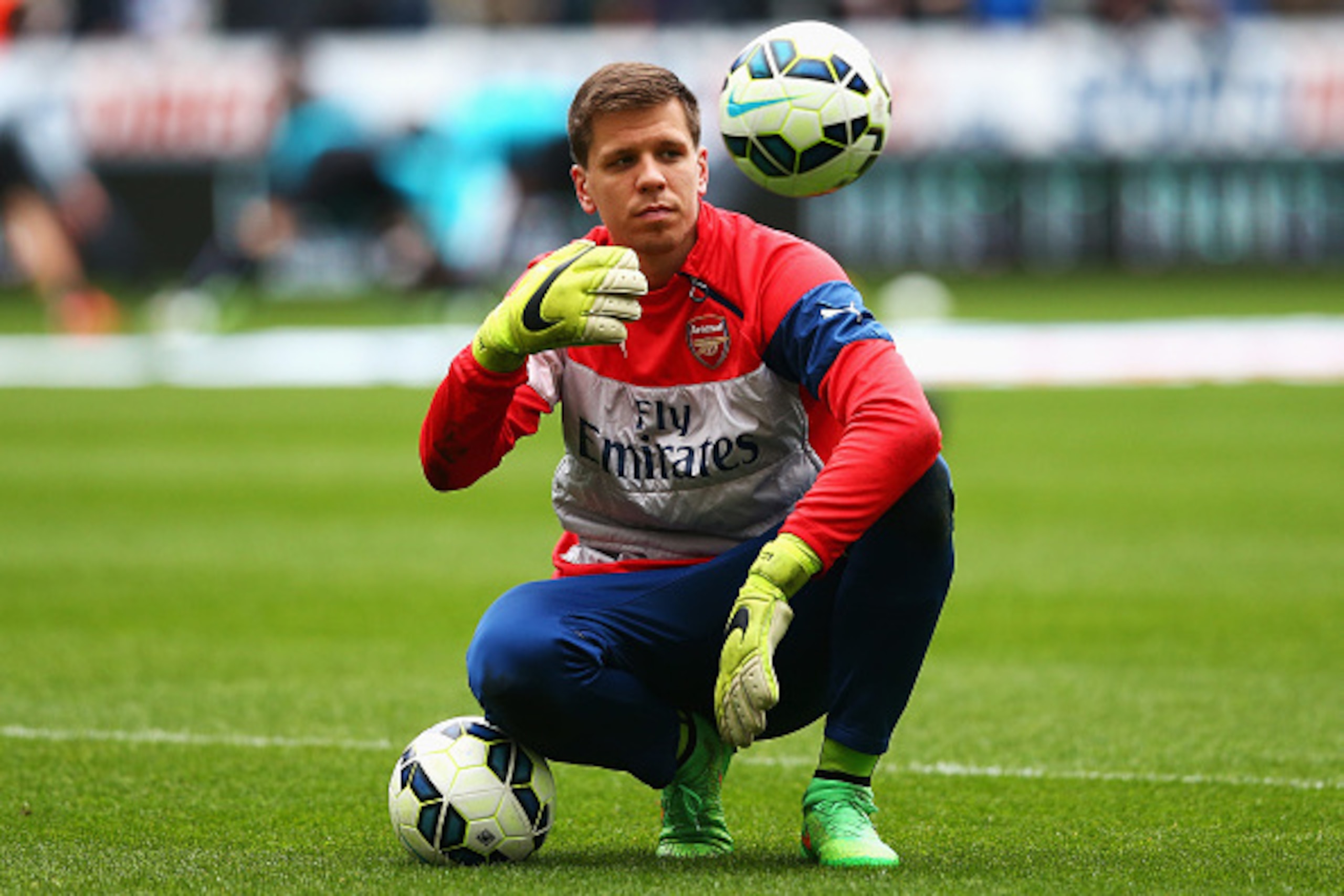
Neither David Ospina nor Wojciech Szczesny is close to that elite group of five, and given that Arsenal have every right to start the 2015/16 season with realistic title ambitions—after all, they spent a decent portion of the campaign just gone looking like the most convincing challengers to Chelsea—then that has to change.
The pair aren’t bad goalkeepers, they are just nowhere near breaking through that “Mignolet Ceiling” and joining the elite.
As Bleacher Report's James McNicholas recently noted, Arsene Wenger’s successful Arsenal teams have always had a clear, defined No. 1 goalkeeper—as indeed have most others elsewhere, even if the last two Champions League winners opted to have “European-only” stoppers in Iker Casillas and Marc-Andre ter Stegen, who remarkably still hasn’t played a league game for Barcelona since joining last summer but is now a continental champion.

Is he in the elite group from outside the Premier League? He might well be on the way, but it would take a huge upturn in form, the likes of which we’ve seen from De Gea recently, for Ospina and Szczesny to get in there.
The latter started the season and the three preceding it as Wenger’s No. 1 choice, with the Frenchman sticking by the Pole often in the face of fierce criticism.
Szczesny’s game has certainly improved in that time but never to a genuinely remarkable level, and although plenty put the manager’s decision to drop him from the team down to his rather brainless decision to smoke a cigarette in the showers at Southampton on New Year’s Day—as reported by the Daily Mirror’s John Cross—the facts are he’d just had a shocker in a 2-0 defeat and hadn’t kept a clean sheet for two months. The change was merited.
Ospina came into the team for the FA Cup third-round win over Hull City and then stayed in it for every match bar ones in that ultimately successful competition.
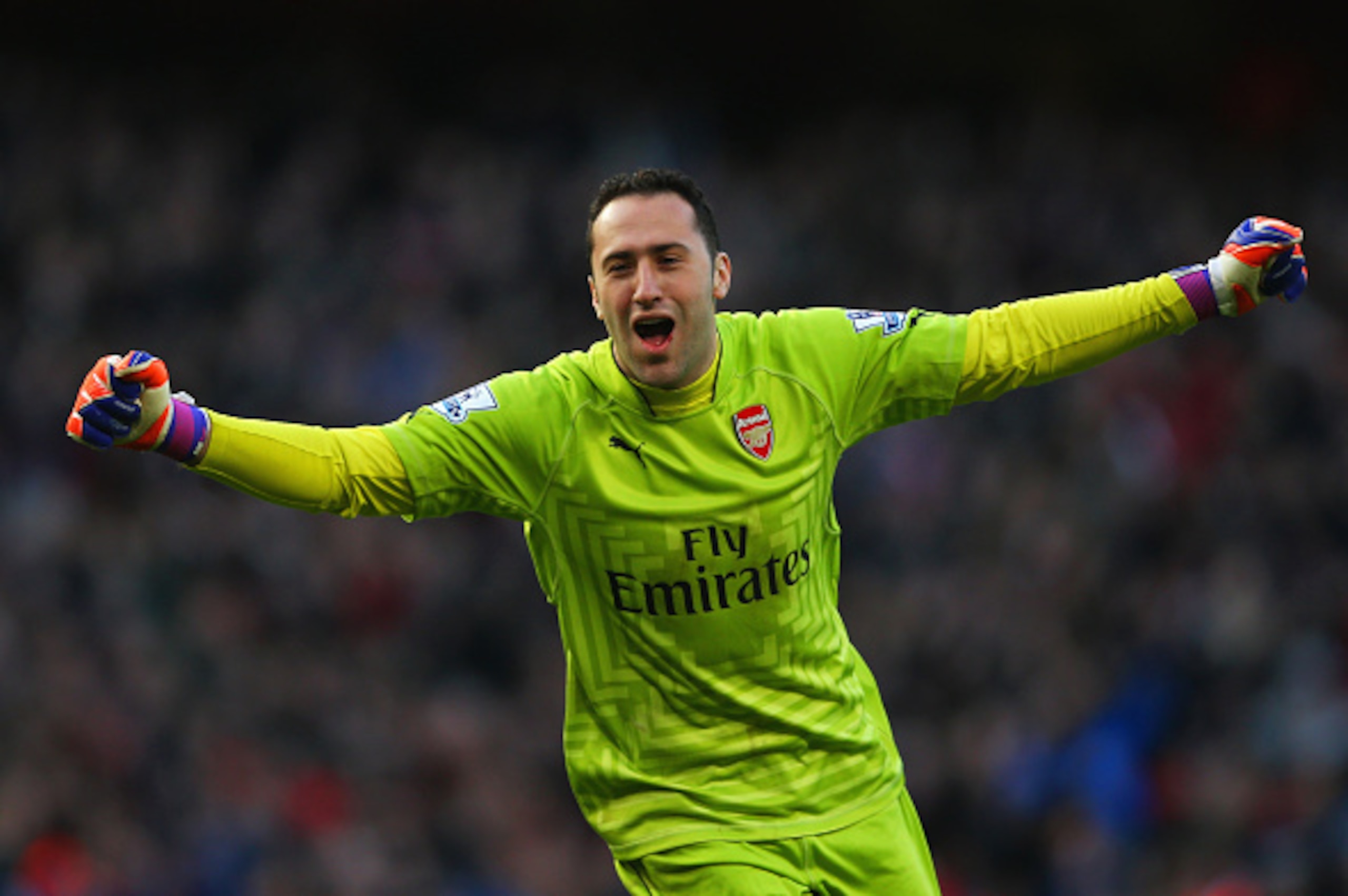
He did well too, keeping eight clean sheets in 18 Premier League games as a top-four finish was comfortably secured, but it’s just that—keeping in mind our conversation about perception—he just doesn’t quite look right, does he?
The official Arsenal website lists the Colombian’s height as 6’0”, but he doesn’t quite give you that impression, almost coming across as a squat-like figure when seeking to command his penalty area.
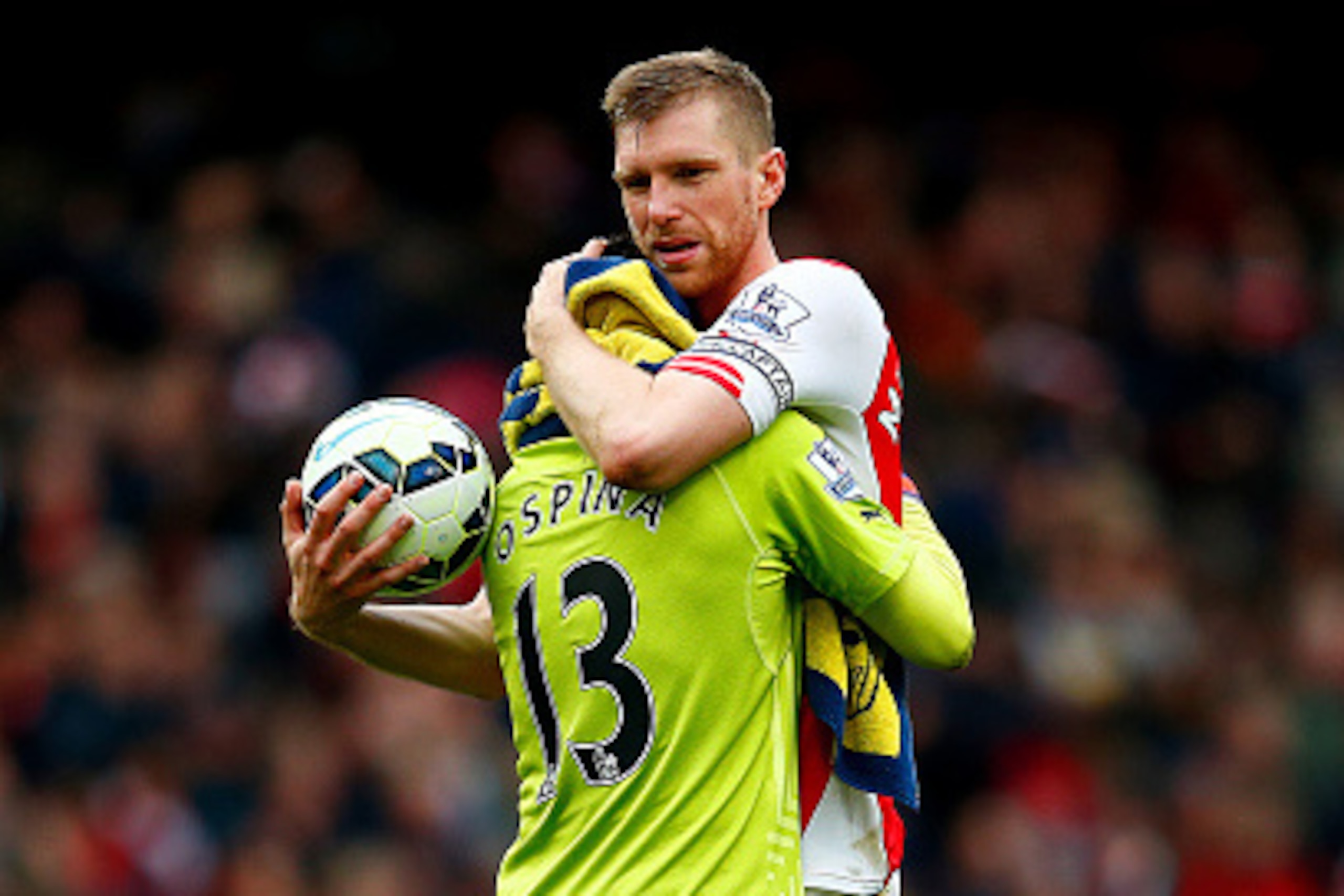
It is extremely harsh to criticise a man for not being just a little bit taller—and the fact that Ospina plays in close proximity to the giant Per Mertesacker doesn’t do him any favours on the size front—but as we’ve discovered, these perceptions can stick. Forwards will think they can beat Ospina and maybe even rough him up.
Add in the fact very few Premier League title winners these days can fit the description of “£3 million signing from Nice,” and you’ve got Arsenal’s biggest problem this summer. At a time when they are desperate to be seen as not just one of the best but as a Premier League and Champions League force, the options at the very core of their team are saying the exact opposite.
The answer? To go out this summer and spend big on a new, undisputed, elite-level No. 1.
It’ll be a tough ask, but after making waves at the front of his team in the past two summers with his moves for Mesut Ozil and Alexis Sanchez, Wenger has shaken off that age-old criticism of his approach to the transfer market and shown a willingness to spend big.
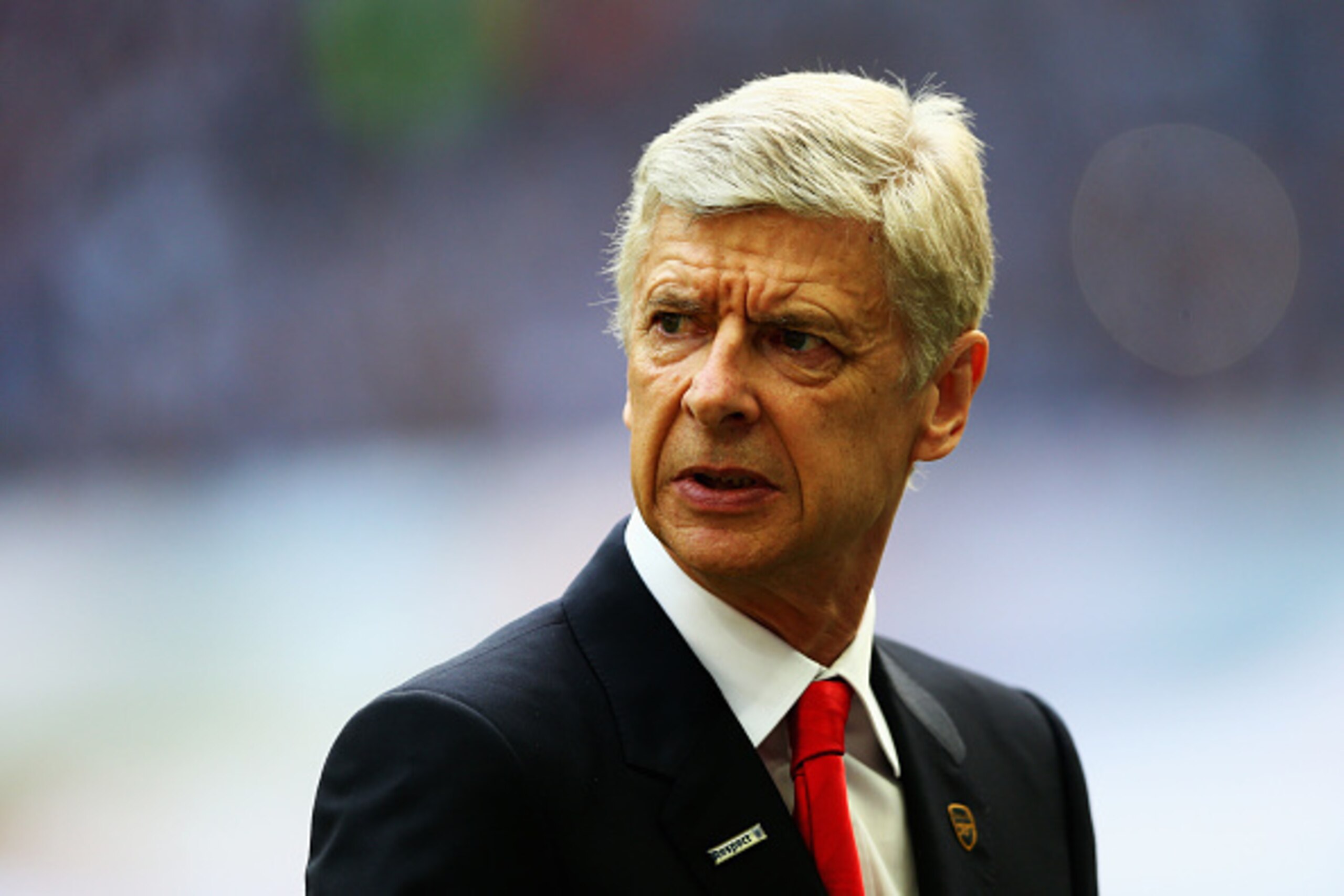
What he must now realise is that with a defence that has functioned well in the past couple of seasons, a midfield teeming with talent, a forward line able to score at will and a couple of FA Cups in the bag, now is the time to make the step up between the sticks and recruit a goalkeeper who has the presence to help his side reach that crucial next level.
Just who is that man, though?
Of the aforementioned Premier League top five, you have to presume that Courtois, Hart and De Gea are unattainable, with the latter metaphorically sat in the departures lounge with his bags packed for Madrid for the past few months now.
That leaves Cech and Lloris, with Jose Mourinho seemingly determined not to sell the Chelsea stalwart to his old rival Wenger without making mischief beforehand, as per Paul Doyle in the Guardian, and Lloris parked on the other side of the north London divide.
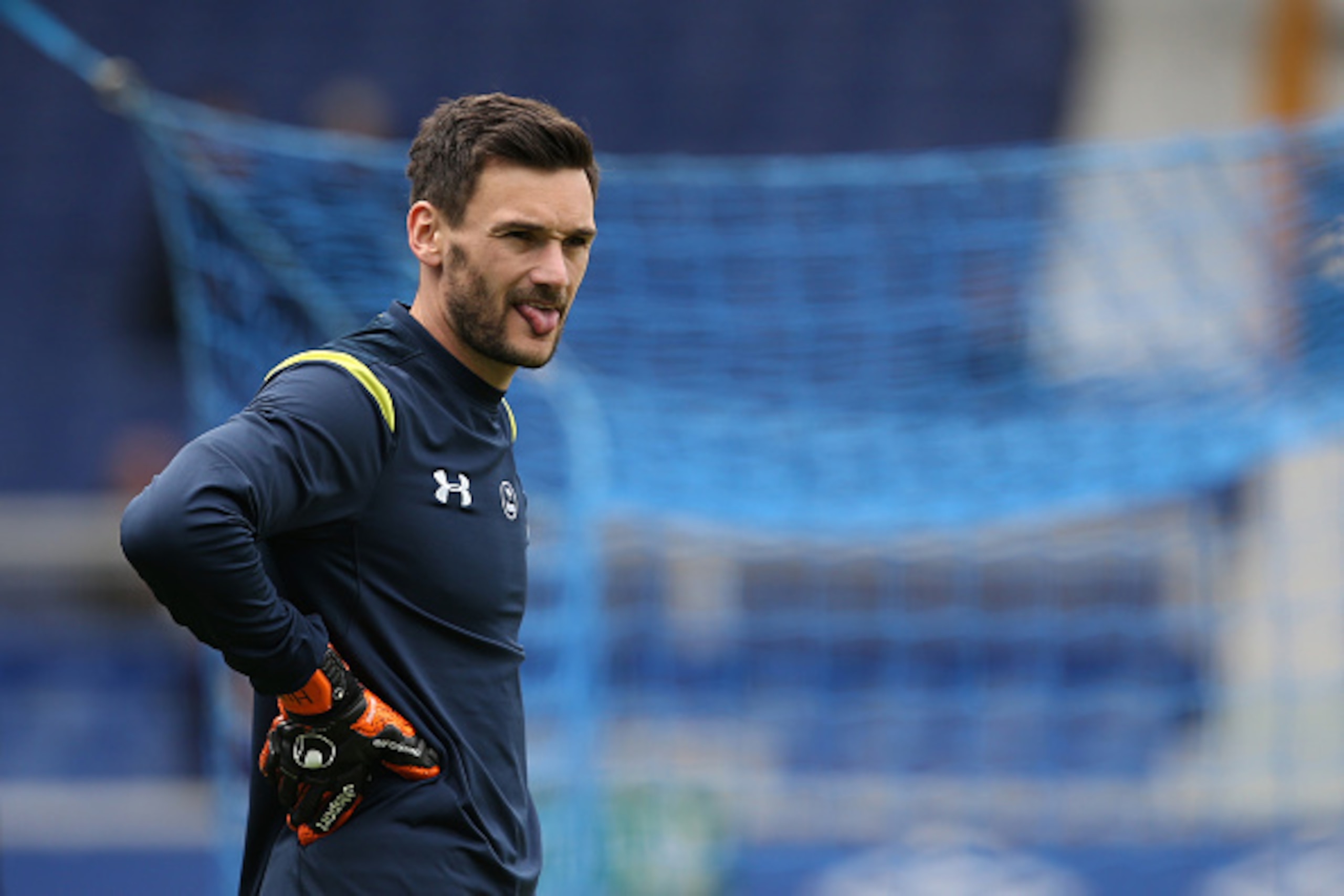
That deal shouldn’t be completely ruled out, given that the Frenchman is likely to be tempted by the prospect of Champions League football, having missed out on it again with Tottenham Hotspur, but Wenger won’t be limited to just shopping in the Premier League and will have his scouts all over the world keeping him informed on potential recruits.
It might be that, as so many times before, Wenger opts to sign a player he can turn into a world-class performer, thereby solving the perception problem over time and giving his side a reliable goalkeeper as they embrace the challenges of the next season and beyond.
But you get the feeling that off the back of two trophies in two seasons, this is the time for Arsenal to strike, to solve a problem that is only going to get greater over time and set themselves up for the years to come.
If perception really is everything, Wenger’s actions in the transfer market this summer could indicate how his team are to be perceived for the next few years and determine what his lasting legacy as Arsenal’s manager will be.
.jpg?w=2560 "Seahawks Chiefs Football")
.jpg?w=2560 "WWE Raw Live Grades 🔠")


.jpg?w=2560 "🚨Jay-Z Headlining Super Bowl")
.jpg?w=2560 "Cowboys Handle Eagles on MNF 🤠")