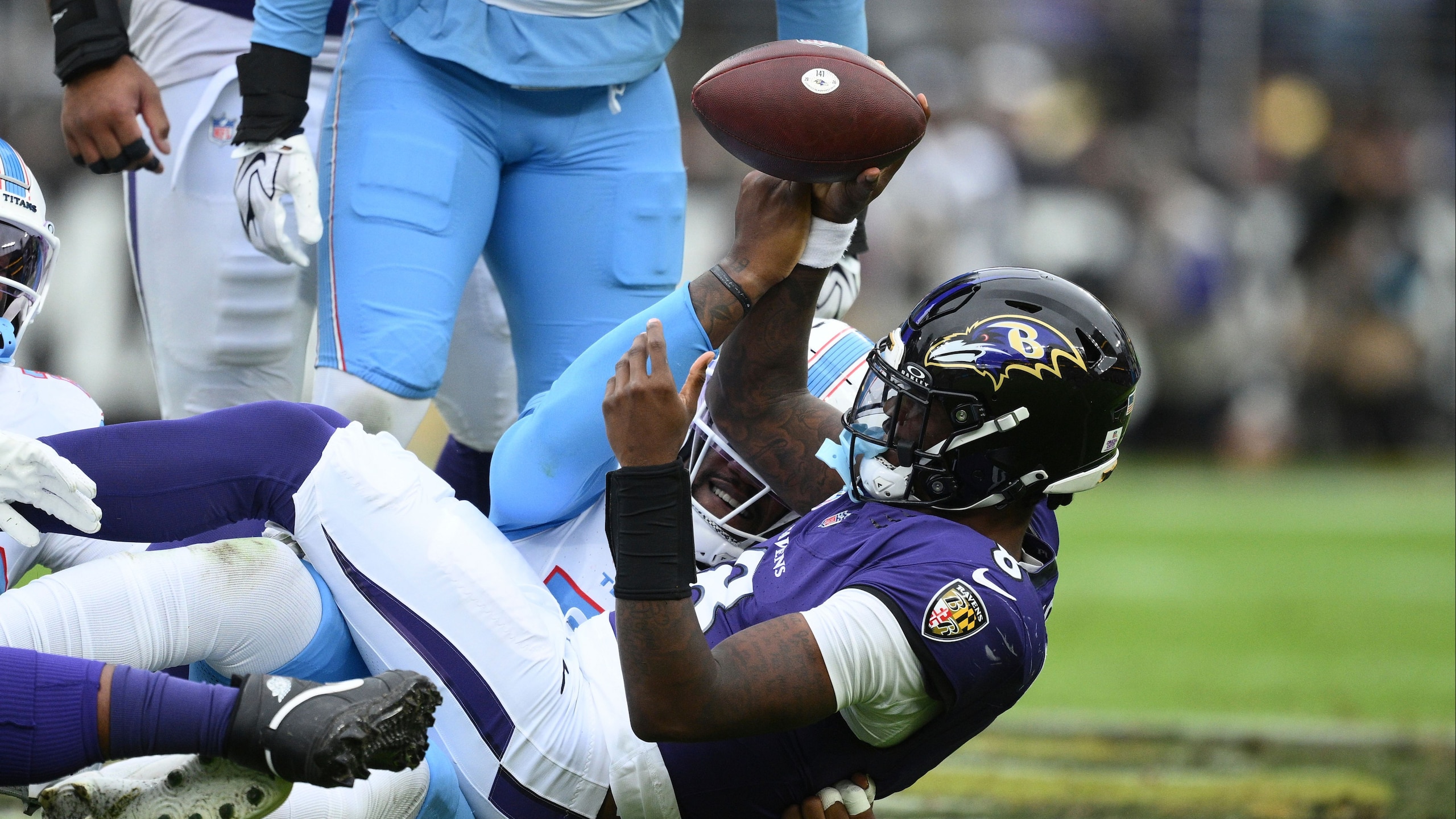
Despite Victory over Australia, USWNT Midfield Issues Remain a Worry
The result was all that mattered Monday as the United States began the Women's World Cup with a 3-1 victory over Australia in Winnipeg. But despite taking all three points and opening up a crucial lead atop Group D, the Americans will have concerns about their first performance in the "group of death," chief among those being an imbalance in the midfield.
For the first 20 minutes of the match at Investors Group Field, Australia was plainly the better and more dangerous team. The Matildas started the match at a high pace and put the U.S. under considerable pressure with quick, confident passing and sharp, incisive movements. Coach Alen Stajcic's side exploited an overabundance of space left open in the American midfield, creating multiple chances that could have put the game away early.
TOP NEWS

Messi Sends Farewell Message ▶️
Report: Ronaldo's Portugal Ultimatum 🚨
Haaland Landing Spots 📍
It didn't work out that way, of course, due in large part to controversial goalkeeper Hope Solo's fine work between the posts. In addition, Megan Rapinoe turned in a game-changing performance, scoring two goals (though, admittedly, the first was fortunate) and setting up the third. Even so, there is reason for the U.S. to be concerned. While Australia was unable to take full advantage of the Americans' vulnerability in midfield, elite teams like Germany and France could do so later in the tournament.

The issues began in central midfield but were not limited to that section of the pitch. In the middle, coach Jill Ellis handed starting berths to Carli Lloyd and Lauren Holiday, both of whom are seasoned internationals. But although both are strong players, neither is primarily defensive-minded in her approach to the game. Naturally, that can create gaps between central midfield and the back four, as we saw against Australia.
Frustrating as it was to watch, it's not a new problem. For anyone who has watched the U.S. women's team in the past year, Monday's midfield issues came as no surprise. That included the players.
"You saw today we went direct; we didn't play through the midfield," Solo said, as quoted by Sports Illustrated's Grant Wahl. "And not just offensively, but defensively we broke down a bit in the midfield. So we have to tighten up the gaps, we have to compress the field a bit more, and we have to move the ball with pace and rhythm and get them [opponents] out of shape."
Speaking to Jeff Carlisle of espnW, Rapinoe added: "Historically, it takes us some time to get our feet under us and really getting rolling and to kind of find our groove. ... I expected that. I was glad that we could weather the storm and eventually play a little bit more comfortable in the second half."
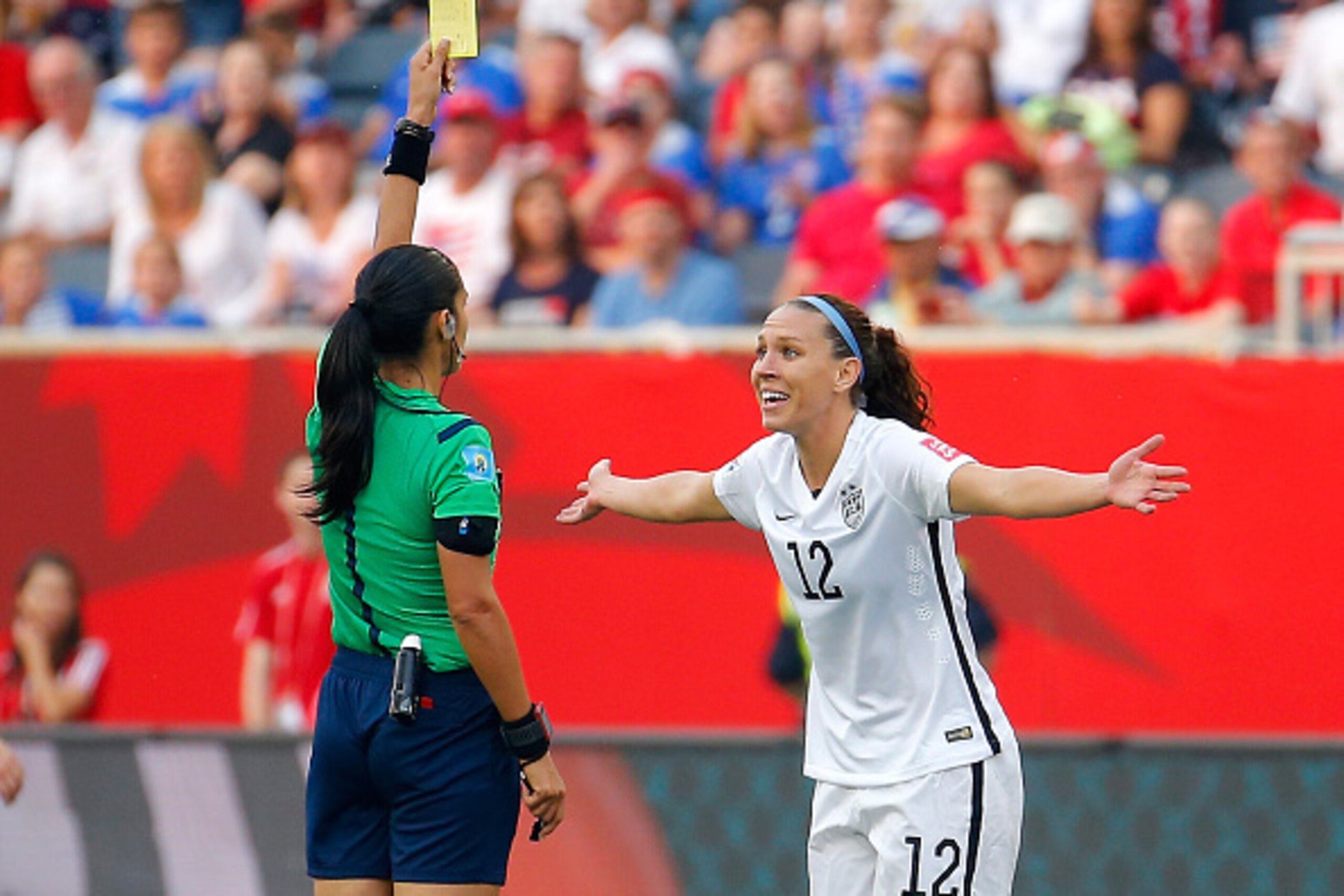
Whether it was expected or not, the U.S.—and especially the midfield—will have to improve. In addition to the issues in the middle, the Americans also suffered at times due to the fact that Ellis played Christen Press, naturally a forward, at right midfield. Press did score a goal, but her overall performance raised concerns. Not that it was entirely her fault. Within moments of kickoff, it was clear that Press was playing out of position as Australia repeatedly found time and space down the Americans' right flank.
As the Australians tired in the second half, the problems for the U.S. became less pronounced. But that had little to do with the in-game management of Ellis, who never directly addressed central midfield with her three substitutions. Instead, the coach relied on her side's superior fitness and athleticism, which is admittedly an approach that has served the Americans well in the past.
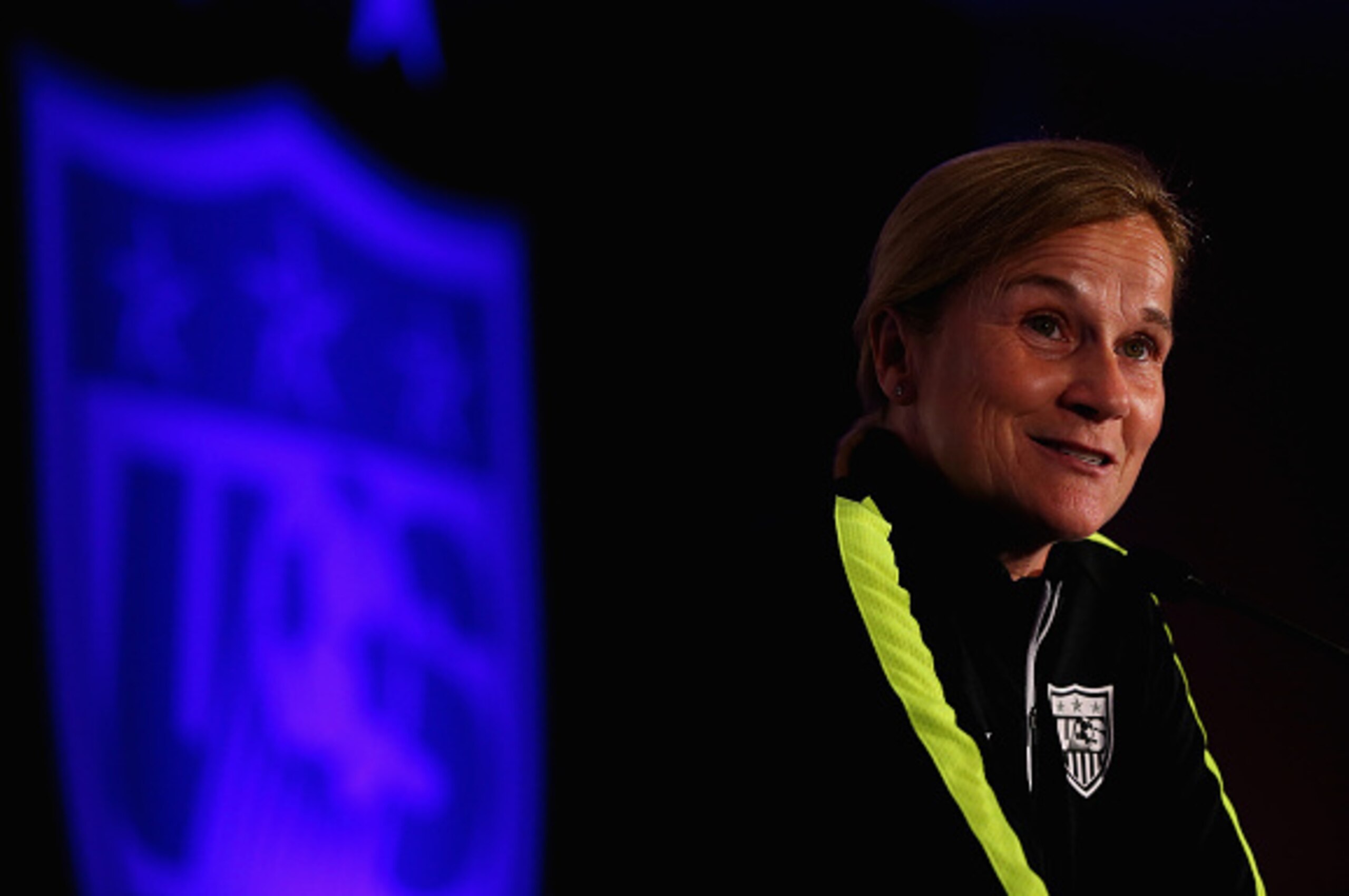
Morgan Brian, a midfielder with a more defensive approach, did enter the match for Rapinoe in the 86th minute, but by then, the match was already won. Coming when it did, the substitution felt more like an opportunity to single out Rapinoe—the best American attacking player on the night—for an ovation from the huge throng of U.S. fans in the stadium.
Perhaps introducing Brian earlier in the match, or even giving her a starting berth in the middle, would have stabilized the U.S. while the result was still in doubt. As the Americans make their way through the tournament and begin to face more and more dangerous opponents, Ellis might consider making such a move proactively.
Writing for SB Nation Soccer, Conor Dowley argued that the midfield problems could cost the U.S. a chance at glory this summer:
"There were too many untracked runs, missed chances to create turnovers and all-around poor play in the middle of the pitch when the U.S. didn't have the ball, and that's something that could really hold them back as this tournament progresses. If Jill Ellis doesn't sort her midfield out, the U.S. won't win their third World Cup title.
"
With two games left in the group stage, Ellis still has time to sort it out. But as noted above, the problem is hardly new. In the run-up to the World Cup, the U.S. coach seemed unable to find the right balance in her midfield. It's too early to panic, and in fairness, the Americans did enough to win Monday's opener against a lively Australian side. In the final analysis, that's all you can ask of the team, and with two more group games to go, maybe Ellis will find the right formula in time.
But a certain niggling notion remains. If the U.S. is to win its third world title this summer, it's certain that the team will have to improve.
Follow @MiguelCominguez

.jpg?w=2560 "FIFA Congo Player Eligibility")


.jpg?w=2560 "Weather Channel Trolls Texans-Titans 💀")