Chelsea and Diego Costa Are Made for Each Other: Now for the Back-Up Plan
If Diego Costa has anything to be unhappy about at Chelsea right now, it should be the failure to find him a suitable strike partner—or at least one who can ease the burden on him at Stamford Bridge.
After all, when it comes to teams, Costa is at the perfect club.
Much like him, Chelsea have been the unfancied kids at the party. For so long, they threatened to break into Europe's elite, but too often they'd negotiate one hurdle to be greeted by another.



They were the nearly boys in that sense, enjoying success here and there, but never as consistently as one might have hoped.
Roman Abramovich changed all that. The Russian propelled the club to where it is today.
Costa had to endure five separate loan spells before he eventually got his break at Atletico Madrid. And even then, the club sold him to Valladolid before bringing him back to the Vicente Calderon Stadium a year later in 2010.
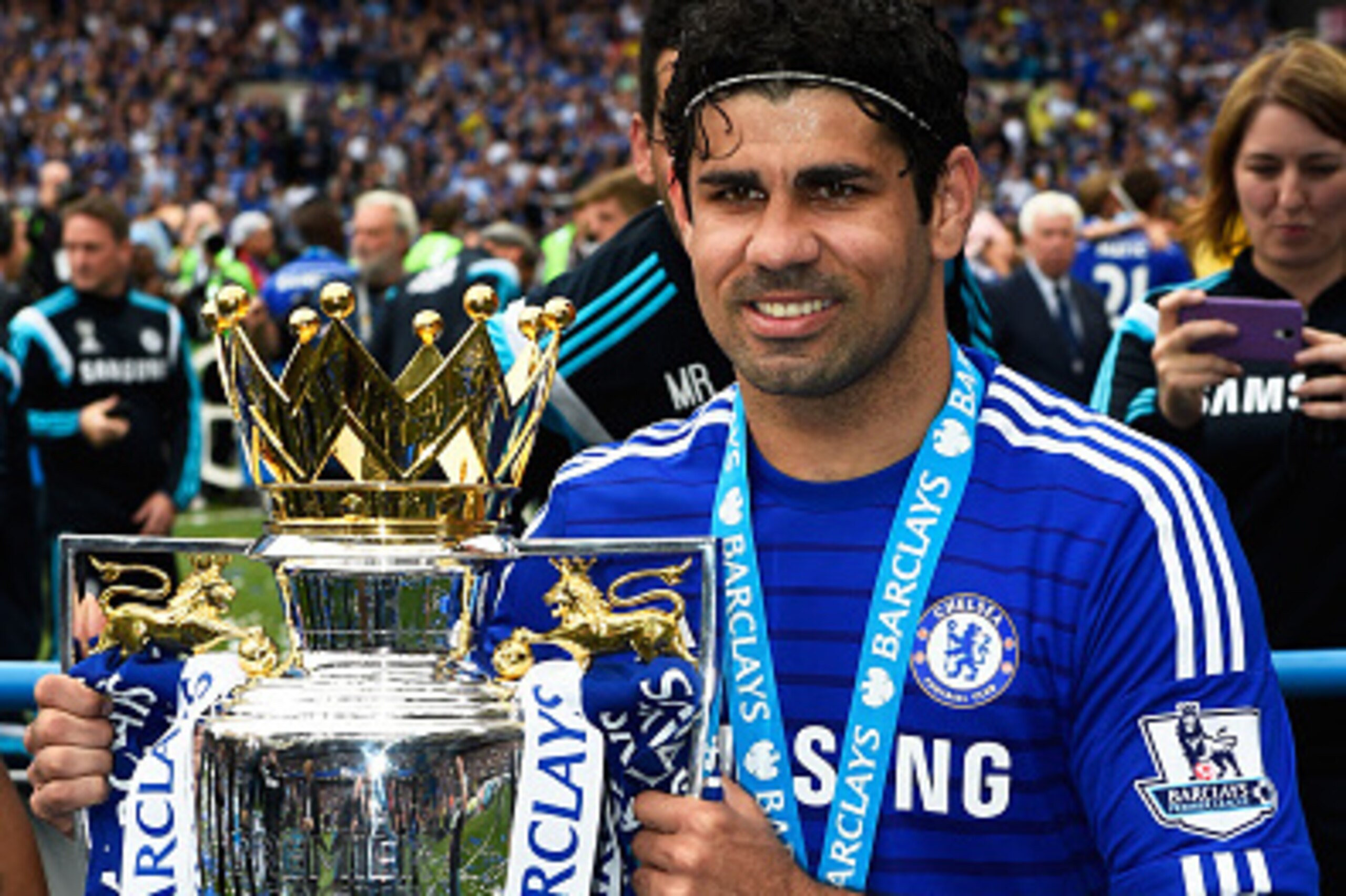
He bounced around, unsure if he ever would realise his aspirations, knowing he had the substance, but not quite the status.
Abramovich changed all that when his money helped bring him to the Premier League.
Costa and Chelsea are one and the same. They don't win things with the panache of Barcelona or Bayern Munich; instead they have to adopt a different approach, show a bit more guts and do the dirty work a bit more.
If Chelsea want to usurp those in Europe next season and beyond, they need a plan B; they require something that wasn't there last season.
Without Costa, the edge in attack was gone. There were other players to be an attacking threat—think Eden Hazard—but in terms of strikers playing through the middle, Chelsea were still lacking that consistent edge.
Jose Mourinho had completely transformed his front line last summer, waving goodbye to the trio of strikers who had failed to produce in 2013/14.
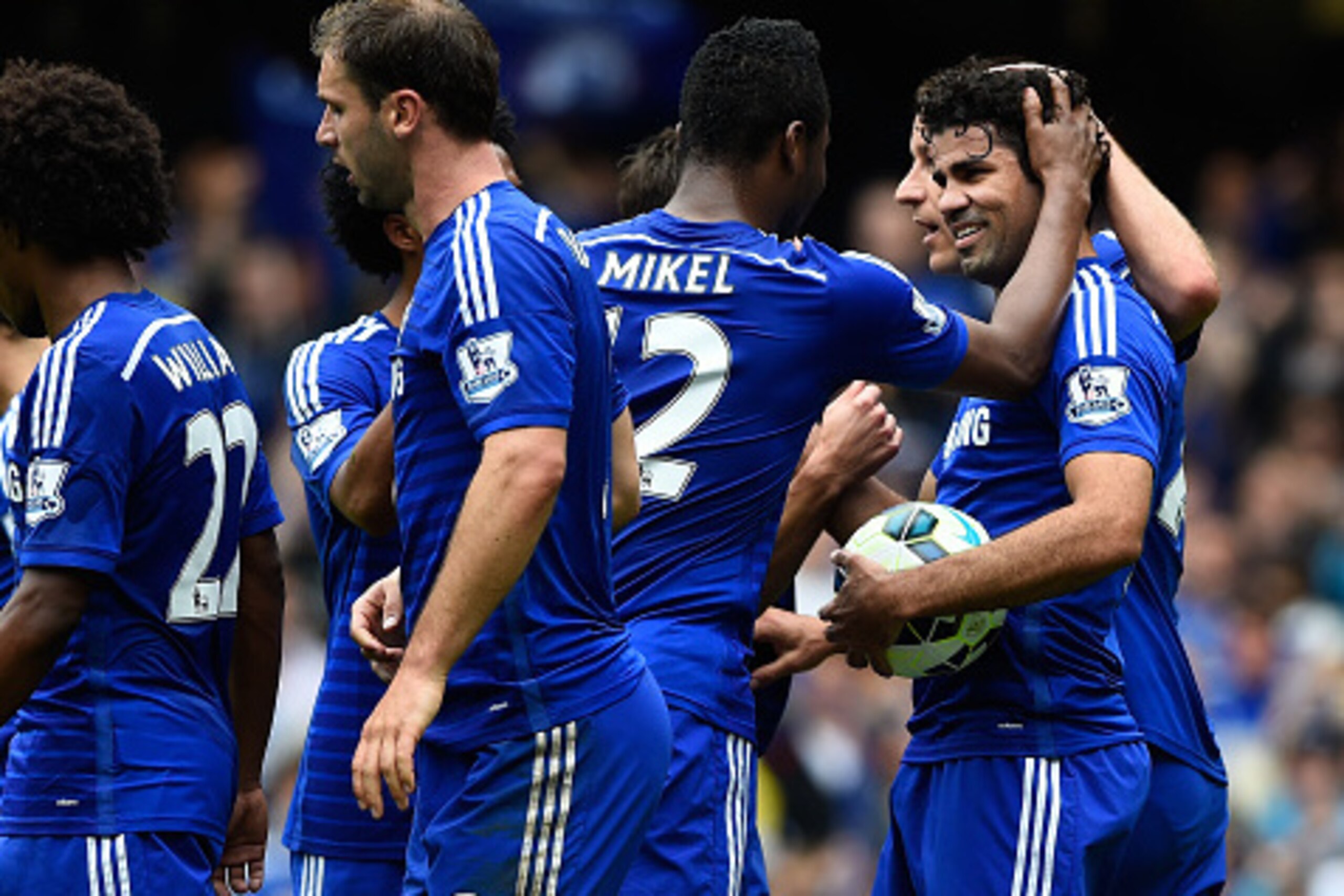
Samuel Eto'o, Demba Ba and Fernando Torres were each replaced by Didier Drogba, Loic Remy and Costa.
Yet without the latter, those same problems that had dogged Chelsea a year earlier were present, if not as badly felt.
When Costa wasn't suspended in the second half of the campaign, he was injured. In his absence, Remy seemed to follow suit, struggling for fitness himself and leaving the scoring duties up to a veteran in Drogba.
Indeed, Drogba probably played more games than Mourinho had planned for when he brought him back to Stamford Bridge. It was clear from the outset that he would be the third-choice behind his younger teammates, only he carried those responsibilities more frequently than he should have.
As such, it put unnecessary pressure on Costa. Was he rushed back against Stoke City in early April when Chelsea needed a win? Costa hobbled off just 12 minutes after coming on as a half-time substitute in that game.
Chelsea were drawing and with players elsewhere failing to produce, Mourinho had to risk Costa.
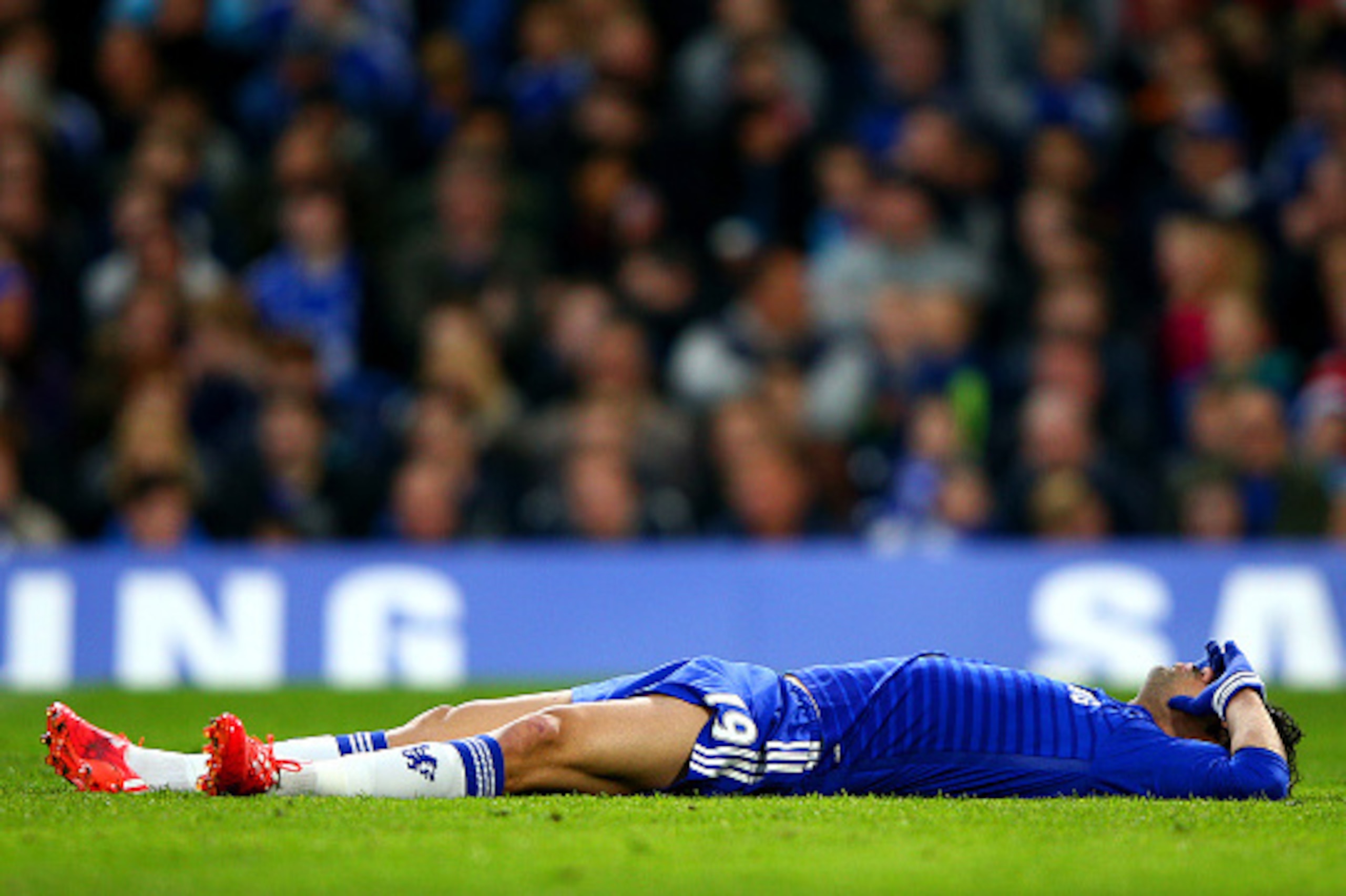
Subsequently, it all but ended his season as we didn't see the Spanish international for the next seven games, making his return for a 64-minute stint against West Bromwich Albion in late May, long after the Premier League had been wrapped up.
Chelsea have so much to admire in this team. There is that rugged determination that John Terry and Nemanja Matic bring, while Cesc Fabregas and Hazard add some finesse.
Until we can talk in those terms about the strikers, it's going to be a big ask for Mourinho to repeat the feats of Barcelona in Europe this term.
Watching the Champions League final against Juventus in Berlin, I noticed it was akin to the story of Barca's season in a 90-minute window.
They had us salivating with their sheer brilliance at times—Lionel Messi running the show in the way he so often does.
There was the hint of a slight wobble when Juve got back on terms after the interval, but then their match winners took over and stole the show.
The decisive goals were scored, first by Luis Suarez and then Neymar—the very players who, alongside Messi, had so often hit the back of the net to bring Barcelona their glory in 2014/15.
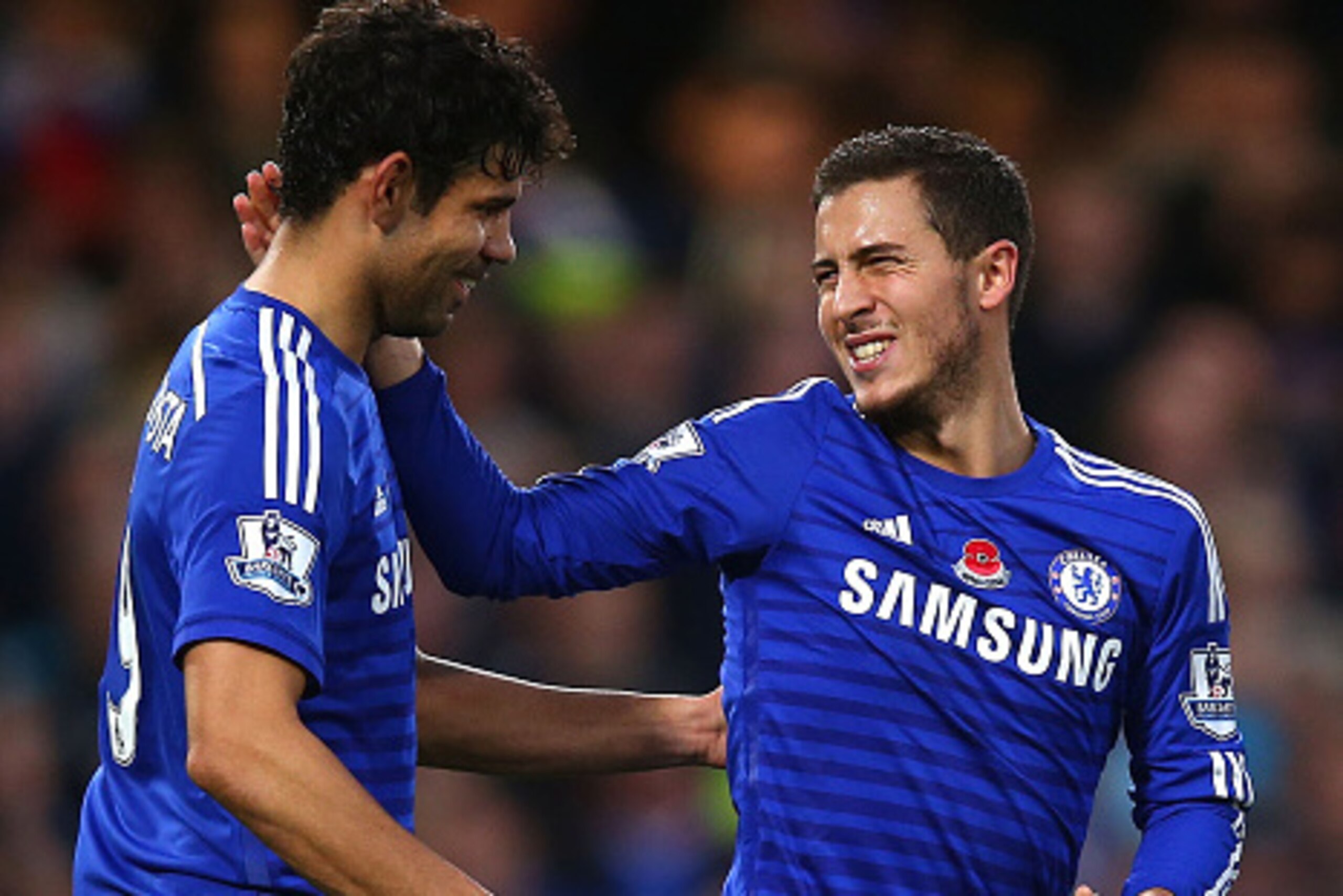
The conversation after was that the apparent death of tiki-taka was nothing more than a fabrication, a false dawn. Barca's treble-winning campaign showed us that much.
Above all else, however, the point Luis Enrique made was a clear, yet eloquently simple one: Teams win matches; goalscorers win titles.
Chelsea don't have enough of them.
Given only Manchester City scored more than they did in England this term, it seems folly to suggest it is so. Look across the continent, though, and every team challenging for the Champions League has goals in abundance in their front line.
Outside of Hazard and Costa, not one player was in double figures for the season at Chelsea.
Compare that with Barcelona, where Messi, Neymar and Suarez scored a combined 81 goals. At Real Madrid, Gareth Bale, Karim Benzema and Cristiano Ronaldo hit 76, while James Rodriguez chipped in with 13 goals, too.
Chelsea have the platform; they just need more firepower. They need to avoid relying on Costa as their main source of goals as it won't be the answer to them get their grip on the European Cup once more.
To do that, they need their plan B.
Garry Hayes is Bleacher Report's lead Chelsea correspondent. All quotes were obtained firsthand unless otherwise noted. Follow him on Twitter @garryhayes
.jpg?w=2560 "Seahawks Chiefs Football")