Can Ferrari's Kimi Raikkonen Improve His Qualifying Performances?
Kimi Raikkonen is not a great qualifier. Despite the Finn's well-earned reputation as a quick driver, turning in that single fast lap on Saturday has never been at the top of his list of skills. Rather, it is his ability to perform on Sundays that has made his reputation.
Indeed, Raikkonen is the only driver on the grid to have been outqualified by his team-mate at all six races so far this year.
Following the Monaco Grand Prix, where Sebastian Vettel qualified third and Raikkonen was mired in sixth, Ferrari team principal Maurizio Arrivabene said, "If I have to give him some homework then he has to write 100 times 'I have to be better in qualifying'," per Autosport's Ian Parkes.


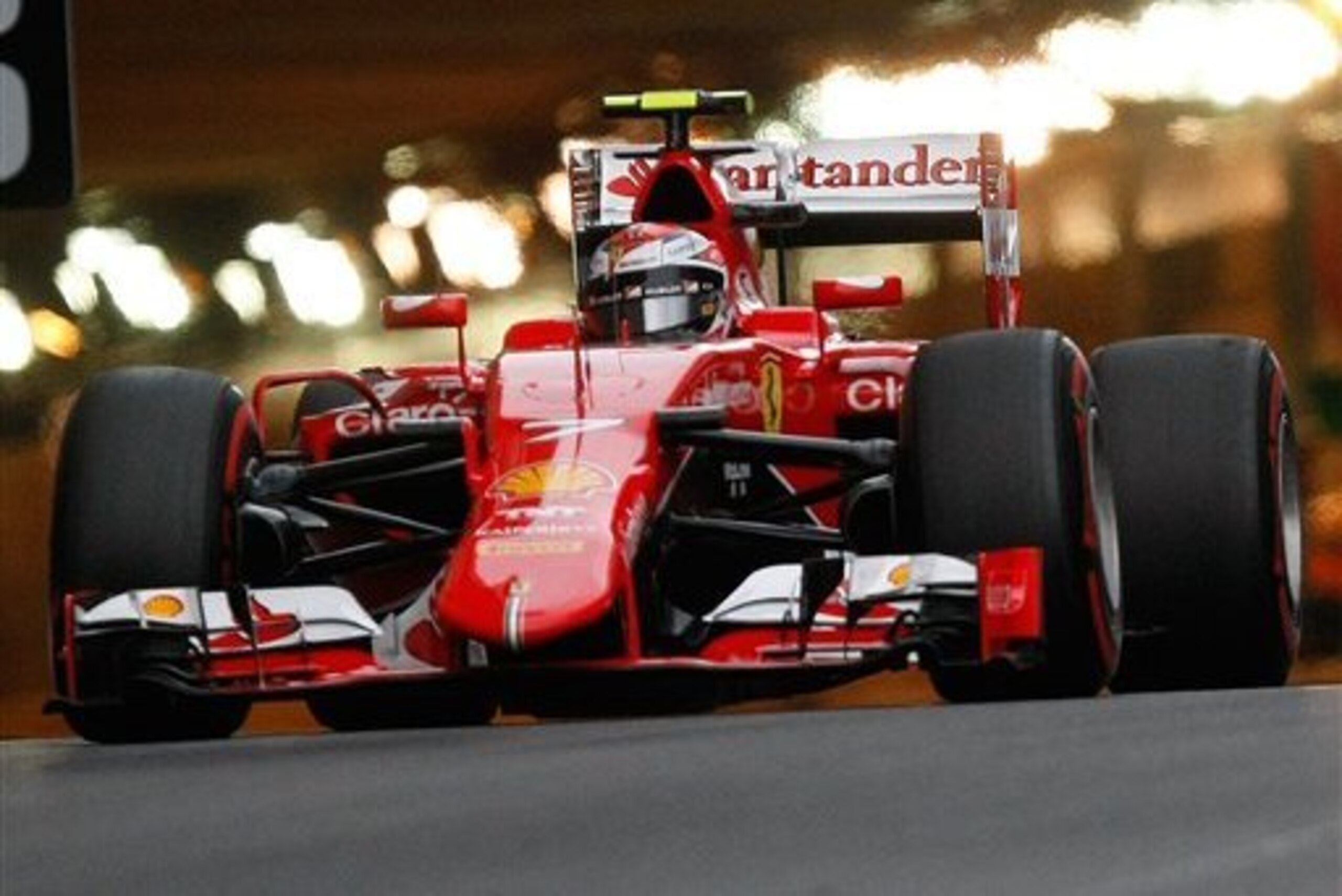
The only problem is there may not be much room for improvement.
The Iceman has started 218 grands prix in his career but only qualified on pole 16 times. Stirling Moss had the same number of poles in just 66 starts.
Even in Raikkonen's two best seasons, 2005 and 2007, when he won a total of 13 times, he managed just eight poles. Nico Rosberg scored 11 pole positions just last year.
In those same two seasons, though, Raikkonen set 16 fastest laps during the races (and he has 41 over his career).
In Bahrain earlier this year, Raikkonen qualified fourth but set the fastest lap on his way to a second-place finish—his best performance since his return to Ferrari for 2014.
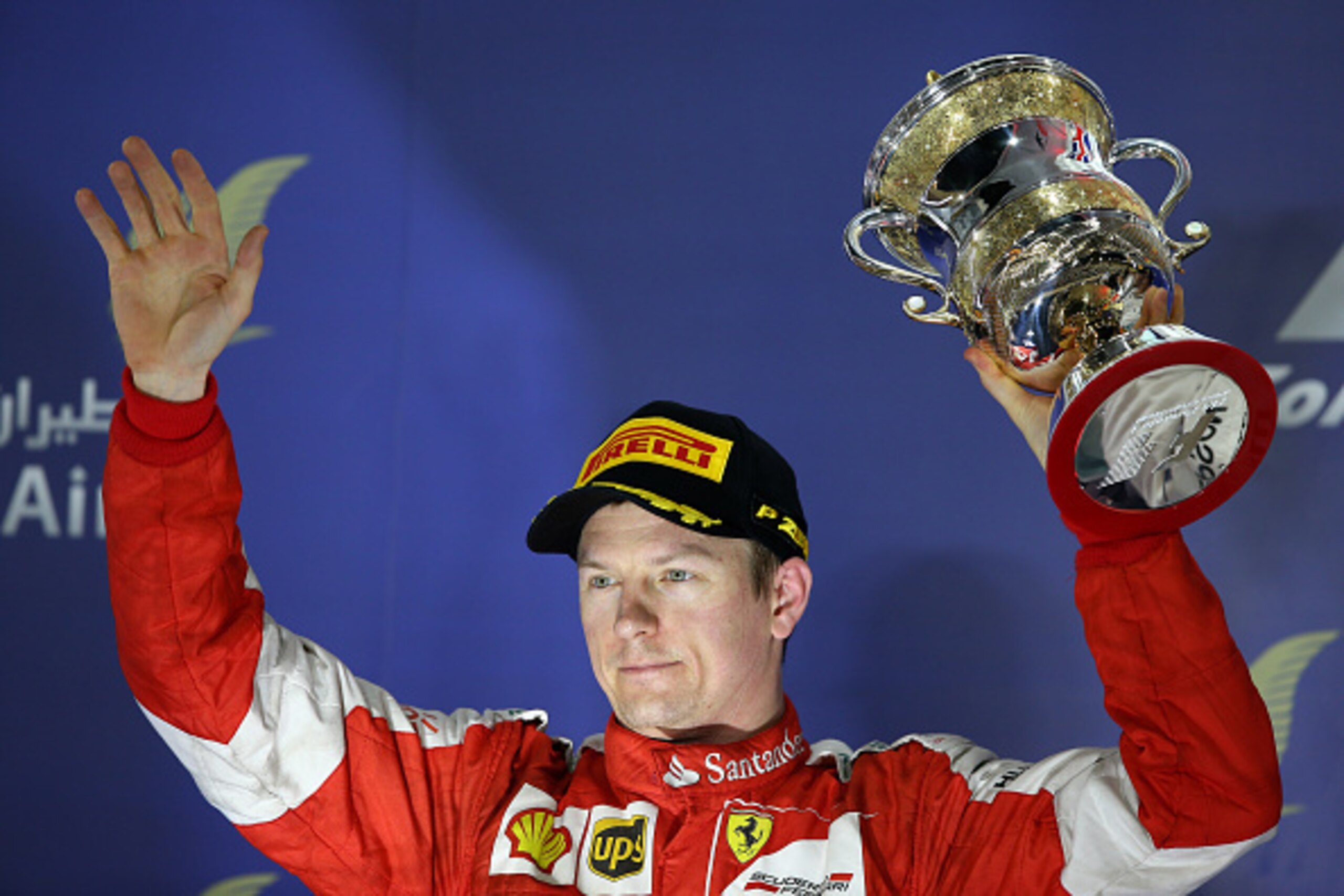
But why is Raikkonen a better racer than qualifier? He has often set the fastest lap during races, so why can't he just turn in quick laps all the time, including qualifying?
BBC pundit James Allen wrote on his personal website that, "Raikkonen has a conservative style as we know, which confers benefits in terms of tyre degradation in races, but quite likely the opposite when trying to find the peak grip in a slightly too hard or too cold tyre in qualifying."
That was certainly the case in his Bahrain performance, where Raikkonen took advantage of his fresher tyres at the end of the race. It also helps to explain Raikkonen's qualifying form since his Lotus comeback in 2012, with the quickly degrading rubber provided by Pirelli.
In 2012 and 2013, as you can see from the table below, Raikkonen was on par with Romain Grosjean—a solid driver, but no one's idea of a superstar. And in addition to the shutout Vettel is pitching this year, Fernando Alonso hammered Raikkonen in qualifying last season.
| Kimi Raikkonen | 11 |
| Romain Grosjean | 9 |
| Kimi Raikkonen | 10 |
| Romain Grosjean | 9 |
| Kimi Raikkonen | 3 |
| Fernando Alonso | 16 |
| Kimi Raikkonen | 0 |
| Sebastian Vettel | 6 |
However, as previously noted, the gap between Raikkonen's qualifying and race pace existed even before Pirelli entered the sport—back when conserving tyres was not as important.
In 2007, for example, Raikkonen's championship year, he was outqualified by his team-mate, Felipe Massa, at nine of 17 grands prix (Raikkonen's average qualifying position was 3.59, though, while Massa's was 3.88). The Brazilian also had six poles to Raikkonen's three.
In the races, those results were reversed. Raikkonen had six victories and Massa had three.
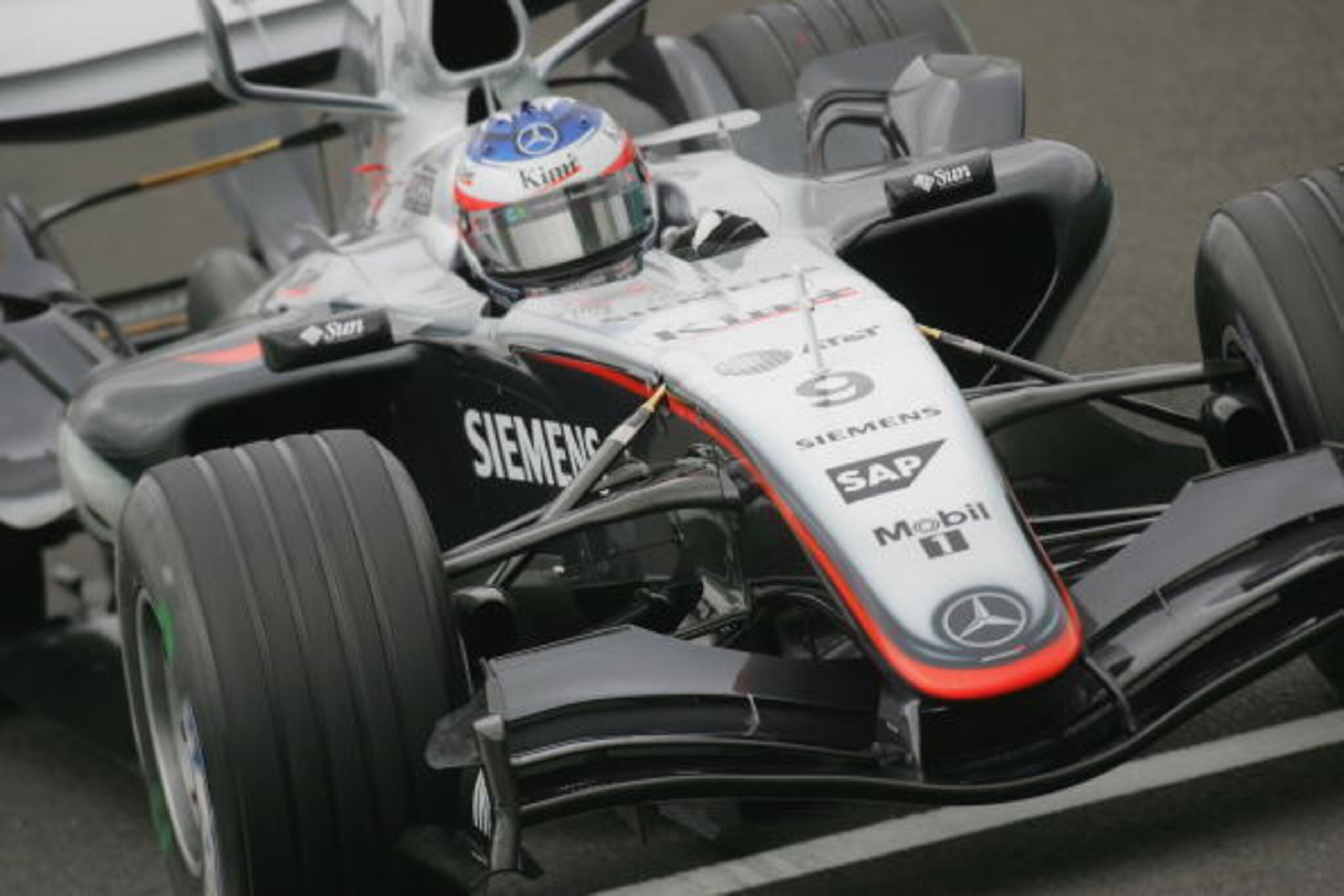
Two years earlier, in 2005, Raikkonen had a slightly larger gap to his team-mates (Juan Pablo Montoya for most of the season), with an average qualifying position of 4.11 to their 6.47. He was, however, outqualified by Pedro de la Rosa when the Spaniard filled in for an injured Montoya at the Bahrain Grand Prix—it was De la Rosa's first qualifying session in two-and-a-half years.
At this point, it should not be surprising that in both 2005 and 2007, as well as every year since his comeback, Raikkonen's average qualifying position is lower than his average finishing position in the races. (I suspect this would hold true for most, if not all of the other seasons of his career as well.)
| Qualifying | 4.11 | 3.59 | 7.45 | 7.44 | 9.89 | 6.50 |
| Race | 2.67 | 2.60 | 5.45 | 4.67 | 9.17 | 4.20 |
No matter how you look at it, Raikkonen is just a better racer than he is a qualifier. But isn't that a good reputation to have? It is certainly better than the alternative—being viewed as a better qualifier than racer—which, if it is not already, should be called the Jarno Trulli Paradox.
After all, the points are scored on Sundays.
Meanwhile, no matter how much homework Professor Arrivabene assigns, he may have to live with Raikkonen's less-than-ideal performances on Saturday. Besides, the Iceman just became a father—he doesn't have time for homework.
Follow me on Twitter for updates when I publish new articles and for other (mostly) F1-related news and banter:


.jpg?w=2560 "Latest Peyton-Colts Rumors")