"In Miguel Munoz's footsteps," ran Marca's headline last week, as Rafa Benitez edged closer and closer to a return to the city of his birth, eyeing the vacant manager position at Real Madrid. "Benitez will be Real's fourth Madrilenian manager in the club's entire history," the Madrid-based daily added.
A Madrilenian he certainly is. Benitez was born in the Spanish capital; he was raised there; he attended school and university there. His family still lives in Madrid; he met his wife there; he got married there; his first child was born there. He once taught PE and worked as a technical director in gyms in Madrid. His father is an Atletico fan, while his mother supports Real Madrid—the club Benitez joined as a 13-year-old. Benitez is a Madrilenian through and through, his personal website happily pointing it out in detail.


Consequently, there's a certain idealism about his return, to follow in the footsteps of the famous Munoz, who led Real Madrid to nine league titles and two European Cups. But more practically, Benitez is following in the footsteps of Carlo Ancelotti—the manager he's set to replace at the Bernabeu.
Benitez couldn't be more different from Ancelotti. The Italian is the ultimate diplomat, a manager possessing a soothing touch and an endearing character. The winner of three Champions League titles, the former AC Milan boss is typically loved by his players. He is the sort of manager who puts an arm around shoulders and who brings harmony to a group. Essentially, Ancelotti creates a family in which he's the cool dad.
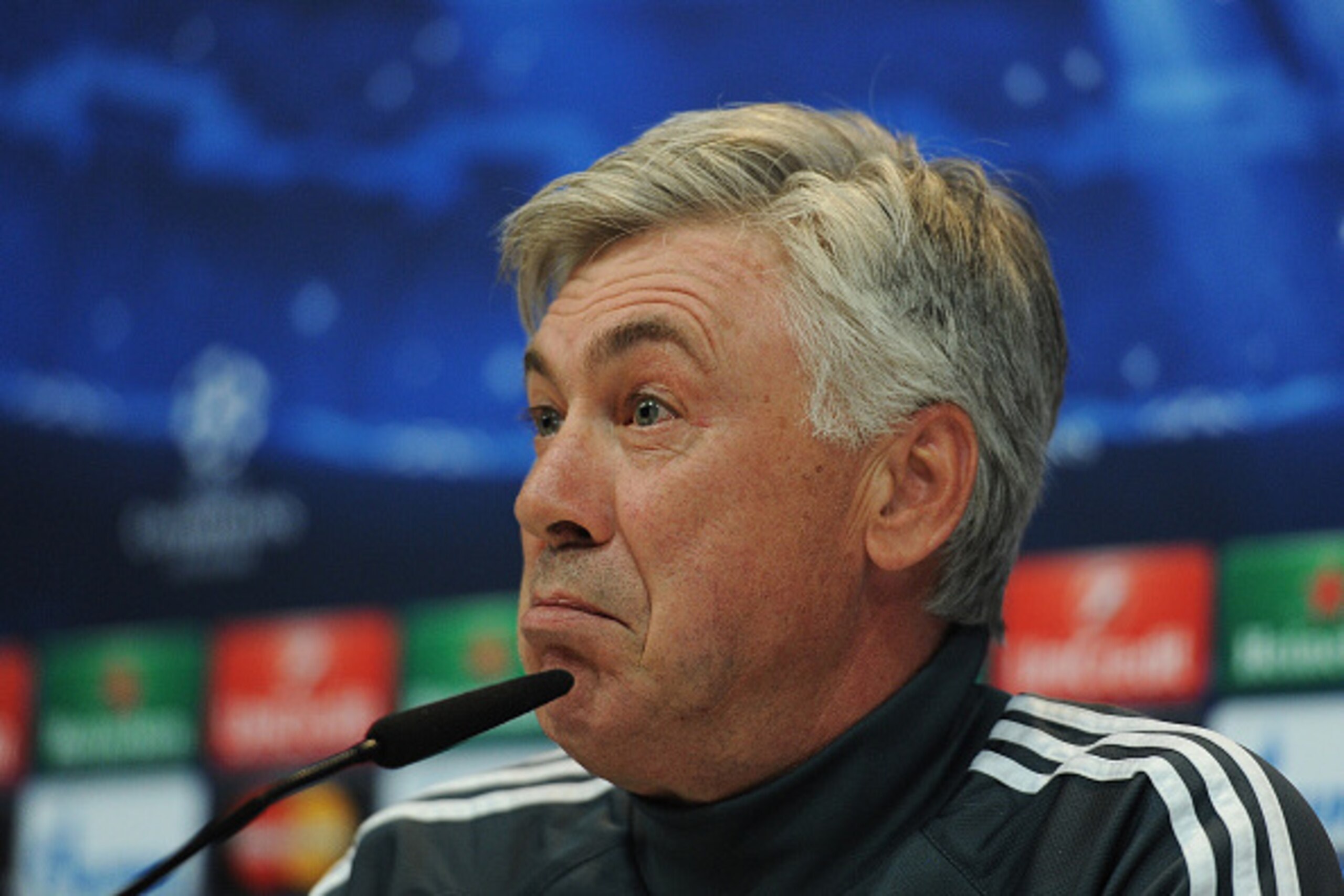
Such qualities made the Italian the perfect man to put out the fires that had been ignited during Jose Mourinho's final year in charge. Composed and jovial in a tense cauldron, Ancelotti immediately earned respect but never demanded absolute power, understanding the club still wore scars from handing almost unprecedented authority to Mourinho.
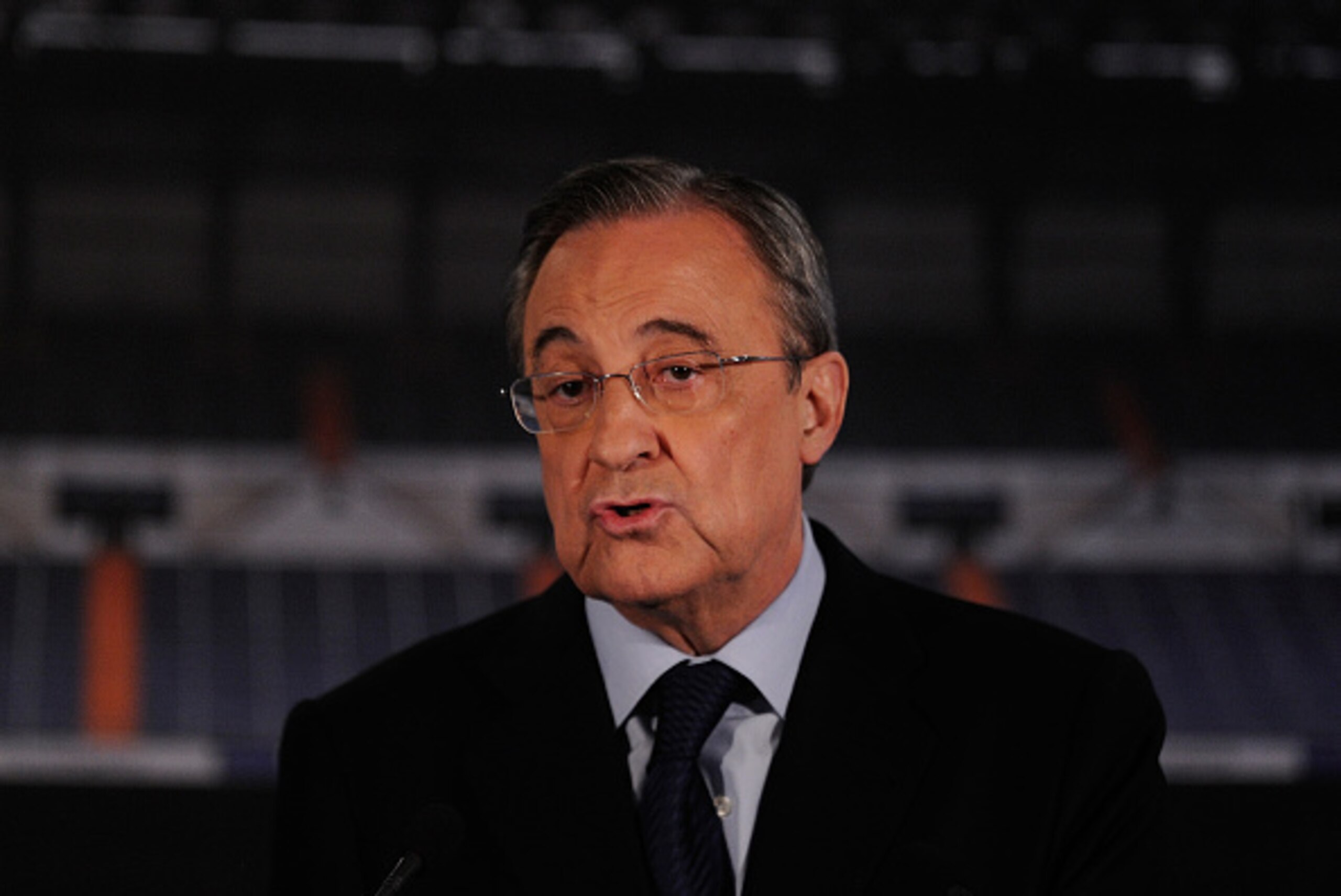
But now the club has come full circle. A trophy-less season has resulted in the inevitable, meanwhile extending the club's recent record to one league title in seven years. For president Florentino Perez, that's reason for change, even if he can't explain why. At the announcement of Ancelotti's sacking, Perez, according to AS editor Alfredo Relano, was asked: "What are the principal reasons why Carlo Ancelotti won't continue, and what did he do wrong?" The president's response: "Erm, I don't know."
Now, Perez, in his alarmingly unstructured pursuit for better, has turned to Benitez—a manager who has far more in common with Mourinho than with Ancelotti. In fact, there's a certain degree of symmetry between the Spaniard's arrival to replace the Italian and Mourinho's switch to the Bernabeu at the expense of Manuel Pellegrini. Consider Real Madrid's situation when the Portuguese arrived, as explained by Sid Lowe in Fear and Loathing in La Liga:
"Meanwhile, his [Mourinho's] arrival also changed Madrid, challenging some of the assumptions the club had embraced and threatening some of those on the inside: here at last was a coach given authority, his leadership theoretically unquestioned, his reputation and personality big enough to take on and beat those who stood in his way. Barcelona had long been a club defined by their coaches but until now Madrid had not. Power was ceded on one condition: that he won. Madrid had become desperate.
"
Mourinho was a sometimes-abrasive, tactical-minded and strong-willed authoritarian brought in to replace a more subtle peacemaker. Five years later, Benitez is essentially the same thing to Ancelotti. But will he be handed the same power Mourinho was? Will Real and Perez, noting their faults, give the Madrilenian the authority he needs to be a success?

Benitez will not be anything like his predecessor. Whereas Ancelotti was content to steer the team but not steer the club, allowing Perez to determine Real Madrid's direction unchallenged, the incoming manager will want significantly more control.
At Valencia, where he claimed a pair of Primera Division titles, Benitez left disgruntled in 2004 because of interference from those above him and disputes over transfers, the latter leading to his now-famous line: "I asked for a table, and they brought me a lampshade." At Liverpool, his influence in transfer matters was strong, and he set about overhauling the club's youth-team structure—an area of expertise for Benitez after his work with the Real Madrid academy.
It's unlikely, therefore, the now-former Napoli boss will be prepared to sit silently while Perez completes another summer of deluded transfer activity. The man who once clashed with former Real Madrid manager Jorge Valdano over youth-team matters will want a sense of control over the squad. He'll want to determine its composition. He'll want to shape it. Train it. And he'll want to do it his way—not the president's.
Benitez will want to build his team, like Mourinho was allowed to build his. Prior to the Portuguese's arrival, Real Madrid's transfer activity was chaotic, the annual turnover ridiculous. But Mourinho changed that, slowing the revolving door and seeing stability and continuity build within the squad. The second he left, Perez reverted to his glamorous but hardly successful model, which you can see in Transfermarkt's season-by-season breakdown of the club's spending activity.
But now Perez has a manager who's unlikely to want to work alongside such habits. A meticulous planner and dedicated tactician, Benitez has achieved his success through his attention to the small details and his dedication to developing an identifiable project. Perez, meanwhile, simply rips the project up every year and starts again.
Something has to give.
Benitez will also challenge the way managers are viewed at the Bernabeu. Mourinho aside, those who've stood in the Real Madrid dugout have always had a secondary status behind the team's stars. Essentially, they've been like referees: good if they go unnoticed. But not the Spaniard.
The 55-year-old will seek to impose his methods on Real Madrid, rather than have Real Madrid impose their methods on him. He'll want to rotate his squad. He'll want to consistently tinker with the formation. He'll want to employ opponent-specific tactics. He'll want to prioritise systematic balance and the outcome over style. And he won't be bothered with cozying up to Cristiano Ronaldo. Or Sergio Ramos. Or Iker Casillas.
Whereas Ancelotti always felt heavily committed to his players, earning trust and loyalty from those under him, Benitez maintains a certain detachment. His commitment is to the results, to the club. And Real Madrid is a club he knows inside out, based in a city he knows inside out.
He's a born and bred Madrilenian. He identifies with Real Madrid. He'll be at home with the culture. He'll be at ease with the language. His methods will address some of the criticisms of his predecessor. Despite the doubts (and there are many), there is a cocktail of potential there. But it's a cocktail that could also bubble to a sticky mess if Benitez doesn't hold the trust of those above him. And Real Madrid—or, more precisely, Perez—doesn't truly trust any manager.
So the question might not be whether Benitez can be successful. Instead, maybe the real question is: Will Real Madrid give him the authority he needs to have a chance to be so?

.jpg?w=2560 "Seahawks Chiefs Football")



.jpg?w=2560 "Latest Peyton-Colts Rumors")