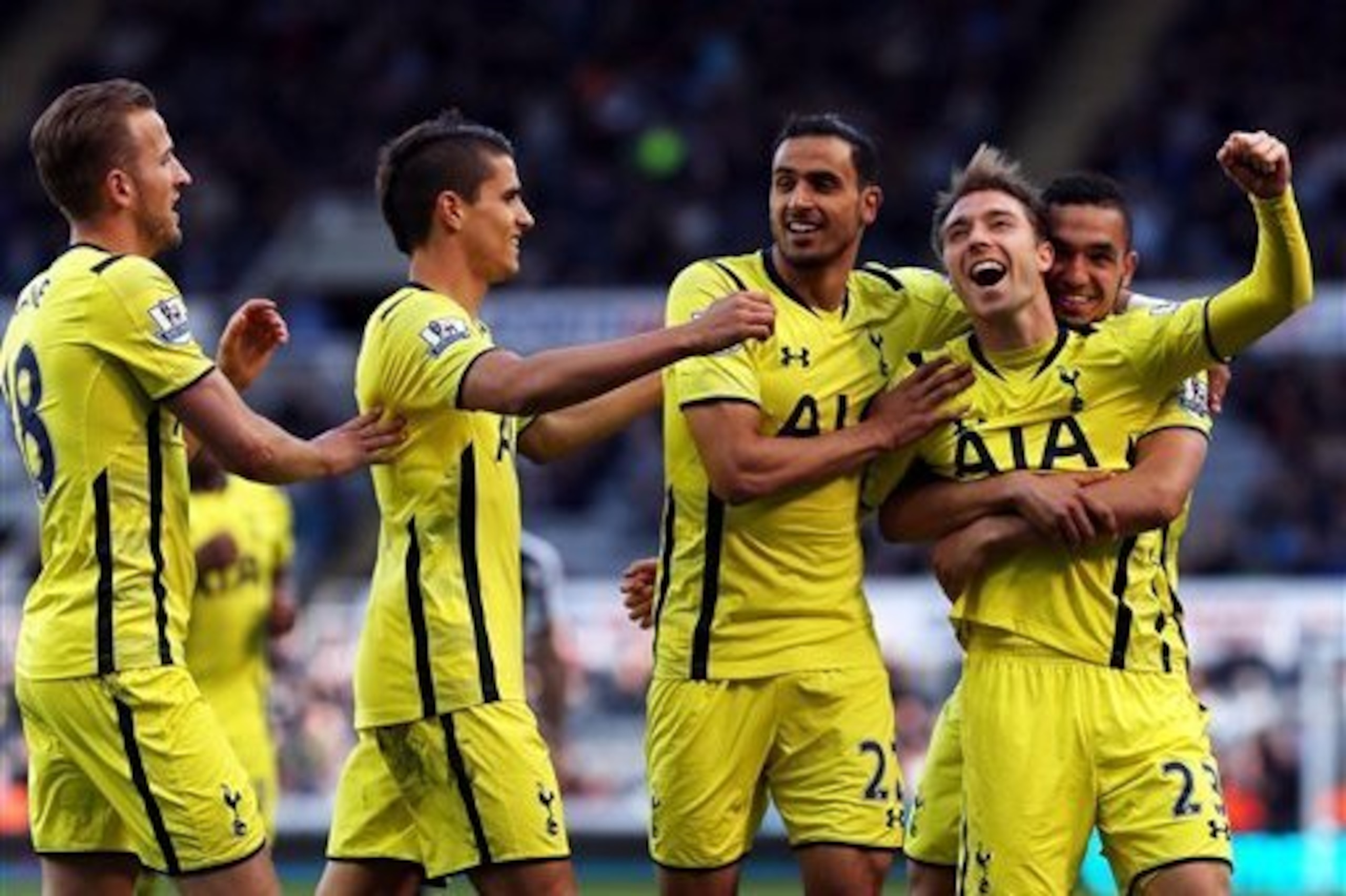

5 Things Learned from Tottenham Hotspur's 2014-15 Premier League Season
Bar their brief post-season tour of Malaysia and Australia, Tottenham Hotspur's 2014-15 Premier League season is now consigned to the history books.
While the latest chapter of the north London club's storied history is almost complete, there is still plenty to take away from it. The lessons of which will be integral to Tottenham's progression under head coach Mauricio Pochettino next season.
The following article looks at five things learned from this past campaign, beginning with the big role youth played in it.
Tottenham's Trust in Youth Has Not Been Unfounded
1 of 5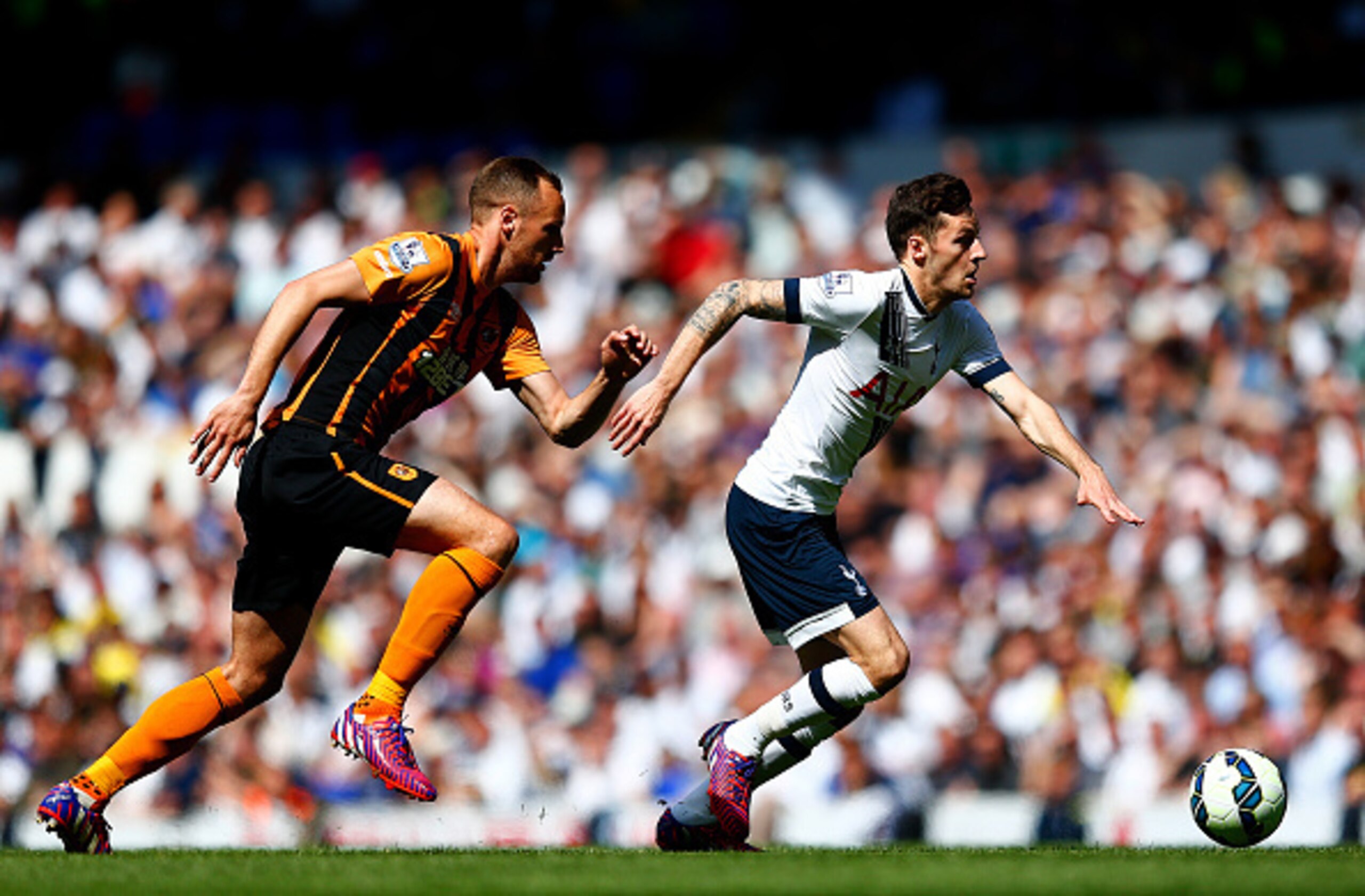
After taking significant steps forward in their development in 2013-14, this past season saw a host of Tottenham academy products (counting those who came through the ranks, as well as those who joined a little older) further underline their status in the first-team squad.
Building on his World Cup experiences with Algeria, Nabil Bentaleb got to work proving previous head coach Tim Sherwood was right to promote him to the first team at just 19. A midfield mainstay since late autumn, Bentaleb demonstrated his versatility with a solid performance at left-back against Everton last weekend.
His breakthrough year at Tottenham ended prematurely by injury, Andros Townsend still had work to do to convince his doubters. The winger did not perform consistently enough to entirely placate those critics. But his best work—such as his scintillating solo goal in the home win over Swansea City—was a reminder why he is a talent worth nurturing.
Harry Kane scored four goals in 2013-14, including three in three Premier League games as that campaign neared its conclusion. This past season, the striker had to bide his time to secure a regular starting role, but once presented the opportunity, he seized it in spectacular fashion. Kane finished with 31 goals in all competitions, earning an England call-up and recognition as the PFA Young Player of the Year.
Danny Rose grew impressively into his campaign. Motivated by the competition provided by summer signing Ben Davies, the left-back's mixed early season gave way to a post-Christmas run which saw him become one of Spurs' most reliable performers.
Ryan Mason only got his first real first-team chance this term. But the industrious midfielder joined the aforementioned team-mates in showing young, homegrown/taught players can thrive at White Hart Lane.
The hope will be others, from loanee standout Alex Pritchard to the more youthful Josh Onomah, can continue to prove that trust is not unfounded in the years to come.
Kane Needs Help in Attack
2 of 5
Kane's well-taken winner against Everton ensured Tottenham's new golden boy finished the season on the best possible note.
Four games without scoring had Pochettino fielding questions about the reasons behind the relative goal drought. The Goodison Park header reinforced the head coach's reasoning, per the Daily Express' David Wright: "Sometimes you have the possibility to score, and sometimes not."
The sequence did reiterate that Kane can only do so much and that getting the best out of him moving forward will require new additions to help carry the scoring load.
Nacer Chadli (13) and Christian Eriksen's (12) goals meant Spurs were not entirely reliant on Kane, and contributors from midfield and defence will continue to be a valuable source. Still, genuine alternative options up front are a must to make sure the team is not caught out by their leading scorer getting injured, suspended or losing form.
Emmanuel Adebayor and Roberto Soldado had their moments in 2014-15, but the majority of them were before Christmas. Since the turn of the year, neither displayed a true appetite to seriously compete with, and therefore support, Kane. Changes need to be made.
A Little Variation Would Do Tottenham Some Good
3 of 5
Bringing in new attacking options will also help the expansion of Tottenham's play.
The general formula (a blend of aspired-to aggression and timely passing) and the predominant formation (4-2-3-1) preferred by Pochettino in his first year in charge took his team to the Capital One Cup final and fifth in the Premier League. Improving and refining both will be integral to Spurs' progression under the Argentinian.
There were points in the season, however, when things did become too predictable—particularly from an attacking perspective.
Their exhausting winter schedule heading into February led to some tired play late in that month, notably leading to crucial dropped league points and their Europa League exit to Fiorentina.
In April and early May, a lack of ideas, and possibly motivation, led to some especially staid performances. The most consequential of which was a lacklustre 0-0 draw away at Burnley that saw them waste their post-international break opportunity to build some momentum for the run-in.
The terrific goals in the 2-0 win over Hull City and the more fluid first-half showing at Everton in the last fortnight were an important confidence-boosting reminder of what Spurs are capable of. Adding some new wrinkles to their play will be key to ensuring they can do it on a more regular basis next season.
Pochettino has plenty to think about in this regard. From possibly tweaking the roles of current players like Christian Eriksen and Erik Lamela—two players who were often part of Spurs' best work but also indicative of their most uninspired—to incorporating returning (such as Pritchard) and new players (like Dele Alli, bought in January but loaned back to Milton Keynes Dons). All while sticking to the fundamentals, the oft-cited philosophy he believes in.


Work Still Needs to Be Done in Defence
4 of 5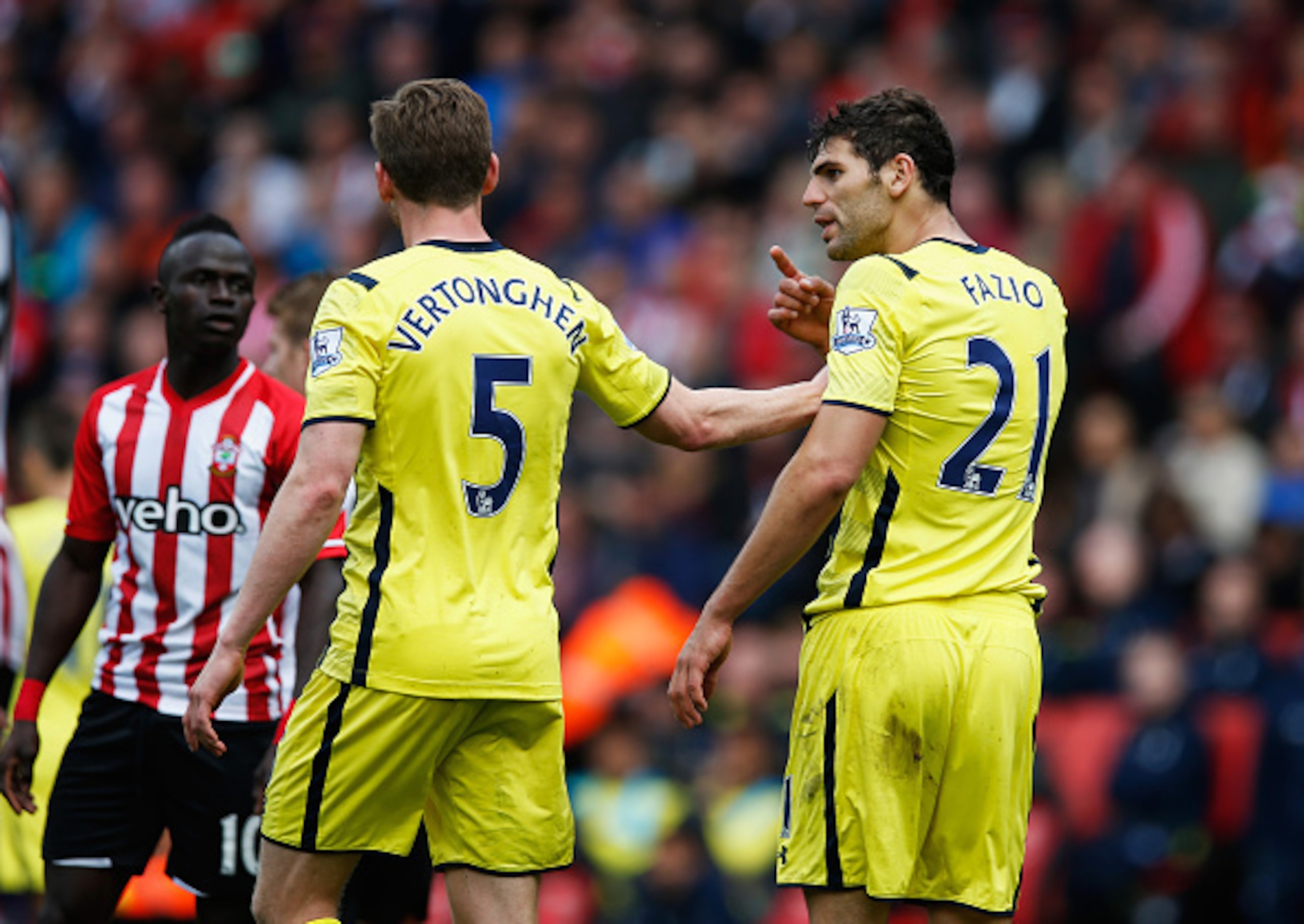
Tottenham's 53 goals conceded was the worst by any club in the Premier League's top 10.
The woeful lack of attention paid by Everton's defence to Kane prior to him scoring in Spurs' last match was a reminder the north Londoners are not alone in slipshod work at the back. It was a moment in keeping with the general downgrading of the art of protection in football right now.
As Pochettino also pointed out prior to playing Burnley in April, stopping opposition teams is not only about the purview of the goalkeeper and defence. However, the latter has been problematic for Spurs for a few years now and continues to be so.
In 2012-13, Andre Villas-Boas' initial disregard for the leadership provided by Michael Dawson was corrected but then gave way to baffling, frequent reshuffles of the back four. In the following campaign, the Portuguese and his replacement Sherwood were unable to correct the concentration issues and fearful defending which regularly came to the fore against top-four rivals.
The latter was not so problematic this season, though that was in part because of a greater willingness to take on teams like Chelsea and Manchester City further forward.
It was no coincidence either that Spurs' best periods defensively came when the centre-back partnership of Federico Fazio and Jan Vertonghen was given a run of games together. The consistency was instrumental (along with solid full-back work, too) in the team's midseason improvement. It was even evident in the final two games' clean sheets when the pair had been back together for several preceding matches.
A settled line-up at the back will help cohesiveness, but improvements undoubtedly need to be made in how players take individual responsibility in defensive situations, too (and that also extends to other positions).
New blood alone will not ensure the greater focus necessary for Spurs to become a more regularly formidable unit.
Pochettino Has Earned His Second Season
5 of 5
"We started this season with a new head coach and several young players looking to make the step up to the first team, aware that this was a season where we would need to rebuild, reshape and take time to allow Mauricio to assess his squad and instill his training and playing philosophy," wrote Tottenham Chairman Daniel Levy in his annual end-of-season address, per the club's official website.
Levy has shown an itchy trigger-figure in the past when it has come to dispatching managers barely settled at the club that he deemed as underperforming. See Juande Ramos in 2008, and Villas-Boas in 2013.
The measured, understanding evaluation he delivers of Pochettino's first campaign in charge suggests a willingness to be patient with his most recent appointment.
That may change if things go wrong next season. But for now, there is reason to be hopeful about the Argentinian's plans for Tottenham.
Missing out on Champions League football again was disappointing for Spurs fans given it remained achievable right up until the final month. But as Levy notes, the challenges that come with a manager getting to know his new club made it so expectations had to be tempered.
As it was, a fifth-place finish, qualifying for the Europa League's group stage and an enjoyable run to the Capital One Cup final was not a bad return. With talented young players and other key performers, as well as encouraging signs of a viable and entertaining brand of football on its side, there are reasons to be encouraged by this Tottenham team.
We now wait to see what Pochettino, his coaching staff and the club's hierarchy do to try to back this up.
.jpg?w=2560 "Rams Raiders Football")

.jpg?w=2560 "Rodgers Iced Out on Plane 💎")

.jpg?w=2560 "Packers Safety Slams Refs 🤬")
.jpg?w=2560 "🚨 Week 8 AP Top 25 Poll")