

Tottenham Hotspur's Biggest Regret of the 2014-15 Premier League Season
Football is full of good intentions. There were certainly plenty around Tottenham Hotspur's appointment of Younes Kaboul as club captain at the beginning of the 2014-15 Premier League season.
Alas, hopeful rhetoric will only carry you so far if the work is not there to back it up.
Given that Kaboul was dropped within only a few months of officially becoming skipper, the ramifications of the decision mark it out as Tottenham's biggest regret of the campaign.
TOP NEWS

Final Men's Ballon d'Or Rankings 📊
Highlights and Viral Moments 🍿

Carrick Replacement Options 📝

For new head coach Mauricio Pochettino, Kaboul's "candidacy" was among the strongest on paper to replace departed previous captain Michael Dawson.
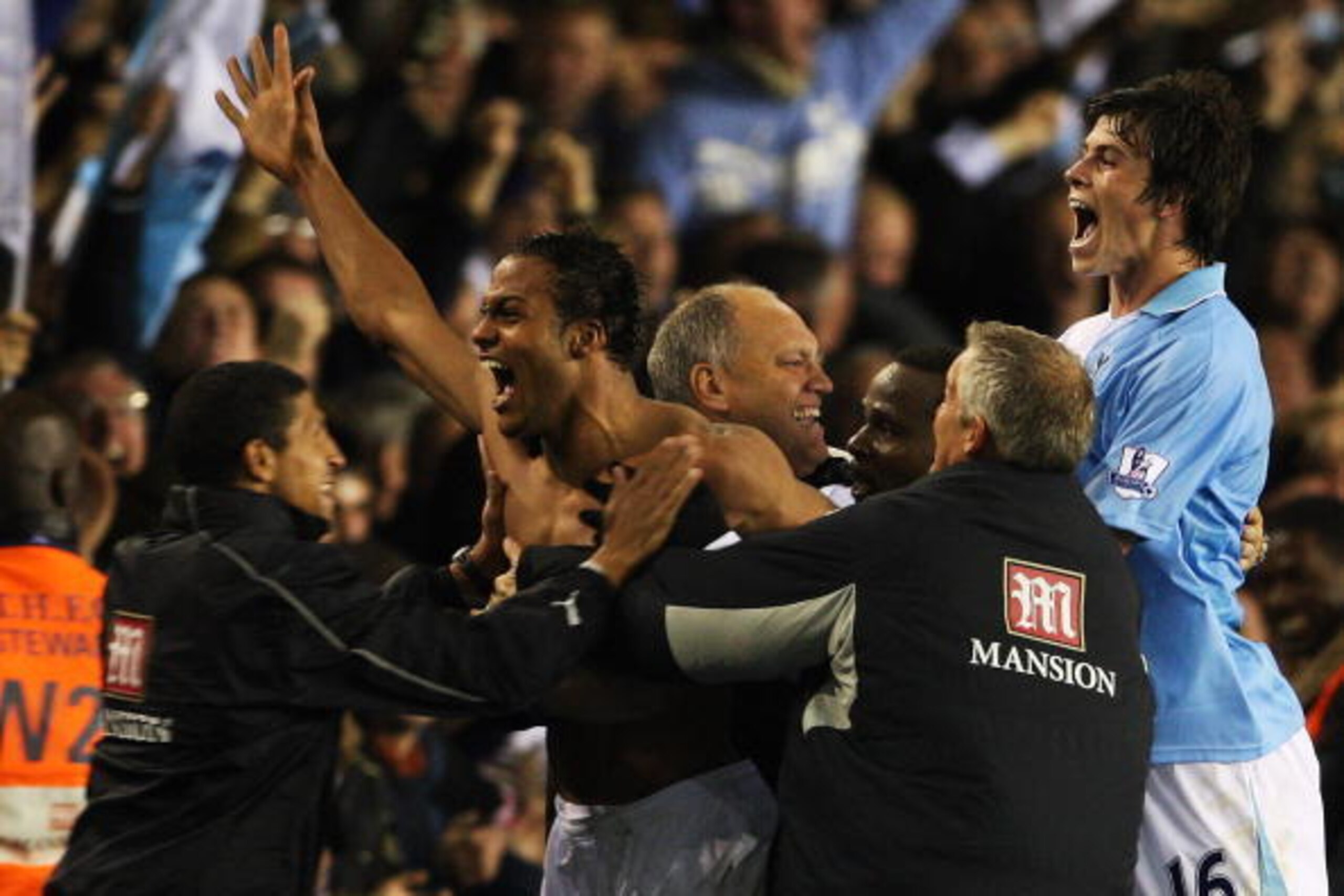
The Frenchman joined Spurs in 2007, and after a nearly 18-month spell with Portsmouth, he was brought back to White Hart Lane in January 2010 by his former Pompey boss Harry Redknapp. Improved by his time on the south coast, the defender contributed to Spurs' successful Champions League qualification push and enjoyed a mostly good couple of seasons.
Despite the injury problems that decimated the majority of his following two years, Kaboul entered 2014 in decent shape. Bar a couple of really poor performances (away losses at Liverpool and West Ham United, in the latter of which he was sent off) there were indications he was returning to previous levels in some solid, hard-working displays.
Kaboul's longevity and resulting familiarity with the way things were done in north London, his centre-back position and the hope he could thrive there again evidently all appealed to Pochettino.
The best alternatives offering an approximation of those virtues were, in the Argentinian's mind, Emmanuel Adebayor and Hugo Lloris. Both of whom were named vice-captains.

Even before he was officially announced club captain, Kaboul was selected to start Spurs' season opener against West Ham (albeit Jan Vertonghen had only just returned and Federico Fazio had not yet been signed).
An indication of Pochettino's preference for him over Dawson was the boss sticking with him there to November, which proves his intention was the title was always meant to be more than ceremonial. Something that was not always the case semantically when "club" was affixed to "captain", at Spurs and elsewhere.
"Younes has shown me all the values needed to be a captain," Pochettino told Spurs' official website. "He has the character to lead this team as well as the respect of his teammates."
While not questioning the respect for Kaboul from his team-mates, nor his own desire to live up to the examples of Spurs skippers-past, it gradually became apparent that there had been no distinct improvement or sufficient maturation to suggest he had "the character to lead this team."
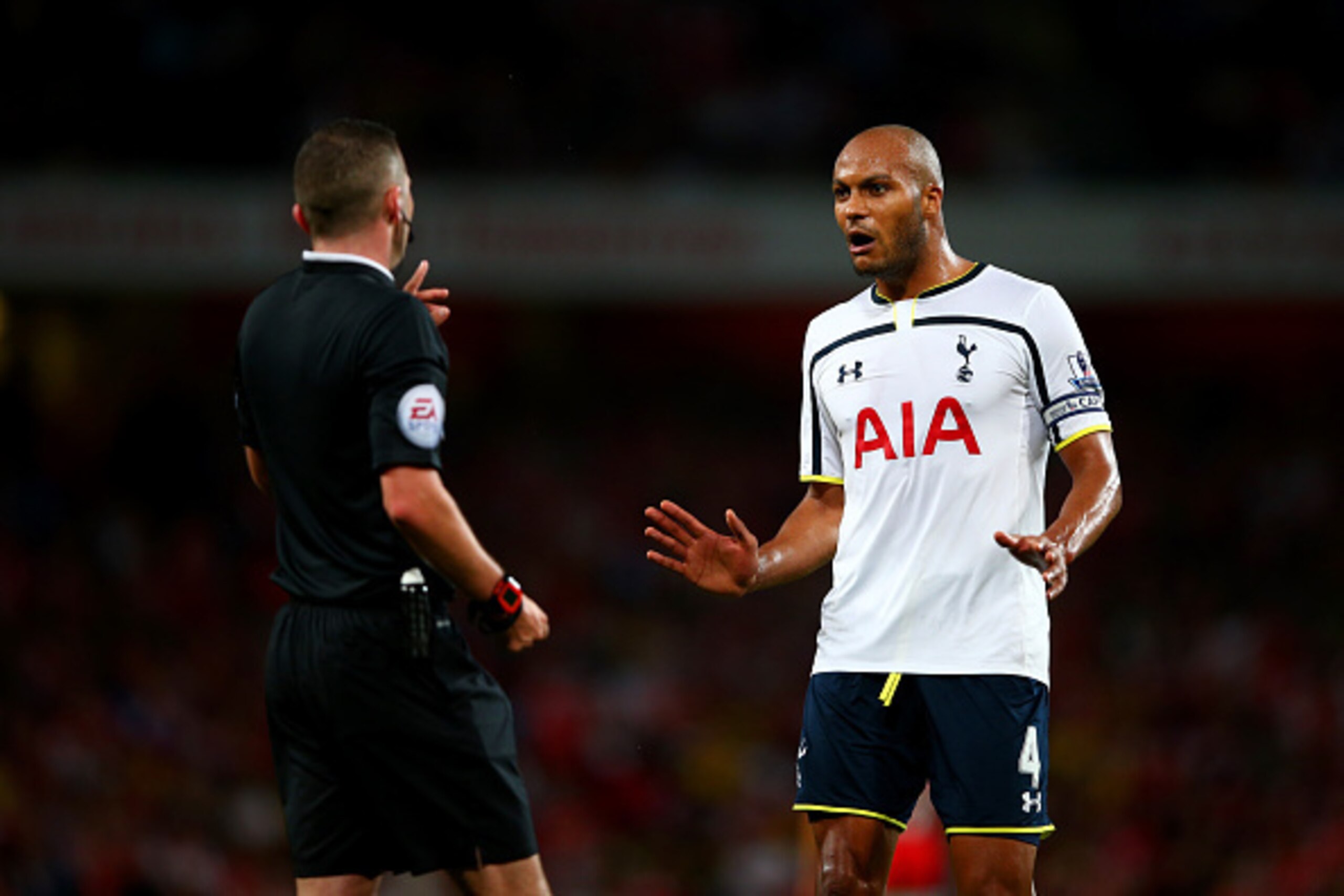
A fully focused (or as near to as possible) Kaboul showed he was capable of it. Away at Arsenal he threw himself at everything he could, clearing his lines determinedly as Spurs held on for a valuable point. Bar a nearly costly late mistake, he played almost as well in a 1-0 win over Southampton the following week too.
A leader does not take weeks off, though, and damagingly for his short and long-term career prospects in N17, Kaboul did far too often.
Where Tottenham needed an assured presence to marshal them through the fledgling days of Pochettino's reign, they instead got a calamitous display away at Manchester City, a week after the aforementioned high points. Needing someone to hold firm late on in tight contests, you got a player crucially switching off to allow an unmarked James Morrison to head West Bromwich Albion's winner in a 1-0 loss in September.

Kaboul was not the only culprit. Defensive inadequacy permeated throughout the team while incoherent changes around him in the back four did not help either. Perhaps a more settled partnership with one of his colleagues would have worked in his favour.
Still, as captain he had responsibility to set the tone. To do as much as he could to keep his defence organised and bring his best in moments of concentrated pressure.
Pochettino stuck with him for all of Tottenham's first 11 Premier League matches. Another ineffectual outing in the last of those, a 2-1 home loss to Stoke City, was the final straw.
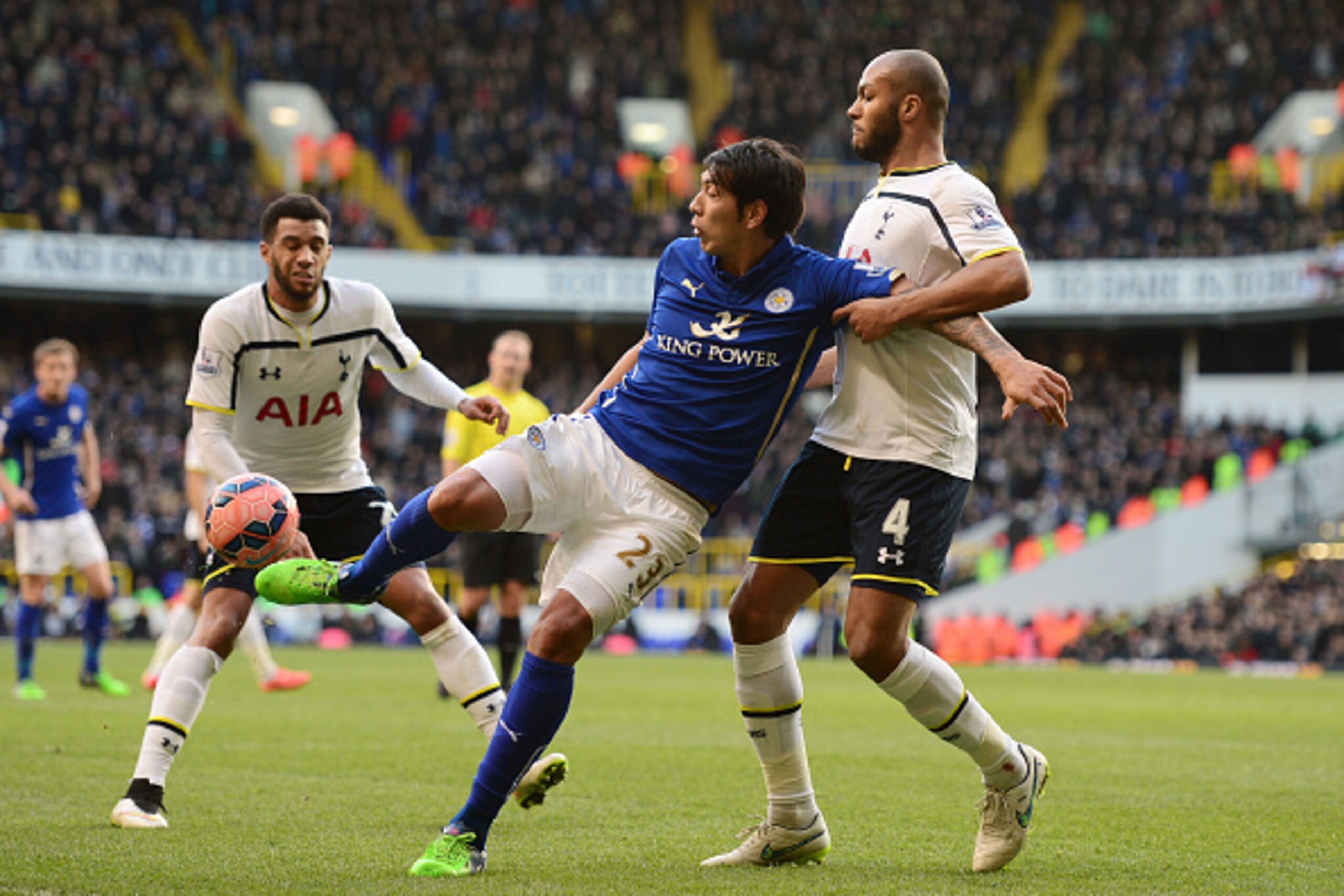
Kaboul would play just three more times in the season's remainder. None of those in the league, and not once after Spurs' FA Cup fourth-round exit to Leicester City on January 24.
Fazio and Vertonghen became the first-choice centre-back partnership. Goalkeeper Lloris took the skipper's armband from his compatriot.
The comparative consistency and reliability resulting from both led to an improvement which seriously hurt Kaboul's standing in his boss' eyes. Spurs still had (and have) issues here, but their settled attack, led by the inspired Harry Kane, more often than not compensated for them.
As Pochettino prepares his squad for the 2015-16 season it is almost certain Kaboul will move on this summer.
He did not travel with the team on their post-season tour of Malaysia and Australia, with midfielder Benjamin Stambouli preferred to deputise at centre-back. The signing of Kevin Wimmer is the latest indicator the removed captain's days are numbered.
With the right centre-back partner alongside him Kaboul can certainly still be a useful player for a team somewhere (perhaps it is no coincidence much of his best work for Spurs came during 2011-12 when playing alongside then-skipper Ledley King). The misguided trust Pochettino placed in him this season goes to show just how important it is for any side to have a player possessing genuine leadership in the battle to stop the other team scoring.
Instilling that requires more than just good intentions.


.jpg?w=2560 "Raiders Could Start Mendoza")




.jpg?w=2560 "Rodgers Iced Out on Plane 💎")
.jpg?w=2560 "🚨 Week 8 AP Top 25 Poll")
