It's Hard to See Steven Gerrard Leave, but It's the Right Move for Liverpool
Transfers are part and parcel of football. As, of course, any Liverpool supporter knows only too well—especially in the aftermath of the horrendously public toing and froing of the Raheem Sterling situation.
But even when a good, or great, player moves on, sooner or later, there is always someone else who comes along and eases passage to the new stage of the team rebuild.
Why, then, is it any different this time around? Why is it different because it's Steven Gerrard?
TOP NEWS

Final Men's Ballon d'Or Rankings 📊
Highlights and Viral Moments 🍿

J-Dub Suffers Gruesome Injury
It's an almost impossible situation to explain succinctly yet fully.
Men and women, young and old, fans all: Tears, respect, adulation, despair and pride were somehow all wrapped up together, whether at the game or not against Crystal Palace on May 16. This isn't just an outgoing transfer, this is a man leaving the club who has, essentially, been the club.
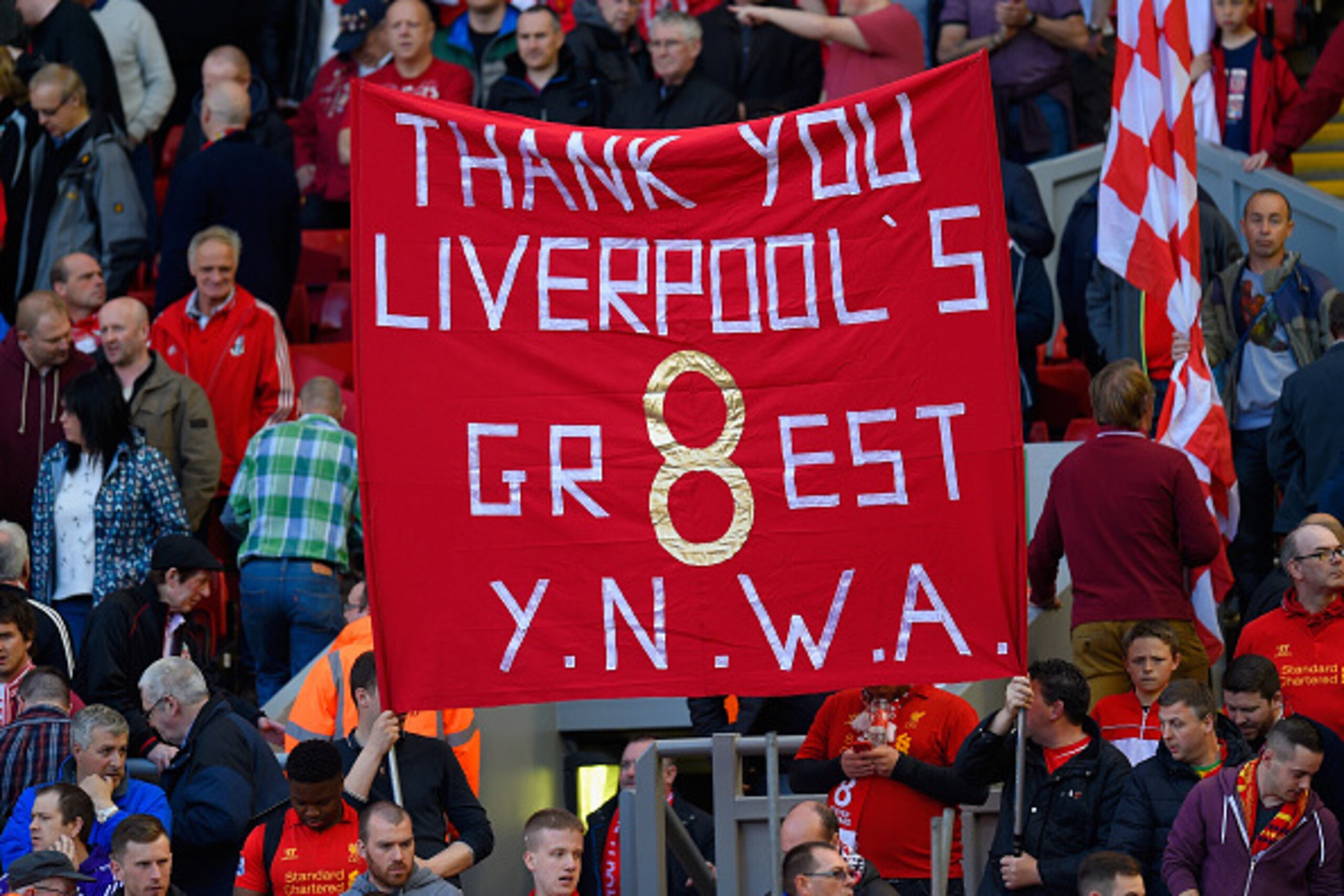
For the younger generation of fans, they have never known a Liverpool without Steven Gerrard. Every trophy the club has won in their span of supporting the team has been lifted by him, every big performance has inevitably, somehow, centred around him. For the middle-aged and elderly, Gerrard represents something even more than that: the end of a long, respected line of Liverpool.
No more is there any such figure as Roy Evans or Ronnie Moran, transitioning seamlessly from playing staff to backroom staff and providing a respected and indeed feared glare on the training pitch. The Boot Room is long gone, and the only enduring trait from way back when is the local talent on the pitch: Jamie Carragher up until 2013, and Gerrard up until this summer.
Now that he leaves, Liverpool is a whole different club, and that's not an exaggeration.
For many, Gerrard has defined the Reds for more than a decade, has been that link to inside the club dating back almost to the end of the Roy Evans era. Now, once he departs, the club is owned, run and inhabited by those who have arrived from outside. That's not a problem as such, but it is nonetheless a marked change.
Gerrard has scored the goals, changed the games, challenged the best opposition on the planet and hoisted silverware above his head on some of the best nights fans have experienced. Even now, not at the peak of his powers, it's beyond difficult to let someone of that stature depart—it hurts to do so.
Yet it absolutely, without doubt, has to be done. And it has to be done now. Gerrard needs to leave Liverpool.
At this point, we need to remind a few people of something: Gerrard himself has decided this. The club aren't kicking him out. The manager is not ushering him out the door. Gerrard does not want reduced game time and is departing the scene on his terms. And that's also OK.
Because now the team needs to grow and develop without him. Mentally and in terms of leadership, that's going to be a big hurdle to get over, but now that the captain won't be there, others will have to step up. The natural first look to see if a pass can be made to Gerrard won't be on. Other decisions have to be taken instead, other avenues to break a team down sought.
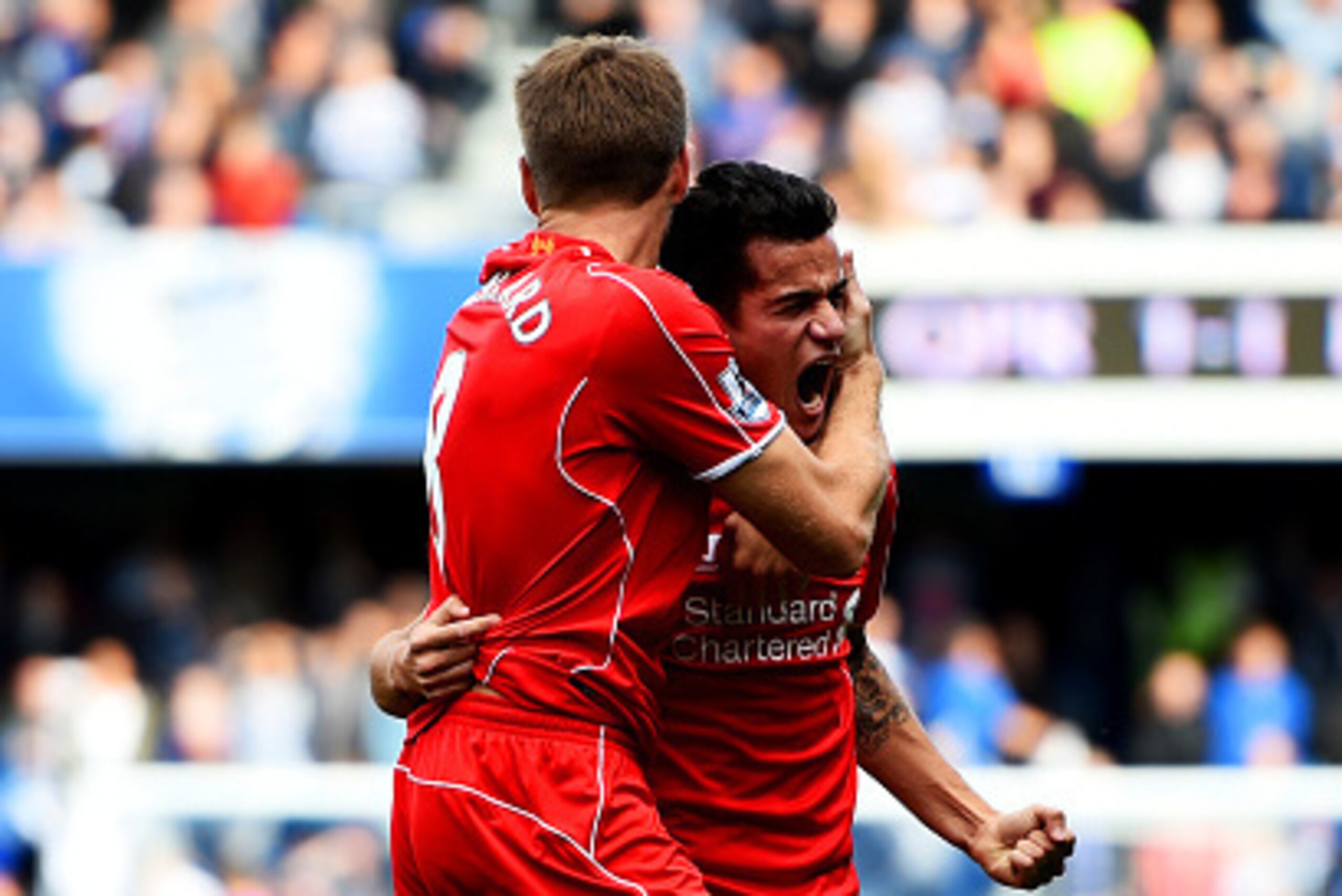
In terms of shape and approach, Liverpool have looked confused and indecisive for a long time now, and not all of that is to do with Gerrard, but certainly some of it is. In his last home game alone, he started as one of two central midfielders, dropped deeper after half-time to play in front of the defence, then ended as the No. 10.
It has, to an extent, been an awkward and uncomfortable compromise to fit him into the team, and it shouldn't be that way. He is still a very good player, capable of affecting games and scorelines, but if he isn't to be the focal point of style or formation, he is wasted. And a position in the team is wasted with him in it.
The scoreline in the end was academic for Liverpool, yet it was also horribly poetic. When the fans and the club needed one big push just to give Gerrard a big send-off, they were unable to collectively rise to the occasion. Such has it been almost throughout the No. 8's tenure at the club.
An awful lot of people outside the club have wondered whether Gerrard has really been that good, and if he has, then why hasn't he won more? Well, because he has had to put up with a lot of Salif Diaos, Bruno Cheyrous and Christian Poulsens would be half the answer. He has too often been let down by those not good enough, not quite able to match his standards, not able to have an impact on the occasions when Gerrard hasn't found the way through.
Now, with his departure, the club and the players will be forced to find that extra ability from somewhere or else flounder as a team that doesn't compete and certainly doesn't win.
They will also, or should, be able to set a structure in place for the formation and style of the team and buy accordingly. Nobody needs to be slotted in somewhere, nobody but the young and talented need be built around.
Brendan Rodgers, assuming he stays in place, will have money spent on his first team once again. Whether he or the committee makes the calls on the arrivals, there will be new faces. Quite aside from any sales—and with Sterling, Iago Aspas, Luis Alberto, Lucas Leiva, Jose Enrique, three first-team strikers and other names all potentially or probably on their way, that's quite some possible income—here are three or four sizeable contracts coming to an end, including Gerrard's.
It's rebuild time, once again, and in a notable and poignant way. The only pertinent target for next season has to be to get back into the top four and return to Champions League football.
But now, for the first time in the modern team, these objectives have to be attained without falling back on the abilities and willpower of Steven Gerrard.
.jpg?w=2560 "Rams Raiders Football")


.jpg?w=2560 "Rodgers Iced Out on Plane 💎")

.jpg?w=2560 "Packers Safety Slams Refs 🤬")
.jpg?w=2560 "🚨 Week 8 AP Top 25 Poll")