


Against Sunderland on Wednesday, Arsenal had 74 per cent possession. Against Swansea City the previous week, they had 67.8 per cent. At home against Chelsea at the end of April, they had 58.3 per cent. In none of those games did they score.
“We lacked a bit of sharpness,” Arsene Wenger said in the press conference after the Sunderland game. Perhaps. After all, a place in the top three had been all but guaranteed for some time. And perhaps luck had been against them—two of the goalkeepers they faced in those matches, Lukasz Fabianski and Costel Pantilimon, had superb games—but still, Arsenal's last three home fixtures demonstrate the awkwardness of possession as a metric.
TOP NEWS

Final Men's Ballon d'Or Rankings 📊
Highlights and Viral Moments 🍿

J-Dub Suffers Gruesome Injury
There was a time a few years ago, when Barcelona were in their pomp under Pep Guardiola and statistics first began to be readily available, that people obsessed over possession. There seemed a belief that how much of the ball a team had was a measure of how well they’d played.
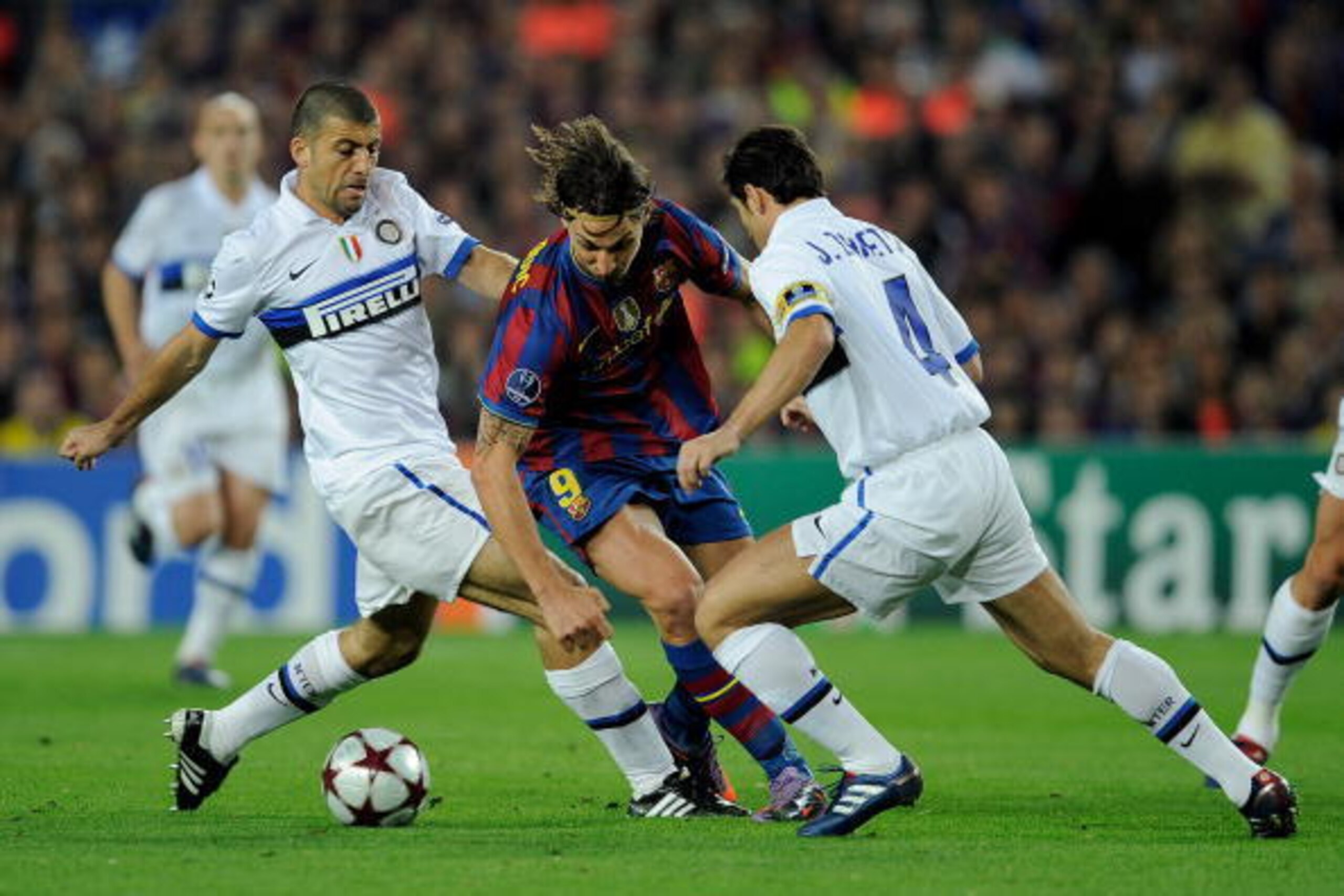
Internazionale’s victory over Barca in the 2010 Champions League semi-final—when they had just 19.2 per cent possession in the second leg—should have put paid to that idea. High possession stats mean a team with a proactive approach, the sort of side that wants the ball and wants to impose itself on an opponent. The gauge of how well that side has played is how many chances it creates, assuming its not ahead and looking to hold the ball as a defensive move, which is certainly how Spain used possession at times.
Low possession stats could mean a team under pressure against a team playing better than they are, or they could mean a team has adopted a reactive approach, sitting deep, allowing the opposition the ball and looking to strike on the counter-attack. There’s often an assumption that is “negative” but as, say, Germany showed at the 2010 World Cup, there can be something thrilling about the counterthrusts of a reactive team.
Yet it remains the case that the better sides tend to be proactive in approach. If they have the better players, why would they not seek to impose themselves—unless, of course, those players’ strengths were specifically suited to playing counter-attacking football (as the England national team’s are, for instance, given their place in forward areas)?
A glance down the possession stats for the Premier League shows a high correlation between possession and league position, with Manchester United top of the list, the only side with more than 60 per cent possession. That suggests Louis van Gaal, after surprisingly adopting a counter-attacking approach with the Netherlands shortly before the World Cup, has reverted to the proactive game he has favoured for most of his career.
Chelsea are only sixth in the possession charts, but that’s no great shock. Although they can overwhelm lesser sides, against bigger teams, they tend to play reactively: They had 46.5 per cent possession at home against Liverpool, 41.7 per cent away at Arsenal and 32.9 per cent at home to Manchester United. With the league effectively already won, they were happy to sit off and hold their opponents at arm’s length in all those games.
Sunderland are unexpectedly high at 13th, evidence of the slow, patient buildup Gus Poyet instituted that so often went nowhere. And it's perhaps also a surprise to see Crystal Palace bottom of the list, but Alan Pardew has always been a coach who favours a direct approach, and he’s maintained that, looking to use the abilities of Yannick Bolasie, Jason Puncheon and Wilfried Zaha by getting the ball forward to them quickly while they still have space in front of them.
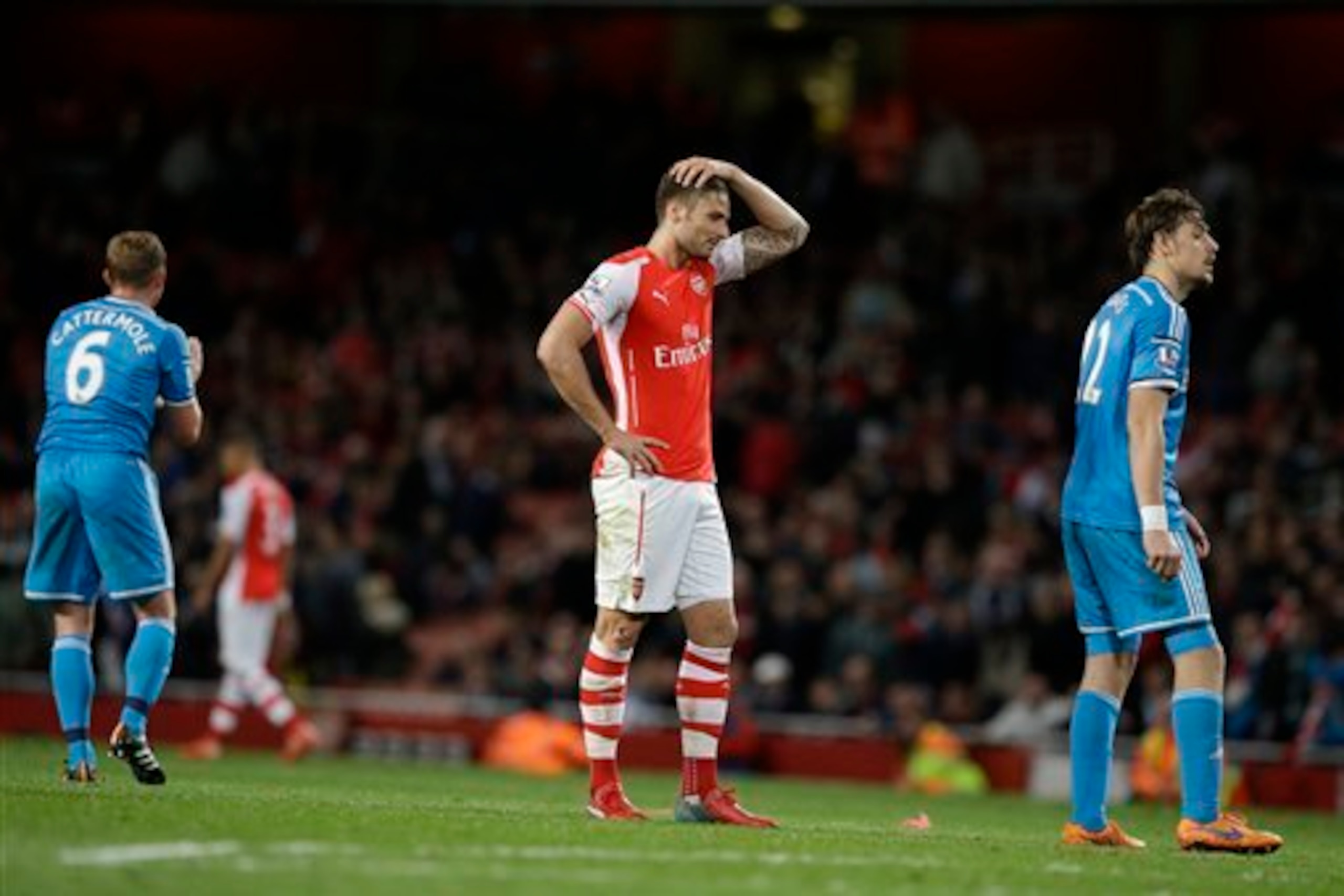
Arsenal, more flexible in approach than they have been in recent seasons, are only fourth in the overall possession stats, but the issues of the recent past haven’t gone away entirely. They still have a tendency to overcomplicate, to try to tiptoe through thickets of defenders. And perhaps more importantly, Olivier Giroud, for all he fits into Plan A, has failed to be a Plan B in three successive home games, dominated in the air by successive central defenders.
Wenger’s side has improved and become more flexible this season, but the old habits remain hard to shake. Possession is a guide to how a team played, not how well they played.
All stats courtesy of Whoscored.com unless otherwise indicated.
.jpg?w=2560 "Rams Raiders Football")



.jpg?w=2560 "Rodgers Iced Out on Plane 💎")

.jpg?w=2560 "🚨 Week 8 AP Top 25 Poll")
.jpg?w=2560 "Packers Safety Slams Refs 🤬")