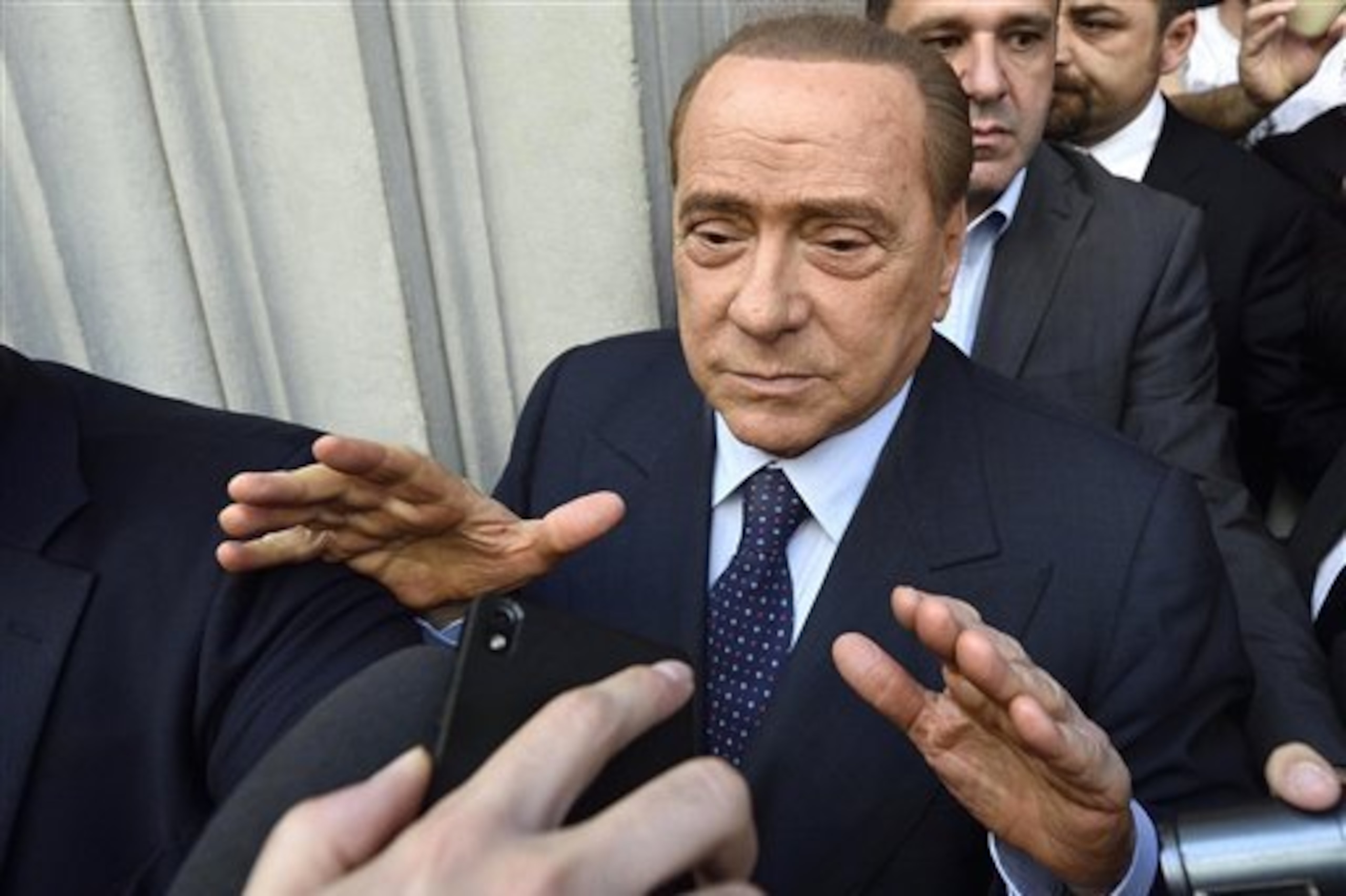

5 Questions AC Milan Fans Would Love to Ask Silvio Berlusconi
As AC Milan's fortunes have fallen over the last few years, fans have increasingly focused their ire on owner Silvio Berlusconi.
The former Italian prime minister and business magnate has owned the team since the 1980s, when he plucked them from their lowest point in the wake of their forced relegation in the early part of the decade and transformed them into a European force. He unearthed incredible coaching talents like Arrigo Sacchi, Fabio Capello and Carlo Ancelotti. The club has won eight scudetti and five European titles since he took over.
But now Berlusconi's leadership seems to be in decline. Since their Scudetto in 2010-11, Milan have sold off their best players, and their on-field product has been increasingly poor. This season, that decline has seemingly reached its nadir, and the fans want answers.
What are the biggest questions fans have? Let's look at some of the things they would ask if they could meet with their owner face-to-face.
Where Did the Money Go?
1 of 5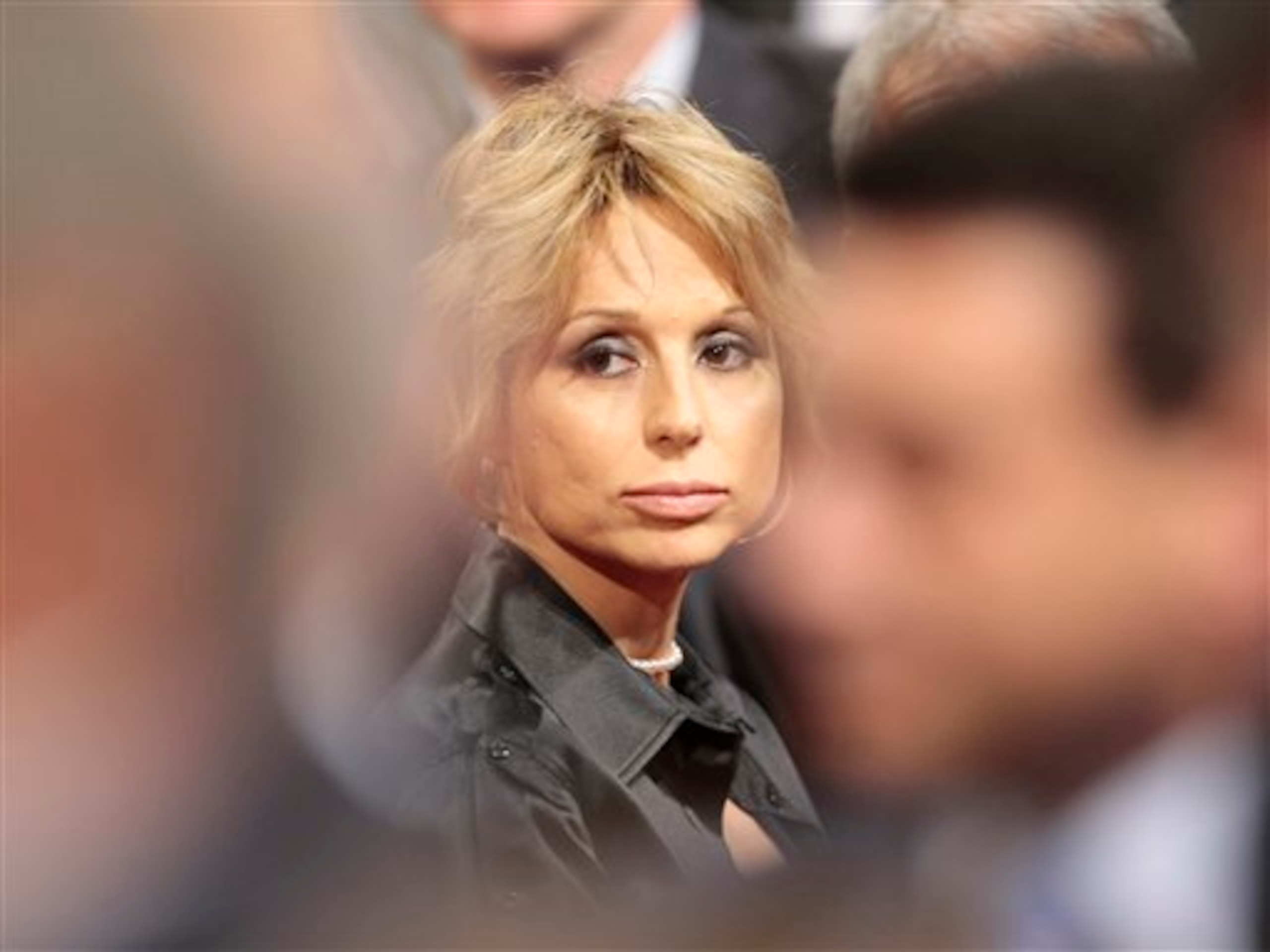
Since Berlusconi arrived at Milan, the team has frequently broken the world transfer record and has shelled out large amounts of money for top-level players. But since the beginning of the last decade, the team has ceased to be such a major player in the transfer market. What gives?
The answer to this question actually has a lot less to do with Silvio himself than many people assume. The prime mover behind Milan's lack of funds in the transfer market the last few years has actually been his oldest daughter, Marina.
Marina is the chairperson of Fininvest, the entity that manages all of the Berlusconi family holdings. According to a 2010 report by Goal.com's Salvatore Landolina, if was she who started the club's current era of financial austerity.
The report states that after archrivals Inter Milan won the treble in 2009-10, Silvio was planning a large-scale assault on the summer transfer window to catch up. Landolina picked up on an item from Milannews.it that said that Marina blocked Silvio's intended €60 million spending spree and cut that budget by half.
It's clear that the rest of Fininvest's directors don't want to keep propping up the team at the level it has in years past. Unless the Italian economy booms back in the short term, their attitude will likely remain the same.
Why the Delay in Bringing in New Investment?
2 of 5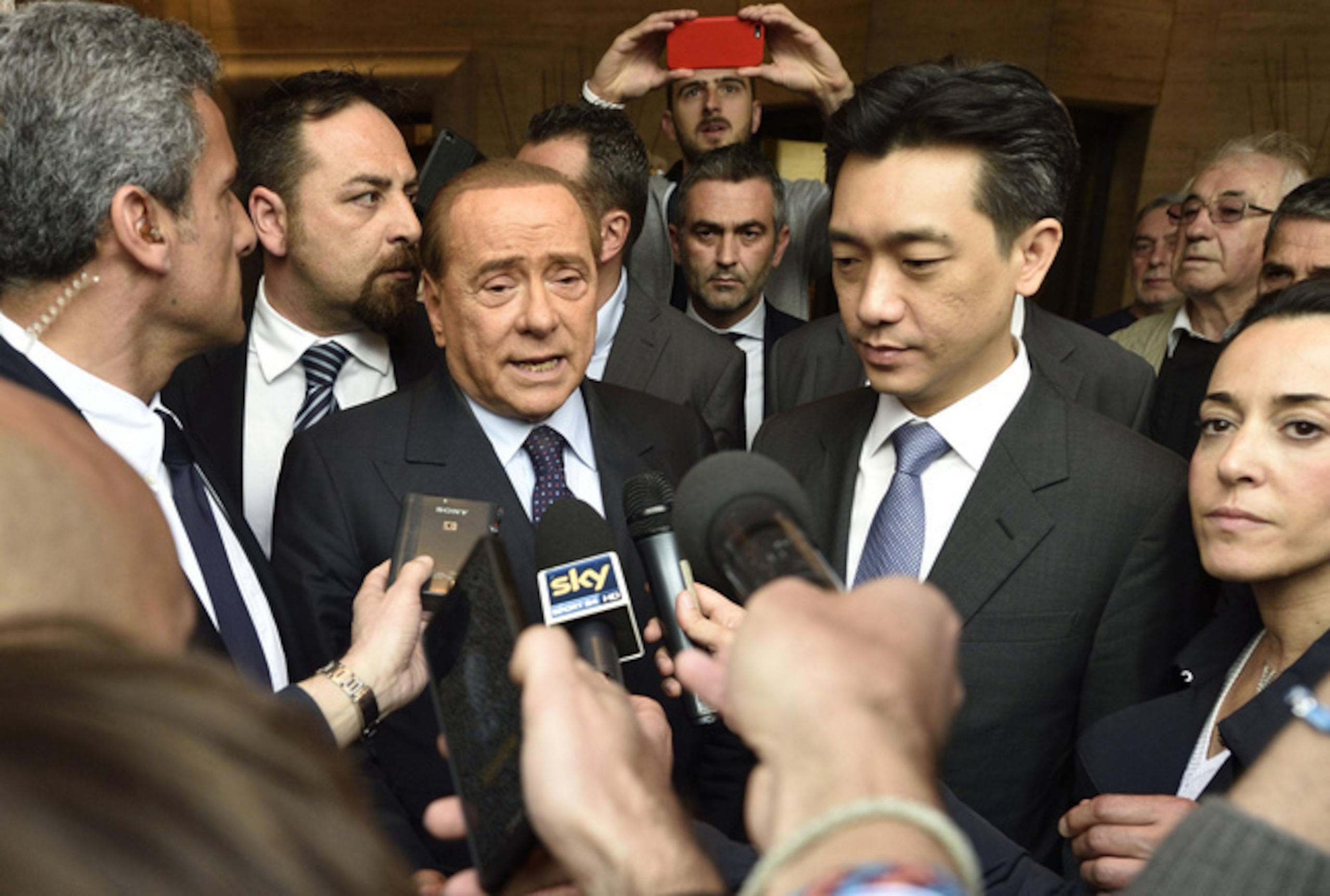
With investment unlikely to come from within, the fans have been clamoring for another party to be brought in to inject some cash into the club. Unfortunately, that process has gone anything but smoothly.
Several candidates for such investment came from Asia. The most prominent among them has been Bee Taechaubol, a Thai property magnate. Taechaubol has experience in the sport as one of the corporate faces of the Global Legends Series and seems to have genuine affection for the team.
He also has a history of taking struggling organizations and making them successful.
A few weeks ago, Taechaubol met personally with Berlusconi and told Thai Rath (h/t Football Italia) that the negotiations for a sale were "down to details" and that they expected to complete the process within a month.
Berlusconi, on the other hand, seemed to shoot that down. The same Football Italia item saw him tell Telenord that he would only sell the club to someone he thought could guarantee the club's return to the top. That he said something like that at all suggests that he doesn't think Taechaubol is that man.
Earlier in the week, Berlusconi claimed that he was in touch with three Chinese bidders. This signifies one of two things: Either Taechaubol is now out, or Berlusconi is using the prospect of competition to get concessions from him at the negotiating table.
One way or another, this isn't the best thing for the club. Many things—from the playing staff to the coach to the front office—will be affected by new ownership, and the sooner that is in place, the better.
Berlusconi is either playing hardball from a business perspective or is truly waffling over the sale. Neither is a good thing. He needs to get these negotiations done quickly so that the team can start to rebuild.
Why Settle for Unproven Coaches?
3 of 5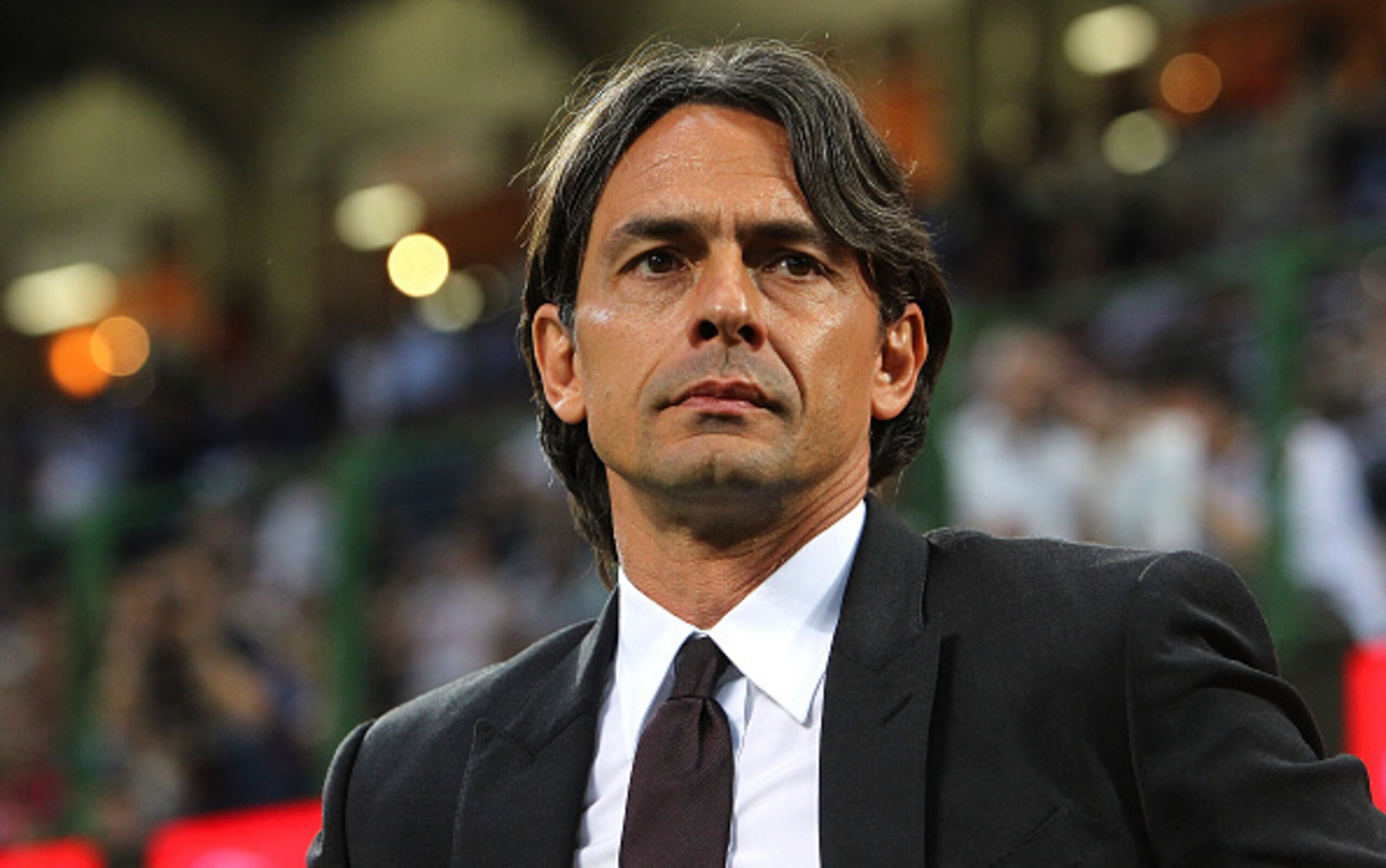
The Milan manager's office has been a tough place to be over the last few years.
Massimiliano Allegri was finally ousted last season after a decline that was really no fault of his own. His replacement, Milan legend Clarence Seedorf, literally hung up his playing jersey and jumped right into the manager's office.
Milan did well under Seedorf's stewardship but failed to recover from their poor start and qualify for Europe. Seedorf's naivete in the role showed, however. His management style nearly caused a locker room rebellion at the end of the season, and he was fired over the summer.
Milan's fans—who at the time weren't privy to just how badly the relationship between coach and players had deteriorated—considered it a slight to Seedorf but were cautiously optimistic for his successor, Filippo Inzaghi, at the helm.
Inzaghi had a bit more experience than Seedorf—but not much. He had coached Milan's Primavera team for two seasons but never at the senior level. That inexperience has shined through this year. Inzaghi has used questionable lineup combinations and made baffling substitutions, leading to a season in which the Rossoneri may not even finish in the top half of the table.
Why Berlusconi has been taking chances on such inexperienced coaches is somewhat puzzling.
Berlusconi has found some fantastic talents on the sideline during his tenure. Arrigo Sacchi, Fabio Capello, Carlo Ancelotti and even Allegri all came into their own on the Milan bench. The difference between those men and Milan's last two coaches was simple: All of them had coached senior-level teams before they were hired at Milan.
It remains mystifying why Berlusconi would trust such inexperienced people to run his team, especially given the lack of resources at his disposal. It's one thing to make one's first mistakes at Latina, but another altogether to make them for the Rossoneri.
Inzaghi will almost certainly be replaced in the summer, but his successor must be someone who knows the job better.


What Happened to Milan Lab?
4 of 5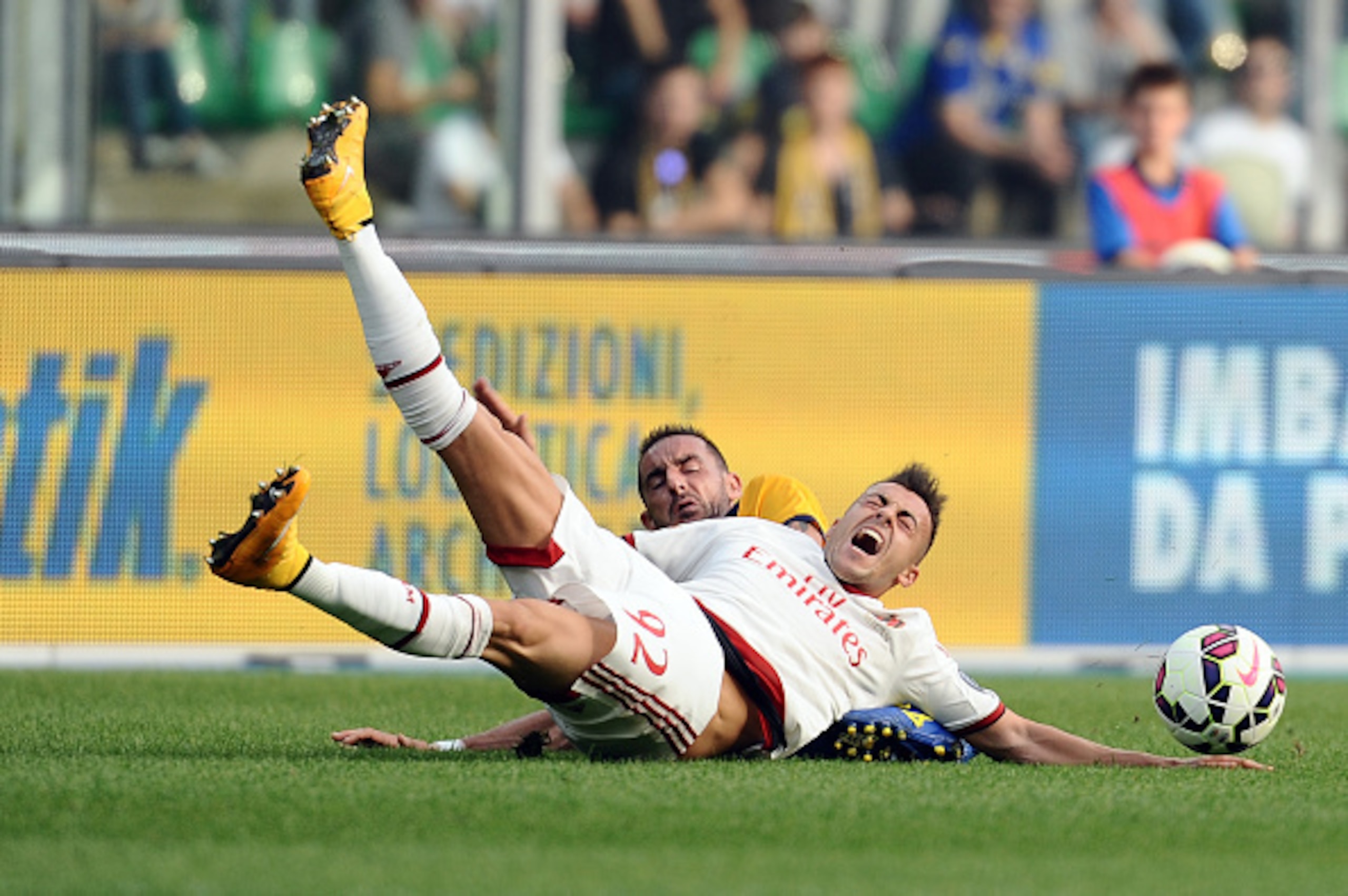
The Milan Lab was once a vaunted sports performance system that was credited with prolonging the careers of the likes of Seedorf, Inzaghi, Paolo Maldini and Andrea Pirlo. There have been several major profiles of the program over the years, like this Daily Mail story from 2010.
Unfortunately, the once-vaunted lab has now been the subject of scrutiny.
Long-term injuries have hampered important players. Stephan El Shaarawy has lost the majority of the last two years to recurring leg and foot injuries. The once-promising Alexandre Pato is now plying his trade in Brazil after a long string of injuries kept him off the field.
This season, injuries to the likes of Ignazio Abate, Riccardo Montolivo, Adil Rami and El Shaarawy have hampered Inzaghi's efforts to keep a consistent XI together.
If the team can't stay healthy, how can they contend? What has happened to this system? Is it that the players it is credited with keeping healthy long-term were just freakishly talented physical specimens? Or is the Milan Lab, like the club itself, just a shell of what it used to be?
Why Aren't Young Players Playing?
5 of 5
The man you're looking at is Riccardo Saponara. He's wearing an Empoli strip. The question is: Why?
Saponara was bought from Empoli two years ago to great fanfare. He was the future of the attacking midfield along with academy product Bryan Cristante, who would make plays from deep.
Neither of those players are still with the team. Cristante was sold to Benfica this summer, and Saponara, after two years of being ignored on Milan's first team, was loaned back to Empoli this January—with an easily affordable option to make the deal permanent this summer.
Cristante hasn't played all that much in Portugal this year, but Saponara has flourished at his boyhood club, scoring five times and providing two assists since his return. Both of them would be better options than much of what Inzaghi currently has at his disposal in midfield.
Instead of leaning on these incredibly talented young players, Milan has plugged players like Sulley Muntari and Michael Essien into the lineup, eventually crowding out their own promising academy products.
This incomprehensible insistence on blocking talented youngsters with mediocre veterans is one of the biggest reasons Milan are in such dire straights. The Rossoneri need to start trusting their young players more in order to start rebuilding.
The only question is why that movement hasn't started already.
.jpg?w=2560 "Rams Raiders Football")


.jpg?w=2560 "Rodgers Iced Out on Plane 💎")

.jpg?w=2560 "Packers Safety Slams Refs 🤬")
.jpg?w=2560 "🚨 Week 8 AP Top 25 Poll")