

Real Madrid Malaise Lies in Transfer Policy, Not Gareth Bale and Carlo Ancelotti

The age of the super clubs is upon us, but there remains at least one comfort for those outside the elite, which is that those with the most money so often seem to have so little idea how to spend it wisely.
For Real Madrid, the original super club, this is turning out to be an awful season by their standards—the vast majority of sides, of course, can only dream of finishing second in La Liga and reaching a Champions League semi-final—and it’s almost entirely the result of illogical transfer spending.
TOP NEWS
Highlights and Viral Moments 🍿

Final Men's Ballon d'Or Rankings 📊

Carrick Replacement Options 📝
A lopsided, ill-balanced collection of stars will still outshine many sides. When lots of players who are very gifted have control of the ball, they will tend to wreak havoc, as Madrid do so regularly in La Liga. But at the very highest level, against gifted and canny opponents, flaws will be exposed.
What was particularly striking about Juventus’ progress to the Champions League final on Wednesday was how easy they found it and how little they were tested, especially in the second half.
By the end, Madrid seemed devoid of ideas, banging crosses into the box almost by rote, where what had become a back three of Giorgio Chiellini, Andrea Barzagli and Leonardo Bonucci happily passed a relatively unchallenging aerial examination.
It’s Gareth Bale who has come to symbolise Madrid’s woes, which isn’t entirely fair. It's true he had a night that drew the attention, and the strange disapproving noise the Bernabeu crowd made after every chance he missed after half-time suggested the extent to which it has made him its scapegoat.
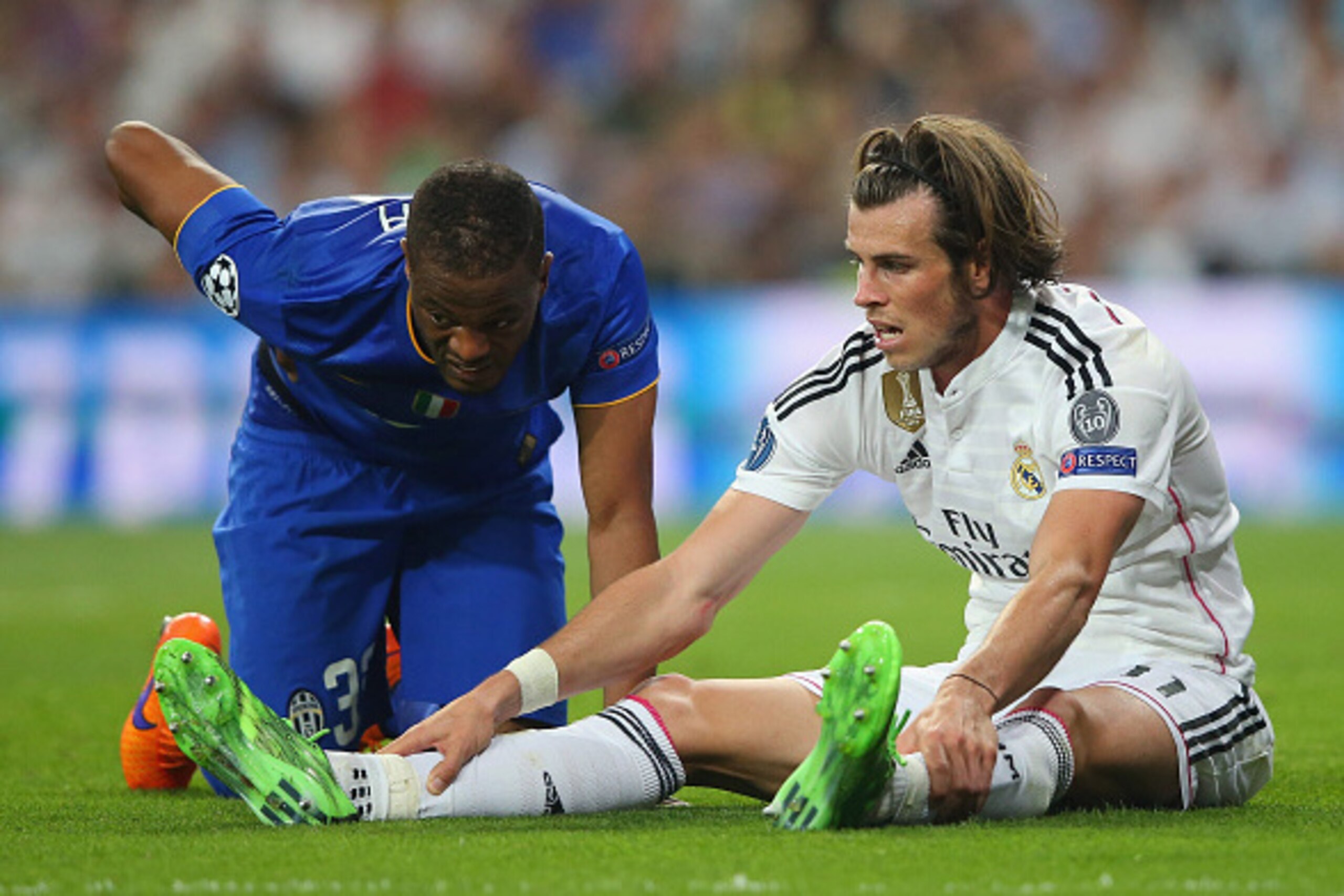
The Wales international is not playing well, and he creates a tactical imbalance, but at €100 million, he is the president’s man and cannot be dropped.
In the first half, he was almost anonymous, managing just 15 touches, according to statistics from WhoScored.com. In the second period, though, he came into the game but might have wished he hadn’t.
In total, he had seven efforts on goal and hit only one of them on target. His pass-completion rate was the lowest of any Madrid outfielder.
He did at least keep going, demonstrating what legendary manager Brian Clough termed “moral courage” (from my biography of Clough, Nobody Ever Says Thank You) by risking further opprobrium, but that’s probably the best that can be said of his performance.
The problem is that Bale is an explosive, direct player in a team that regularly finds itself facing deep defences. He rarely has the space to run into he had at Tottenham Hotspur. He is not a tactical fit and never was.
Add in the political upheaval caused by the challenge his arrival made to Cristiano Ronaldo’s ego, and the signing looks even more baffling now than it did at the time.
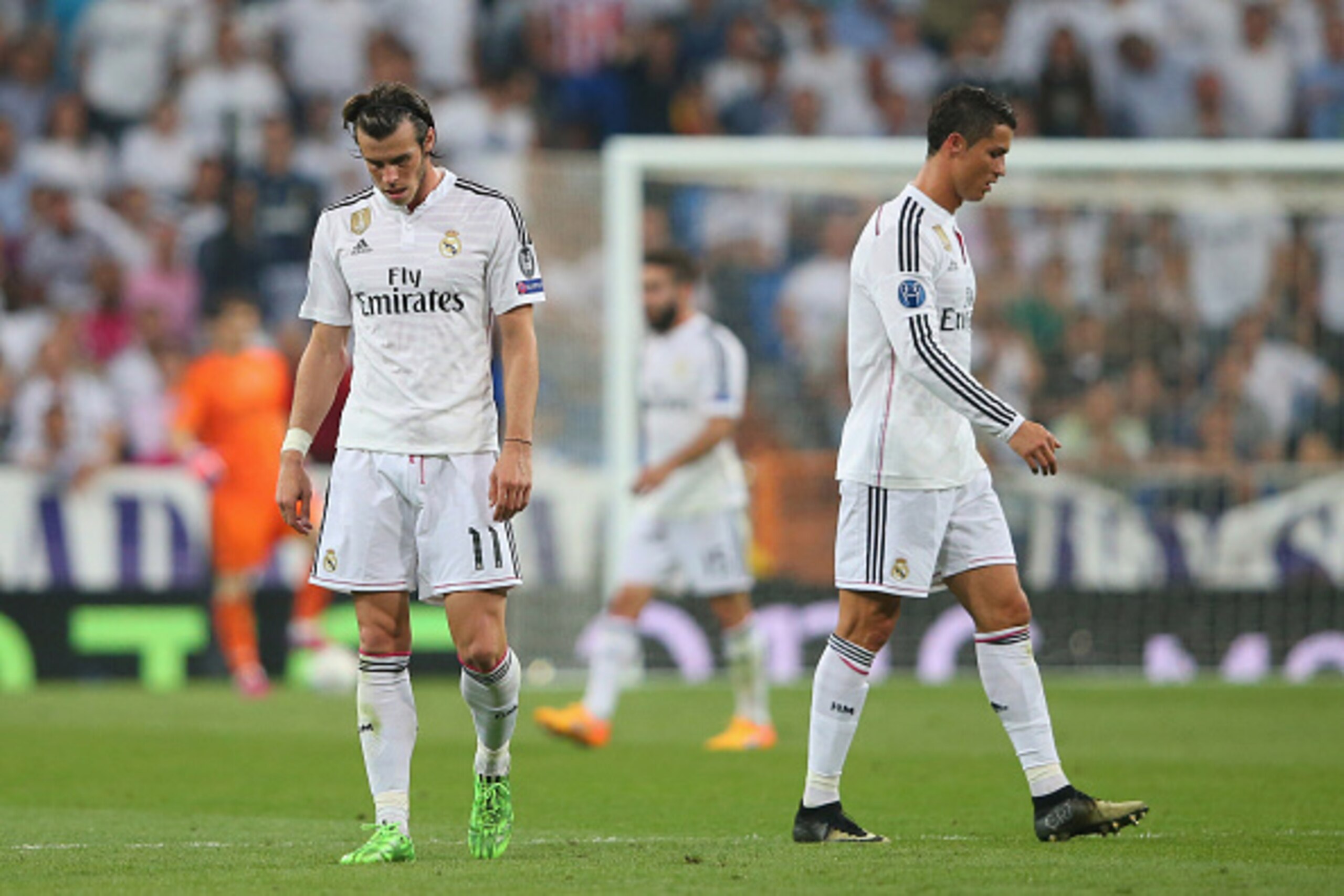
This was another game that suggested Ronaldo’s influence has diminished since last year's knee injury. He has increasingly become a penalty-box player, which creates an imbalance on the left.
It was filled last year by Angel Di Maria, but he has gone; despite being man of the match in the 2014 Champions League final, Real essentially sold the Argentinian for looking a bit like Franz Kafka and so not being marketable enough.
The other modifiers, the players with the intelligence and self-sacrificing nature to create balance, were also missing on Wednesday—Xabi Alonso gone and Luka Modric injured.
The result was a team full of players who would all like to be playing a No. 10 role, which is why Juve so often broke so threateningly without a breakwater in midfield to halt the flow counters and why Madrid’s left-back, Marcelo, just about the only Madrid player bothering to use the flank, was their most dangerous player.
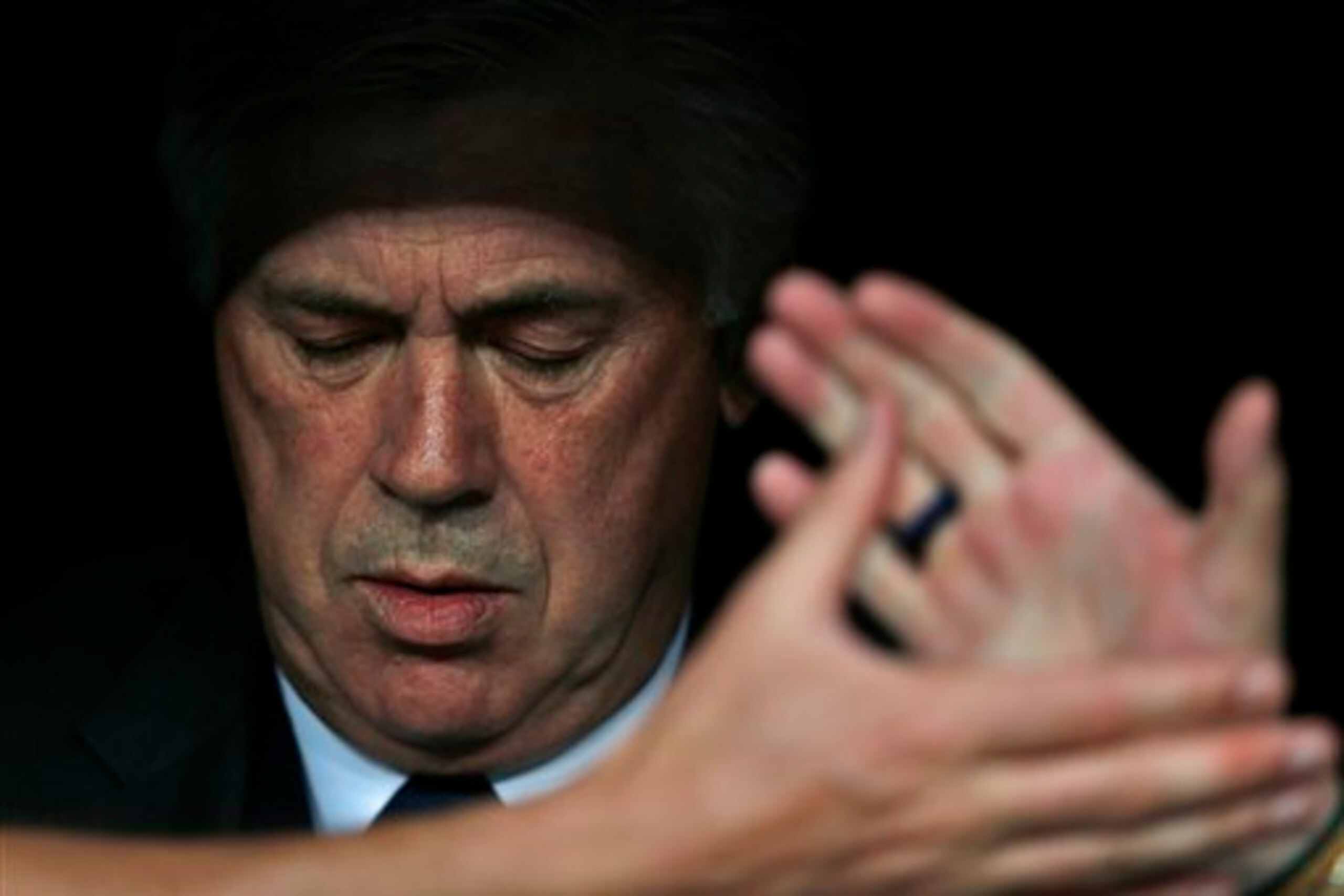
Fans can blame Bale. The board will probably blame the coach, Carlo Ancelotti. But the man mainly responsible for Madrid’s defeat to Juventus is the president who oversaw a transfer policy that prioritised marketability over tactical coherence: Florentino Perez.

.jpg?w=2560 "Steelers Saints Football")
.jpg?w=2560 "Raiders Could Start Mendoza")

.jpg?w=2560 "🚨 Week 8 AP Top 25 Poll")
.jpg?w=2560 "Packers Safety Slams Refs 🤬")

.jpg?w=2560 "Lamar Being Out Shocked Ravens")

.jpg?w=2560 "Mahomes Told Teammate to Leave Meeting")