

Jordon Ibe Contract Situation Underlines Liverpool Risk in Player Negotiations
Another week, and another Liverpool contract hits a stumbling block.
Last week it was Martin Skrtel's contract talks that had stalled, according to Neil Ashton of the Daily Mail. Ashton also claimed that Brad Jones was left "furious" by Liverpool's U-turn over a new deal for him.
Jones and Skrtel's issues follow on from the much-publicised problems over Raheem Sterling's new contract, with talks over a deal for the 20-year-old placed on hold at his representatives' request, according to BBC Sport.
TOP NEWS

Final Men's Ballon d'Or Rankings 📊
Highlights and Viral Moments 🍿

J-Dub Suffers Gruesome Injury
Meanwhile, Liverpool have failed to reach agreements with Steven Gerrard, Kolo Toure and Glen Johnson ahead of their expiring contracts this summer, despite manager Brendan Rodgers' insistence at different stages over the last six months that he would want to keep them all at the club.
"Players like Glen Johnson we want to keep," said Rodgers back in January via the Telegraph.
The Reds offered Toure a new one-year deal, according to the Liverpool Echo's James Pearce, but the Ivorian centre-back looks set to depart.
Gerrard himself said he would have signed a new deal had Liverpool offered him one last summer, when he announced he was leaving the club in January, according to BBC Sport.
Last August, full-back Jon Flanagan told the Echo he was close to signing a new contract. Ten months later and after another injury setback, his deal is still set to expire this summer.
Now, the latest contract to reportedly hit the ropes is that of 19-year-old winger Jordon Ibe, with the MailOnline's David Kent claiming Manchester City are monitoring the situation after Liverpool delayed talks until the end of the season.
Ibe, who was recalled from loan at Derby County in January, was first offered a new deal in February, as reported by Chris Bascombe of the Telegraph, and the Echo reported that he was due to sign a new deal by the end of the week—three weeks ago.
That last report from the Echo arrived days after the FA Cup semi-final defeat, as Liverpool seemingly went on a charm offensive to create some positive PR, announcing a new deal with kit sponsor Standard Chartered and Jordan Henderson's new contract.
Henderson, along with Philippe Coutinho, is one of the few deals Liverpool have been able to agree this season.
Risk
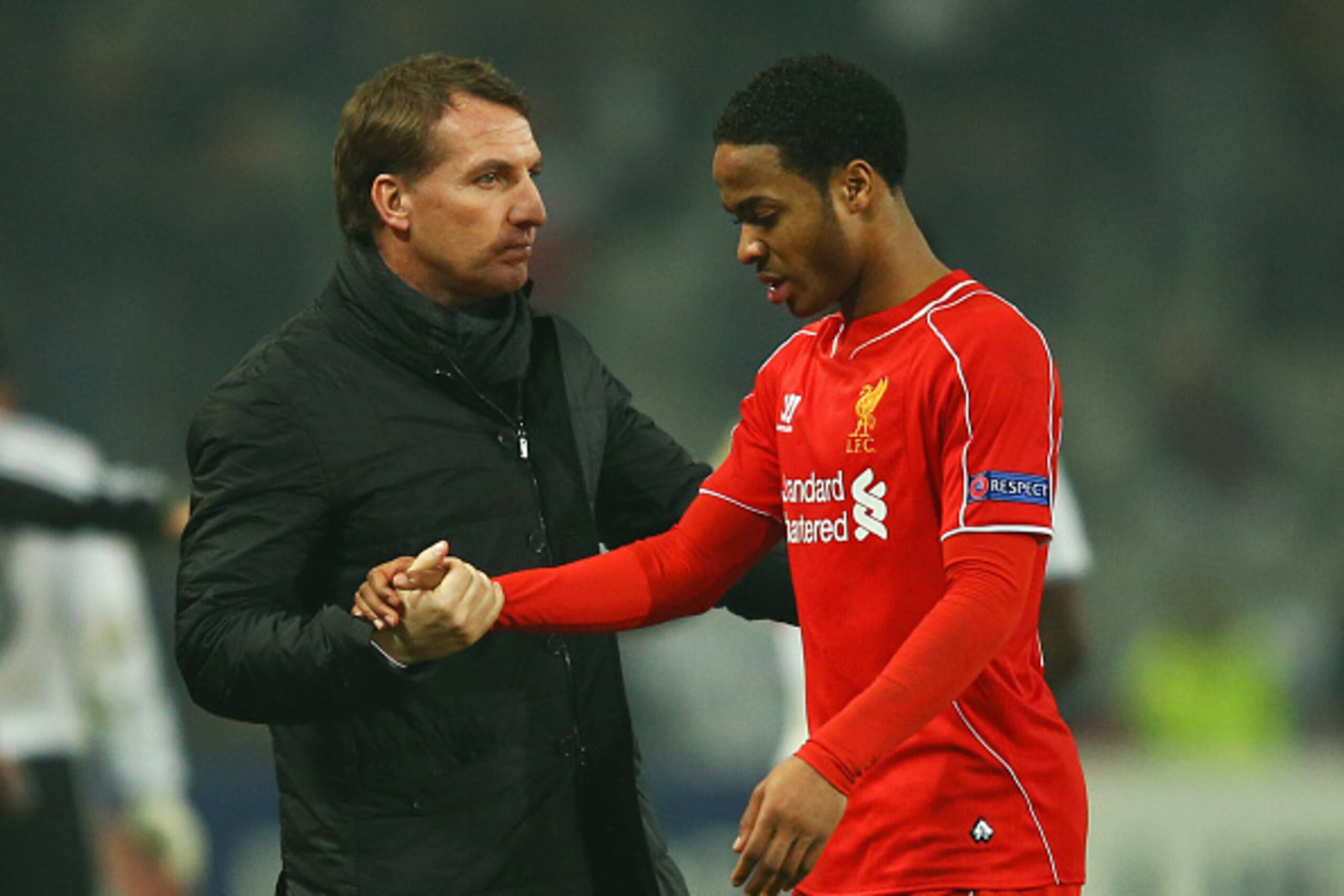
Liverpool appear intent on playing a risky strategy with new contracts for their players, one which has already backfired quite spectacularly and only looks set to continue to do so.
While contracts may not be worth the paper they are written on in terms of the player actually staying at a club for the terms of the deal, the longer a contract has remaining, the more the club are protected from losing a player for less than his value.
Hence, Liverpool were able to get maximum value for Luis Suarez last summer after he signed a new contract six months earlier.
Typically, footballers, especially the more high-profile ones, are signed up when their contract has two years remaining. This means negotiations can't get close to one year remaining, at which point the player has the power by either waiting out for a free transfer—and with it a huge signing-on fee at the new club—or being sold for a reduced fee in order to avoid losing the player for free.
Skrtel's contract expires next summer, Sterling's contract has little over two years remaining on it and Henderson's had less than 18 months remaining when he eventually signed his new deal. It's certainly a high-risk strategy, and it's difficult to see what can be gained from it.
The only thing that this strategy guarantees is that it will upset players, especially senior players who feel they should be afforded more from the club.
McManaman=Sterling?
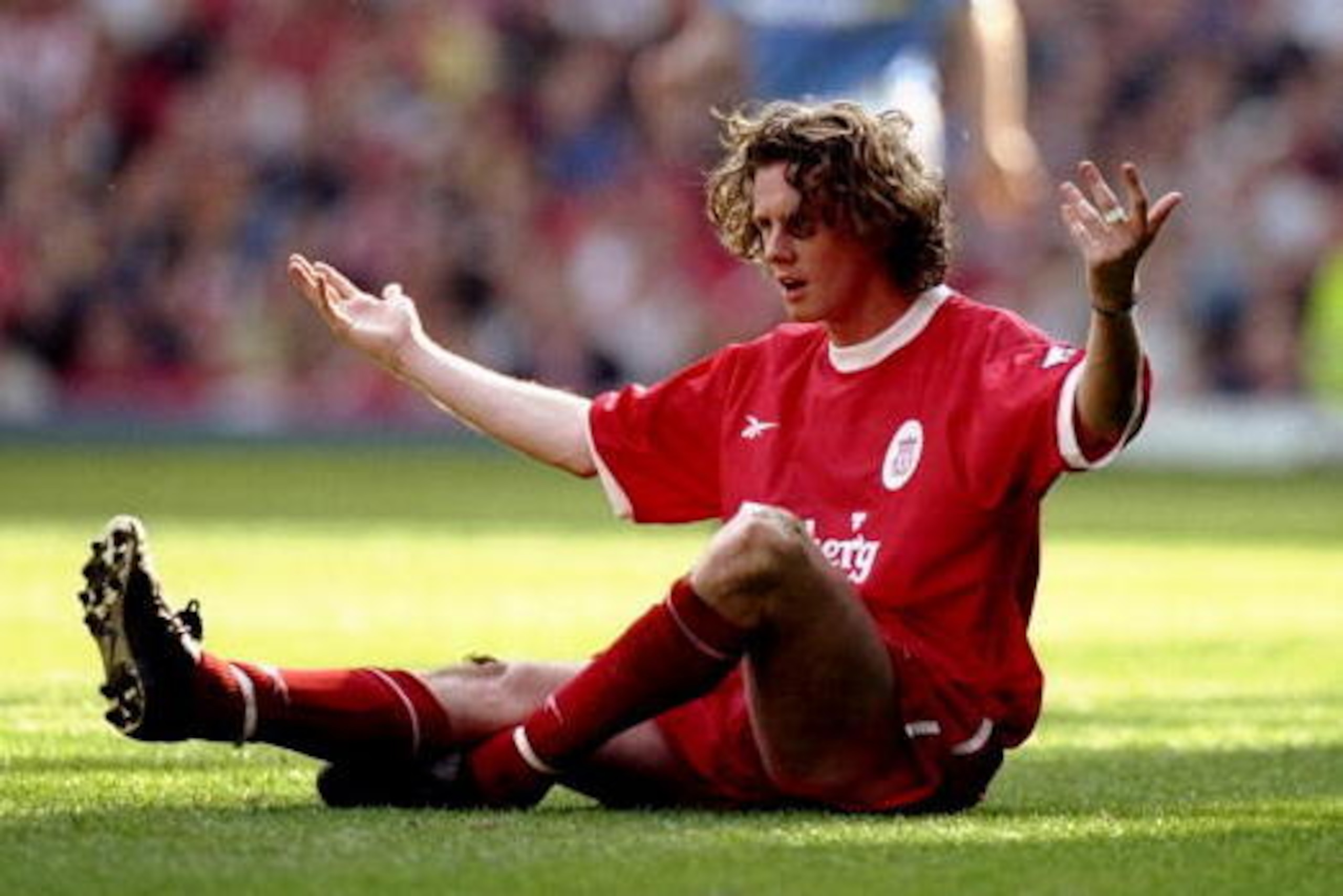
Indeed, Liverpool of all clubs should be aware of the dangers of losing a player for free, having been the first big club to suffer when they foolishly allowed Steve McManaman to run down his contract in 1999.
McManaman left for Real Madrid, and Liverpool received nothing for the player they had brought from their academy and who made almost 300 appearances for the club. Liverpool had turned down £12 million for the player from Barcelona two years earlier, according to the Independent.
Liverpool fans were irate with McManaman, but the other side to the story is that Liverpool should have given him the contract he wanted and deserved, or else sold him while they were receiving such a substantial transfer fee.
Much has changed in football since then, but there are parallels with the McManaman situation and Sterling's now. Sterling has made it pretty clear he isn't exactly happy at Anfield and could easily run down his contract and leave once it expires in two years.
Rodgers insists Sterling won't be sold this summer. "He [Sterling] won't be going anywhere in the summer. That's for sure," he told reporters back in April.
If Liverpool fail to agree a new deal, Sterling's bargaining power will be even stronger next summer, and Liverpool will be faced with letting him go for below his value or allowing him to see out his final year.
Leadership

All this calls into question the leadership of Liverpool's hierarchy, both in terms of the strategy adopted and the process itself.
Just who is deciding to play this hardball game, and what is the rationale?
Are the problems caused by the negotiations themselves? Are these negotiations being handled by chief executive Ian Ayre?
Whoever it is making the decisions is playing with fire and would be wise to keep not only the supporters but also the players themselves happy by sorting the new contracts without pushing them away.
Manchester City might be able to afford to lose James Milner on a free transfer this summer. Liverpool can't afford a similar risk with a player such as Sterling or Ibe.
.jpg?w=2560 "Rams Raiders Football")


.jpg?w=2560 "Rodgers Iced Out on Plane 💎")

.jpg?w=2560 "🚨 Week 8 AP Top 25 Poll")
.jpg?w=2560 "Fantasy Waiver Wire Stars 🤩")
.jpg?w=2560 "Packers Safety Slams Refs 🤬")
