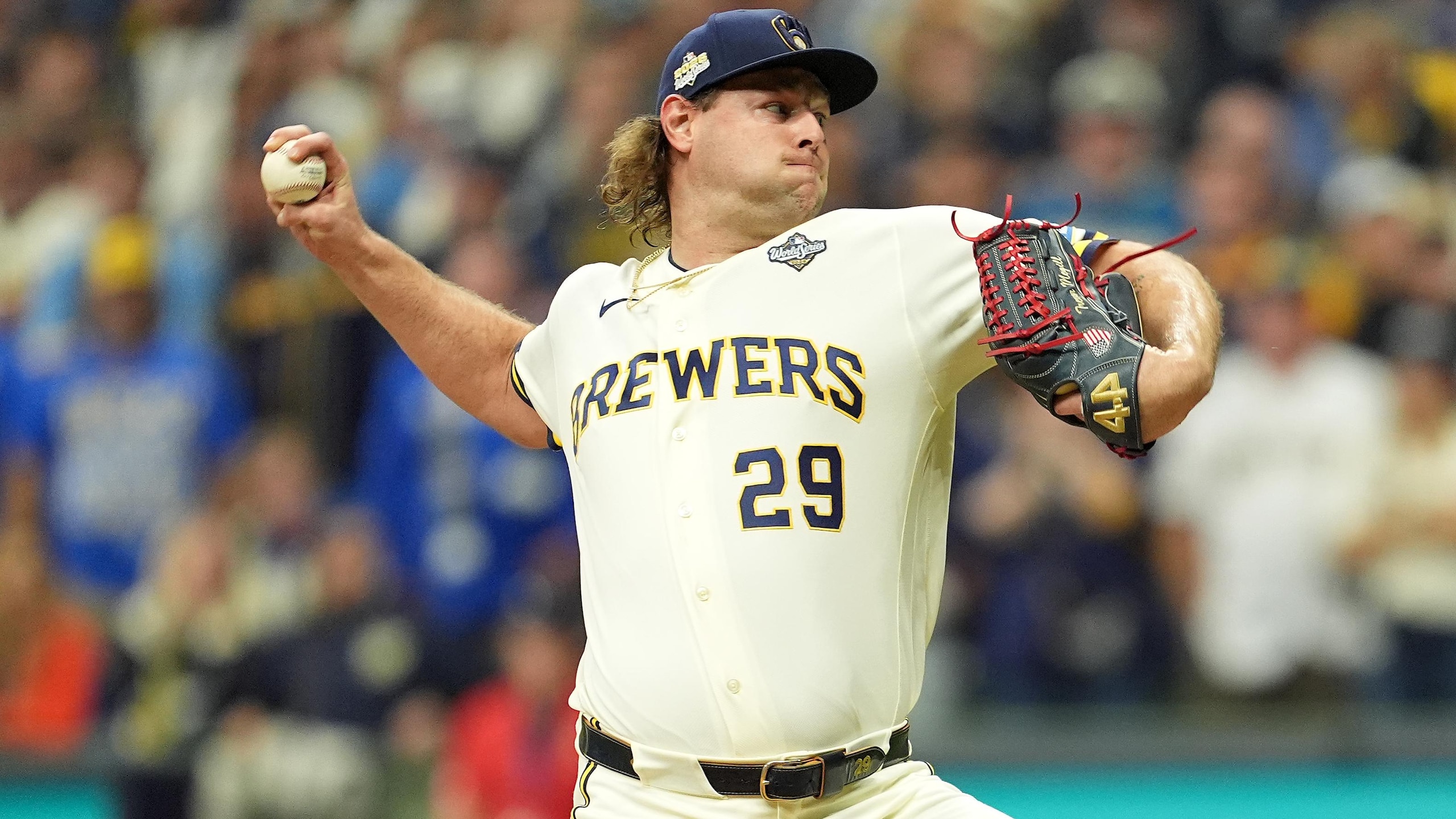
Breaking Down Ashley Young's Performance for Manchester United vs. Palace
During his co-commentary on Manchester United's win over Crystal Palace, Sky Sports pundit Gary Neville named Ashley Young as his Man of the Match.
The public vote on the club's Twitter account may have awarded that accolade to David De Gea—whose remarkable save from Glenn Murray was one of the game's stand-out moments—but among United's outfielders, Young was well deserving of praise.
TOP NEWS
Highlights and Viral Moments 🍿

Final Men's Ballon d'Or Rankings 📊

J-Dub Suffers Gruesome Injury
It was praise which certainly would not arrive from the majority of those in the stands. The Selhurst Park faithful made their feelings toward him abundantly clear—booing his every touch—still wounded by the memory of a 2013 dive against their side.
Young—who appears to have more or less removed that part of his repertoire in recent times—responded superbly to the hostility.
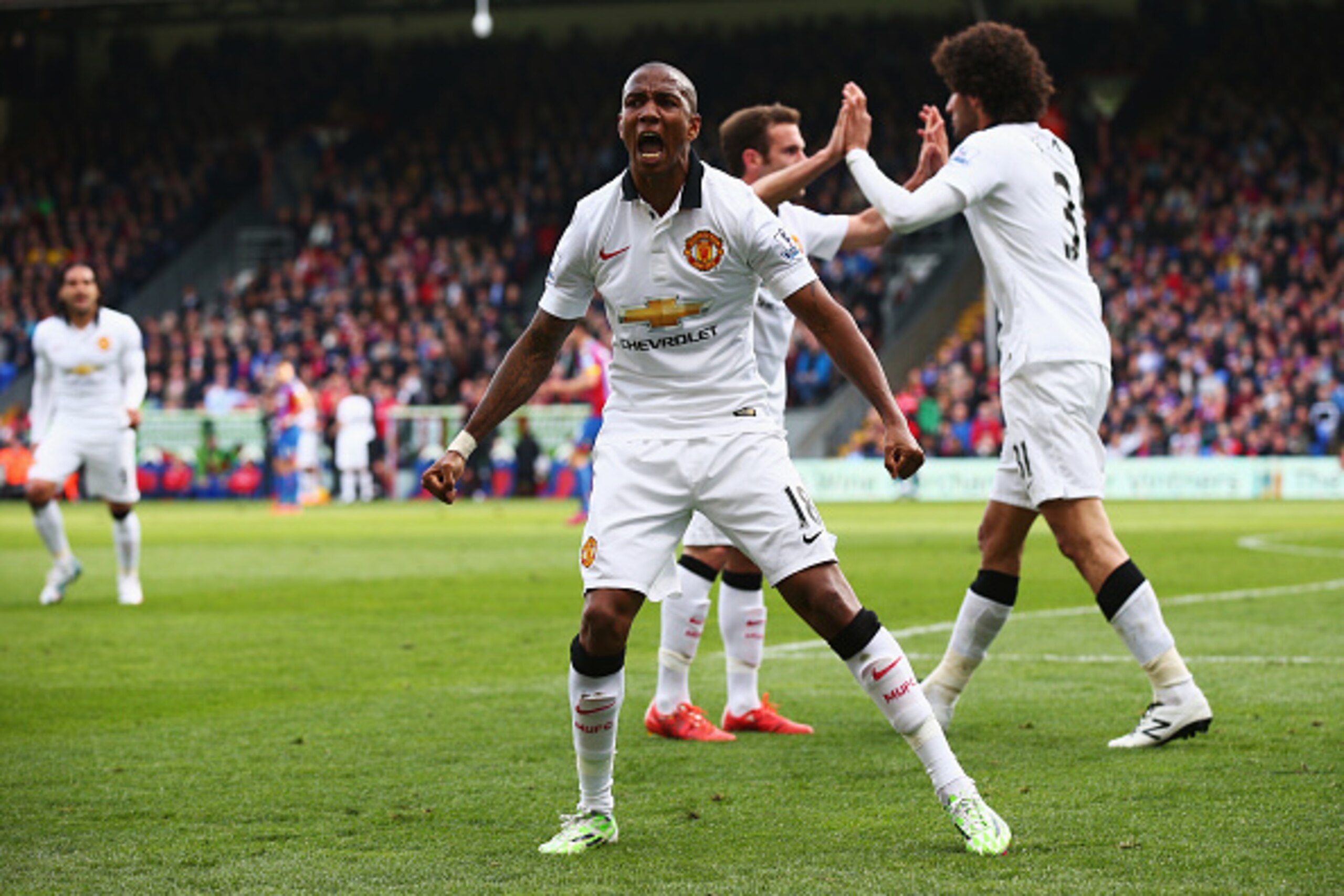
His was the cross that led to Scott Dann's handball, which won United a first-half penalty. And his was the cross which—thanks to the help of a nudge on the defender from Radamel Falcao—landed on Marouane Fellaini's head at the far post for the Red Devils' winner.
They were not his only contributions. He was a thorn in Palace's side in attack, taking on defenders six times, and succeeding with four of his attempts. Each of those saw him take the ball past Joel Ward, who struggled all game to deal with Young.
While his final ball was mixed, it is always good to see Young vary his approach by attempting to get to the byline and cross with his left foot, rather than cutting inside to use his right. It helps his movement be less predictable to defenders, even if the resulting crosses are not always of the highest quality.
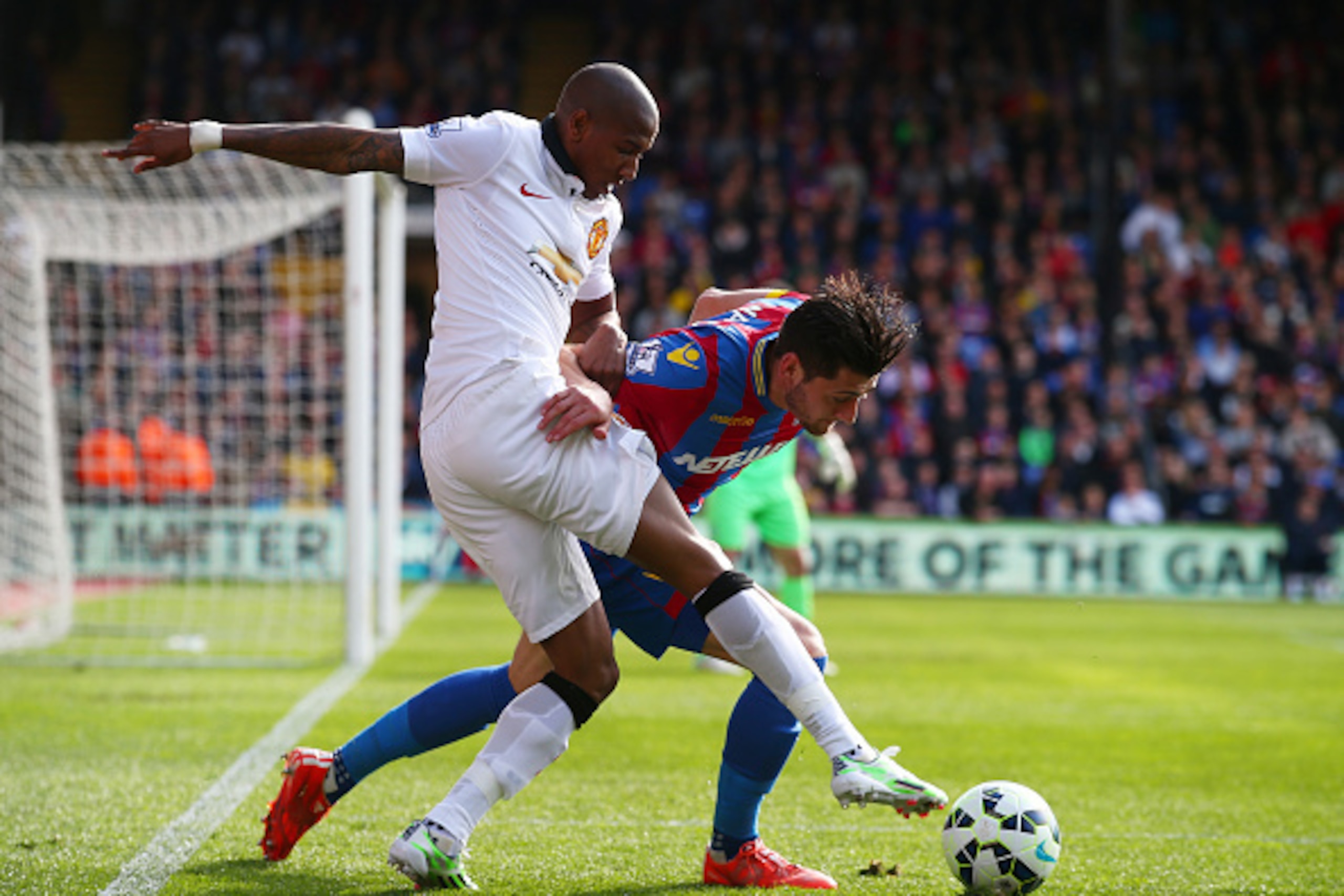
In total he found a team-mate with four of his 10 crosses—which does not, of course, include the cross which won United a penalty.
As is typical for a winger, Young's pass completion was below the average success of his team-mates. However, that is only cause for concern if the ball is given away cheaply in United's half, or if he is failing to provide the necessary creativity with his riskier passing.
Neither was the case here. None of his passes were intercepted in United's half. In terms of creativity, his assist was one of four key passes. No other player on the pitch managed more than two.
It is easy to imagine that one of the reasons Louis van Gaal values Young is his defensive work. He made more successful tackles than any other United player in this game—five in total, of an attempted six.
There are still plenty of flaws in Young's game, particularly his left-foot crossing. His output in terms of goals and assists this season has not been prodigious. However, his base level of performance appears to have improved over recent campaigns.
There was a point during last season where it was hard to get excited even when he had the ball in dangerous positions because so little seemed likely to come from it.
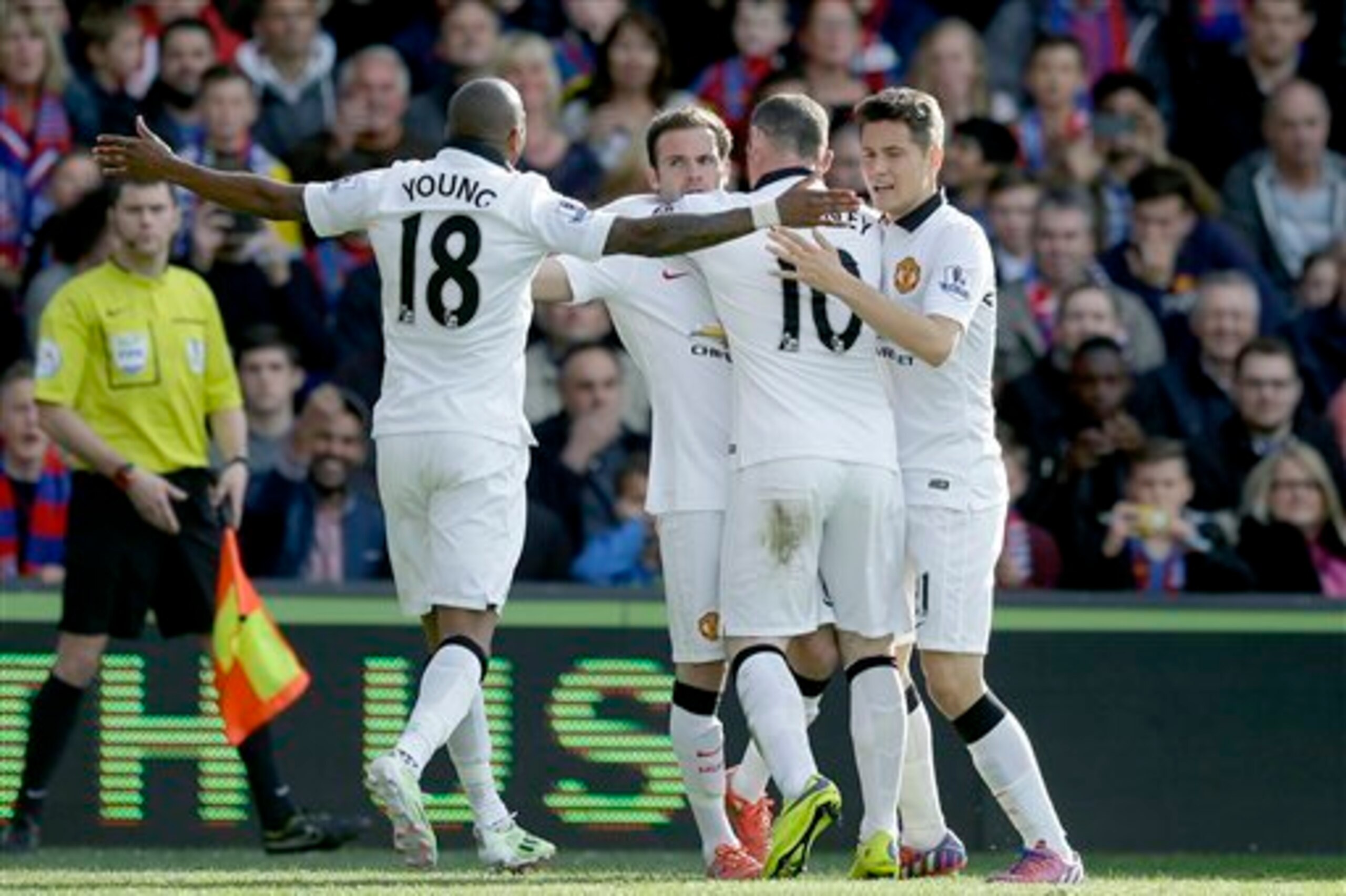
That has not been the case this season, indeed there have been a few key games in which his contribution was vital. He put in a tour-de-force performance in the Manchester derby at Old Trafford, for example.
And he was absolutely crucial in United's scrappy win over Palace on Saturday. It was a win defined more by determination than by quality, and maybe then it is fitting that one of United's less storied players was so important.
It was also a win that brings the Red Devils closer to what has become the all-important top-four spot.
Young's role in United's future may be unclear, given the impending arrival of Memphis Depay, who has played the whole season in what has recently become Young's position—left-forward in a 4-3-3.
However, Young's versatility, work rate and increased effectiveness make it likely that Van Gaal will want to keep him around. Performances like Sunday's prove just how useful he can be.
All advanced statistics come courtesy of Squawka.com.
.jpg?w=2560 "Rams Raiders Football")

.jpg?w=2560 "Rodgers Iced Out on Plane 💎")
.jpg?w=2560 "Packers Safety Slams Refs 🤬")

.jpg?w=2560 "🚨 Week 8 AP Top 25 Poll")