

Is European Football Enough to Satisfy Tottenham's Owners?
Tottenham will almost certainly finish the season in the Europa League qualification places.
Denied an always unlikely Champions League position by a slow start and a late season collapse, they are now sixth and will probably end the season there.
Even if they slip behind Southampton, Arsenal are likely to defeat Aston Villa in the FA Cup Final and thus make seventh place also a European position.
TOP NEWS

Final Men's Ballon d'Or Rankings 📊
Highlights and Viral Moments 🍿

J-Dub Suffers Gruesome Injury
Spurs finished sixth last season after finishing fifth and fourth in the previous campaigns.
Sixth was deemed an unacceptable performance or, at least, insufficient for Tim Sherwood to keep his job, despite the 18-month contract that he had signed only six months earlier.
Given that Mauricio Pochettino has only managed to match the combined efforts of predecessors Sherwood and Andre Villas-Boas, it seems pertinent to ask whether Pochettino might suffer their same fates.
Of course, the circumstances are quite different for Pochettino. He was handed a five-year contract, somewhat unprecedented for Tottenham, and that suggests a change of attitude in the corridors of power at White Hart Lane.
Daniel Levy is unafraid of pulling the trigger on a manager. Witness his rather cold-blooded decision to dismiss Harry Redknapp in the summer of 2012. Arguments can be and have been made about why that decision was right or wrong. Ultimately, that is irrelevant.
That Levy sacked Redknapp, along with Martin Jol, Villas-Boas, Juande Ramos and Sherwood, proves that he will not adopt any kind of 'wait-and-see' approach.
It does seem that Levy and, by extension, the club have learned from the cyclical failures that are so prominently mocked on social media.
The Frankenstein's monster that is Spurs' squad is testament to the problems with such a short-sighted approach to management.
Had Jol been given more time, Spurs would almost certainly have seen Gareth Bale in full flight far earlier than they did under Redknapp.
Redknapp himself did finish in the top four twice in three seasons and was never fully backed in the transfer market.
Perhaps either of those could have found success at Spurs with a little more time.
Realistically, Jol was never the first-choice manager, and Redknapp was intended as a short-term appointment. The board weren't comfortable with either and took their chances to move on when they presented themselves.
Pochettino is a different case. He was aggressively pursued, signed for a significant fee from Southampton and appointed with a broader remit than any of Spurs' other recent managers.
Finishing in the Europa League is, at the end of year one of the "Pochettino era," certainly acceptable.
The Argentinian has attempted to aggressively reshape his team around the players that he believes recognise and can follow his vision.
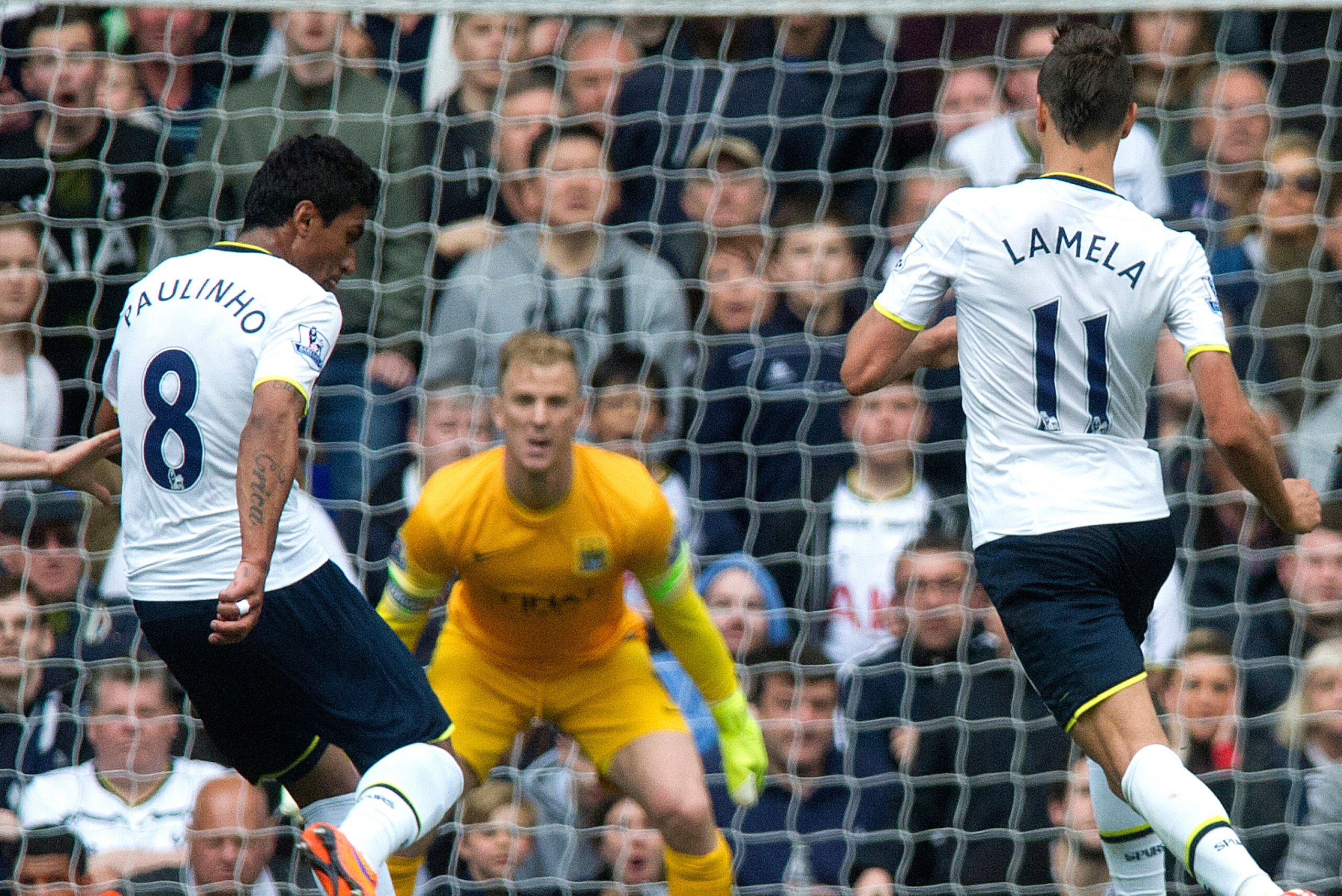
The likes of Younes Kaboul, Paulinho and Emmanuel Adebayor have been largely ignored this season despite being among Spurs' highest-paid players.
The board has given no ultimatums to their manager over Adebayor, as they reportedly did with AVB.
Instead, Pochettino has been encouraged to draw upon Spurs' ample academy talent and build from within. He is building a more balanced, resilient team that will not come to pieces if a single star player is sold. Spurs have learned from bitter experience how costly that can be.
Pochettino will certainly not be sacked after a trophyless debut campaign and an anti-climactic Europa League qualification. His was a long-term appointment, and the portents are good.
That Spurs have improved their results significantly against the top sides despite fielding the youngest team in the Premier League can only indicate that Pochettino is taking the club in the right direction.
The Europa League has become the single malefactor of all Spurs' problems for their fans. It is blamed for every poor result, and yet it does provide (limited) revenue, appeal for players and the potential for attractive opposition (generally in the later rounds).
It also holds a direct route into the Champions League for the winner.
Pochettino admits that the Europa League will not be the priority next season, but it still provides the potential for younger players and out-of-favour squad members to get valuable playing time. It need not be a millstone for the club's Premier League aspirations.
Tottenham are building after several seasons of aimlessness. Gareth Bale's remarkable final season in England injected life into an otherwise lifeless campaign, and that was still the highlight of the last four years.
Pochettino needs time to see his vision come to fruition. Spurs finishing sixth with the sixth-highest wage bill and the youngest squad in the league is entirely acceptable and a fine springboard for next season.
That is when expectations will really begin to rise.
.jpg?w=2560 "Rams Raiders Football")



.jpg?w=2560 "Rodgers Iced Out on Plane 💎")

.jpg?w=2560 "🚨 Week 8 AP Top 25 Poll")
.jpg?w=2560 "Packers Safety Slams Refs 🤬")